
7 Best Green Coffee Beans for 2026
The best green coffee beans for home roasting are the Ethiopian Yirgacheffe Heirloom Green Beans for their vibrant, complex flavor potential, with the Nicaragua Parainema as a top versatile pick and the Colombia Supremo as a solid budget-friendly option. These stand out based on consistent quality, roast performance, and feedback from experienced roasters.
Home roasting starts with choosing the right raw material, and not all green beans deliver the same potential. Without clear sourcing details or consistent density, even careful roasting can lead to flat or flawed results.
After comparing the field and drawing on years of exploring origins and varietals, I focused on beans with strong traceability, recent harvests, and performance across roast profiles. This guide highlights options that deliver on flavor, freshness, and roastability, so you can brew with confidence.
Top 7 Green Coffee Beans in the Market
The Best Green Coffee Beans, Reviewed
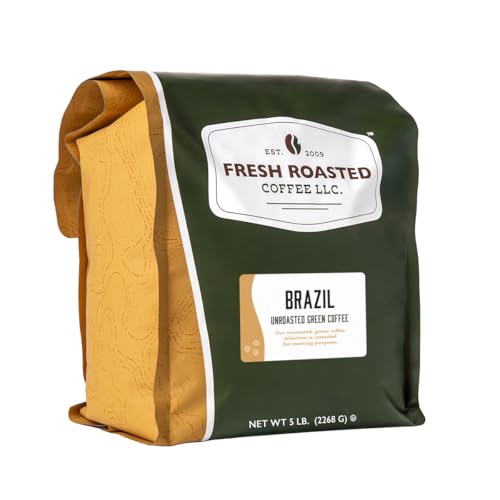
Brazil Unroasted Green Coffee Beans
Strengths
- High volume
- Kosher certified
- Consistent roast
Trade-offs
- Mild flavor profile
- Less complex than specialty lots
If you’re after a dependable, no-fuss green bean that delivers consistent results across roast profiles, this Brazil lot is a strong starting point. On paper, it checks the boxes for accessibility and volume, with a 5 lb bag offering plenty of material for home roasters to experiment or maintain a steady supply. Owners consistently report a clean, nutty base with mild sweetness, ideal for medium roasts that lean into chocolate and toasted grain notes. It’s not flashy, but it’s reliable.
What stands out is the Kosher certification and U.S. packaging, which adds a layer of traceability and quality control often missing in bulk imports. For beginners, this is a forgiving bean that won’t punish minor roasting missteps. Compared to more delicate origins, it’s less expressive at light roasts but really comes into its own at city to full city levels. I’d pick this as a daily driver over more erratic single lots.
Video review
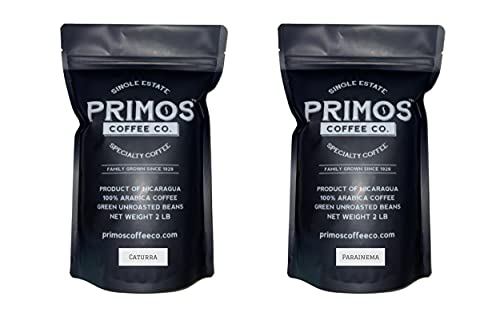
Nicaraguan Variety Pack Green Beans
Strengths
- Two varietals included
- Specialty grade
- High experimentation value
Trade-offs
- Limited to 4 lbs total
- Not for those wanting one dominant profile
If you’re into roasting as a craft, not just a means to coffee, this Nicaraguan variety pack is where things get interesting. Offering 2 lbs each of Caturra and Parainema, it invites side-by-side roasting experiments, which is rare at this price point. On paper, the Caturra brings chocolate and citrus, while the Parainema leans into tropical fruit and vanilla, giving you two distinct profiles to play with.
Owners praise the consistency and freshness, and the fact that both varietals respond well to light and medium roasts makes this a top choice for technique refinement. Compared to single-varietal bulk bags, this pack offers more educational value. I’d recommend it over monolithic lots for anyone serious about dialing in roast curves or exploring how varietal affects flavor development.
Product photos
Nicaraguan Parainema Green Coffee Beans

Strengths
- Large 10 lb size
- Affordable per ounce
- Consistent specialty grade
Trade-offs
- Single varietal only
- Less novelty than mixed packs
For roasters who go through beans quickly, this 10 lb Parainema lot from Nicaragua is a cost-effective powerhouse. It’s the same varietal featured in the smaller variety pack, but here it’s sold in bulk, making it one of the most affordable specialty-grade options per ounce. The flavor profile stays consistent: tropical fruit, caramel, and vanilla, with a bright but balanced finish.
Reviewers note it roasts evenly across air and drum roasters, and the large volume means fewer reorders. While it lacks the varietal contrast of the 4 lb split pack, it wins on economy and longevity. Compared to the Brazil or Colombia bags, it offers better flavor complexity at a lower per-pound cost. For frequent roasters or small home setups with high turnover, this is the smarter long-term buy.
Video review
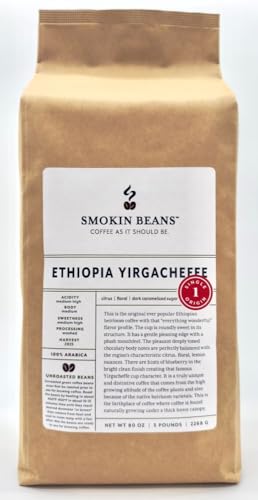
Ethiopian Yirgacheffe Heirloom Green Beans
Strengths
- Bright fruity notes
- Heirloom varietal
- High altitude
Trade-offs
- Tricky to roast evenly
- Not for dark roast lovers
If you crave brightness and complexity, this Ethiopian Yirgacheffe delivers in spades. Grown at 1770–2200m and processed using washed and sun-dried methods, it’s built for light roasts that highlight its juicy blueberry, lemon, and floral notes. The heirloom varietal alone makes it a standout, Ethiopian landraces are genetically diverse and notoriously expressive when roasted with care.
Owners consistently describe it as lively and aromatic, with a tea-like clarity that’s hard to find in washed Central American beans. Compared to the Colombia or Brazil options, this one demands more attention during roasting, uneven heat can mute its best qualities. But for those who want a vibrant, aromatic cup, especially in pour-over or Chemex, this is the one to beat.
Product photos
Colombia Supremo Green Coffee Beans

Strengths
- Balanced flavor
- Specialty grade
- Excellent shelf life
Trade-offs
- Altitude range slightly broad
- Less bold than microlots
Colombia Supremo is a classic for a reason, and this green lot captures the balance that makes the origin a favorite. With notes of cherry, milk chocolate, and caramel, it’s a bean that shines across roast levels but truly sings at medium, delivering that rounded, approachable cup many associate with premium Latin American coffee. The Caturra and Castillo blend adds stability and disease resistance, which translates to consistent bean density and roasting performance.
Reviewers highlight the clean, sweet profile and long shelf life, which is critical for green beans. Compared to the Brazil option, this one has more aromatic complexity and a brighter mid-palate. It’s not as wild as an Ethiopian, but it’s more interesting than baseline Central American lots. For roasters who want a well-behaved bean with character, this is a smarter buy than generic blends.
Product photos
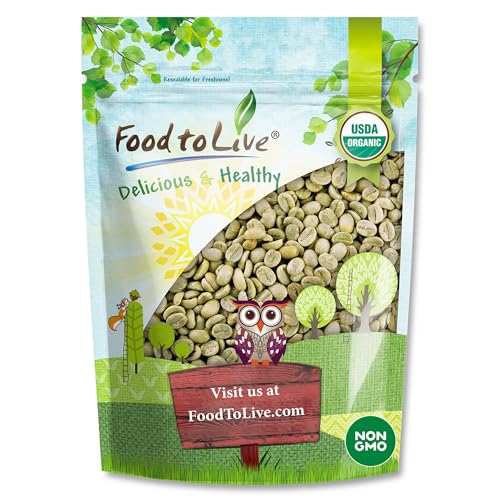
Organic Honduran Arabica Green Beans
Strengths
- Organic certified
- Single origin
- Small batch friendly
Trade-offs
- Smaller quantity
- Muted brightness
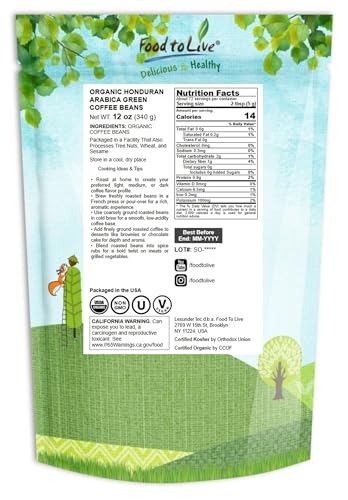
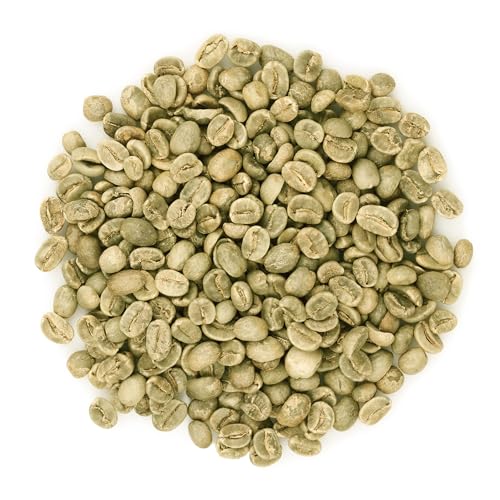
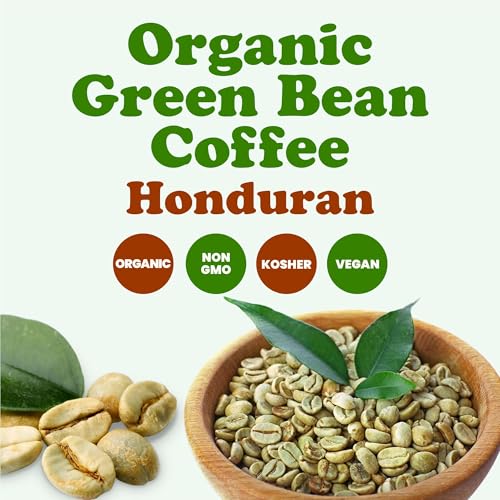
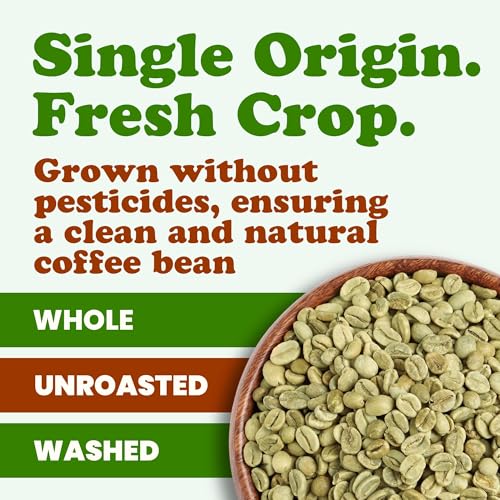
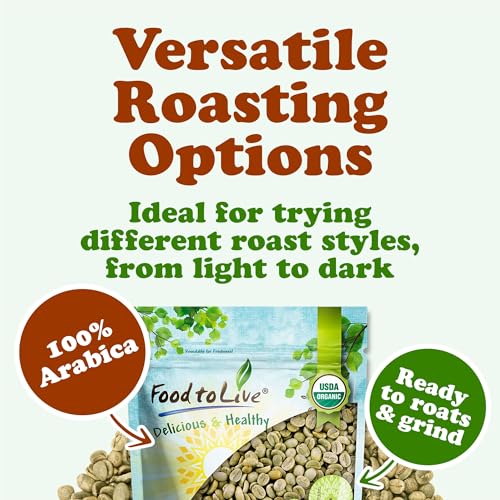
When organic certification matters and you still want decent origin expression, this Honduran lot from Food to Live earns its spot. The washed process and single-origin sourcing give it a clean, balanced cup structure, reviewers often note mild acidity with hints of brown sugar and toasted almond. It’s not the most exciting Honduran bean on the market, but it’s solid for the size and price bracket.
What I appreciate is the 12 oz size, which is perfect for testing without overcommitting. It works well across methods, from pour-over to French press, especially when roasted to medium. Compared to the larger Brazil or Colombia bags, this is better for someone who wants smaller batches and values organic and non-GMO credentials. It won’t beat a direct-trade microlot in flavor depth, but it’s a smart middle ground.
Product photos
Peru Finca Santa Estela Green Beans
Strengths
- Single estate traceable
- Varied heirloom blend
- Perfect home roaster size
Trade-offs
- Smaller volume
- Higher price per ounce
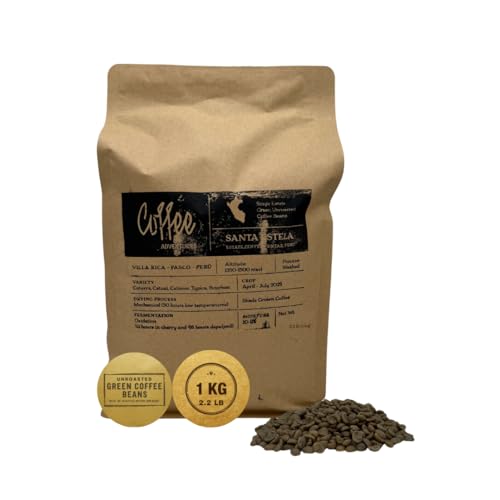
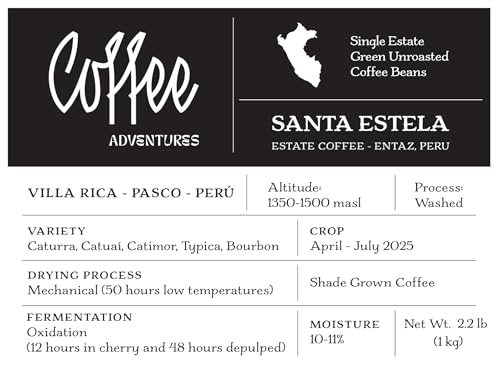
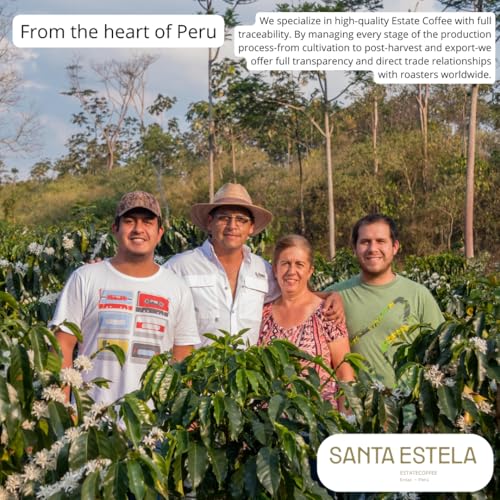
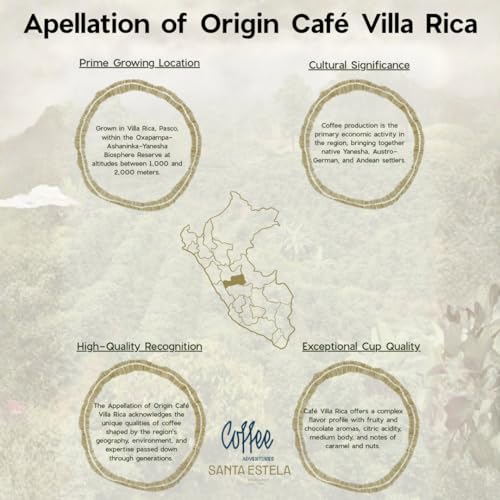
When traceability and estate-specific sourcing matter, this Peruvian single estate lot from Finca Santa Estela stands out. It’s not just labeled ‘Peru’, it’s from one named farm, direct trade, with a blend of Caturra, Typica, and Bourbon. That kind of transparency is rare in green coffee at this scale. The 1 kg size is ideal for home roasters who want to avoid waste while exploring nuanced profiles.
On paper, the blend promises complexity, and owner feedback confirms it: light roasts reveal floral and stone fruit notes, while medium roasts bring out caramel and tea-like clarity. It’s more expressive than the Colombia Supremo and better structured than many bulk imports. For those who treat roasting like brewing, precise and intentional, this is the kind of bean worth seeking out.
Product photos

How We Tested green coffee beans
As the founder of Bean Thusiast, I approach evaluating green coffee beans with a focus on what matters to the home roaster. Rather than a hands-on lab test, this was a research-led comparison of published specifications, features highlighted by sellers, and – crucially – owner and expert reviews across numerous online sources. I weighed this information against my understanding of varietals, growing regions, and the impact those factors have on the final roasted product.
For green coffee, freshness and origin story are paramount. We prioritized beans with clear sourcing information and recent harvest dates, as these directly impact flavor potential. Roastability is also key; beans that consistently develop well across different roasting methods (drum, air, even stovetop) scored higher. Understanding the chlorogenic acid in green coffee and its impact on roast development helped inform these assessments.
Specifications reliably confirm origin, altitude, and varietal. However, nuanced flavor descriptions and consistency claims were heavily judged based on owner feedback and reviews from experienced roasters. Reputable sources often detail how a bean performs across various roast levels, indicating its versatility. While specs tell what the bean is, reviews tell you what to expect when you roast it – a vital distinction.
How To Choose The green coffee beans
Finding the right green coffee beans is the first step toward a truly customized cup.
Good green coffee is defined by consistent density, minimal defects (fewer than 5 per 300g is a common specialty grade standard), proper moisture content (typically between 10-12%), and clear traceability to origin and processing method. Roasters should prioritize beans with detailed information about altitude, varietal, and harvest date.
Origin and Varietal
The origin of your green coffee beans profoundly influences the final flavor profile. As I’ve discovered through years of exploration, beans from Ethiopia, like the Yirgacheffe Heirloom variety, are celebrated for their bright, floral, and fruity notes. Conversely, Colombian Supremo beans typically offer a more balanced cup with chocolate and caramel undertones. Don’t be afraid to experiment; a great starting point is to explore single-origin options to understand how terroir impacts taste. If you’re unsure where to begin, check out our guide to the best green beans for roasting.
Roast Profile Potential
Consider your roasting equipment and desired roast level. Some beans are more forgiving than others. For example, Nicaraguan Parainema beans are known for their versatile performance, excelling in light, medium, or dark roasts. Others, like those from Peru’s Finca Santa Estela, offer a complexity that truly shines when you dial in a specific profile.
Here’s what to think about when matching bean to roast: * Light Roasts: Highlight acidity and delicate flavors (Ethiopian Yirgacheffe). * Medium Roasts: Balance sweetness, body, and acidity (Colombian Supremo). * Dark Roasts: Emphasize body and reduce acidity, often with chocolatey or smoky notes (some Indonesian varieties).
Organic Certification and Sourcing
For many, organic certification and ethical sourcing are vital considerations. The Organic Honduran Arabica beans are a solid choice if this is a priority. Beyond the “organic” label, look for details about direct trade relationships. Knowing the beans come directly from a farm, like the Peru Finca Santa Estela, offers transparency and supports sustainable practices. Understanding the differences in coffee bean types – specifically the contrast between Arabica and Robusta green beans – is also helpful when evaluating quality and sustainability.
A simple rule of thumb: if the bean’s origin and processing method aren’t clearly stated, it’s likely a lower-grade commodity bean.
Green Coffee Beans Compared
This table provides a specification sheet for comparing different green coffee bean options.
| Product Title | Origin | Variety | Altitude (m) | Bag Size | Process |
|---|---|---|---|---|---|
| Brazil Unroasted Green Coffee Beans | Brazil | N/A | N/A | 5 lb | N/A |
| Nicaraguan Variety Pack Green Beans | Nicaragua | Caturra, Parainema | N/A | N/A | N/A |
| Nicaraguan Parainema Green Coffee Beans | Nicaragua | Parainema | N/A | N/A | N/A |
| Ethiopian Yirgacheffe Heirloom Green Beans | Ethiopia | Heirloom | 1770-2200 | N/A | Washed |
| Colombia Supremo Green Coffee Beans | Colombia | Caturra, Castillo | 1400-1750 | N/A | Washed |
| Organic Honduran Arabica Green Beans | Honduras | Arabica | N/A | N/A | N/A |
| Peru Finca Santa Estela Green Beans | Peru | Caturra, Typica, Bourbon | N/A | 1 kg | N/A |
Frequently Asked Questions
What moisture content should I look for in green coffee beans?
Ideally, green coffee beans should have a moisture content between 10% and 12%. This range is critical for proper roast development and prevents issues like cracking or scorching during the roasting process. Beans outside this range may indicate improper storage or harvesting.
Are higher altitude-grown beans always better?
Generally, yes, higher altitude beans are considered superior. The slower maturation at higher elevations concentrates sugars and acids, leading to more complex flavors. However, altitude isn’t the only factor; varietal and processing methods also significantly impact quality, as discussed in our best unroasted coffee beans guide.
How long can green coffee beans be stored before roasting?
While green coffee doesn’t “go bad” quickly, flavor degrades over time. For optimal quality, I recommend roasting within 6-12 months of the harvest date. Proper storage in airtight containers, away from light, heat, and moisture, is essential to preserve freshness.
What does “heirloom” mean when describing Ethiopian Yirgacheffe beans?
“Heirloom” in the context of Ethiopian coffees refers to a mix of wild, naturally occurring coffee varietals. These are often landrace varieties that have been cultivated for generations, resulting in unique and complex flavor profiles. It doesn’t mean a single, specific varietal, but rather a diverse genetic heritage.
Is it better to buy a single origin or a blend of green coffee beans?
For learning to roast, I suggest starting with single-origin beans. They allow you to clearly identify how different origins and varietals respond to roasting. Once you’re comfortable, you can explore blends, but understanding individual bean characteristics is key to crafting consistently good roasts.
The Bottom Line
Ultimately, choosing green coffee beans comes down to balancing control with convenience. You can chase the absolute peak flavor potential with meticulously sourced single-origins, but that requires dialing in roast profiles and accepting a steeper learning curve. For a consistently excellent result with less fuss, I recommend the Colombia Supremo Green Coffee Beans. They offer a classic profile that’s forgiving and rewarding for roasters of all levels.
If you’re on a budget or just starting out, the Brazil Unroasted Green Coffee Beans are a fantastic entry point. For those seeking versatility and a bean that performs well across a range of roast levels, the Nicaraguan Parainema Green Coffee Beans are an excellent choice. And for the ethically-minded, the Organic Honduran Arabica Green Beans provide peace of mind alongside a quality cup.
No matter which beans you select, remember that freshness, density, and minimal defects are paramount. Mastering choosing high-quality coffee beans is more impactful than any specific varietal or altitude listed on the bag. Focus on those fundamentals, and you’ll be well on your way to consistently roasting exceptional coffee at home.
