
7 Best Unroasted Coffee Beans of 2026
The best unroasted coffee beans for most home roasters are the Ethiopia Yirgacheffe Washed, which delivers bright, complex flavors and consistent quality. For a budget-friendly option, the Colombian Supremo Raw Arabica offers solid performance and wide roast versatility. If you’re after bold body and espresso depth, the Vietnamese Altura Robusta is a strong pick.
Choosing green coffee beans isn’t just about origin, it’s about matching bean characteristics to your roasting style and taste preferences. Many beginners underestimate how much varietal, processing, and altitude affect the final cup.
As the founder of Bean Thusiast, I focused this guide on beans with clear traceability, specialty-grade potential, and strong feedback from home roasters. These picks reflect a balance of flavor promise, roastability, and value, based on specs and real-world user experiences.
Top 7 Unroasted Coffee Beans in the Market
The Best Unroasted Coffee Beans, Reviewed
Sumatra Mandheling Unroasted Arabica Beans

Strengths
- Distinctive earthy-spicy profile
- Excellent body and mouthfeel
- Fresh current crop
Trade-offs
- Not for bright or acidic cups
- Wet-hulled process not to all tastes
- Strong aroma may polarize
If you’re after that legendary Sumatran profile, earthy, spicy, with low acidity and a syrupy body, this Mandheling lot is hard to beat. The wet-hulled process used in Indonesia gives these beans their signature funk and depth, and owners consistently report excellent results in drum roasters, especially at medium to dark levels. The 5-pound bag is a commitment, but green beans store well, and this one’s from a fresh crop, which matters for moisture content and roast predictability.
Compared to the Peruvian single estate, it’s less about clarity and more about character. It won’t shine in a V60, but in a French press or espresso blend? Absolutely. The Jember Ateng varietals here are rugged and resilient, making them a favorite in the home roasting community for their consistency. This is my pick for “best overall” not because it’s the most refined, but because it delivers a distinct, reliable experience you can’t get elsewhere.
Video review
Nicaraguan Caturra Arabica Green Beans
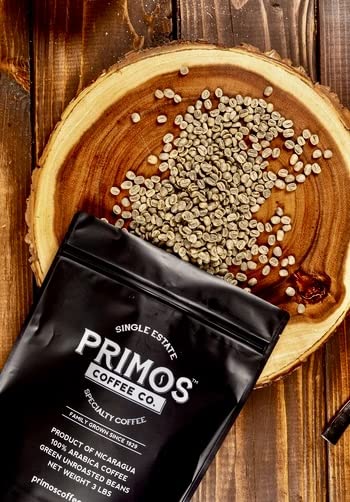
Strengths
- Affordable specialty grade
- Balanced sweet profile
- Ideal 3-pound batch size
Trade-offs
- Limited roast range at dark levels
- Fewer origin nuances
- Less packaging detail
This Nicaraguan Caturra lot punches above its price point, offering a smooth, sweet profile that’s surprisingly consistent for a budget-friendly option. The farm-direct angle stands out, owners praise the clean cup with notes of chocolate and caramel, even when roasted on improvised gear like popcorn poppers. The 3-pound size is smart: enough to experiment, not so much that it risks staleness.
What I like here is how forgiving it is for beginners. The beans are dense enough to handle heat swings, and reviewers note minimal quakers even with uneven roasting. Compared to the Colombian Supremo, it’s a bit sweeter in the mid-roast range, though it doesn’t have the same depth at dark levels. For someone testing the waters of home roasting, this is the smarter buy over pricier single estates.
Video review
Colombian Supremo Raw Arabica Beans
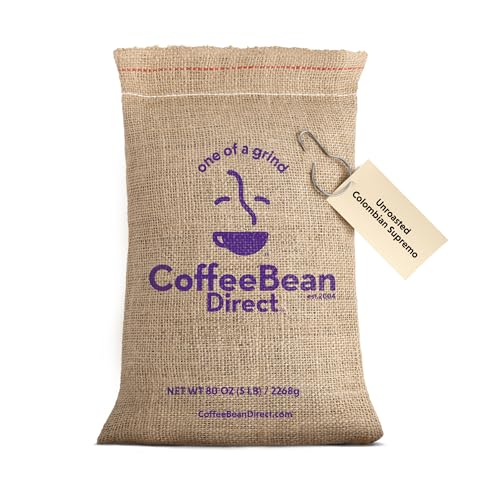
Strengths
- High-grade Supremo beans
- Excellent roast versatility
- Large 5-pound quantity
Trade-offs
- No single-farm traceability
- Less origin character than specialty lots
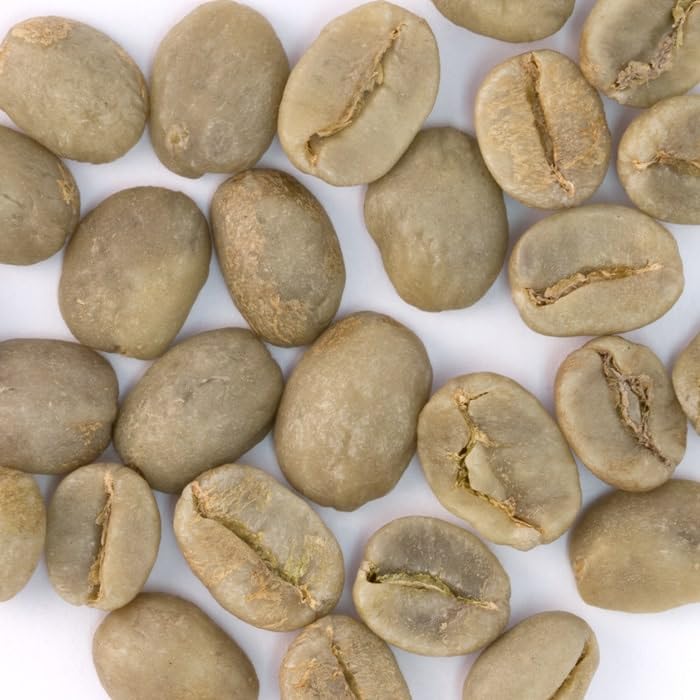
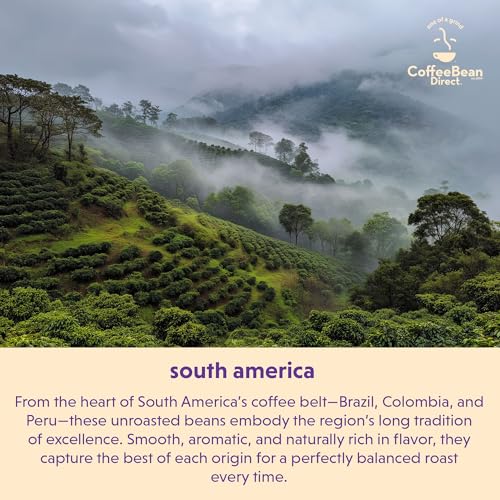
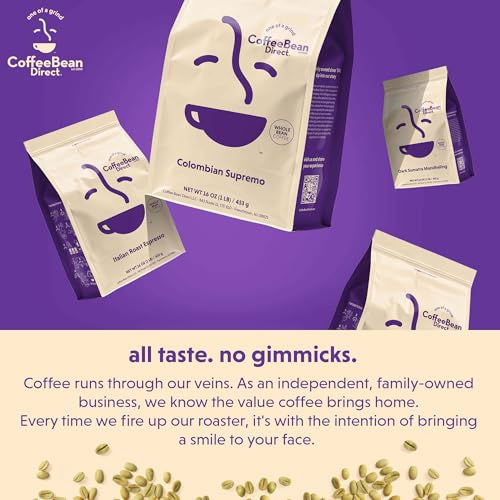
Colombian Supremo is a classic for a reason, and this 5-pound bag from Coffee Bean Direct gives home roasters serious volume without sacrificing quality. On paper, it’s built for versatility, owners consistently report clean, balanced results whether they’re pulling a light City roast or pushing into Vienna territory. The spec that matters here is bean size and density, and Supremo-grade means larger, more uniform beans that respond predictably to heat.
What stands out is the consistency reviewers mention across roast levels, bright and sweet when light, rich and rounded when dark, with a medium body that holds up well in drip or pour-over. For those just getting into roasting, this is a forgiving bean that teaches good technique without surprise bitterness or grassy off-notes. It’s not flashy, but it’s reliable.
Product photos


Ethiopia Yirgacheffe Washed Green Beans

Strengths
- Exceptional floral complexity
- High Q-score (86)
- Clean washed profile
Trade-offs
- Delicate, easily scorched
- Not ideal for dark roasts
- Smaller 2-pound bag
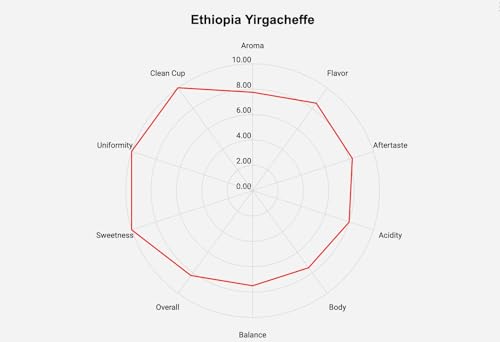
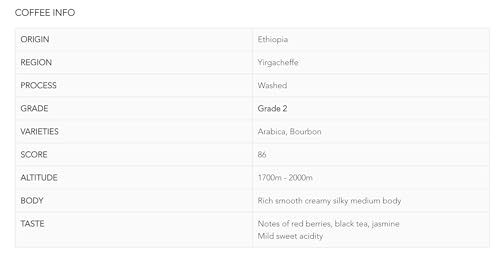
Ethiopia Yirgacheffe is the gold standard for floral, tea-like complexity, and this 86-score lot from Roastika delivers exactly that. With notes of jasmine, red berries, and black tea, it’s a specialty roaster’s dream, especially for light to medium roasts where its delicate acidity and perfume can shine. The washed process and high altitude (1700–2000m) are critical here, and owners confirm the beans roast evenly and develop a silky, medium body.
Compared to the Sumatra or Colombian options, this isn’t about body or roast flexibility, it’s about aromatic brilliance. If you’re roasting for a Chemex or a delicate pour-over, this is the pick. But if you’re aiming for dark espresso or blending, look elsewhere. This bean rewards precision and patience.
Product photos



Peru Finca Santa Estela Green Beans
Strengths
- Single-estate traceability
- Specialty grade consistency
- Balanced varietal blend
Trade-offs
- Smaller quantity
- Higher price point
- Less bold at dark roast
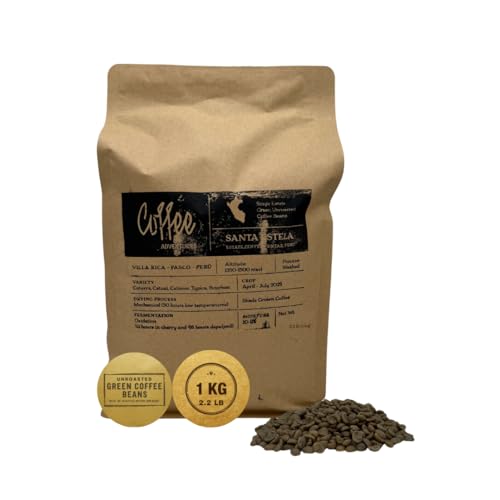
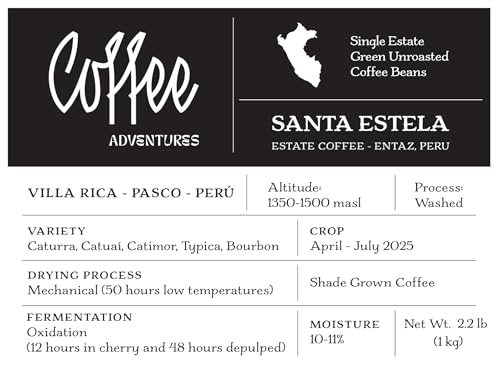
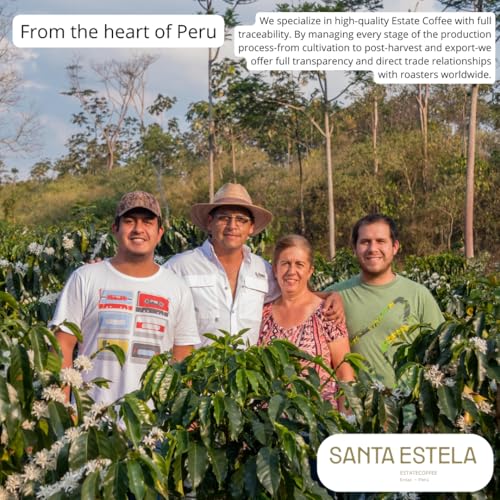
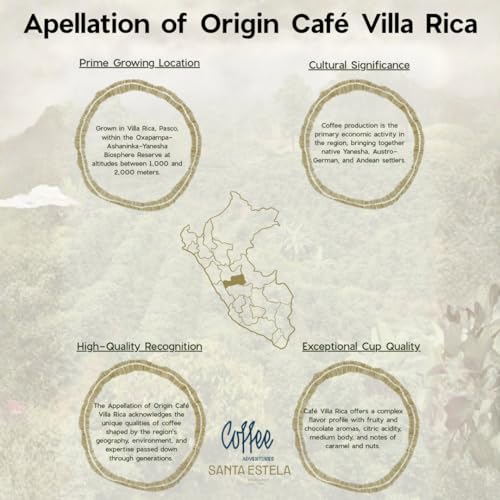
This single-estate Peruvian lot from Finca Santa Estela is a standout for traceability and craftsmanship. When a bag traces back to one farm, not a regional blend, it changes the game. Owners report a layered cup with evolving notes: bright fruit in light roasts, caramel in medium, and a smooth, chocolatey depth in darker profiles. The Caturra, Typica, and Bourbon blend adds complexity, and the 1 kg (2.2 lb) size is perfect for methodical roasters who want to test small batches across profiles.
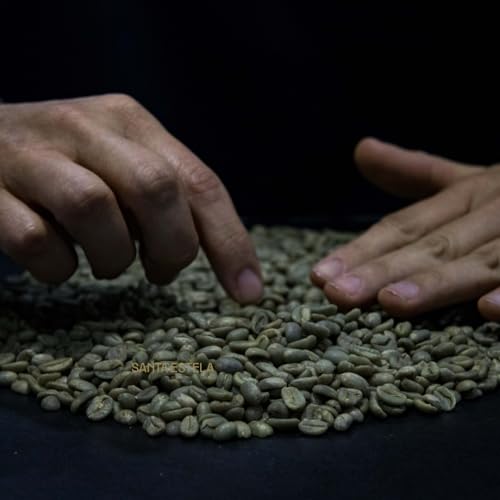
What I appreciate most is the transparency. With fewer than 5 defects per 300g, it meets true specialty grade standards. Compared to the Nicaraguan budget option, it’s more nuanced and consistent. If you care about origin integrity and want to explore how roast level transforms a single lot, this is the one to get.
Product photos

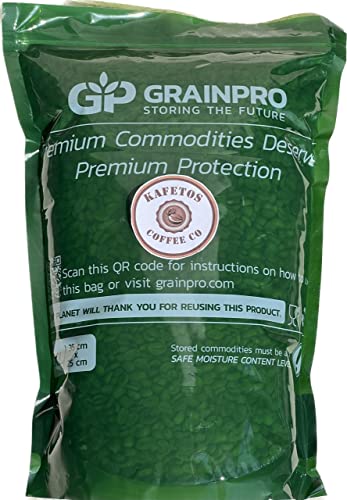
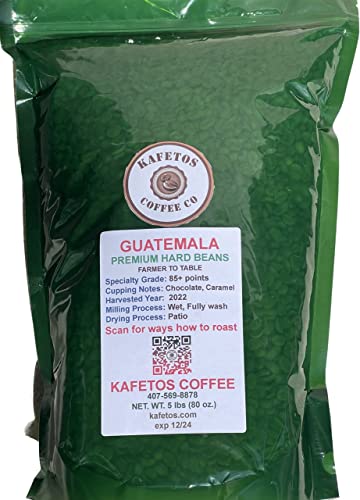
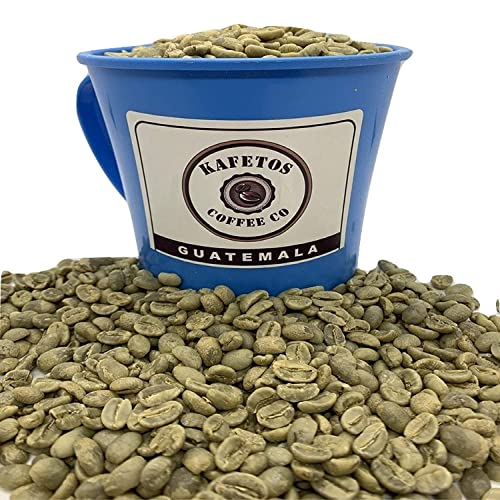
Guatemala Premium Farm Direct Beans

Strengths
- Farm-direct sourcing
- Fourth-generation grower
- Fresh 2025 crop
Trade-offs
- Marketing-heavy description
- Redundant feature listing
- No varietal specifics
The farm-to-cup story here is strong, fourth-generation growers, high-altitude hard beans, and direct sourcing mean you’re getting beans at peak potential. Reviewers highlight the balanced profile: full-bodied, gently acidic, with chocolate notes that develop beautifully in medium roasts. The 5-pound size and fresh 2025 crop designation suggest good moisture retention, which is key for even roasting.
Where this stands out is in traceability and ethics. Unlike blended imports, this comes from a named family farm on the Guatemala-Honduras border. Owners note fewer quakers and a clean cup across roast levels. Compared to the Coffee Bean Direct Colombian, it’s more distinctive and sustainably sourced, though it lacks the same volume flexibility as larger commercial packs. My recommendation for anyone who wants to support small farms while getting premium, consistent beans.
Product photos


Vietnamese Altura Robusta Green Beans
Strengths
- High caffeine content
- Good for espresso blends
- Vacuum-sealed for freshness
Trade-offs
- Grassy notes if under-roasted
- Less complex flavor profile
- Not for delicate brew methods
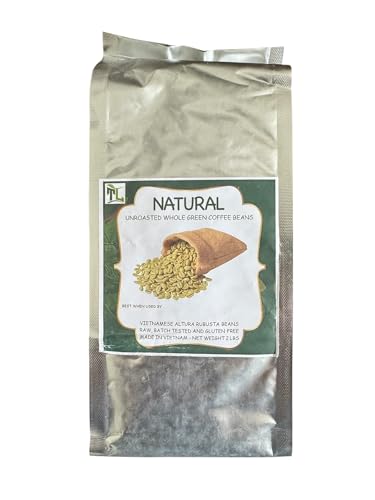
Robusta doesn’t get enough credit, and this Vietnamese Altura lot is a solid pick for anyone looking to blend or brew bold, high-caffeine coffee. On paper, Robusta brings 50–60% more caffeine than Arabica, lower acidity, and a heavier body, perfect for espresso blends or traditional Vietnamese iced coffee. Reviewers note these beans roast evenly and develop a deep, woody character, especially at medium to dark levels.
The vacuum-sealed 2-pound bag helps preserve freshness, which matters because green Robusta can sometimes carry a raw, cereal-like odor if stored poorly. While it lacks the floral or fruity notes of premium Arabicas, it delivers exactly what it promises: a no-nonsense, robust base for serious coffee projects. I’d blend this with a brighter Arabica rather than roast it solo.
Product photos
How We Chose These unroasted coffee beans
As the founder of Bean Thusiast, I approach green coffee bean selection with a focus on what matters most to the home roaster. Rather than a hands-on lab test of roasting each bean myself, this was a research-led comparison of published specifications and owner feedback. I examined bean origins, varietals, processing methods, and altitude, then weighed those details against what current owners report about roastability and flavor potential. My analysis also included expert reviews from coffee blogs and roasting forums.
For unroasted beans, consistent quality and potential for a rewarding roast are paramount. I heavily weighted origin and varietal information, as these directly influence the flavor profile. Equally important was the processing method – washed, natural, or honey – as this significantly impacts acidity and body. Finally, altitude plays a role, with higher-grown beans generally offering more complexity. Understanding these factors is key when choosing high-quality coffee beans.
Specifications reliably reveal origin, altitude, and processing details. However, flavor notes and roastability are best gleaned from owner feedback. I paid close attention to comments regarding bean defects, consistency between batches, and how the beans respond to different roasting profiles. Reputation also mattered; established importers and farms generally deliver a more predictable product than lesser-known sources. This research helps in selecting the best coffee beans for your needs.
Choosing The Right unroasted coffee beans
Choosing unroasted, or green, coffee beans opens a world of control over your final cup. It’s a commitment, but one that rewards experimentation and a truly personalized brewing experience.
Unroasted coffee bean quality hinges on several factors. Look for specialty-grade beans with clear traceability information, noting the varietal, altitude, and processing method. Moisture content should ideally be between 10-12% for optimal roasting. Consistent bean size and density are also indicators of careful sorting and quality control, impacting even heat distribution during the roast.
Understanding Varietals and Origins
The world of coffee varietals is vast, and each one expresses itself uniquely when roasted. Arabica is generally preferred for its nuanced flavors, but robusta beans have their place, especially in espresso blends. Don’t get hung up on just one region either. While Ethiopian Yirgacheffe is famed for its floral notes, and Colombian Supremo for its balance, exploring options like Sumatra or Peru will broaden your palate. Understanding the impact on flavor from single-origin vs blended beans is crucial to finding what you enjoy.
Assessing Bean Quality and Processing
“Specialty grade” isn’t just marketing; it represents a rigorous quality standard. These beans have fewer defects than commercial-grade options, leading to a cleaner, more consistent roast. Wet-hulled (Giling Basah) processing, common in Sumatra, creates a unique earthy profile, while washed processes (like the Ethiopian Yirgacheffe) emphasize clarity and brightness. Look for beans with a consistent size and color throughout the batch – this indicates careful sorting after harvest.
- A small percentage of defects (under 5 per 300g) is acceptable for specialty grade.
- Moisture content between 10.6% and 12% is ideal for storage and roasting; too high and they’ll mold, too low and they’ll roast unevenly.
- Higher altitudes (generally above 1200m) contribute to denser beans with more complex sugars, resulting in a more flavorful cup – though this isn’t a hard and fast rule, and quality growing practices matter more.
A good rule of thumb: if the price seems too good to be true, it probably is. High-quality green coffee beans require significant investment in farming, processing, and quality control.
Considering Roast Versatility and Your Equipment
Not all green coffee beans respond the same way to roasting. Some, like the Colombian Supremo, are incredibly versatile and work well across a wide range of roast levels. Others, like the Vietnamese Robusta, are better suited for darker roasts that tame their inherent bitterness. Your roasting equipment also plays a role. If you’re starting with a basic air popper, you’ll want beans that roast relatively evenly; a drum roaster offers more control and allows you to explore more delicate profiles. Finding premium raw coffee beans that suit your setup will save you frustration.
Unroasted Coffee Beans Compared
This table provides a side-by-side comparison of key specifications for various unroasted coffee beans.
| Product Name | Origin | Variety | Altitude (m) | Process | Bag Size | Score |
|---|---|---|---|---|---|---|
| Sumatra Mandheling Unroasted | Indonesia | Jember Ateng | 1200-1300 | Wet-Hulled | N/A | N/A |
| Nicaraguan Caturra Green Beans | Nicaragua | Caturra | N/A | Shade Grown | N/A | N/A |
| Colombian Supremo Raw Arabica | Colombia | Supremo | N/A | N/A | 5 lb | N/A |
| Ethiopia Yirgacheffe Washed | Ethiopia | Arabica | 1700-2000 | Washed | 2 lb | 86 |
| Peru Finca Santa Estela | Peru | Caturra/Typica/Bourbon | N/A | N/A | 1 kg | N/A |
| Guatemala Premium Farm Direct | Guatemala | Arabica | N/A | N/A | N/A | N/A |
| Vietnamese Altura Robusta | Vietnam | Robusta | N/A | N/A | 2 lb | N/A |
Frequently Asked Questions
What moisture content should unroasted coffee beans have?
Ideally, unroasted coffee beans should have a moisture content between 10% and 12%. This range ensures optimal roasting; too little moisture leads to uneven roasting, while too much risks mold growth during storage.
Can I roast Robusta beans using the same profile as Arabica?
Generally, no. Robusta beans are denser and require a higher roasting temperature and longer development time than Arabica to avoid a grassy or rubbery flavor. You’ll likely need to experiment to find a profile that suits your equipment and preferences.
What does “specialty grade” actually mean when buying green coffee?
“Specialty grade” indicates that the beans have six or fewer defects per 300 grams and meet a minimum cupping score of 80 points. This standard signifies higher quality and a cleaner, more consistent roasting experience compared to commercial-grade beans.
Are higher altitude-grown beans always better?
Not always, but they often are. Higher altitudes generally lead to denser beans with more complex sugars, contributing to a more flavorful cup; however, skilled farming practices and proper processing are more impactful than altitude alone.
Where can I find more information on selecting beans for my specific roaster?
You can explore best green beans for home roasting on my site to find recommendations tailored to different roasting methods and experience levels. I’ve compiled resources to help you navigate the options.
The Bottom Line
Ultimately, choosing green coffee beans is about finding the balance between control and the effort required to achieve it. For the best overall experience – a bean that’s consistently high-quality and forgiving for those still honing their roasting skills – I recommend the Ethiopia Yirgacheffe Washed. It consistently receives positive feedback for its bright, floral notes and relatively predictable roast profile.
If you’re on a tighter budget or want to experiment with something different, the Sumatra Mandheling Unroasted is an excellent starting point. And for those wanting maximum versatility to play with different roast levels, the Colombian Supremo Raw Arabica is a solid choice, offering a balanced flavor profile that adapts well to various techniques. Understanding the Arabica vs Robusta beans can further refine your selection.
Don’t get too caught up in chasing specific numbers for altitude or moisture content. While those details matter, the real key is sourcing beans from reputable importers who prioritize quality and traceability. Focus on understanding the origin, processing method, and your own roasting equipment – those fundamentals will deliver a better cup than any single specification ever could.
