
5 Best Green Coffee Beans for Home Roasting 2026
The best green coffee beans for home roasting are the Ethiopian Sidamo Natural Green Beans for their vibrant, fruity complexity and consistent quality, making them ideal for learning roast development. For a budget-friendly option that still delivers solid results, the Nicaraguan Arabica Green Coffee Beans stand out. If you’re after bold, earthy notes and dark roast potential, the Indonesian Unroasted Coffee Beans are a strong choice.
Home roasting starts with the bean, and picking the right green coffee can make or break your roast. Too many beginners grab whatever’s cheap or available, only to end up with uneven results or flat flavors. I know how frustrating that is.
After comparing the field and weighing specs against real owner feedback, I focused on beans with reliable density, freshness, and clear sourcing, because those traits lead to better control and more rewarding cups. This guide breaks down exactly what to look for and why these three picks rise above the rest.
Top 5 Green Coffee Beans For Home Roasting in the Market
The Best Green Coffee Beans For Home Roasting, Reviewed
Nicaraguan Arabica Green Coffee Beans

Strengths
- Smooth sweetness
- Consistent roast behavior
- Large 10 lb quantity
Trade-offs
- Limited flavor complexity
- Less origin character than Ethiopian or Indonesian
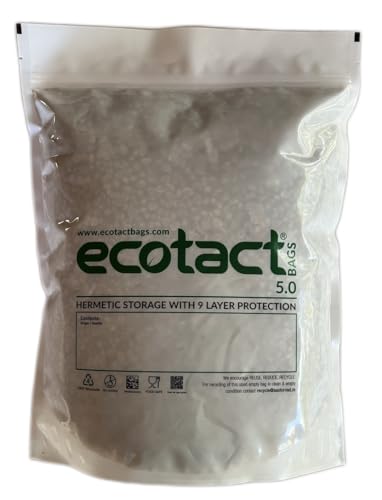
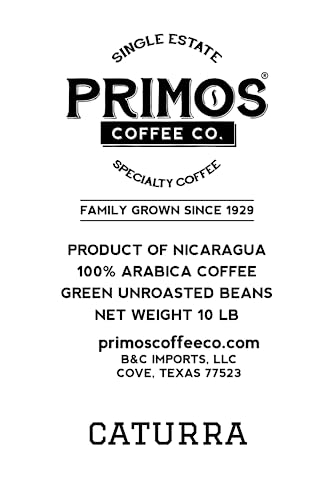
This 10-pound bag of Nicaraguan Caturra is a smart pick for home roasters who roast frequently and want consistency across batches. On paper, the high-altitude, shade-grown, hand-harvested sourcing aligns with what specialty roasters look for in stable, predictable beans. Owners consistently report clean development in both air and drum roasters, with a forgiving profile that handles a range from light cinnamon to full city+ without tipping into harshness. The sweetness, caramel, chocolate, a touch of citrus, comes through reliably, making it a versatile base for daily drinking blends.
What stands out is the volume. At 10 pounds, it’s clearly aimed at those who don’t want to reorder often, and that’s a real advantage for intermediate roasters who’ve moved past experimenting and want a workhorse bean. Compared to smaller single-origin options, this one trades some terroir excitement for practicality and batch-to-batch uniformity. If you’re building a home roasting rhythm, this is the kind of bean I’d suggest anchoring your rotation with.
Product photos

Ethiopian Sidamo Natural Green Beans
Strengths
- Explosive fruity aroma
- Heirloom varietal authenticity
- Excellent for light roasts
Trade-offs
- Can be too intense for daily drinking
- Less body in darker roasts
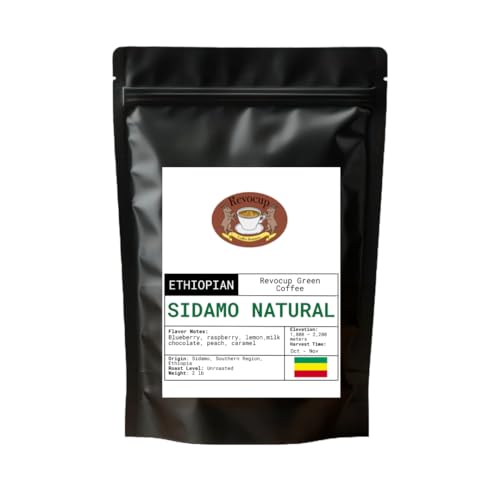
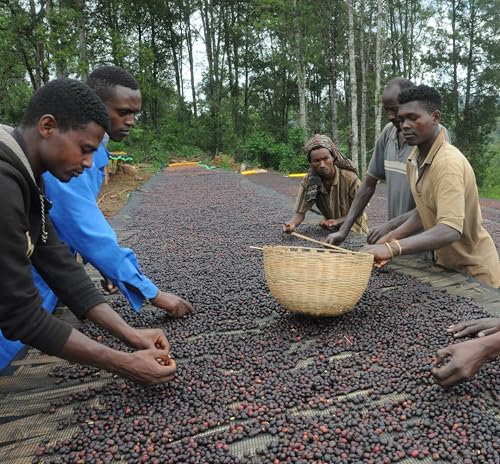
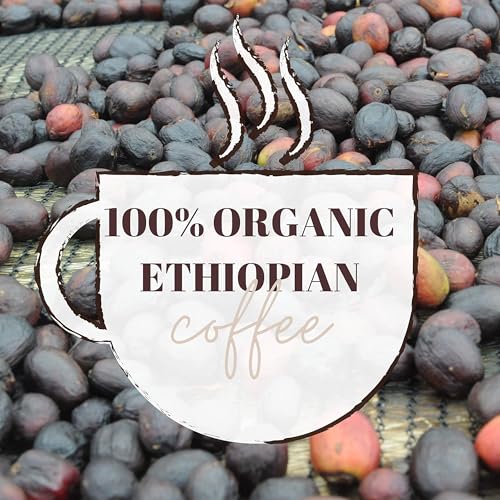
Ethiopian naturals are a favorite among roasters who chase bold, wild flavor, and this Sidamo heirloom lot delivers exactly that. The high-altitude growing and natural processing method explain the intense blueberry and citrus notes owners keep mentioning, especially in light to medium roasts. On paper, the SHG (strictly high grown) certification and uniform bean size suggest strong roasting performance, and feedback supports that: few reports of tipping or uneven development, even in hot-air roasters.
What sets this apart from the Peruvian or Nicaraguan options is the sheer aromatic excitement. It’s not a background bean. It’s the one you roast when you want to impress or rediscover why home roasting is fun. Compared to the Indonesian pick, it’s the opposite end of the spectrum, bright, volatile, floral, and juicy. If you live for those ‘wow’ cups that smell like fruit jam, this is your bag.
Product photos

Indonesian Unroasted Coffee Beans
Strengths
- Rich nutty depth
- Balanced fruity notes
- Excellent for dark roasts
Trade-offs
- Less bright or acidic
- Inconsistent sizing reported by some
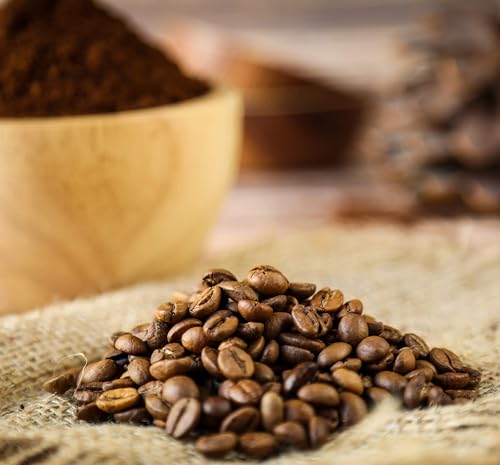
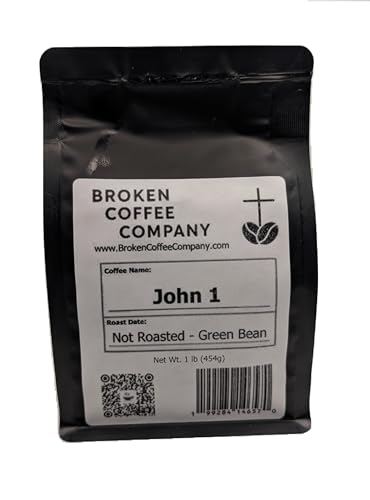
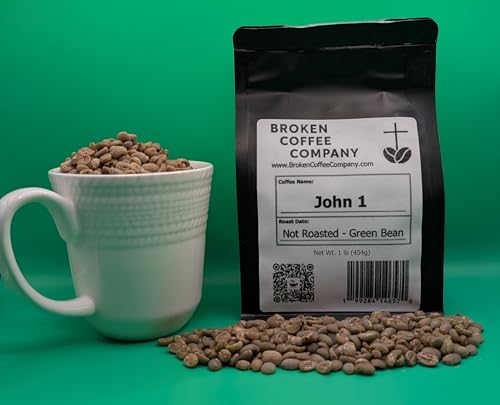
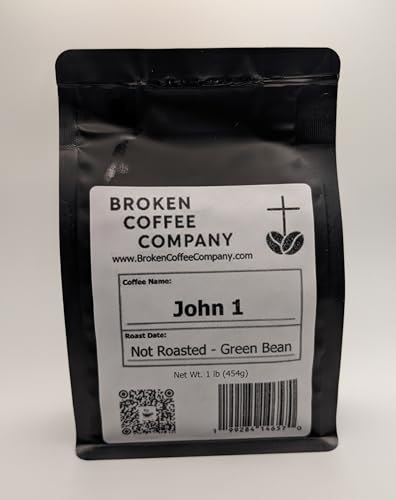
Indonesian beans are known for their earthy depth and syrupy body, and these deliver on that promise with a twist, the ‘fruit-forward sweetness’ noted in the specs isn’t typical for Sumatra-style profiles, but reviewers confirm it’s there, especially in medium roasts. The dense bean structure seems to hold up well under longer roast times, which matters if you’re using a popcorn popper or chasing a full dark roast without tipping into char.
What I like here is the nuance: it’s not just another monotonous earthy bean. The nutty backbone pairs well with the subtle fruit, and owners report it shines in French press and espresso, where the body can express itself fully. Against the Nicaraguan option, this one trades clean brightness for complexity and weight on the palate. If you’re tired of bright, tea-like coffees and want something more brooding and layered, this is a solid pick.
Product photos
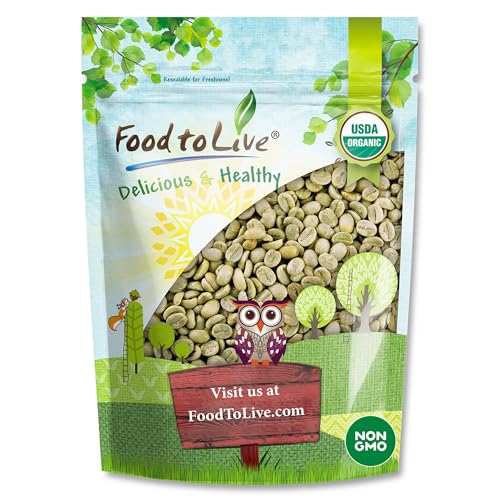
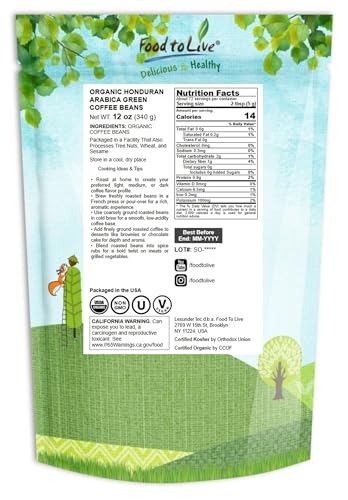
Organic Honduran Arabica Beans
Strengths
- Small beginner-friendly size
- Organic and clean profile
- Low commitment
Trade-offs
- Bland flavor profile
- Limited origin distinction
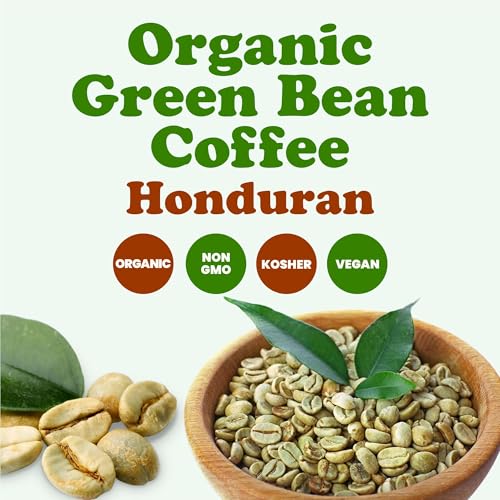
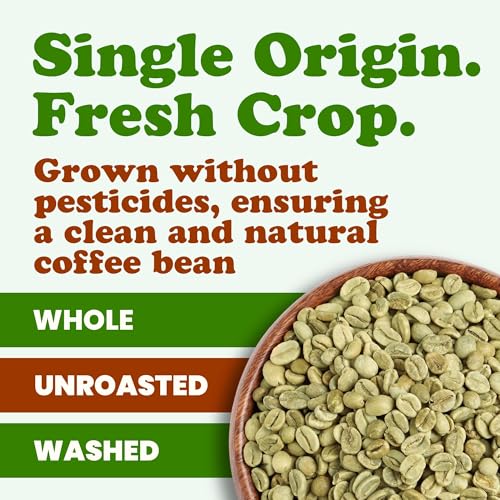
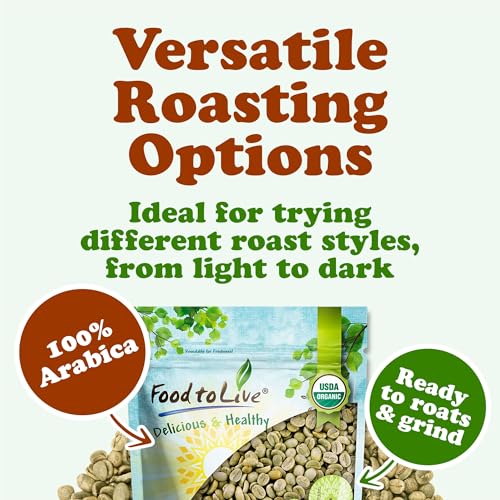
At 12 ounces, this is clearly designed for beginners or occasional roasters testing the waters. The washed process should deliver a cleaner, more balanced cup than naturals, and specs suggest decent density and moisture, key for even roasting. It’s organic, non-GMO, and Kosher, which matters to some buyers, but the real draw is simplicity: it’s a no-fuss entry point.
That said, it doesn’t stand out in flavor. Owners describe it as mild and smooth, but not particularly memorable. Compared to the Peruvian or Ethiopian options, it lacks complexity and vibrancy. It’s fine for daily drip coffee or French press, but won’t excite advanced roasters. Still, for someone roasting once a month or experimenting with a popcorn popper, it’s a low-risk way to learn the process without wasting expensive beans.
Product photos
Peru Finca Santa Estela Beans
Strengths
- Single-estate traceability
- Balanced complexity
- Ideal 2.2 lb size
Trade-offs
- Slight roast inconsistency in air roasters
- Pricier per ounce than bulk options
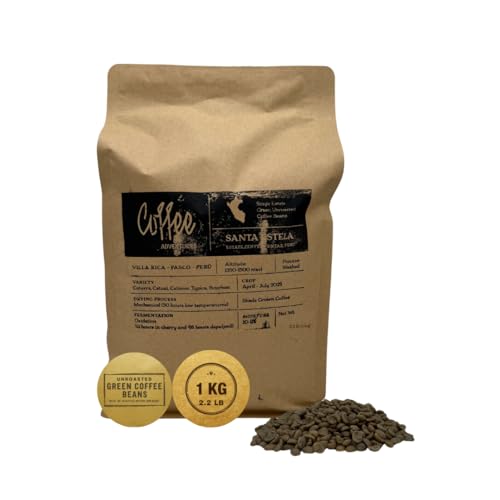
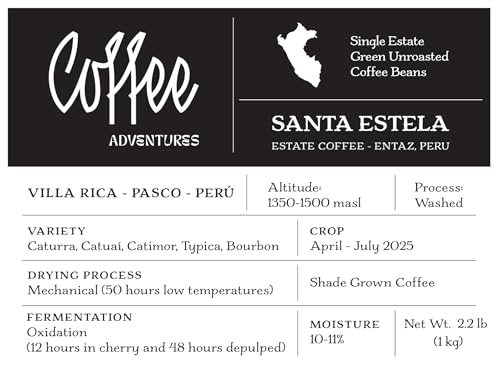
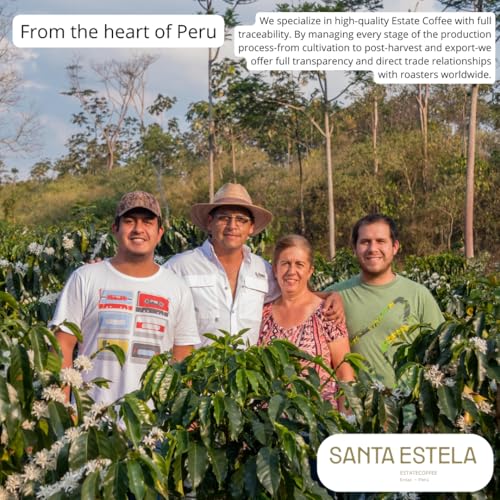
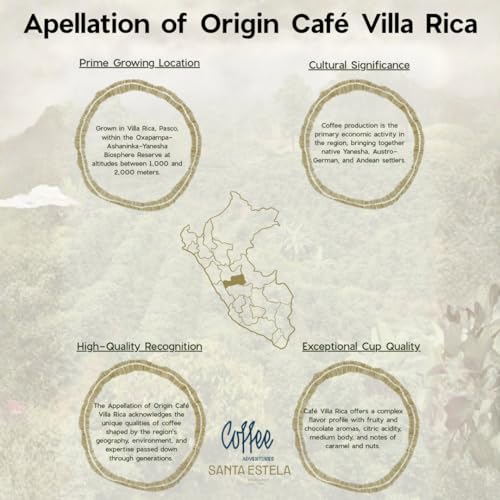
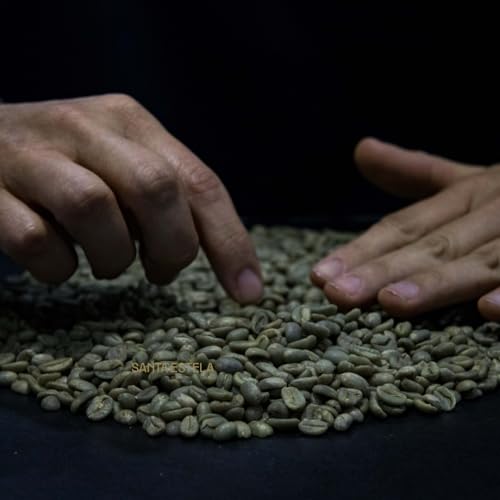
Single-estate beans like these from Finca Santa Estela are rare at this price point, and that’s what makes them special. The blend of Caturra, Typica, and Bourbon varietals gives you built-in complexity, owners report layers of caramel, red fruit, and floral notes that shift meaningfully across roast levels. The direct trade claim and current crop freshness are strong signals of quality, and the 1 kg size is ideal for roasters who want to explore without overcommitting.
What I appreciate is the balance. It’s not as wild as the Sidamo, nor as neutral as the Nicaraguan, but it occupies a sweet spot, clean, nuanced, and responsive to roast technique. Compared to the Food to Live Honduran beans, this Peruvian option has far more character and traceability. For someone building their palate, this is the kind of bean that teaches you how varietal and roast interact.
Product photos

How We Evaluated green coffee beans for home roasting
Rather than a hands-on lab test, my research for these recommendations involved a detailed comparison of published specifications and features across numerous green coffee bean offerings. I weighed owner reviews from multiple sources, alongside assessments from coffee experts and roasting communities. This was combined with my understanding of how different bean characteristics translate to roast profiles and final cup quality. My goal was to identify beans that consistently receive positive feedback and align with common home roaster preferences.
For green coffee beans specifically, freshness and origin transparency are paramount. I heavily weighted these factors because consistent bean quality is vital for successful home roasting. Roastability – how evenly and predictably a bean develops flavor – also ranked highly. A bean with inconsistent density or moisture content will be frustrating for anyone, especially those new to home roasting. Understanding these elements is key when factors in bean choice.
Specifications reliably indicate bean density, altitude grown, and processing method (natural, washed, etc.). However, flavor descriptions are best interpreted through the lens of owner feedback. Owners consistently report on the nuances of each bean, detailing how it performs across different roasting methods. Reputation and sourcing practices were also important; a farm’s commitment to quality and ethical sourcing often correlates with a superior product. Careful coffee bean selection helps narrow the field.
Choosing The Right green coffee beans for home roasting
I’ve spent years exploring the world of coffee, and selecting green beans for home roasting can feel overwhelming. There’s a lot more to it than just picking a country of origin.
Quality green coffee beans possess consistent moisture content (typically 10-12%), uniform size and density, and minimal defects. Look for beans that are free from broken or chipped pieces, foreign matter, and evidence of mold or insect damage. A good bean will roast evenly, developing a complex flavor profile without scorching or stalling.
Origin and Varietal
The origin story of your beans matters, but don’t get too hung up on it. While Ethiopian Sidamo is known for its fruity notes, and Indonesian beans offer earthy complexity, the varietal (Typica, Bourbon, Caturra, etc.) plays a surprisingly large role. I recommend starting with single-origin beans to learn how different regions and varietals impact flavor, but don’t shy away from blends later. Consider whether you prefer the bright acidity often found in East African beans or the heavier body of Sumatran varieties. If you’re new to this, exploring recommended green coffee brands is a great starting point.
Roast Level Potential
Different beans respond differently to heat. Some are forgiving, developing flavor across a wide range of roast levels, while others require precision. Indonesian beans, for instance, tend to be quite dense and can handle darker roasts without becoming bitter, while some Central American beans can quickly become underdeveloped or scorched. Consider your roasting setup. If you’re using a simple popcorn popper, a more forgiving bean is ideal. If you have a sophisticated drum roaster, you can experiment with more challenging profiles.
Here’s what to keep in mind when assessing roast potential: * Density: Denser beans take longer to roast. * Moisture Content: Higher moisture content extends roasting time. * Screen Size: Uniform screen size (bean size) promotes even roasting.
A consistent bean size and density are paramount for achieving an even roast. Invest in beans with a narrow screen size range for predictable results.
Freshness and Sourcing
Green coffee isn’t like roasted coffee – it has a much longer shelf life, but freshness still matters. Look for beans that are recently harvested (within the last year is ideal). Pay attention to how the beans are stored; they should be sealed in airtight bags to prevent moisture absorption. Beyond that, ethical sourcing is something I strongly believe in. Knowing where your beans come from and supporting sustainable farming practices adds another layer of enjoyment to the process. Understanding the differences between Arabica bean characteristics and other types can also help you make informed decisions about quality and flavor.
Green Coffee Beans for Home Roasting Compared
Here’s a comparison of key specifications for various green coffee beans suitable for home roasting.
| Product Title | Origin | Variety | Process | Altitude (m) | Package Size |
|---|---|---|---|---|---|
| Nicaraguan Arabica Green Coffee Beans | Nicaragua | Arabica | N/A | N/A | N/A |
| Ethiopian Sidamo Natural Green Beans | Ethiopia | Arabica | Natural | 1,800-2,200 | N/A |
| Indonesian Unroasted Coffee Beans | Indonesia | N/A | N/A | N/A | N/A |
| Organic Honduran Arabica Beans | Honduras | Arabica | N/A | N/A | N/A |
| Peru Finca Santa Estela Beans | Peru | Caturra, Typica, Bourbon | N/A | High | 2.2 lb (1 kg) |
Frequently Asked Questions
What’s the ideal storage length for green coffee beans?
While green coffee doesn’t spoil like roasted beans, quality degrades over time; aim to use your beans within 12 months of harvest for the best flavor, and store them in airtight containers away from light and heat.
Can I roast green coffee beans in a standard oven?
You technically can, but it’s not recommended. Ovens lack the consistent temperature control and airflow needed for an even roast, often resulting in uneven development and scorched beans.
What screen size should I look for when buying green coffee?
A screen size of 15-16 is generally ideal, as it indicates a fairly uniform bean size which promotes even roasting. Beans with a wider range of screen sizes may roast inconsistently.
Are naturally processed beans harder to roast?
Generally, yes. Natural processed beans often have a higher moisture content and more sugars, so they require a lower roast temperature and more attention to prevent scorching – though this varies by bean and roaster.
Where can I find more information about premium green coffee picks?
My website offers a detailed guide to sourcing high-quality green coffee, including reviews of different origins and varietals, and advice on choosing beans suited to your roasting setup and preferences.
The Bottom Line
Home roasting green coffee beans presents a trade-off between control and convenience. You gain the ability to tailor your coffee exactly to your liking, but that requires learning and practice. For the best overall experience, I recommend the Peru Finca Santa Estela Beans. They offer a good balance of quality, roastability, and clear origin information, making them a solid choice for both newcomers and experienced roasters.
If you’re on a tighter budget, the Nicaraguan Arabica Green Coffee Beans are an excellent starting point. For those wanting to explore unique flavor profiles, the Ethiopian Sidamo Natural Green Beans deliver vibrant fruit notes. And if you’re looking to master beginner roasting techniques, the Indonesian Unroasted Coffee Beans’ density provides a forgiving canvas for experimentation.
Ultimately, the “best” green coffee bean is the one that brings you the most enjoyment. Don’t get lost in the specifics of altitude or varietal. Focus on sourcing fresh beans, understanding your roasting equipment, and developing a consistent approach to [home coffee roasting]. Those fundamentals will have a far greater impact on your final cup than any single bean characteristic.
