What is Green Coffee Extract & How Does It Support Health?
This post contains affiliate links. As an Amazon Associate, we earn from qualifying purchases.
Green coffee extract is a concentrated dietary supplement derived from unroasted Coffea beans, prized for its high levels of chlorogenic acid, a compound largely destroyed during roasting. It contains 543.23 mg/L of chlorogenic acids on average, compared to 90–270 mg/L in roasted coffee, and is produced through industrial methods like Soxhlet or ultrasound-assisted extraction to maximize these compounds.
Most people hear “green coffee extract” and think it’s just unbrewed coffee in a pill. That mistake leads them to expect a caffeine kick or a familiar coffee taste, neither of which this extract delivers. The real value is in the compounds roasting destroys, not the ones it creates.
This guide strips back the marketing to show you the exact science, the proven extraction methods that matter, and what the clinical data actually says about those weight loss claims.
Key Takeaways
- Green coffee beans retain over 540 mg/L of chlorogenic acids; roasting cuts that by 50–80%, which is why you can’t get the same effect from your daily cup.
- The extraction method is everything. Soxhlet and ultrasound-assisted (UAE) techniques yield extracts with 2–3 times the antioxidant activity of simple water steeping.
- Robusta bean extracts pack twice the caffeine and significantly higher antioxidant power than Arabica, a critical detail most supplement labels hide.
- Microencapsulation with inulin or gum arabic isn’t just filler, it stabilizes the fragile chlorogenic acid, with encapsulation efficiency hitting 94.36% in spray-dried products.
- A 2022 meta-analysis of clinical trials found a mean difference of -2.47 kg for body weight with GCE supplementation, but flagged all three included studies as having a high risk of bias.
What’s Actually in the Bottle?
Green coffee extract isn’t ground coffee in a capsule. It’s the result of a chemical stripping process. Manufacturers start with raw, green Coffea arabica or Coffea canephora (Robusta) beans. These hard, grassy-smelling seeds contain the full, unaltered chemical profile of the coffee cherry’s pit.
The goal is to isolate and concentrate specific compounds, primarily chlorogenic acids (CGA), while leaving behind the cellulose, starches, and proteins that make up the bulk of the bean. A typical high-quality extract standardizes its chlorogenic acid content, often listing a percentage like “45% CGA” on the label. This tells you how much of the prized active compound you’re getting per dose, not how much raw bean powder is inside.
The most reproducible signals from GCE studies are improvements in oxidative stress markers and modest effects on body weight and glycemic control.
You might also see caffeine content listed. This is crucial. An extract from Robusta beans can contain over 8% caffeine by dry mass, while an Arabica extract might be closer to 3–4%. If you’re sensitive to stimulants, the bean source changes the product entirely.
TL;DR: You’re buying a concentrated chemical fraction, not a food. The label should tell you the percentage of chlorogenic acid and the caffeine content, which vary wildly based on the source bean and extraction process.
Green vs. Roasted: The Chlorogenic Acid Cliff
The difference between green and roasted coffee isn’t about color. It’s about chemistry. Roasting is a controlled thermal decomposition that creates hundreds of new flavor and aroma compounds. It also systematically destroys others.
Chlorogenic acid (CGA) is heat-sensitive. When you apply heat, its complex molecular structure starts to break down into simpler compounds like caffeic acid and quinic acid. This is why the rich, bitter notes of a dark roast taste nothing like the raw, astringent bean.
The numbers from a 2026 Sustainable Food Technology review are stark. Green coffee beans average 543.23 mg/L of chlorogenic acids. After roasting, that plummets to a range of 90.53 to 270.93 mg/L. You lose between 50% and 83% of the primary compound that makes green coffee extract interesting.
| Compound | Green Coffee Bean | Roasted Coffee Bean | Loss from Roasting |
|---|---|---|---|
| Chlorogenic Acids (CGA) | 543.23 mg/L | 90.53 – 270.93 mg/L | 50% – 83% |
| 5-O-caffeoylquinic acid (5-CQA) | Up to 137 g/kg (Robusta) | Significantly reduced | Major loss |
| Antioxidant Activity (CUPRAC assay) | High | Reduced by ~22% (if steamed) | Noticeable decrease |
This loss isn’t linear. A light roast preserves more CGA than a French roast. Some studies even note that steaming green beans before a roast, a common step in decaf processing, decreases antioxidant activity by 22% and alters the CGA profile. The extract industry uses unroasted beans because it’s the only way to capture these compounds at meaningful concentrations.
The takeaway is simple. Drinking roasted coffee gives you a completely different set of bioactive compounds. You cannot brew or steep your way to a green coffee extract’s chlorogenic acid levels. The processes are mutually exclusive.
How is Green Coffee Extract Made?
You can’t make real green coffee extract at home with a blender and hot water. The industrial processes that yield a stable, potent product involve specialized equipment and precise control. The method chosen directly determines the potency, purity, and cost of the final extract.
The two most effective methods documented in the research are Soxhlet extraction and Ultrasound-Assisted Extraction (UAE).
A Soxhlet apparatus continuously washes ground bean material with a hot solvent, often ethanol or a water-alcohol mix, for 60 minutes. This exhaustive process pulls out nearly all soluble compounds. The result is a crude extract with the highest recorded total polyphenol content (2.691 mg/mL) and chlorogenic acid concentration (1657.179 µg/mL), according to a 2023 PMC study. The downside is that it uses solvent that must later be removed.
UAE uses high-frequency sound waves to violently agitate a mixture of ground beans and solvent at 50°C for 30 minutes. The cavitation bursts plant cell walls, forcing compounds into solution faster. This method scored highest in the DPPH and FRAP antioxidant activity tests. It’s more efficient than Soxhlet but requires expensive ultrasonic reactors.
For large-scale, food-grade production, the industry standard is Aqueous Extraction (AEP). This involves a three-stage countercurrent leaching process: ground green coffee is mixed with water at 100°C until a concentration of 10 °Bx is reached. It’s simpler and solvent-free, but the yields of specific actives are lower.
Common mistake: Assuming all extraction methods are equal, buying an extract made with simple hot water steeping means you’re likely getting less than half the chlorogenic acid content of a Soxhlet or UAE extract, for a similar price.
After extraction, the liquid is often concentrated and then dried into a powder. This is where microencapsulation comes in. Spray-drying the extract with a carrier like gum arabic or inulin creates a protective matrix around the fragile chlorogenic acid molecules. One study using agave fructans and gum arabic achieved a 94.36% encapsulation efficiency. This isn’t just about creating a powder; it’s about ensuring the active compounds survive storage and reach your gut intact.
TL;DR: Potent extracts use Soxhlet or UAE methods. The powder in capsules is usually microencapsulated to protect the active ingredients. The “how” on the label matters more than the “what.”
Robusta vs. Arabica: A Critical Choice
The bean species changes the extract’s fundamental profile. This isn’t a subtle taste difference. It’s a chemical fact.
Research in the European Food Research and Technology journal shows Robusta green coffee extracts contain roughly twice the caffeine of Arabica extracts, up to 8.16% by dry mass compared to Arabica’s 3.41–4%. If you’re using a caffeine content comparison to choose your daily drink, the same logic applies here.
Robusta also wins on antioxidant power. In lab assays, Robusta extracts showed nearly double the antioxidant activity of Arabica. The highest levels of the specific chlorogenic acid isomer 5-O-caffeoylquinic acid were found in beans from Uganda.
For a supplement maker, Robusta is a more potent and cheaper raw material. For you, it means a product with a stronger stimulant effect and potentially higher oxidative stress-fighting capacity. The label rarely states the species, but if it mentions “high caffeine” or “potent antioxidant blend,” you can guess it’s Robusta-based.
What Does the Science Say About Benefits?
The health halo around green coffee extract is bright, but the scientific picture has shadows. The most consistent evidence points to two areas: antioxidant capacity and modest metabolic effects.
The antioxidant story is solid. Multiple in-vitro studies confirm green coffee extract’s ability to scavenge free radicals. This isn’t surprising given the high concentration of polyphenols. A 2023 NIH study on green coffee extraction methods found the Soxhlet extract elevated antioxidant markers in Wistar rats within two hours of administration. This basic bioactivity is well-established.
The weight loss and blood sugar claims are where things get murky. A frequently cited 2022 NIH meta-analysis on green coffee for weight loss pooled data from three human trials. It concluded that GCE supplementation produced a mean difference of -2.47 kg in body weight compared to a placebo. That sounds promising.
The authors also noted all three trials had a high risk of bias. Issues included small sample sizes, unclear randomization methods, and short durations (4–12 weeks). The meta-analysis itself states the evidence is “limited.” This doesn’t mean the effect isn’t real; it means the current clinical proof isn’t as robust as supplement marketing suggests.
The proposed mechanism makes sense. Chlorogenic acid may influence how the body handles glucose and fat. It might inhibit the release of glucose into the bloodstream after a meal and promote fat metabolism in the liver. These are observed pharmacological effects, but translating them to reliable, significant weight loss in diverse human populations is a taller order.
Think of it this way. The extract provides a biochemical nudge, not a shove. It might support other efforts like diet and exercise, but it is unlikely to cause dramatic transformation on its own. This is a common theme when evaluating health benefits of coffee and its derivatives, the mechanisms are fascinating, but the human outcomes are often modest.
How to Read a Green Coffee Extract Label
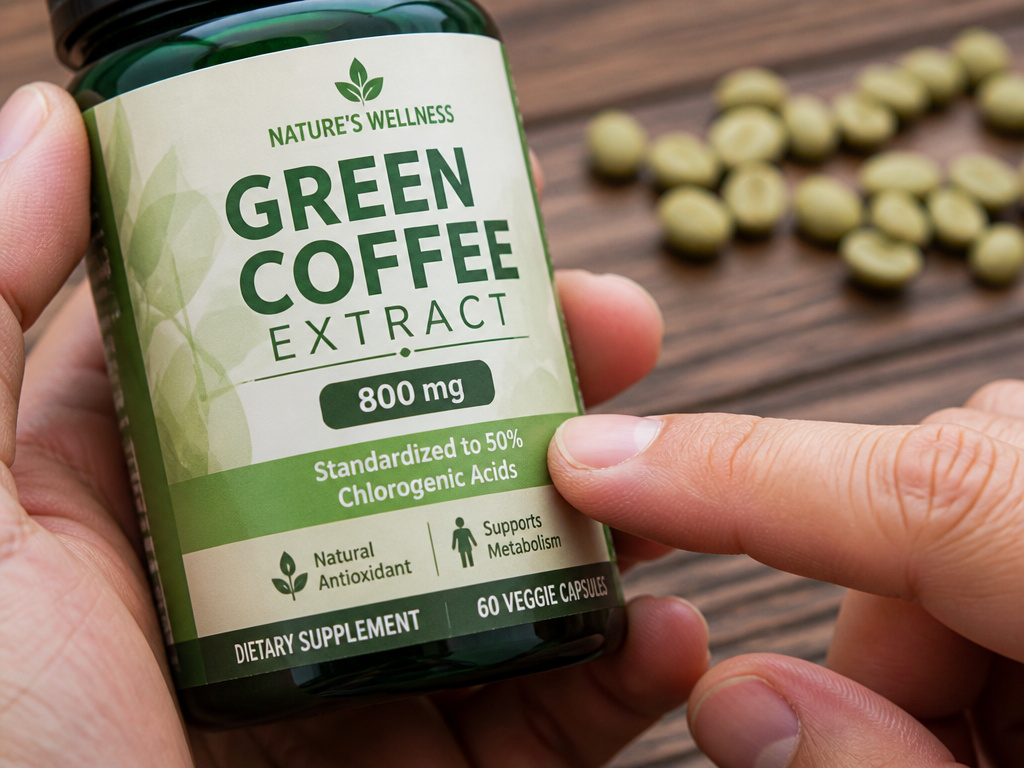
Most labels are designed to sell, not to inform. Cutting through the noise requires knowing what to look for and what to ignore.
First, find the chlorogenic acid (CGA) percentage. This is the active marker. A legitimate product will state it clearly, often as “Standardized to contain X% Chlorogenic Acids.” If this number isn’t there, you’re buying an unspecified powder. A 500mg capsule with “50% CGA” delivers 250mg of the active compound. One with no specification could contain 50mg or 450mg, you have no way of knowing.
Second, check the source. Does it say Coffea arabica or Coffea canephora (Robusta)? As we’ve covered, this dictates the caffeine punch and antioxidant profile. If it doesn’t say, assume it’s a blend or the cheaper, stronger Robusta.
Third, look for the extraction method. This is rarer on labels, but some premium brands mention “Soxhlet extracted” or “Ultrasound-extracted.” This is a strong quality signal. If it only says “green coffee bean extract,” the method was probably a simpler, lower-yield aqueous process.
Fourth, examine the other ingredients. Is it just extract in a capsule? Or is it a microencapsulated powder blended with a carrier like inulin (a prebiotic fiber) or rice flour? Microencapsulation is a good sign of stability. Fillers like magnesium stearate are neutral. A long list of “proprietary blends” with other herbs is a red flag, it makes it impossible to dose the green coffee component accurately.
I prefer a pure, standardized extract in a capsule over a blended powder. Not because it’s faster, but because the math is clear. A 400mg capsule with 45% CGA gives me 180mg of the compound. A “proprietary metabolic blend” totaling 500mg might give me 50mg or 300mg. I’d rather know.
Finally, ignore sensational claims. “Miraculous fat burner” or “clinically proven to melt inches” are marketing terms, not scientific conclusions. The actual clinical evidence for green coffee weight loss is more cautious. Let the specification panel, not the banner headlines, guide your choice.
Potential Side Effects and Interactions
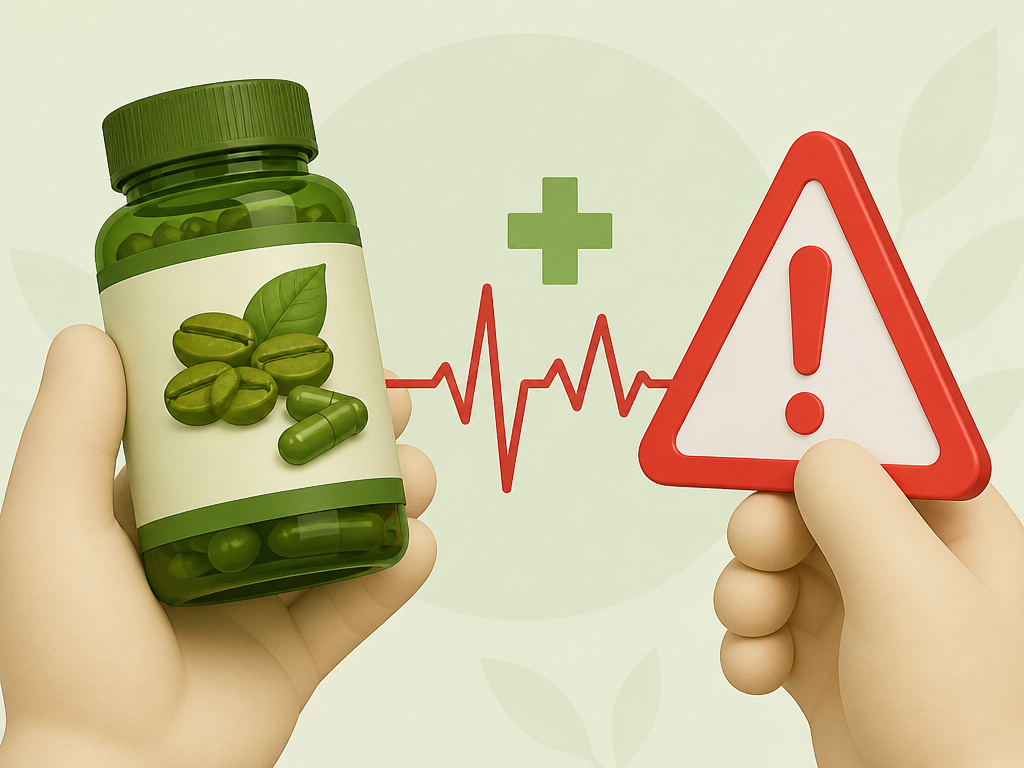
Green coffee extract is a concentrated source of bioactive compounds. It has side effects, and it can interact with medications. Treat it with the same caution you would any new supplement.
The most common issue is caffeine-related. Even if you tolerate coffee, the chlorogenic acid and other compounds can have independent effects. People report jitteriness, anxiety, rapid heartbeat, and digestive upset like nausea or diarrhea. Starting with half the recommended dose for a week is a prudent test.
Because it may influence blood glucose and insulin sensitivity, individuals with diabetes or hypoglycemia should use extreme caution and monitor their levels closely. The same goes for its mild blood-pressure-lowering effect noted in some studies, those on hypertension medication need to be aware of a potential additive effect.
Common mistake: Taking green coffee extract alongside other stimulants or fat-loss supplements, stacking a high-caffeine Robusta extract with a pre-workout or synephrine can push heart rate and blood pressure into uncomfortable or dangerous territory.
There’s also the question of managing acid reflux. While green coffee extract is often in capsule form, the chlorogenic acid is, as the name suggests, an acid. For some people, it can aggravate GERD or heartburn more than a cup of roasted coffee would.
The long-term safety profile is not fully established. Most clinical trials last only a few months. We don’t have good data on what happens with multi-year daily use. If you choose to take it, consider cycling it, perhaps eight weeks on, four weeks off, to give your body a break.
As with any supplement, it’s wise to consult a healthcare provider, especially if you have pre-existing conditions or take prescription drugs. This isn’t a harmless bean water. It’s a potent extract.
Frequently Asked Questions
Is green coffee extract just caffeine?
No. While it contains caffeine, its defining feature is its high concentration of chlorogenic acids (CGA), which are largely absent from roasted coffee. The biological effects attributed to GCE, particularly on metabolism, are primarily linked to CGA, not caffeine.
Can I make green coffee extract at home?
You cannot replicate industrial-grade extract at home. You can make a green coffee bean infusion by steeping ground green beans, but it will have a fraction of the chlorogenic acid concentration (likely under 100 mg/L) compared to a Soxhlet or UAE extract (exceeding 1500 µg/mL). It’s a different product entirely.
Does green coffee extract taste like coffee?
Not at all. Roasting creates the familiar coffee flavor and aroma. Green coffee extract is bitter and grassy, with a stark, vegetative taste. This is why it’s almost always sold in capsules, not as a liquid you’d add to your low-calorie coffee drinks.
What’s a standard daily dose?
Clinical trials have used a wide range, from 10 mg to 6000 mg per day of extract, often standardized to provide 45–50% chlorogenic acid. A common over-the-counter dose is 400–800 mg of extract taken 30 minutes before meals. Always start at the lower end of the product’s recommendation.
Are the weight loss results permanent?
The limited clinical data only measures results during the supplementation period (4–12 weeks). There is no evidence that the modest weight loss (an average of 2.47 kg in the meta-analysis) is maintained after stopping the supplement. Like most dietary interventions, lasting results require permanent lifestyle changes.
How does it compare to other supplements like MCT oil coffee?
They work through different mechanisms. MCT oil provides a rapid energy substrate that may promote ketone production and satiety. Green coffee extract acts more on glucose metabolism and fat oxidation. They are not interchangeable, and stacking them would be for different, potentially additive, reasons.
Before You Go
Green coffee extract is a specific tool for a specific job. It is not a magic pill, but a concentrated source of chlorogenic acids that roasting destroys. Its value lies in those compounds, not in any resemblance to your morning cup.
The quality spectrum is vast. A premium extract will tell you the chlorogenic acid percentage, the source bean, and preferably the extraction method. A cheap one hides behind proprietary blends and hyperbolic claims. The science supports its role as a potent antioxidant and suggests a modest, supportive effect on body weight, though the clinical evidence still has significant limitations.
If you try it, start low. Pay attention to how your body reacts, particularly to the caffeine. And pair it with the habits that actually drive health, balanced nutrition, regular activity, and good sleep. No extract can replace those.
{
“@context”: “https://schema.org”,
“@type”: “HowTo”,
“name”: “How to Understand and Evaluate Green Coffee Extract”,
“totalTime”: “PT10M”,
“tool”: [
{
“@type”: “HowToTool”,
“name”: “Scientific study abstracts and meta-analyses”
},
{
“@type”: “HowToTool”,
“name”: “Product label with chlorogenic acid percentage”
},
{
“@type”: “HowToTool”,
“name”: “Understanding of extraction method codes (e.g., AEP, UAE)”
}
],
“step”: [
{
“@type”: “HowToStep”,
“name”: “Identify the source bean”,
“text”: “Check if the extract is from Arabica or Robusta beans. Robusta typically has twice the caffeine and higher antioxidant activity, which influences the extract’s potency and potential side effects.”
},
{
“@type”: “HowToStep”,
“name”: “Look for the extraction method”,
“text”: “Determine if the extract uses a high-yield method like Soxhlet or Ultrasound-assisted extraction (UAE). These methods preserve more chlorogenic acid, the primary active compound, compared to simple steeping.”
},
{
“@type”: “HowToStep”,
“name”: “Verify the chlorogenic acid (CGA) content”,
“text”: “Find the CGA percentage on the supplement facts panel. Reputable products disclose this. Green coffee beans contain over 540 mg/L CGA; a quality extract should reflect a high concentration of this compound.”
},
{
“@type”: “HowToStep”,
“name”: “Assess the product form”,
“text”: “Decide between liquid extracts, powders, or capsules. Microencapsulated powders (often using inulin or gum arabic) offer the best stability and controlled release of compounds during storage.”
},
{
“@type”: “HowToStep”,
“name”: “Cross-reference health claims”,
“text”: “Compare weight loss or metabolic claims against the current scientific consensus, such as the NIH meta-analysis showing an average 2.47 kg reduction, but note the studies had a high risk of bias.”
}
]
}
{
“@context”: “https://schema.org”,
“@type”: “FAQPage”,
“mainEntity”: [
{
“@type”: “Question”,
“name”: “Is green coffee extract just caffeine?”,
“acceptedAnswer”: {
“@type”: “Answer”,
“text”: “No. While it contains caffeine, its defining feature is its high concentration of chlorogenic acids (CGA), which are largely absent from roasted coffee. The biological effects attributed to GCE, particularly on metabolism, are primarily linked to CGA, not caffeine.”
}
},
{
“@type”: “Question”,
“name”: “Can I make green coffee extract at home?”,
“acceptedAnswer”: {
“@type”: “Answer”,
“text”: “You cannot replicate industrial-grade extract at home. You can make a green coffee bean infusion by steeping ground green beans, but it will have a fraction of the chlorogenic acid concentration (likely under 100 mg/L) compared to a Soxhlet or UAE extract (exceeding 1500 µg/mL). It’s a different product entirely.”
}
},
{
“@type”: “Question”,
“name”: “Does green coffee extract taste like coffee?”,
“acceptedAnswer”: {
“@type”: “Answer”,
“text”: “Not at all. Roasting creates the familiar coffee flavor and aroma. Green coffee extract is bitter and grassy, with a stark, vegetative taste. This is why it’s almost always sold in capsules, not as a liquid you’d add to your low-calorie coffee drinks.”
}
},
{
“@type”: “Question”,
“name”: “What’s a standard daily dose?”,
“acceptedAnswer”: {
“@type”: “Answer”,
“text”: “Clinical trials have used a wide range, from 10 mg to 6000 mg per day of extract, often standardized to provide 45–50% chlorogenic acid. A common over-the-counter dose is 400–800 mg of extract taken 30 minutes before meals. Always start at the lower end of the product’s recommendation.”
}
},
{
“@type”: “Question”,
“name”: “Are the weight loss results permanent?”,
“acceptedAnswer”: {
“@type”: “Answer”,
“text”: “The limited clinical data only measures results during the supplementation period (4–12 weeks). There is no evidence that the modest weight loss (an average of 2.47 kg in the meta-analysis) is maintained after stopping the supplement. Like most dietary interventions, lasting results require permanent lifestyle changes.”
}
},
{
“@type”: “Question”,
“name”: “How does it compare to other supplements like MCT oil coffee?”,
“acceptedAnswer”: {
“@type”: “Answer”,
“text”: “They work through different mechanisms. MCT oil provides a rapid energy substrate that may promote ketone production and satiety. Green coffee extract acts more on glucose metabolism and fat oxidation. They are not interchangeable, and stacking them would be for different, potentially additive, reasons.”
}
}
]
}
