
8 Best Decalf Coffee Picks of 2026
The best decaf coffee overall is Peet’s Decaf Major Dickason’s Blend, a bold dark roast that delivers rich flavor without caffeine. For a budget-friendly daily drinker, Amazon Fresh Decaf Colombia Ground stands out, while Green Mountain Decaf Breakfast Blend is our top K-Cup pick for convenience and brightness.
Finding a decaf that doesn’t taste flat or chemical-like is harder than it should be. Too many brands cut corners on the decaffeination process or use low-grade beans, leaving you with a cup that’s just not worth sipping.
As the founder of Bean Thusiast, I compared specs, owner feedback, and roasting practices to find decafs that actually taste good. These picks prioritize clean processing, quality Arabica beans, and flavor integrity, so your caffeine-free cup doesn’t mean sacrificing taste.
Top 8 Decalf Coffee in the Market
The Best Decalf Coffee, Reviewed
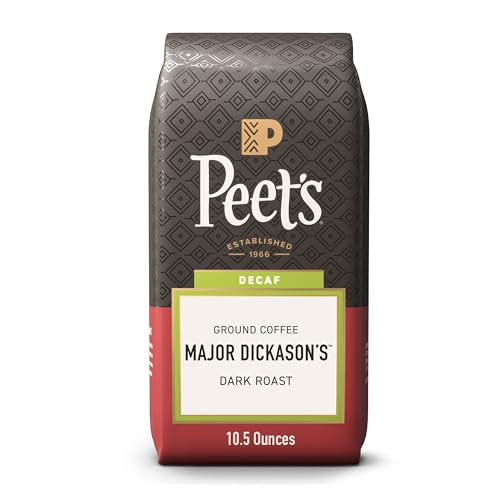
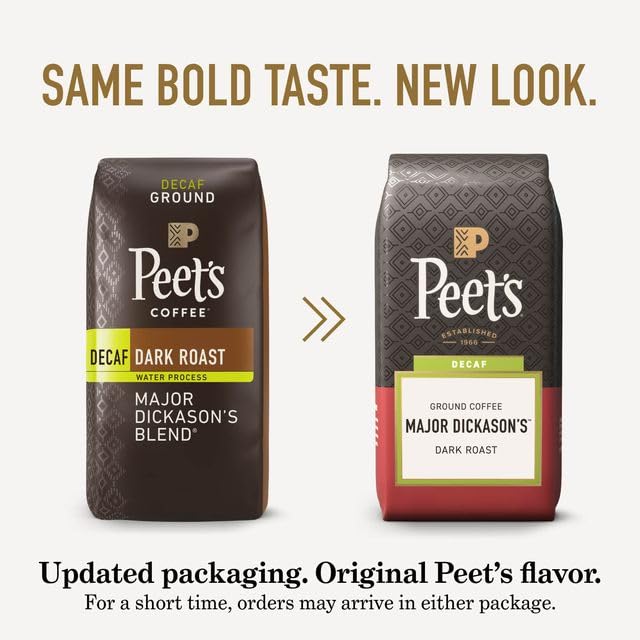
Peet’s Decaf Major Dickason’s Blend
Strengths
- Bold, rich flavor
- Water-processed decaf
- Complex aroma
Trade-offs
- Smaller bag size
- Higher price per ounce
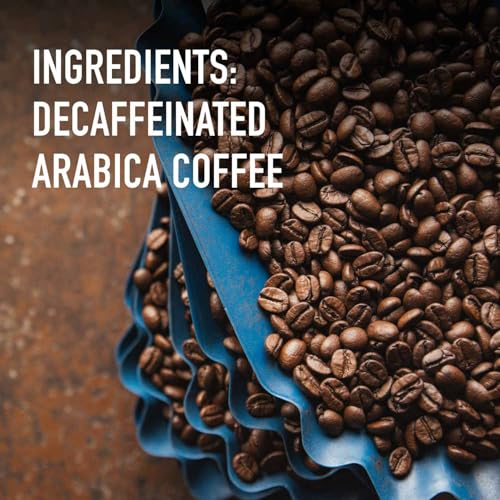
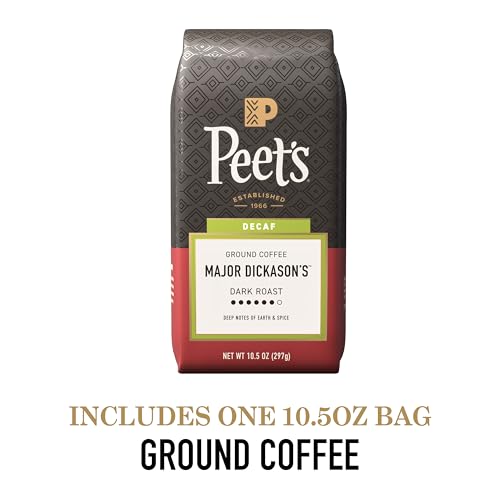
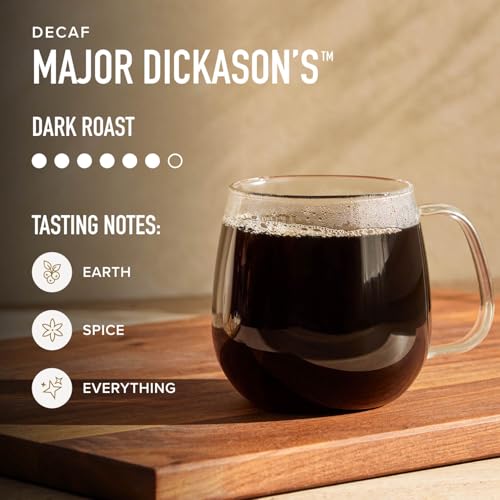
Peet’s Decaf Major Dickason’s Blend is in a different league. It’s a full-bodied dark roast, water-processed to preserve flavor, and made from the same high-quality Arabica beans as their regular lineup. Reviewers note it delivers bold, complex notes, earthy, spicy, with a touch of smokiness, without the caffeine kick.
This is the only decaf here that truly satisfies dark roast lovers. Compared to Starbucks or McCafe, it’s richer, deeper, and far more aromatic. The grind is optimized for drip or pour over, though some owners use it in French press with great results. If you miss the intensity of a true dark roast after cutting caffeine, this is the closest thing to the real deal.
Product photos
Green Mountain Decaf Breakfast Blend
Strengths
- Bright, clean taste
- Light roast clarity
- Large pack size
Trade-offs
- Too mild for bold lovers
- Some find it thin
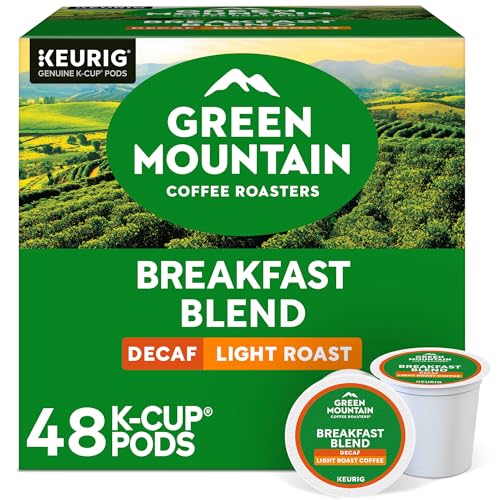
Green Mountain’s Decaf Breakfast Blend is built for the early riser who wants brightness without caffeine. It’s a light roast, 100% Arabica, with a clean, bright profile and hints of nutty sweetness. Owners describe it as “crisp” and “awakeing,” which is rare for decaf.
The 48-pack offers better value than smaller boxes, and the pods are compatible with all Keurig models. Compared to Starbucks’ decaf medium roast, this one has more lift and acidity, better for those who like a tea-like clarity in their morning cup. If you’re tired of flat, muddy decaf pods, this is the reset you need.
Video review
McCafe Premium Roast Decaf K-Cup

Strengths
- Smooth body
- Affordable per pod
- Recyclable pod
Trade-offs
- Bland aroma
- Inconsistent grind
McCafe’s decaf K-Cup is a quiet standout in the budget pod world. The blend uses 100% Arabica beans and delivers a smooth, clean finish that a lot of reviewers say rivals more expensive brands. The roast is medium, not bold, so don’t expect a punchy kick, just a mellow, satisfying cup that won’t coat your mouth with bitterness.
It’s also one of the few decaf pods now made with recyclable materials, though owners note that local facilities often don’t accept them. Still, the sustainability effort counts. When stacked against Starbucks or Green Mountain, it doesn’t win on nuance, but it wins on value. For a daily driver pod, that matters.
Video review
Happy Belly Decaf Light Roast Pods

Strengths
- High quantity
- Low cost per pod
- Easy availability
Trade-offs
- One-dimensional flavor
- Plastic aftertaste
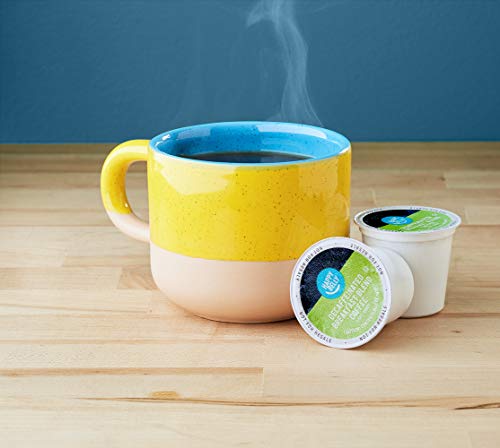
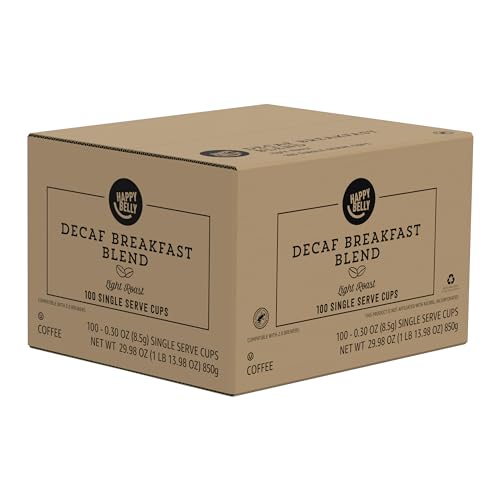
Happy Belly’s 100-count decaf pack is the economy-sized option for Keurig owners who just want to get through the week without thinking too hard. It’s a light roast with a nutty aroma and medium body, and while it won’t impress connoisseurs, owners report it’s perfectly drinkable, especially with cream or sweetener.
The trade-off is flavor depth. Compared to Green Mountain’s decaf breakfast blend, it’s flatter, with less brightness and balance. But if you burn through pods and hate restocking, this is the smarter buy. The 100-count size also makes it a favorite for guest bathrooms or college dorms where coffee is more habit than ritual.
Product photos
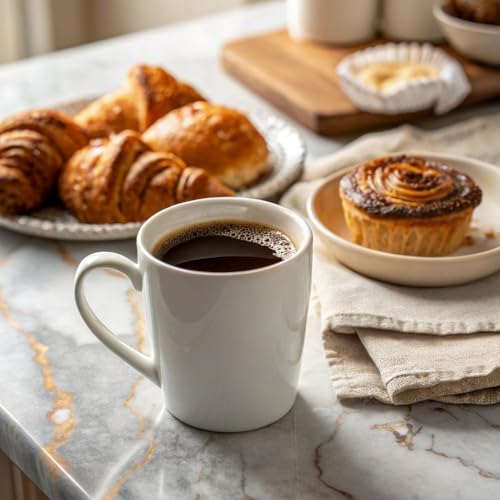


Starbucks Decaf House Blend K-Cup

Strengths
- Balanced flavor
- Consistent brew
- Great for iced coffee
Trade-offs
- Slight paper aftertaste
- Limited roast depth
Starbucks markets this as café-quality decaf, and on paper, that holds up. They use the same Arabica beans found in their stores, which are water-processed for decaf, preserving much of the original flavor. Owners consistently report a clean, balanced cup with subtle notes of toffee and cocoa, exactly what you’d expect from a medium roast Latin American blend.
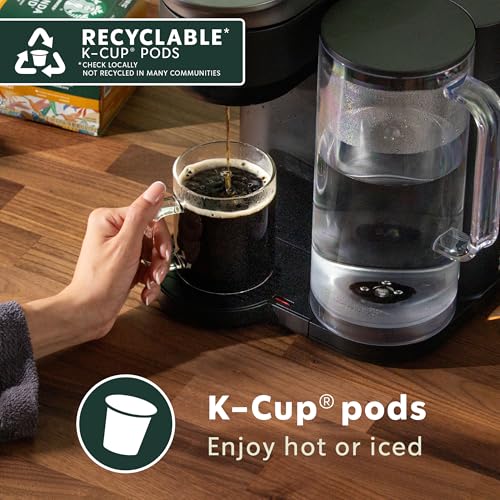
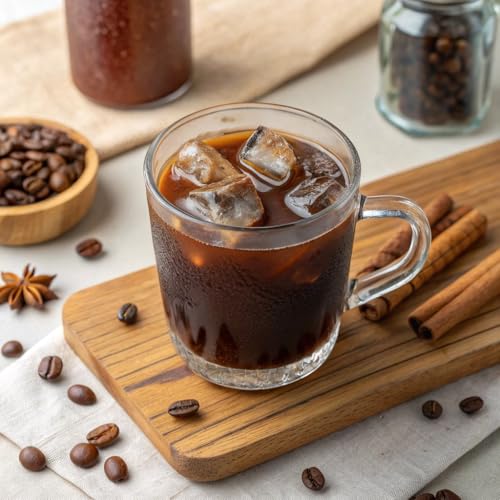
It brews well hot or over ice, making it a flexible pick for those who switch between morning coffee and afternoon iced drinks. Compared to other K-Cup decafs, it’s less bitter and more consistent, though some reviewers note it lacks the depth of freshly ground whole bean options. Still, for a pod, it delivers a reliably smooth experience.
Product photos

Amazon Fresh Decaf Colombia Ground

Strengths
- Smooth finish
- Consistent grind
- 100% Arabica
Trade-offs
- Less fresh than whole bean
- No origin traceability
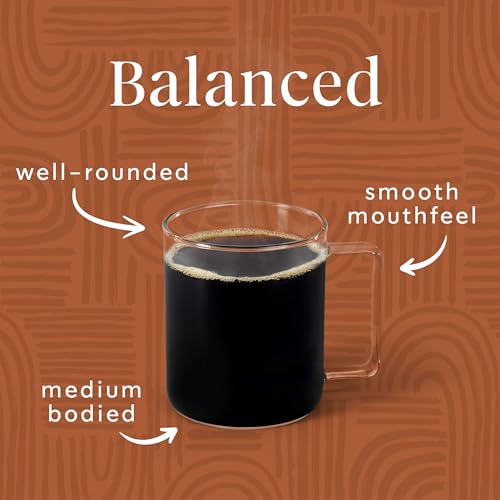
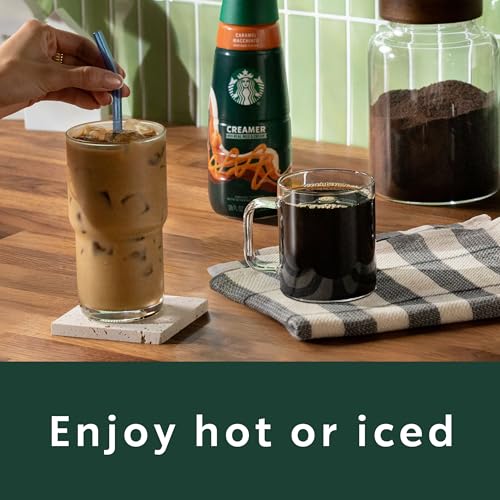
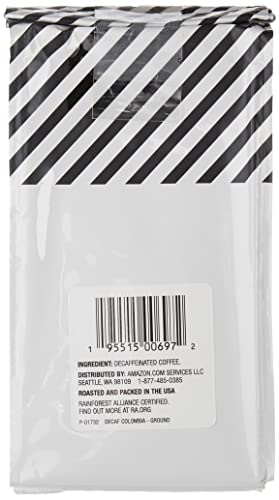
This Amazon Fresh ground option is nearly identical to its whole bean sibling, but with the convenience of pre-ground. It’s 100% Colombian Arabica, decaf via water process, and roasted in the U.S. The result is a balanced, full-bodied cup with a smooth finish, nothing flashy, but dependable.
Owners who value consistency over adventure tend to rate this highly. It brews well in drip machines and single-serve brewers with ground coffee settings. When compared to Happy Belly or even McCafe ground, it’s slightly cleaner and less dusty in flavor. Not a showstopper, but a quiet workhorse.
Product photos


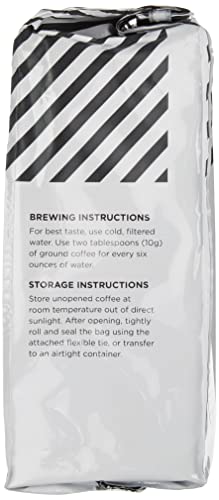
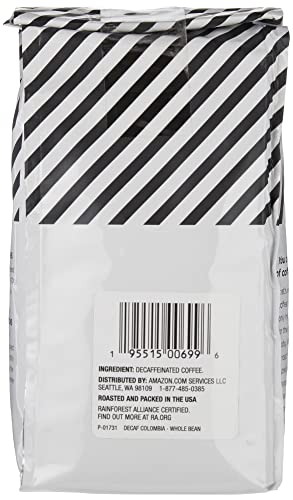
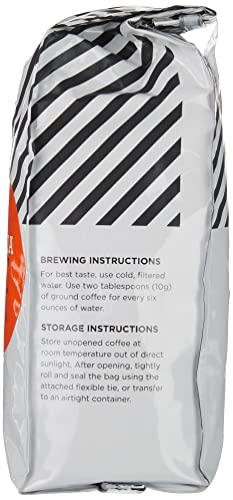
Amazon Fresh Decaf Colombia Whole Bean

Strengths
- 100% Arabica
- Fresh whole beans
- Smooth, balanced taste
Trade-offs
- Minimal complexity
- Generic packaging
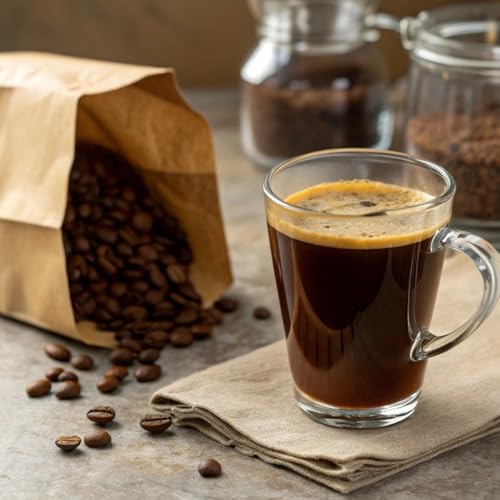
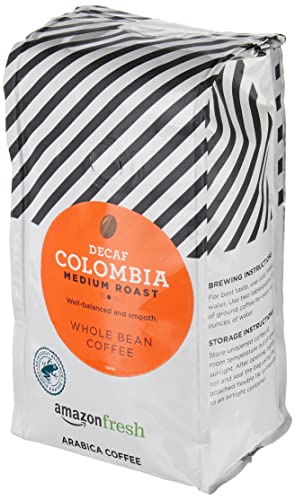
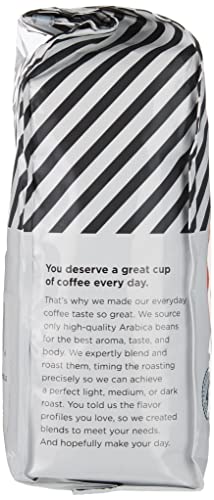
As a whole bean decaf, this Amazon Fresh offering stands out for its simplicity and freshness. It’s 100% Colombian Arabica, water-processed for decaf, and roasted in the U.S., which helps maintain quality control. The spec that matters here is bean origin and roast consistency, both are solid. Reviewers note a clean, balanced cup with a smooth finish, just as advertised.
For those who grind at home, this is one of the smarter buys in the budget whole bean decaf space. It won’t surprise you with exotic notes, but it delivers where it counts: no bitterness, no off-flavors, just a dependable medium roast. When compared to pricier single-origin options, it holds its ground surprisingly well.
Product photos
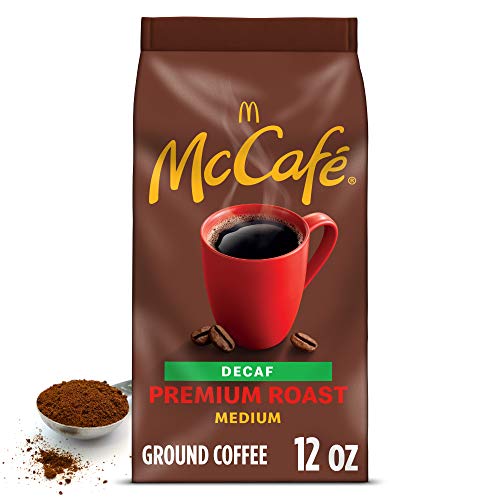
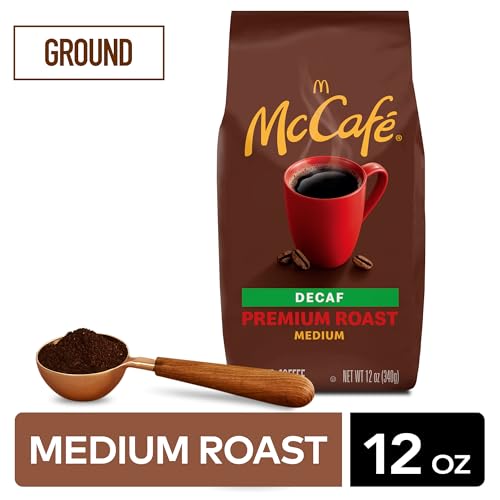
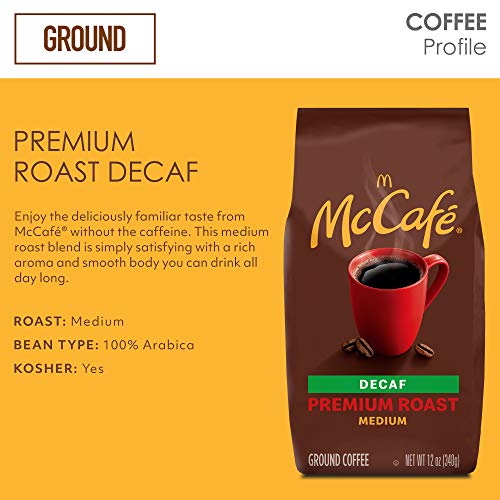
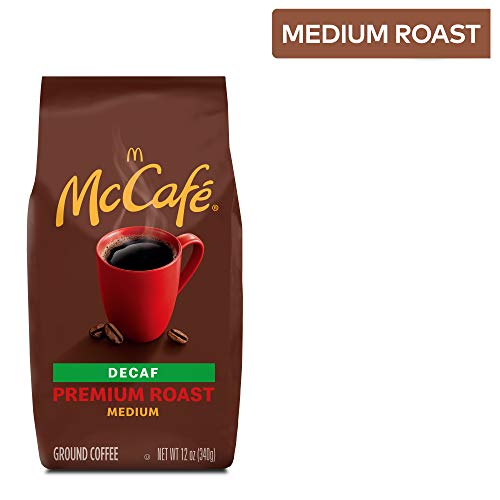
McCafe Premium Roast Decaf Ground
Strengths
- Smooth finish
- Rich aroma
- Consistent grind
Trade-offs
- Limited origin info
- Not for dark roast lovers
This ground decaf from McCafe is the sleeper hit of the lineup. It’s the same blend used in McDonald’s cafes, now bagged for home use, and owners consistently praise its smooth body and clean finish. The beans are 100% Arabica, roasted under controlled conditions, and the decaf process preserves more flavor than most in this price range.
Compared to the K-Cup version, this ground bag gives you more control and better extraction, especially in drip or French press. It won’t outshine Peet’s or specialty roasters, but for a supermarket-priced bag, it’s remarkably consistent. I’d pick this over the pod version if you have a grinder and a few extra minutes in the morning.
Product photos

How We Chose These decalf coffee
As the founder of Bean Thusiast, I approach coffee selection with a focus on bean origin, roast profile, and how those elements translate to the final cup. Rather than a hands-on lab test, this was a research-led comparison of published specifications and owner feedback across a range of popular decaf coffees. I weighed features, read through hundreds of owner reviews, and considered expert opinions to determine which options offer the best overall experience.
For decaf coffee, flavor retention and roast quality are paramount. I prioritized coffees that specifically mention water processing for decaffeination, as this method generally preserves more of the original bean’s character. Value also played a significant role, balancing quality against price point to identify options for different budgets. Understanding decaf coffee and sleep disruption was also considered, as some consumers are particularly sensitive to even trace amounts of caffeine.
Specifications reliably reveal bean type (100% Arabica is generally preferable) and roast level. However, judging flavor nuances and real-world brewing performance required a deep explore owner reviews. These provided insight into smoothness, aroma, and whether the coffee delivered on its promised profile. Reputation and brand commitment to sustainable sourcing also factored into the final rankings, helping to separate consistently good products from one-off successes.
How To Pick The Right decalf coffee
Finding a truly satisfying decaf can be surprisingly tricky. It’s not just about removing caffeine; it’s about preserving flavor.
Decaffeination processes significantly impact final taste. Look for coffees using the Swiss Water Process or a similar method that avoids harsh chemicals. Prioritize 100% Arabica beans, as Robusta varieties often have a more bitter profile, which is amplified when decaffeinated. Consider roast level – darker roasts can mask some decaffeination artifacts, while lighter roasts showcase the bean’s inherent qualities.
Decaffeination Method Matters
The way caffeine is removed dramatically alters the final cup. Older methods relying on methylene chloride get a bad rap, and while residue levels are regulated and considered safe, many prefer alternatives. The Swiss Water Process uses only water, temperature, and time to remove caffeine, resulting in a cleaner, brighter flavor, and it’s a process I consistently see recommended in top decaf coffee picks. Carbon dioxide decaffeination is another excellent option, though less common. Avoid vague labeling; a good brand will clearly state the method.
Roast Level and Bean Origin
Decaf coffee can sometimes taste…flat. A darker roast, like you see in Peet’s Decaf Major Dickason’s Blend, can add some much-needed body and complexity. However, don’t automatically assume dark roast is best. A lighter roast, if well-executed (like the Green Mountain Decaf Breakfast Blend), can showcase brighter, more nuanced flavors. Bean origin also plays a role. Colombian beans, such as those from Amazon Fresh, often offer a balanced, approachable profile that translates well to decaf.
- If you prefer a bold, intense flavor, go for a dark roast Indonesian or Sumatran bean.
- For a brighter, more acidic cup, consider a lighter-roasted Ethiopian or Kenyan decaf – these are harder to find, but worth the search.
- A medium roast from Central America (like Colombia) is generally a safe bet, offering a good balance of flavor and body, and suits a wider range of brewing methods.
A general rule of thumb: if the decaffeination process isn’t clearly stated, assume it’s a less expensive, potentially harsher method.
Format and Value
Decaf coffee comes in many forms: whole bean, ground, and K-Cups. Whole bean allows for the freshest grind, crucial for optimal flavor, but requires a grinder. Pre-ground coffee is convenient, but degrades faster. K-Cups (like those from McCafe) offer ultimate convenience, but are typically the most expensive per cup and generate more waste (though recyclable options are becoming more available). For those concerned about caffeine intake during pregnancy-safe decaf coffee, knowing the source and processing is key. When evaluating value, consider the amount of coffee you get for your money and the quality of the beans. I often find that exploring best decaf coffee brands helps uncover hidden gems that offer a superior experience without breaking the bank.
Decalf Coffee Compared
Here’s a comparison of key specifications for the featured decaf coffees.
| Product Name | Roast Level | Format | Bean Type | K-Cup Compatible | Origin |
|---|---|---|---|---|---|
| Peet’s Decaf Major Dickason’s Blend | Dark | Ground | Arabica | No | N/A |
| Green Mountain Decaf Breakfast Blend | Light | K-Cup Pod | Arabica | Yes | N/A |
| McCafe Decaf K-Cup | Medium | K-Cup Pod | Arabica | Yes | N/A |
| Happy Belly Decaf Light Roast Pods | Light | K-Cup Pod | Arabica | Yes | Latin America/Africa |
| Starbucks Decaf House Blend K-Cup | Medium | K-Cup Pod | Arabica | Yes | Latin America |
| Amazon Fresh Decaf Colombia Ground | Medium | Ground | Arabica | No | Colombia |
| Amazon Fresh Decaf Colombia Whole Bean | Medium | Whole Bean | Arabica | No | Colombia |
| McCafe Decaf Ground | Medium | Ground | Arabica | No | N/A |
Frequently Asked Questions
What decaffeination process is best for flavor?
The Swiss Water Process is widely considered best for retaining flavor, as it uses only water, temperature, and time to remove caffeine. It avoids the harsh chemicals used in older methods, resulting in a cleaner, brighter cup – and is often highlighted in discussions of best decaf coffee beans.
Can you still get caffeine from decaf coffee?
Yes, you can, but the amount is minimal. Regulations require decaf coffee to have no more than 0.1% caffeine by weight, meaning a typical cup contains only 2-12 milligrams, compared to 95-200 milligrams in a regular cup.
Is there a difference in flavor between decaf ground coffee and whole bean?
Absolutely. Whole bean coffee retains its flavor and aroma much longer than pre-ground, as grinding increases the surface area exposed to air and moisture. You’ll get a fresher, more flavorful cup if you grind your own beans right before brewing.
Are K-Cup decaf coffees as good as ground or whole bean?
Generally, no. K-Cups prioritize convenience over quality, and the coffee can become stale faster due to the packaging. While convenient, you typically sacrifice some flavor complexity compared to freshly ground or whole bean options, particularly if you are seeking [premium decaf beans].
Do darker roasts hide flaws in decaffeinated coffee?
Darker roasts can mask some of the less desirable flavors that can result from the decaffeination process, but they also obscure the bean’s original characteristics. Many prefer to seek out quality beans and gentler decaffeination processes over relying on a dark roast to cover up imperfections – or explore [decaf whole bean recommendations].
The Bottom Line
Choosing the best decaf coffee often comes down to how much control you want over the process versus how much convenience you need. If you’re willing to grind your own beans and appreciate a robust, classic flavor, Peet’s Decaf Major Dickason’s Blend consistently receives high marks for its bold character and quality. It delivers a deeply satisfying cup without sacrificing the experience.
For those prioritizing ease and consistency, the K-Cup options are hard to beat. The Green Mountain Decaf Breakfast Blend is a standout – a widely available and well-regarded choice. And if you regularly enjoy a quick cup, the McCafe Decaf K-Cup offers a familiar, approachable flavor at a reasonable price.
Ultimately, the “best” decaf coffee isn’t about a single perfect bean or roast level. It’s about finding a coffee that fits your lifestyle and palate. Prioritize coffees that clearly state their decaffeination method, and remember that a little experimentation can go a long way toward finding your ideal morning (or drinking decaf at night) brew.
