
8 Best Decaf Ground Coffees of 2026
The best decaf ground coffee overall is Peet’s Decaf House Blend, a dark roast that keeps its rich, full-bodied character thanks to its water-processed decaf method. For a budget-friendly option with solid flavor, the 365 by Whole Foods Buzz Free Dark Roast delivers, while Peet’s Decaf Major Dickason’s Blend stands out for those who want a bold, smoky profile.
Finding good decaf used to mean settling for flat, lifeless coffee. That’s changed, but not every bag on the shelf is worth your morning ritual. After comparing the field, reading owner feedback, and weighing decaf methods and roast quality, I found a few that actually taste like real coffee.
This guide cuts through the marketing and focuses on what matters: gentle decaffeination, bean origin, and roast freshness. These picks were chosen based on specs, consistency in reviews, and how well they deliver a satisfying cup without caffeine.
Top 8 Decaf Ground Coffee in the Market
The Best Decaf Ground Coffee, Reviewed
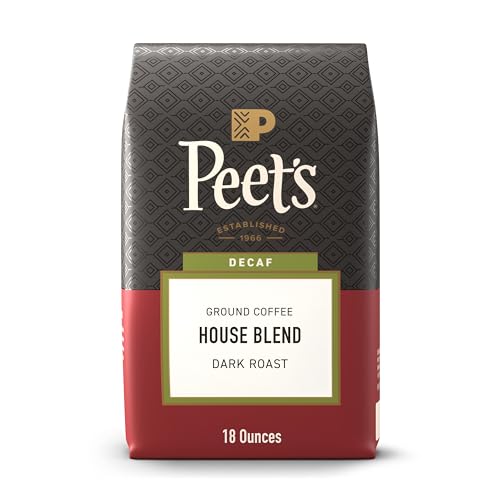
Peet’s Decaf House Blend
Strengths
- Smooth, sweet finish
- Larger 18 oz bag
- Water-processed decaf
Trade-offs
- Slightly less bold than Major Dickason’s
- Still optimized for drip only
- Not for light roast lovers
Peet’s Decaf House Blend is where I’d start recommending for most buyers looking to upgrade from supermarket decaf. At 18 ounces, it offers more value than the smaller Major Dickason’s bag, and the smooth, sweet dark roast profile makes it more versatile, just as good in a morning drip brew as it is in an after-dinner cup. The water-processed decaf treatment is consistent with Peet’s standard, and owners report it retains richness without bitterness.
It doesn’t have the aggressive punch of Major Dickason’s, but that’s a plus for broader appeal. Compared to 365 or Hills Bros., it strikes a better balance between craft and accessibility. This is the kind of decaf that could convert someone who thinks “decaf” means “weak.” My recommendation? If you want one dark roast decaf that does it all without overpromising, this is the one to grab.
Video review
New England Decaf Breakfast Blend

Strengths
- Affordable price point
- Small batch roasted
- 100% Arabica beans
Trade-offs
- Smaller bag size
- No water process mentioned
- Less flavor depth than premium brands
New England Coffee’s Decaf Breakfast Blend is the quiet workhorse of the lineup, modest in packaging and price, but solid in execution. It’s a small-batch roasted 100% Arabica blend with beans from Africa and Latin America, and owners consistently note its balanced, clean taste, nothing flashy, but reliable. The 10-ounce bag is smaller than others, but it helps maintain freshness for single drinkers or light users.
It’s not water-processed, so the decaf method is less transparent, and the flavor reflects that, slightly flatter than Peet’s or 365. But for the price, it holds up well in drip machines. Compared to Starbucks or McCafe, it lacks brand polish but makes up for it in old-school consistency. If you’re on a tight budget and don’t want to drink like it, this is a sensible pick.
Video review
365 by Whole Foods Buzz Free

Strengths
- Organic certified
- Swiss water decaf process
- Large 24 oz size
Trade-offs
- Flavor is decent, not exceptional
- Limited roast complexity
- Packaging not resealable
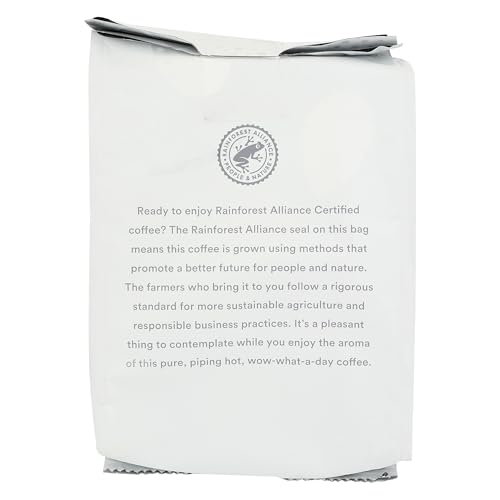
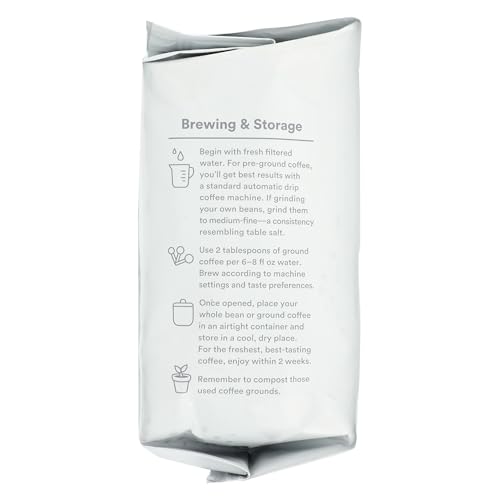
If organic and ethically sourced decaf is your priority, 365’s Buzz Free is hard to beat. The Swiss water process is clearly called out, which matters for purists who want caffeine removed without solvents. At 24 ounces, it’s one of the largest bags here, and owners consistently praise its clean, hearty flavor, not flashy, but honest, with a medium roast that leans slightly toward dark in body.
It’s sourced from Latin American co-ops and emphasizes sustainability, which shows in the brand’s transparency. Compared to Starbucks or McCafe, it’s less about brand familiarity and more about conscientious sourcing. It won’t replicate the boldness of Peet’s dark roasts, but it outshines most in ingredient integrity. For me, this is the smarter buy if you care about where your beans come from and want a decaf that doesn’t taste like a compromise.
Product photos
McCafe Premium Roast Decaf
Strengths
- Affordable per ounce
- Smooth, clean finish
- Kosher certified
Trade-offs
- Generic flavor profile
- No specialty decaf method
- Not for roast enthusiasts
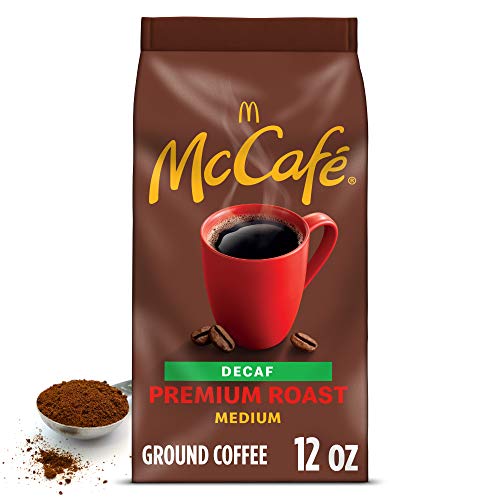
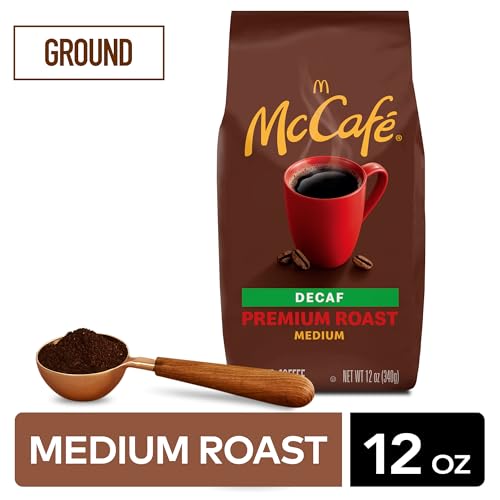
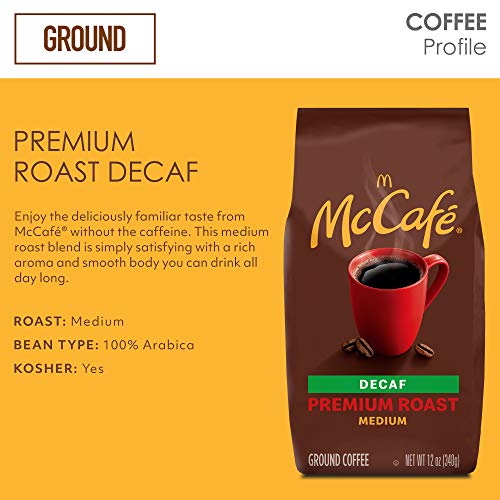
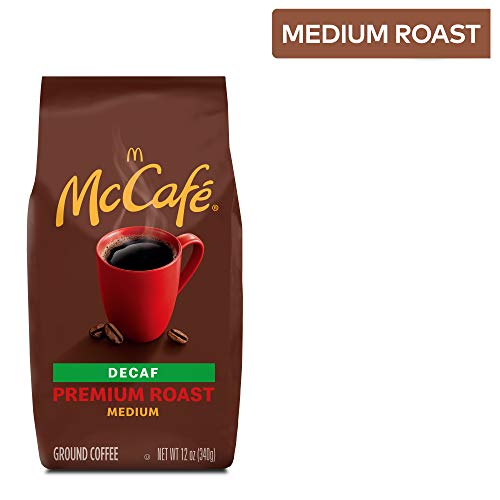
McCafe Premium Roast Decaf is the value pack that actually delivers on drinkability. At 12 ounces, it’s not the largest, but it’s priced to move, and owners consistently say it tastes like a better version of what you’d get at the drive-thru. The smooth body and clean finish make it a decent drip coffee, especially when you’re brewing for a crowd and don’t want to spend like a café.
It uses responsibly sourced Arabica beans and is OU Kosher certified, which adds trust. But it doesn’t use the Swiss water process, and the roast is pretty standard, nothing to write home about. Compared to Starbucks, it’s a hair less balanced, but for the price, it’s competitive. I’d pick this over generic store brands when I need a few bags on hand without breaking stride.
Product photos

Starbucks Decaf Pike Place
Strengths
- Balanced, smooth taste
- Great for iced coffee
- Consistent café-quality beans
Trade-offs
- Roast leans a bit generic
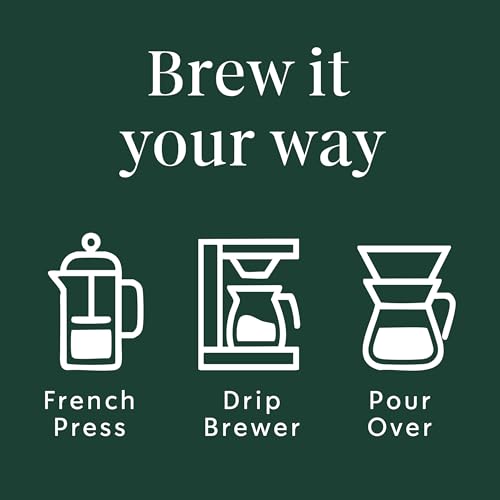
- Ground fine for drip only
- Not bold enough for dark roast fans
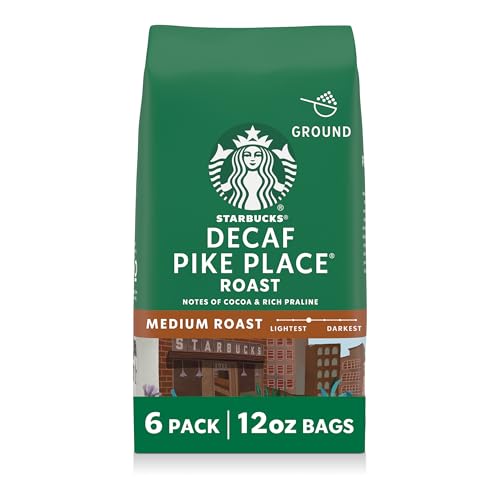
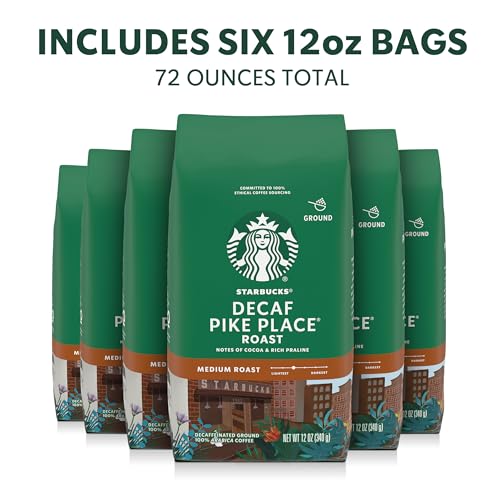
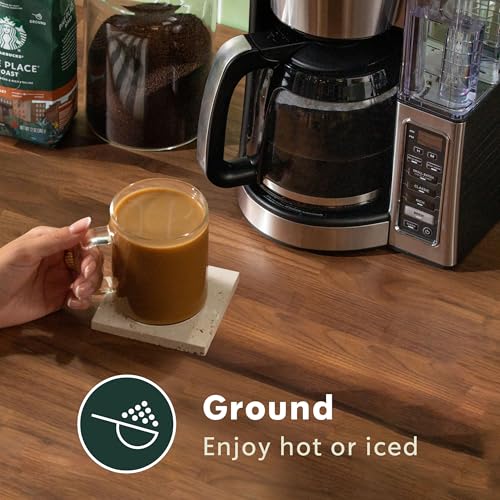
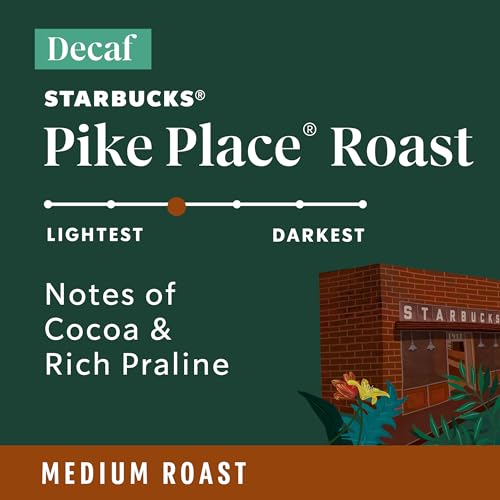
Starbucks Decaf Pike Place Roast is the reliable middle ground in the decaf world, approachable, consistent, and built for daily drinking. The balanced profile with hints of cocoa and praline makes it a crowd-pleaser, and the fact that it’s designed for both hot and iced brewing gives it serious versatility. Reviewers frequently note how well it holds up over ice, maintaining flavor without turning flat or watery.
It’s not the most adventurous choice, but that’s not the point. Compared to Peet’s darker, heavier blends, this one leans clean and smooth, closer to what you’d get in a café. The use of the same beans as in-store brews adds legitimacy, and owners appreciate the six-bag pack for steady rotation. If you’re transitioning from regular Pike Place and don’t want to lose that familiar rhythm, this decaf version keeps the beat.
Product photos
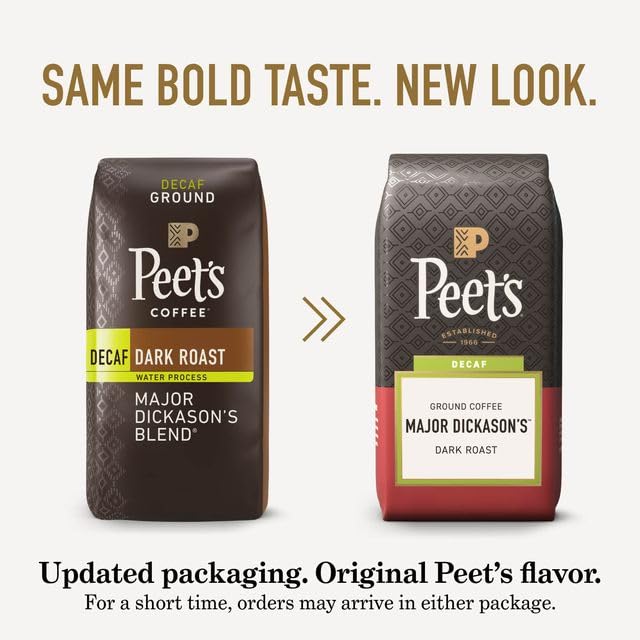
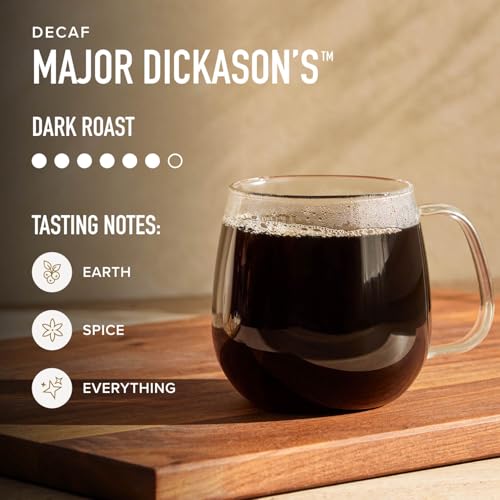
Peet’s Decaf Major Dickason’s Blend
Strengths
- Full-bodied flavor
- Water-processed decaf
- 100% Arabica beans
Trade-offs
- May be too bold for delicate palates
- Only 10.5 oz per bag
- Not ideal for pour-over subtlety
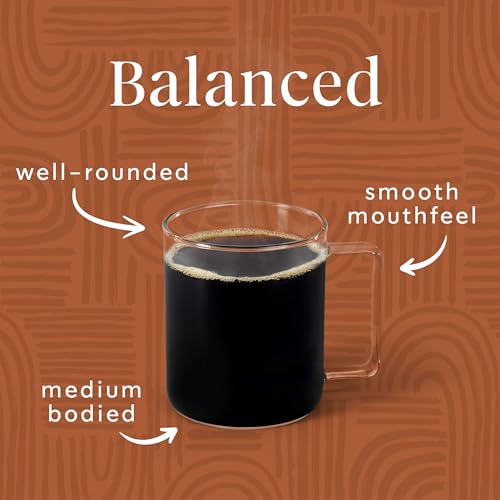
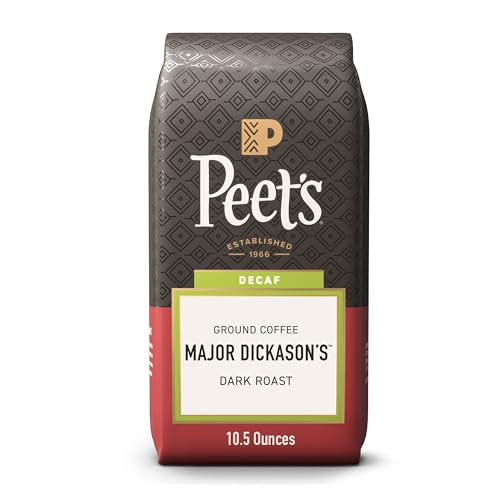
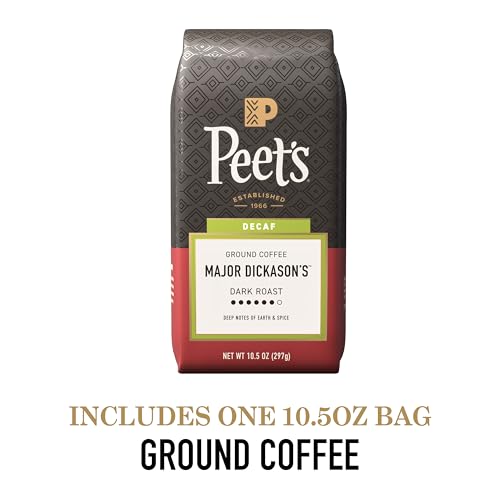
Peet’s Decaf Major Dickason’s Blend doesn’t pretend to be subtle, and that’s exactly why fans of bold decaf reach for it. On paper, it’s a full-bodied dark roast using 100% Arabica beans, and owners consistently report that it delivers on that promise, deep, smoky, and rich with a linger that satisfies late-night cravings without the buzz. The water-processed decaf method is a big win here, preserving more of the bean’s natural complexity than chemical alternatives.
It’s not the most nuanced decaf out there, but if you’re used to strong, no-nonsense dark roasts, this one punches above its weight. Compared to milder medium roasts like Starbucks Pike Place, this is the kind of decaf that stands up in a French press or drip brew without fading into the background. I’d pick this over lighter blends when I want something that feels substantial, almost like a coffee version of a stout beer.
Product photos
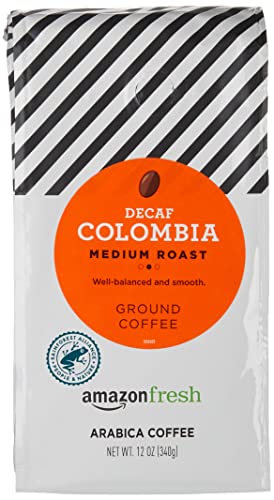
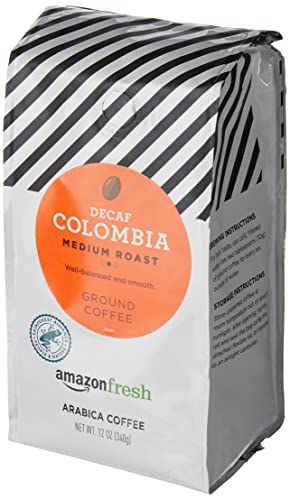
Amazon Fresh Decaf Colombia Pack of 3
Strengths
- Pack of three 12 oz bags
- Colombian Arabica beans
- Balanced, smooth body
Trade-offs
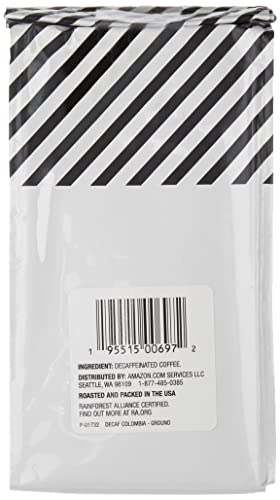
- Decaf process not specified
- Packaging not resealable
- Less bold than dark roasts
Amazon Fresh Decaf Colombia is the quiet standout for bulk buyers who don’t want to sacrifice quality. Three 12-ounce bags mean a full three pounds of coffee, and the Colombian 100% Arabica beans deliver a balanced, full-bodied cup with a smooth finish. Owners appreciate the consistency across bags, rare for house brands, and the fact that it’s roasted in the U.S. adds a layer of freshness control.
It’s not marketed as Swiss water processed, so the decaf method is unclear, but the taste doesn’t suffer much. Compared to Hills Bros. or McCafe, it feels more intentional, less mass-market. The medium roast is approachable, not too light or dark, making it a solid default for households with mixed preferences. For stocking the pantry without overpaying, this is the smarter bulk option.
Product photos
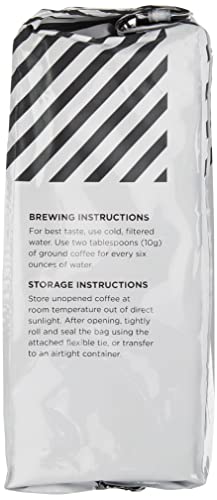
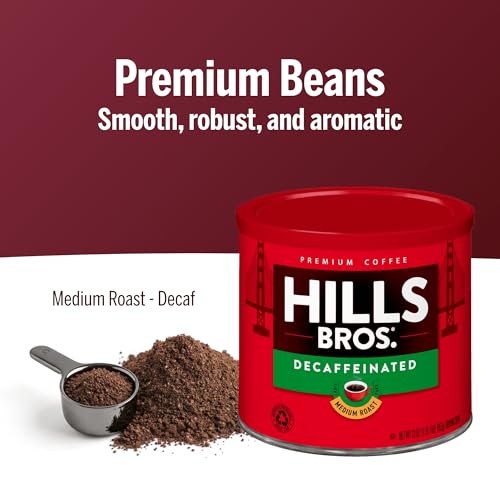
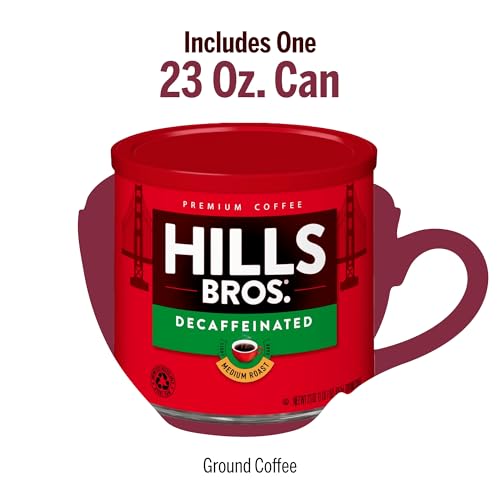
Hills Bros. Decaffeinated Ground Coffee

Strengths
- Large 23 oz can
- Recyclable steel packaging
- Smooth, classic flavor
Trade-offs
- Lacks depth in taste
- No mention of decaf method
- Old-school blend, not trendy
Hills Bros. plays the long game with tradition and packaging, not innovation. The 23-ounce steel can keeps the medium roast ground coffee fresher longer and is fully recyclable, a practical plus for households that go through coffee steadily. Owners often highlight the classic, no-frills taste as a comfort, though it doesn’t stand out in blind tastings. It’s a straightforward decaf with mild richness, best when you’re not overthinking your morning cup.
It doesn’t use the Swiss water process like Peet’s or 365, so the decaf method is less transparent, and the flavor reflects that, it’s clean but not particularly vivid. Compared to New England Coffee or Amazon Fresh, it’s pricier per ounce and lacks the craft roast appeal. But for someone raised on supermarket coffee and not looking to stray far, it delivers on nostalgia and shelf stability.
Product photos

How We Evaluated decaf ground coffee
Rather than a hands-on lab test, my research for these recommendations focused on a detailed comparison of published specifications and features across numerous brands. I weighed owner reviews from multiple sources – Amazon, coffee-specific forums, and retail sites – alongside expert opinions from coffee review publications. As someone deeply interested in the nuances of coffee, I applied my understanding of bean origins, roast levels, and decaffeination processes to assess each option.
For decaf coffee, I placed the heaviest emphasis on the decaffeination method and roast level. The method significantly impacts the decaf flavor profile – Swiss Water Process and similar methods generally preserve more of the coffee’s original characteristics. Roast level is crucial, as decaffeination can alter how a bean responds to roasting, and a well-executed dark or medium roast is key to a satisfying cup.
Specifications reliably indicate bean origin and decaffeination method, giving a baseline for expected flavor. However, I found owner feedback to be vital for understanding real-world taste experiences and consistency. Reputation also played a role; established brands with a history of quality often deliver a more predictable product, and that’s what many coffee drinkers value when choosing decaf.
Choosing The Right decaf ground coffee
Finding a truly satisfying decaf can be tricky. Many brands compromise on flavor in the decaffeination process, but the current market offers some excellent options.
Quality decaf ground coffee prioritizes bean origin (typically 100% Arabica), employs a gentle decaffeination method (Swiss Water Process or similar is best), and focuses on roast level to maintain a complex flavor profile. Look for coffees specifying the decaffeination method used and recent roast dates for peak freshness.
Decaffeination Method Matters
The way caffeine is removed dramatically impacts the final taste. Older methods using harsh chemical solvents often left a noticeable, unpleasant aftertaste. Thankfully, that’s largely a thing of the past. Today, Swiss Water Process and mountain water processing are the gold standards. These methods use only water to remove caffeine, preserving the delicate flavor compounds in the bean. While more expensive, they yield a significantly better cup. You’ll also see “natural water processed” decaf – this is broadly similar, just not specifically the Swiss Water Process. Avoid anything that doesn’t clearly state how the caffeine was removed.
Roast Level and Bean Origin
Decaf coffee, like its caffeinated counterpart, benefits from careful roasting. A lighter roast will showcase brighter acidity and floral notes, while a darker roast offers a bolder, more chocolatey flavor. Don’t assume decaf needs to be light to taste good; a well-executed dark roast decaf (like the Peet’s Major Dickason’s) can be incredibly satisfying. Bean origin also plays a role. Look for coffees specifying Latin American beans, as these often lend themselves well to the decaffeination process, and are frequently featured in the top decaf coffee brands.
Here’s what to consider when evaluating bean origin: * Colombia: Often produces balanced, easy-drinking decaf. * Latin America (blend): A good starting point for a versatile flavor profile. * Single Origin (specified): Allows you to explore unique flavor characteristics tied to a specific region and farm, offering a more nuanced experience.
Freshness and Packaging
Even the best beans lose their flavor quickly after roasting and grinding. Always check for a “roasted on” date, not just a “best by” date. Aim to use your ground coffee within a few weeks of roasting. Packaging is also crucial. Whole bean coffee stays fresher longer, but if you prefer ground, look for bags with a one-way valve to allow CO2 to escape without letting oxygen in. Consider buying smaller bags more frequently to recommended decaf coffee and maximize freshness.
A good rule of thumb: if you can’t smell a strong coffee aroma when you open the bag, it’s probably past its prime.
I often get asked about the safety of decaf coffee, and the good news is that modern decaffeination processes are very safe and well-regulated.
Decaf Ground Coffee Compared
Here’s a comparison of key specifications for the featured decaf ground coffees.
| Product Name | Roast Level | Size (oz) | Decaffeination Method | 100% Arabica | Kosher Certified |
|---|---|---|---|---|---|
| Peet’s Decaf House Blend | Dark | 18 | Water Processed | Yes | N/A |
| New England Decaf Breakfast Blend | Medium | N/A | N/A | Yes | Yes |
| 365 by Whole Foods Buzz Free | Dark | 24 | Swiss Water | Yes | Yes |
| McCafe Premium Roast Decaf | Medium | 12 | N/A | Yes | Yes |
| Starbucks Decaf Pike Place | Medium | 12 (x6) | N/A | Yes | N/A |
| Peet’s Decaf Major Dickason’s Blend | Dark | 10.5 | Water Processed | Yes | N/A |
| Amazon Fresh Decaf Colombia | Medium | 12 (x3) | N/A | Yes | N/A |
| Hills Bros. Decaffeinated Ground Coffee | Medium | N/A | N/A | Yes | Yes |
Frequently Asked Questions
What decaf coffee has the most caffeine?
While labeled “decaf,” some caffeine remains. Generally, coffees decaffeinated using the Swiss Water Process retain slightly more(around 3-7mg per cup) than those using direct solvent methods, but the difference is small and varies by brand.
Is decaf coffee really caffeine-free?
No, decaf coffee isn’t completely caffeine-free. Regulations require decaf coffee to have no more than 0.1% caffeine by weight, which translates to roughly 2-12mg per 8-ounce cup.
Can decaf coffee still give you a caffeine buzz?
For most people, no. The small amount of caffeine in decaf is unlikely to cause the same stimulating effects as regular coffee, but highly sensitive individuals might perceive a subtle effect.
Where can I find truly fresh decaf coffee?
Look for brands that prominently display a “roasted on” date, rather than a “best by” date. You can also explore smaller, local roasters, or order directly from online retailers specializing in best decaf coffee beans for maximum freshness.
What’s the difference between Swiss Water Process and other decaffeination methods?
Swiss Water Process uses only water to remove caffeine, preserving more of the coffee’s original flavor compounds. Other methods sometimes use chemical solvents, which can leave behind unwanted tastes, though these are heavily regulated and generally considered safe.
The Bottom Line
Choosing a decaf ground coffee often comes down to balancing convenience with quality. You can find perfectly acceptable decaf at almost any grocery store, but for a truly satisfying experience, prioritizing the decaffeination method and recent roast date makes a huge difference. In my view, Peet’s Decaf Major Dickason’s Blend offers the best overall combination of flavor, roast quality, and a well-regarded water process decaffeination technique.
For those on a budget, Amazon Fresh Decaf Colombia is a solid choice, providing a 100% Arabica bean and decent reviews at a competitive price point. If versatility is your goal, New England Decaf Breakfast Blend is a reliable all-rounder, suitable for various brewing methods and palates. Those interested in learning more about the coffee decaffeination process can find a helpful explanation on our site.
Ultimately, the best decaf is the one you enjoy most. Don’t get too caught up in specific origins or fancy terms. Focus on finding a coffee with a fresh roast date, a decaffeination method you trust (Swiss Water is a great place to start), and a roast level that suits your preferences. A little attention to these fundamentals will deliver a far more rewarding cup than chasing any single, supposedly perfect specification.
