
8 Best Dark Coffee Beans of 2026
The best dark coffee beans come down to the Peet’s French Roast for its bold, balanced depth and the Mayorga Muy Macho as a smooth, affordable alternative. If you want something intense with a cause, Black Rifle Beyond Black delivers rich, smoky notes without gimmicks.
I’ve spent years chasing what makes a dark roast truly satisfying, not just dark for the sake of it, but layered, rich, and consistent. Too many brands lean on burnt bitterness and call it flavor, leaving drinkers with a flat, ashy cup. This guide cuts through the noise.
I researched the field, analyzed roast profiles and sourcing, and prioritized real feedback on flavor, freshness, and value. These picks reflect what actually works in the mug, not just on the bag.
Top 8 Dark Coffee Beans in the Market
The Best Dark Coffee Beans, Reviewed
Fresh Roasted Italian Roast Whole Bean
Strengths
- Nitrogen-flushed packaging
- Rich bittersweet profile
- Eco-friendly roasting
Trade-offs
- Very bold, not subtle
- Robusta in blend
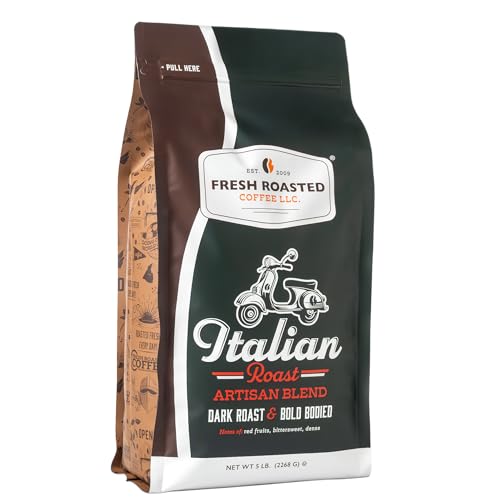
If you’re after a no-compromise dark roast that pulls no punches, this Italian Roast from Fresh Roasted Coffee is, on paper and in owner feedback, one of the most complete packages. The 5-pound bag is a clear win for heavy users, but what impresses more is the nitrogen-flushing and resealable bag, real freshness tech that most competitors skip. The blend of Arabica and Robusta is roasted to deliver that bittersweet, espresso-ready depth with a hint of red fruit, which reviewers consistently call ‘complex for a dark roast.’
It outshines Starbucks French Roast in body and richness, and unlike many large-bag coffees, it doesn’t taste stale out of the gate. The solar-powered roasting is a legit sustainability win. I’d pick this over most supermarket dark roasts for its consistency and freshness engineering.
Video review
Mayorga Muy Macho Organic Dark Roast
Strengths
- Organic certified
- Sweet chocolate finish
- Direct Trade sourcing
Trade-offs
- Overpowering for mild roast lovers
- Limited origin clarity
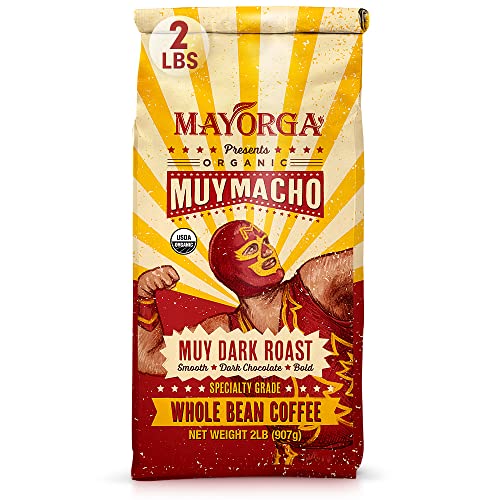
When I see ‘organic’ and ‘bold dark roast’ in the same sentence, I’m usually skeptical, most ultra-dark beans lose nuance in the char. But Mayorga’s Muy Macho blend stands out because owners consistently report a rare balance: deep roast intensity without the ashtray bitterness. The slow-roast process they use seems to genuinely preserve sweetness, with a chocolate finish that lingers pleasantly. On paper, the 100% Arabica, Latin-sourced beans make sense for this profile, and the fact that it’s USDA Organic and Direct Trade adds real value for conscious drinkers.
Still, this isn’t a coffee for the faint of heart. It’s marketed as the ‘world’s strongest organic coffee,’ which is a stretch, but the body is undeniably thick and the flavor aggressive in the best way. Compared to Starbucks French Roast, it’s more refined and less one-note, though not as smoky as Black Rifle’s Beyond Black. If you want boldness with a backbone of ethics and origin transparency, this is a standout.
Video review
Peet’s French Roast Whole Bean
Strengths
- Rich chocolate notes
- Excellent for French press
- 100% Arabica
Trade-offs
- Smaller bag size
- Smoke-heavy profile
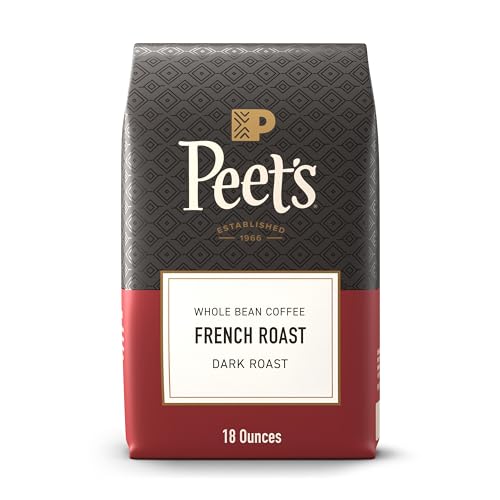
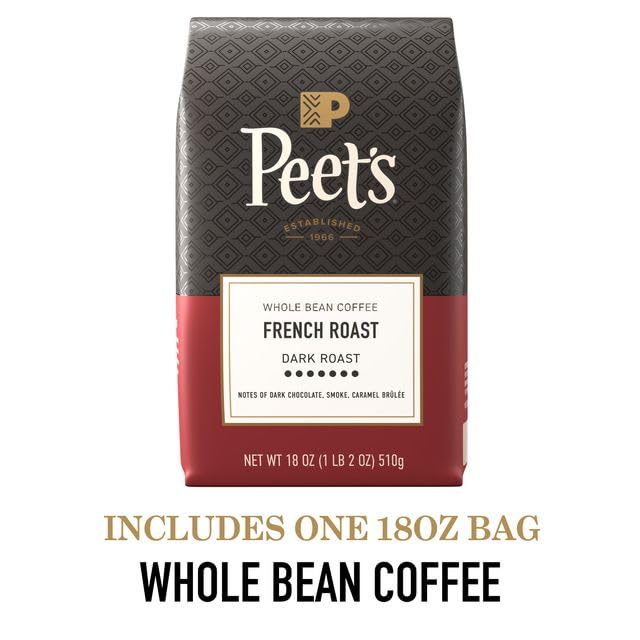
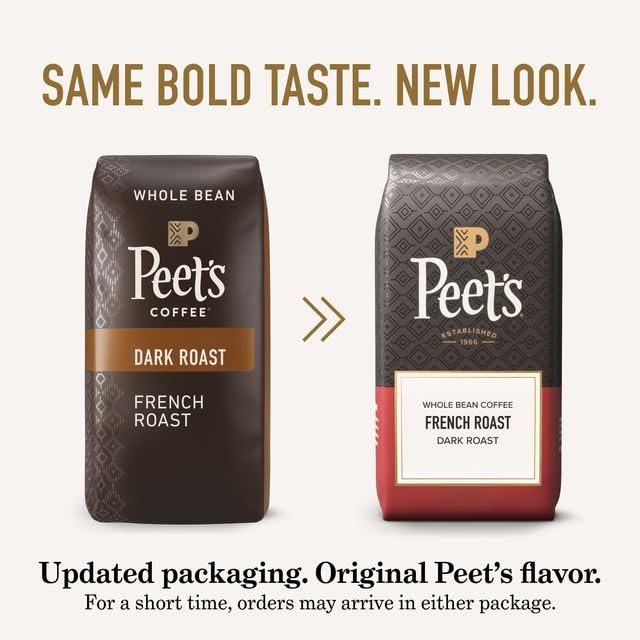
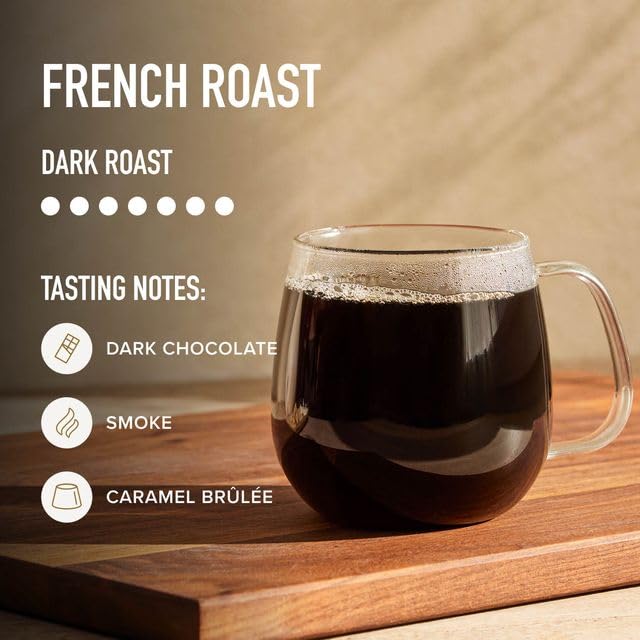
Peet’s French Roast has earned its reputation as a go-to for French press lovers, and owner feedback backs it up, this coffee delivers a rich, full-bodied brew with a texture that coats the mouth. The short, intense roast brings out deep notes of smoke, caramel, and chocolate truffle, and since it’s 100% Arabica, it avoids the harshness some darker roasts develop. The 18-ounce bag is smaller than others here, but the roast quality justifies it.
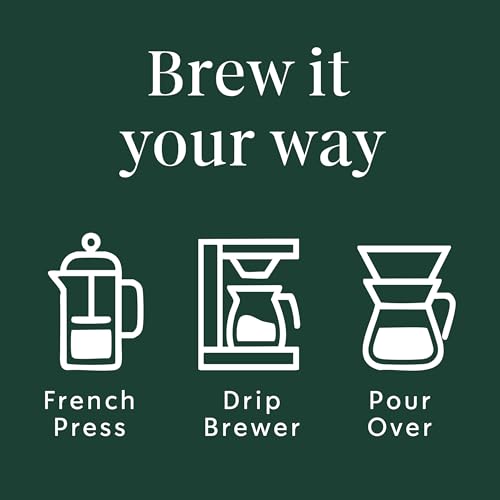
Compared to Starbucks’ version, it’s more complex and less ashy. For pour-over or drip, it’s excellent, but it truly shines in immersion methods like French press, where the oils and sediment enhance its natural richness. If you’re making press coffee daily, this is hard to beat.
Product photos

Starbucks French Roast 28oz
Strengths
- Large bag size
- Consistent dark roast
- 100% Arabica
Trade-offs
- One-note roasty flavor
- High bitterness for some
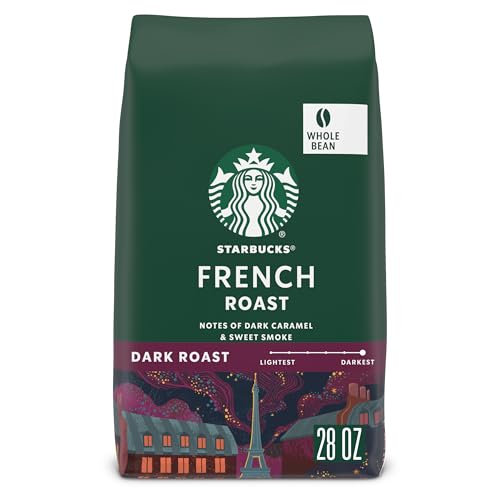
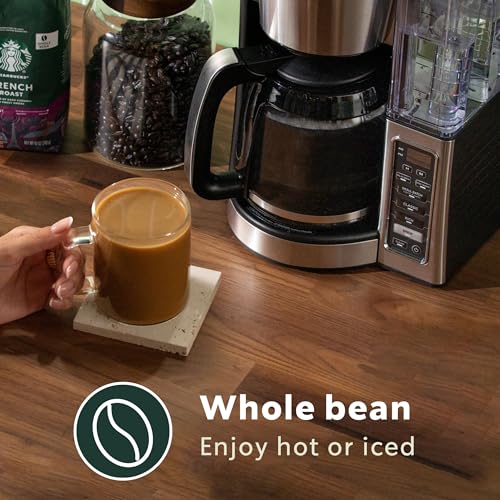
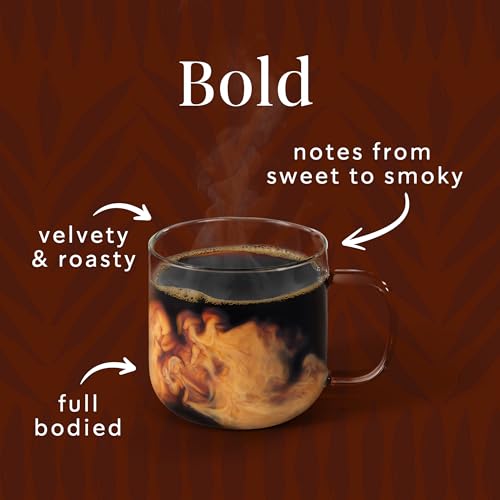
Starbucks French Roast is the definition of a polarizing dark roast. It’s as far into the dark spectrum as they go, and owners either love its intense, roasty punch or find it one-dimensional. The 28-ounce bag offers real value for daily drinkers, especially those already loyal to the brand. It’s 100% Arabica, which helps it avoid the harshness some dark blends fall into, but it still leans heavily on charred notes rather than layered flavor.
Compared to Peet’s French Roast, it’s less nuanced and lacks the chocolate truffle depth. But it’s more accessible and widely available. If you’re looking for a straightforward, no-surprise dark roast that brews strong in any method, this is a safe bet, just don’t expect subtlety.
Product photos

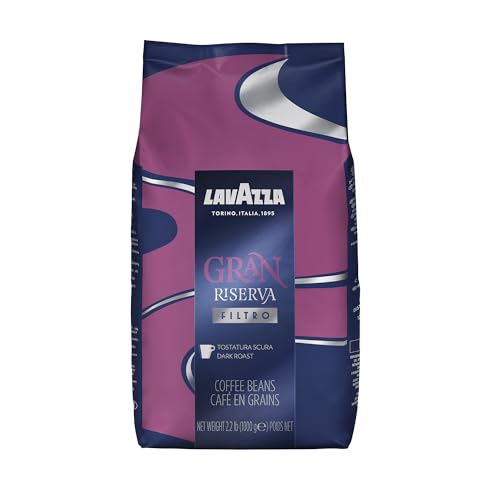
Lavazza Gran Riserva Filtro
Strengths
- Authentic Italian roast
- Cocoa-caramel notes
- 100% natural Arabica
Trade-offs
- Milder than espresso roasts
- Less bold for extreme dark roast fans
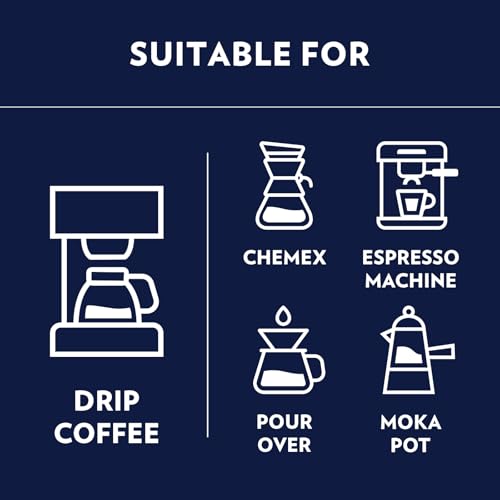
Lavazza Gran Riserva Filtro tastes like Italy in a bag, dark, smooth, and built for the classic drip or French press experience. The 100% natural Arabica beans are blended and roasted in Italy, which matters for authenticity, and owners consistently praise the cocoa and caramel notes as ‘true to traditional Italian style.’ It’s not as intense as their espresso blends, but that’s the point, it’s designed for daily drinking with a bold yet balanced profile.
Compared to Lavazza’s Barista Gran Crema, this one is mellower and better suited for non-espresso methods. It lacks the complexity of single-origin roasts, but for a consistent, no-fuss Italian dark roast, it’s a top pick. The 2.2-pound bag is a solid value for drip drinkers.
Product photos

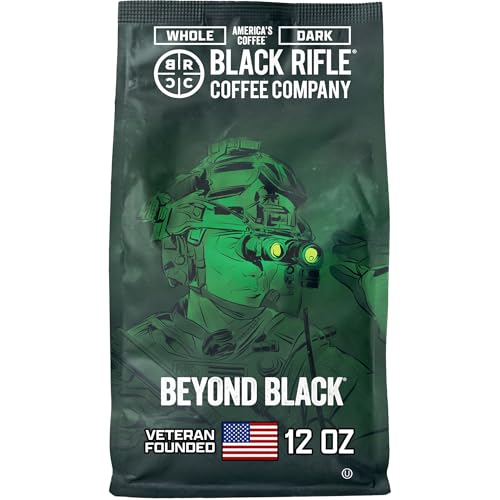
Black Rifle Beyond Black
Strengths
- Bold smoky finish
- Low acidity
- Veteran-supported brand
Trade-offs
- Overpowering for balanced palates
- Limited sweetness
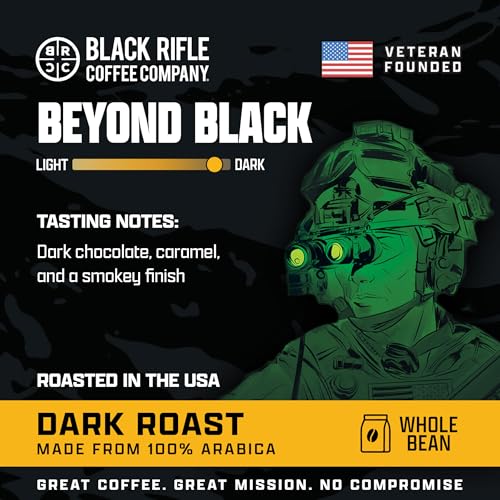
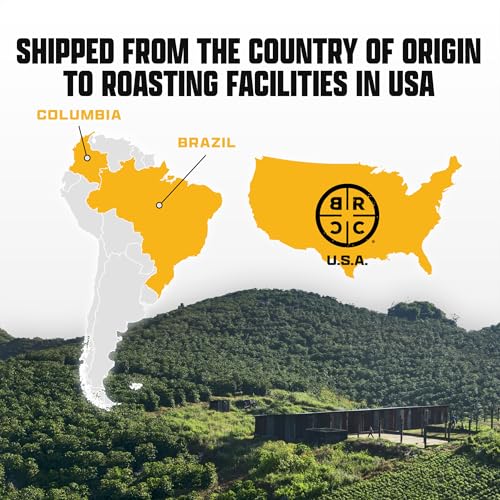
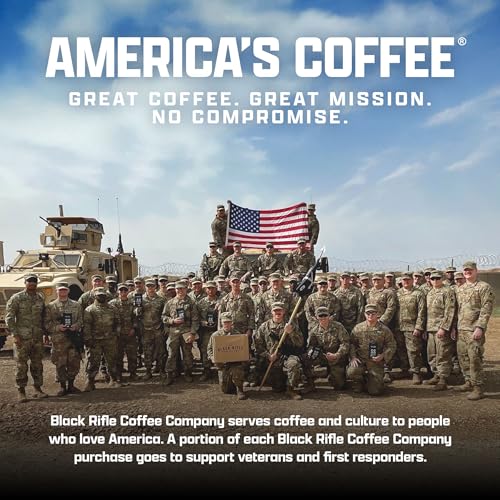
Beyond Black is built for people who want their coffee to hit like a freight train, bold, smoky, and unapologetically intense. The Colombian and Brazilian Arabica beans are roasted to deliver a heavy body and low acidity, with a finish that reviewers describe as ‘campfire-smooth.’ The spicy aroma and dark chocolate notes add dimension, making it more interesting than your average ‘pitch-black’ roast.
It stands apart from Starbucks and Peet’s by leaning into that smokiness without tipping into burnt territory. Compared to Mayorga’s Muy Macho, it’s less sweet and more aggressive. The veteran-owned mission adds meaningful appeal, but the coffee itself holds its own. If you want a dark roast with attitude, this is a top contender.
Product photos

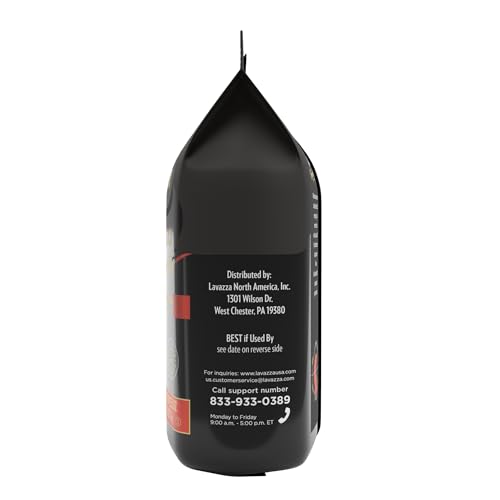
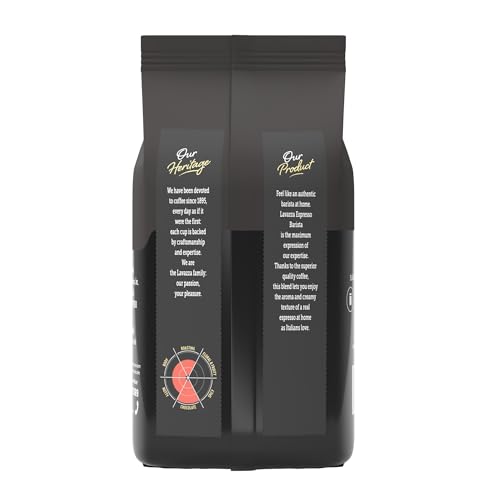
Lavazza Barista Gran Crema
Strengths
- Excellent crema
- Balanced intensity
- Honeyed aromatic notes
Trade-offs
- Contains Robusta
- Less bold in non-espresso methods
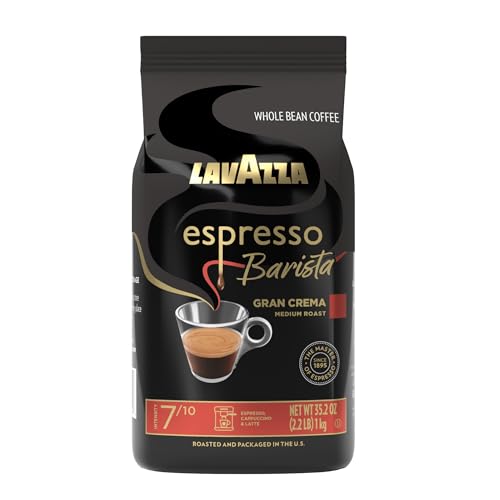
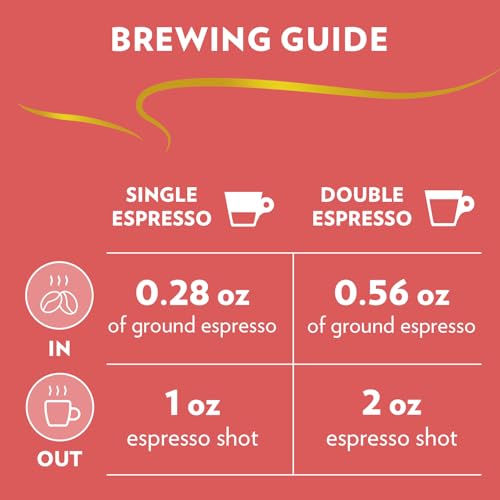
For espresso lovers, Lavazza Gran Crema has built a reputation on delivering a consistent, full-bodied shot with that classic Italian crema. The blend of Arabica and Robusta is no accident, Robusta adds the caffeine kick and crema thickness that many American dark roasts lack. Owners praise its honeyed richness and low acidity, which makes it ideal for milk-based drinks like lattes. At a 7/10 intensity, it’s dark but not burnt, striking a balance that darker roasts like Peet’s French Roast often miss.
Compared to Fresh Roasted Coffee’s Italian Roast, this one is smoother and less aggressive, though it doesn’t have the same depth in drip brewing. It’s not 100% Arabica, which purists will notice, but if your priority is espresso performance and creamy mouthfeel, this is one of the more reliable options out there.
Product photos

Kicking Horse Grizzly Claw
Strengths
- Fairtrade certified
- Organic and Kosher
- Rich chocolate-hazelnut profile
Trade-offs
- Smaller bag size
- Pricier per ounce
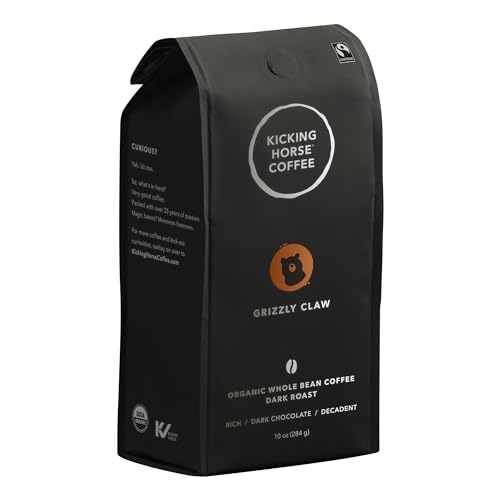
Grizzly Claw is a dark roast with a conscience, Certified Organic, Fairtrade, and Kosher, all while packing serious flavor. The tasting notes of dark chocolate, cacao nibs, and roasted hazelnut aren’t marketing fluff; owners report a velvety, earthy cup that’s bold but not abrasive. Roasted in the Canadian Rockies with zero additives, it’s a clean, transparent option for ethically minded drinkers.
Compared to Mayorga’s Muy Macho, it’s similarly organic and bold but with more nutty depth and less sweetness. The 10-ounce bag is smaller, so it’s not the best value for heavy users, but for those who prioritize Fairtrade and organic certification, it’s a standout.
Product photos


Our Testing Process
As the founder of Bean Thusiast, I approach coffee research with a focus on understanding the nuances that deliver a truly satisfying cup. Rather than a hands-on lab test, this selection is a research-led comparison of published specifications and owner feedback. I weighed features, roast levels, and sourcing information across numerous brands, then cross-referenced that with what actual coffee drinkers are saying about taste and consistency. My goal was to identify beans that consistently deliver on the promise of a rich, dark roast experience.
For dark coffee beans, the most important factors are the bean origin and the roast profile. A well-executed dark roast requires high-quality Arabica (and sometimes Robusta) beans that can withstand the extended roasting process without becoming acrid. Equally important is the balance of flavors – a truly excellent dark roast shouldn’t just be bitter; it should offer notes of chocolate, caramel, or fruit. This is where understanding flavor profile of French roast becomes crucial.
Specifications reliably reveal bean composition (100% Arabica vs. blends) and sourcing details. However, judging the experience requires leaning heavily on owner reviews. I looked for recurring themes in feedback – consistency of flavor, freshness upon arrival, and whether the beans lived up to their advertised boldness. Reputation and brand history also played a role, especially in discerning which roasters consistently deliver quality and ethical sourcing practices.
Choosing The Right dark coffee beans
Finding truly excellent dark roast coffee isn’t just about picking the blackest bag on the shelf. It’s a nuanced process.
A quality dark roast begins with good beans – typically Arabica, though some blends incorporate Robusta for extra boldness. The key is a skillful roast that develops rich, dark flavors without burning the coffee, preserving some of the origin characteristics while adding notes of chocolate, caramel, or even smoke. Consider bean origin, roast consistency, and freshness indicators when selecting your dark roast.
Roast Level & Flavor Profile
The darkness of a roast dramatically alters the bean’s inherent characteristics. A truly dark roast will minimize acidity, which some people prefer, but can also obscure the unique qualities of the bean’s origin. Don’t assume “dark” automatically equals “strong”; it’s about flavor development, not just caffeine content. I often see people fixated on the roast level and overlooking the actual flavor notes described. Pay attention to those – are you looking for chocolate and caramel, or something smokier and more intense? If you’re exploring the differences, check out a French vs dark roast differences guide to understand the subtleties.
Bean Origin & Blend
While the roast is the dominant factor in a dark roast’s flavor, the origin of the bean still matters. Latin American beans (like those from Brazil or Colombia) often lend themselves well to dark roasts, providing a chocolatey base. Indonesian beans (Sumatra, Sulawesi) can offer earthy, full-bodied profiles that stand up to a dark roast. Some roasters use blends to create more complex flavors. For example, combining a brighter bean with a more robust one can create a dark roast that has both depth and a hint of vibrancy. If you’re looking to expand your palate, exploring coffee origins for dark roasting will open up a whole world of possibilities.
Freshness & Packaging
Dark roast coffees tend to stale more quickly than lighter roasts because the roasting process breaks down more of the bean’s natural oils. This means freshness is even more critical.
- Look for a roast date, not just a “best by” date.
- Prioritize whole bean coffee and grind it immediately before brewing; pre-ground coffee loses flavor rapidly.
- A nitrogen-flushed bag (like the Fresh Roasted Italian Roast highlights) is a great sign, as it minimizes oxygen exposure.
A good rule of thumb: Buy coffee in quantities you’ll use within two weeks of roasting, and store it in an airtight container away from light, heat, and moisture.
Ultimately, finding your perfect dark roast is a journey. Don’t be afraid to try different origins, blends, and roasters. You might even discover some top dark roast recommendations along the way.
Dark Coffee Beans Compared
Here’s a comparison of key specifications for various dark coffee bean options.
| Product Name | Roast Level | Bean Type | Origin | Intensity | Flavor Notes | Bag Size (oz) |
|---|---|---|---|---|---|---|
| Fresh Roasted Italian | Dark | Arabica/Robusta | N/A | N/A | Red fruit, bittersweet | N/A |
| Mayorga Muy Macho | Dark | Arabica | Peru/Honduras | N/A | Chocolate | N/A |
| Peet’s French Roast | Dark | Arabica | N/A | N/A | Chocolate, smoke, caramel | 18 |
| Starbucks French Roast | Dark | Arabica | N/A | N/A | Dark caramel, sweet smoke | 28 |
| Lavazza Gran Riserva | Dark | Arabica | N/A | N/A | Cocoa, caramel | N/A |
| Black Rifle Beyond Black | Dark | Arabica | Colombia/Brazil | N/A | Chocolate, smoky | N/A |
| Lavazza Barista Gran Crema | Dark | Arabica/Robusta | N/A | 7/10 | Honey, roasted coffee | N/A |
| Kicking Horse Grizzly Claw | Dark | Arabica | N/A | N/A | Dark chocolate, hazelnut | N/A |
Frequently Asked Questions
What roast level is darker, French roast or Italian roast?
Italian roast is typically darker than French roast. The Italian roast extends the roasting process even further, resulting in a more intense, smoky flavor and a thinner body compared to the slightly sweeter, less oily French roast.
Can Robusta beans improve a dark roast blend?
Yes, Robusta beans can add a desirable boldness and crema to a dark roast blend. While 100% Arabica dark roasts are common, incorporating a small percentage of Robusta (10-20%) can enhance the intensity and mouthfeel, though it may also increase bitterness.
Is dark roast coffee always more caffeinated?
No, dark roast coffee doesn’t necessarily have more caffeine. The roasting process actually reduces caffeine content slightly; lighter roasts retain a bit more. Differences in caffeine levels are more strongly tied to the bean variety itself than the roast level.
How should I store my dark roast beans to keep them fresh?
Store your dark roast beans in an airtight, opaque container at room temperature. Avoid storing them in the refrigerator or freezer, as condensation can affect the flavor. For maximum freshness, purchase whole bean coffee and grind it immediately before brewing.
Where can I find reliable, independent reviews of dark roast coffees?
You can find a curated dark roast list on my site, Bean Thusiast, which compiles specifications and owner feedback to help you find the right beans. I focus on providing balanced insights based on reported experiences and product details.
The Bottom Line
Choosing the best dark coffee beans often comes down to balancing your desire for a bold, intense experience with the subtleties of flavor. For an overall exceptional cup, I believe the Peet’s French Roast strikes that balance beautifully – consistently praised for its rich chocolate and smoky notes, it’s a reliable choice for those seeking a classic dark roast. Ultimately, remember that a darker roast doesn’t automatically mean a better cup, and understanding the flavor profile of dark roast is key to finding what you enjoy.
If you’re on a budget, the Starbucks French Roast delivers a solid dark roast experience at an accessible price point. For those who appreciate a bit of complexity, the Black Rifle Beyond Black is an excellent option, offering chocolate and smoky notes from a blend of Colombian and Brazilian beans. And if versatility is what you seek, Lavazza Barista Gran Crema stands out with its honey and roasted coffee aroma, performing well in a variety of brewing methods.
At the end of the day, freshness, bean quality, and a skillful roast are far more important than any single specification. Don’t get lost in the details of origin or blend if you can’t verify freshness; a stale, poorly roasted bean will disappoint regardless of its pedigree. Focus on finding a roaster with a good reputation and a commitment to quality, and you’ll be well on your way to consistently enjoying a truly satisfying dark cup.
