
Understanding Dark Roast Coffee: Science, Color, and Taste
Dark roast coffee is defined by its final bean color, measured scientifically as a Hunter L-color between 12 and 20 or an Agtron value around 45. The process involves roasting beans at high temperatures (204-427°C / 400-800°F) until the sugars caramelize deeply and the internal structure becomes more porous and brittle, which fundamentally changes the flavor profile, acidity, and brewing requirements compared to lighter roasts.
Most people think dark roast is just “stronger” coffee. That’s the mistake. Strength is about the brewing ratio. Dark roast is about transformation—the original bean’s delicate floral and fruity notes get replaced by the roast’s own flavors of chocolate, spice, and smoke. It’s a different product, not just a more intense version of a light roast.
This guide breaks down the science, the sensory changes, and the right way to brew dark roast so it tastes rich instead of ashy.
Key Takeaways
- Dark roast is classified by color metrics: a Hunter L-color of 12-20 or an Agtron value near 45. Lighter roasts have higher numbers.
- The beans lose density. You need more dark roast beans by weight to match the volume of lighter roasts, which can slightly increase caffeine per scoop.
- Brew dark roast with slightly cooler water (88-92°C) and a faster method (AeroPress, espresso) to avoid extracting harsh, bitter compounds.
- The signature oils on the surface are a sign of prolonged heat, not necessarily quality. They can go rancid faster, so buy in smaller quantities.
- Dark roasts have the least acidity and the most body, making them a classic choice for espresso and milk drinks where sweetness and texture are key.
The Science Behind the Dark Roast Color
Roasters don’t guess. They measure. The color of a roasted coffee bean is its most objective quality control metric. For dark roasts, the target is a deep, consistent brown that verges on black.
Industrial definitions are precise. A Procter & Gamble patent for an improved dark roasting process specifies a Hunter L-color value between 12 and 20, with 15 to 18 being the ideal target. The Hunter L-color scale runs from 0 (pure black) to 100 (pure white). A whole roasted bean and its ground counterpart should have a color difference (ΔL-color) of less than 1.2 in a well-executed roast, indicating extreme uniformity.
In colorimetry, the Hunter L-value quantifies lightness on a scale from 0 (black) to 100 (white). For dark roast coffee, the target L-value for the whole bean is 12 to 20, with a difference of less than 1.2 between the whole bean and its ground form to ensure roasting uniformity.
Specialty coffee often uses the Agtron Gourmet Scale. Here, dark roasts land around an Agtron value of 45. For comparison, a medium roast is about 65, and a light roast is about 85. These numbers come from spectrophotometers that analyze ground coffee, providing a reproducible standard that transcends subjective labels like “Full City” or “French Roast.”
This color shift isn’t cosmetic. It’s a direct report on the chemical reactions inside the bean. The Maillard reaction (browning of sugars and amino acids) and pyrolysis (thermal decomposition) have progressed far beyond the stages for lighter roasts. The resulting chemical profile is why dark roast tastes the way it does—and why it brews differently.
TL;DR: Dark roast is scientifically defined by low Hunter L-color (12-20) or Agtron (~45) values, signaling deep caramelization and pyrolysis that fundamentally alter the bean’s chemistry.
How Dark Roasting Changes the Bean
Heat rewrites the bean’s story. From a dense, grassy seed, it becomes a fragile, aromatic nugget. The changes are physical and chemical.
First, moisture evaporates. A lot of it. Green coffee beans hold about 10-12% moisture. By the end of a dark roast, that drops to near 1-3%. This mass loss makes the bean lighter and less dense. The cell structure becomes more porous and brittle.
| Bean Property | Light Roast | Dark Roast | Consequence |
|---|---|---|---|
| Moisture Content | ~4-5% | ~1-3% | Dark roast beans weigh less for the same volume. |
| Bean Density | High | Low | A scoop of dark roast contains fewer beans than a scoop of light roast. |
| Surface Oil | Dry | Oily | Oils migrate to the surface, creating shine but speeding up staling. |
| Acidity (pH) | Lower (more acidic) | Higher (less acidic) | Dark roast tastes smoother, less bright, sometimes flatter. |
Second, sugars caramelize and then carbonize. Early in the roast, sugars break down into sweet, complex compounds. Push further, and those compounds themselves break down, creating the bittersweet, sometimes smoky flavors characteristic of dark roast. The original fruity and floral volatile aromatics from the bean’s origin are largely driven off or transformed.
Third, oils migrate. The prolonged heat forces internal lipids to the bean’s surface. That glossy sheen on a dark roast bean isn’t added; it’s a physical effect of the roast. These surface oils are delicious but volatile. They oxidize and go rancid quickly, which is why pre-ground dark roast loses its appeal faster than lighter pre-ground options.
The structural brittleness matters for grinding. Dark roast beans shatter more easily in a grinder, producing more fine particles if you’re not careful. This is one reason a consistent burr coffee grinder is non-negotiable. A blade grinder will turn dark roast into an unpredictable mix of dust and boulders, guaranteeing a muddy, over-extracted cup.
Flavor Profile: What Does Dark Roast Actually Taste Like?
Forget “strong.” Think “roast-dominant.” The flavor of a dark roast is less about the coffee’s origin and more about the chemistry of the roasting process itself.
The primary notes are deep, sweet, and often savory: bittersweet chocolate, toasted nuts, caramel, cedar, tobacco, and sometimes a pleasant smokiness. The high acidity and bright fruit notes found in a light roast beans or a complex single-origin coffee are muted or absent. The body is heavier, fuller, and often described as syrupy.
This makes dark roast an excellent candidate for blending. Its robust, sweet base can support and complement other beans without getting lost. Many classic Italian espresso coffee blends are built on a foundation of dark-roasted Arabica coffee beans and Robusta.
Common mistake: Assuming a dark roast will automatically have more caffeine than a light roast — by weight, they are nearly identical. By volume, because dark beans are less dense, a scoop of dark roast may have slightly more caffeine than a scoop of light roast.
Acidity is the big divider. Dark roast has the lowest acidity of any roast level. This is why people with sensitive stomachs often tolerate it better. That low acidity also means the bitter compounds, which are always present, become more prominent in the flavor balance. Without bright acidity to counterpoint it, poor brewing turns bitter fast. A pinch of salt or a touch of brown sugar can counteract this, a trick known as bitterness reduction.
Caffeine Content: The Surprising Truth
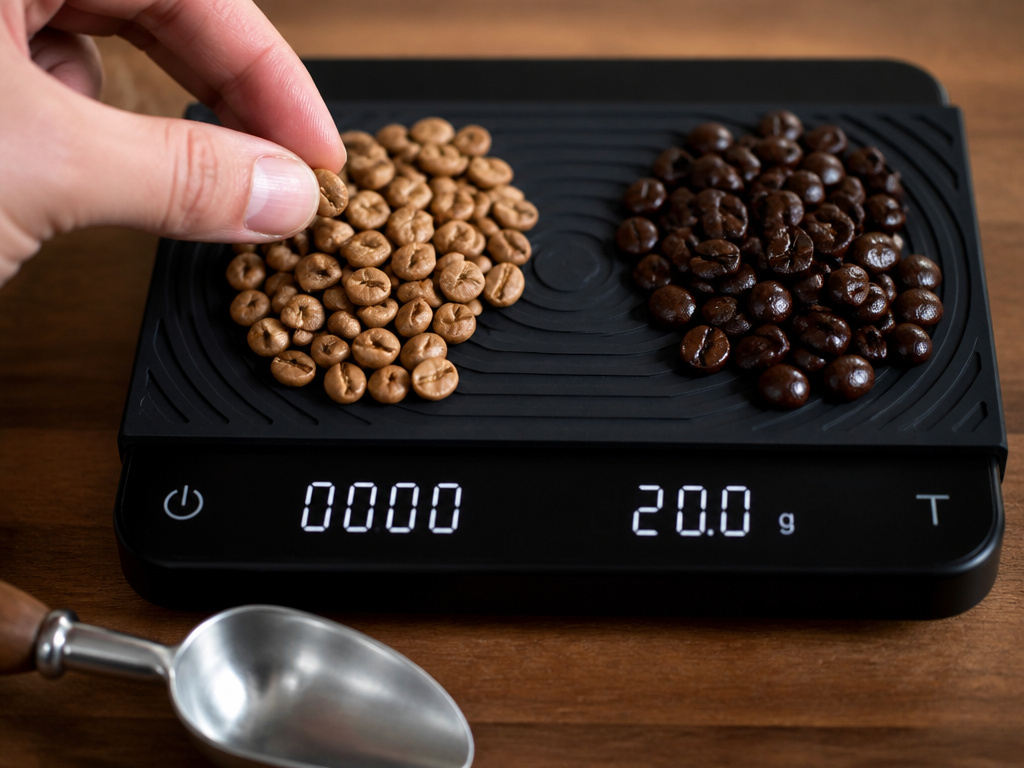
The caffeine myth is persistent. No, dark roast does not have less caffeine because it’s “burned away.” Caffeine is remarkably stable at roasting temperatures.
The truth is about density and measurement. If you measure coffee by weight (using a scale), a gram of dark roast and a gram of light roast will have virtually identical caffeine content. However, if you measure by volume (using a scoop), the story changes. Because dark roast beans are less dense and larger after expanding, a scoop holds fewer beans. Therefore, a scoop of dark roast might have slightly less caffeine than a scoop of light roast.
For a standard 10-gram dose of whole beans:
* Light Roast: ~10 beans
* Dark Roast: ~12-13 beans (to reach 10g)
The dark roast needs more individual beans to hit the same weight. Each bean has roughly the same caffeine, so the total caffeine in your 10-gram dose is essentially the same. This is a crucial reason to brew by weight, not volume, especially with dark roast. Your espresso caffeine shot will be consistent, and your brewed coffee won’t unexpectedly weak.
The Best Brewing Methods for Dark Roast
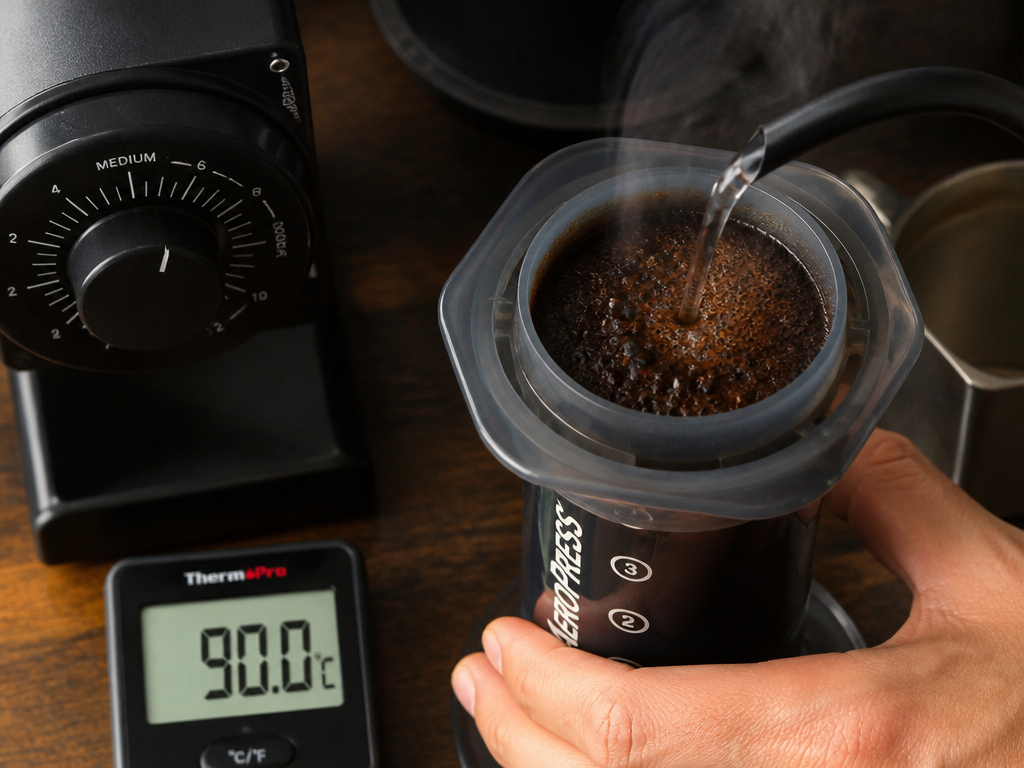
Dark roast’s brittle, porous structure and developed flavor profile demand a tailored approach. The goal is to extract the sweet, chocolatey notes while leaving the harsh, ashy bitterness behind.
Use fast, efficient methods. This is the core rule. Prolonged contact with hot water over-extracts the bitter compounds. The YouTube transcript advice is correct: an AeroPress or espresso machine is ideal. An AeroPress’s short immersion time and paper filter produce a clean, rich cup. Espresso’s high pressure and brief extraction window are a classic match for dark roast’s body and sweetness.
Adjust your grind and temperature. Go slightly coarser than you would for a medium roast of the same method. This compensates for the bean’s tendency to produce fines. More importantly, drop your water temperature. Don’t use boiling water (100°C). Aim for 88-92°C (190-198°F). The NCBI study on roast level effects confirms that brew temperature significantly impacts the extraction balance, and cooler water tames bitterness.
| Brewing Method | Recommended For Dark Roast? | Key Adjustment | Risk If Ignored |
|---|---|---|---|
| Espresso | Yes, classic choice. | Slightly coarser grind, 25-30 sec shot time. | Over-extraction leads to intense, ashy bitterness in seconds. |
| AeroPress | Excellent. | 1-2 min total time, 88°C water, medium-fine grind. | Long steep times (>3 min) make it taste like charcoal. |
| Drip Coffee | Possible. | Use a medium grind, ensure machine water is <93°C. | Standard hot machines over-extract, creating a flat, bitter pot. |
| French Press | Tricky. | Coarse grind, 3-4 min steep max, 90°C water, plunge gently. | Over-steeping is inevitable; the cup will be muddy and harsh. |
| Cold Brew | Yes, but different. | Coarse grind, 12-18 hour steep. Bitterness is muted, sweetness amplified. | No major risk, but can taste overly smoky if beans are very dark. |
Mind your ratios. Start with a standard ratio (e.g., 1:16 for drip) and adjust. If it’s bitter, use slightly less coffee (try 1:16.5). The porous beans extract quickly, so sometimes a lighter touch is better. Pair it with a dairy alternatives like almond milk, whose nuttiness can complement the roast flavors beautifully.
Dark Roast vs. Light Roast: A Direct Comparison
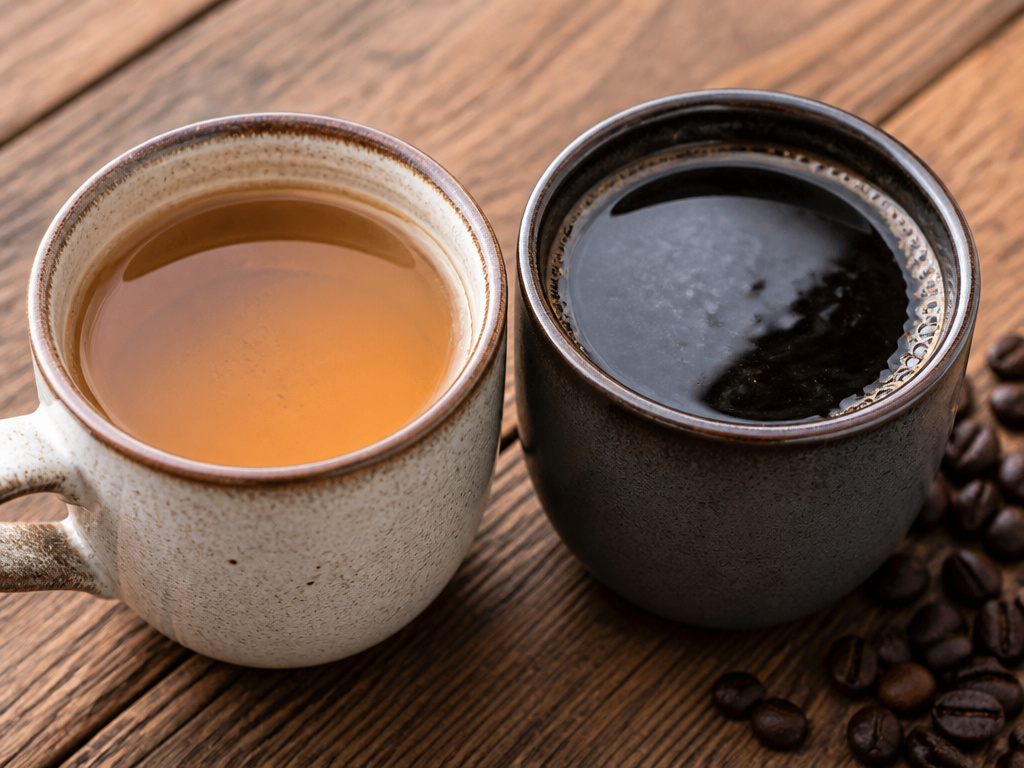
This isn’t about better or worse. It’s about different tools for different jobs. Choosing between them is the first step in crafting your preferred cup.
A light roast is a spotlight on the bean’s origin. It’s brighter, more acidic, and can have complex floral, fruity, or tea-like notes. It’s best brewed with careful pour-over methods that highlight its clarity. A dark roast is a spotlight on the roaster’s skill. It’s about sweetness, body, and the flavors created by heat. It’s built for mixing with milk or standing up in an espresso.
Your choice should hinge on three things:
1. Your flavor preference: Do you want bright, complex acidity or deep, sweet body?
2. Your brewing method: Do you have an espresso machine or an AeroPress? Stick with dark. A precise gooseneck kettle for pour-over? Lean light.
3. The time of day: Many find the heavier body of a dark roast more satisfying in the morning, while a lighter brewed coffee is a better afternoon pick-me-up.
Experiment. Buy a small bag of a well-roasted dark blend and a small bag of a single-origin light roast. Brew them side-by-side with your preferred method. The difference isn’t subtle—it’s a completely different experience.
Frequently Asked Questions
Is dark roast coffee stronger?
No, not in terms of caffeine concentration. “Strength” in a cup is determined by the brew ratio (coffee to water). Dark roast can taste stronger or more intense because its bold, low-acid, sometimes bitter flavors are more prominent on the palate compared to the nuanced acidity of a light roast.
Why is dark roast coffee oily?
The oils are natural lipids inside the coffee bean. During the prolonged, high-heat of dark roasting, these oils are forced out of the bean’s cellular structure and onto its surface. This glossy sheen is a visual hallmark of a dark roast but also makes the beans stale faster as the oils oxidize.
Is dark roast less acidic?
Yes, significantly. The long roasting process breaks down chlorogenic acids, which are a major source of perceived acidity in coffee. This makes dark roast a common choice for people who find lighter roasts too sharp or hard on their stomach. The trade-off is that other flavors, including bitterness, become more forward.
What is the best grind size for dark roast coffee?
It depends on your brewer, but generally, go one click coarser on your grinder than you would for a medium roast using the same method. Dark roast beans are more brittle and produce more fine particles when ground, which can lead to over-extraction. A consistent medium-coarse grind for drip or French press is a safe starting point.
Can you use dark roast for cold brew?
Absolutely. Cold brew’s long, cold extraction process naturally mutes acidity and bitterness, which can work wonderfully with dark roast. It highlights the chocolate and caramel notes while minimizing any smoky or ashy characteristics. Use a coarse grind and steep for 12-18 hours.
Does dark roast have more antioxidants?
The story is complex. Green coffee is highest in chlorogenic acid, an antioxidant. Roasting breaks it down. So, by the dark roast stage, levels are lower than in a light roast. However, the Maillard reaction and pyrolysis create different antioxidant compounds. The net health difference between roast levels is minor compared to avoiding added sugar.
Before You Go
Dark roast coffee is a testament to transformation. It’s not a mere step further on a line from light to dark; it’s a deliberate turn into a different flavor territory, defined by roast-driven sugars, heavy body, and low acidity. Its identity is locked in scientific color metrics and physical changes to the bean.
Respect its nature. Brew it with slightly cooler water and faster methods to unlock its sweet, chocolatey potential instead of its bitter side. Dose it by weight because those puffy, oily beans are deceptive in a scoop. And enjoy it for what it is—a rich, comforting classic that forms the backbone of espresso blends and the perfect companion to a splash of milk. Now you know what you’re drinking.
{
“@context”: “https://schema.org”,
“@type”: “HowTo”,
“name”: “How to Brew Dark Roast Coffee to Avoid Bitterness”,
“totalTime”: “PT6M”,
“tool”: [
{
“@type”: “HowToTool”,
“name”: “Burr coffee grinder”
},
{
“@type”: “HowToTool”,
“name”: “Digital scale”
},
{
“@type”: “HowToTool”,
“name”: “AeroPress or espresso machine”
}
],
“step”: [
{
“@type”: “HowToStep”,
“name”: “Grind coarser than you think”,
“text”: “Use a medium-coarse grind for drip or French press, one notch coarser than for a medium roast. This compensates for the bean’s brittleness and faster extraction.”
},
{
“@type”: “HowToStep”,
“name”: “Reduce your water temperature”,
“text”: “Aim for 88-92°C (190-198°F), not boiling. Lower temperature slows extraction of the bitter compounds amplified by the long roast.”
},
{
“@type”: “HowToStep”,
“name”: “Shorten the brew time”,
“text”: “Use fast methods like AeroPress (1-2 minute total immersion) or espresso (25-30 second shot). Avoid long steep times in a French press beyond 4 minutes.”
},
{
“@type”: “HowToStep”,
“name”: “Taste and adjust the ratio”,
“text”: “Start with a 1:16 coffee-to-water ratio. If it’s bitter, use slightly less coffee next time (e.g., 1:16.5). The beans are less dense, so weight matters more than volume.”
}
]
}
{
“@context”: “https://schema.org”,
“@type”: “FAQPage”,
“mainEntity”: [
{
“@type”: “Question”,
“name”: “Is dark roast coffee stronger?”,
“acceptedAnswer”: {
“@type”: “Answer”,
“text”: “No, not in terms of caffeine concentration. \”Strength\” in a cup is determined by the brew ratio (coffee to water). Dark roast can taste stronger or more intense because its bold, low-acid, sometimes bitter flavors are more prominent on the palate compared to the nuanced acidity of a light roast.”
}
},
{
“@type”: “Question”,
“name”: “Why is dark roast coffee oily?”,
“acceptedAnswer”: {
“@type”: “Answer”,
“text”: “The oils are natural lipids inside the coffee bean. During the prolonged, high-heat of dark roasting, these oils are forced out of the bean’s cellular structure and onto its surface. This glossy sheen is a visual hallmark of a dark roast but also makes the beans stale faster as the oils oxidize.”
}
},
{
“@type”: “Question”,
“name”: “Is dark roast less acidic?”,
“acceptedAnswer”: {
“@type”: “Answer”,
“text”: “Yes, significantly. The long roasting process breaks down chlorogenic acids, which are a major source of perceived acidity in coffee. This makes dark roast a common choice for people who find lighter roasts too sharp or hard on their stomach. The trade-off is that other flavors, including bitterness, become more forward.”
}
},
{
“@type”: “Question”,
“name”: “What is the best grind size for dark roast coffee?”,
“acceptedAnswer”: {
“@type”: “Answer”,
“text”: “It depends on your brewer, but generally, go one click coarser on your grinder than you would for a medium roast using the same method. Dark roast beans are more brittle and produce more fine particles when ground, which can lead to over-extraction. A consistent medium-coarse grind for drip or French press is a safe starting point.”
}
},
{
“@type”: “Question”,
“name”: “Can you use dark roast for cold brew?”,
“acceptedAnswer”: {
“@type”: “Answer”,
“text”: “Absolutely. Cold brew’s long, cold extraction process naturally mutes acidity and bitterness, which can work wonderfully with dark roast. It highlights the chocolate and caramel notes while minimizing any smoky or ashy characteristics. Use a coarse grind and steep for 12-18 hours.”
}
},
{
“@type”: “Question”,
“name”: “Does dark roast have more antioxidants?”,
“acceptedAnswer”: {
“@type”: “Answer”,
“text”: “The story is complex. Green coffee is highest in chlorogenic acid, an antioxidant. Roasting breaks it down. So, by the dark roast stage, levels are lower than in a light roast. However, the Maillard reaction and pyrolysis create different antioxidant compounds. The net health difference between roast levels is minor compared to avoiding added sugar.”
}
}
]
}
