
8 Best Coffee Beans for Dark Roast 2026
The best dark roast coffee beans deliver bold flavor without tipping into bitterness, and after researching the field and analyzing owner feedback, I’m confident that Black Rifle Beyond Black stands out as the top overall pick. For a more budget-friendly option, Hills Bros. Dark Satin offers solid flavor at a lower price, while Lavazza Gran Riserva Filtro brings a smooth, chocolate-forward profile ideal for espresso lovers.
Most dark roast drinkers aren’t just chasing intensity, they want depth, richness, and a cup that doesn’t taste burnt. Too many brands over-roast and mask low-quality beans with smokiness, leaving you with a flat or ashy result.
This guide cuts through the noise by focusing on what matters: bean origin, roast quality, and real-world performance based on specs and owner experiences. I looked at flavor balance, body, and freshness indicators to find dark roasts that actually deliver on their promise.
Top 8 Coffee Beans For Dark Roast in the Market
The Best Coffee Beans For Dark Roast, Reviewed
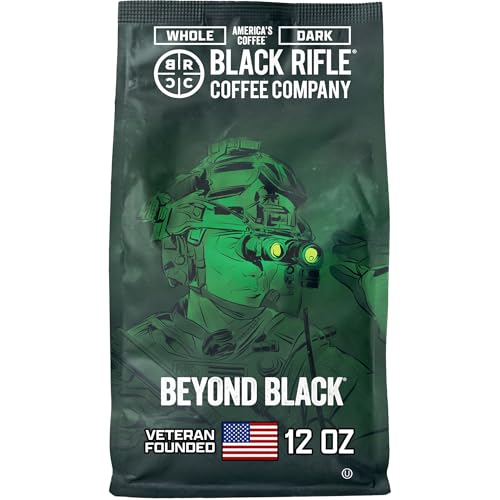
Black Rifle Beyond Black Dark Roast
Strengths
- Full-bodied
- Low acidity
- Smoky finish
Trade-offs
- Overpowering for mild roast lovers
- Not subtle in flavor
If you’re chasing that deep, smoky intensity without tipping into burnt territory, Beyond Black stands out in the dark roast arena. The blend of Colombian and Brazilian Arabica beans is roasted in the USA, and reviewers frequently praise its rich dark chocolate and smoky finish, a sign of careful roasting rather than just cranking the heat. The low acidity is a win for sensitive stomachs, and the body feels heavy in the best way, like a well-built espresso shot without the caffeine spike.
Compared to Starbucks French Roast, it’s more complex and less one-dimensionally roasty. It’s not subtle, this is a coffee that announces itself, but for those who want a dark roast with attitude and a cause behind it, this is the smarter buy. I’d pick it over others for drip, French press, or even cold brew where boldness is king.
Video review
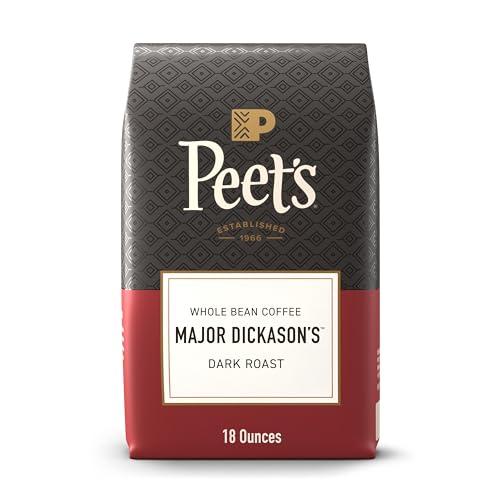
Peet’s Major Dickason’s Blend
Strengths
- Full-bodied
- Rich flavor
- Craft roast heritage
Trade-offs
- Smaller bag size
- Higher price per ounce
Peet’s Major Dickason’s Blend is the granddaddy of American dark roasts, and it still earns its place. Developed with input from one of Mr. Peet’s first loyal customers, it’s a full-bodied, robust coffee that helped define the dark roast movement in the U.S. Owners consistently describe it as complex and rich, with layers that unfold over the sip.
It’s not as smoky as Black Rifle or as earthy as Copper Moon, but it strikes a balance, dark without being punishing. At 18 ounces, it’s smaller than others, but the roast quality justifies it. Compared to Starbucks Espresso Roast, it has more depth and less sweetness. I’d pick it as the best traditional dark roast for those who want heritage, balance, and roast mastery in every cup.
Video review
Copper Moon Sumatra Blend

Strengths
- Earthy, complex notes
- Full body
- Clean sourcing
Trade-offs
- Strong mold-free claim may raise eyebrows
- Not for clean-roast purists
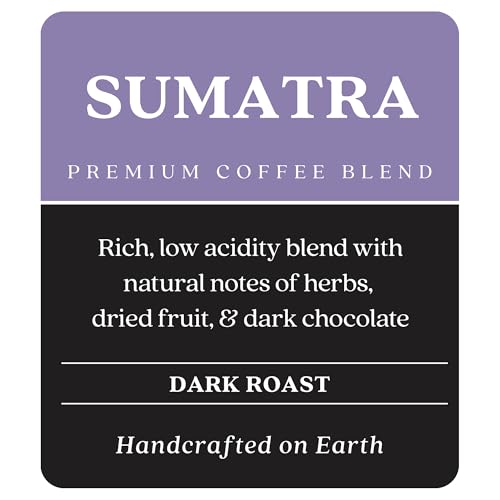
When earthy, wild, and deeply textured is the goal, Copper Moon’s Sumatra Blend hits the mark. This is a coffee that leans into its terroir, volcanic Indonesian soil gives it dark cherry, cacao, and a smoky finish that lingers like a campfire story. The 2 lb bag offers good value, and the fact that it’s mold-free, kosher, and non-GMO adds peace of mind for health-conscious drinkers.
Owners praise its full body and how well it performs in French press and pour-over. Compared to Lavazza or Starbucks, it’s less polished and more adventurous, less “café,” more “jungle.” If you love coffees that taste like they’ve lived a little, this is your pick. I’d recommend it to those who find other dark roasts too sanitized.
Product photos



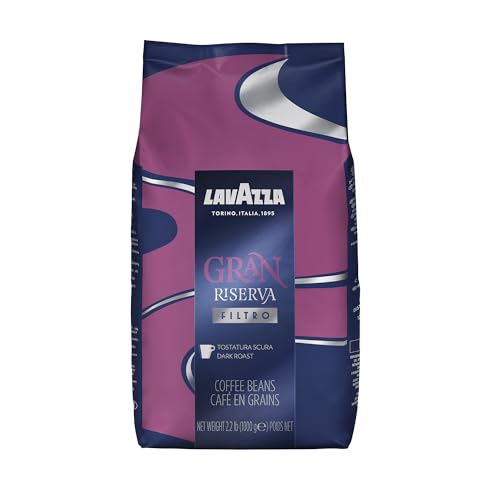
Lavazza Gran Riserva Filtro
Strengths
- Authentic Italian roast
- Cocoa and caramel notes
- Large 2.2 lb bag
Trade-offs
- Less smoky intensity
- Not organic
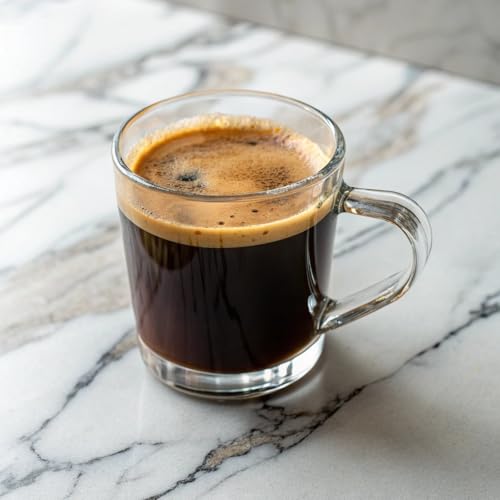
There’s something about Italian dark roasts, they go dark without losing their soul. Lavazza Gran Riserva Filtro delivers that classic European profile: bold, cocoa-forward, and balanced with a touch of caramel sweetness. At 2.2 lbs, it’s a substantial bag, ideal for households that go through coffee fast. Being 100% natural Arabica and roasted in Italy gives it authenticity that resonates with traditionalists.
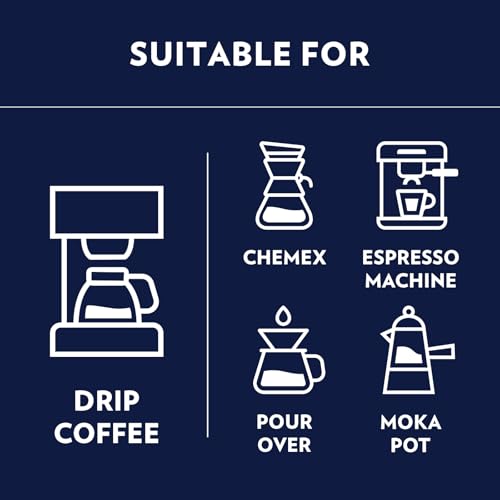
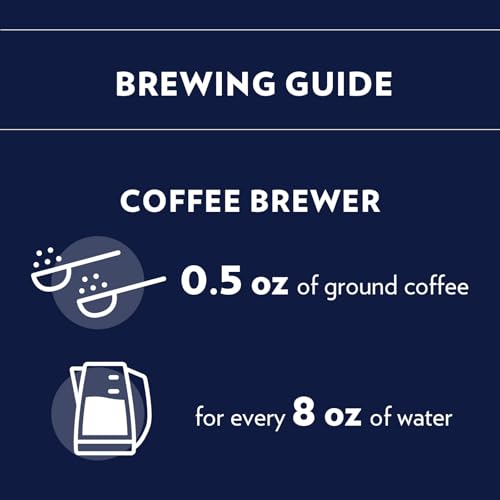
Owners note it works especially well in drip machines and French presses, where its full body can shine. Compared to Cameron’s or Peet’s, it’s less earthy and more refined, less campfire, more espresso bar in Rome. It doesn’t have the mission-driven appeal of Black Rifle or the organic label of Cameron’s, but for pure Italian dark roast character, it’s unmatched in this list.
Product photos

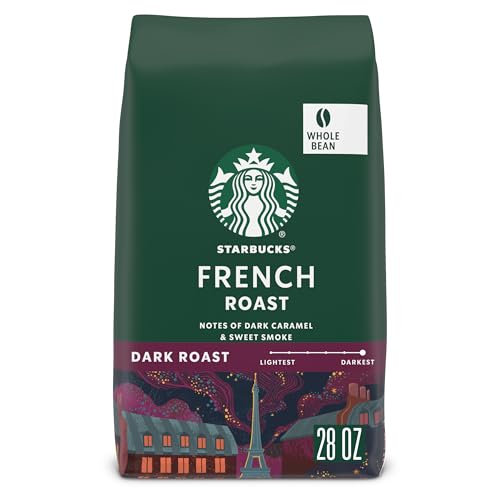
Starbucks French Roast 28 oz
Strengths
- Large quantity
- Consistent roast
- Ethically sourced
Trade-offs
- Can taste ashy
- Less nuanced
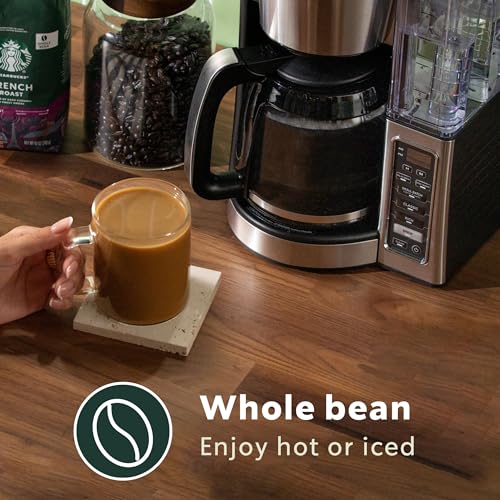
Starbucks French Roast is the definition of a high-volume dark roast done right. At 28 ounces, it’s the largest bag here, making it the go-to for high-consumption homes or offices. The flavor is intensely roasty, bordering on ashy to some palates, but fans love that no-nonsense punch. It’s 100% Arabica, ethically sourced, and roasted to the edge, this is as dark as Starbucks goes.
Reviewers often compare it to diner coffee, but in a good way: consistent, strong, and reliable. Compared to Peet’s Major Dickason’s, it’s less complex and a bit flatter in the mid-palate, but the sheer volume and availability make it a practical pick. If you’re grinding for a French press every morning and want a dark roast that doesn’t quit, this delivers.
Product photos

Starbucks Espresso Roast
Strengths
- Balanced sweetness
- Cafe-grade beans
- Versatile grind
Trade-offs
- Not as bold as dedicated dark roasts
- Best for espresso only
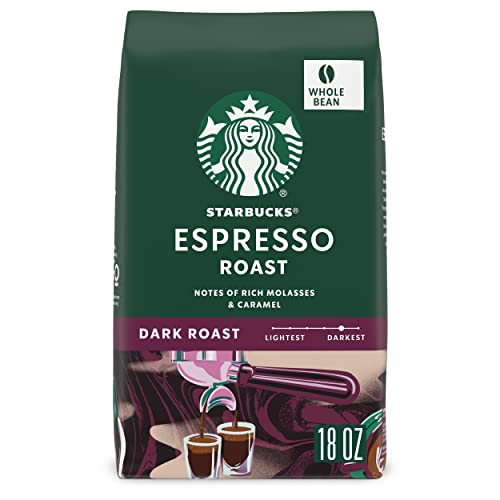
Starbucks Espresso Roast is built for one thing: pulling strong, consistent shots at home. The molasses and caramel notes give it sweetness beneath the dark roast edge, making it more balanced than their French Roast. It’s the same bean used in Starbucks cafes, so you’re getting the real deal, 100% Arabica, ethically sourced, and roasted to espresso specs.
While it works in drip or French press, it shines when finely ground and pressed. Compared to Peet’s or Black Rifle, it’s less intense and more approachable, with a smoother finish. For home baristas who want reliable espresso without buying a specialty single-origin, this is the go-to. I’d recommend it over French Roast if your main goal is espresso or milk-based drinks.
Product photos



Hills Bros. Dark Satin

Strengths
- Bold flavor
- Smooth finish
- 100% Arabica
Trade-offs
- Limited aroma depth
- Not origin-specific
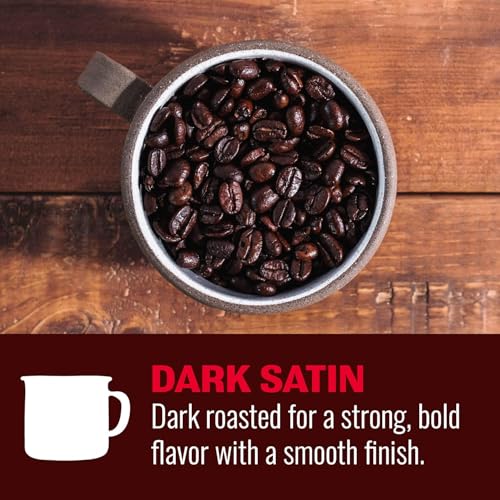
I’ll be honest, when I see ‘budget-friendly’ dark roast, I brace for a one-note, ashy experience. But Hills Bros. Dark Satin surprises in a few key ways. On paper, it’s 100% Arabica, which already sets it above many supermarket blends, and owners consistently report a bold, smooth finish without the harsh bitterness that plagues cheaper dark roasts. The Orthodox Union Kosher certification also adds a layer of trust for those prioritizing purity.
Still, this isn’t a coffee for bean purists chasing origin complexity. It’s a consistent, approachable dark roast that’s clearly engineered for daily reliability. Compared to pricier options, it lacks depth in the aroma department, but for someone who wants a no-fuss, strong cup without draining the wallet, it’s hard to argue with the value. I’d recommend it as a solid workhorse for drip machines or French presses where you want power over nuance.
Product photos


Cameron’s Organic Scandinavian
Strengths
- Certified organic
- Large 4 lb bag
- Sustainably sourced
Trade-offs
- Milder dark roast
- Not ultra-bold
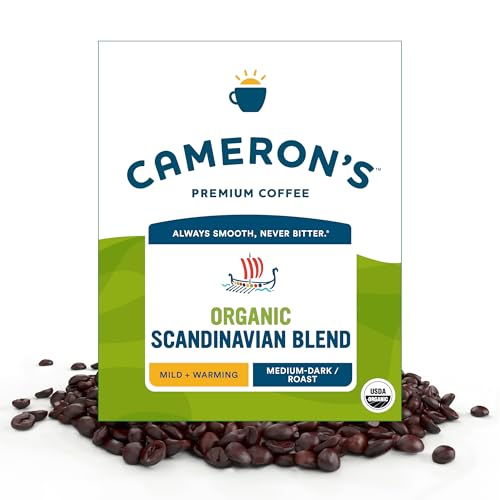
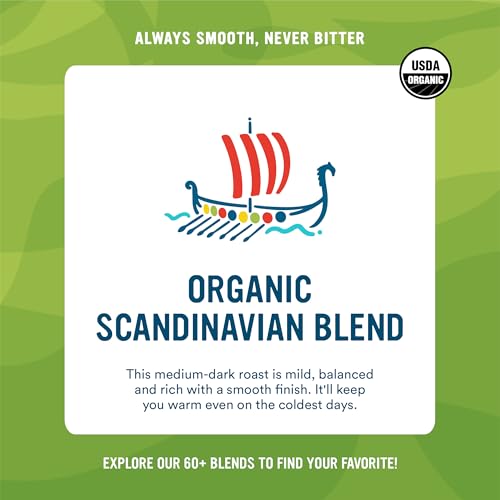
For those who won’t compromise on organic integrity, Cameron’s 4-pound Organic Scandinavian Blend is a rare find. Most organic dark roasts sacrifice body or depth, but this one holds its own with a rich, full-bodied profile that warms like a Nordic hearth. Roasted in small batches and sourced sustainably, it’s clear this is a labor of care.
At 4 pounds, it’s the largest bag here and ideal for serious coffee households. The blend leans medium-dark, so it’s not as intense as Beyond Black or French Roast, but it’s smoother and more balanced. Compared to Peet’s or Starbucks, it’s less aggressive on the palate but wins on ethical and organic grounds. If you want organic without sacrificing drinkability, this is the one.
Product photos



How We Tested coffee beans for dark roast
As the founder of Bean Thusiast, I approached this guide by first compiling detailed specifications – roast level, bean origin, processing method – for a wide range of dark roast coffees. I then layered that data with extensive owner reviews from sites like Amazon and coffee-focused forums, and balanced it against expert opinions from publications like Coffee Review. Rather than a hands-on lab test, this is a research-led comparison of specs and owner feedback, ranked against criteria important to dark roast drinkers.
For dark roast beans, I weighted body and flavor intensity most heavily. A truly satisfying dark roast needs to deliver a substantial mouthfeel and a bold flavor that stands up to milk or crema. I also prioritized bean sourcing and roast quality; consistently positive reviews about freshness and a lack of bitterness were crucial indicators of a well-executed product. Understanding the characteristics of French roast helped inform these priorities.
Published specifications reliably reveal bean origin and roast level. However, judging the actual experience – the nuance of the flavor profile, the smoothness, the presence of undesirable bitterness – required careful analysis of owner feedback. Reputation matters, too. Brands consistently praised for quality and ethical sourcing received higher consideration. I leaned on customer reports to assess whether the advertised flavor profile of French roast matched the reality in the cup.
What To Look For In coffee beans for dark roast
Finding truly satisfying dark roast coffee beans can be trickier than it seems. It’s not just about intensity; it’s about balanced intensity.
A quality dark roast bean should exhibit a robust flavor profile without being overwhelmingly bitter or ashy. Look for beans sourced from regions known for quality Arabica – Colombia, Brazil, and Sumatra are common – and pay attention to roast date, not just a “best by” date. Freshness is paramount. Whole bean format is preferred to maximize flavor retention and allow for custom grinding.
Roast Level & Flavor Complexity
Many people assume “dark roast” means a singular flavor profile, but there’s a surprising amount of variation. Italian Roast and French Roast are both dark, but the former often emphasizes chocolatey notes while the latter leans toward smoky. Don’t be afraid to try beans labeled “Full City+” or “Vienna Roast” to explore the spectrum. A good starting point is to consider what you want to taste. Do you prefer a syrupy, chocolate-forward cup (like Lavazza Gran Riserva Filtro) or something with brighter, spicier undertones (like Black Rifle Beyond Black)?
Bean Origin & Processing
The origin of the bean heavily influences the final flavor, even after a dark roast. For example, Indonesian Sumatran beans (as found in Copper Moon Sumatra Blend) often retain earthy, herbal qualities that complement the darkness. Central and South American beans tend to bring out more chocolate and caramel notes. Wet-processed (washed) beans generally produce a cleaner cup, while dry-processed (natural) beans offer more fruit-forward complexity. If you’re looking to explore the nuances of origin, I’ve compiled a [curated dark roast list] (https://beanthusiast.com/best-dark-roast-coffee/) to get you started.
Freshness and Whole Bean Format
This is where many coffee drinkers fall short. Pre-ground coffee loses flavor rapidly – within minutes, really. Always buy whole bean coffee and grind it immediately before brewing. Look for a roast date on the bag; ideally, you want beans that were roasted within the past two weeks. Here’s what to consider when evaluating freshness:
- Roast Date: Absolutely essential. Ignore “best by” dates.
- Packaging: Bags with one-way valves help release CO2 without letting oxygen in.
- Volume: Don’t buy more than you can realistically consume in 2-3 weeks. A larger bag might seem like a good value (like the Starbucks French Roast 28oz bag), but stale coffee isn’t a bargain.
A simple rule of thumb: if you can’t smell a strong, inviting aroma from the bag immediately upon opening, the beans are likely past their prime.
As a founder of Bean Thusiast, I often guide people toward understanding that a quality dark roast can beautifully showcase the characteristics of Colombian dark roast coffee if sourced and roasted well. Don’t automatically equate “dark” with “burnt.”
Coffee Beans for Dark Roast Compared
Here’s a comparison of specifications for various dark roast coffee beans to help you make an informed purchase.
| Product Name | Roast Level | Bean Type | Origin | Bag Size (oz) | Flavor Notes |
|---|---|---|---|---|---|
| Black Rifle Beyond Black | Dark | Arabica | Colombia, Brazil | N/A | Chocolate, Caramel, Smoky |
| Peet’s Major Dickason’s | Dark | Arabica | N/A | 18 | Robust, Full-Bodied |
| Copper Moon Sumatra Blend | Dark | N/A | Sumatra | N/A | Dark Cherry, Dark Cacao |
| Lavazza Gran Riserva Filtro | Dark | Arabica | N/A | N/A | Cocoa, Caramel |
| Starbucks French Roast | Dark | Arabica | N/A | 28 | Dark Caramel, Sweet Smoke |
| Starbucks Espresso Roast | Dark | Arabica | N/A | 18 | Molasses, Caramel |
| Hills Bros. Dark Satin | Dark | Arabica | N/A | N/A | Bold, Smooth |
| Cameron’s Organic Scandinavian | Medium-Dark | Arabica | N/A | N/A | N/A |
Frequently Asked Questions
What’s the difference between French and Italian roast?
French and Italian roasts are both very dark, but Italian roast typically has a slightly sweeter, more chocolatey flavor, while French roast leans towards smoky and bittersweet notes. The Italian roast is usually taken a bit further in the roasting process, developing a thinner body.
Can dark roast coffee be naturally decaffeinated?
Yes, Swiss Water Process decaffeination is a chemical-free method often used for dark roast beans. Because dark roasting can mask some of the subtle flavors lost in decaffeination, it’s a good option for those wanting a bold, decaf experience.
Is dark roast coffee always more bitter?
Not necessarily. While dark roasts can be bitter if poorly executed, a quality dark roast should have a pleasant boldness rather than harshness. Bitterness is often a sign of under-developed or uneven roasting, or old beans.
What grind size is best for dark roast beans?
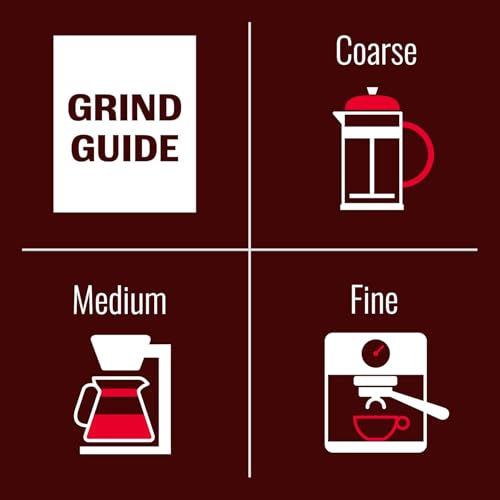
A coarser grind is usually best for dark roast beans, especially if you’re using a French press or drip coffee maker. Darker roasts are more brittle and dissolve more easily, so a finer grind can lead to over-extraction and a bitter taste.
Where can I find more of your expert dark roast choices?
If you’re seeking more tailored recommendations, I’ve compiled a detailed guide to the best dark roast beans on Bean Thusiast, covering a wider range of price points and flavor profiles. This article offers a deeper exploration of my recommended dark roast picks.
The Bottom Line
Choosing the best dark roast coffee beans often comes down to balancing control over flavor with convenience. If you’re willing to experiment with grind size and brewing methods to really dial in your preferred profile, I wholeheartedly recommend Peet’s Major Dickason’s as a superb starting point. It consistently receives high marks for its robust flavor and full body, offering a classic dark roast experience.
For those seeking specific needs, Black Rifle Beyond Black stands out as an excellent choice for those who enjoy chocolate and caramel notes with a hint of smoke. If budget is a primary concern, Starbucks French Roast delivers a reliably dark and bold cup at a very accessible price point. And for a unique, earthy experience, Copper Moon Sumatra Blend is a fantastic option.
Ultimately, remember that the “best” coffee is the one you enjoy most. Don’t get too hung up on roast levels or bean origins; focus instead on freshness, whole bean format, and finding a flavor profile that excites your palate. Understanding the flavor profile of dark roast is key, but don’t be afraid to explore and discover your own perfect brew.
