
4 Best Coffee Sweeteners for Weight Loss 2026
The Golden Monk Fruit Sweetener is our top pick for weight loss thanks to its clean blend and strong owner feedback on taste, with the Pyure Organic Monk Fruit Sweetener as the best choice if you want certified organic ingredients, and Natura Sweetener Packets offering solid convenience for on-the-go use.
Trying to lose weight shouldn’t mean sacrificing your morning coffee ritual, but picking the right sweetener can be tricky. Many options claim to be healthy but hide carbs or deliver an unpleasant aftertaste that ruins your cup.
As the founder of Bean Thusiast, I compared specs, ingredient lists, and real user reviews to find the ones that actually work for weight loss without compromising flavor. These picks balance zero calories, low glycemic impact, and a taste close to sugar, so you’re more likely to stick with your goals.
Top 4 Coffee Sweetener For Weight Loss in the Market
The Best Coffee Sweetener For Weight Loss, Reviewed
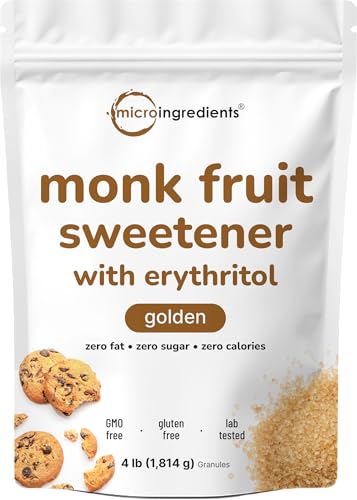
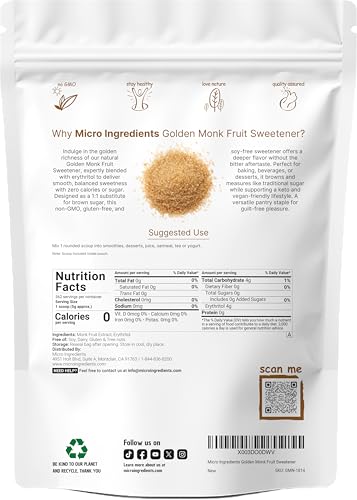
Golden Monk Fruit Sweetener 4lb
Strengths
- No aftertaste
- Bulk 4-pound size
- 1:1 sugar substitute
Trade-offs
- Not organic
- Heavy to store
This 4-pound behemoth from Micro Ingredients is built for committed low-carb or keto dieters who go through sweetener fast. The golden monk fruit and erythritol blend is formulated to avoid the bitter or cooling aftertaste that turns people off other sugar substitutes. On paper, that’s a win, and owners agree, frequently praising its clean, sugar-like finish across coffee, tea, and baked goods.
The 1:1 brown sugar replacement claim holds up in most recipes, and the bulk size makes it the most cost-efficient per serving. Compared to Pyure, it lacks USDA organic certification, but it still hits non-GMO, vegan, and gluten-free marks. If you’re sweetening morning coffee and weekend cookies, this is the workhorse choice.
Product photos


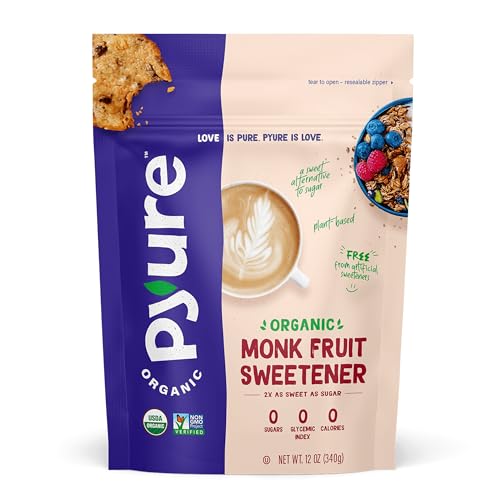
Pyure Organic Monk Fruit Sweetener
Strengths
- USDA Organic
- Twice as sweet as sugar
- Dissolves easily
Trade-offs
- Smaller bag size
- Overpowering if misused
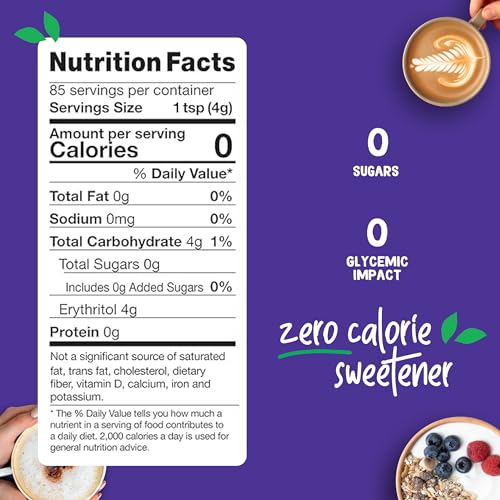
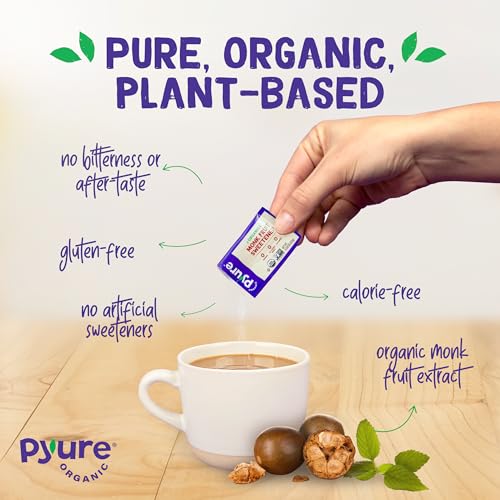
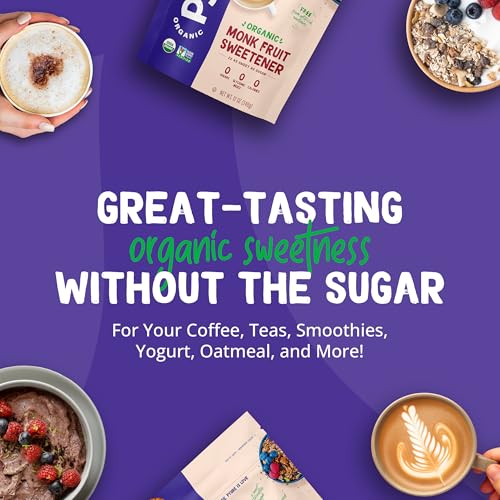
If organic certification matters to you, Pyure is the only one here that’s USDA Organic, and that alone makes it stand out in a crowded field. The blend of organic monk fruit and erythritol is twice as sweet as sugar, so you use less, which helps stretch the 12-ounce bag further than it sounds. It dissolves well in hot drinks and performs reliably in batters and glazes, according to owner feedback.
But that intensity means measuring can be tricky for new users. Unlike the brown sugar-style options, this delivers a clean, white sugar profile, great for tea or delicate desserts, but it won’t give you that molasses depth. Compared to Lakanto, it’s more refined but less flavorful. For purists who want clean labels above all, it’s worth the trade-off.
Product photos


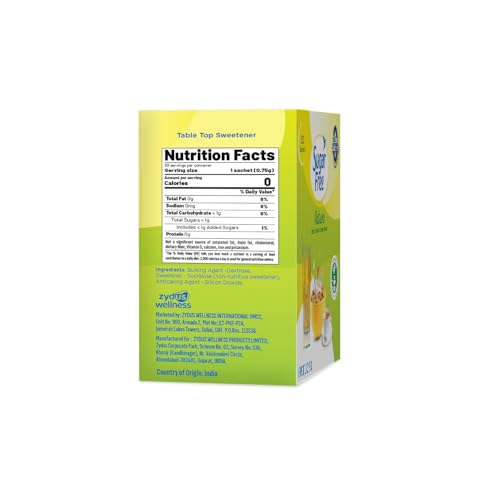
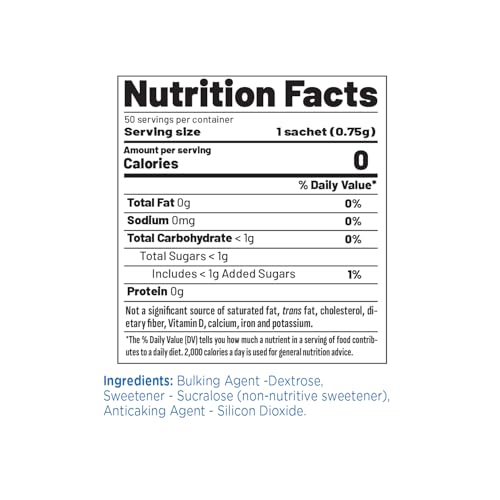
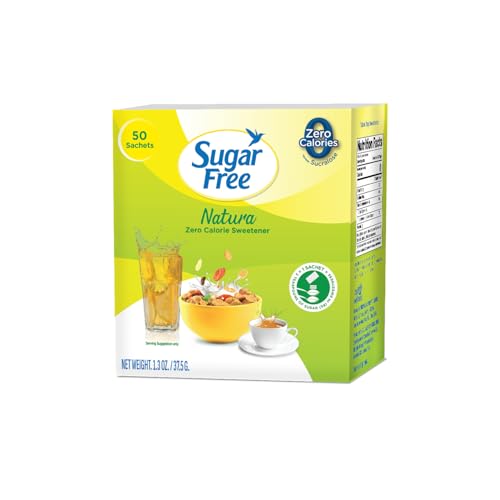
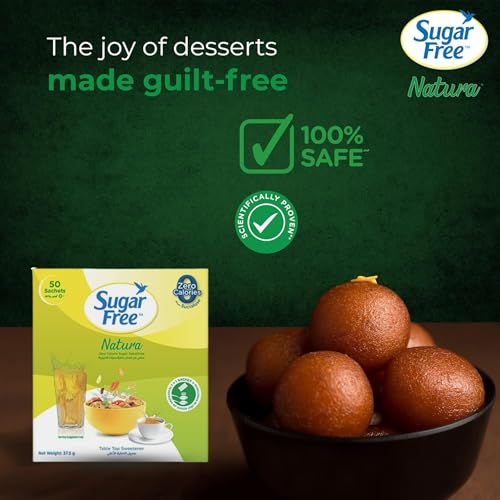
Sugar Free Natura Sweetener Packets

Strengths
- Zero calories
- Pre-portioned sachets
- Travel-friendly
Trade-offs
- Less refined taste
- Not for baking
If you’re always on the move but want to keep your coffee sweet without the sugar hit, this 200-pack of single-serve sachets makes a solid logistical play. The convenience factor here is hard to beat, lightweight, pre-portioned, and easy to toss into a bag or desk drawer. On paper, it delivers exactly what it promises: zero-calorie sweetness that dissolves fast and avoids that metallic or chemical aftertaste some artificial options bring.
Still, don’t expect gourmet-level flavor depth. Owners consistently report it tastes close to sugar but not quite as smooth as monk fruit blends. Compared to the Lakanto or Pyure options, this one leans more utilitarian. It’s not ideal for baking, but that’s not the point. For strict dieters or those tracking intake meticulously, the portion control is a real win.
Product photos

Lakanto Brown Monk Fruit Sweetener
Strengths
- 1:1 brown sugar substitute
- Rich caramel flavor
- Works in baking
Trade-offs
- Cooling aftertaste for some
- Smaller quantity
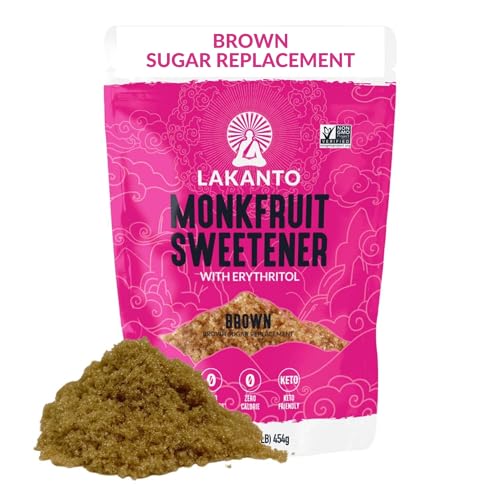
When it comes to replicating the deep, molasses-kissed profile of brown sugar without the carb load, Lakanto’s version stands out immediately. The blend of monk fruit and erythritol delivers a caramel-like richness that works beautifully in coffee, oatmeal, and especially baked goods. Reviewers note it measures 1:1 like real sugar, which simplifies swaps in recipes, a big plus if you’re new to sugar alternatives.
That said, erythritol can leave a cooling aftertaste for some, especially in high concentrations. But in this case, the monk fruit seems to balance it well. Compared to the bulkier Golden Monk Fruit option, this 1-pound bag is better for moderate home use. It won’t last as long as the 4-pound pouch, but it’s less likely to clump if you don’t bake weekly.
Product photos


How We Chose These coffee sweetener for weight loss
I approached researching coffee sweeteners for weight loss by first comparing published nutritional information and ingredient lists. Then, I weighed owner reviews from across multiple platforms alongside expert opinions from health and wellness blogs. As the founder of Bean Thusiast, I’ve spent years understanding how different ingredients impact flavor and potential health benefits, and I applied that knowledge to rank these options based on suitability for a weight-loss focused diet. Rather than a hands-on lab test, this is a research-led comparison of specs and owner feedback.
For this category, the most important factors were the sweetener blend (monk fruit to erythritol ratio) and the impact on taste – specifically, avoiding aftertaste. Achieving a sugar-like flavor profile is crucial for long-term adherence to a weight-loss plan, so avoiding unpleasant tastes is paramount. Calorie and carbohydrate content were also heavily weighted, as these are key considerations for anyone watching their intake. It’s also worth considering how well a sweetener performs in various applications, from hot beverages to baking.
Specifications reliably show calorie counts, carbohydrate levels, and ingredient lists, giving a solid factual base. However, reports on aftertaste and overall flavor quality come almost entirely from owner feedback. Reputation also played a role; established brands with a history of quality control were given more consideration, as were those with third-party testing verification. For more information on using coffee as part of a weight loss strategy, you can read about appetite suppression with black coffee.
How To Choose The coffee sweetener for weight loss
As someone deeply involved in the world of coffee, I often get asked about sweeteners – especially those aiming to support a healthy lifestyle. It’s a surprisingly complex topic!
A quality coffee sweetener for weight loss prioritizes zero or very low calorie content, minimal impact on blood sugar, and a palatable flavor profile. Look for sweeteners composed of monk fruit extract or erythritol, and consider whether you prioritize organic certification, bulk purchasing options, or single-serve convenience. Avoid products with added dextrose or maltodextrin, as these contribute significantly to carbohydrate counts.
Understanding the Sweetener Blend
The “magic” isn’t usually in a single ingredient. Most effective coffee sweeteners for weight loss combine monk fruit with erythritol. Monk fruit provides intense sweetness, but on its own can sometimes leave a subtle aftertaste. Erythritol, a sugar alcohol, bulks up the sweetener, provides a more sugar-like texture, and helps mask any potential aftertaste. The ratio of these two ingredients is key. Some brands, like Golden Monk Fruit Sweetener, seem to have nailed a blend that addresses this aftertaste issue, which is a common complaint with earlier monk fruit products. I always suggest reading reviews carefully to get a sense of how users perceive the taste.
Organic Certification and Purity
For many, knowing where their ingredients come from is almost as important as what those ingredients are. If organic certification is a priority, Pyure Organic Monk Fruit Sweetener is a strong contender. Beyond the USDA Organic label, pay attention to what isn’t in the sweetener. Many brands advertise being free of common allergens like soy, dairy, and gluten, but always double-check the ingredient list, especially if you have sensitivities. You can find more information about best-tasting coffee sweeteners on our site.
Format and Value: Balancing Convenience and Cost
Think about how you use your sweetener. Do you primarily sweeten coffee at home, or are you looking for something portable for travel or the office? Natura Sweetener Packets are designed for on-the-go use, offering pre-portioned convenience. However, this convenience comes at a cost – packets are generally more expensive per serving than bulk granulated options.
Here’s a quick guide to balancing format and value:
- Packets: Ideal for travel or occasional use, but pricier.
- Granulated: Best for frequent use and baking (like with Lakanto Brown Monk Fruit Sweetener), offering the most cost-effective solution.
- Bulk Bags: Great for those who use a lot of sweetener and want to minimize packaging waste.
A good rule of thumb: if you frequently bake or make iced coffee at home, a granulated sweetener in a larger bag will almost always be a better value.
Ultimately, finding the right sweetener is a personal journey. It’s also worth exploring how coffee itself can contribute to your wellness goals. Read up on coffee aiding weight loss to understand the full picture.
Coffee Sweetener for Weight Loss Compared
Here’s a comparison of key specifications for these coffee sweeteners marketed for weight loss.
| Product Name | Sweetener Type | Calories Per Serving | Serving Size | Keto Friendly | Organic |
|---|---|---|---|---|---|
| Golden Monk Fruit Sweetener 4lb | Monk Fruit/Erythritol | 0 | N/A | Yes | No |
| Pyure Organic Monk Fruit Sweetener | Monk Fruit/Erythritol | 0 | N/A | Yes | Yes |
| Sugar Free Natura Sweetener Packets | N/A | 0 | 1 Packet | N/A | No |
| Lakanto Brown Monk Fruit Sweetener | Monk Fruit/Erythritol | 0 | 1:1 Sugar | Yes | No |
Frequently Asked Questions
What’s the main difference between monk fruit and stevia as a weight loss sweetener?
Monk fruit generally lacks the bitter aftertaste some people experience with stevia. While both are natural, zero-calorie sweeteners, monk fruit’s flavor profile is often considered more similar to sugar, making it easier to transition to for those seeking to reduce their sugar intake.
Are there any potential digestive issues associated with erythritol?
Yes, consuming large amounts of erythritol (over 50 grams in a single sitting) can cause digestive discomfort like bloating or nausea. However, most people tolerate it well in the smaller amounts typically found in coffee sweeteners, and it’s generally better tolerated than other sugar alcohols.
Can these sweeteners be used in hot coffee without losing their sweetness?
Absolutely. Monk fruit and erythritol are both heat-stable and won’t break down or lose their sweetness when added to hot beverages like coffee. This makes them suitable for any brewing method or temperature.
Is it possible to find a coffee sweetener that’s both organic and keto-friendly?
Pyure Organic Monk Fruit Sweetener is one option that meets both criteria. Finding a blend that’s both certified organic and suitable for a ketogenic diet requires checking ingredient lists carefully, as some blends include added ingredients that may impact carb counts. You can explore more organic coffee sweetener options for a wider selection.
If I’m sensitive to artificial sweeteners, are monk fruit and erythritol good alternatives?
Generally, yes. Monk fruit and erythritol are derived from natural sources (the monk fruit and fermented corn, respectively) and aren’t considered artificial sweeteners. However, individuals with severe sensitivities should always check the full ingredient list to rule out any potential allergens or additives, and consider testing a small amount first.
The Bottom Line
Choosing a coffee sweetener for weight loss often comes down to balancing strict adherence to a zero-calorie profile with actual enjoyment. While many options exist, Golden Monk Fruit Sweetener 4lb consistently receives high marks for its balanced flavor and minimal aftertaste, making it a strong choice for daily use. It’s a sweetener you’ll actually want to use, which is half the battle when modifying your diet.
For those prioritizing organic ingredients or needing single-serve convenience, there are excellent alternatives. Pyure Organic Monk Fruit Sweetener is a fantastic option for the health-conscious consumer, and Natura Sweetener Packets offer portability without sacrificing a zero-calorie count. Similarly, if you enjoy baking or frequently make iced coffee, Lakanto Brown Monk Fruit Sweetener provides a 1:1 sugar replacement that works well in recipes.
Ultimately, the best sweetener is the one you’ll consistently reach for – and that’s often less about a specific ingredient and more about finding a flavor you genuinely like. Don’t get too hung up on minor differences in blends; focusing on minimizing added sugars and prioritizing a sustainable, enjoyable routine is far more impactful for achieving your goals, and understanding coffee’s weight loss benefits is also key.
