
Does Coffee Help You Lose Weight? The Truth About Caffeine
Coffee can support weight loss through three primary mechanisms: caffeine temporarily increases metabolic rate and fat oxidation, chlorogenic acids may modulate glucose absorption, and coffee consumption can influence appetite-regulating hormones like ghrelin and PYY. However, it is not a magic solution; its effects are modest and easily negated by adding sugar, cream, or drinking it late enough to disrupt sleep.
Most people get this wrong by focusing only on caffeine. They drown a potential fat-oxidation boost in a 300-calorie mocha and wonder why the scale doesn’t move. The real value lies in the compound effect of black coffee within a structured day.
This guide breaks down the science, the genetic wildcards, and the practical steps to make your daily cup work with your weight management goals, not against them.
Key Takeaways
- Caffeine can increase resting metabolic rate by 3–11%, but this effect diminishes with habitual use as tolerance builds.
- Chlorogenic acids in coffee may inhibit glucose absorption and improve insulin sensitivity, offering a secondary metabolic benefit separate from caffeine’s stimulant effect.
- Your genetic profile for the ADORA2A gene determines how efficiently you metabolize caffeine, making you a “fast” or “slow” metabolizer and altering coffee’s weight-loss potential.
- Adding just two tablespoons of cream and two teaspoons of sugar adds roughly 150 calories, which can completely offset the extra calories burned from the caffeine.
- Coffee’s potential to suppress appetite is linked to its influence on hormones like peptide YY (PYY), but the evidence is inconsistent and should not be relied upon as a primary appetite suppressant.
How Coffee Influences Weight Loss: The Core Mechanisms
Coffee is a complex beverage containing hundreds of bioactive compounds. Its impact on weight isn’t from one magic ingredient but from several interacting components. The two most studied are caffeine and chlorogenic acids.
Caffeine intake has been shown to increase resting metabolic rate and fat oxidation. Chlorogenic acids (CGAs), abundant in coffee, have been shown to modulate glucose and lipid metabolism, potentially contributing to weight management.
Caffeine works primarily as a central nervous system stimulant. It blocks adenosine receptors, which leads to increased release of neurotransmitters like dopamine and norepinephrine. This cascade has a direct effect on your metabolism. The increase in metabolic rate means your body burns more calories at rest. The boost in fat oxidation means a slightly higher percentage of those burned calories come from fat stores.
The chlorogenic acid story is different. These compounds are antioxidants that may influence how your body handles sugars and fats. Research suggests they can inhibit the enzyme glucose-6-phosphatase, which plays a role in glucose production in the liver. They may also slow the absorption of carbohydrates in the intestine. This isn’t about burning more calories immediately. It’s about potentially smoothing out blood sugar spikes and improving insulin sensitivity over time.
A third, less consistent mechanism involves appetite. Some studies point to coffee influencing hormones like ghrelin (the “hunger hormone”) and peptide YY (PYY), which signals satiety. The effect appears highly variable. For some people, a cup of coffee can delay morning hunger. For others, it has no impact.
TL;DR: Coffee aids weight loss through a short-term metabolic boost from caffeine and longer-term glucose modulation from chlorogenic acids. It is a supportive tool, not a primary driver.
The Three Mechanisms Coffee Uses
To understand coffee’s role, you need to separate the acute, short-lived effects from the longer-term, subtler ones. They work on different timelines and through different bodily systems.
1. The Metabolic Ignition: Caffeine
When you drink coffee, caffeine is absorbed quickly. Its peak concentration in the blood happens between 30 and 60 minutes later. This is when the metabolic effects are strongest.
| Effect | Mechanism | Typical Magnitude & Duration |
|---|---|---|
| Increased Metabolic Rate | Blocks adenosine receptors, raises epinephrine (adrenaline) | 3–11% increase, lasting 2–3 hours |
| Enhanced Fat Oxidation | Elevated epinephrine mobilizes fatty acids from fat tissue | Modest increase, most pronounced in lean individuals |
| Improved Exercise Performance | Reduced perceived effort, increased adrenaline | Can improve endurance by 2–5%, timing-dependent |
The key word is “temporary.” Your body adapts. Chronic coffee drinkers develop tolerance to caffeine’s metabolic effects. The person who drinks coffee daily will experience a smaller metabolic bump than the occasional drinker. This is why cycling your intake or relying on it pre-workout can be more effective for the performance boost than expecting a constant metabolic elevation.
Common mistake: Assuming your afternoon cup has the same fat-burning effect as your morning one — tolerance blunts the response, and late-day caffeine harms sleep, which is catastrophic for weight management.
2. The Blood Sugar Moderator: Chlorogenic Acids
These compounds are most abundant in green, unroasted coffee beans. Roasting reduces their concentration, but a typical cup of brewed coffee still contains a significant amount. Their action is pharmacological, not stimulatory.
Chlorogenic acids may inhibit the absorption of glucose in your small intestine. Think of it as putting a speed bump on the road where sugar enters your bloodstream. A slower, more gradual rise in blood sugar means a lower and slower insulin response. Over time, this can contribute to improved insulin sensitivity. This mechanism is entirely separate from caffeine. It’s one reason decaffeinated coffee still shows some association with health benefits in observational studies.
3. The Appetite Wild Card: Hormonal Influence
The research here is messy. Some studies show coffee consumption increasing levels of peptide YY (PYY), a hormone that promotes feelings of fullness. Others show no change. The effect seems dose-dependent and may vary based on whether coffee is consumed with or without food.
Relying on coffee to kill your appetite is a flawed strategy. For every person who finds it suppresses hunger, another finds it irritates their stomach or does nothing. It’s an inconsistent side effect, not a reliable feature.
The Genetic Wildcard: Why Coffee Works Differently for Everyone
Your DNA plays a massive role in how you respond to coffee. The most significant factor is your genetic profile for caffeine metabolism, linked to the CYP1A2 enzyme and the ADORA2A gene.
Individuals with a certain variant of the ADORA2A gene are “slow metabolizers.” They break down caffeine inefficiently. For them, a single cup can provide a prolonged stimulant effect, but also a higher risk of jitters, anxiety, and sleep disruption. A “fast metabolizer” processes caffeine quickly. They might need two or three cups to feel the same alertness and may experience a shorter, sharper metabolic spike.
This genetic difference explains why blanket advice fails. The “standard” metabolic boost cited in studies is an average. Your actual experience could be significantly stronger or weaker. A slow metabolizer who drinks coffee after 2 p.m. is almost guaranteeing poor sleep, which increases cortisol and ghrelin, directly sabotaging weight loss.
If coffee makes you intensely anxious or wired, you’re likely a slow metabolizer. Your weight-loss strategy should use very small, early-day amounts or focus on decaf for the chlorogenic acid benefits. Ignoring this signal leads to a stressed system that holds onto fat.
How to Drink Coffee for Weight Loss (And How to Ruin It)
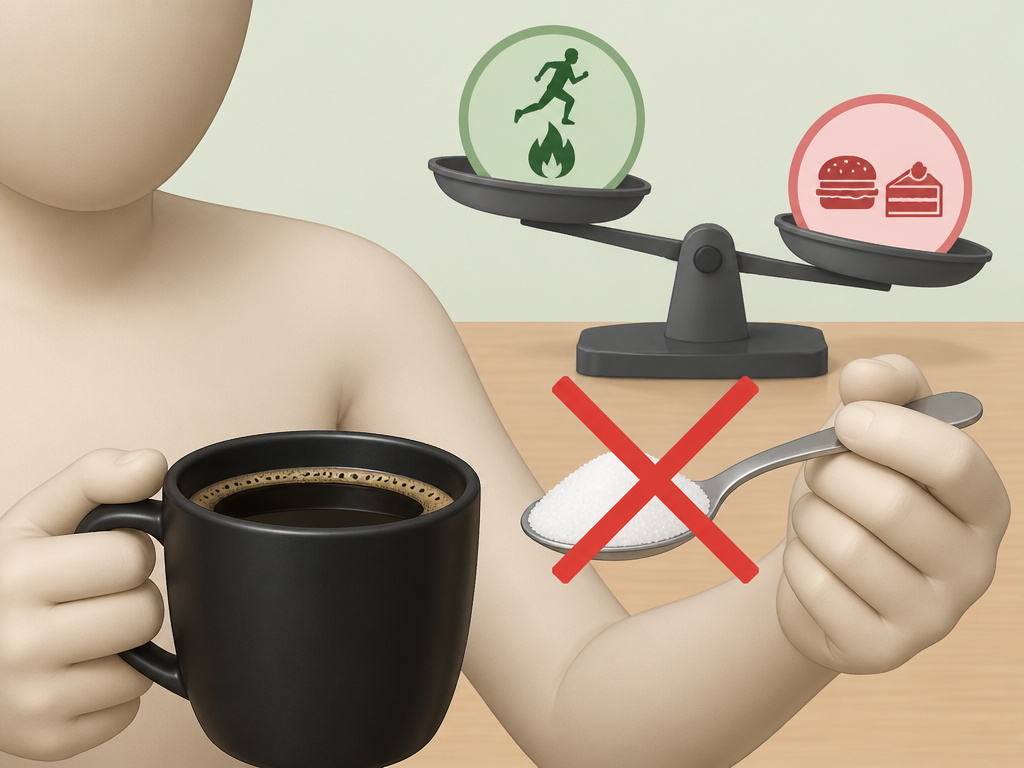
The protocol is simple. The execution is where people fail, usually by turning a potentially helpful habit into a calorie vehicle.
- Drink It Black. This is non-negotiable. The calorie burn from caffeine is modest—maybe 50-100 extra calories over a few hours. Adding two teaspoons of sugar (32 calories) and a splash of half-and-half (40 calories) wipes out half that benefit instantly. A flavored latte can contain 300+ calories, turning a weight-loss aid into a weight-gain drink.
- Time It For Activity. Drink your coffee 30-60 minutes before a workout. This maximizes the performance-enhancing effect of caffeine, allowing you to train harder and burn more calories during the session. The metabolic boost and the activity burn work synergistically.
- Cut Off Caffeine by Early Afternoon. Caffeine has a half-life of about 5-6 hours. Drinking coffee late in the day can fragment sleep architecture. Poor sleep reduces levels of leptin (the satiety hormone) and increases ghrelin (the hunger hormone), making you hungrier and less satisfied the next day. This single misstep can undo a week of perfect coffee habits.
- Measure Additives If You Must Use Them. If you cannot drink black coffee, use a kitchen scale for additions like almond milk coffee. A “splash” can easily become a quarter cup. Knowing the exact calorie count keeps you accountable.
The most effective additions are those that add minimal calories but can enhance the health profile. A pinch of salt can reduce perceived bitterness without calories. Cinnamon coffee benefits include potential blood sugar regulation.
TL;DR: Black, early, and before movement. Any deviation, especially adding sugar, turns a tool into a hurdle.
What to Avoid: The Quickest Ways to Nullify Any Benefit
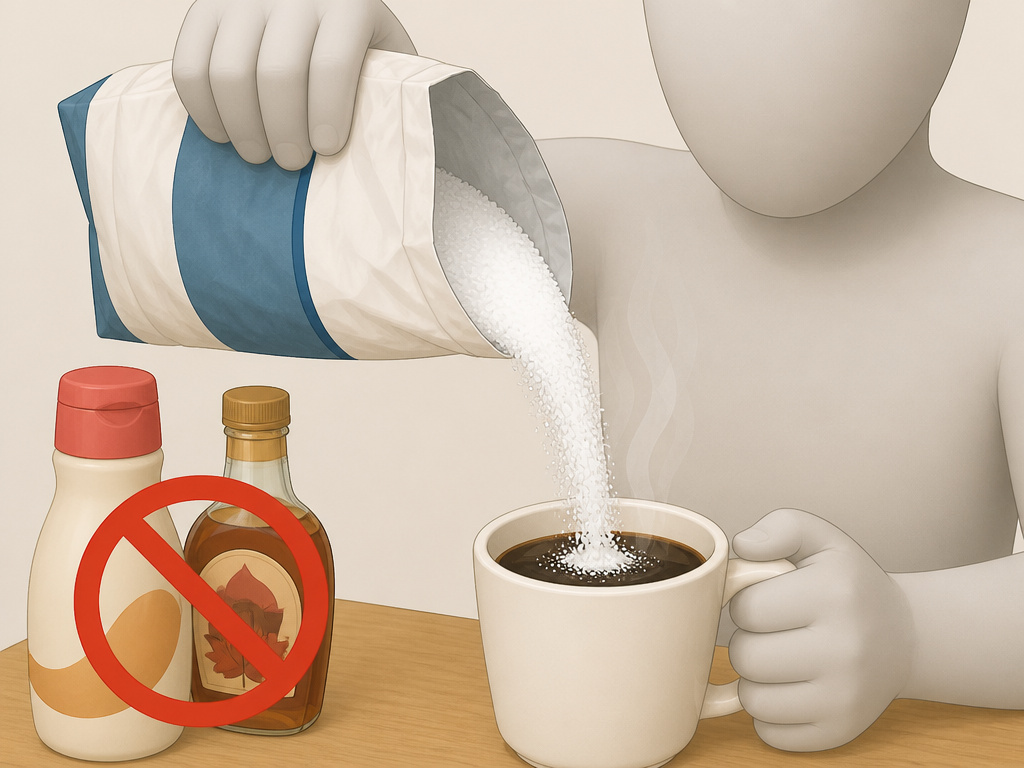
Coffee’s weight-loss potential is fragile. These common practices destroy it.
- Sugar and Syrups. This is the biggest offender. Liquid sugar causes an immediate blood sugar spike and insulin response, promoting fat storage. It directly counteracts the glucose-modulating potential of chlorogenic acids.
- High-Calorie Creamers. Traditional cream, half-and-half, and flavored non-dairy creamers are dense with calories and often contain added sugars. They turn a nearly zero-calorie drink into a significant calorie source. For perspective, the calories in coffee milk can add up to 150 per cup if you’re not careful.
- “Bulletproof” or High-Fat Blends Without Adjusting Diet. Adding coconut oil in coffee or MCT oil in coffee can provide sustained energy and has a place in ketogenic diets. However, these are fats with 100+ calories per tablespoon. If you add them without reducing calories elsewhere in your diet, you will gain weight. They are not free calories.
- Replacing a Balanced Meal with Coffee. Using coffee as a meal replacement might create a short-term calorie deficit, but it leads to nutrient deficiency, muscle loss, and a plummeting metabolic rate. It’s unsustainable and triggers intense rebound hunger.
Common mistake: Switching to artificial sweeteners to avoid sugar calories. While zero-calorie, some studies suggest they may still trigger an insulin response and disrupt gut microbiota, potentially hindering metabolic health in the long run. Your brain also gets used to hyper-sweetness, making naturally bitter, healthy foods less appealing.
Coffee vs. Other Weight Loss Aids: A Realistic Comparison
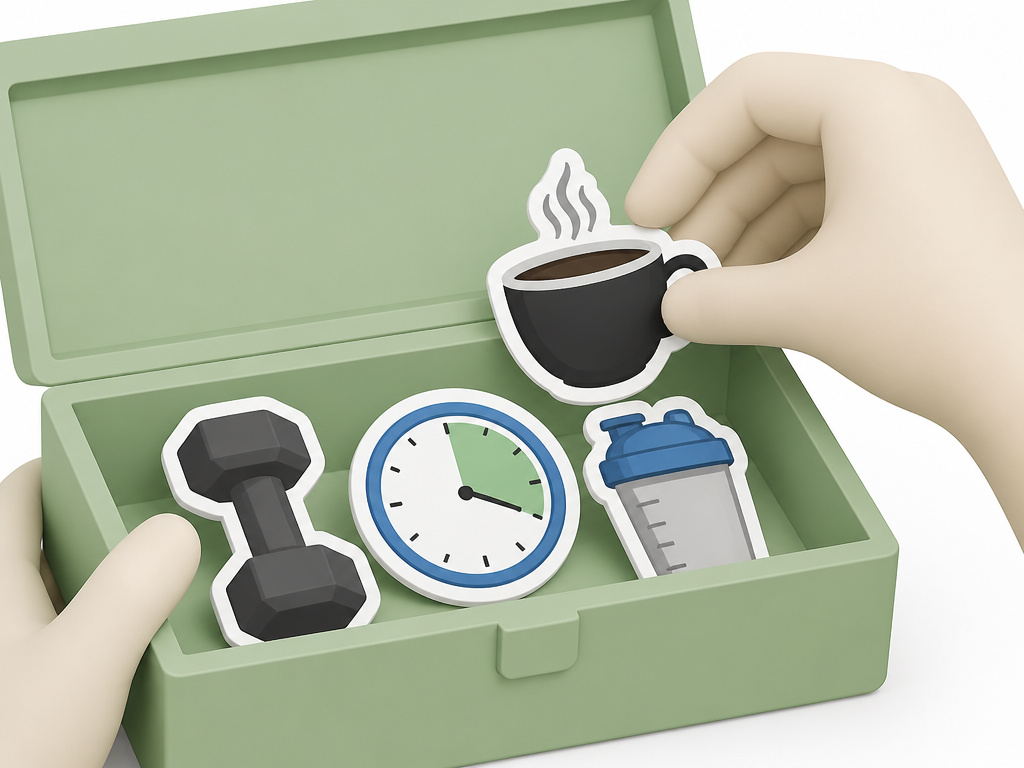
Where does coffee stand in the toolbox? It’s not a supplement you take in isolation. Its value is in its synergy with foundational habits.
| Aid | Primary Action | Synergy with Coffee? | Key Consideration |
|---|---|---|---|
| Black Coffee | Increases metabolic rate, may modulate glucose | Foundation | Benefits negated by poor sleep or added calories |
| Green Tea Extract | Increases metabolism via EGCG & caffeine | Additive, but watch total caffeine | Can amplify caffeine’s effects; risk of overstimulation |
| Protein Powder | Increases satiety, preserves muscle mass | Complementary | A protein shake is a meal component; coffee is not. |
| Intermittent Fasting | Creates a calorie deficit, improves insulin sensitivity | Highly Synergistic | Black coffee during fasting window helps suppress appetite without breaking the fast. |
| High-Intensity Exercise | Burns calories, elevates metabolism post-workout | Highly Synergistic | Caffeine pre-workout improves performance, leading to a better session. |
Coffee is not as potent a metabolic booster as a dedicated supplement like green tea extract. But it is far more sustainable, culturally integrated, and cost-effective. Its real power is in its ability to enhance other effective behaviors, like fasting and exercise, not replace them.
This is where understanding your espresso caffeine content versus brewed coffee matters for timing and dose control.
Frequently Asked Questions
Does decaf coffee help with weight loss?
Yes, but through a different mechanism. Decaf coffee retains most of the chlorogenic acids, which may help with glucose metabolism and insulin sensitivity. It lacks the caffeine-driven metabolic and performance boost, so it won’t help you burn more calories during a workout. It’s a good option for slow metabolizers or for an evening cup without sleep disruption.
How many cups of coffee per day is optimal for weight loss?
For most fast metabolizers, 2-4 cups (providing 200-400 mg of caffeine), consumed before noon, appears to be the range where benefits peak without significant side effects. Slow metabolizers should limit themselves to 1-2 cups very early in the day. The key is to listen to your body. If you feel jittery or anxious, you’ve had too much. More is not better; consistency is.
Can coffee cause weight gain?
Absolutely. This happens through three main paths: 1) Adding sugar, cream, and syrups, which inject surplus calories. 2) Drinking it so late that it impairs sleep quality, disrupting the hormones that regulate hunger and satiety. 3) Using it as a reason to eat a high-calorie pastry (“I’m just having coffee”). Coffee itself is not fattening, but the rituals and additions around it often are.
What’s the best type of coffee for weight loss?
Light to medium roast brewed coffee. Lighter roasts retain slightly higher levels of chlorogenic acids compared to dark roasts. Brewed methods like pour-over or drip are ideal because they don’t add calories. Avoid espresso-based drinks that are traditionally combined with milk and sugar, like lattes and cappuccinos, unless you order them unsweetened and with minimal milk.
Why does coffee sometimes make me hungry?
few reasons. First, if you add sugar, the subsequent blood sugar crash can trigger hunger. Second, coffee’s acidity can stimulate stomach acid production, creating physical hunger pangs. Third, for some individuals, caffeine may have a minor effect on cortisol, which can influence appetite. If coffee makes you hungry, try drinking it with a small, protein-rich food, or ensure it’s truly black.
The Bottom Line
Coffee is a useful, minor ally in weight management, not a hero. Its caffeine provides a temporary metabolic and performance lift. Its chlorogenic acids offer a subtler, longer-term benefit for blood sugar control. The entire effect is wiped out if you load your cup with sugar or drink it so late that it wrecks your sleep.
The practical takeaway is simple. Drink it black. Drink it in the morning. Drink it before you move. Use it to enhance a solid diet and exercise plan, not as a substitute for one. Understand that your genetics dictate your response—what works for a fast metabolizer may backfire for you. Pay attention to how your body reacts, particularly to coffee’s laxative effect or any sleep disturbances.
Forget the hype about coffee melting fat. It doesn’t. But as part of a conscious routine, it can provide a small, consistent edge. And in weight loss, edges add up.
