
5 Best Coffee Roasts of 2026
The best coffee roast overall is Starbucks Italian Roast for its deep, consistent dark profile with notes of cocoa and marshmallow. For a more balanced daily drinker, Amazon Fresh Colombia Medium Roast delivers smooth flavor at a great price. If you prefer boldness without bitterness, Seattle’s Best Post Alley Dark Roast is a strong contender.
Most coffee drinkers don’t realize how much the roast level shapes their morning cup. It’s not just about strength, it’s about flavor clarity, body, and how the bean’s origin comes through. Too dark and you lose nuance. Too light and you might miss the richness you crave.
This guide cuts through the noise by focusing on roast level, flavor notes, bean origin, and real user feedback. I compared top names in the space, weighing specs against how people actually describe the taste and balance in their reviews. These picks aren’t random, they’re the ones that consistently deliver based on freshness, sourcing, and how well they match their stated profile.
Top 5 Coffee Roast in the Market
The Best Coffee Roast, Reviewed
Starbucks Italian Roast Dark Coffee

Strengths
- Rich, deep flavor
- Low acidity
- Ethically sourced
Trade-offs
- Smaller bag
- Not subtle
- Overpowering for some
If you’re after a true dark roast with depth and presence, Starbucks’ Italian Roast stands out in their lineup, and across this group, for delivering on its promise. The notes of dark cocoa and toasted marshmallow come through in user reviews as rich and layered, with a full body and low acidity that makes it ideal for espresso-style drinks or a powerful morning cup. It’s not just dark for the sake of being dark; there’s a deliberate balance here that avoids tipping into charred bitterness.
Among the dark roasts listed, this one has the most authority in the cup. Compared to Seattle’s Best Post Alley, it’s bolder, more intense, and less diluted in flavor. It also benefits from Starbucks’ ethical sourcing commitment, which matters to a growing number of buyers. The 18-ounce bag isn’t the largest, but the quality justification is there. For those who want a dark roast that’s both crowd-pleasing and serious enough for connoisseurs, this is the smarter buy.
Video review
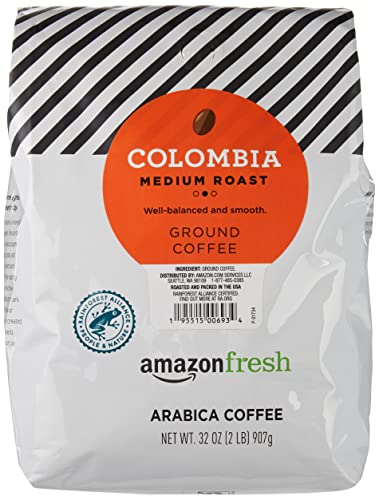
Amazon Fresh Colombia Medium Roast
Strengths
- 100% Arabica
- Large 32 oz bag
- Smooth medium roast
Trade-offs
- Basic flavor profile
- No origin traceability
- Limited roast depth
For a no-frills, everyday brew that won’t strain your wallet, this Amazon Fresh offering hits the mark on paper. It’s a 100% Arabica medium roast sourced from Colombia, which already gives it a leg up over commodity blends loaded with robusta. Owners consistently report a clean, balanced cup with mild acidity and a smooth finish, nothing flashy, but dependable for morning drip. The 32-ounce bag is a clear win for households that go through coffee quickly, and being roasted and packed in the U.S. likely helps with freshness consistency.
That said, it’s not a coffee to savor slowly or analyze for subtle terroir. The flavor profile is straightforward, nutty, slightly sweet, with no sharp edges. It won’t compete with small-batch roasters, but it’s not trying to. When stacked against other budget options, it stands out more for value and volume than complexity. I’d pick this for routine use, not for moments when you want to really taste the bean.
Video review
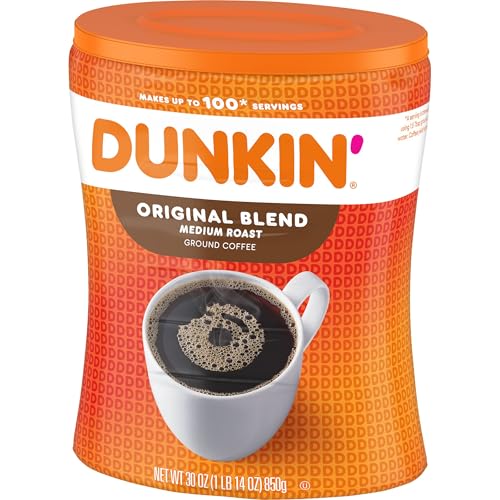
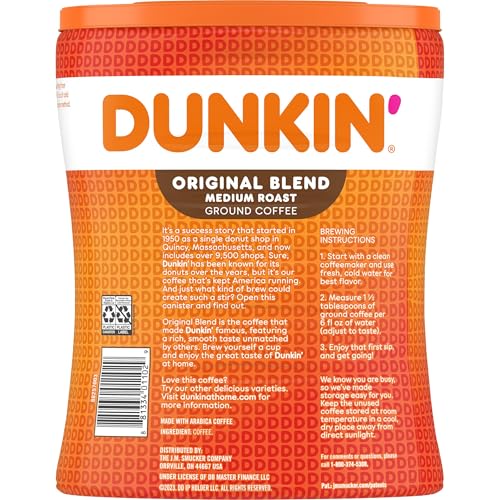
Dunkin’ Original Blend Medium Roast

Strengths
- Excellent for iced coffee
- Large canister
- Stays fresh
Trade-offs
- One-dimensional flavor
- Not for espresso
- Roast not very complex
Dunkin’s Original Blend shines brightest when it comes to iced coffee, and owner reports back this up, many cite its clean, crisp profile as ideal for chilling without turning flat or muddy. The 30-ounce stay-fresh canister is practical for frequent brewers, and the medium roast from Central and South American beans delivers a smooth, slightly sweet cup that’s more consistent than exciting. It’s designed for high-volume, no-fuss brewing, and it shows.
Compared to the Amazon Fresh option, it’s slightly more refined in finish, though not as bold as Starbucks’ offerings. Where it really wins is in reliability for iced brews, few pre-ground coffees maintain this level of drinkability when cooled. If your mornings run toward a cold, quick pour-over or cold brew pitcher, this one deserves your attention. It’s not a sipping coffee for quiet mornings, but it’s a workhorse for routine use.
Product photos

Starbucks House Blend Medium Roast

Strengths
- Consistent quality
- Balanced flavor
- Café-standard roast
Trade-offs
- Roast masks origin
- Smaller bag size
- Higher price per ounce
Starbucks House Blend is positioned as a balanced medium roast, but let’s be clear: by industry standards, it leans toward the darker end of medium. The notes of toffee and dusted cocoa come through in reviews as pleasant and accessible, though not particularly refined. It’s the kind of coffee that feels familiar, roasty, slightly sweet, with enough body to feel substantial without being heavy. Given that it’s the same blend used in Starbucks cafes, it carries a baseline of consistency that many buyers appreciate.
Still, it’s not what I’d call a true medium roast for enthusiasts who value origin clarity. The roast profile tends to overshadow subtle bean characteristics, which is a trade-off for that signature Starbucks flavor. Compared to the Amazon Fresh Colombia option, it’s more aggressively roasted and pricier for less volume. But if you like that recognizable café-style taste and brew a lot of standard drip, this one has earned its shelf space for a reason.
Product photos


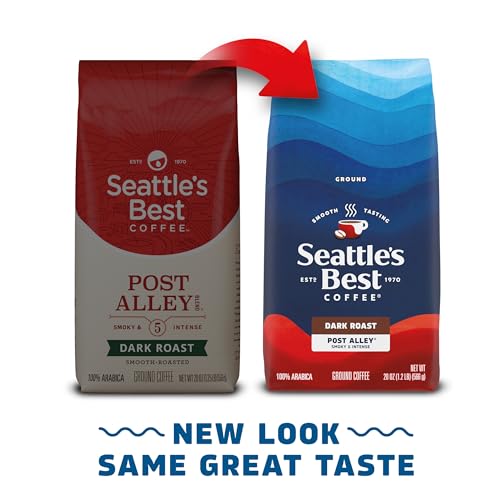
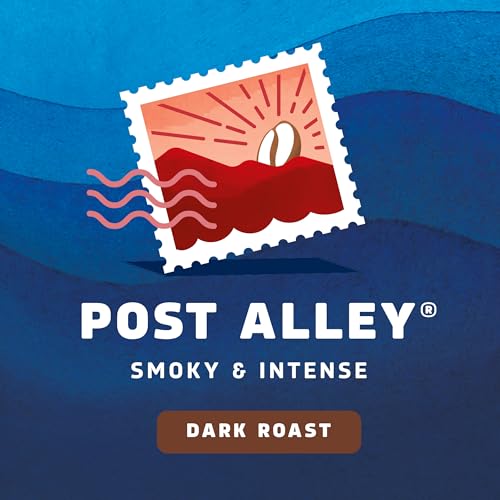
Seattle’s Best Post Alley Dark Roast

Strengths
- Smooth dark roast
- Works with milk
- Consistent flavor
Trade-offs
- Lacks depth
- Generic branding
- Not for purists
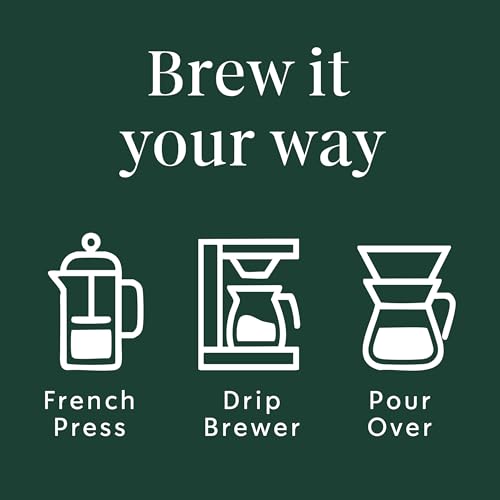
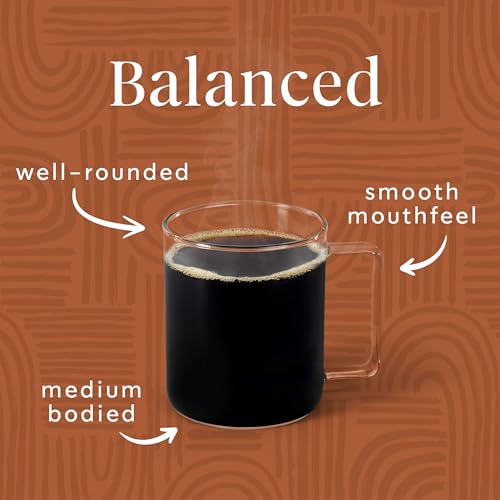
Seattle’s Best pitches Post Alley as a smooth dark roast, and based on owner feedback, it largely delivers, especially for those who find traditional dark roasts too bitter or ashy. The signature smooth-roasting process seems to pull back on over-charred notes, offering instead a rich, smoky depth with a rounded finish. Reviewers note it brews well across methods, from drip to French press, and holds up with milk or cream, making it a solid candidate for those who like a bold cup without the bite.
Compared to Starbucks’ darker offerings, Post Alley feels a bit more restrained, less intensity, more approachability. That’s a plus if you’re easing into dark roasts or want something consistent for daily use. However, it’s not going to impress someone who craves complexity or origin expression. This is dark roast as comfort coffee: predictable, smooth, and easy. My recommendation? A smart middle ground between diner-style dark and premium craft roasts.
Product photos

How We Evaluated coffee roast
As the founder of Bean Thusiast, I approached this guide by first comparing the published specifications of each coffee – origin, roast level, and stated flavor notes. I then weighed those details against a large volume of owner reviews and expert opinions from coffee-focused publications. Rather than a hands-on lab test, this is a research-led comparison designed to highlight key differences and help you find a roast to suit your preferences.
For coffee roast, I prioritized roast level and flavor clarity above all else. A consistent roast ensures the bean’s potential is fully realized, and clear flavor notes indicate quality sourcing and roasting expertise. These factors directly impact the final cup, and ultimately, your enjoyment. Understanding coffee roast flavor profiles is essential.
Specifications reliably reveal the origin and processing method, giving clues about potential flavor characteristics. However, owner feedback proved crucial for assessing smoothness and overall balance. Reputation also played a role, especially when judging consistency across batches. I found that consistently positive reviews indicate a brand committed to quality, while negative feedback often pointed to issues with freshness or roast quality.
How To Choose The coffee roast
Finding the right coffee roast is deeply personal, but understanding the key factors will help you consistently brew a cup you enjoy.
A quality coffee roast balances aroma, body, and flavor. Consider the origin of the bean, as different regions contribute unique characteristics. Look for a roast date (not just a “best by” date) to ensure freshness. Pay attention to whether the roast is whole bean or pre-ground; whole bean offers superior flavor retention, but requires a grinder. Finally, ethical sourcing certifications (like Fair Trade or Rainforest Alliance) indicate a commitment to sustainability.
Roast Level & Flavor
The roast level is the most impactful decision you’ll make. Many people assume “darker is stronger,” but that’s not always true. Darker roasts have less caffeine because the roasting process burns some off. More importantly, the roast drastically alters the flavor. Lighter roasts, like you can learn more about in a light roast coffee definition, retain more of the bean’s original characteristics – think floral notes and bright acidity. Medium roasts offer a balance, while dark roasts emphasize boldness and smoky flavors. Don’t be afraid to experiment; what tastes “best” is entirely subjective.
Grind Consistency & Freshness
Pre-ground coffee is convenient, but it loses flavor rapidly. If you aren’t grinding your own beans, you are missing out on a significant portion of the potential flavor. Burr grinders are far superior to blade grinders, producing a uniform grind size. Consistent grind size is crucial for even extraction. A coarser grind is best for French Press, medium for drip, and fine for espresso. Freshness matters, too. Always buy whole bean when possible, and store it in an airtight container away from light, heat, and moisture.
Value & Brewing Method
Consider how you typically brew your coffee. A high-end, single-origin bean might be wasted if you’re using a basic drip machine. Conversely, a simple blend can shine with a pour-over method. Don’t automatically equate price with quality. There are excellent, affordable options available, like Amazon Fresh’s Colombia Medium Roast, that can satisfy daily needs. Here’s what to prioritize when balancing cost:
- Bean type: 100% Arabica is generally preferred for flavor.
- Roast date: Prioritize recently roasted beans, even if the brand isn’t well-known.
- Quantity: Larger bags often offer a lower cost per ounce, but only if you can use it before it stales.
A good rule of thumb is to buy only as much coffee as you’ll use in two weeks to maintain optimal freshness.
If you’re a fan of bolder flavors, exploring best dark roast coffee options can be a great next step. Seattle’s Best Post Alley Dark Roast, for example, is often praised for its smooth, intense flavor.
Coffee Roast Compared
Here’s a comparison of the key specifications of each coffee roast.
| Product Name | Roast Level | Bean Type | Bag Size (oz) | Origin | Flavor Notes |
|---|---|---|---|---|---|
| Starbucks Italian Roast | Dark | Arabica | 18 | N/A | Cocoa, Marshmallow |
| Amazon Fresh Colombia | Medium | Arabica | 32 | Colombia | Balanced, Smooth |
| Dunkin’ Original Blend | Medium | Arabica | N/A | Central/South America | N/A |
| Starbucks House Blend | Medium | Arabica | 12 | N/A | Toffee, Cocoa |
| Seattle’s Best Post Alley | Dark | N/A | 20 | N/A | Bold, Smoky |
Frequently Asked Questions
What roast level has the most caffeine?
Lighter roasts actually contain more caffeine than darker roasts. The roasting process reduces caffeine content, so a light roast will give you the biggest boost.
Can stale coffee affect my health?
While not typically dangerous, stale coffee can develop unpleasant flavors and may harbor mold. Buying smaller quantities and storing beans properly minimizes this risk.
What’s the best way to store whole bean coffee at home?
Store whole bean coffee in an airtight, opaque container at room temperature. Keeping it away from light, heat, and moisture will preserve its freshness and flavor.
Are coffee certifications like Fair Trade important?
Yes, certifications like Fair Trade guarantee farmers receive a fair price for their beans and promote sustainable farming practices. Supporting these brands contributes to a more ethical coffee industry.
Where can I find more information on choosing the best medium roast coffee?
You can explore detailed reviews and comparisons of different options on my site; I’ve put together a guide to the best medium roast coffee to help you find your perfect cup.
The Bottom Line
Choosing a coffee roast often comes down to balancing your desire for control over flavor with how much fuss you’re willing to put into the process. If you want a consistently enjoyable cup with minimal effort, I recommend the Starbucks Italian Roast. It’s a readily available, reliably dark roast that delivers a bold flavor profile without demanding a lot of expertise from the brewer.
For those with specific needs, our research points to a few clear winners. The Amazon Fresh Colombia Medium Roast is an excellent budget-friendly choice, offering a smooth and balanced cup for everyday enjoyment. If you prefer a darker, more intense experience, Seattle’s Best Post Alley is consistently praised for its bold and smoky character. And for those curious about the nuances between levels, exploring a light vs dark roast comparison can be incredibly insightful.
Ultimately, the best coffee roast isn’t about finding a single “perfect” bean. It’s about understanding your own preferences and prioritizing freshness, a consistent grind, and a roast level that complements your brewing method. Those fundamentals will deliver a better cup than any fancy origin story or marketing claim.
