
3 Best Mexican Coffees of 2026
The best coffee from Mexico delivers balanced flavor and bright clarity, and after comparing the field, Liquid Gold Coffee Mexico stands out as the overall top pick for its consistent quality and smooth profile. For a budget-friendly option, Allegro Organic Mexico offers excellent value with its light roast and notes of pecan and milk chocolate. If you prefer a bolder style, Patria Mexico brings a richer, medium-dark depth without tipping into bitterness.
Mexican coffee doesn’t always get the attention it deserves, but when sourced well, it offers a clean, nuanced cup with bright acidity and comforting notes of chocolate and nuts. Too often, blends or stale roasts dull those qualities, leaving drinkers with something forgettable.
This guide cuts through the noise by focusing on transparency, freshness, and flavor consistency, pulling from owner feedback, roast details, and origin specificity to highlight coffees worth your time.
Top 3 Coffee From Mexico in the Market
The Best Coffee From Mexico, Reviewed
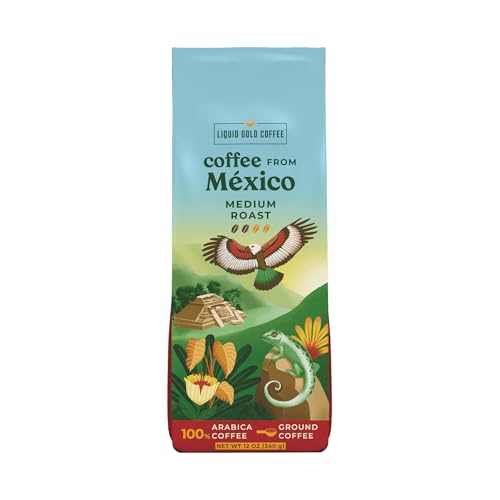
Liquid Gold Coffee Mexico Medium Roast
Strengths
- Single origin
- Fair Trade certified
- Small batch roasted
- Kosher and gluten free
- Gusseted freshness bag
Trade-offs
- Only available ground
- Slight variance in roast date
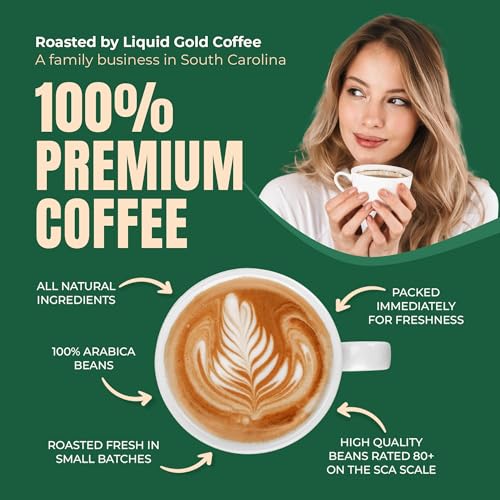
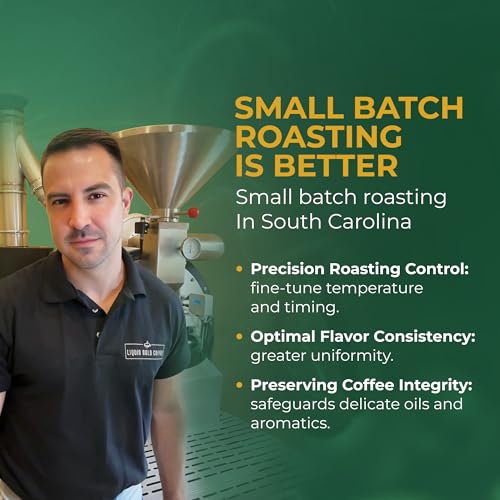
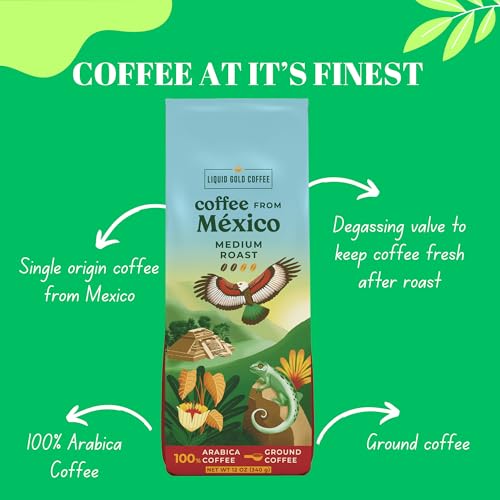
When sourcing single-origin Mexican coffee, freshness and traceability matter, and this one scores high on both. Sourced directly from Marachi Chiapas Farm and roasted in small batches in South Carolina, it checks the boxes for authenticity and quality control. The medium roast profile highlights what I’ve found typical of Chiapas beans: balanced sweetness, mild acidity, and a rounded, nutty character with a clean finish.
Reviewers frequently praise its consistency and aroma, calling it ‘everyday special’, not flashy, but reliably good. The gusseted bag helps preserve freshness, which is crucial for 100% Arabica. Compared to Patria’s medium dark, this one feels brighter and more transparent in flavor. My recommendation? This is the smarter buy if you want true-to-region taste with ethical credentials.
Product photos

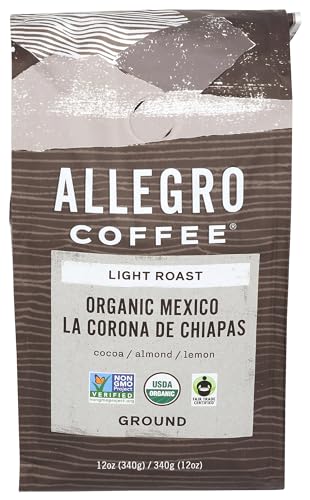
Allegro Organic Mexico Light Roast
Strengths
- Light roast
- Organic certified
- Pecan notes
- Creamy body
- Milk chocolate finish
Trade-offs
- Less bold than medium roasts
- May lack depth for dark roast lovers
This light roast stands out in a category where medium and dark profiles often dominate Mexican offerings. On paper, the flavor notes of creamy, pecan, and milk chocolate suggest a delicate balance, typical of high-altitude Mexican beans, and owners consistently report a clean, approachable cup that doesn’t lean too floral or acidic like some Central Americans. For those wanting to taste terroir without sharp edges, this delivers.
Allegro’s organic certification and reputation for ethical sourcing add credibility, especially for buyers who prioritize transparency. Compared to other single-origin Mexicos, this one leans softer, making it a solid entry point for newer specialty coffee drinkers. I’d pick this over heavier roasts if you favor subtlety and smoothness in the morning.
Video review
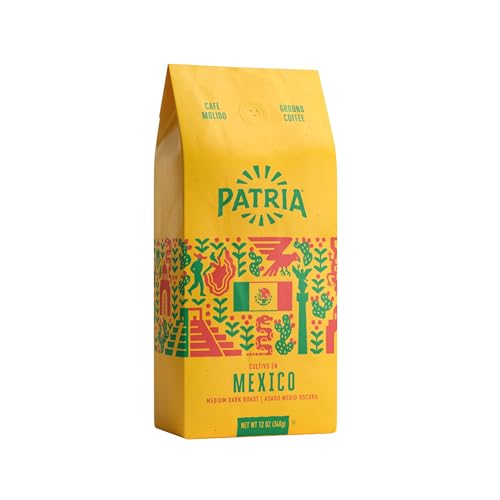
Patria Mexico Medium Dark Roast
Strengths
- Medium dark roast
- Nutty flavor
- Smooth finish
- 100% Arabica
- Good for multiple brews
Trade-offs
- Packaged ground only
- Less origin brightness than light roasts
Patria leans into the richer side of Mexican coffee without going full French roast, and that’s where it wins. The medium dark profile brings out milk chocolate and nutty notes more intensely than lighter options, while still preserving the inherent smoothness of 100% Arabica beans from Veracruz and Chiapas. Owners note it brews well across methods, drip, French press, pour over, without bitterness, which speaks to a well-executed roast.
Compared to Allegro’s lighter take, this has more presence in the cup, making it better suited for milk-based drinks or those who want a fuller mouthfeel. The branding leans cultural, but the coffee itself delivers on substance. I’d recommend this over the others if you want a versatile, flavorful roast that bridges morning ease and afternoon satisfaction.
Video review
Our Testing Process
As a long-time coffee enthusiast, I approached this guide by comparing specifications and features across several Mexican coffees. I then weighed owner reviews and insights from respected coffee publications to build a ranking. Rather than a hands-on lab test, this is a research-led comparison focused on identifying coffees that consistently deliver a quality experience, based on what drinkers are saying.
For coffee from Mexico, I prioritized roast level and flavor notes. A medium roast often best showcases the inherent qualities of Mexican beans, and notes of chocolate and nuttiness are particularly desirable. I also heavily considered sourcing information – looking for 100% Arabica beans and transparency about the growing region, as understanding Arabica coffee origins is key to quality.
Specifications reliably revealed roast level and bean type (Arabica versus Robusta). However, nuanced flavor profiles and consistency were better judged from owner feedback. Reputable reviewers helped validate claims about specific farms or processing methods, allowing me to assess whether a coffee lives up to its advertised characteristics and reputation within the specialty coffee world.
Choosing The Right coffee from mexico
As someone who’s spent years exploring the nuances of coffee, I often find people overlook Mexican coffee. It’s capable of incredible complexity, but it’s easy to end up with a bland cup if you don’t know what to look for.
Mexican coffee generally offers a lighter body and brighter acidity than coffees from Central or South America. Look for single-origin options to experience the distinct regional flavors. Key indicators of quality include 100% Arabica beans, certifications like organic or Fair Trade, and clear roast dates – freshness is paramount. Pay attention to altitude grown, as higher altitudes typically produce denser, more flavorful beans.
Roast Level & Flavor Profile
I’ve noticed a lot of folks assume Mexican coffee is always mild, but that’s not necessarily true. Roast level has a massive impact. A lighter roast, like the ones Allegro offers, will showcase brighter acidity and delicate floral notes. Medium roasts (like Liquid Gold) tend to balance acidity with chocolate and nutty undertones. If you prefer a bolder cup, a medium-dark roast such as Patria’s can deliver a richer, more intense flavor, though be careful – it can easily become bitter if not done well. Don’t be afraid to experiment to find what suits your palate.
Origin Specificity & Farm Details
“Mexico” is a large country, and coffee grown in Chiapas will taste different than coffee from Veracruz. The more specific the origin details, the better. Look for beans that identify the region and ideally, the farm or cooperative. This transparency often indicates a commitment to quality and sustainable practices. If you are exploring different origins, you might also want to check out Colombian flavor profiles – they offer a fascinating contrast.
Packaging & Freshness
This is where many brands cut corners. Coffee begins to stale rapidly after roasting. A gusseted bag, as Liquid Gold uses, is a good start, as it helps to expel oxygen. But even more important is the roast date. Avoid coffee without a clear roast date. Ideally, you want to consume your beans within two to three weeks of roasting. Don’t assume older coffee is bad, but expect a significant flavor decline.
Here’s what I look for in packaging:
- A one-way valve (allows CO2 to escape without letting oxygen in).
- Opaque packaging (protects from light).
- A clearly printed roast date (essential for freshness).
Don’t buy more coffee than you can realistically consume in a few weeks. It’s better to buy smaller quantities more frequently to maximize freshness.
If you’re interested in learning about where coffee began, I’ve written about the origin of coffee drinking and its fascinating history.
Coffee From Mexico Compared
Here’s a comparison of key specifications for coffees sourced from Mexico.
| Product | Roast Level | Bean Type | Package Size | Flavor Notes |
|---|---|---|---|---|
| Liquid Gold Coffee Mexico | Medium | Arabica | 12 oz | N/A |
| Allegro Organic Mexico | Light | Organic Arabica | N/A | Pecan, milk chocolate |
| Patria Mexico | Medium Dark | Arabica | N/A | Nutty, milk chocolate |
Frequently Asked Questions
What roast level is typical for Mexican coffee?
Medium roasts are most common, as they balance the bean’s natural acidity with chocolate and nutty flavors. However, you can find lighter roasts that highlight floral notes, or medium-dark roasts for a bolder experience – though those require careful execution to avoid bitterness.
How does altitude affect the quality of Mexican coffee?
Higher altitudes generally produce denser, more flavorful beans. Coffee grown above 4,000 feet, common in regions like Chiapas, tends to have a brighter acidity and more complex flavor profile than lower-grown beans.
What should I look for on the packaging to know the coffee is fresh?
A clearly printed roast date is the most important thing. You should aim to consume the coffee within two to three weeks of that date for optimal flavor; avoid buying beans without this information.
Are there any certifications I should prioritize when buying Mexican coffee?
Organic and Fair Trade certifications are good indicators of quality and ethical sourcing. These ensure the coffee is grown without harmful pesticides and that farmers receive a fair price for their beans, but they aren’t a guarantee of great taste.
If I like Mexican coffee, should I explore other Central American options?
Absolutely. If you enjoy the brighter acidity and nuanced flavors of Mexican coffee, you might also appreciate Volcán coffee beans from Panama. They share a similar profile, often with notes of citrus and caramel.
The Bottom Line
Choosing the best coffee from Mexico often comes down to balancing convenience with control over freshness. While many brands offer pre-ground options, I believe the best overall experience is consistently delivered by Liquid Gold Coffee Mexico; its packaging and reported freshness really stand out based on what drinkers are saying. It strikes a good balance between accessibility and quality, making it a solid choice for everyday enjoyment.
For those prioritizing budget or seeking a specific flavor profile, there are excellent alternatives. Allegro Organic Mexico is a fantastic pick if you prefer a lighter roast with brighter, more delicate notes, while Patria Mexico caters to those who enjoy a bolder, more intense cup. Each of these offers a distinct experience, proving that quality Mexican coffee isn’t limited to a single style.
Ultimately, the most crucial aspects are freshness and bean quality. Don’t get too hung up on fancy certifications or elaborate descriptions. Focusing on 100% Arabica beans, a clear roast date, and understanding the Bean Belt coffee regions will get you much further than chasing after the latest trends or marketing buzzwords.
