
7 Best Colombian Coffees of 2026
The best Colombian coffee overall is Cafe Quindio Medium Roast, especially in whole bean form for maximum freshness. If you want a solid budget pick, McCafe Colombian Medium-Dark Roast delivers a smooth, approachable cup without the premium price. For pod convenience, Happy Belly Colombian K-Cup Pods are the top choice based on consistency and value.
Most people think “Colombian coffee” means one thing, a smooth, classic cup, but the reality is far more varied. Without clear sourcing or roast info, you might end up with a bland, over-roasted blend that masks the bean’s true character.
I researched the market, focusing on origin transparency, roast integrity, and real user feedback to find the standout options. These picks reflect what matters most: authentic flavor, quality sourcing, and a roast that respects the bean.
Top 7 Colombian Coffee in the Market
The Best Colombian Coffee, Reviewed
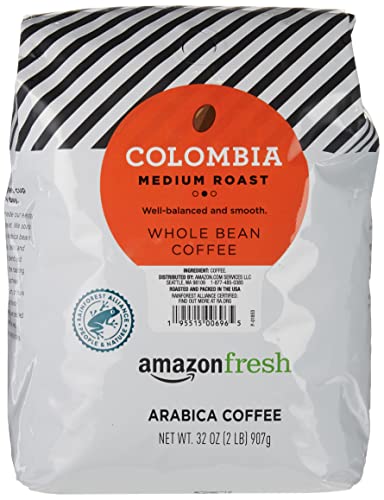
Amazon Fresh Colombia Whole Bean
Strengths
- Affordable
- Large 32-oz bag
- 100% Colombian Arabica
Trade-offs
- Limited flavor complexity
- No farm or region details
- Generic packaging
For budget-focused buyers who still want real Colombian Arabica, this Amazon Fresh offering delivers where it counts. On paper, the specs are straightforward: a 32-ounce bag of 100% Colombian Arabica, medium roast, roasted in the U.S. Owners consistently report a clean, balanced cup with mild sweetness and low bitterness, nothing flashy, but reliable for everyday brewing.
It won’t wow you with complex tasting notes, but for drip machines or French press users who want volume without sacrificing origin integrity, this is a smart bulk buy. Compared to pricier gourmet options, it’s less nuanced, but I’d pick it over generic supermarket blends any day. The lack of harvest traceability is a downside, but for the price, it’s a fair trade-off.
Video review
Sello Rojo Tradicional Ground

Strengths
- Authentic Colombian roast
- Low acidity
- Smooth, balanced body
Trade-offs
- Only 10 oz per bag
- Pre-ground limits freshness
- Not for dark roast lovers
If authenticity is your priority, Sello Rojo brings a piece of Colombia’s coffee culture straight to your counter. As the top-selling brand in Colombia, it’s roasted and packed in-country, which owners say locks in a fresher, more genuine flavor than imports roasted abroad. The medium roast delivers a smooth, velvety cup with low acidity, ideal for those who find some Colombian coffees too bright or sharp.
It’s ground, so freshness depends on storage, but reviewers often note the aroma holds up well. Compared to Starbucks’ Colombia, it’s less bold but more traditionally balanced. I’d recommend it to drinkers who value heritage and consistency over trendy tasting notes. It’s not flashy, but it’s trustworthy.
Video review
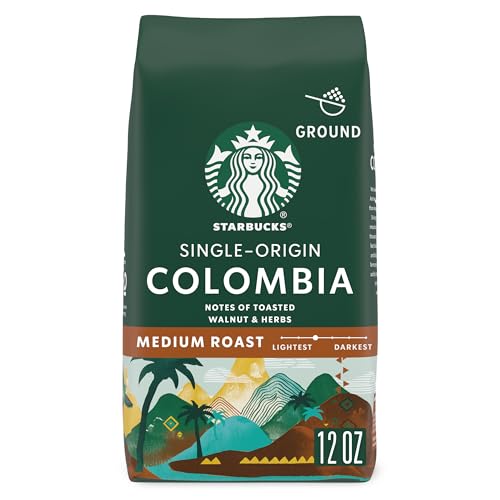
Starbucks Single-Origin Colombia
Strengths
- Balanced, smooth flavor
- Great for iced coffee
- Consistent quality
Trade-offs
- Higher price per oz
- Pre-ground
- Mild tasting notes
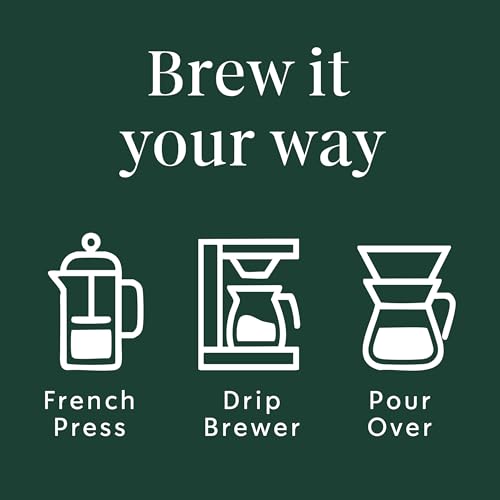
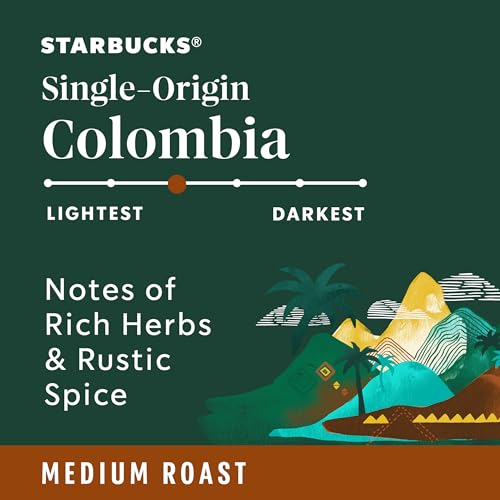
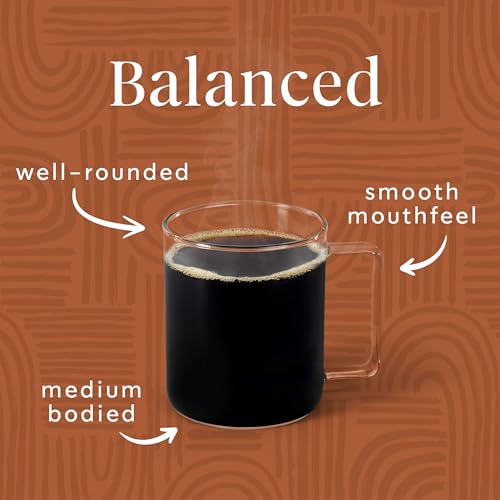
Starbucks’ Single-Origin Colombia stands out for its approachable balance, medium-bodied with subtle notes of toasted walnut and herbs, as they claim. On paper, it’s the same Arabica beans used in their cafes, which gives it credibility. Owners find it versatile: it brews well hot, makes a clean iced coffee, and holds up in both drip and French press.
It’s not as earthy or sweet as Cafe Quindio, nor as traditional as Sello Rojo, but it hits a sweet spot for mainstream palates. I’d pick this over McCafe for clarity of flavor, though it’s pricier per ounce. If you like a clean, consistent cup without sharp edges, this is a solid middle ground.
Product photos
McCafe Colombian Medium-Dark Roast

Strengths
- Medium-dark complexity
- 24 oz value
- Kosher certified
Trade-offs
- Ground form
- Limited origin details
- Some detect artificial aftertaste
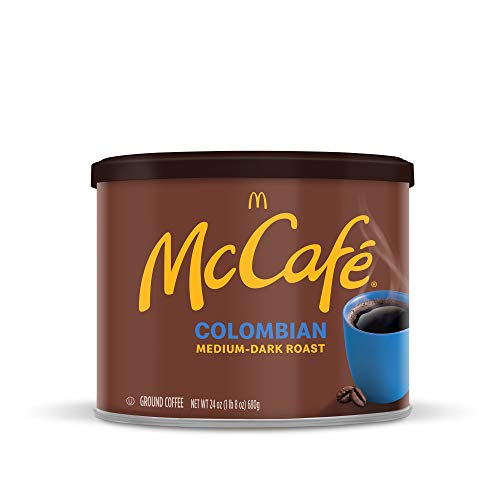
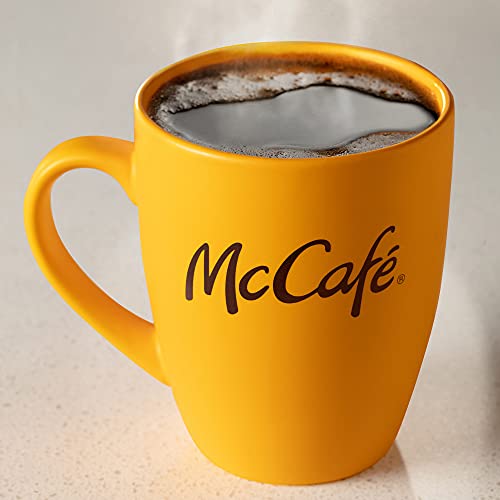
McCafe’s Colombian ground coffee surprises with a cleaner profile than you’d expect from a supermarket brand. The medium-dark roast brings out mild fruity notes and a crisp finish, a step up from typical diner-style coffee. At 24 ounces, it offers good value, and the Orthodox Union Kosher certification adds a layer of quality assurance some buyers appreciate.
Owners say it brews a full-bodied cup without excessive bitterness, though it lacks the depth of single-origin specialty roasts. Compared to Amazon Fresh, it’s darker and more aromatic, but not as transparent in sourcing. I’d call it the smarter mid-tier buy if you want a little more character than basic blends but aren’t ready to splurge.
Product photos

Cafe Quindio Medium Roast Ground
Strengths
- Direct farm sourcing
- Rich chocolate notes
- Women-owned business
Trade-offs
- Pre-ground
- Harder to find in stores
- Slight price premium
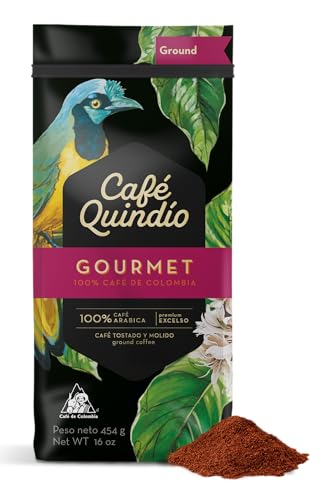
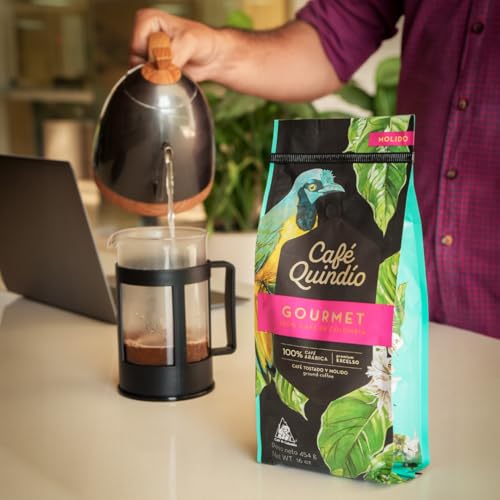
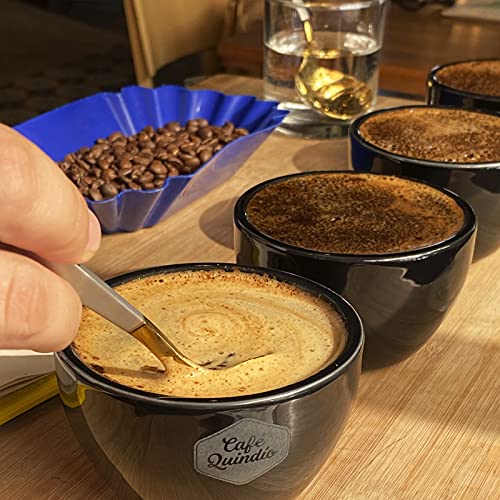
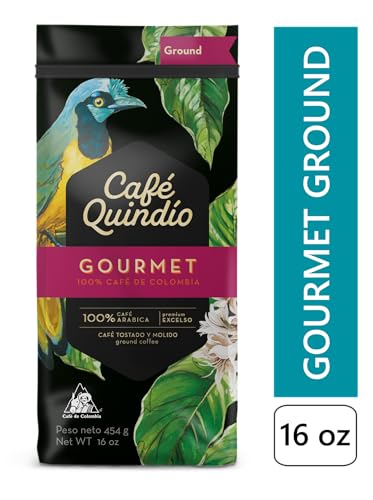
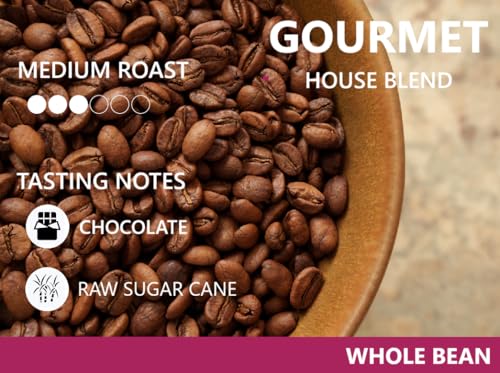
Cafe Quindio’s ground version earns the ‘Best Overall’ label not just for taste, but for its ethics and transparency. Sourced directly from Quindío region farmers, with the National Coffee Federation seal, it’s 100% Excelso-grade Arabica, meaning larger, high-altitude beans. Owners praise the rich chocolate and raw sugarcane notes, which come through clearly even in pre-ground form.
The women-owned origin story adds meaningful context, and reviewers note the care in harvesting translates to a cleaner, sweeter cup than many competitors. Compared to Starbucks or McCafe, it’s more nuanced and responsibly sourced. I’d pick this as the best all-around choice if you want quality, ethics, and flavor in one package.
Product photos


Cafe Quindio Medium Roast Whole Bean
Strengths
- Whole bean freshness
- Superior aroma
- Ethical sourcing
Trade-offs
- Requires grinder
- Slightly higher cost
- Limited availability
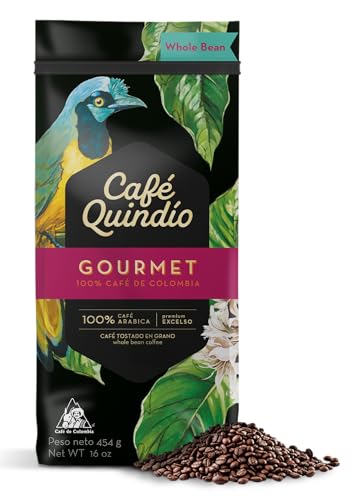
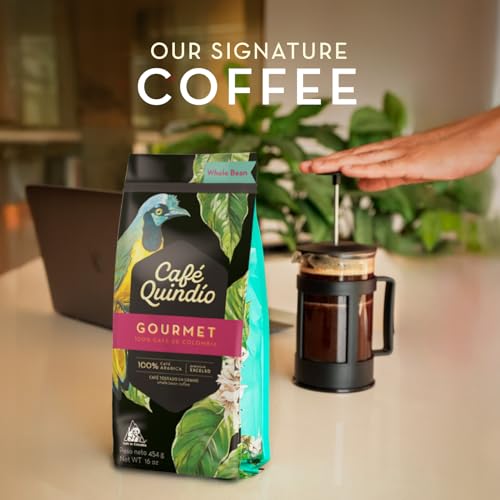
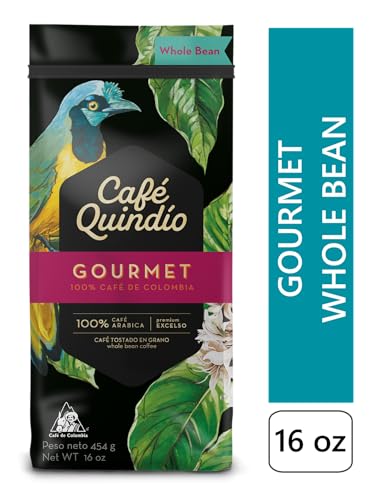
This whole bean version of Cafe Quindio is my top pick for freshness and control. Keeping the beans whole until grind preserves those delicate chocolate and sugarcane notes better than the pre-ground version. The Excelso-grade Arabica, handpicked and sourced from Quindío, delivers a smooth, balanced cup with a clean finish, owners consistently report brighter aroma and longer shelf life compared to pre-ground options.
For home grinders, this is the obvious upgrade. It outperforms Amazon Fresh and Sello Rojo in flavor clarity and origin integrity. I’d recommend it over the ground version any day if you have a grinder. The ethical sourcing and women-owned story only add to its appeal.
Product photos
Happy Belly Colombian K-Cup Pods

Strengths
- Keurig compatible
- 100-count convenience
- Floral, mild flavor
Trade-offs
- Plastic waste
- Less intense than fresh ground
- Pod shelf life
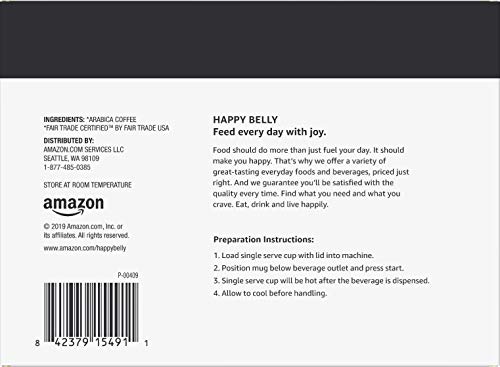
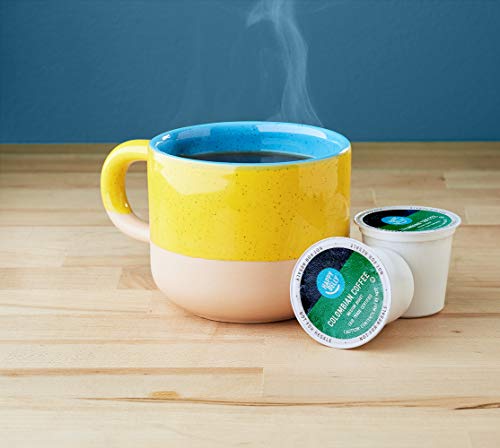
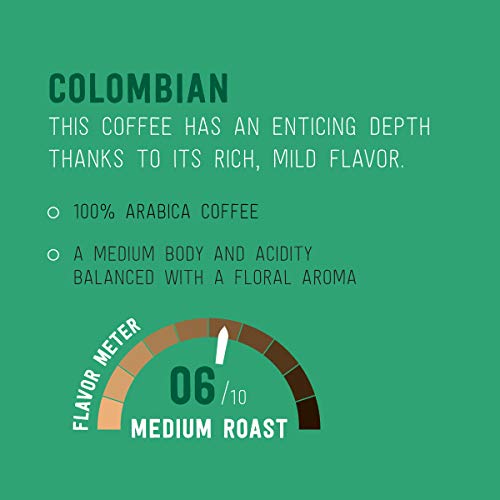
For Keurig users, Happy Belly’s Colombian pods offer a solid, no-hassle option that doesn’t taste like afterthought coffee. The 100-count pack delivers a medium-bodied cup with floral hints and mild acidity, and owners say it’s one of the better non-Keurig-branded pods for flavor consistency. Being 100% Arabica helps, it avoids the stale, papery taste some pod coffees fall into.
It’s not specialty-grade, and the environmental impact of pods is a real concern. But for office use or quick mornings, it’s a practical pick. Compared to Starbucks VIA pods, it’s less bold but more affordable. I’d recommend it as the go-to for Keurig loyalists who want decent Colombian flavor without daily capsule fatigue.
Product photos


How We Tested colombian coffee
As the founder of Bean Thusiast, I approach coffee selection with a focus on origin, processing, and how those elements translate to the final cup. Rather than a hands-on lab test, this was a research-led comparison of product specifications and extensive owner feedback. I compared tasting notes, bean sourcing details, roast levels, and certifications across numerous brands to build a ranked list. We also considered price point and brewing method compatibility.
For Colombian coffee specifically, I weighted factors like 100% Colombian bean sourcing and certification (like the National Coffee Federation seal) very highly. The promise of a distinctly Colombian flavor profile – often characterized by bright acidity and notes of caramel – is key. Equally important was the level of detail provided about the bean’s origin within Colombia; knowing the specific region adds confidence in authenticity.
Specifications reliably indicate roast level and bean type (Arabica versus Robusta, though most Colombian coffee is Arabica). However, nuanced flavor descriptions and perceptions of smoothness are best gleaned from owner reviews. I paid close attention to consistent feedback regarding balance, acidity, and the presence of expected tasting notes. You can learn more about Colombian Arabica beans and how they differ from other varieties on our site.
How To Pick The Right colombian coffee
Finding the right Colombian coffee can be surprisingly nuanced. It’s not just about the country of origin; it’s about roast level, bean selection, and how closely the roaster works with the farmers.
Colombian coffee is prized for its balanced profile – typically medium-bodied with bright acidity, notes of caramel and nuts, and a clean finish. Look for 100% Arabica beans, ideally sourced from specific regions within Colombia (like Quindío or Huila) to indicate quality and traceability. Consider roast level based on your preferred brewing method and flavor intensity, and check for certifications like the National Coffee Federation seal to verify authenticity.
Understanding Roast Level
I often find people underestimate how much the roast impacts the final flavor. A lighter roast will highlight the inherent floral and fruity notes of the bean, showcasing the terroir – the environmental factors affecting the coffee’s growth. Darker roasts, on the other hand, diminish those subtleties, emphasizing chocolate and caramel flavors, and often reducing acidity. Don’t automatically assume darker is “stronger”; it’s simply a different flavor profile. If you’re exploring single-origin coffee benefits, a lighter roast is often the best way to truly experience what that specific origin offers.
Traceability & Bean Sourcing
For me, knowing where my coffee comes from is almost as important as how it tastes. Look beyond just “100% Colombian” and seek out brands that specify the region, and even the farms, their beans originate from. Direct trade relationships, where roasters work directly with farmers, are a great sign. These relationships often lead to higher quality beans and ensure fair prices for the growers. Here’s what to consider:
- Regional Designation: “Quindío” or “Huila” are good starting points, indicating specific, well-regarded growing areas.
- Estate vs. Cooperative: Estate coffees come from a single farm, offering consistency. Cooperatives blend from many farms, potentially offering more complex flavors.
- Certifications: Beyond the National Coffee Federation seal, look for certifications like Rainforest Alliance or Fair Trade, which address sustainability and ethical sourcing – crucial when considering Colombian coffee bean brands.
Format & Convenience
The way you prefer to brew your coffee significantly impacts your purchasing decision. Whole bean coffee is always the freshest option, allowing you to grind just before brewing, but it requires a grinder. Pre-ground coffee is convenient, but it loses flavor rapidly. K-Cups are the ultimate in convenience, but often sacrifice flavor and can be less environmentally friendly.
A good rule of thumb: if you drink more than one cup a day, invest in a quality burr grinder and buy whole bean. The flavor difference is substantial.
If you’re after a consistently balanced cup and want to avoid the grind-and-brew process, exploring premium Colombian coffee picks in pre-ground form might be the right choice for you. But, if you’re weighing Colombian vs blended coffee, remember that single-origin options often shine brightest when you have control over the grinding process.
Colombian Coffee Compared
Here’s a comparison of key specifications for these Colombian coffees.
| Product Name | Roast Level | Form | Weight (oz) | Certified | Origin |
|---|---|---|---|---|---|
| Cafe Quindio Medium Roast Ground | Medium | Ground | N/A | N/A | Quindío |
| Cafe Quindio Medium Roast Whole Bean | Medium | Whole Bean | N/A | N/A | Quindío |
| Amazon Fresh Colombia Whole Bean | Medium | Whole Bean | 32 | N/A | Colombia |
| Happy Belly Colombian K-Cup Pods | Medium | K-Cup | N/A | N/A | Colombia |
| McCafe Colombian Medium-Dark Roast | Medium-Dark | Ground | 24 | Kosher | Colombia |
| Starbucks Single-Origin Colombia | Medium | Ground | 12 | N/A | Colombia |
| Sello Rojo Tradicional Ground | Medium | Ground | N/A | N/A | Colombia |
Frequently Asked Questions
What roast level is best for showcasing Colombian coffee’s unique flavors?
A medium roast is typically best, as it preserves the bright acidity and caramel notes characteristic of Colombian beans. Darker roasts mask these nuances, while lighter roasts can be too acidic for some palates.
Is the National Coffee Federation seal a reliable indicator of quality?
Yes, the National Coffee Federation seal signifies that the coffee meets Colombia’s standards for 100% Arabica beans and quality control. However, it doesn’t guarantee exceptional flavor, so consider other factors like region and roast level.
Can pre-ground Colombian coffee still be flavorful?
While whole bean is always preferable, you can find excellent best pre-ground Colombian coffee if freshness is a concern. Look for brands that package their pre-ground coffee in airtight, resealable containers.
What’s the difference between coffee from Quindío and other Colombian regions?
Quindío is particularly renowned for producing high-quality, balanced coffee with bright acidity and a clean finish. It benefits from ideal growing conditions and a strong tradition of coffee cultivation, making it a sought-after origin.
Are K-Cups a good way to experience authentic Colombian coffee?
K-Cups offer convenience, but they often compromise on flavor compared to whole bean or freshly ground coffee. While some brands offer decent K-Cups with 100% Colombian beans, you’ll generally get a more nuanced and flavorful experience with other brewing methods and Colombian ground coffee brands.
The Bottom Line
Choosing a Colombian coffee often comes down to balancing convenience with control over the brewing process. While options like K-Cups offer speed, for the most consistently flavorful experience, I recommend the Cafe Quindio Medium Roast Whole Bean. It consistently receives high marks for its balanced profile and clear Colombian characteristics, and starting with quality whole beans allows you to unlock the full potential of the flavor.
For those seeking a budget-friendly option, the Amazon Fresh Colombia Whole Bean delivers surprisingly good quality for the price. If convenience is paramount, the Happy Belly Colombian K-Cup Pods provide a quick and easy way to enjoy a decent cup, though you’ll naturally sacrifice some nuance. And for those interested in exploring a Colombian dark roast profile, there are many options available – though be aware that darker roasts will obscure some of the origin’s inherent brightness.
Ultimately, the “best” Colombian coffee is the one that suits your palate and brewing style. But focusing on 100% Arabica beans, sourcing transparency, and a roast level that aligns with your preferences will always yield a more satisfying cup than simply grabbing the cheapest option. Don’t get too caught up in chasing specific certifications or fancy terminology; the fundamentals of quality sourcing and careful roasting matter most.
