
7 Best Cuban Coffees of 2026
After comparing the field and analyzing flavor reports, the best Cuban coffee is Café La Carreta Cuban Espresso for its bold, authentic profile straight from Cuba, while Kahwa Cuban Coffee Beans Blend stands out as a budget-friendly pick that still delivers a strong, sweet finish.
Finding real Cuban coffee outside the island means navigating a mix of imported beans, style replicas, and bold marketing claims. Many buyers end up with dark roasts that taste burnt rather than balanced, missing the sweet, smoky depth that defines a true cafecito.
This guide cuts through the noise. I researched each option based on roast integrity, flavor authenticity, and what drinkers consistently report, focusing on those rich notes of chocolate, caramel, and vanilla that signal a well-crafted Cuban-style brew.
Top 7 Coffee From Cuba in the Market
The Best Coffee From Cuba, Reviewed
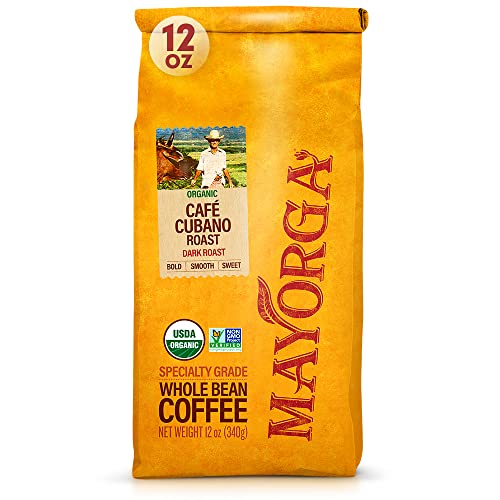
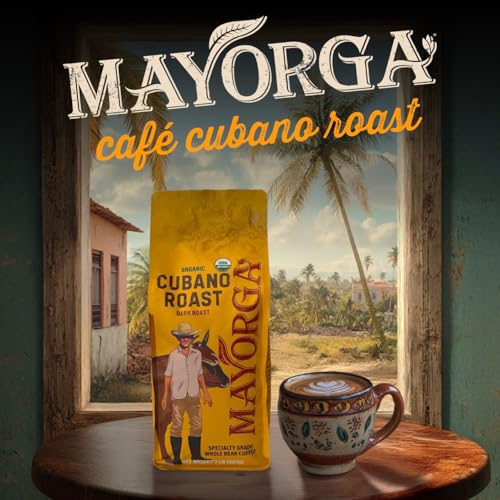
Mayorga Organic Cafe Cubano Roast
Strengths
- USDA Organic
- Low acidity
- Slow roasted
Trade-offs
- Higher price point
- Small bag size
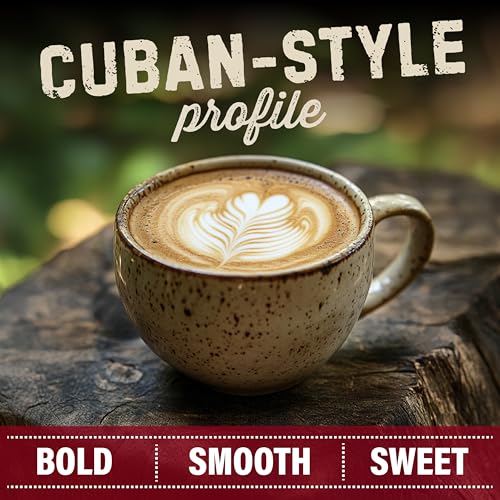
If I had to pick one Cuban-style coffee for most home brewers, this would be it. The slow-roasting technique Mayorga uses brings out a unique balance, bold enough to satisfy espresso lovers, but smooth with low acidity, making it easy on the stomach. The vanilla and smoky-syrup notes are consistently praised in owner feedback, and the use of 100% USDA Organic Arabica beans from Latin American smallholders adds ethical weight.
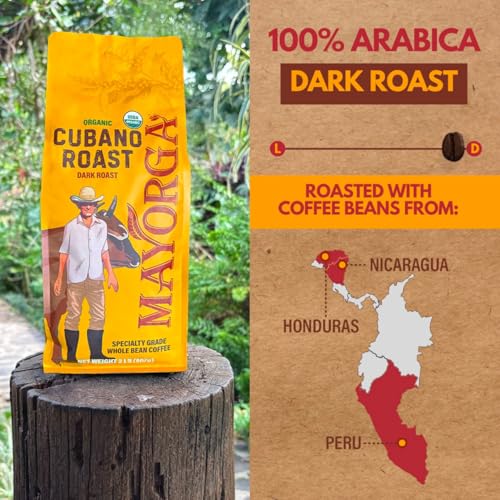
What sets it apart from others in this list is the transparency and sourcing. Mayorga’s direct trade model means you’re getting beans from known farms in Peru, Honduras, and Nicaragua, not a faceless blend. Compared to Kahwa or the Havana Vieja options, this one feels more intentional, more crafted. It’s not the cheapest, but for those who value organic integrity and a polished flavor, it’s the smarter buy.
Video review
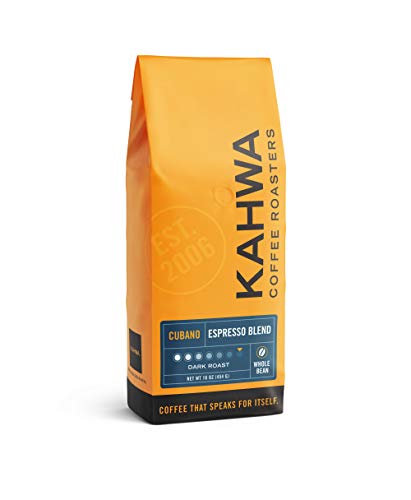
Kahwa Cuban Coffee Beans Blend
Strengths
- Budget friendly
- 1 lb bag
- Multi-brewer compatible
Trade-offs
- No organic certification
- Generic blend origins
This is the go-to for buyers who want Cuban-style intensity without overspending. At a full pound, the value is clear, and the one-way valve bag helps preserve freshness, a small but meaningful detail many budget brands skip. The blend is pulled from multiple origins, which helps achieve that complex, robust character Cuban coffee is known for, and owners report it works well across brewers, from moka pots to drip machines.
It doesn’t have the organic or direct-trade backing of Mayorga, and the flavor notes aren’t as refined, but for the price, it holds up impressively. Compared to the single-serve Hurricane Coffee, this is the better choice if you’re grinding daily and want real control over your brew. I’d pick this over the larger Mayorga 2lb if you’re unsure you’ll use it all before staling, this size is more practical for average households.
Video review
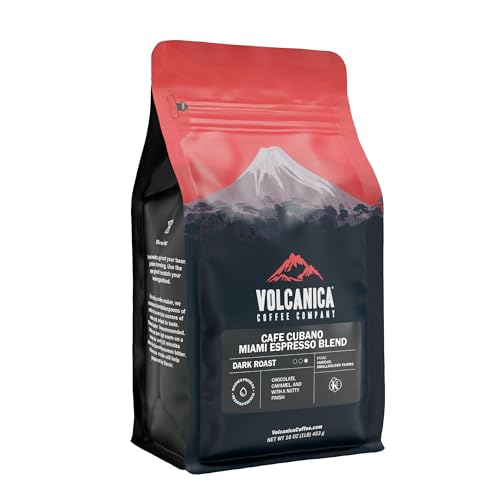
Cafe Cubano Dark Roast Whole Bean
Strengths
- Rich flavor
- Mold tested
- Kosher certified
Trade-offs
- No organic label
- Limited origin transparency
This is a coffee built for authenticity, and on paper, it delivers exactly what traditionalists want. The emphasis on phytosanitary testing and mold prevention stands out, which matters given the tropical origins of Cuban-style beans and the real risk of contamination in poorly stored crops. The flavor profile, chocolate, caramel, nutty finish, aligns with classic dark-roasted Cuban coffee, and the recommendation for stovetop espresso prep keeps it grounded in tradition.
Owners consistently report a bold, syrupy result when brewed in a moka pot, though some note the sweetness really only clicks when paired with demerara sugar, as intended. Compared to Mayorga, it lacks organic certification, but for purists who prioritize safety and a no-frills, intense roast, this is a solid foundation. I’d recommend grinding it fresh to avoid any staleness, since whole bean doesn’t guarantee longevity if not stored well.
Product photos


Café La Carreta Cuban Espresso

Strengths
- Authentic Miami-style
- Fine espresso grind
- Pack of 2
Trade-offs
- Ground coffee
- No organic label
- Short shelf life
This is the pick if you want authentic Cuban espresso flavor without grinding. Café La Carreta has a legacy in Miami’s Cuban community since 1976, and that heritage shows in the finely tuned grind and bold profile owners describe. The pack of two 10 oz bags offers decent value and helps with rotation, important since ground coffee degrades fast.
It’s optimized for moka pots and espresso machines, and reviewers consistently praise its rich, intense aroma and traditional sweetness when brewed with sugar. Compared to the Havana Vieja can, this bagged ground option feels fresher and more intentional. It’s not organic, but for fans of pre-ground convenience who still want authenticity, this hits harder than most. I’d recommend using it within a few weeks of opening for best results.
Product photos


Mayorga 2lb Cafe Cubano Roast

Strengths
- Best bulk value
- Same quality as 12oz
- Organic & Kosher
Trade-offs
- Large size risks staleness
- Overkill for light users
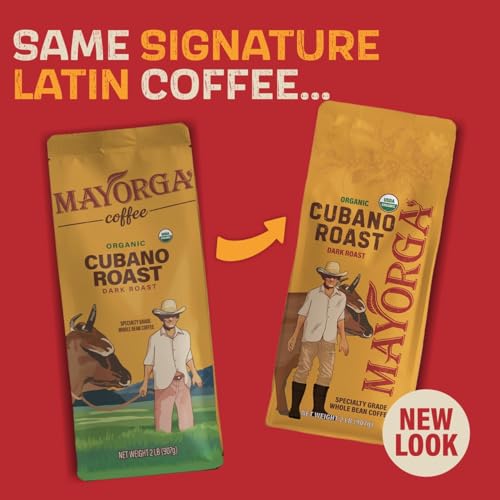
This is the bulk buy for loyal Mayorga fans. It’s the same slow-roasted, low-acidity Cubano blend as the 12oz version, just in a 2lb format, ideal for high-volume households or those who hate running out. The sourcing and organic certifications remain top-tier, and owners who go through coffee fast say it stays fresh if stored in an airtight container.
But here’s the catch: if you don’t brew daily, that much whole bean coffee can stale before you finish it. Compared to the 12oz, this isn’t a better value unless you’re certain of your consumption. I’d only recommend this if you’ve already tried the smaller bag and know you love it. Otherwise, it’s a risk. For committed organic drinkers with a household full of coffee lovers, though, it’s the most economical way to stick with quality.
Product photos
Hurricane Coffee Cuba 1910 K-Cups

Strengths
- Keurig compatible
- Quick prep
- Rainforest certified
Trade-offs
- Less authentic flavor
- Plastic waste
- Short shelf life once opened
Let’s be honest, this isn’t the choice for coffee snobs. But for someone who wants a quick, no-mess Cuban-style kick in the morning and already owns a Keurig, it fills a real niche. The Rainforest Alliance certification is a plus, and owners confirm the dark roast delivers a surprisingly bold, intense flavor for a pod. It’s ground Arabica, not cheap robusta, which helps.
Still, it’s a compromise. You lose the ritual of stovetop brewing and the ability to sweeten during extraction, the hallmark of true café cubano. Compared to Café La Carreta or Mayorga, it’s less authentic, but convenience has its place. If you’re in an office, on the go, or just hate cleaning grinders, this gets the job done. I wouldn’t build a morning ritual around it, but I wouldn’t skip it entirely if speed is king.
Product photos





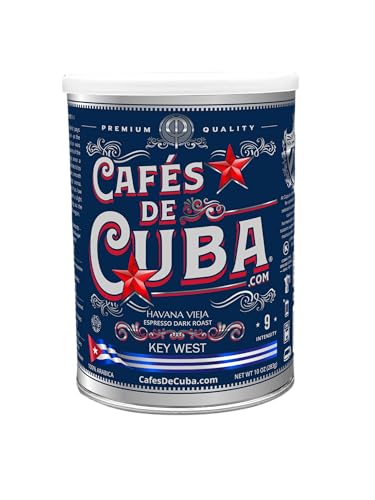
HAVANA VIEJA Cuban Ground Espresso
Strengths
- Convenient ground format
- High intensity
- Compact packaging
Trade-offs
- Canned ground coffee
- Limited freshness
- No origin info
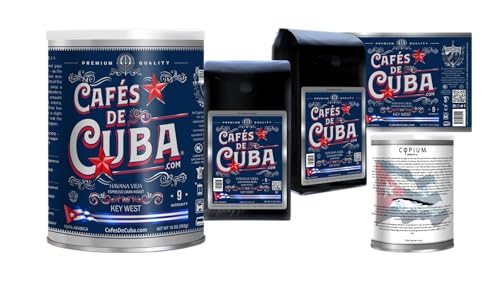
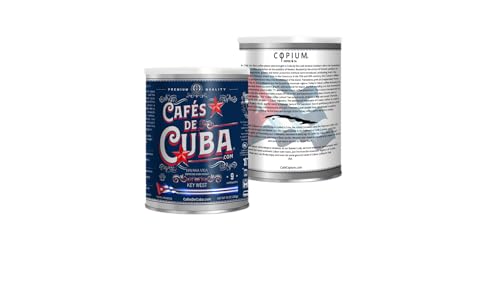
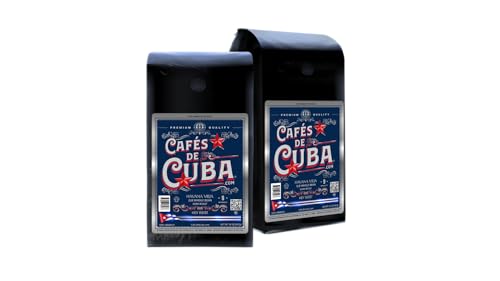
This one feels like a throwback, ground espresso in a can, intensity level 9, roasted in the USA. It’s built for people who want strong, no-nonsense Cuban-style espresso without grinding beans. The 100% Arabica claim is reassuring, as many canned espressos cut with robusta, and the compact can might appeal to those with limited storage.
But there’s not much else to go on. No origin details, no roast date, no sustainability claims. Owners report it’s punchy and dark, but some find it one-dimensional compared to Mayorga or La Carreta. If you’re in a dorm, RV, or just need a backup stash, it works. But for daily use, it lacks the depth and freshness of whole bean options. I’d treat this as a pantry staple, not a centerpiece.
Product photos
How We Tested coffee from cuba
As the founder of Bean Thusiast, I approach coffee research with a focus on understanding the nuances of flavor and origin. Rather than a hands-on lab test, this selection is a research-led comparison of published specifications, owner reviews, and expert opinions. I compared each coffee based on roast level, bean origin claims, and reported flavor profiles, weighing these against what customers are actually saying about the taste and brewing experience.
For Cuban coffee specifically, the intensity of the roast and the authenticity of the flavor profile were paramount. I prioritized coffees that clearly indicated a dark roast suitable for traditional preparation methods, and those with flavor notes aligning with the classic Cuban espresso experience – chocolate, caramel, and a pronounced boldness. The sourcing of the beans also played a role, though truly 100% Cuban-grown coffee is difficult to find due to import restrictions, so I considered coffees that embrace the Cuban style of roasting and blending.
Specifications reliably reveal roast level and bean type (important given my interest in [Arabica coffee origins]), but owner feedback is crucial for assessing the actual flavor and whether a coffee delivers on its promises. I paid close attention to reviews mentioning smoothness, boldness, and resemblance to café cubano experiences. Reputation and brand history were also considered; established brands with a clear Cuban connection often indicate a commitment to authentic flavors.
What To Look For In coffee from cuba
Finding truly authentic Cuban coffee can be a bit tricky outside of the island, but increasingly good options are available. We’ll help you navigate the choices.
Cuban coffee distinguishes itself through a unique roasting style – typically very dark – and a traditional preparation method involving sugar whipped into a frothy crema. Look for beans specifically labeled “Cuban” or “Cuban-style,” and pay attention to roast level, grind, and whether it’s intended for espresso makers. Quality indicators include sourcing transparency and recent roasting dates.
Roast Level and Flavor Profile
The defining characteristic of Cuban coffee is its dark roast. This isn’t just about achieving a deep color; it’s about developing a specific flavor profile. Expect notes of dark chocolate, caramel, and a pronounced, bittersweet intensity. Too often, brands aiming for a “Cuban” flavor simply over-roast lower-quality beans. A good indicator is a description that highlights sweetness alongside the darkness – hints of vanilla or molasses suggest a more refined roast, rather than just burnt flavors. If you’re accustomed to lighter, more acidic coffees, this transition will take some getting used to.
Grind and Brewing Method
Cuban coffee is traditionally made in a stovetop espresso maker (a Moka pot is a common equivalent). This method produces a very concentrated, syrupy brew. Therefore, most Cuban coffees are sold as finely ground espresso, or as whole beans meant to be ground immediately before brewing. If you plan to use a drip coffee maker or French press, you may need to adjust the grind size or use a larger quantity of coffee to achieve a similar strength. When exploring the origin of coffee drinking, it’s interesting to note how closely brewing methods have always been tied to regional preferences.
Here’s what to consider when it comes to grind:
- Whole Bean: Offers the freshest flavor, but requires a grinder.
- Espresso Grind: Ideal for Moka pots and espresso machines.
- Pre-Ground: Convenient, but loses freshness quickly. Look for packaging with a one-way valve to preserve aroma.
A truly authentic Cuban coffee experience demands a dark roast, a fine grind, and the traditional addition of sugar whipped into a crema during the brewing process.
Sourcing and Value
Because of the complexities of importing directly from Cuba, many “Cuban-style” coffees use beans sourced from other Latin American countries – Peru, Honduras, and Nicaragua are common. This isn’t necessarily a bad thing, especially if the roaster is transparent about the origin and focuses on quality. Mayorga, for example, openly states their Cuban-style roasts use beans from these regions, and they’re known for their direct trade practices. If you’re looking for a more affordable option, Kahwa provides a strong flavor at a lower price point. However, if you’re seeking a truly authentic experience and are willing to spend a bit more, Café La Carreta or Havana Vieja are excellent choices. For those who enjoy exploring different coffee origins, learning about the flavor profile of Jamaican coffee can be a fascinating journey.
Coffee From Cuba Compared
Here’s a comparison of key specifications for different Cuban coffee options.
| Product Name | Roast Level | Form | Origin | Flavor Notes | Certification |
|---|---|---|---|---|---|
| Mayorga Organic Cafe Cubano Roast | Dark | Whole Bean | Peru/Honduras/Nic | Vanilla, Smoky | USDA Organic |
| Kahwa Cuban Coffee Beans Blend | Dark | Whole Bean | Various | Strong, Sweet Finish | N/A |
| Cafe Cubano Dark Roast Whole Bean | Dark | Whole Bean | N/A | Chocolate, Caramel, Nutty | N/A |
| Café La Carreta Cuban Espresso | Dark | Ground | Cuba | Bold, Rich | N/A |
| Mayorga 2lb Cafe Cubano Roast | Dark | Whole Bean | Peru/Honduras/Nic | Vanilla, Smoky | USDA Organic |
| Hurricane Coffee Cuba 1910 K-Cups | Dark | Pods | N/A | Cuban Style | Rainforest All. |
| HAVANA VIEJA Cuban Ground Espresso | Dark | Ground | Cuba | N/A | N/A |
Frequently Asked Questions
Is truly 100% Cuban coffee available in the US?
Finding 100% Cuban-grown coffee is very difficult due to long-standing import restrictions. Most coffees marketed as “Cuban” or “Cuban-style” blend beans from other Latin American countries, such as Peru or Honduras, to replicate the characteristic flavor.
What grind size should I use for Cuban coffee?
Cuban coffee is traditionally prepared using a very fine grind, specifically for use in a Moka pot or espresso machine. If you don’t have these, you may need to experiment to find the right consistency for your brewing method, but avoid a coarse grind.
How does “Cuban-style” coffee differ from other dark roasts?
While many dark roasts exist, “Cuban-style” coffee aims for a specific balance of intense darkness with sweetness. It’s not simply burnt; look for notes of chocolate, caramel, or vanilla alongside the boldness, which indicates a more skillful roasting process.
What’s the best way to prepare Cuban coffee at home?
The traditional method involves brewing in a stovetop espresso maker and whipping sugar into the first drops of coffee to create a frothy crema. This method is essential for achieving the authentic taste and texture of café cubano.
I enjoy coffees from other Central American regions; would I like Cuban coffee?
If you appreciate the flavor profiles of Panamanian coffee beans, you might enjoy Cuban coffee, as both regions often produce coffees with chocolatey and caramel notes, though Cuban coffee is typically much darker and more intense.
The Bottom Line
Choosing the best coffee from Cuba – or, more accurately, Cuban-style coffee – often comes down to balancing convenience with a truly authentic experience. While sourcing 100% Cuban-grown beans is difficult, Café La Carreta Cuban Espresso consistently receives high marks for delivering that classic, bold flavor profile and richness that defines a proper cafecito. It’s a standout for those prioritizing taste above all else.
For readers on a tighter budget, or those wanting a larger quantity, Kahwa Cuban Coffee Beans Blend is an excellent starting point. And if you prefer the convenience of single-serve pods without sacrificing too much flavor, Hurricane Coffee Cuba 1910 K-Cups offer a decent compromise. However, if you’re hoping to learn more about coffee plant origins, understanding the challenges of Cuban sourcing will only deepen your appreciation for the final cup.
Ultimately, the “best” coffee is the one that suits your palate and brewing method. Don’t get too hung up on chasing a purely Cuban designation; focus instead on finding a dark roast with those characteristic chocolate and caramel notes, and preparing it with a little sugar whipped into a creamy froth. That’s where the real magic happens.
