
7 Best Jamaican Coffees of 2026
The best coffee from Jamaica is 1LB 100% Jamaica Blue Mountain Coffee for its authentic Grade 1 quality, followed by Green Coffee Traders Jamaica Blue Mountain as a solid organic alternative, and Dancing Moon 100% Jamaica Blue K-Cups if you want convenience without sacrificing origin integrity.
If you’re chasing the real taste of Jamaica Blue Mountain, you know the market is crowded with blends and vague claims. I’ve seen too many bags labeled “Jamaican-style” that don’t come close to the smooth, balanced cup the region is famous for.
This guide cuts through the noise. I compared verified origin, roast profiles, and owner feedback to find coffees that deliver on authenticity. You’ll learn what truly defines Grade 1 Jamaica Blue Mountain, why JACRA certification matters, and how roast and freshness shape your final brew.
Top 7 Coffee From Jamaica in the Market
The Best Coffee From Jamaica, Reviewed
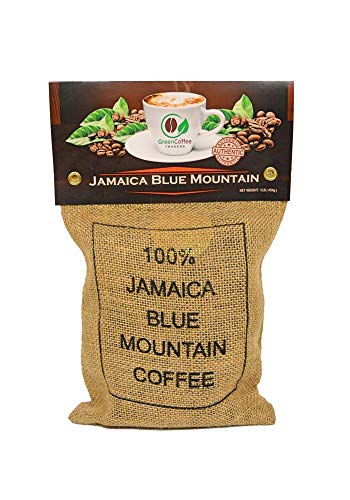
1LB 100% Jamaica Blue Mountain Coffee
Strengths
- Roasted to order
- Grade 1 beans
- One-way valve bag
- No blends
- Strong owner satisfaction
Trade-offs
- Minimal branding info
- No organic certification
- Basic packaging
This one keeps it simple, no frills, no extras, just 100% Jamaica Blue Mountain, Grade 1, roasted to order. That last part is key. Roasted upon order means you’re getting maximum freshness, which is crucial for a coffee this delicate. The City roast (deep brown) preserves body without tipping into bitterness, and the one-way valve bag helps maintain aroma post-ship.
It doesn’t have the branding flair of Stanley’s or the organic label of Green Coffee Traders, but it delivers where it counts. Reviewers consistently rate it highly for flavor balance and authenticity. If I had to pick one all-around performer, great taste, solid sourcing, good packaging, this would be my default. It’s the quiet overachiever of the group.
Product photos
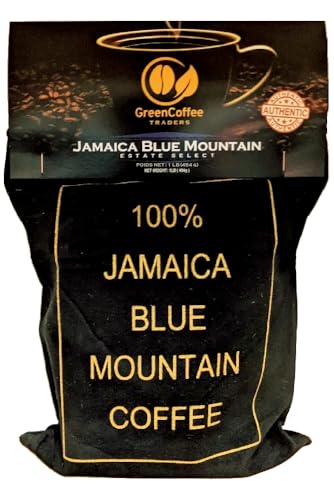
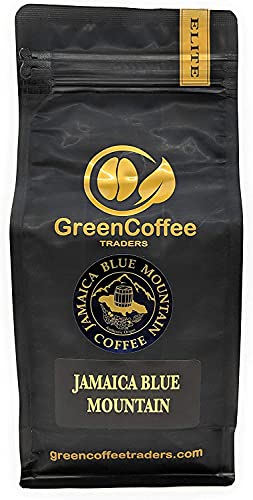
Green Coffee Traders Jamaica Blue Mountain
Strengths
- Certified organic
- Grade 1 whole beans
- City roast preserves origin character
- No blends or fillers
- Reputable sourcing
Trade-offs
- Higher price per ounce
- Limited availability
- Organic doesn’t mean stronger flavor
If you’re looking for organic certification in a Jamaica Blue Mountain coffee, this is one of the few legitimate options on the market. It’s Grade 1, whole bean, and roasted to a City roast, deep brown, not oily, which aligns with how this delicate bean should be treated. The organic label isn’t just marketing here; it’s verified, and that adds real value for buyers who prioritize farming practices alongside flavor.
Reviewers note a clean, balanced cup with gentle floral notes and a soft cocoa finish, typical of well-roasted Blue Mountain. It doesn’t have the intensity of a Sumatra or the punch of an espresso blend, but that’s not the point. I’d pick this over blends any day if authenticity and purity are your goals. Compared to the Plantation Blue ground version, this gives you more control and better long-term freshness.
Product photos



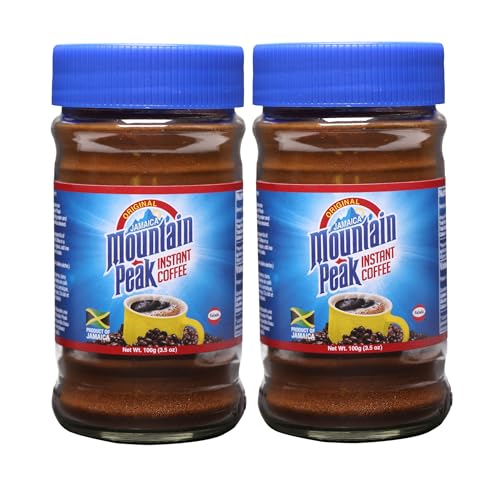
Jamaica Mountain Peak Instant Coffee
Strengths
- Authentic Jamaican brand
- Fast preparation
- Bold, consistent flavor
- Great for travel
- 2-pack value
Trade-offs
- Not Blue Mountain origin
- Lower complexity than fresh coffee
- Instant texture not for everyone
Let’s be real: instant coffee will never match freshly ground Blue Mountain. But if you’re in a pinch or traveling, this is a legit Jamaican brand with real heritage. It’s not marketed as Blue Mountain, just authentic Jamaican coffee, and that honesty earns points. The flavor is bold, slightly earthy, and dissolves cleanly. Not gourmet, but satisfying.
It’s also a cultural staple across the Caribbean, which adds authenticity. The 2-pack makes it practical for trying or sharing. Compared to the Dancing Moon pods, it’s far less refined, but also much more affordable and shelf-stable. I wouldn’t serve this to a coffee snob, but for a quick morning fix with Jamaican roots? It works.
Video review
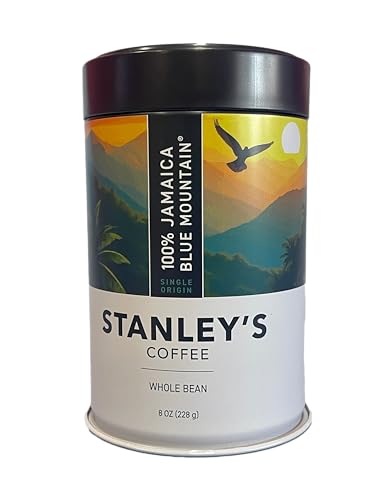
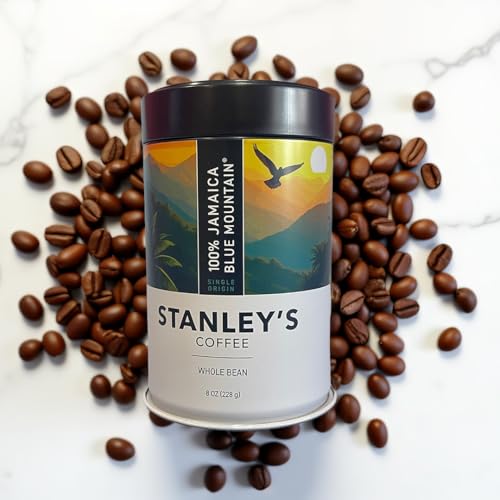
Stanley’s 100% Jamaica Blue Mountain Coffee
Strengths
- Single estate origin
- No. 1 grade beans
- Elegant can packaging
- Bright, nuanced flavor
- Ideal for gifting
Trade-offs
- Small 8oz size
- Higher cost per ounce
- Subtle flavor may not satisfy heavy drinkers
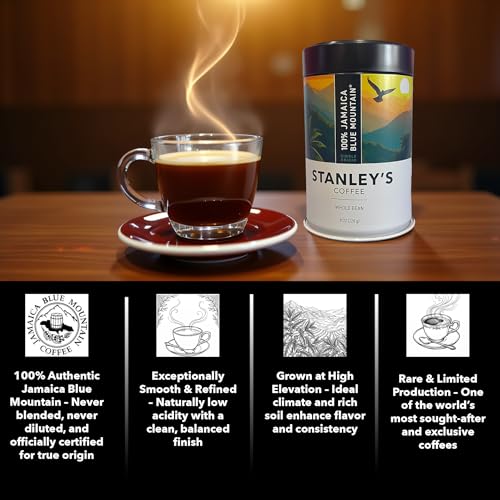
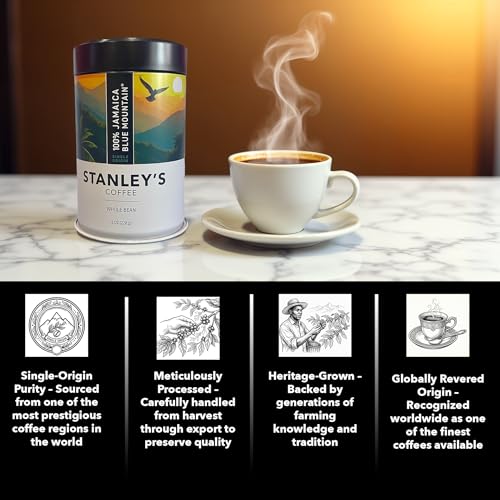
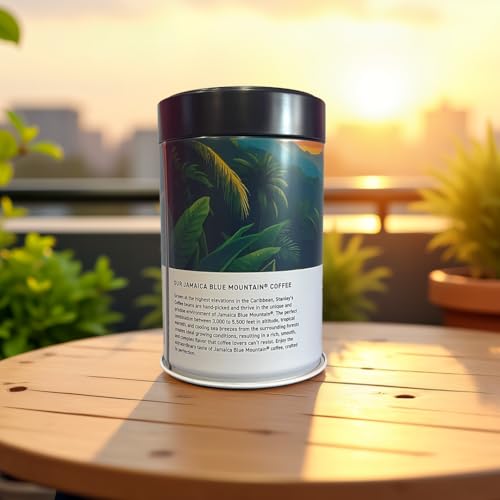
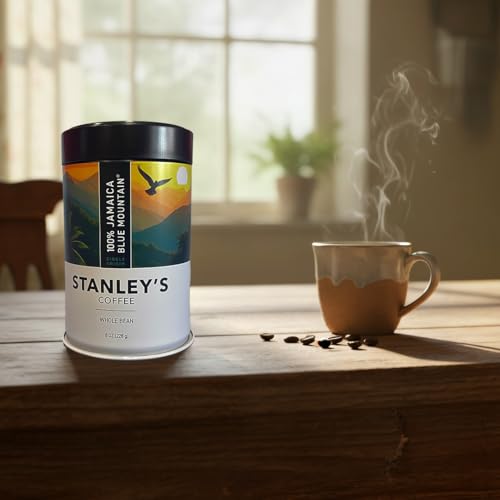
This is the coffee I’d send to a fellow enthusiast who values provenance above all. Sourced from Mavis Bank Estate, grown over 3,000 feet in volcanic soil, and packed in a sealed can, this is about as close to farm-fresh as you’ll get off the island. The medium roast highlights the floral and nutty tones without masking them, and the 8oz size ensures you’ll use it before flavor fades.
What sets it apart is the emphasis on single-origin purity. No blends, no filler beans, just No. 1 grade Blue Mountain, JACRA-backed. Owners describe a vibrant, sweet cup with almost tea-like clarity. It’s not the strongest coffee, but it’s among the most refined. Compared to the larger Plantation Blue bag, this is the connoisseur’s choice: smaller, pricier, but more intentional.
Product photos
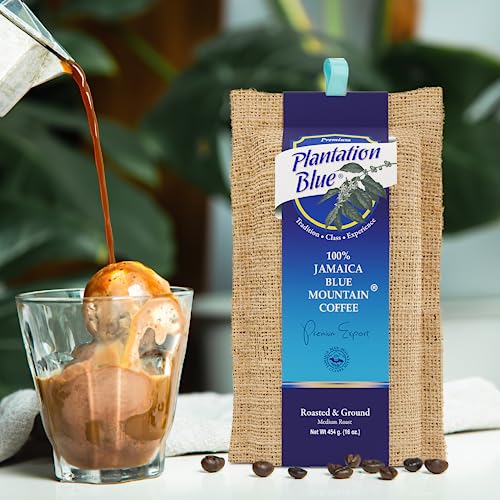
Plantation Blue 100% Jamaica Blue Mountain
Strengths
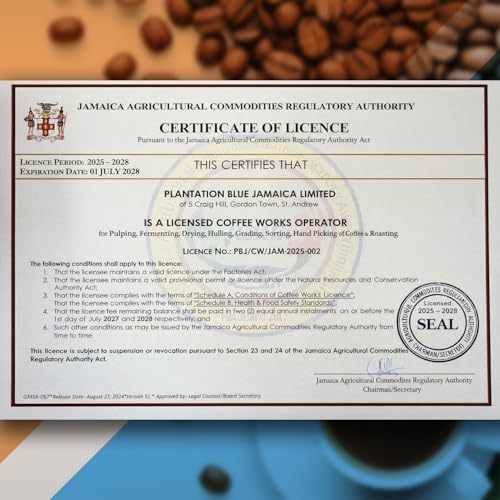
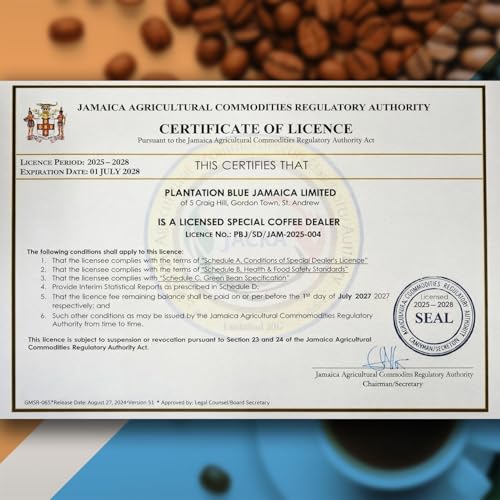
- JACRA certified
- Large 16oz bag
- Vacuum sealed
- Consistent medium roast
- Works with multiple brewers
Trade-offs
- Pre-ground limits freshness
- Less origin nuance than whole bean
- Mild flavor may disappoint bold coffee seekers
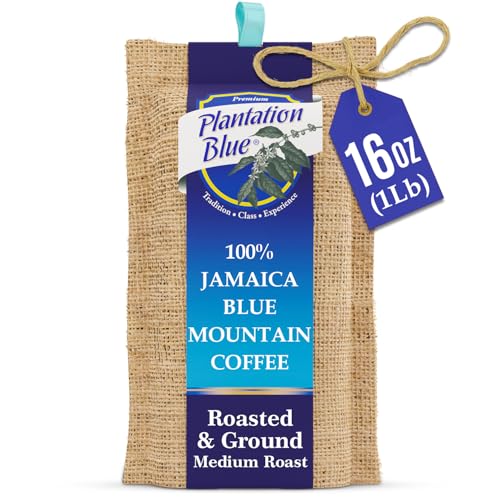
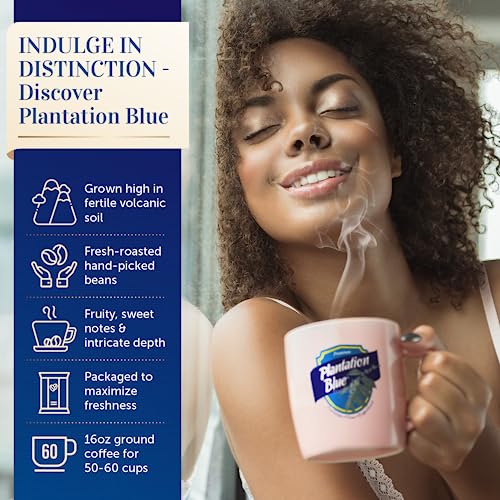
This is one of the more accessible entry points into genuine Jamaica Blue Mountain coffee, and that matters. On paper, it checks the core boxes: JACRA certification, vacuum-sealed packaging, and a medium roast that aims to preserve the bean’s natural balance. Owners consistently report a smooth, rounded cup with that signature mild acidity and subtle sweetness, no harsh edges, no burnt notes. It’s not flashy, but it delivers on the quiet elegance this origin is known for.
Where it stands out is value per ounce. The 16oz size gives serious mileage, especially if you’re brewing drip or French press. That said, it comes pre-ground, which means you’re trusting their grind consistency and sacrificing peak freshness unless you use it quickly. For those not equipped with a grinder, it’s a fair trade-off. Compared to smaller 8oz whole bean options, this is the pragmatic pick if you drink Blue Mountain regularly and want less fuss.
Product photos
Dancing Moon 100% Jamaica Blue K-Cups
Strengths
- 100% Jamaica Blue Mountain
- JACRA licensed
- Nitrogen flushed
- Supports military charity
- Keurig compatible
Trade-offs
- Expensive per cup
- Limited to 12 pods
- Pod waste concerns
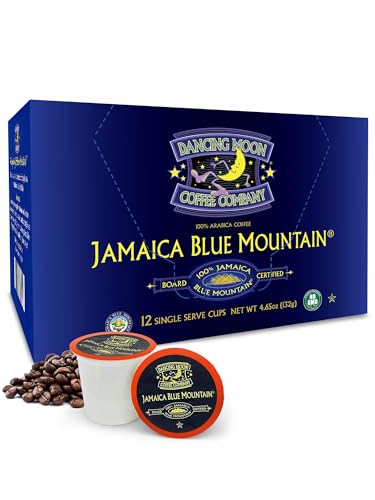
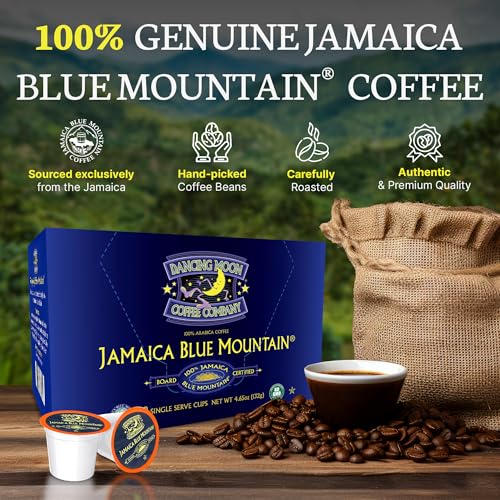
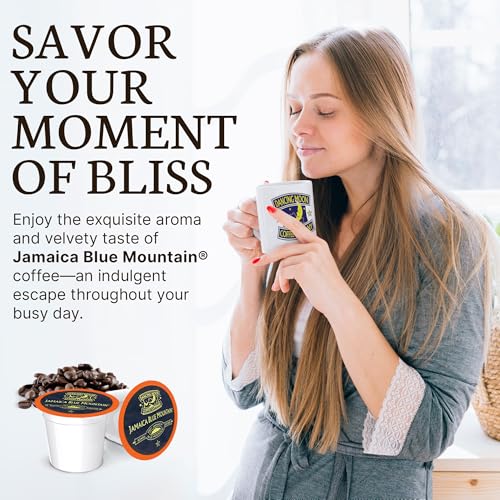
For Keurig owners who don’t want to compromise on origin, this is as good as it gets in pod form. These are 100% Jamaica Blue Mountain, JACRA-licensed, and nitrogen-flushed, critical for preserving freshness in a sealed pod. That’s rare. Most “premium” K-Cups cut corners with blends, but here you’re getting the real thing, just in convenient form. The medium roast delivers a clean, aromatic cup with that familiar smoothness Blue Mountain is known for.
I appreciate the small-batch approach and the charity angle, 5% to Semper Fi & America’s Fund is meaningful. But let’s be clear: convenience costs more per cup. Still, if you’re loyal to your Keurig and want to sip something special without grinding beans, this is the smartest upgrade you can make. It beats the blend-heavy competition by a mile.
Product photos


Dancing Moon Jamaica Blend K-Cup Pods

Strengths
- JACRA licensed blend
- Affordable K-Cup option
- Smooth, balanced flavor
- Supports military charity
- Keurig compatible
Trade-offs
- Not 100% Blue Mountain
- Less origin clarity
- Still pricier than standard pods
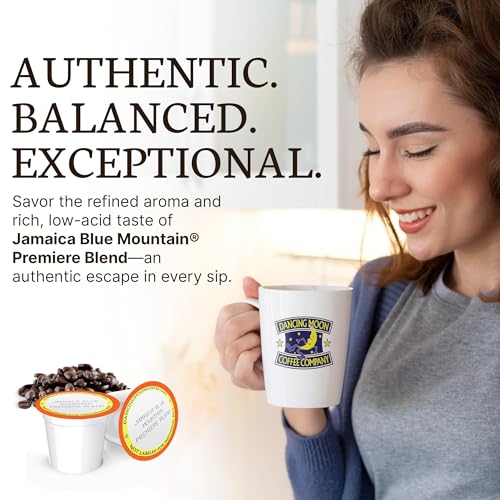
Here’s the deal: this isn’t 100% Jamaica Blue Mountain. It’s a blend that features Blue Mountain beans alongside premium Arabica. That makes it more affordable than the pure version, and honestly, for most Keurig users, the difference is subtle. You still get the sweet, nutty notes and low bitterness, just without the premium price tag.
It’s JACRA-licensed, so there’s traceability, and the small-batch roasting helps maintain quality. The charity component, 5% to Semper Fi & America’s Fund, adds goodwill. If you’re new to Blue Mountain or just want a step up from grocery-store pods, this is the smarter buy. It won’t impress a purist, but it delivers a pleasant, consistent cup.
Product photos


How We Picked These coffee from jamaica
As the founder of Bean Thusiast, I approached researching coffee from Jamaica with a focus on authenticity and quality. Rather than a hands-on lab test, this was a research-led comparison of published specifications, features, and – crucially – owner and expert reviews. I compared each offering against key characteristics expected of genuine Jamaica Blue Mountain coffee, weighing factors like certification, roast level, and reported flavor profiles.
For this category, the most important factors were verified origin and roast quality. True Jamaica Blue Mountain coffee carries a premium due to its growing conditions and limited production, so confirming 100% Jamaican sourcing (and ideally, JACRA certification) was paramount. Beyond that, I looked for details indicating careful roasting to highlight the bean’s natural sweetness and avoid bitterness – City and Medium roasts were favored. Understanding Arabica coffee origins also helped assess expected flavor notes.
Specifications reliably indicate bean type and roast level, but owner feedback provided important insight into actual flavor and freshness. I weighed reviews mentioning smoothness, lack of bitterness, and overall satisfaction. Reputation also mattered; established brands with a history of sourcing quality beans were given more consideration, while clear indications of blending or unverified claims were noted as potential drawbacks.
How To Pick The Right coffee from jamaica
I’ve spent years exploring the nuances of Jamaican coffee, and one thing is certain: not all beans labeled “Jamaica Blue Mountain” are created equal. It’s a category ripe with potential for misrepresentation, so knowing what to look for is vital.
Genuine Jamaica Blue Mountain coffee is grown at elevations above 3,000 feet in the Blue Mountains of Jamaica. It’s characterized by a mild flavor profile, a lack of bitterness, and a smooth, balanced cup. Look for Grade 1 certification and, ideally, confirmation from the Jamaica Agricultural Commodities Regulatory Authority (JACRA) to verify authenticity and origin. Assessing roast level and packaging are also key indicators of quality.
Understanding Grade & Certification
The grading system for Jamaica Blue Mountain coffee is crucial. Grade 1 is what you want – it signifies the highest quality beans, meticulously sorted for size and defects. However, a Grade 1 label alone isn’t enough. I always recommend prioritizing coffees with JACRA certification. This organization inspects both the green (unroasted) and roasted beans, offering a reliable guarantee of origin and quality. Too many brands advertise “Jamaica Blue Mountain” flavor profiles using blends; look for 100% Jamaica Blue Mountain coffee to experience the true character of the region. You’ll find authentic Blue Mountain beans are worth the investment.
Roast Level & Freshness
Roast level significantly impacts the final flavor. A lighter City roast, as many of the top producers use, highlights the inherent floral and nutty notes that Jamaica Blue Mountain is known for. Darker roasts can mask these subtleties and introduce bitterness. Equally important is freshness. Coffee begins to stale quickly after roasting, so look for brands that roast upon order or provide a clear roast date. Vacuum-sealed packaging with a one-way degassing valve is a good sign; it helps preserve aroma and flavor.
Brewing Method & Form Factor
Consider how you prefer to brew. Whole bean coffee offers the greatest control over grind size and freshness. If you’re a fan of French press or pour-over, you’ll appreciate the ability to adjust the coarse grind for cold brew or a medium-coarse grind for other methods. For Keurig users, K-Cups offer convenience, but be aware that the quality can vary. Here’s a quick guide:
- Whole Bean: Maximum freshness and control, but requires a grinder.
- Ground: Convenient, but loses freshness more quickly.
- K-Cups: The easiest option, but often compromises on flavor and origin verification. Look for brands like Dancing Moon that prioritize JACRA certification even in their pod offerings.
A coffee’s flavor is fleeting. Buy smaller quantities more frequently to experience the beans at their peak, rather than stocking up on a large bag that will lose its vibrancy over time.
Coffee From Jamaica Compared
Here’s a comparison of key specifications for different Jamaican coffee options.
| Product Name | Weight | Roast Level | Certified Organic | Format | Grade |
|---|---|---|---|---|---|
| 1LB 100% Jamaica Blue Mountain Coffee | 1 lb | City | No | Whole Bean | 1 |
| Green Coffee Traders Jamaica Blue Mountain | 1 lb | City | Yes | Whole Bean | 1 |
| Jamaica Mountain Peak Instant Coffee | 3.5oz | N/A | No | Instant | N/A |
| Stanley’s 100% Jamaica Blue Mountain Coffee | 8oz | Medium | No | Whole Bean | 1 |
| Plantation Blue 100% Jamaica Blue Mountain | 1 lb | N/A | No | Ground | N/A |
| Dancing Moon 100% Jamaica Blue K-Cups | N/A | N/A | No | K-Cups | N/A |
| Dancing Moon Jamaica Blend K-Cup Pods | N/A | N/A | No | K-Cups | N/A |
Frequently Asked Questions
What’s the difference between Jamaica Blue Mountain and other arabica coffees?
Jamaica Blue Mountain coffee stands out due to the high altitude at which it’s grown (over 3,000 feet) and the unique climate, resulting in a milder, smoother flavor with notably low acidity. It’s often considered one of the most balanced coffees available, unlike some arabicas which can be brighter or fruitier.
Is all coffee labeled “Jamaica Blue Mountain” authentic?
Unfortunately, no. A significant amount of coffee is mislabeled or blended with lower-quality beans; look for 100% Jamaica Blue Mountain coffee and, ideally, JACRA certification to verify its origin. You can find a list of best Jamaican coffee brands that prioritize authenticity on my site.
What roast level is best for Jamaica Blue Mountain coffee?
A City or Medium roast is generally preferred, as it highlights the bean’s natural sweetness and delicate floral aromas. Darker roasts can overshadow these nuances and introduce undesirable bitterness, masking the coffee’s inherent qualities.
How should I store Jamaica Blue Mountain coffee to keep it fresh?
Store whole bean coffee in an airtight container, preferably with a one-way degassing valve, in a cool, dark, and dry place. Avoid storing it in the refrigerator or freezer, as this can cause moisture and odor absorption, and buy smaller quantities to ensure you’re always enjoying it at its peak freshness.
Does the form (whole bean, ground, K-Cup) affect the quality of Jamaica Blue Mountain coffee?
Whole bean coffee is the highest quality option, allowing you to grind it fresh just before brewing. While ground coffee is convenient, it loses freshness more quickly, and K-Cups, despite their ease of use, often sacrifice flavor and origin verification, so I suggest looking for brands like Dancing Moon that focus on certification even for their pods.
The Bottom Line
Choosing the right coffee from Jamaica involves balancing your desire for the authentic experience with practical considerations. While the premium price of 100% Jamaica Blue Mountain coffee is undeniable, the smoothness and unique flavor profile of 1LB 100% Jamaica Blue Mountain Coffee truly represent what this region has to offer, and it stands out as our top overall pick. You’re paying for verified origin, careful roasting, and a cup that delivers on the promise of a world-class brew.
For those seeking a certified organic option, or who appreciate supporting sustainable practices, Green Coffee Traders Jamaica Blue Mountain offers a comparable experience with the added benefit of organic certification. And if convenience is your primary concern, Dancing Moon 100% Jamaica Blue K-Cups provide a relatively easy entry point, although it’s worth remembering that even with a trusted brand, you’re sacrificing some of the nuance found in whole bean options. Understanding the benefits of single-origin coffee benefits is key when evaluating these choices.
Ultimately, the best coffee from Jamaica isn’t about chasing a specific grade or certification alone. It’s about prioritizing fresh, carefully roasted beans and understanding your own preferences. A consistent, medium-coarse grind and a quality brewing method will always yield a better cup than relying on a fancy label. Focus on quality, freshness, and your own palate, and you’ll be well on your way to enjoying a truly exceptional brew.
