
Is Decaf Coffee Safe for Pregnant Women? The Essential Facts
Yes, pregnant women can drink decaf coffee. The American College of Obstetricians and Gynecologists (ACOG) advises keeping total daily caffeine under 200 milligrams. An 8-ounce cup of decaf contains only 2-15 mg of caffeine, so one or two cups keeps you safely within that limit. The real conversation is about the decaffeination process and understanding that coffee is more than just caffeine.
Most people swap to decaf thinking they’ve eliminated the risk. They haven’t. They’ve just traded the caffeine concern for a quieter one about chemical solvents and other bioactive compounds in the bean that nobody talks about. The official guidelines are clear, but the fine print matters more.
This guide breaks down the FDA’s caffeine numbers, explains the difference between methylene chloride and Swiss Water Process decaf, and lays out why “moderation” means a very specific number of cups. We’ll also cover what to do after the baby arrives, because the questions don’t stop at birth.
Key Takeaways
- Decaf coffee is not caffeine-free. The FDA states an 8-ounce cup has 2-15 mg of caffeine. Four cups could push you near 60 mg.
- The 200 mg daily caffeine limit from ACOG is for total caffeine from all sources, coffee, tea, soda, chocolate.
- Some decaf is made with chemical solvents like methylene chloride, regulated by the FDA to under 10 parts per million. Water-processed decaf avoids this.
- Research suggests compounds in coffee beyond caffeine, like those affecting the hormone pregnanediol-3-glucuronide, may pose risks at high intake (over 4 cups daily).
- A safe, moderate approach is one to two 8-ounce cups of decaf per day, opting for water-processed beans when possible.
How Much Caffeine Is Actually in Decaf Coffee?
You get 2 to 15 milligrams. The FDA’s consumer update on caffeine specifies that range for an 8-ounce serving. Your regular cup of coffee delivers 80 to 100 mg in the same volume. That’s the baseline.
The number varies by brand, roast, and brew method. A dark roast decaf espresso might land at the lower end. A light roast decaf pour-over could creep toward 15 mg. They never remove 100% of the caffeine. The best commercial processes extract about 97%.
Decaffeinated coffee typically contains 2-15 milligrams of caffeine per 8-ounce cup, compared to 80-100 milligrams in a regular brew. This data, from the U.S. Food and Drug Administration, quantifies the significant reduction in stimulant exposure when switching to decaf during pregnancy.
Four big mugs of decaf could theoretically add up to 60 mg of caffeine. That’s still only a third of the pregnancy limit. But it’s not zero. It means you must count decaf toward your daily tally if you also have tea, chocolate, or soda.
TL;DR: Count 2-15 mg of caffeine per 8-ounce cup of decaf. It’s low, but it’s not nothing, and it adds up with other sources.
What Do Official Health Guidelines Say?
The rule is 200 milligrams of total caffeine per day. The American College of Obstetricians and Gynecologists (ACOG) states that moderate consumption under this threshold does not appear to be a major factor in miscarriage or preterm birth. This guideline covers all caffeine sources.
Decaf coffee fits easily within this framework. One or two cups uses only a tiny fraction of your daily allowance. The guideline exists because higher intakes have been associated with increased risks in some studies. A 2020 meta-analysis in Reproductive Toxicology noted a dose-dependent relationship between maternal caffeine intake and adverse birth outcomes, reinforcing the prudence of the 200 mg cap.
The official stance is straightforward. The practical application requires a bit of math. A morning decaf (15 mg), an afternoon black tea (40 mg), and a piece of dark chocolate (20 mg) still leaves you with 125 mg to spare. You have room.
| Beverage / Food | Approximate Caffeine (mg) | % of 200 mg Daily Limit |
|---|---|---|
| 8 oz Brewed Decaf Coffee | 2-15 | 1-7.5% |
| 8 oz Brewed Regular Coffee | 80-100 | 40-50% |
| 8 oz Black Tea | 40-70 | 20-35% |
| 1 oz Dark Chocolate (70%) | 20-25 | 10-12.5% |
| 12 oz Cola | 30-40 | 15-20% |
Common mistake: Thinking only coffee counts toward your caffeine limit, that afternoon tea or chocolate bar uses a significant portion of your 200 mg budget before you even touch a soda.
The limit is a ceiling, not a target. Many choose to stay well below it. This is where understanding the health benefits of tea or the effects of green tea can help you rotate enjoyable, low-caffeine drinks.
The Decaffeination Process Explained
There are three main methods. The details change the conversation.
Chemical Solvent Process: This is the old-school way. Green coffee beans are steamed, then rinsed repeatedly with a solvent like methylene chloride or ethyl acetate. The solvent bonds with the caffeine molecules and is washed away. The beans are steamed again to evaporate any residual solvent before roasting. The FDA strictly limits methylene chloride residues in finished coffee to 10 parts per million (0.001%). That’s trace.
Swiss Water Process: This method uses only water, temperature, and time. Green beans soak in hot water, which dissolves caffeine and coffee solids. The caffeine-rich water is passed through a charcoal filter that traps only the caffeine molecules. The flavor-saturated water (now caffeine-free) is reused to soak a new batch of beans. Since the water is already full of coffee compounds, only caffeine transfers out. It’s chemical-free.
Carbon Dioxide (CO2) Process: This uses pressurized CO2 in a liquid state to act as a solvent. It’s highly selective for caffeine and leaves other compounds intact. Like the Swiss Water method, it’s considered a natural process and doesn’t involve chemical solvents.
I prefer water-processed decaf. Not because the trace chemicals in solvent-decaf are proven dangerous at FDA levels, but because the choice is available. Why introduce an extra variable when a clean method exists? I found the flavor from Swiss Water beans is often brighter, too, less of the flat, muted taste people complain about with decaf.
The fear around methylene chloride is understandable, it’s an industrial chemical. But the regulatory limits are exceedingly conservative. If you want to eliminate even that theoretical exposure, look for “Swiss Water Process,” “CO2 Process,” or “water decaffeinated” on the bag. It’s an easy fix.
Why Moderation Still Matters: It’s Not Just Caffeine
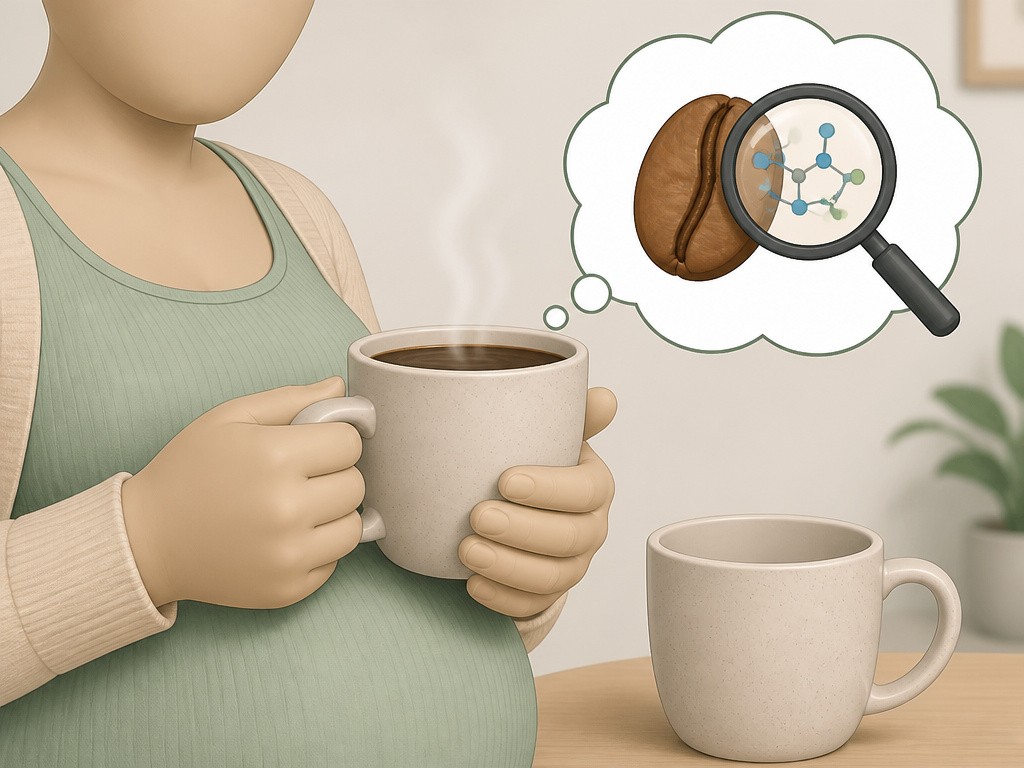
Coffee is a complex soup of hundreds of compounds. Caffeine is just the most famous one. Research, including a 2016 study, found an association between drinking more than four cups of any coffee (caffeinated or decaf) before or during early pregnancy and increased miscarriage rates. This association wasn’t seen with other caffeinated drinks like tea or soda.
That points to something else in the coffee bean.
One candidate is how coffee affects hormones like pregnanediol-3-glucuronide (PdG). This hormone is essential for maintaining early pregnancy. One study noted that women with the highest coffee consumption had 32% lower early pregnancy levels of PdG. The mechanism isn’t fully mapped, but it’s a signal that the bean itself has biological activity.
This is the non-caffeine argument for moderation. Your one or two cups of decaf are almost certainly fine. The research suggesting caution kicks in at higher volumes, the “pot-a-day” habit, even with decaf.
| Intake Level | Caffeine Risk | Non-Caffeine Compound Risk | Practical Guidance |
|---|---|---|---|
| 1-2 cups decaf | Negligible (≤30 mg) | Very low, likely insignificant | Considered safe; opt for water-processed. |
| 3-4 cups decaf | Low (≤60 mg) | Unknown, possible increased exposure | Upper limit of reasonable consumption. |
| 4+ cups decaf | Moderate (≤60+ mg) | Higher, based on observational data | Not recommended; diversify with low-caffeine hot drinks. |
The takeaway isn’t fear. It’s precision. “Moderation” for decaf during pregnancy isn’t a vague suggestion, it’s a cap of roughly four cups, with a strong recommendation to stay at one or two.
Choosing the Safest Decaf Coffee
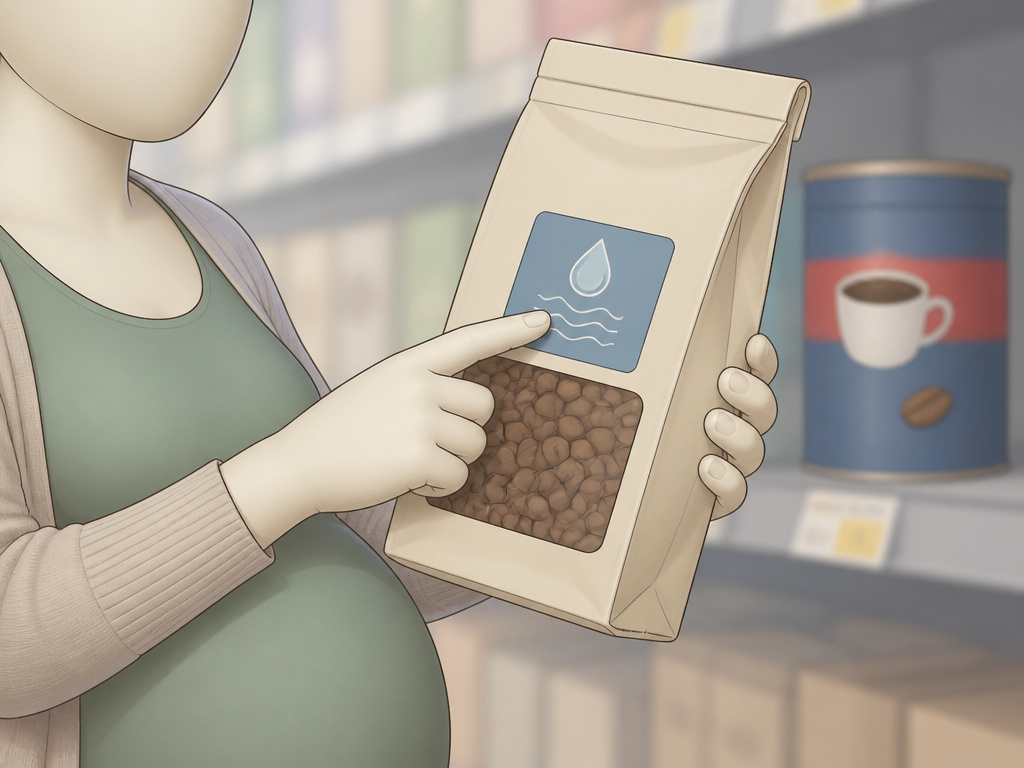
Read the bag. The label tells you everything.
First, look for the decaffeination method. “Swiss Water Process” or “CO2 Process” are your guarantees of a solvent-free bean. Some brands simply say “water decaffeinated.” If the bag doesn’t specify, it was likely decaffeinated with chemical solvents. There’s no requirement to label the method.
Second, consider the roast. The decaffeination process can make beans more porous and brittle. A skilled roaster accounts for this. Medium roasts often fare better than very dark or very light roasts, which can taste baked or grassy if the roaster isn’t experienced with decaf beans.
Third, buy from reputable roasters who roast to order. Decaf beans can stale faster due to their altered structure. Freshness matters even more here.
Common mistake: Grabbing the cheapest, largest can of decaf from the grocery store shelf. That product is often older, solvent-processed, and roasted with a heavy hand to mask flavor loss. You’re buying the worst of all worlds.
Your goal is a delicious cup you enjoy, not a medicinal chore. A good decaf should taste like coffee, just without the buzz. Exploring the flavor profiles of black tea or learning about cold brew tea methods are excellent ways to build a palette of satisfying, pregnancy-safe beverages.
What About After Pregnancy?
The questions shift to caffeine while breastfeeding. Caffeine does pass into breast milk, but generally at levels below 1% of the maternal dose. Most sources agree that moderate intake (again, under 200-300 mg) is acceptable for most nursing infants. Timing matters, feeding your baby right before your coffee gives the caffeine time to peak and decline in your system before the next feed.
Some babies, especially newborns or preemies, are more sensitive. Watch for signs of fussiness, jitteriness, or poor sleep. If you see a pattern, cutting back or switching to decaf is a straightforward solution. The same high-quality, water-processed decaf you drank during pregnancy remains a great option.
This is also a good time to audit your overall caffeine habits. The transition to parenthood runs on sleep deprivation, making the lure of stimulants strong. Understanding the caffeine content in soda or the health impacts of energy drinks can help you make better choices than reaching for a double-shot or a sugar-free rocket fuel can.
Frequently Asked Questions
Is decaf coffee 100% caffeine-free?
No. No commercial process removes 100% of the caffeine. The FDA states decaf coffee retains 2-15 milligrams of caffeine per 8-ounce cup. It’s a significant reduction, but not total elimination.
Are the chemicals used in decaf coffee safe during pregnancy?
Solvents like methylene chloride are regulated by the FDA, with strict limits on residual amounts (10 parts per million). At these trace levels, major health agencies deem the risk negligible. However, if you prefer to avoid them entirely, choose decaf labeled Swiss Water Process or CO2 Process, which use only water and carbon dioxide.
How many cups of decaf coffee can I have per day when pregnant?
Aim for one to two 8-ounce cups. This keeps your incidental caffeine intake very low and aligns with research suggesting high volumes of coffee (over 4 cups daily), regardless of caffeine, may be linked to increased risks. Moderation is key.
Does decaf coffee affect breast milk?
Decaf coffee has minimal caffeine, so its direct effect on breast milk is negligible. The primary concern while nursing is total caffeine intake from all sources, which should generally stay under 200-300 mg per day. Always observe your baby for signs of sensitivity.
What are good alternatives to decaf coffee during pregnancy?
Herbal teas (check for pregnancy-safe ingredients like ginger or peppermint), roasted grain beverages (like barley or chicory “coffee”), hot water with lemon, and low-caffeine hot drinks like certain hot chocolates are excellent options. Exploring the acidity in tea can also help you find a gentle, satisfying alternative.
The Bottom Line
You can have your decaf. The official guidelines support it, and the caffeine math is reassuring. Have your one or two cups.
Pay attention to the bag. Choosing a water-processed decaf removes the chemical solvent question entirely. It’s a simple upgrade for peace of mind.
Remember that coffee is more than its caffeine. The research on other compounds is why “moderation” isn’t an empty word, it’s a specific recommendation to keep your cups counted. Diversify your drinks with tea or other alternatives. It’s about balancing enjoyment with the incredible task of growing a human. That’s a ritual worth savoring.
{
“@context”: “https://schema.org”,
“@type”: “HowTo”,
“name”: “How to Safely Include Decaf Coffee During Pregnancy”,
“totalTime”: “PT5M”,
“tool”: [
{
“@type”: “HowToTool”,
“name”: “Swiss Water Process or CO2 decaf coffee”
},
{
“@type”: “HowToTool”,
“name”: “Standard coffee brewing equipment”
}
],
“step”: [
{
“@type”: “HowToStep”,
“name”: “Check the decaffeination method”,
“text”: “Look for bags labeled ‘Swiss Water Process’, ‘CO2 Process’, or ‘water processed’ to avoid chemical solvents like methylene chloride.”
},
{
“@type”: “HowToStep”,
“name”: “Measure your serving”,
“text”: “Brew a standard 8-ounce cup. Do not assume a large 16-ounce travel mug counts as one serving.”
},
{
“@type”: “HowToStep”,
“name”: “Track your total intake”,
“text”: “Limit yourself to one, maximum two, 8-ounce cups of decaf coffee per day to stay well under the 200 mg caffeine limit and avoid other coffee compounds.”
},
{
“@type”: “HowToStep”,
“name”: “Space it out”,
“text”: “Avoid drinking multiple cups back-to-back. Spread your consumption throughout the day to minimize any potential impact.”
}
]
}
{
“@context”: “https://schema.org”,
“@type”: “FAQPage”,
“mainEntity”: [
{
“@type”: “Question”,
“name”: “Is decaf coffee 100% caffeine-free?”,
“acceptedAnswer”: {
“@type”: “Answer”,
“text”: “No. No commercial process removes 100% of the caffeine. The FDA states decaf coffee retains 2-15 milligrams of caffeine per 8-ounce cup. It’s a significant reduction, but not total elimination.”
}
},
{
“@type”: “Question”,
“name”: “Are the chemicals used in decaf coffee safe during pregnancy?”,
“acceptedAnswer”: {
“@type”: “Answer”,
“text”: “Solvents like methylene chloride are regulated by the FDA, with strict limits on residual amounts (10 parts per million). At these trace levels, major health agencies deem the risk negligible. However, if you prefer to avoid them entirely, choose decaf labeled Swiss Water Process or CO2 Process, which use only water and carbon dioxide.”
}
},
{
“@type”: “Question”,
“name”: “How many cups of decaf coffee can I have per day when pregnant?”,
“acceptedAnswer”: {
“@type”: “Answer”,
“text”: “Aim for one to two 8-ounce cups. This keeps your incidental caffeine intake very low and aligns with research suggesting high volumes of coffee (over 4 cups daily), regardless of caffeine, may be linked to increased risks. Moderation is key.”
}
},
{
“@type”: “Question”,
“name”: “Does decaf coffee affect breast milk?”,
“acceptedAnswer”: {
“@type”: “Answer”,
“text”: “Decaf coffee has minimal caffeine, so its direct effect on breast milk is negligible. The primary concern while nursing is total caffeine intake from all sources, which should generally stay under 200-300 mg per day. Always observe your baby for signs of sensitivity.”
}
},
{
“@type”: “Question”,
“name”: “What are good alternatives to decaf coffee during pregnancy?”,
“acceptedAnswer”: {
“@type”: “Answer”,
“text”: “Herbal teas (check for pregnancy-safe ingredients like ginger or peppermint), roasted grain beverages (like barley or chicory “coffee”), hot water with lemon, and low-caffeine hot drinks like certain hot chocolates are excellent options. Exploring the acidity in tea can also help you find a gentle, satisfying alternative.”
}
}
]
}
