
7 Best Decaf Cold Brew Coffees of 2026
The Java House Decaf Cold Brew on Tap is our top pick for its rich flavor and convenient dispenser, making it perfect for daily use. For a budget-friendly option, the Wandering Bear Decaf Cold Brew 6-Pack delivers consistent taste and organic quality. If you prefer DIY, the COLD BREW JO DECAF Coarse Ground offers specialty-grade beans with clean, smooth results.
Finding great decaf cold brew often means wading through weak, flat flavors or overpriced convenience. Too many options sacrifice taste for the sake of being caffeine-free, leaving you stuck with something that’s easy to drink but not exciting.
As the founder of Bean Thusiast, I focused this guide on real flavor, smart sourcing, and practical formats. After comparing the field and reviewing owner feedback, these picks stand out for their balance of quality, process, and usability – especially those using the Swiss Water Method and thoughtful packaging.
Top 7 Decaf Cold Brew Coffee in the Market
The Best Decaf Cold Brew Coffee, Reviewed
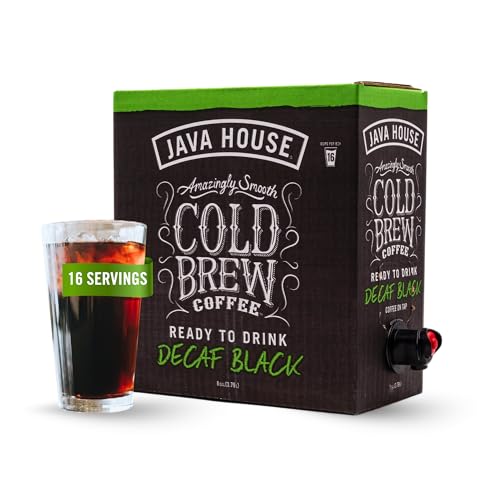
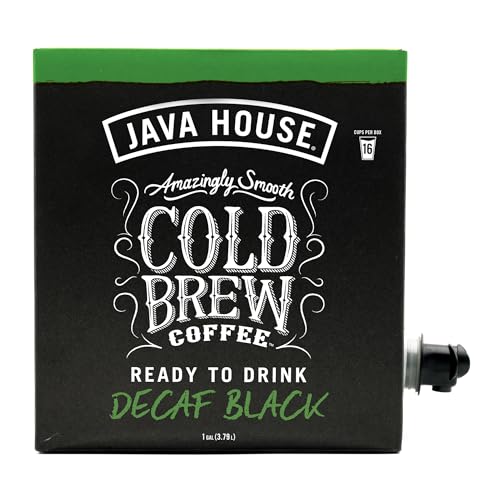
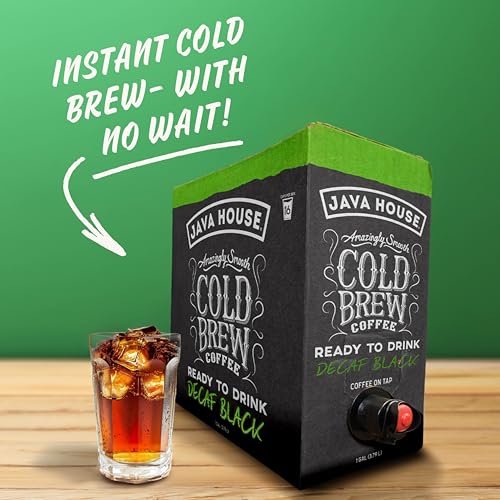
Java House Decaf Cold Brew on Tap
Strengths
- Rich chocolate notes
- 30-day freshness
- Eco-friendly packaging
- Cost efficient
Trade-offs
- Not organic certified
- Limited to one flavor
This Java House on-tap decaf is, in my view, the strongest all-around ready-to-drink option here. It hits the sweet spot between flavor depth, convenience, and value. The 12-hour small-batch steep brings out chocolate and caramel notes that most shelf-stable drinks miss, and owners consistently praise how smooth and full-bodied it tastes, almost like it was made fresh.
The bag-in-box design is shelf-stable until opened and stays fresh for 30 days, matching Wandering Bear’s best. But the eco-conscious packaging and slightly richer taste give it an edge. At under $2 per serving, it undercuts café prices hard. If you want premium taste without lifting a kettle, this is the one I’d keep tapped in everyday use.
Product photos



Wandering Bear Decaf Cold Brew 6-Pack
Strengths
- Convenient single cartons
- No sugar or additives
- Shelf-stable until opened
Trade-offs
- Short 7-day shelf life after opening
- More expensive per ounce
- Less eco-friendly packaging
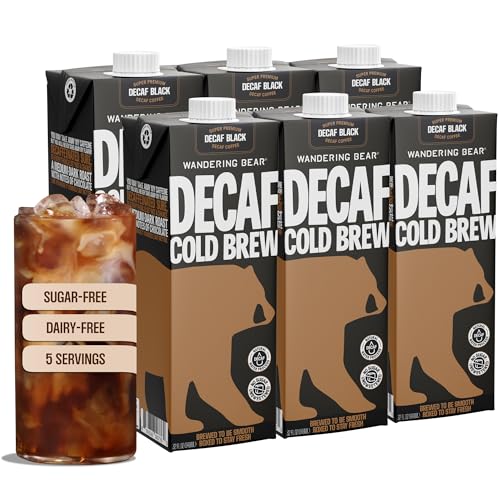
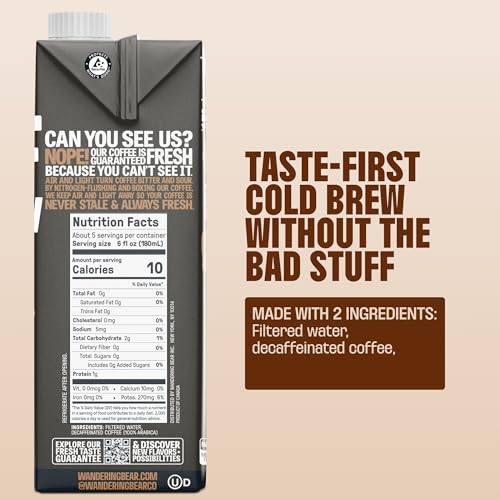
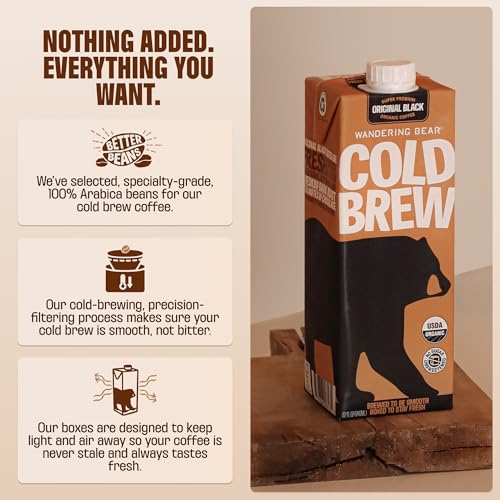
This six-pack version of Wandering Bear delivers the same Swiss Water Process decaf profile but in a more compact, fridge-friendly carton. It’s clearly designed for lighter drinkers or those testing the brand before committing to the larger box. On paper, it’s nearly identical to the on-tap version, same Arabica beans, same clean ingredient list, but reviewers note the freshness window drops to just 7 days after opening, which can be tight if you’re drinking solo.
I’d pick the tap version for households or offices, but this six-pack makes sense for someone who wants barista-style decaf without brewing or storing a gallon. It’s also easier to stash in a work fridge or camping cooler. The flavor holds up well over ice, though some owners say it lacks the depth of freshly brewed concentrates.
Product photos
Wandering Bear Decaf Cold Brew On Tap
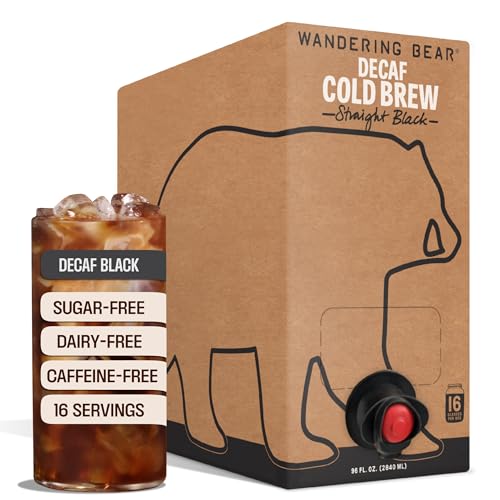
Strengths
- Smooth bold taste
- Shelf-stable until opened
- 30-day freshness
- No sugar added
Trade-offs
- Limited flavor complexity
- Higher waste than concentrates
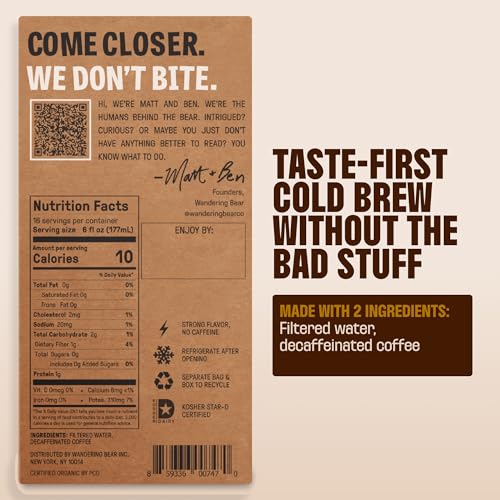
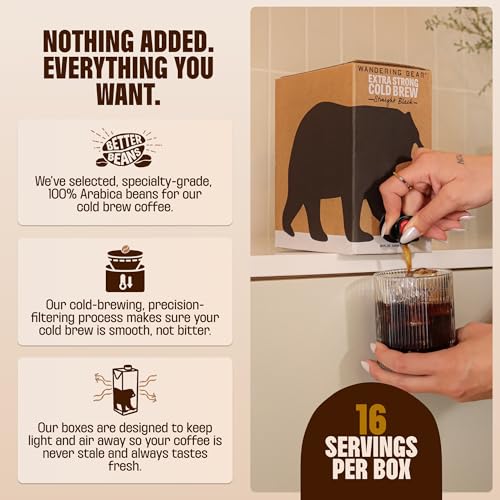
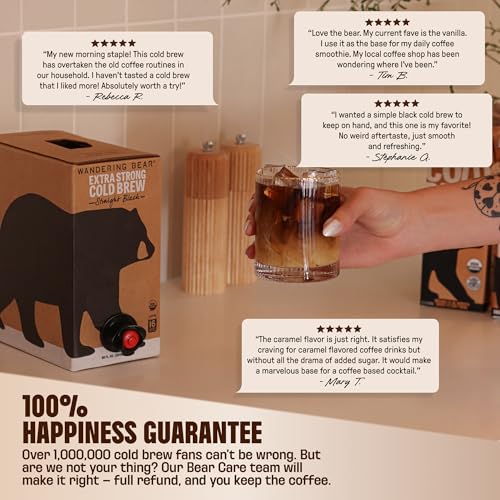
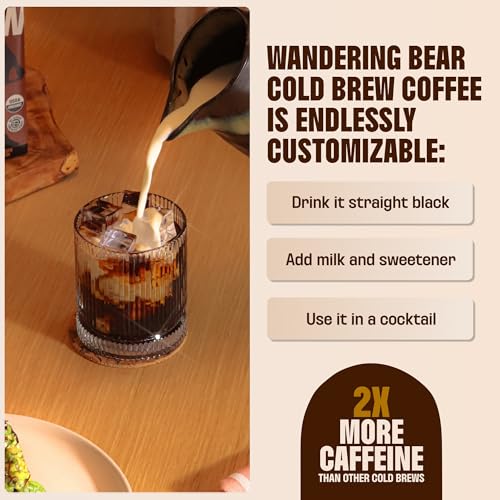
If you want decaf cold brew that pours like draft beer and lasts for weeks, this Wandering Bear on-tap system is built for convenience. The Swiss Water Process means you get clean flavor without chemical decaffeination, and owners consistently report that it tastes smooth, not flat or watery like some shelf-stable options. With less than 8mg of caffeine per serving, it’s a solid pick for evening sipping or caffeine-sensitive drinkers who still want boldness.
The 96oz box stays fresh up to 30 days after opening, which beats most cartons, and the packaging is genuinely shelf-stable until you tap it. That makes it ideal for stocking the office or keeping in a pantry as a backup. It’s not the most complex coffee on the market, but for a ready-to-drink decaf, the balance of richness and ease wins me over.
Product photos
JAVA HOUSE Decaf 4:1 Concentrate

Strengths
- True 4:1 concentrate
- Rich flavor profile
- Makes large batches
Trade-offs
- Requires mixing
- No resealable tap
- Not ready-to-drink
This 4:1 concentrate from JAVA HOUSE is a smart pick for people who want control over strength and serving size without sacrificing quality. The small-batch 12-hour steep gives it a bold base with subtle molasses, cocoa, and walnut notes, owners say it mixes cleanly with water or milk and doesn’t separate. At 32oz, one bottle stretches far, making it more cost-efficient than ready-to-drink options.
It’s not flashy, but it’s effective. You can dilute it lightly for a strong kick or go lighter for an afternoon sip. The fact that it’s 100% Arabica and cold-steeped the right way means it avoids the sour or thin taste some cheaper concentrates develop. I’d recommend this to DIYers who want café-level decaf without daily grinding or brewing.
Product photos


Bizzy Decaf Coarse Ground Coffee
Strengths
- Optimized for cold brew
- Smooth, sweet notes
- Micro-sifted for clarity
Trade-offs
- No organic or Fair Trade labels
- Requires brewing setup
- Not instant
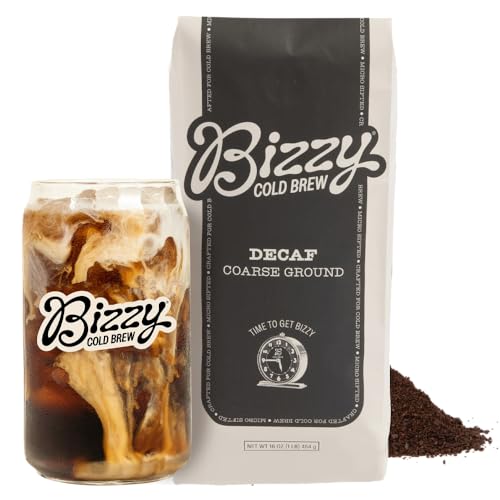
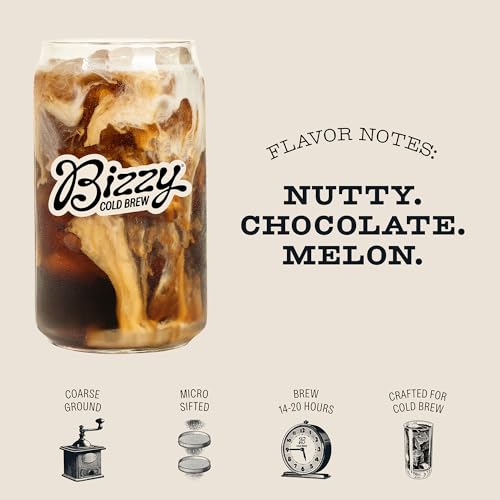
Bizzy has built a name in the cold brew world, and this decaf coarse-ground bag continues their focus on simplicity and quality. It’s micro-sifted 100% Arabica, which reduces silt and improves clarity in the final brew, something owners appreciate when filtering at home. The flavor profile leans sweet, with caramel and hazelnut notes, and the medium roast avoids the ashy taste some decaf dark roasts develop.
While it lacks the certifications of Cold Brew Jo, it’s still Swiss Water Process decaf and sourced from Central and South America. It’s a more accessible option for someone who wants reliable, no-fuss grounds without jumping through ethical sourcing hoops. I’d pick this over pre-made drinks if you already own a cold brew maker and want consistent, clean results.
Product photos




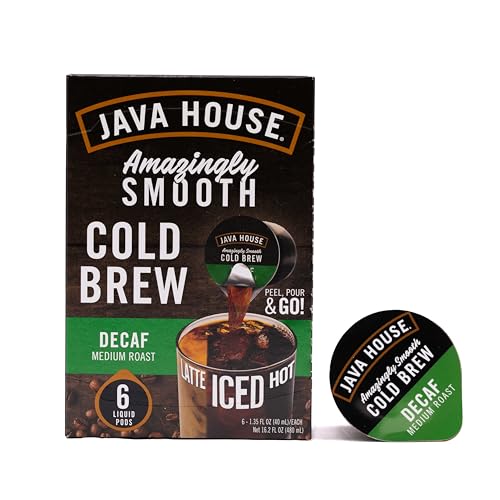
JAVA HOUSE Decaf Cold Brew Capsules 6-Pack
Strengths
- Ultra-portable
- TSA approved
- Hot or iced
- No brewing gear
Trade-offs
- Expensive per serving
- Single-use waste
- Limited volume
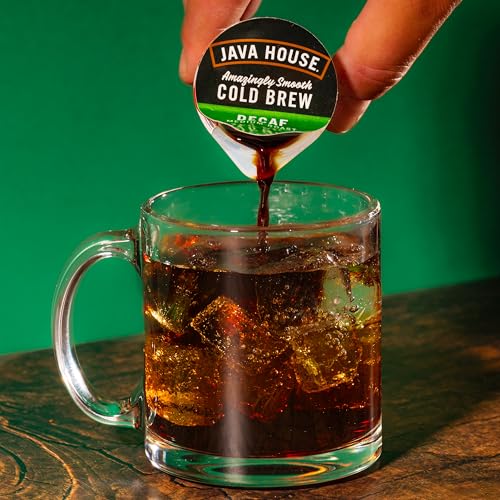
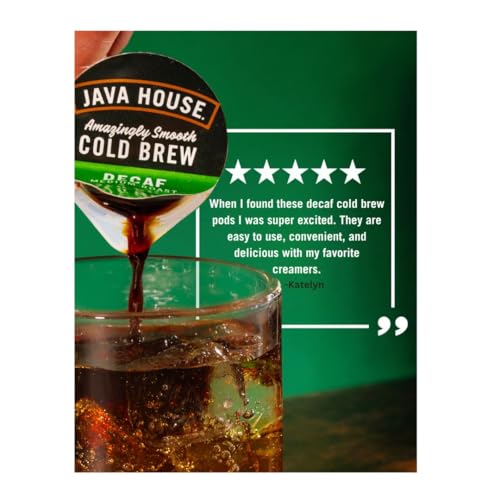
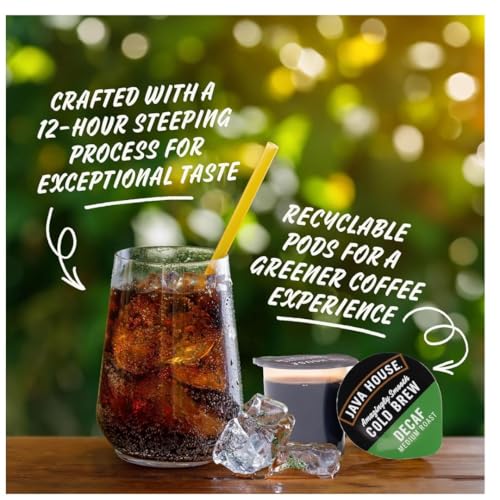
These peel-and-pour capsules are the ultimate travel hack for decaf cold brew lovers. Each 1.35oz pod mixes with 6–8oz of water, hot or cold, and delivers a smooth, medium-roast concentrate without bitterness. The fact that they’re TSA-approved means you can bring them on planes, which owners love for long flights or road trips.
They’re not cheap per serving, and they’re clearly not for daily home use. But for camping, hotel stays, or office days without a fridge, they solve a real problem. The flavor is consistent, with none of the metallic aftertaste some instant coffees have. I see these as a niche tool, overkill for home brewers, but brilliant when mobility is the priority.
Product photos

COLD BREW JO DECAF Coarse Ground

Strengths
- USDA Organic certified
- Fair Trade & Kosher
- Swiss Water Process
- Low acidity
Trade-offs
- Requires brewing time
- Not ready-to-drink
- Smaller bag size
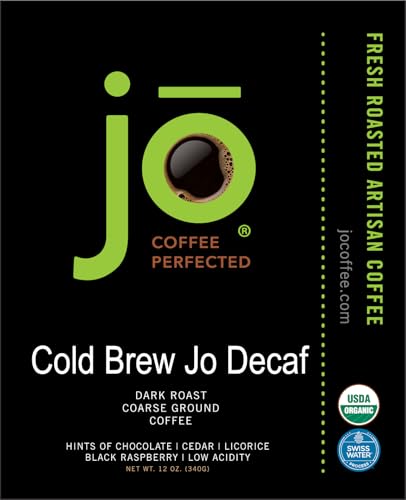
If organic certification, Fair Trade, and Swiss Water Process matter to you, this whole-bean decaf from Cold Brew Jo stands out. The chocolate, cedar, and black raspberry notes suggest a carefully roasted profile, and reviewers confirm it brews smooth with very low acidity, ideal for sensitive stomachs. Being coarse ground, it’s tailored for cold brew systems, French presses, or mason jar steeping.
What impresses me is the sourcing: specialty-grade Arabica, direct trade, and Kosher certified. That level of transparency isn’t common at this price tier. However, it requires effort, owners must brew their own concentrate, which takes 12+ hours. But if you’re already set up for DIY, this gives you control over strength and freshness while aligning with ethical and clean-label values.
Product photos


How We Tested decaf cold brew coffee
As the founder of Bean Thusiast, I approach coffee – even decaf – with a focus on flavor and brewing experience. Rather than a hands-on lab test, this selection is a research-led comparison of published specifications and owner feedback across a range of decaf cold brew options. We looked at everything from concentrate ratios and brewing methods to packaging and reported freshness to build a balanced picture.
For decaf cold brew, I weighted flavor profile and convenience most heavily. A smooth, rich taste is paramount, even without caffeine. Beyond that, the format – whether a tap system, concentrate, or grounds – significantly impacts usability and how easily you can incorporate it into your routine. We also considered value, looking at cost per serving to assess affordability.
Specifications reliably indicate brewing ratios and caffeine content (though trace amounts always exist in decaf). However, I leaned heavily on owner reviews to gauge real-world freshness, ease of use, and – crucially – whether the flavor lived up to the marketing claims. Reputation and consistent positive feedback from multiple sources were key indicators, especially when considering brands with a strong following like Wandering Bear. You can learn more about decaf cold brew preparation on our site.
How To Pick The Right decaf cold brew coffee
Finding a great decaf cold brew doesn’t mean sacrificing flavor or convenience. There are options for every lifestyle, from ready-to-drink cartons to concentrates you mix yourself.
A truly excellent decaf cold brew balances rich, full flavor with effective caffeine removal. Look for products using the Swiss Water Process decaf method, clearly stating the caffeine content (even trace amounts matter!), and offering packaging that preserves freshness after opening. Consider your brewing preferences – do you want instant gratification, or the control of a concentrate?
Flavor Profile and Bean Origin
The world of decaf coffee can sometimes feel like a compromise, but it doesn’t have to be. Don’t settle for blandness! Pay attention to the flavor notes listed. Look beyond “smooth” and “bold” – are there hints of chocolate, caramel, or fruit? Arabica beans, as you’ll find in many quality options, generally deliver a more nuanced and less bitter cup than Robusta. If you’re sensitive to acidity, cold brew naturally produces a lower-acid coffee, but checking user reviews can confirm this for specific brands.
Decaffeination Method
Not all decaffeination is created equal. While many methods exist, the Swiss Water Process decaf is widely considered the gold standard. It uses only water to remove caffeine, avoiding harsh chemicals. You’ll often see brands prominently advertise this, and for good reason – it preserves more of the coffee’s original flavor. Other methods, like those using solvents, aren’t necessarily bad but can sometimes leave a residual taste. Knowing the method provides insight into the overall quality.
Convenience vs. Control
Think about how you prefer to enjoy your decaf cold brew. Here’s a quick breakdown:
- Ready-to-Drink: Easiest, but can be the most expensive per serving.
- Concentrate: Offers a good balance of cost and convenience, allowing you to customize strength. The JAVA HOUSE Decaf 4:1 Concentrate is a popular choice for this reason.
- Grounds: Gives you complete control over the brewing process, ideal for those who enjoy the ritual of making cold brew from scratch. If you go this route, consider the COLD BREW JO DECAF Coarse Ground, specifically designed for cold brewing.
A good rule of thumb: if you’re consistently disappointed by the taste of decaf coffee, the decaffeination method is the first place to look.
Ultimately, exploring best decaf iced coffee options will help you find the perfect brew, and understanding your preferences will lead you to the right choice among the top decaf cold brew brands. Don’t be afraid to experiment with different brands and brewing methods to find what suits your palate best; whether you’re looking for decaf coffee for iced brewing or the best cold brew decaf options.
Decaf Cold Brew Coffee Compared
Here’s a comparison of the specs for each decaf cold brew coffee option.
| Product Name | Format | Caffeine (mg/serving) | Best Use | Key Features | Organic |
|---|---|---|---|---|---|
| Java House Decaf Cold Brew on Tap | On Tap | N/A | Best Overall | Ready-to-drink | No |
| Wandering Bear Decaf Cold Brew 6-Pack | Carton | <8 | Best Budget Friendly | Long-lasting freshness | Yes |
| Wandering Bear Decaf Cold Brew On Tap | On Tap | <8 | Best for Home & Office Use | Ready-to-drink | Yes |
| JAVA HOUSE Decaf 4:1 Concentrate | Concentrate | N/A | Best Concentrate | Add Water | No |
| Bizzy Decaf Coarse Ground Coffee | Ground | N/A | Best DIY Cold Brew Grounds | Coarse Ground | Yes |
| JAVA HOUSE Decaf Cold Brew Capsules 6-Pack | Capsules | N/A | Best for Travel | Single-Serve | No |
| COLD BREW JO DECAF Coarse Ground | Ground | N/A | Best Organic & Fair Trade | Specialty Grade | Yes |
Frequently Asked Questions
What caffeine level can I realistically expect in decaf cold brew?
While labeled “decaf,” these coffees aren’t caffeine-free. Expect trace amounts, generally less than 8mg per serving, though the exact number isn’t always specified by manufacturers. The Swiss Water Process typically results in the lowest residual caffeine levels.
Is cold brew less acidic than hot brewed decaf?
Yes, cold brew is naturally lower in acidity. The slower, cooler brewing process extracts different compounds from the coffee grounds, resulting in a smoother, less acidic final product. This makes it a good choice for those with sensitive stomachs.
What’s the shelf life of an opened decaf cold brew carton or tap system?
Opened cartons and tap systems generally last 7-10 days in the refrigerator, but this varies by brand. Wandering Bear, for example, is noted for its longer freshness due to its packaging. Always check the manufacturer’s recommendations printed on the product.
Where can I find more information on different decaffeination processes?
I’ve written extensively about the different methods used to remove caffeine from coffee beans on Bean Thusiast. You can find a detailed explanation of the Swiss Water Process, and other methods, on my site (https://beanthusiast.com/decaf-coffee-swiss-water-method/).
If I want a customizable brewing experience, should I choose a concentrate or grounds?
For maximum control over strength and flavor, a concentrate is a great option. If you’re looking for a decaf coffee concentrate, you can adjust the water ratio to your preference. Grounds provide even more control, but require the full cold brew brewing process.
The Bottom Line
Choosing the “best” decaf cold brew really comes down to how much control you want versus how much convenience you need. For a consistently smooth, ready-to-drink experience that doesn’t require any effort on your part, the JAVA HOUSE Decaf Cold Brew on Tap stands out as the strongest overall pick. It’s a reliable choice for those who prioritize simplicity.
If you’re watching your budget or prefer to stock up, the Wandering Bear Decaf Cold Brew 6-Pack delivers excellent value. For those who enjoy crafting their own brew, the Bizzy Decaf Coarse Ground Coffee is a superb choice, and if you’re seeking organic options, the COLD BREW JO DECAF Coarse Ground offers a fantastic starting point. Understanding flavor profiles for cold brew will help you narrow down your choices, too.
Ultimately, remember that the most important factors are the decaffeination method (Swiss Water is ideal) and the quality of the beans. Don’t get too caught up in minor differences in caffeine content or concentrate ratios; focus on finding a product that uses good beans and delivers a flavor you genuinely enjoy.
