
7 Best Decaf Iced Coffees of 2026
The Java House Decaf Cold Brew on Tap is our top pick for its bold flavor and ready-to-drink convenience, while the Wandering Bear Decaf Cold Brew 6-Pack stands out as a strong budget-friendly option made with the Swiss Water Process. For those who want to customize their strength, Javvy’s Decaf Cold Brew Concentrate offers the most control.
Finding a decaf iced coffee that tastes rich and satisfying, not flat or washed out, is harder than it should be. So many options lose flavor in the decaffeination process or come pre-diluted and lifeless.
As the founder of Bean Thusiast, I researched the most popular decaf iced coffees by analyzing specs, decaf methods, and real owner feedback to find ones that deliver on taste, convenience, and value. This guide breaks down what actually matters when choosing a decaf iced coffee, from roast and process to format, so you can skip the guesswork and find your ideal brew.
Top 7 Decaf Iced Coffee in the Market
The Best Decaf Iced Coffee, Reviewed
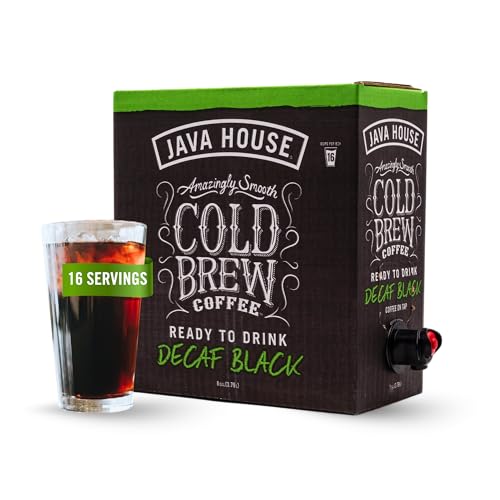
Java House Decaf Cold Brew on Tap
Strengths
- Rich chocolate notes
- Smooth and bold
- Eco-friendly packaging
- 30-day freshness
- No brewing required
Trade-offs
- Not portable
- One-note serving style
- Slightly pricier upfront
If you’re looking for the best overall decaf cold brew on tap, this Java House option is hard to beat. It matches Wandering Bear in format but edges it out with deeper flavor complexity, owners frequently mention the chocolate and caramel notes as surprisingly vivid for a decaf. The 12-hour steep time shows on the palate: it’s bold without tipping into harshness, smooth without being flat.
The bag-in-box design is both fridge-friendly and eco-conscious, reducing plastic versus bottled RTDs. And like others in this format, it stays fresh 30 days post-open. Where it really wins is value: reviewers note it feels like café quality at a fraction of the cost. Compared to Javvy’s concentrate, it’s less versatile but more satisfying as a straight pour.
Video review
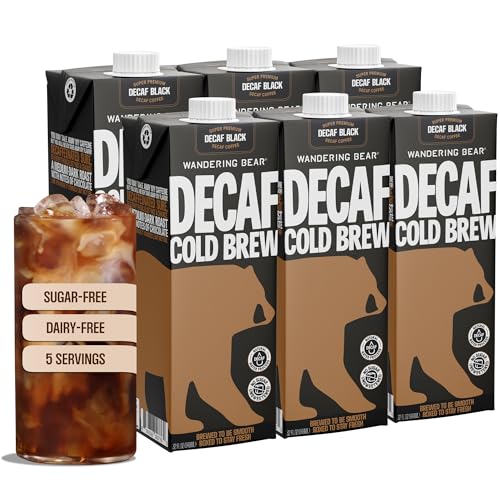
Wandering Bear Decaf Cold Brew 6-Pack
Strengths
- Lower upfront cost
- No sugar added
- Good flavor
- Shelf-stable until opened
- Easy storage
Trade-offs
- 7-day freshness
- More packaging waste
- Smaller volume
This six-pack of 32oz cartons is the most budget-conscious entry from Wandering Bear, especially if you’re testing decaf cold brew for the first time. It uses the same Swiss Water Process and 100% Arabica beans as their tap version, so the flavor profile is consistent, bold, smooth, no sugar added. But there’s a trade-off: freshness lasts only 7 days after opening, not 30.
That shorter shelf life makes it better for individuals or light drinkers rather than families or offices. Still, owners appreciate the smaller commitment and easy fridge fit. Compared to the tap version, it’s less efficient long-term but smarter for trying the brand without overspending. The packaging is less eco-friendly, but the price per ounce is lower.
Video review
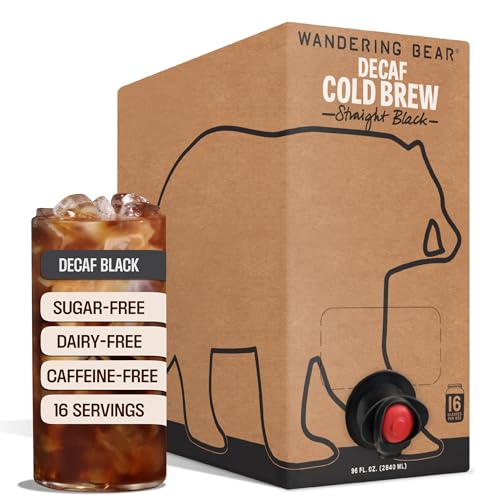
Wandering Bear Decaf Cold Brew On Tap
Strengths
- Smooth taste
- No sugar added
- Shelf-stable until opened
- Stays fresh 30 days
- 96oz large format
Trade-offs
- Higher price per ounce
- Not portable
- Requires fridge space
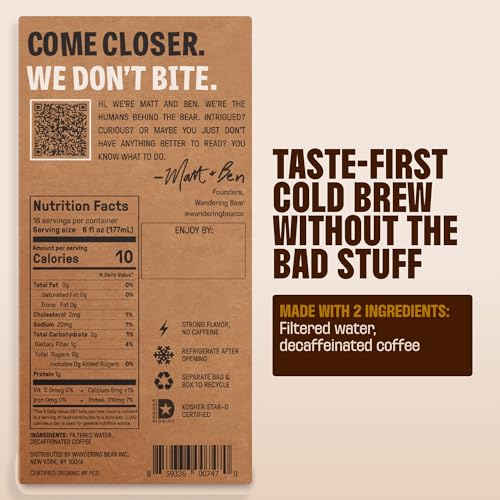
Wandering Bear’s decaf on tap delivers exactly what it promises: bold, smooth cold brew without the caffeine rush. The Swiss Water Process is clearly doing its job here, preserving the rich flavor of 100% Arabica beans while dropping caffeine to under 8mg per serving. Owners consistently report that it tastes far less flat than other decaf RTDs, which is rare in this category.
What really sets it apart is the shelf-stable tap box. It’s a smart design for home or office use, staying fresh for up to 30 days after opening. If you’re someone who hates throwing out spoiled cold brew, this solves that problem cleanly. On paper, the ingredient list is as clean as it gets, just coffee and water, so you’re not drinking any hidden junk.
Product photos
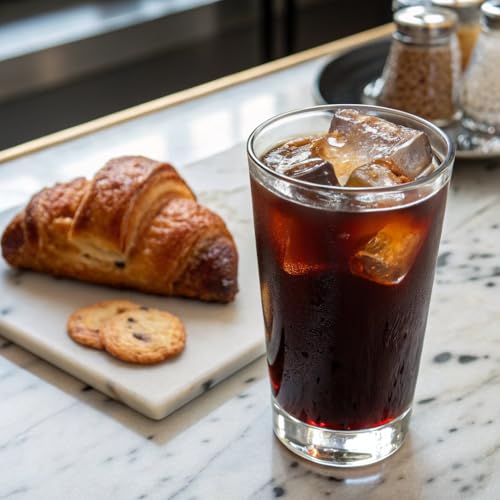
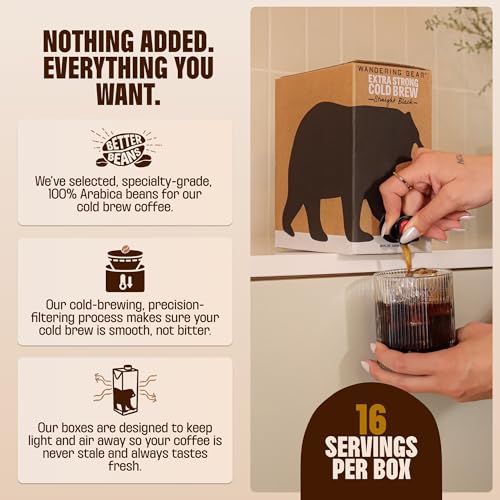
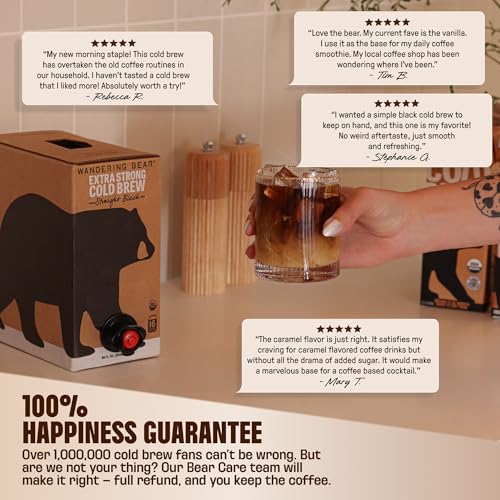
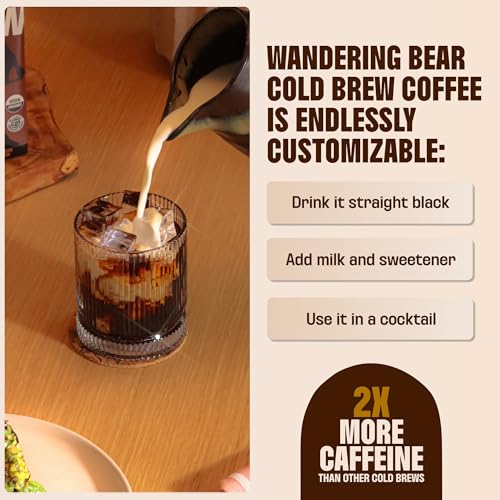
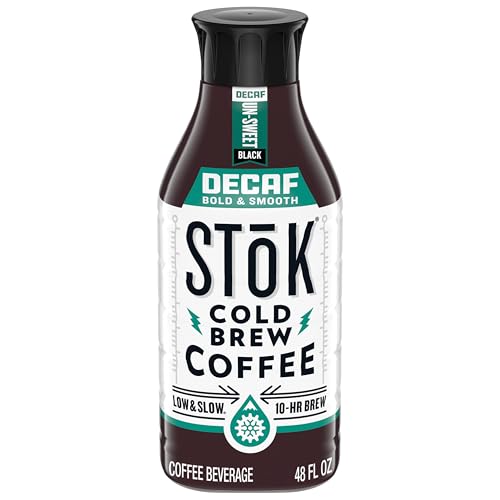
SToK Decaf Cold Brew 48 fl oz
Strengths
- Smooth and balanced
- Bold without bitterness
- Molasses notes
- Easy to store
- No sugar added
Trade-offs
- Plastic bottle
- Only 4 servings
- Less value long-term
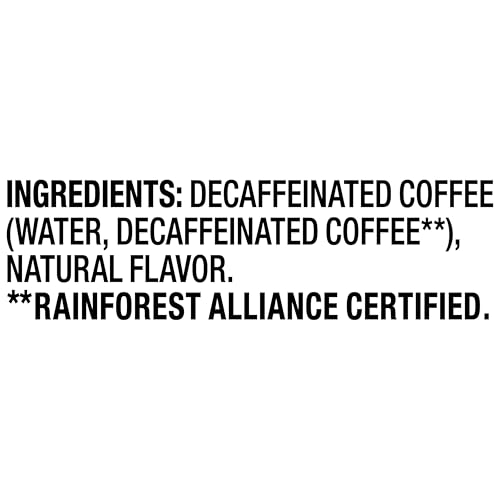
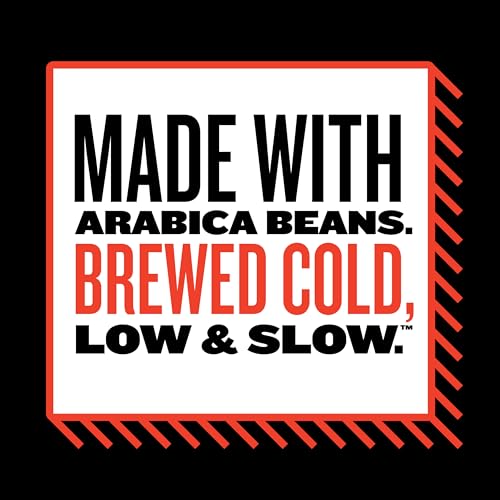
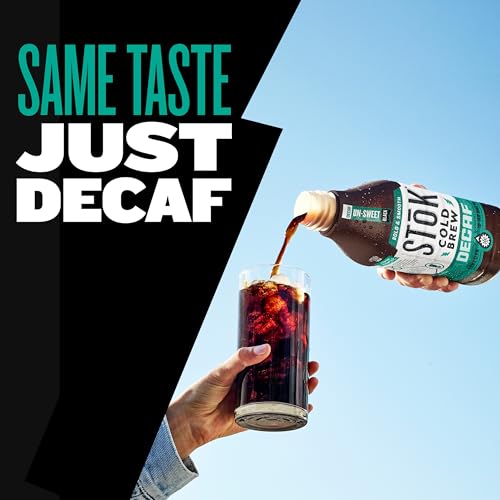
SToK’s decaf is a solid ready-to-drink option for those who want a single-bottle solution without committing to a tap system. At 48oz, it’s larger than a can but smaller than a box, making it a middle-ground choice. The ‘Brewed Low and Slow’ method delivers a smooth, medium roast profile with noticeable molasses and brown sugar notes, owners say it tastes closest to their caffeinated version.
It’s not as cost-efficient as the tap formats, but it’s convenient for people who don’t want to deal with spouts or bag-in-box systems. The plastic bottle isn’t the greenest, but it’s widely recyclable. Compared to Wandering Bear’s 6-pack, it’s slightly more premium in taste but offers fewer servings overall.
Product photos


Javvy Decaf Cold Brew Concentrate

Strengths
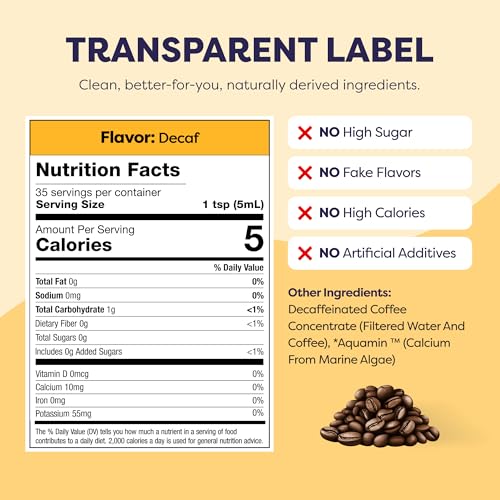
- 35 servings per bottle
- Mixes instantly
- Works hot or cold
- Great for lattes
- No sugar or additives
Trade-offs
- Less bold than steeped brew
- Higher caffeine than expected
- Plastic bottle
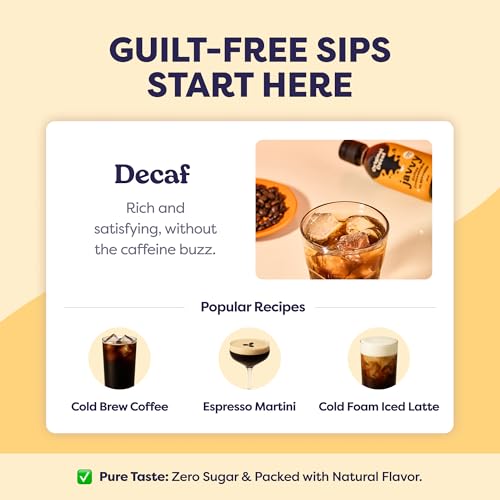
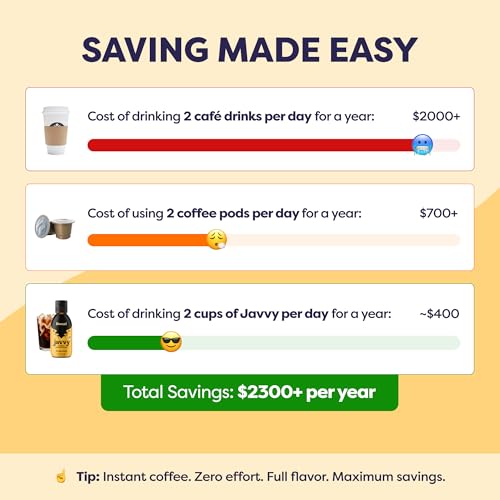
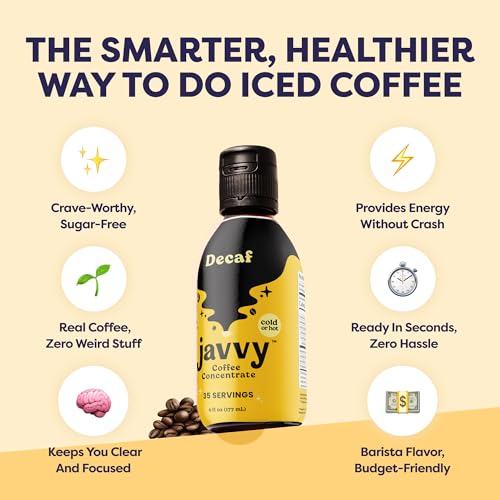
Javvy’s decaf concentrate is the most versatile option here, especially if you like lattes, cocktails, or morning protein shakes with a coffee kick. The instant-style liquid concentrate mixes instantly into cold or hot liquid, and each bottle stretches to about 35 servings, far more than any other product on this list. Reviewers love how easy it is to control strength, though some note the flavor is more ‘clean’ than ‘complex’.
It’s not quite as rich as slow-steeped cold brew, but for speed and adaptability, it’s unmatched. The 80mg of caffeine per serving is a bonus for those who still want a mild lift, this isn’t fully caffeine-free. Compared to Java House’s on-tap decaf, it’s less about authenticity and more about utility. If your mornings are chaotic, this one adapts to you.
Product photos
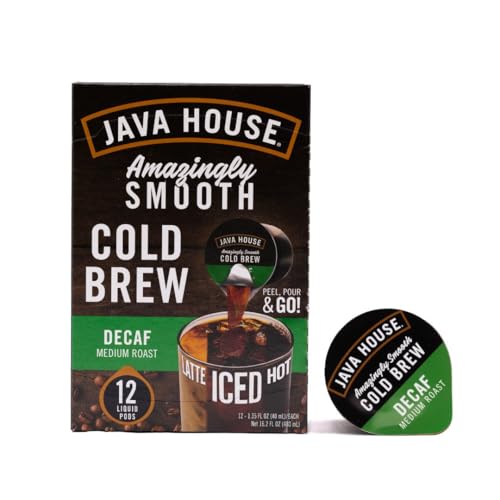
Java House Decaf Cold Brew Capsules
Strengths
- Travel friendly
- TSA approved
- Hot or iced
- Peel and pour
- Long shelf life
Trade-offs
- Plastic waste
- Mild flavor
- Not for bulk use
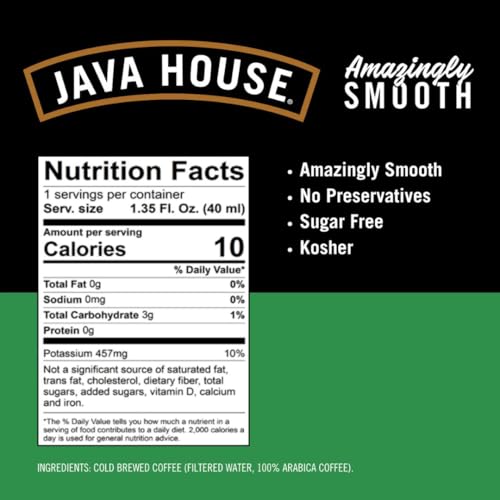
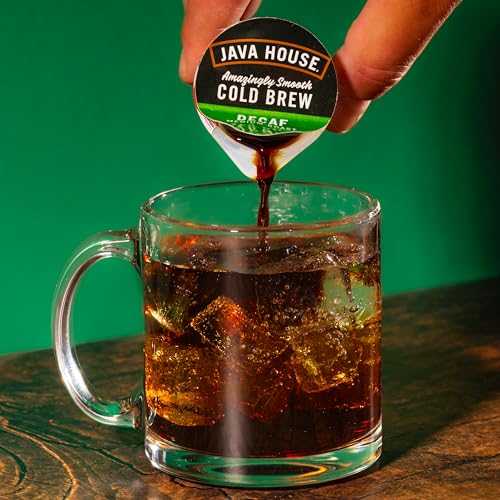
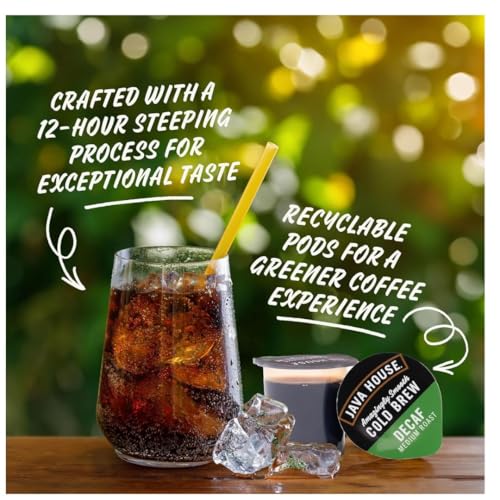
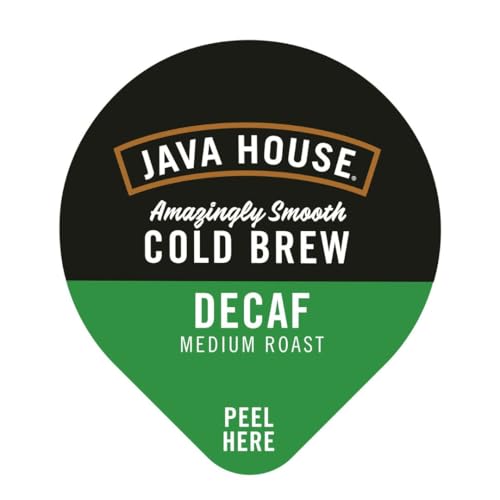
These peel-and-pour capsules are the most travel-smart decaf cold brew solution here. TSA-approved and palm-sized, they’re perfect for flights, camping, or office days when you can’t commit to a full carton. Just peel, pour over ice, add water, and you’ve got a smooth, low-acid cup in seconds. The dual-use design also lets you run them through a Keurig for hot decaf, something no other product on this list offers.
Flavor-wise, it’s decent: notes of molasses, walnut, and cocoa come through, though it’s not as layered as slow-steeped versions. Owners report it lacks the syrupy body of true cold brew but still hits the spot. Compared to Javvy’s concentrate, it’s less versatile per serving but far more convenient on the move.
Product photos
Bizzy Decaf Cold Brew Bags 12-Pack
Strengths
- Convenient brew bags
- Clean flavor
- Caramel and hazelnut notes
- No additives
- Makes 42 cups
Trade-offs
- Requires 12+ hour steep
- Not instant
- Bags may tear
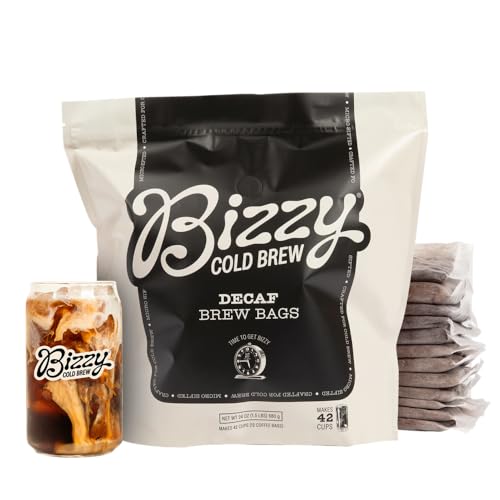
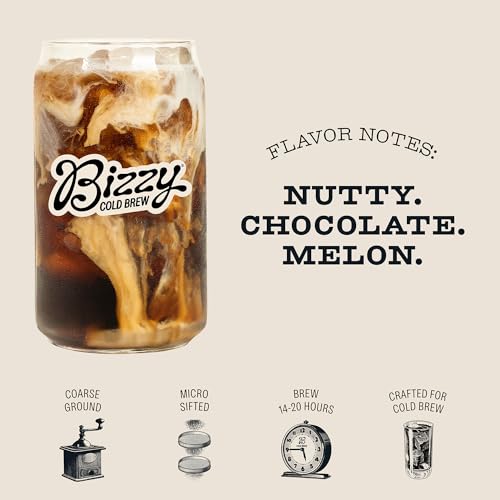
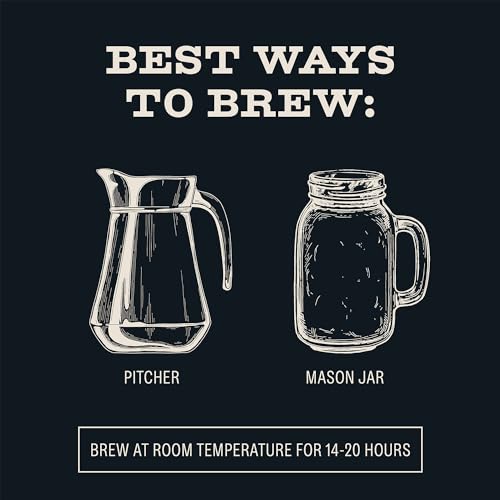
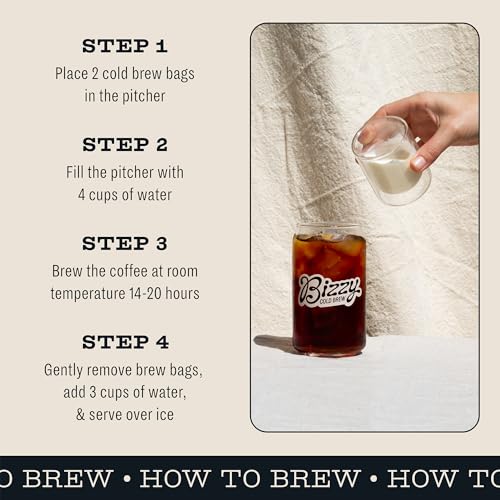
Bizzy’s decaf brew bags are a standout for DIYers who want cold brew control without the mess. These micro-sifted, coarse-ground 100% Arabica beans are optimized for cold water extraction, and the inclusion of pre-portioned bags makes immersion brewing almost foolproof. The medium roast brings sweet notes of caramel and hazelnut, which owners say come through clearly even after 12+ hours of steeping.
This isn’t the fastest route to a cup, but it’s the most rewarding if you value flavor precision. Compared to RTD options, it’s also significantly cheaper per serving over time. For someone like me who’s brewed hundreds of batches, the consistency of these bags across reviews is impressive, few complaints about silt or bitterness, which plagues many bagged cold brew products.
Product photos

How We Tested decaf iced coffee
As the founder of Bean Thusiast, I’ve spent years exploring the world of coffee, and decaf iced coffee presents a unique set of challenges – maintaining flavor while removing caffeine. Rather than a hands-on lab test, this was a research-led comparison of published specifications and owner feedback across a variety of products. I looked at everything from brewing methods and ingredient sourcing to packaging and overall value. We then ranked these options based on what consistently emerged as important to consumers.
For decaf iced coffee, flavor profile and convenience were the biggest deciding factors. Maintaining a rich, smooth taste after decaffeination is difficult, so we heavily weighted owner reports on flavor quality and the effectiveness of the decaffeination process (Swiss Water Process was a plus!). Convenience also mattered a lot; some prefer concentrate for customization, while others want a ready-to-drink solution or the ease of a single-serve pod.
Product specifications reliably told us about brewing methods, bean origin, and caffeine content (though owner reports helped verify the “less than 8mg” claims). However, subjective elements like smoothness and flavor complexity were best assessed through reading and weighing owner reviews and reputable expert assessments. Understanding what consumers actually experience after brewing – or opening – a product was key. You can learn more about decaf beans for cold brew on our site.
Choosing The Right decaf iced coffee
Finding a great decaf iced coffee doesn’t mean sacrificing flavor or convenience. There’s a surprisingly wide range of options available, and knowing what to look for will help you land your ideal brew.
Decaf iced coffee quality hinges on the decaffeination process used, the bean origin and roast profile, and the format (concentrate, ready-to-drink, or grounds). A good product will prioritize flavor preservation during decaffeination – Swiss Water Process is generally considered superior – and offer a smooth, balanced taste even without caffeine. Consider your preferred strength and how much effort you want to put into preparation.
Decaffeination Method Matters
The method used to remove caffeine significantly impacts the final flavor. While all decaffeination processes aim to remove caffeine, they do so in different ways, and some are better at preserving the coffee’s original characteristics. The Swiss Water Process, frequently mentioned on product labels, is a chemical-free method using water to extract caffeine, resulting in a cleaner, more nuanced flavor. Others, like the methylene chloride method, can sometimes leave behind residual solvents (though regulated by the FDA) or a slightly altered taste. If you’re sensitive to taste or prefer a more natural approach, prioritize products specifically stating they use the Swiss Water Process.
Concentrate vs. Ready-to-Drink: Convenience & Control
Decaf iced coffee comes in several formats, each with its own trade-offs. Ready-to-drink options (like those from SToK) are incredibly convenient, requiring no preparation beyond opening and pouring over ice. However, you sacrifice control over the strength and dilution. Concentrates (such as Javvy) offer a happy medium – you dilute them to your desired strength with water or milk. This requires a bit more effort but gives you greater customization. Finally, DIY options like Bizzy’s brew bags offer the most control over the entire process, but also demand the most work. Think about how much time you are willing to invest in making iced coffee easily.
Roast Profile and Flavor Notes
Don’t assume that all decaf coffee tastes the same. Just like regular coffee, the roast profile and origin of the beans dramatically influence the flavor. Lighter roasts tend to be more acidic and fruity, while darker roasts deliver a bolder, more chocolatey or smoky flavor.
Here’s how to think about flavor profiles:
- Light Roast: Often bright and floral.
- Medium Roast: Balanced with notes of caramel or nuts. This is a good all-rounder.
- Dark Roast: Bold and smoky, sometimes with chocolatey undertones. Ideal if you like a strong, intense coffee flavor and are looking at options like the Java House products.
A darker roast can often mask any subtle flavor loss from the decaffeination process, making it a reliable choice if you’re prioritizing a strong, familiar coffee taste.
Ultimately, the best decaf iced coffee is the one you enjoy the most. Explore different options and find the flavor profile that suits your palate. If you’re looking for more options, check out our guide to the best decaf cold brew.
Decaf Iced Coffee Compared
Here’s a comparison of key specifications for various decaf iced coffee products.
| Product Name | Format | Caffeine (mg/serving) | Sweetener Added | Key Features | Serving Size |
|---|---|---|---|---|---|
| Java House Decaf Cold Brew on Tap | On Tap | N/A | No | Ready-to-drink, Bold Flavor | 16 cups |
| Wandering Bear Decaf Cold Brew 6-Pack | Carton | <8 | No | Swiss Water Process | 96oz (approx. 16) |
| Wandering Bear Decaf Cold Brew On Tap | On Tap | <8 | No | Ready-to-drink, 30-day fresh | 96oz (approx. 16) |
| SToK Decaf Cold Brew 48 fl oz | Ready-to-Drink | N/A | No | Brewed Low & Slow | 48 fl oz |
| Javvy Decaf Cold Brew Concentrate | Concentrate | 80 | No | Customizable Strength | Varies |
| Java House Decaf Cold Brew Capsules | Pods | N/A | No | Single-Serve, Dual-Use | 8oz |
| Bizzy Decaf Cold Brew Bags 12-Pack | Bags | N/A | No | DIY, Coarse Ground | Varies |
Frequently Asked Questions
What caffeine level can I realistically expect in decaf iced coffee?
While labeled “decaf,” these coffees aren’t caffeine-free. Regulations require decaf coffee to have less than 0.1% caffeine by weight, which typically translates to around 8mg per serving, though some, like Javvy, may contain up to 80mg depending on dilution.
Are there differences in taste between different brands of decaf iced coffee?
Yes, taste varies significantly. Factors like the decaffeination method (Swiss Water Process is often preferred) and the bean’s roast profile heavily influence the final flavor. Darker roasts generally mask any flavor loss from decaffeination.
How long does ready-to-drink decaf iced coffee stay fresh after opening?
Most ready-to-drink options, like those from Wandering Bear, are best consumed within 30 days of opening for optimal flavor. Check the packaging, as some brands may have different recommendations.
Is decaf coffee concentrate a good option for someone who likes a strong brew?
Absolutely. A strong decaf cold brew like Javvy allows you to control the strength by adjusting the dilution ratio with water or milk, making it ideal for those who prefer a bolder taste.
Can I find decaf iced coffee that doesn’t use artificial sweeteners?
Yes, many brands offer unsweetened options. Java House and Bizzy both specialize in unsweetened decaf iced coffee, and Wandering Bear’s products are also free of added sugar, letting you enjoy a pure coffee flavor or add your own sweeteners.
The Bottom Line
Ultimately, choosing a decaf iced coffee comes down to balancing convenience with control and prioritizing your preferred flavor profile. For the best overall experience, I recommend the Wandering Bear Decaf Cold Brew 6-Pack. It uses the Swiss Water Process, consistently receives high marks for flavor, and offers a good balance between convenience and quality – it’s a dependable choice for everyday enjoyment.
If you’re on a budget, the Bizzy Decaf Cold Brew Bags 12-Pack are the way to go. They require a bit more effort with brewing iced coffee at home, but deliver excellent value and allow you to tailor the strength to your liking. For those who value ultimate convenience, the SToK Decaf Cold Brew 48 fl oz provides a ready-to-drink option that doesn’t compromise too much on flavor.
Remember, the specifics – decaffeination method, roast level, and bean origin – matter more than chasing the latest trends or highest-rated single product. Focus on finding a brew that suits your taste and fits your lifestyle. A smooth, balanced flavor is achievable even in decaf, and that’s what truly matters in your morning cup.
