
7 Best Coffee Protein Drinks of 2026
The Orgain Café Latte Protein Shake stands out as the best overall coffee protein drink, delivering 30 grams of plant-based protein with just 1 gram of sugar. For a budget-friendly option, the Premier Protein Café Latte Shake matches the protein punch at a lower price. If you want a stronger caffeine kick, the Slate Mocha Latte Protein Coffee offers a solid 175mg per serving.
Most coffee protein drinks either taste like chalky afterthoughts or sweetened coffee desserts masquerading as health products. As someone who’s spent years chasing great coffee and clean nutrition, I know how rare it is to find a drink that balances both.
This guide cuts through the noise by focusing on what actually matters: protein quality, sugar levels, caffeine content, and real-world taste feedback. We compared top brands using specs, owner reviews, and ingredient transparency to find the ones worth your time.
Top 7 Coffee Protein Drink in the Market
The Best Coffee Protein Drink, Reviewed
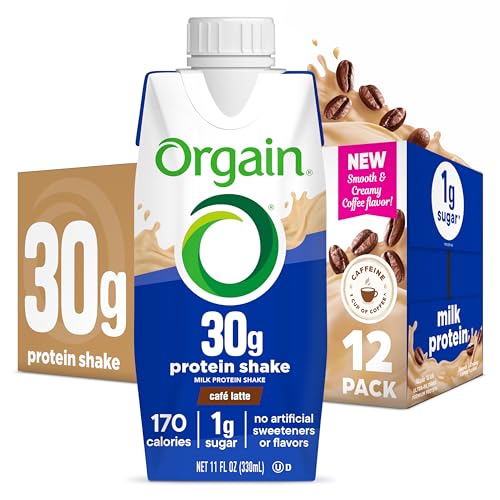
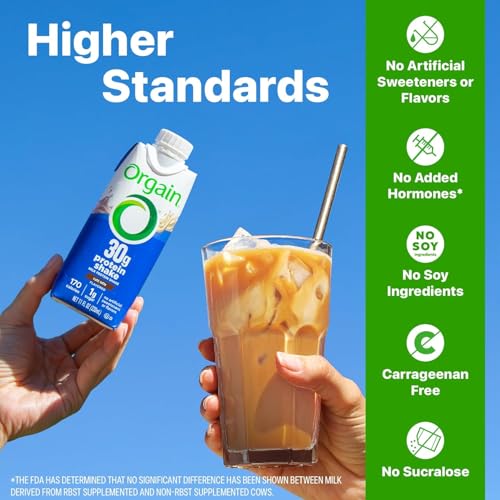
Orgain Café Latte Protein Shake
Strengths
- Clean ingredient profile
- 30g protein
- No artificial additives
Trade-offs
- Lower fiber than Atkins
- Not shelf stable
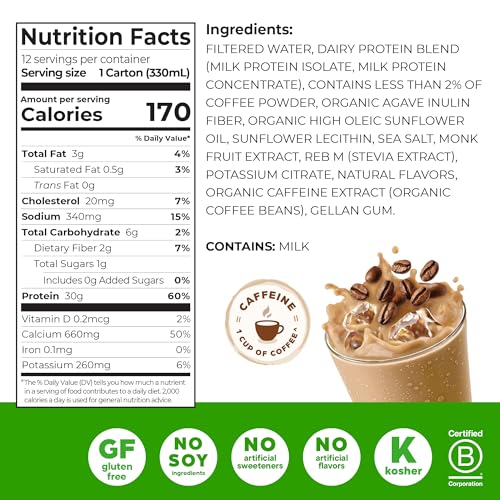
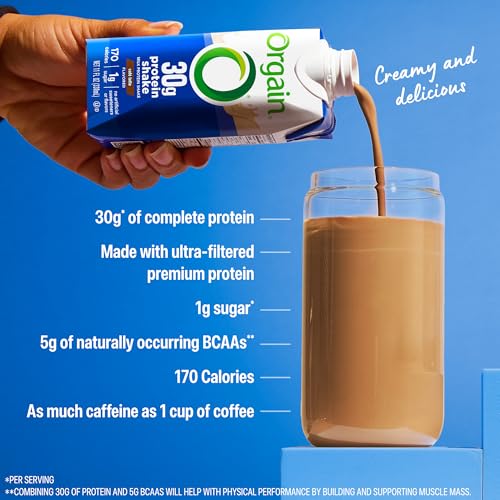
Orgain hits the sweet spot between clean ingredients and solid performance. With 30g of milk protein isolate, 5g of BCAAs, and 1g of sugar, it matches the protein leaders while standing out with its no artificial sweeteners, flavors, or carrageenan, a big win for ingredient purists. Owners consistently report it tastes smoother and more natural than competitors, closer to a real café latte than a supplement.
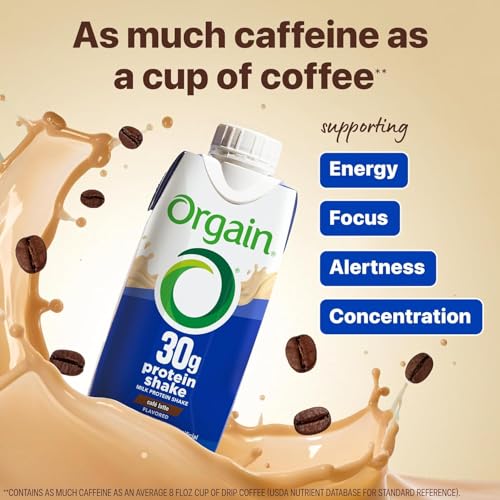
It also delivers calcium (40% DV) and caffeine from real coffee, making it a well-rounded choice for daily use. The only real trade-off? It’s not the highest in fiber or caffeine, but it doesn’t need to be. When you compare it across categories, taste, nutrition, ingredients, it’s the most balanced. That’s why I call it the best overall pick.
Product photos

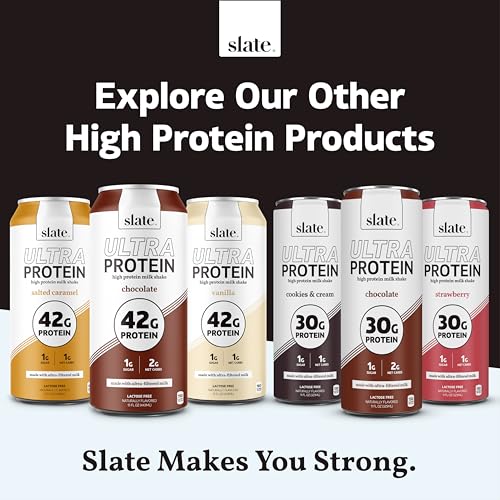
Slate Mocha Latte Protein Coffee

Strengths
- 175mg caffeine
- Lactose free
- Shelf stable
Trade-offs
- Only 20g protein
- Smaller 11 fl oz serving
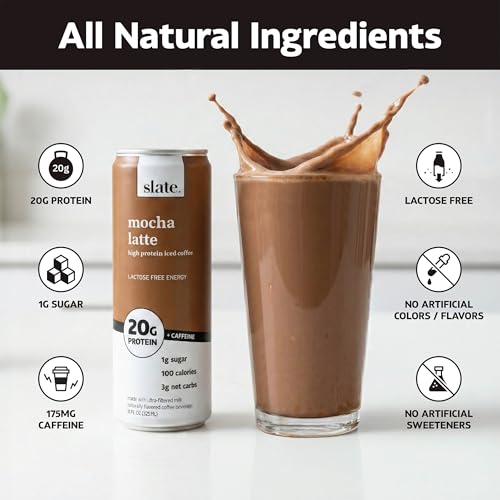
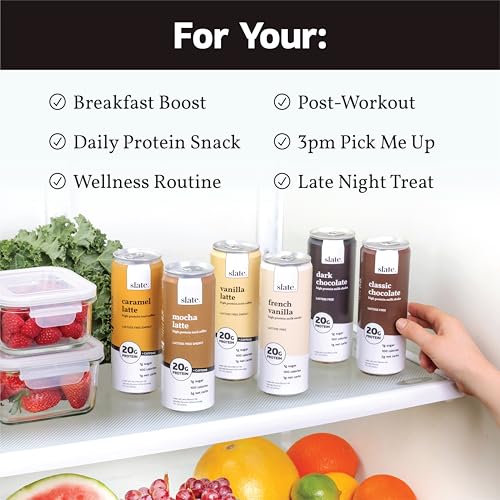
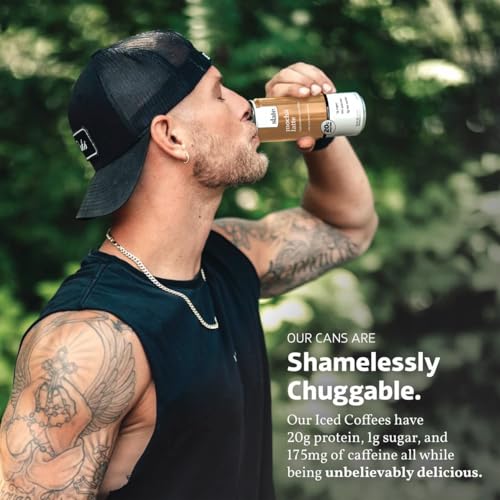
Slate comes in hot with 175mg of caffeine, the highest here, and a bold promise: the chocolatey kick of a mocha with serious protein backing. At 20g of protein per can, it’s not the top in protein, but the caffeine level makes it a standout for afternoon slumps or pre-workout fuel. Owners consistently praise the rich, authentic mocha flavor and how well it holds up against actual iced coffee drinks.
The use of ultrafiltered lactose-free milk gives it a clean, creamy texture without artificial thickeners. And since it’s shelf-stable until opened, it’s a solid pick for desk drawers or gym bags. But that lower protein count means it won’t match the recovery power of 30g shakes from Atkins or Orgain. If you want a high-caffeine protein coffee that tastes indulgent without sugar, this is your go-to, even if it’s not the muscle-building beast others are.
Product photos

Quest Coffee Protein Shake

Strengths
- 30g protein
- Only 4g carbs
- Keto friendly
Trade-offs
- Smaller pack size
- Sweetener aftertaste
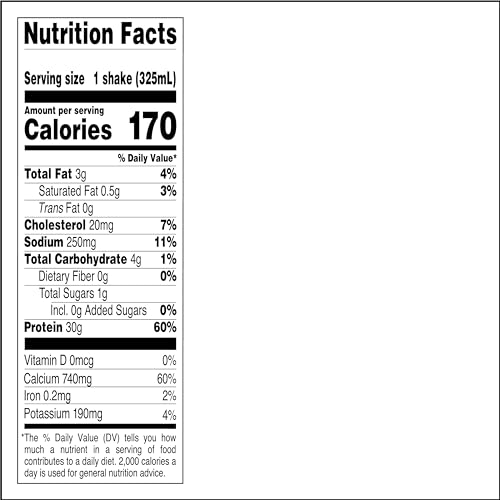
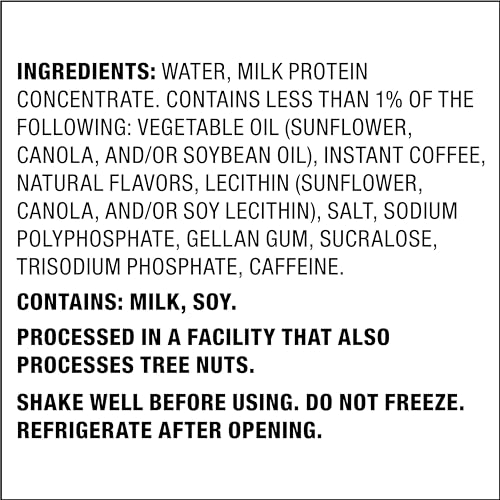
Quest has always been about nailing the low-carb, high-protein niche, and this shake is no exception. With 30g of protein and only 4g of carbs, it’s one of the strictest options here for keto and low-carb dieters. The coffee flavor is creamy and satisfying, though some owners say it leans artificial, common in Quest’s lineup due to their use of alternative sweeteners.
It’s not the most caffeinated or fiber-rich, and the 4-count pack format is less economical than 12-packs. But if you’re tracking carbs like a hawk, this delivers where others don’t. Compared to Atkins, it’s similar in protein but lacks the prebiotic fiber. Still, for keto purists or carb counters, Quest remains a trusted name. I’d pick it over others when low net carbs are essential.
Product photos


Atkins Café Latte Protein Shake
Strengths
- 30g protein
- 7g prebiotic fiber
- Keto friendly
Trade-offs
- Artificial aftertaste reported
- Less creamy mouthfeel
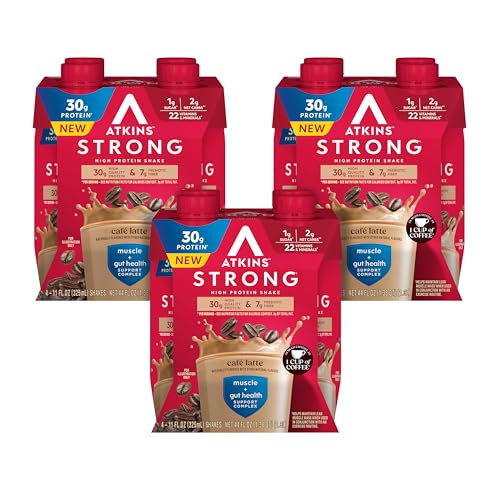
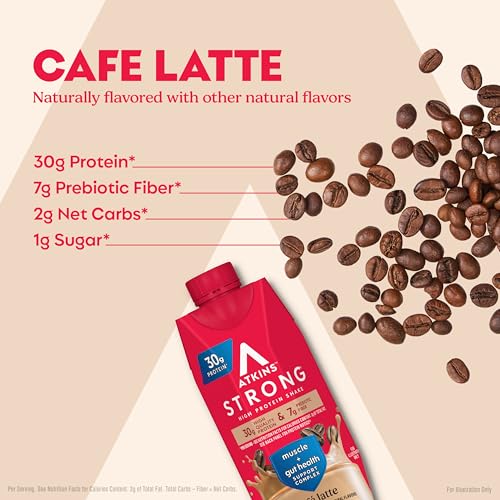
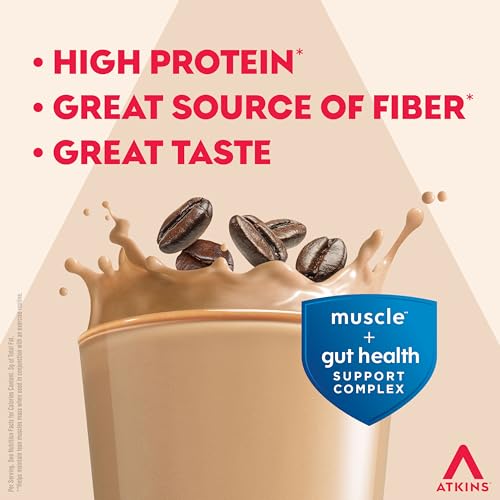
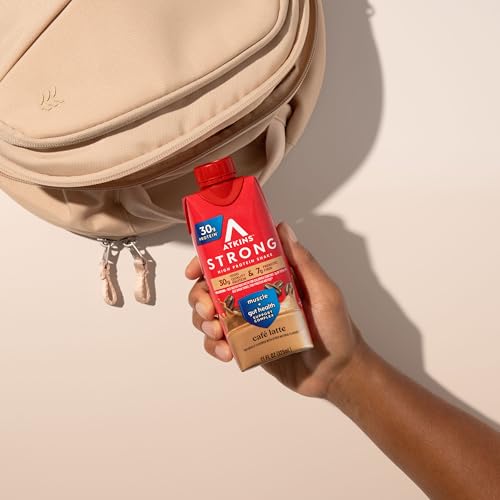
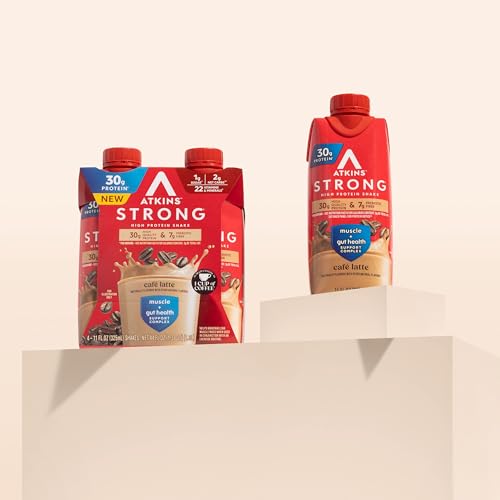
Atkins has long played to the low-carb, high-protein crowd, and this shake fits that mold tightly. With 30g of protein and just 1g of sugar, it’s clearly built for people managing macros or blood sugar, especially those on keto or using GLP-1 medications. The café latte flavor gets solid nods from owners for tasting like a real coffeehouse drink without the crash.
What stands out more than taste, though, is the inclusion of 7g of prebiotic fiber, a rare win for gut health in this category. Paired with 22 vitamins and minerals, it feels like a nutritionally rounded option for meal replacement. That said, some owners mention a slightly chalky mouthfeel, common in whey isolate-heavy blends. Compared to Orgain or Premier, it’s less about broad appeal and more about targeted metabolic support.
Product photos

Premier Protein Café Latte Shake
Strengths
- 30g protein
- No added sugar
- Top-selling brand
Trade-offs
- Contains acesulfame potassium
- Moderate caffeine level
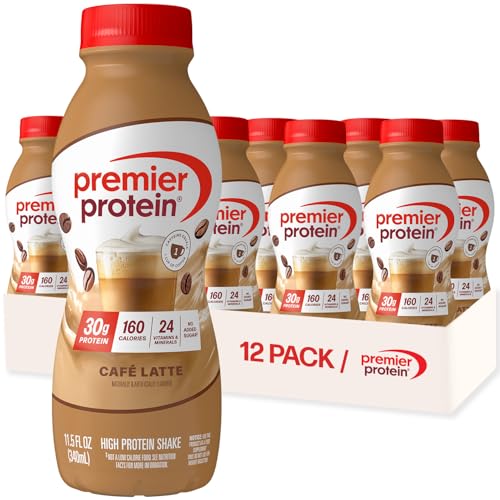
Premier Protein wears its popularity well. It’s not flashy, but it delivers exactly what most people want: a smooth, satisfying café latte with 30g of protein and no added sugar. It’s been the #1 selling protein shake on Amazon for good reason, owners love the taste, the consistency, and how well it fits into daily routines without fuss.
It’s not the highest in fiber or caffeine, and the ingredient list isn’t as clean as Orgain’s, but it strikes a balance between cost and quality that’s hard to beat. The 24 vitamins and minerals add real value, especially for immune and metabolic support. Compared to Quest or Atkins, it’s less niche, no extreme low-carb focus, no clinical positioning, just reliable, tasty fuel. If you’re looking for the smart budget-friendly pick that doesn’t sacrifice protein, this is it.
Product photos


Starbucks Caffe Mocha Protein Drink
Strengths
- Real Starbucks coffee
- 5g prebiotic fiber
- Great coffee flavor
Trade-offs
- Only 22g protein
- Slightly higher sugar than others
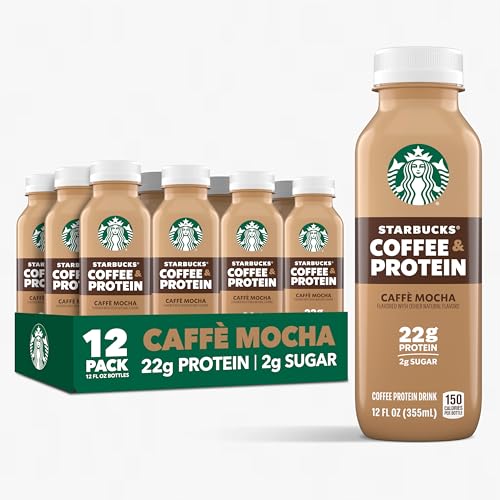
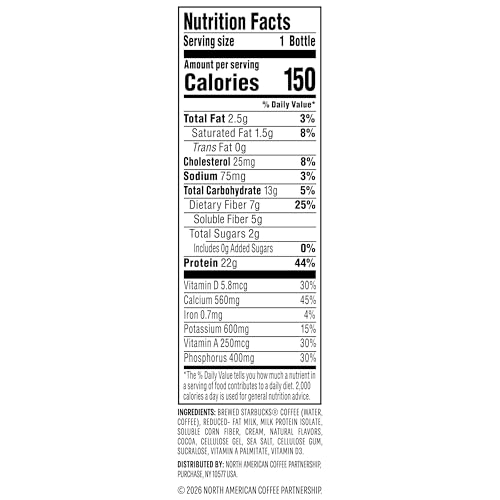
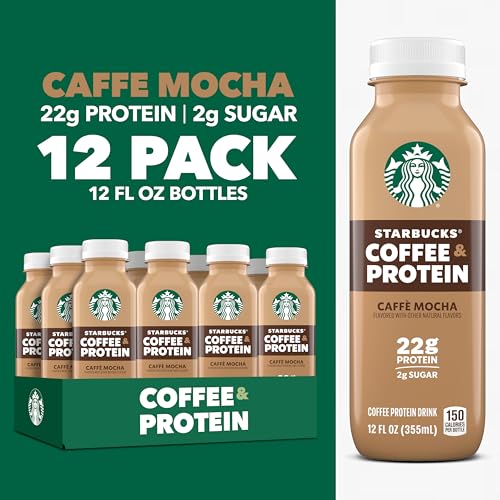
When it comes to coffee flavor, Starbucks doesn’t play around. This Caffe Mocha drink tastes like a real iced mocha from the café, rich, bold, and deeply coffee-forward, while still packing 22g of protein and just 2g of sugar. Owners love that it feels like a treat without derailing their goals. The 5g of prebiotic fiber is a nice bonus, and the larger 12 fl oz bottle gives it more substance than most.
It’s not the highest in protein or lowest in carbs, but it wins on authentic coffee experience. Compared to Premier or Orgain, it’s less about full meal replacement and more about delivering a premium coffee moment with a protein sidekick. If you miss your drive-thru but want better nutrition, this is the closest thing on the shelf.
Product photos


Ensure Max Protein Cafe Mocha

Strengths
- 4g fiber blend
- Immune-supporting nutrients
- Doctor-recommended brand
Trade-offs
- Medicinal aftertaste
- Less indulgent flavor
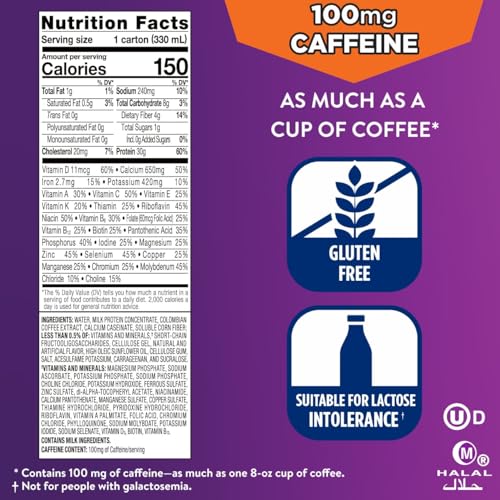
Ensure has been the doctor-recommended name in nutrition for years, and this shake leans hard into that trust. With 30g of protein, 4g of fiber, and an immune-boosting blend of vitamins A, C, D, E, zinc, and selenium, it’s built for more than just muscle, it’s for whole-body resilience. Owners note it’s less sweet than others, which some appreciate, though a few find it a bit medicinal in taste.
The prebiotic fiber and digestive support set it apart from basic protein shakes, and the caffeine level is enough to wake you up without jitters. But compared to Orgain or Slate, it doesn’t feel as gourmet or energizing. It’s not the best for taste or energy, but if you’re recovering from illness, managing a health condition, or just want a nutritionally fortified safety net, Ensure earns its spot.
Product photos


How We Tested coffee protein drink
As the founder of Bean Thusiast, I approach this category with a focus on flavor balance and nutritional value. Rather than a hands-on lab test, this research was a comparison of published specifications and features from various brands, combined with a deep explore owner reviews and expert opinions across fitness and food blogs. We ranked these drinks based on protein content, sugar levels, caffeine amounts, and ingredient quality, all while considering the stated “best for” designation each brand promotes.
For coffee protein drinks, three factors stood out as most influential: protein content for satiety and muscle support, sugar content for overall health, and caffeine levels to deliver that expected coffee-like energy boost. A drink could boast high protein, but excessive sugar would immediately lower its ranking. Similarly, a low-calorie option with minimal caffeine wouldn’t truly satisfy someone seeking a coffee replacement. We prioritized products that struck a harmonious balance across these areas.
Product specifications reliably indicated protein and sugar content, while caffeine levels were also generally accurate. However, we heavily weighed owner feedback regarding taste and texture – critical elements that specs can’t convey. Reputation played a role too; established brands with a history of quality ingredients and transparent sourcing received more consideration, as did positive mentions in reputable reviews discussing best protein for coffee drinks.
How To Pick The Right coffee protein drink
Finding the right coffee protein drink can be a surprisingly nuanced process. It’s not just about cramming protein into your caffeine fix; it’s about balancing taste, nutrition, and how well it fits your lifestyle.
A quality coffee protein drink should prioritize a complete protein source (whey, casein, or a plant-based blend), contain a reasonable amount of added sugar (under 5g is a good benchmark), and deliver a caffeine level comparable to a standard cup of coffee (around 80-100mg). Look for options fortified with vitamins and minerals, and consider whether convenience (ready-to-drink) or customization (powdered mixes) best suits your needs.
Protein Source and Quality
The protein in your coffee drink is the main event, so pay attention to what kind you’re getting. Whey protein is quickly absorbed, making it ideal for post-workout recovery, while casein is slower-digesting and can help with satiety. Plant-based options (pea, soy, brown rice) are great for those with dietary restrictions but can sometimes have a slightly different texture or flavor. Don’t just look at the total protein amount; consider the amino acid profile. A “complete” protein contains all nine essential amino acids. If you’re exploring different ways to boost your protein intake, you might also find our guide to the best protein coffee brands helpful.
Caffeine and Sugar Content
This is where things get tricky. Many brands try to mask a lack of real coffee flavor with excessive sugar. A good rule of thumb is to check the sugar content first. Anything over 5 grams per serving is getting into dessert territory. Regarding caffeine, look for products that clearly state the milligrams per serving and aim for a level similar to a standard cup of coffee – around 80-100mg. Some, like the Slate Mocha Latte, offer a higher caffeine kick, which can be beneficial if you’re looking for a serious energy boost.
Don’t equate “natural” sweeteners with “healthy” – stevia and monk fruit are better than refined sugar, but still contribute to sweetness and can affect blood sugar levels.
Convenience vs. Customization & Flavor
Do you want a grab-and-go solution, or are you willing to blend your own? Ready-to-drink shakes are undeniably convenient, but you have less control over the ingredients. If you prefer customization, you might explore powdered protein coffee mixes, but be prepared to invest in a good blender or shaker bottle. Many people enjoy experimenting with their own how to make protein coffee blends. Flavor is, of course, subjective, but consider whether you prefer a classic café latte flavor (Premier Protein, Orgain) or something more indulgent (Starbucks, Slate). Here’s what to think about:
- Budget: Ready-to-drink options are generally more expensive per serving.
- Dietary Needs: If you have allergies or sensitivities, a customizable option allows you to carefully control ingredients.
- Taste Preference: Some brands prioritize protein content over flavor, resulting in a less enjoyable experience. Finding a blend you actually like is crucial for consistency.
Coffee Protein Drink Compared
Here’s a comparison of key specifications for popular coffee protein drinks.
| Product Name | Protein (g) | Caffeine (mg) | Sugar (g) | Calories | Vitamins/Minerals |
|---|---|---|---|---|---|
| Orgain Café Latte Protein Shake | 30 | N/A | 1 | 160 | N/A |
| Slate Mocha Latte Protein Coffee | 20 | 175 | 1 | N/A | N/A |
| Quest Coffee Protein Shake | 30 | N/A | 1 | N/A | N/A |
| Atkins Café Latte Protein Shake | 30 | N/A | N/A | N/A | 22 |
| Premier Protein Café Latte Shake | 30 | N/A | N/A | N/A | 24 |
| Starbucks Caffe Mocha Protein Drink | 22 | N/A | 2 | N/A | 5 |
| Ensure Max Protein Cafe Mocha | 30 | N/A | 1 | N/A | 25 |
Frequently Asked Questions
What if I dislike the taste of many protein powders?
Consider ready-to-drink options first; they often have better flavor profiles than powders. If you prefer mixing your own, look for brands specifically designed for coffee, or explore smooth protein for hot coffee to minimize grittiness.
Are coffee protein drinks a good replacement for a full breakfast?
They can be, but it depends on your needs. A 30-gram protein drink provides significant satiety, but you may still benefit from adding a side of complex carbohydrates (like fruit or whole-grain toast) for sustained energy.
How much caffeine can I expect in these drinks?
Caffeine content varies significantly, from around 80mg to 175mg per serving. Always check the label, as some brands don’t disclose this information, and a higher amount isn’t always better.
Can I use any protein powder in my coffee?
You can, but some powders mix better than others. Certain coffee-friendly protein powder options are formulated to dissolve easily and avoid clumping, resulting in a smoother texture.
Are there options for people with lactose intolerance?
Yes, many brands now offer plant-based coffee protein drinks using pea, soy, or brown rice protein. These are excellent alternatives to whey or casein-based products, offering comparable protein content without the dairy.
The Bottom Line
Choosing the best coffee protein drink often comes down to prioritizing what you value most – convenience versus control, or a focus on maximizing protein intake versus minimizing sugar. For the best overall balance of taste, nutrition, and practicality, I recommend the Orgain Café Latte Protein Shake. It delivers a substantial 30 grams of protein with minimal sugar, making it a solid choice for daily use.
If your needs are more specific, there are excellent alternatives. For those wanting a serious energy boost alongside their protein, the Slate Mocha Latte Protein Coffee stands out with its high caffeine content. And for those on a budget, or who prioritize customization, exploring options for mixing protein with coffee allows you to tailor the drink exactly to your preferences.
Ultimately, the numbers on the label (protein, sugar, caffeine) matter, but they’re secondary to finding a drink you genuinely enjoy and that fits your lifestyle. Don’t chase the highest protein count if it means sacrificing taste, and always prioritize a reasonable sugar content. A consistent, enjoyable routine is far more valuable than chasing the “perfect” spec sheet.
