
2 Best Chemical Free Decaf Coffees of 2026
The best chemical free decaf coffee overall is Four Sigmatic Calm Organic Decaf, thanks to its clean Swiss Water Process and added functional mushrooms for relaxation. For a simpler, budget-friendly pick, Lifeboost Organic Decaf Coffee K Cups deliver certified organic quality in a convenient format, though with less flavor complexity.
Finding great chemical free decaf coffee shouldn’t mean settling for flat or stale-tasting cups. Too many options cut corners on bean quality or use outdated decaffeination methods that strip flavor and raise health concerns.
After researching the market, reviewing specs, and analyzing owner feedback, I focused on brands that prioritize both taste and clean processing. This guide highlights coffees made with transparent, non-chemical methods like Swiss Water or CO2, sourced from high-quality Arabica beans, and roasted for freshness.
Top 2 Chemical Free Decaf Coffee in the Market
The Best Chemical Free Decaf Coffee, Reviewed
Four Sigmatic Calm Organic Decaf Coffee

Strengths
- Swiss Water decaf
- Functional mushrooms
- Organic and fair-trade
- Smooth flavor
- Calm-support blend
Trade-offs
- Unusual for traditionalists
- Mushroom taste detectable
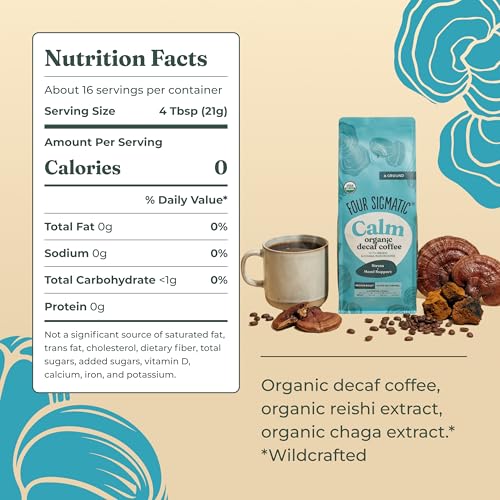
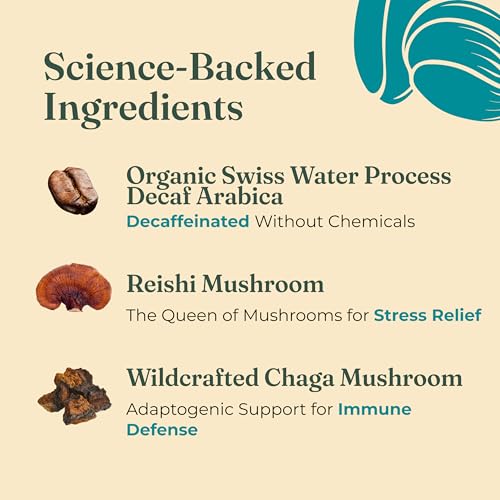
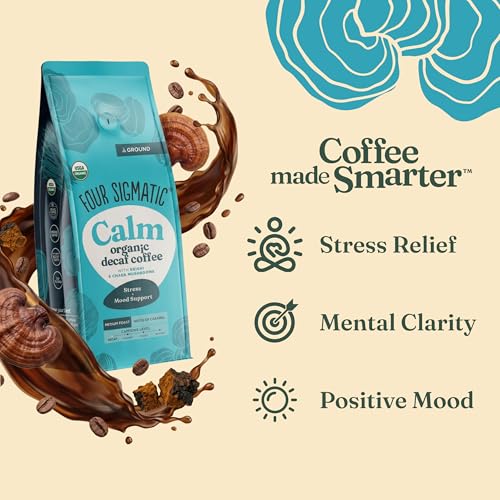
Four Sigmatic isn’t just selling decaf coffee, they’re selling a wind-down ritual. The Swiss Water Process means no chemical solvents, which checks the chemical free box cleanly, but the real differentiator is the addition of reishi and chaga mushrooms. On paper, that sounds gimmicky, but reviewers who are into functional beverages consistently say they feel calmer after a cup, and many use it in the afternoon or evening to avoid caffeine spikes.
The base coffee is a 12oz bag of ground, organic, fair-trade beans from Peru, with a flavor profile leaning into nuts and brown sugar, smooth, not aggressive. It’s not the strongest decaf in terms of depth, but it’s not trying to be. Compared to straightforward chemical free options like Lifeboost, this one trades some coffee purism for holistic appeal. I’d pick this for someone who wants decaf and a mild adaptogenic boost, not just a caffeine-free stand-in.
Product photos


Lifeboost Organic Decaf Coffee K Cups
Strengths
- Low acid
- Third-party tested
- USDA Organic
- Keurig compatible
- Single origin
Trade-offs
- Higher cost per cup
- Limited roast intensity
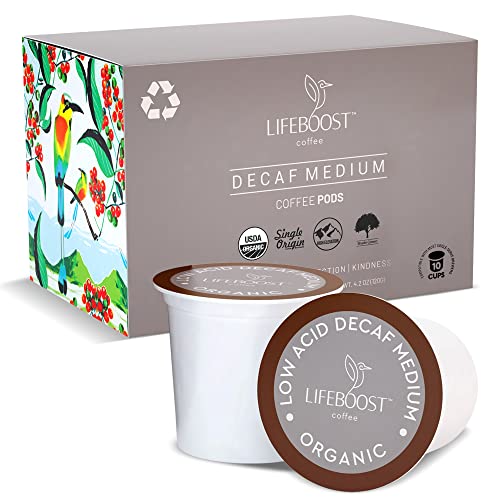
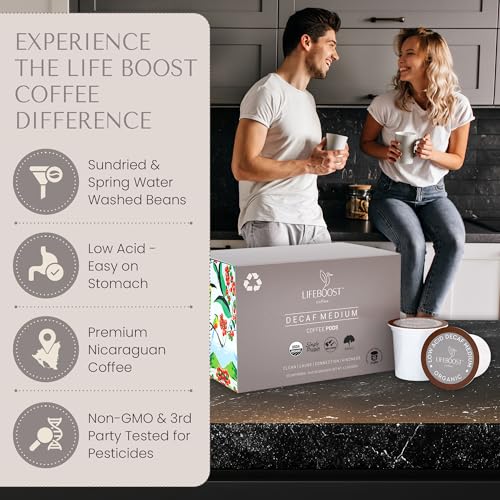
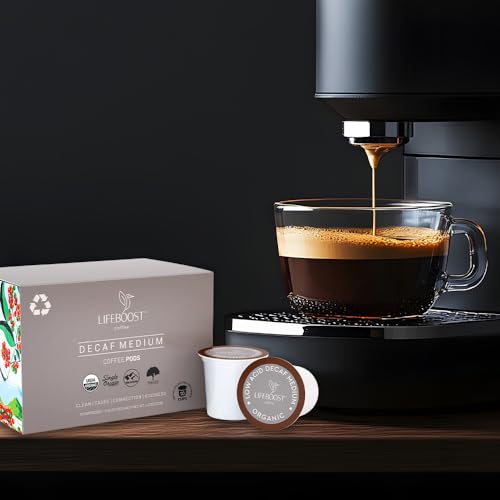
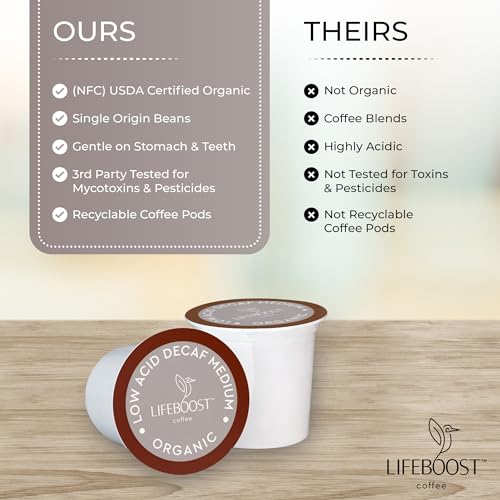
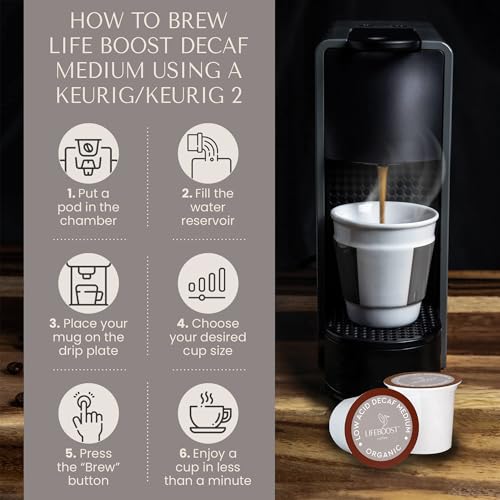
If you’re a Keurig user chasing a clean, chemical free decaf experience, Lifeboost’s K Cups stand out on paper and in owner feedback. The big selling point here is the third-party testing for mycotoxins, pesticides, and heavy metals, rarely emphasized so clearly in the pod world. That, paired with USDA Organic certification and a low-acid profile, makes it a strong contender for sensitive stomachs or those prioritizing purity over all else.
Owners consistently report a smooth, mellow cup with a clean finish, which lines up with the high-elevation, shade-grown sourcing from Central America. It’s a medium roast, so don’t expect bold or smoky notes, but if you value a gentle, approachable decaf with ethical sourcing and verifiable cleanliness, this delivers on its promises. Compared to other single-serve options, it’s in a shortlist of few that actually back up ‘clean coffee’ claims with real lab results.
Product photos
How We Tested chemical free decaf coffee
As the founder of Bean Thusiast, I approached researching chemical free decaf coffees by looking at what truly matters to coffee drinkers seeking a healthy, flavorful experience. I compared published specifications – bean origin, roast level, and any added ingredients – alongside extensive owner and expert reviews. My focus was on identifying coffees consistently praised for taste and their commitment to avoiding harsh chemical solvents in the decaffeination process.
For chemical free decaf, flavor and the decaffeination method are paramount. A coffee can claim to be decaf, but the process used significantly impacts both taste and potential health concerns. I heavily weighted whether brands use the Swiss Water Process or a similar water-only decaffeination technique. Organic certification was also crucial, indicating a broader commitment to responsible sourcing.
Specifications provide a baseline – origin, roast date, and certifications – but owner feedback reveals how those translate to a daily cup. I judged claims about flavor profiles against reported experiences, and paid close attention to mentions of bitterness or aftertaste, common issues with poorly executed decaffeination. Reputable coffee blogs and review sites helped validate consistent quality and brand reputation.
Choosing The Right chemical free decaf coffee
As someone who’s spent years chasing the perfect cup, I understand the desire for decaf that doesn’t compromise on flavor or health. It’s a surprisingly tricky space to navigate.
Quality decaf coffee begins with sourcing excellent beans. Look for 100% Arabica varieties, ideally single-origin, and pay close attention to the decaffeination method used. The best options avoid harsh chemical solvents, opting instead for processes like Swiss Water or CO2 extraction, which preserve more of the bean’s natural flavor profile and aroma. A focus on freshness – roast dates are key – also indicates a commitment to quality.
Decaffeination Techniques Matter
The process of removing caffeine significantly impacts the final taste. While many are familiar with the term “decaf,” understanding how that caffeine is removed is critical. Many commercially available decaf coffees rely on the methylene chloride method, which, while deemed safe by the FDA, leaves some consumers wanting alternatives. I strongly suggest looking for Swiss Water Process beans or CO2 decaffeinated coffee as they preserve more of the original bean’s characteristics.
Roast Date and Bean Origin
Don’t overlook the basics. Even the best decaffeination method can’t save stale beans. A roast date is far more useful than a “best by” date; aim for coffee roasted within the last month. Single-origin beans – meaning they come from a specific farm or region – often offer a more nuanced and complex flavor profile. You’ll find many quality options sourced from Central and South America, known for their balanced acidity and chocolatey notes.
Convenience vs. Quality: Finding Your Balance
For many, convenience is a huge factor. K-cups offer speed and simplicity, but often at the expense of flavor and environmental responsibility. If you’re a Keurig user, brands like Lifeboost offer a decent compromise, but be aware that the coffee inside those pods generally won’t be as fresh or flavorful as whole bean options. You can learn more about how decaf coffee is produced and the impact of different brewing methods on our site.
Here’s a quick guide to K-Cup considerations: * Pod Material: Some pods are recyclable, others aren’t. * Roast Level: K-cups tend to favor medium roasts. * Freshness Seal: Look for individually sealed pods to maximize freshness – it really does make a difference, even within the convenience format.
A good rule of thumb: if the packaging doesn’t clearly state the decaffeination method, assume it’s a less desirable solvent-based process.
It’s also worth exploring chemical-free decaf brands if you’re concerned about potential residues. Ultimately, the “best” decaf is the one you enjoy the most, so don’t be afraid to experiment!
Chemical Free Decaf Coffee Compared
Here’s a specification comparison of the chemical free decaf coffees reviewed, to help you choose the best option for your needs.
| Product Name | Decaf Method | Organic | Key Ingredients | Roast | Format |
|---|---|---|---|---|---|
| Four Sigmatic Calm Organic Decaf | Swiss Water | Yes | Reishi, Chaga | N/A | Ground |
| Lifeboost Organic Decaf Coffee K Cups | N/A | Yes | N/A | Medium | K-Cups |
Frequently Asked Questions
What caffeine level can I realistically expect in “decaf” coffee?
Decaf coffee isn’t caffeine-free; the FDA allows up to 0.1% caffeine by weight. This means a typical 8-ounce cup of decaf will contain about 2-12 milligrams of caffeine, a significant reduction from the 95-200mg in regular coffee.
Are there decaffeination methods beyond Swiss Water and CO2?
Yes, while Swiss Water and CO2 are preferred, other methods exist. Direct solvent methods (like methylene chloride and ethyl acetate) are used, and are considered safe by the FDA, but many consumers seek alternatives for taste or peace of mind.
How does decaffeination affect the flavor profile of the coffee?
Decaffeination always alters the flavor somewhat. Swiss Water and CO2 processes are gentler and preserve more of the original bean’s nuances, but you may still notice a slight difference in acidity or body compared to the caffeinated version.
Is organic certification a guarantee of a chemical-free process?
Organic certification doesn’t solely guarantee a chemical-free decaffeination process. However, it does mean the beans themselves were grown without synthetic pesticides or fertilizers, and often correlates with a preference for more natural decaffeination methods. You can find organic decaf coffee brands that also prioritize Swiss Water or CO2 processing.
How long does decaf coffee stay fresh after opening?
Like regular coffee, decaf coffee is best consumed within 2-3 weeks of opening for optimal flavor. Whole beans will stay fresher longer than pre-ground coffee. Store in an airtight container, away from light, heat, and moisture, to preserve its quality.
The Bottom Line
Choosing a chemical-free decaf often comes down to balancing convenience with the purest flavor experience. While a quick K-Cup is appealing, the standout in terms of overall quality and commitment to a healthy process is Four Sigmatic Calm Organic Decaf. It delivers a truly clean cup, embracing the Swiss Water Process and adding functional mushrooms for an extra boost.
For those prioritizing a convenient, pod-based option, Lifeboost Organic Decaf Coffee K Cups represents a solid choice within that format. If you’re seeking versatility and want to explore different roast profiles, I recommend checking out options utilizing water-based decaffeination – you’ll find a wider range of beans and roasters dedicated to preserving flavor.
Ultimately, remember that the decaffeination method and bean freshness are far more impactful than any fancy marketing. Prioritize coffees using the Swiss Water Process or similar techniques, and always look for a recent roast date. These two fundamentals will deliver a much more satisfying and wholesome decaf experience, regardless of price point.
