
8 Best Decaf Coffees Without Chemicals 2026
Purity Coffee CALM Decaf is the best overall decaf coffee without chemicals, thanks to its clean Mountain Water Process, organic certification, and rigorous third-party testing. For a budget-friendly option that still delivers on purity, San Francisco Bay Decaf stands out, while Lifeboost Medium Roast Swiss Water offers a great balance of smoothness and low acidity for sensitive stomachs.
Finding decaf that tastes rich and clean without relying on chemical solvents is harder than it should be. Too many brands cut corners on processing or sourcing, leaving you with a flat or off-tasting cup.
I focused on decaf coffees using verified chemical-free methods like Swiss Water or Mountain Water, prioritizing organic certification, roast freshness, and evidence of independent testing for contaminants. These picks are based on a deep explore specs, customer experiences, and brand reputation across the specialty coffee landscape.
Top 8 Decaf Coffee Without Chemicals in the Market
The Best Decaf Coffee Without Chemicals, Reviewed
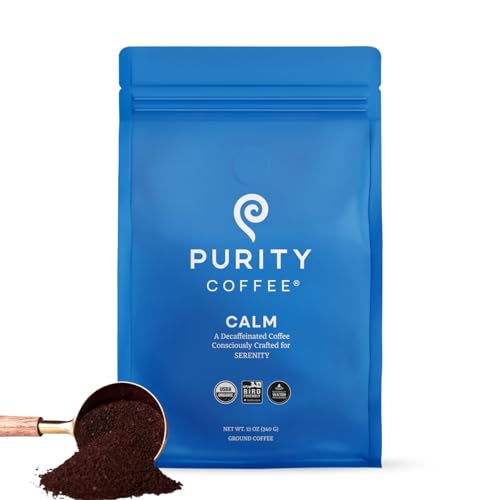
Purity Coffee CALM Decaf Medium Roast
Strengths
- Third-party toxin tested
- Specialty-grade beans
- Nitrogen flushed bags
Trade-offs
- Premium price
- Ground only
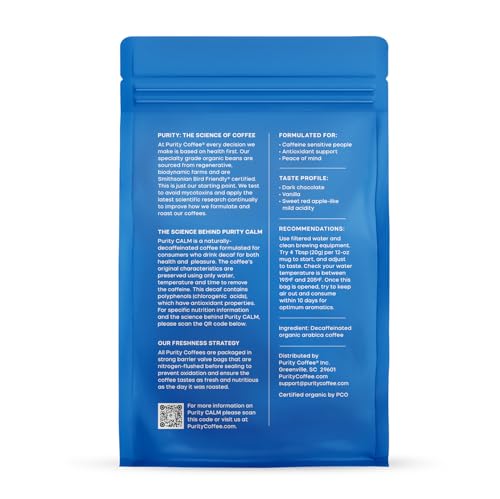
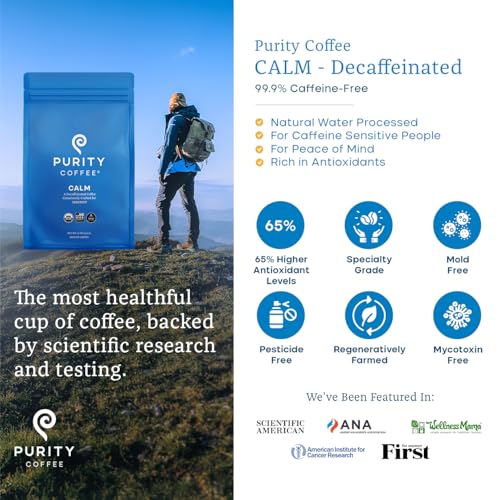
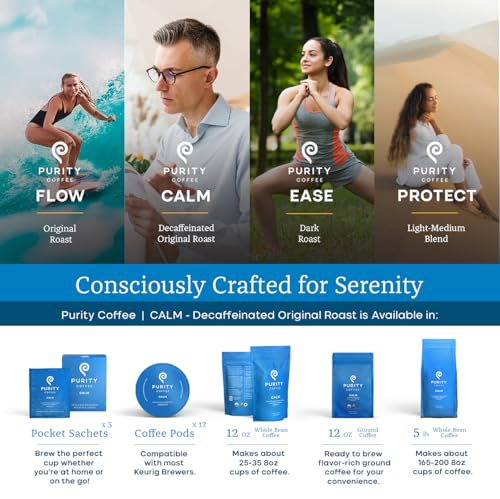
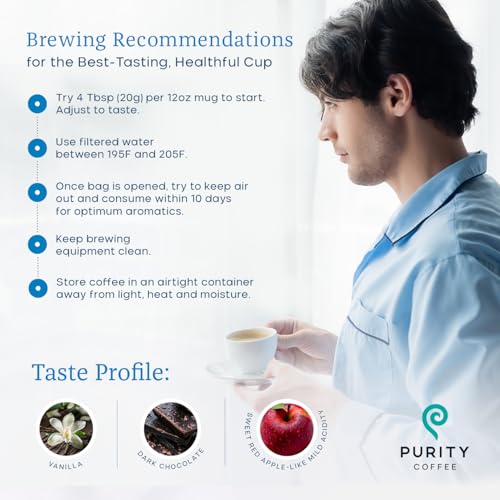
Purity Coffee’s CALM blend is the most technically impressive decaf here, not just because it uses the Mountain Water Process (a cousin to Swiss Water, equally chemical-free), but because of how far it goes on purity and wellness. Every batch is third-party tested for mold, mycotoxins, pesticides, and heavy metals, and it meets specialty-grade standards, which only 1% of global green coffee achieves.
Owners consistently praise its freshness, thanks to nitrogen-flushed bags, and its clean, smooth taste with subtle sweetness and zero stomach upset. Compared to others, it’s the most “thoughtful” brew: regeneratively farmed, Bird Friendly, B Corp. If you want the safest, cleanest decaf with nothing to worry about, this is the one. My recommendation for health-focused buyers who still want great flavor.
Product photos
Lifeboost Medium Roast Swiss Water Decaf
Strengths
- Third-party toxin tested
- Low acid formula
- Smooth, clean taste
Trade-offs
- Mild flavor profile
- Ground only (less freshness control)
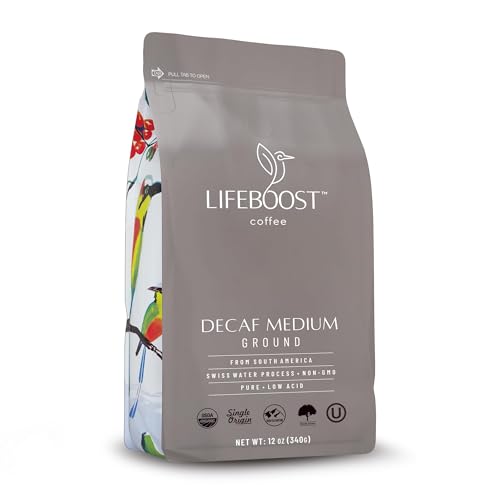
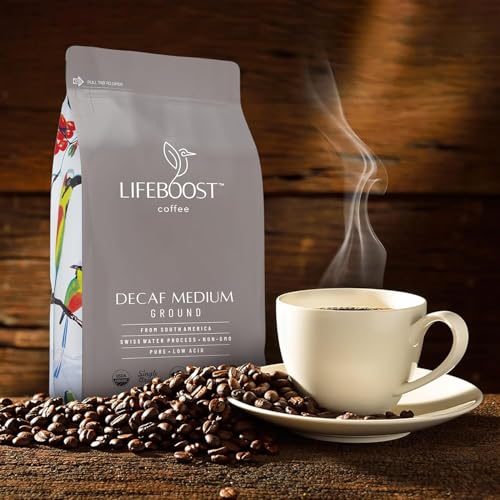
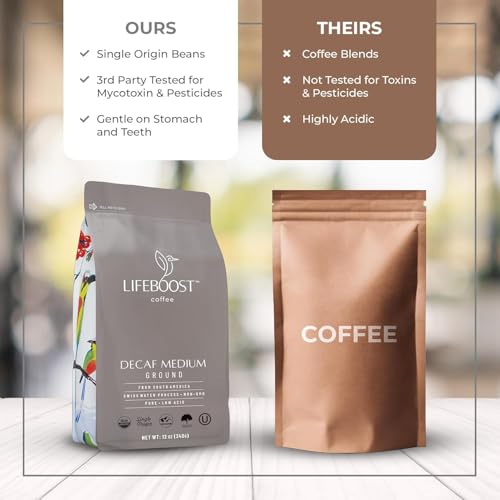
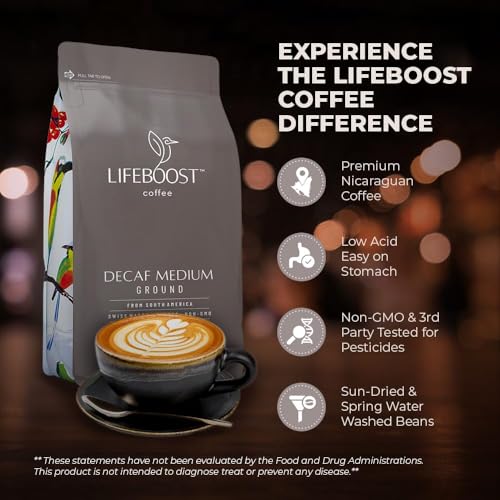
Lifeboost stands out in the decaf space by zeroing in on stomach sensitivity and purity, a smart play for anyone who’s had to quit coffee due to acid reflux or digestive issues. The low-acid claim is backed by sourcing (high-elevation, shade-grown beans) and processing (sun-dried, spring-water washed), and reviewers frequently mention drinking it with zero discomfort. That’s a big win.
The medium roast keeps flavor intact, nutty, slightly sweet, with a clean finish, and the fact that every batch is third-party tested for mycotoxins, pesticides, and heavy metals adds serious peace of mind. It’s not the most adventurous in taste, but compared to others in the Swiss Water category, it’s among the cleanest and safest bets. For those prioritizing health and gentleness over boldness, this is a strong contender.
Product photos

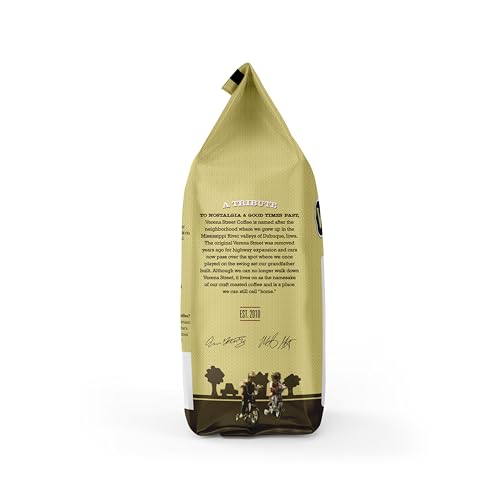
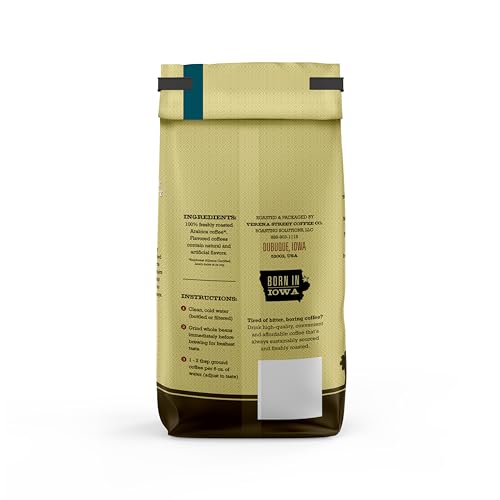
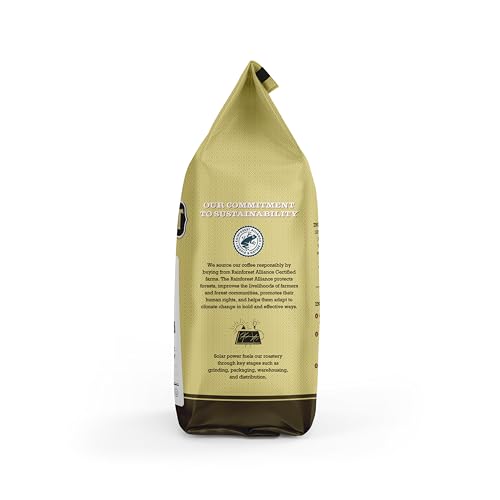
Verena Street Sunday Drive Decaf
Strengths
- Smooth medium roast
- Rainforest Alliance certified
- No bitterness
Trade-offs
- Ground form only
- No toxin testing
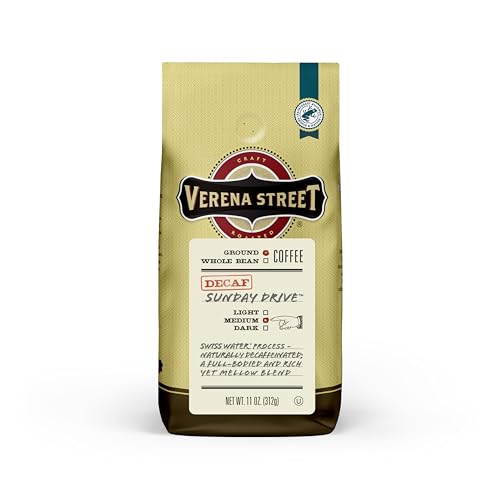
Sunday Drive is exactly the kind of medium roast I’d recommend to someone who thinks decaf always tastes flat. It’s mellow but not dull, with a full body and clean finish that many Swiss Water coffees struggle to achieve. The Rainforest Alliance certification signals solid sourcing, and being roasted in small batches in Iowa adds a craft touch that comes through in the cup.
Ground format limits peak freshness, but owners say it still brews smooth, no harshness, no aftertaste. Compared to Purity or Bulletproof, it lacks third-party toxin testing, but it delivers where it counts: drinkability. If you want a no-fuss, pleasant morning coffee that doesn’t scream “decaf,” this is a quiet standout.
Product photos
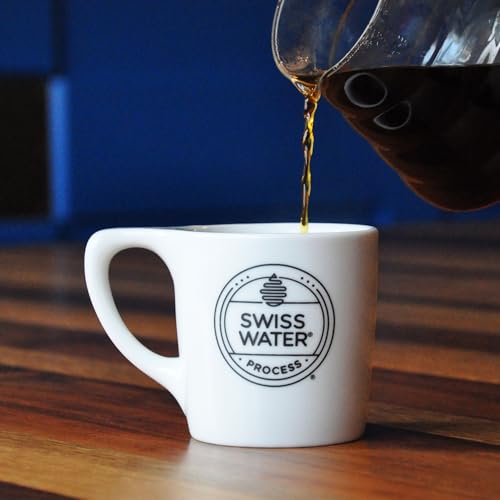
Kicking Horse Decaf Swiss Water Dark Roast

Strengths
- Swiss Water Process
- Organic and Fairtrade
- Rich chocolate notes
Trade-offs
- Can overpower subtle flavors
- Not for bright or acidic profiles
If you’re chasing a decaf that still feels bold and brooding, this dark roast from Kicking Horse delivers on that promise. On paper, it’s built for lovers of depth and warmth, roasted hazelnuts, chocolate, and a long finish are standout notes, and owners consistently report it pulls off that rich, velvety profile without tipping into ashy bitterness. The Swiss Water Process means no chemicals touch the beans, which is a must for this keyword, and the organic, Fairtrade, and Kosher certifications add trust.
It’s not the most complex decaf out there, but it doesn’t try to be. This is a straightforward, satisfying dark roast that behaves like a full-caffeine brew in body and presence. Compared to lighter or more delicate options like Verena Street or Lifeboost, this one leans heavy on roast character, which I appreciate when I want something comforting, not nuanced.
Product photos


Mayorga Decaf Cubano Roast Organic

Strengths
- Distinctive Cubano profile
- Slow-roasted for depth
- 2 lb organic value
Trade-offs
- Sweetness may not suit all
- Limited origin transparency
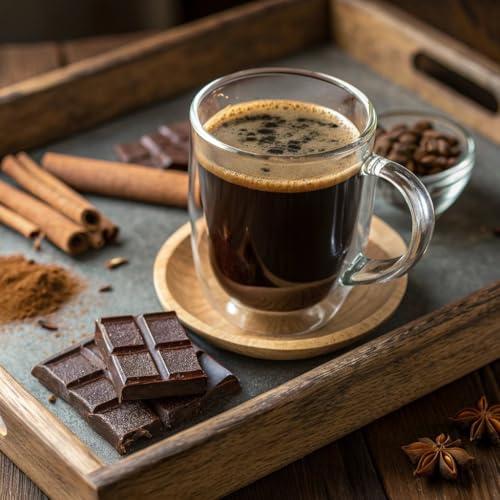
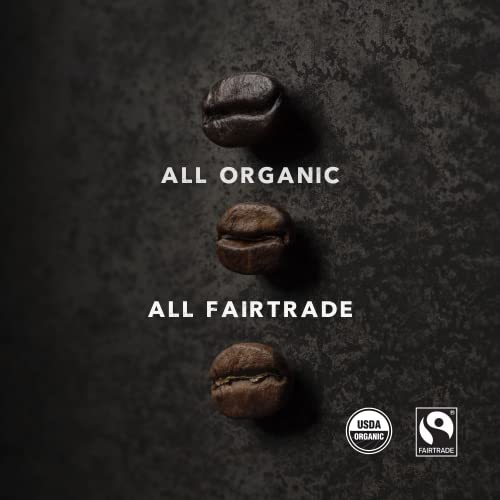
Mayorga’s Cubano Roast brings something unique to the decaf table, Latin-inspired slow roasting that layers in vanilla, smokiness, and a syrupy sweetness. It’s a dark roast with low acidity, but unlike many in this category, it doesn’t rely on bitterness for depth. The blend from Peru, Honduras, and Nicaragua is roasted in small batches, and that care shows in the flavor clarity owners report.
The Swiss Water Process is applied well here, preserving aroma and body, and the 2-pound bag offers great value without sacrificing freshness. Compared to Kicking Horse, it’s more nuanced; against Lifeboost, it’s bolder. If you love Cuban-style coffee or want a decaf that still feels special, this is one of the most interesting options. I’d pick this over standard dark roasts for its personality alone.
Product photos



Bulletproof Original Medium Roast Decaf

Strengths
- Toxin tested
- Specialty-grade beans
- Smooth, balanced flavor
Trade-offs
- No Swiss Water Process
- Ground format only
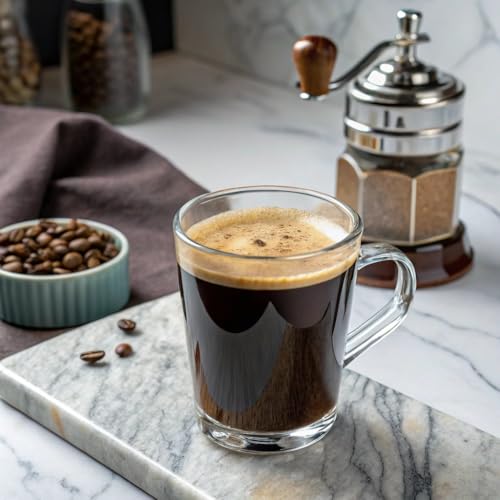
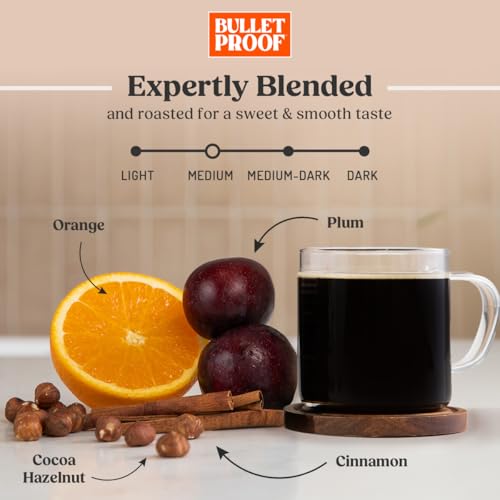
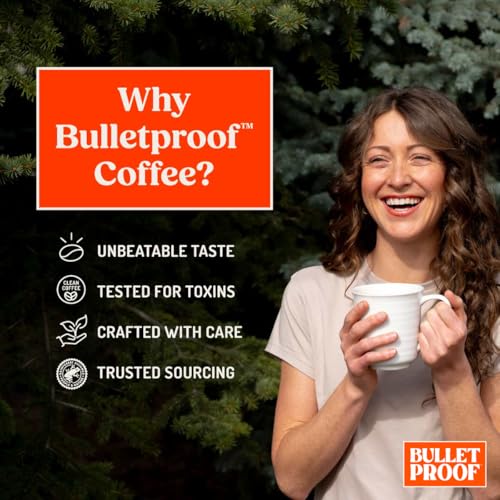
Bulletproof leans hard into the “clean coffee” narrative, and for good reason, every shipment is tested for toxins, a step beyond basic organic certification. The beans are Rainforest Alliance Certified and earn specialty-grade scores, which means quality control is tight. Flavor-wise, it’s balanced with notes of plum, cocoa, and hazelnut, and owners say it brews smooth, not sharp.
It doesn’t use Swiss Water (it uses a different chemical-free method), but the result is still 99.9% caffeine-free and clean. Compared to Purity, it lacks the same depth of third-party verification, but it’s more widely available and has a loyal following. If you trust the brand and want a toxin-screened decaf with a polished taste, this holds up.
Product photos

Four Sigmatic Calm Organic Decaf Coffee

Strengths
- With reishi and chaga
- Adaptogenic benefits
- Smooth, rich taste
Trade-offs
- Not pure coffee
- Mushroom taste (for some)
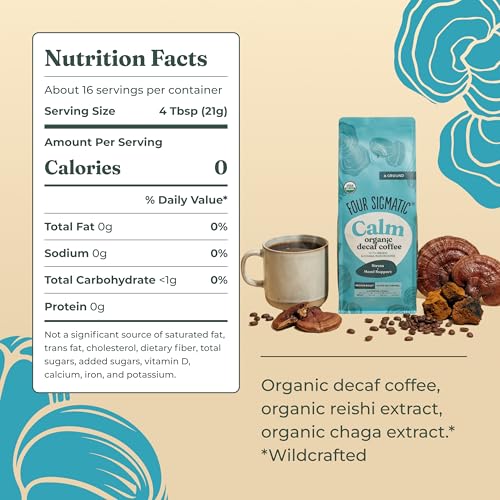
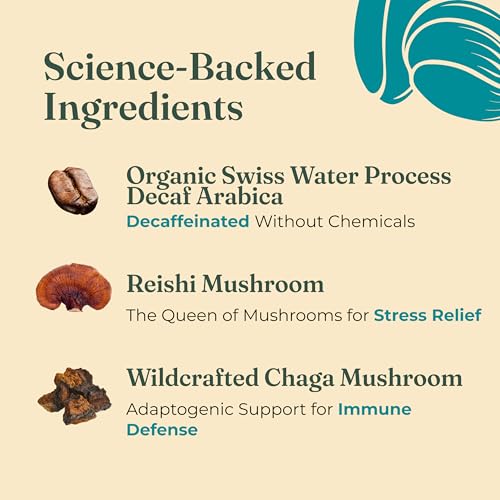
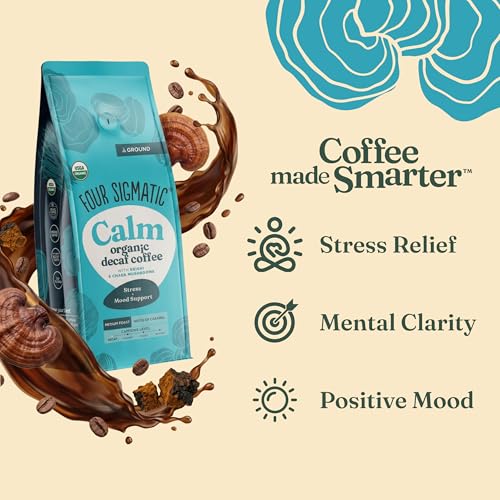
This isn’t just decaf coffee, it’s functional coffee, infused with chaga and reishi mushroom extracts. The base is Swiss Water Processed, organic, and fair-trade, so it starts clean. But the real story is the adaptogens: reishi for relaxation, chaga for immunity. Owners report feeling calmer after drinking it, which makes it a smart pick for evening cups or stress-heavy days.
Flavor-wise, it’s nutty with brown sugar notes, smoother than most, with zero medicinal taste, which surprises people. But if you’re only after pure coffee experience, the mushroom addition might feel like overreach. Compared to Lifeboost or Purity, it’s less about purity and more about function. I’d recommend it only if you’re already into adaptogens.
Product photos


San Francisco Bay Decaf Gourmet Blend

Strengths
- Large 2 lb bag
- Swiss Water decaf
- Balanced flavor
Trade-offs
- Generic taste profile
- Less origin distinction
At two pounds, this bag is a no-brainer for households that go through coffee fast or want to avoid constant reordering. The blend of Central and South American 100% Arabica beans gives it a balanced, approachable profile, lively but not sharp, smooth without being flat. It’s Swiss Water Processed, so no chemicals, and the Kosher and sustainably farmed labels help round out its credibility.
Owners say it holds up well across brew methods, especially in drip and French press, where its medium-dark roast shines. It won’t wow you with complexity like Purity or Mayorga, but it’s consistent, affordable in bulk, and reliable. Compared to smaller, pricier bags, this is the workhorse of the list, ideal if you’re not chasing awards but just want a good, honest cup every morning.
Product photos


How We Picked These decaf coffee without chemicals
As a long-time coffee enthusiast, I know finding a truly clean decaf can be tricky. Rather than a hands-on lab test of brewing each bag, we approached this guide by researching and comparing specifications, features, and – crucially – owner and expert reviews. We built a ranking based on factors important to those seeking a genuinely pure cup, looking at sourcing, processing methods, and independent certifications. This research-led comparison allowed us to identify the best options currently available.
For decaf coffee specifically, the most important factors are the decaffeination method and third-party testing. The chemical-free decaf method is paramount for those avoiding solvents, and the Swiss Water Process emerged as the gold standard. Beyond that, we prioritized organic certification and evidence of testing for mycotoxins, pesticides, and heavy metals, which speaks to the overall quality and care taken in production.
Product specifications reliably tell you about bean origin, roast level, and processing details. However, judging flavor profiles, smoothness, and real-world experiences requires delving into owner feedback. We weighed reviews focusing on taste, stomach comfort (a common concern with decaf), and perceived freshness. Reputation, as indicated by awards and mentions in respected coffee publications, also influenced our selections, helping us separate truly exceptional options from the rest.
How To Pick The Right decaf coffee without chemicals
Finding a truly satisfying decaf doesn’t mean settling for a lackluster cup.
A good decaf coffee starts with high-quality Arabica beans, a reliable decaffeination method that preserves flavor – Swiss Water is generally preferred – and freshness in roasting and packaging. Look for certifications like USDA Organic and Rainforest Alliance, and pay attention to roast level to match your preferred taste. Third-party testing for contaminants adds another layer of assurance.
Understanding Decaffeination Methods
The biggest difference between decaf coffees comes down to how the caffeine is removed. While many options exist, not all are created equal. The Swiss Water Process is widely regarded as the gold standard because it uses only water, temperature, and time – avoiding harsh chemical solvents. Other methods, like the methylene chloride or ethyl acetate processes, are generally considered safe by the FDA, but some consumers prefer to avoid them altogether. If you’re seeking naturally decaffeinated coffee brands, focusing on Swiss Water Processed options is your best bet. Don’t assume “natural” labeling automatically means solvent-free; always check the details.
Roast Level and Flavor Profile
Decaffeination can subtly alter a coffee’s flavor, so consider your preferred roast level. Lighter roasts tend to showcase more of the bean’s origin characteristics, while darker roasts develop bolder, more chocolatey or smoky notes. Don’t be afraid to try different roasts to find what you enjoy. For example, if you usually prefer a dark roast, but are new to decaf, starting with a medium-dark might be a good approach; the bolder flavor will help mask any slight flavor loss from the decaffeination process.
- A lighter decaf roast (like a medium) often highlights floral or fruity aromas.
- A medium roast will provide a balanced flavor profile, suitable for everyday drinking.
- A darker roast offers a bolder, more intense flavor, but can sometimes mask the nuances of the bean itself. This is especially helpful if you’re concerned about the taste difference between caffeinated and decaffeinated versions.
Value and Freshness: Getting the Most From Your Beans
Decaf coffee doesn’t have to be expensive to be good. However, prioritizing freshness is critical. Coffee stales quickly after roasting, losing flavor and aroma. Look for brands that clearly state a roast date (not just a “best by” date) and prioritize smaller batches or brands known for quick turnaround. As a general rule:
Buy whole bean coffee and grind it just before brewing for the freshest possible flavor.
You can find excellent value in bulk purchases, like those offered by San Francisco Bay Coffee, but only if you can store the beans properly in an airtight container away from light, heat, and moisture. Learning about decaffeination techniques explained will also help you understand why some methods command a higher price.
Decaf Coffee Without Chemicals Compared
Here’s a comparison of key specifications for decaf coffees that use chemical-free decaffeination processes.
| Product Name | Decaffeination Process | Roast Level | Organic Certified | 3rd Party Tested | Flavor Profile |
|---|---|---|---|---|---|
| Purity Coffee CALM Decaf | Mountain Water Process | Medium | Yes | Yes | N/A |
| Lifeboost Medium Roast Swiss Water | Swiss Water Process | Medium | Yes | Yes | Low Acid |
| Verena Street Sunday Drive Decaf | Swiss Water Process | Medium | N/A | N/A | Rich, Mellow |
| Kicking Horse Decaf Swiss Water | Swiss Water Process | Dark | Yes | N/A | Hazelnut, Chocolaty |
| Mayorga Decaf Cubano Roast | Swiss Water Process | Dark | Yes | N/A | Vanilla, Smoky |
| Bulletproof Original Decaf | Swiss Water Process | Medium | N/A | Yes | Plum, Orange, Cocoa |
| Four Sigmatic Calm Organic | Swiss Water Process | N/A | Yes | N/A | Nuts, Brown Sugar |
| San Francisco Bay Decaf | Swiss Water Process | Medium | N/A | N/A | Lively, Well-Rounded |
Frequently Asked Questions
What’s the difference between the Swiss Water Process and other decaffeination methods?
The Swiss Water Process uses only water, temperature, and time to remove caffeine, avoiding chemical solvents. Other methods, like methylene chloride, are permitted by the FDA but may leave trace residues, making Swiss Water the preferred choice for those seeking chemical-free decaffeinated coffee brands.
How can I tell if a decaf coffee is truly chemical-free?
Look specifically for coffee labeled as “Swiss Water Processed” or “Mountain Water Processed.” These methods guarantee no chemical solvents were used, and it’s the most reliable way to confirm a truly chemical-free product.
Do darker roasts hide the flavor loss from decaffeination better?
Yes, darker roasts generally mask the slight flavor changes that can occur during decaffeination. The bolder, more intense flavors of a dark roast – like chocolate or smoke – can compensate for any nuanced flavors lost in the process.
Is organic certification enough to guarantee a coffee is free of unwanted chemicals?
Organic certification ensures the beans were grown without synthetic pesticides or fertilizers, but it doesn’t address the decaffeination process itself. For a truly clean cup, you still need to confirm the coffee underwent Swiss Water Processing and ideally, look for third-party testing for contaminants.
How long does decaf coffee stay fresh after roasting?
Decaf coffee, like regular coffee, begins to lose flavor within a few weeks of roasting. I recommend checking for a roast date and aiming to use the beans within one month for optimal flavor, storing them in an airtight container. You can find more Swiss Water decaf coffee reviews online for different brands.
The Bottom Line
Choosing the best decaf coffee without chemicals often comes down to balancing your desire for purity with your flavor preferences and budget. Ultimately, after reviewing numerous options, I believe Purity Coffee CALM Decaf strikes the best overall balance – its Mountain Water Process and rigorous testing provide exceptional peace of mind, and it’s a brand dedicated to quality.
For those prioritizing affordability, San Francisco Bay Decaf delivers a reliably clean cup using the Swiss Water Process at a very accessible price point. If versatility is key, and you enjoy a darker roast, Kicking Horse Decaf Swiss Water offers a bold, chocolatey profile that holds up well for various brewing methods. And for those seeking a low-acid option, Lifeboost Medium Roast Swiss Water is an excellent choice.
At the end of the day, the specifics – roast level, bean origin, even the decaffeination method – matter less than ensuring you’re getting freshly roasted, high-quality Arabica beans. Look for options with a clear roast date and, if avoiding chemicals is your priority, focus on brands committed to the Swiss Water Process or the osmosis decaffeination technique. A little research goes a long way toward a truly enjoyable, guilt-free cup.
