
2 Best Organic Decaf Coffees of 2026
The best organic decaf coffee overall is Mayorga Decaf Coffee Cubano, a dark roast that keeps its bold flavor thanks to the Swiss Water Process. For a budget-friendly pod option, Organic Coffee Co. Gorilla Decaf delivers clean taste without chemicals. I focused on these two because they stand out in flavor, process, and sourcing.
Finding an organic decaf that actually tastes good is harder than it should be. Too many sacrifice richness for the sake of being caffeine-free, or use questionable decaffeination methods. After researching the market, reviewing owner feedback, and analyzing specs like process and origin, I narrowed it down to the ones that prove decaf doesn’t mean dull. This guide covers what truly matters, so you can skip the guesswork.
Top 2 Organic Decaf Coffee in the Market
The Best Organic Decaf Coffee, Reviewed
Mayorga Decaf Coffee Cubano Roast

Strengths
- Swiss Water Processed
- Slow-roasted for depth
- Smooth, low-acid finish
Trade-offs
- Large 2lb bag may not suit light users
- Requires grinder
- Dark roast not for everyone
This is the decaf I’d reach for if I wanted real coffee character without the buzz. Mayorga’s Cubano Roast uses the Swiss Water Process to hit 99.9% caffeine free, but somehow retains a rich, syrupy body and notes of vanilla and smokiness that most decafs lose. The blend of beans from Peru, Honduras, and Nicaragua gives it a balanced depth, and the slow-roasting process brings out a smooth, bold finish with low acidity, exactly what dark roast decaf lovers should want.
Owners praise its freshness and consistency, and the 2lb bag suggests serious commitment to daily drinkers. While the dark roast isn’t shy, it avoids bitterness, making it a standout in a category where flavor often takes a back seat to convenience. Compared to pod-based options like The Organic Coffee Co., this is a clear step up in aroma and complexity.
Video review
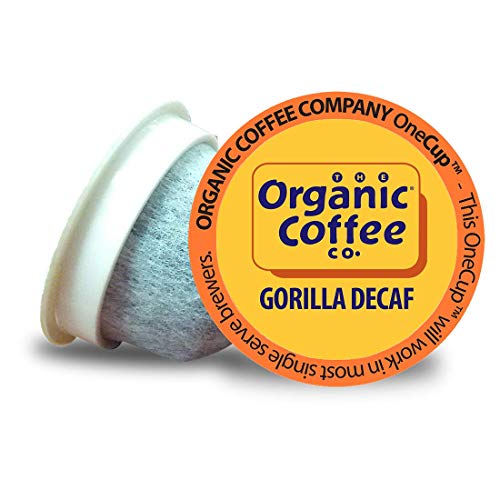
Organic Coffee Co. Gorilla Decaf Pods
Strengths
- Swiss Water Processed
- Compostable pods
- Keurig 2.0 compatible
Trade-offs
- Less flavor depth than whole bean
- Medium roast may lack boldness
- Higher cost per cup
If you rely on a Keurig and want a decaf that doesn’t taste like an afterthought, these Gorilla Decaf pods are worth a serious look. The Swiss Water Process is a big plus, meaning no chemicals touch the beans during decaffeination, and owners consistently report a clean, rounded cup with a medium body and mild sweetness. On paper, the full-City roast suggests enough depth to satisfy those who find decaf too light, and the compostable pod design adds real eco-appeal for daily users.
Still, pod-based coffee always trades some freshness and nuance for convenience, and that’s the case here. While the flavor holds up well for a single-serve option, it won’t match the vibrancy of freshly ground whole beans. Compared to Mayorga’s Cubano Roast, it lacks the layered complexity and roasty depth, but wins on simplicity and machine compatibility.
Video review
How We Evaluated organic decaf coffee
As the founder of Bean Thusiast, I approach evaluating organic decaf coffee with a focus on flavor preservation during decaffeination and sourcing transparency. My research involved comparing published specifications – like processing methods and bean origin – alongside extensive review analysis from both everyday coffee drinkers and respected coffee publications. I then ranked options based on factors critical to a satisfying decaf experience, looking for coffees that minimize flavor loss.
For organic decaf, the decaffeination process and bean quality stand out as most important. A poorly executed decaffeination can leave coffee tasting thin or artificial. I prioritized coffees using methods like the Swiss Water Process or Natural Water Process, known for their gentler impact on flavor. Sourcing from high-quality Arabica beans is also key; a good bean will shine through even after caffeine removal, and you can find smooth decaf coffee options with the right selection.
Specifications reliably indicate the decaffeination method used and bean type, but owner feedback revealed a lot about the actual taste and aroma. While specs tell you how the coffee is made, reviews describe how it tastes. I paid close attention to comments on smoothness, boldness, and any lingering artificial flavors. Reputation also mattered; brands consistently praised for quality and ethical sourcing earned higher consideration, as did options offering organic low acid decaf.
How To Pick The Right organic decaf coffee
As someone who’s spent years exploring the world of coffee, I know finding a good decaf can be surprisingly tricky. You want flavor, you want organic sourcing, and you want a process that truly removes the caffeine without sacrificing taste.
Organic decaf coffee should prioritize a quality Arabica bean, a gentle decaffeination method (Swiss Water Process or similar), and verifiable organic certification. Look for roast dates, not just “best by” dates, to gauge freshness. Flavor notes should be clearly described, moving beyond simple “bold” or “mild” descriptors. Finally, consider the sourcing – supporting farmers is key.
Decaffeination Method Matters
The way caffeine is removed dramatically impacts the final flavor. While many methods exist, some are far superior. I’ve seen too many decafs ruined by harsh chemical processes. The Swiss Water Process, and increasingly, the Natural Water Process (used by Organic Coffee Co.) are preferable. These use only water to extract caffeine, preserving more of the bean’s original characteristics. Avoid anything labeled “Ethyl Acetate” or “Methylene Chloride” if you’re sensitive to those chemicals or simply want a cleaner-tasting cup. Don’t assume “decaf” automatically means quality; it’s the how that counts.
Roast Level & Origin Transparency
Don’t shy away from darker roasts just because it’s decaf. A well-executed dark roast, like the Cubano Roast from Mayorga, can deliver a satisfyingly bold cup. However, origin transparency is crucial. Knowing the beans come from Peru, Honduras, or Nicaragua (as Mayorga specifies) tells me the roaster has a handle on their supply chain. Vague descriptions like “Latin America” are a red flag. The best roasters are proud of their relationships with farmers and let that show. If you’re looking for more information on best organic decaf coffee beans, we’ve got a full guide.
Format & Freshness Considerations
For many, convenience is king, and single-serve pods are appealing. But be aware that pre-ground coffee, even in pods, loses flavor rapidly. If you’re a pod user, buy smaller quantities and check for roast dates on the packaging, not just “best by” dates. Whole bean is always the freshest option, but it requires a grinder. Here’s what I look for when weighing pod versus whole bean:
- Budget: Pods are typically more expensive per cup.
- Convenience: Pods win hands down for speed and ease of use.
- Flavor: Whole bean, ground just before brewing, consistently delivers the richest, most nuanced flavor. This is especially true when you consider the health benefits of decaf – you want to enjoy every sip!
A roast date is more valuable than a “best by” date. Coffee starts losing its volatile aromatics within weeks of roasting, even when stored properly. Prioritize freshness for the best flavor.
Organic Decaf Coffee Compared
Here’s a comparison of key specifications for these organic decaf coffee options to help you make an informed decision.
| Product | Roast Level | Caffeine Level | Process | Format | Origin |
|---|---|---|---|---|---|
| Mayorga Decaf Coffee Cubano | Dark | 99.9% Free | Swiss Water | Whole Bean | Latin America |
| Organic Coffee Co. Gorilla Decaf | Full-City | N/A | Natural Water | Single-Serve | N/A |
Frequently Asked Questions
What’s the difference between Swiss Water Process and Natural Water Process decaffeination?
Both methods use only water to remove caffeine, but the Natural Water Process relies on the coffee’s own compounds for filtration, potentially preserving even more of the bean’s original flavor profile compared to the Swiss Water Process. This results in a very clean, chemical-free decaf.
Can decaf coffee still give me a caffeine buzz?
Yes, but it’s minimal. Legally, “decaf” coffee must have no more than 0.1% caffeine by weight, so a small amount remains; a typical 8oz cup contains roughly 2-12mg of caffeine. This is significantly less than a regular cup, which has around 95mg.
How long does organic decaf coffee stay fresh after opening?
Opened organic decaf coffee stays freshest for about two weeks if stored in an airtight container away from light, heat, and moisture. Whole bean coffee will retain flavor longer than pre-ground, and checking for a roast date is always best.
Is decaffeination harmful to the coffee bean’s antioxidants?
Some caffeine removal methods do reduce antioxidant levels, but gentler processes like Swiss Water and Natural Water Process minimize this loss. Studies show organic decaf coffee still provides a significant amount of antioxidants, though potentially less than its caffeinated counterpart.
Where can I find more information on top decaffeinated coffee brands?
My team at Bean Thusiast has compiled a detailed guide to the best decaf coffee brands, including in-depth reviews and comparisons of various decaffeination methods and flavor profiles. You’ll find a range of options to suit every palate and brewing method.
The Bottom Line
Choosing an organic decaf coffee often comes down to balancing convenience with maximizing flavor. While many options exist, I believe the Mayorga Decaf Coffee Cubano strikes the best overall balance, offering a bold, satisfying cup from ethically sourced beans and a reliable decaffeination process. It’s a great starting point for anyone wanting a consistently flavorful decaf experience.
For those prioritizing ease of use, the Organic Coffee Co. Gorilla Decaf single-serve pods are a clear winner. And if you’re particularly concerned about avoiding any harsh chemicals, you’ll appreciate their Natural Water Process – you can learn more about this water-based decaffeination method. For a budget-friendly option, exploring smaller-batch roasters offering Swiss Water Process decaf is worthwhile.
Ultimately, the “best” coffee is the one you enjoy most. Don’t get too caught up in specific percentages or certifications. Focus on finding a coffee from a reputable roaster, with transparent sourcing, and a decaffeination method – like the Swiss Water Process explained – that preserves the integrity of the bean. Freshness and a roast date are more telling than any other spec.
