
8 Best Light Coffee Picks for 2026
The best light coffee overall is Amazon Fresh Just Bright, a consistently praised roast that delivers clean, vibrant flavor. For a budget-friendly option, McCafe Breakfast Blend Light Roast offers solid quality for the price. If you’re using a Keurig, Happy Belly Light Roast K-Cups are the top pick for single-serve convenience.
Finding a light roast that’s bright without being sour, and flavorful without being sharp, is harder than it should be. Too many fall short with flat aromas or uneven roasting that masks the bean’s true character.
I researched dozens of light roasts, comparing specs, origin details, and hundreds of owner reviews across retailers and coffee communities. These picks rose to the top based on flavor clarity, bean quality, and consistent feedback from real users.
Top 8 Light Coffee in the Market
The Best Light Coffee, Reviewed
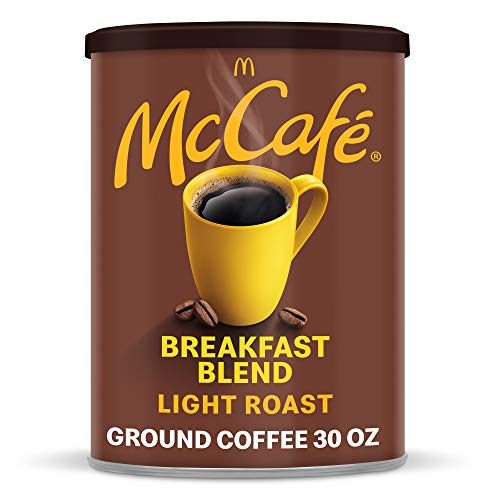
McCafe Breakfast Blend Light Roast
Strengths
- Large 30 oz canister
- Consistent brew
- 100% Arabica
Trade-offs
- Pre-ground limits freshness
- Basic flavor profile
McCafe’s Breakfast Blend is surprisingly competent for a mass-market ground coffee. The 30-ounce canister holds a lot of coffee, and the 100% Arabica beans are roasted to a light profile that retains brightness without tipping into sourness. Reviewers note it brews a clean, even cup with mild sweetness, closer to diner-style consistency than specialty, but reliable.
It’s not as vibrant as Caribou’s Daybreak or as aromatic as Lavazza, but it’s shelf-stable and widely available. The canister helps preserve freshness better than open bags, which matters for pre-ground. For households that go through coffee fast and want something accessible, this is a smarter buy than most supermarket light roasts.
Video review
Amazon Fresh Just Bright Light Roast

Strengths
- 32 oz size
- Crisp clean taste
- Good shelf life
Trade-offs
- Pre-ground limits freshness
- Less aromatic than whole bean
This is the ground version of the Amazon Fresh whole bean, and it’s the best pick if you want bulk light roast without grinding. The 32-ounce bag is massive for a pre-ground option, and the 100% Arabica beans offer the same crisp, clean flavor as its whole bean sibling. Owners say it stays reasonably fresh for weeks when sealed properly.
But let’s be honest: pre-ground coffee always sacrifices some brightness. Compared to the whole bean version, you lose peak aroma and complexity. Still, for office use or homes where convenience trumps nuance, this is a rare large-format light roast that doesn’t taste stale out of the gate. It’s not specialty-grade, but it’s the most practical high-volume ground light roast here.
Video review
Amazon Fresh Just Bright Whole Bean

Strengths
- Crisp flavor
- Large 32 oz bag
- 100% Arabica
Trade-offs
- Limited origin character
- Basic packaging
For a budget-friendly light roast with solid consistency, this Amazon Fresh whole bean option delivers where it counts. The 100% Arabica beans from Central and South America are roasted in the U.S., and owners consistently report a crisp, clean profile that doesn’t lean too acidic or flat. On paper, the 32-ounce bag stands out as one of the more economical large-format light roasts, especially if you’re grinding fresh daily.
It won’t wow specialty seekers chasing nuanced single-origin notes, but for a reliable, no-frills morning brew with decent brightness and mild nuttiness, this is a strong workhorse. Compared to pricier brands, it trades complexity for value, but that’s not a flaw, just positioning.
Product photos


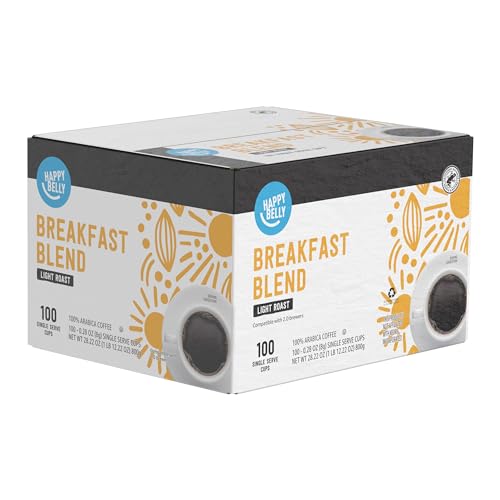
Happy Belly Light Roast K-Cups

Strengths
- Low cost per pod
- 100 count pack
- Wide Keurig compatibility
Trade-offs
- Muted aroma
- Thin body
Happy Belly’s light roast pods are the economy pick that still manages to taste pleasant. With 100 pods in the box, it’s one of the most cost-effective light roast options for Keurig owners, and the blend of Latin American and African beans brings a mild nuttiness with medium acidity. Owners say it’s smooth enough for daily use, though it lacks the aromatic lift of Green Mountain’s version.
It’s compatible with both Keurig 1.0 and 2.0 systems, which is a real plus for older machine owners. But the trade-off is a slightly thinner body and less defined sweetness. If you’re not picky about nuanced notes and just want a drinkable, non-bitter light roast fast, this gets the job done. I’d pick Green Mountain for flavor, but Happy Belly for value.
Product photos



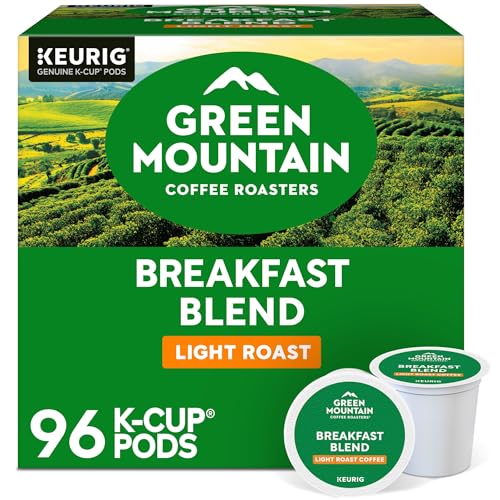
Green Mountain Breakfast Blend K-Cups
Strengths
- Smooth mouthfeel
- Balanced sweetness
- Kosher certified
Trade-offs
- Higher cost per cup
- Plastic waste
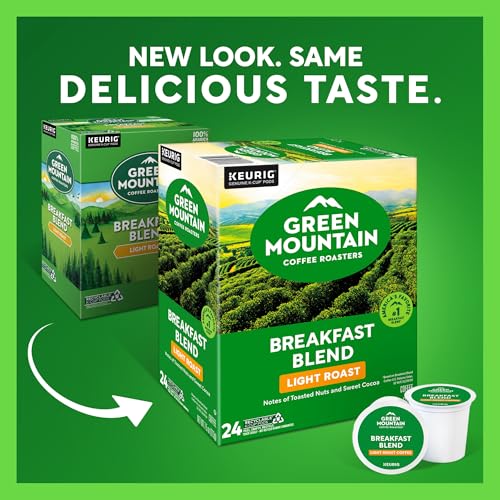
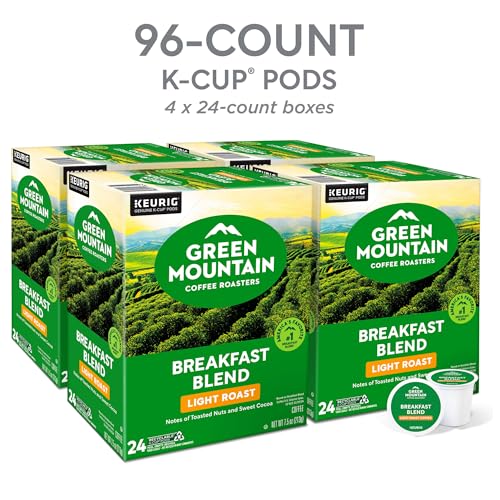
This K-Cup delivers exactly what the label promises: a clean, balanced light roast with a nutty sweetness and smooth mouthfeel. The Orthodox Union Kosher certification and Rainforest Alliance-aligned sourcing give it ethical credibility, and reviewers often highlight its consistency across brews. For Keurig loyalists, it’s a dependable eye-opener without bitterness.
It’s not a bold or complex cup, but that’s not the goal. Compared to Amazon’s Happy Belly pods, it has a slightly richer depth and better aroma, though at a higher cost per pod. If you’re drinking multiple cups a day, that difference adds up. Still, for office use or quick mornings, it’s one of the more drinkable light roast pods on the market.
Product photos

Caribou Daybreak Morning Blend

Strengths
- Fruity and sweet notes
- Rainforest certified
- Small batch roasted
Trade-offs
- Smaller bag size
- Higher price per oz
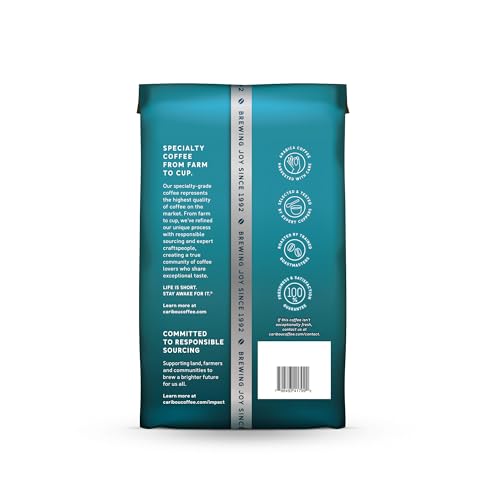
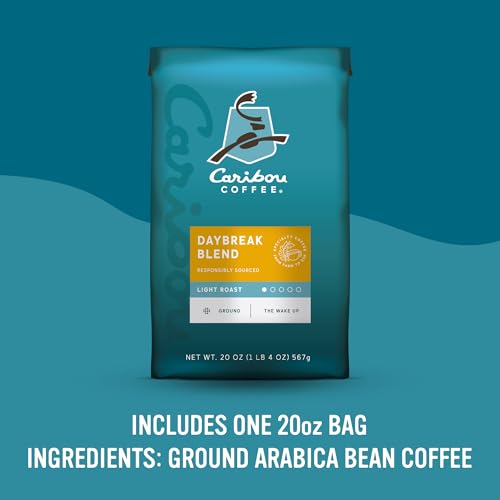
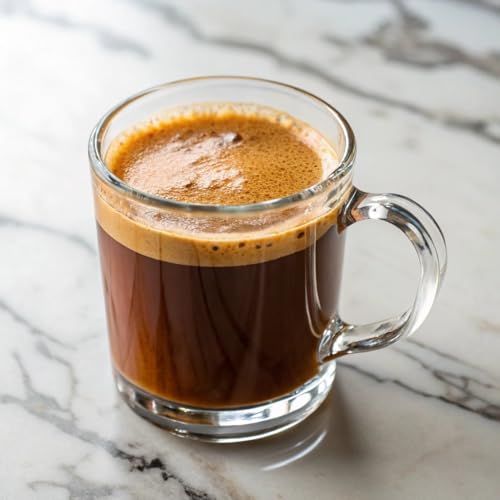
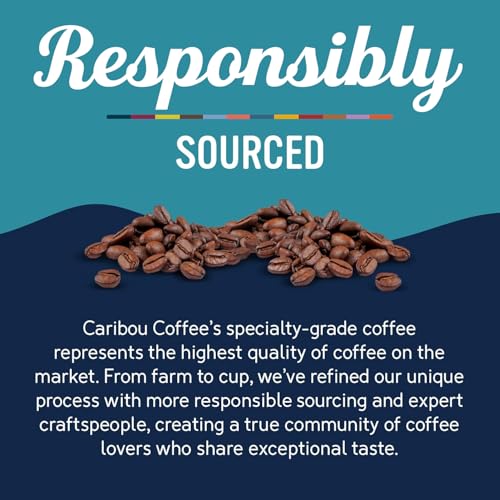
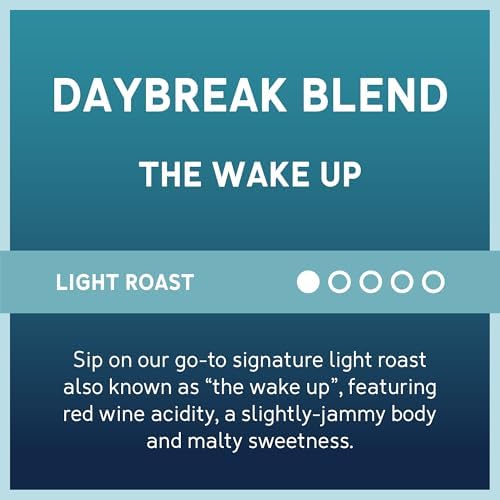
Caribou’s Daybreak Morning Blend stands out with a genuinely bright, fruity character balanced by caramel sweetness and a nutty finish, exactly what a good light roast should offer. The Rainforest Alliance certification and small-batch roasting in Minneapolis signal a step up in care, and owners consistently praise its clean, sunshine-like clarity.
It’s formulated for drip or pour over, and while it’s ground, it holds up better than most pre-ground options in terms of aroma retention. Compared to Lavazza’s Costiera, it’s fruitier and more dynamic; against McCafe, it’s in a different league. The 20-ounce bag is smaller and pricier per ounce, but if you want a specialty-leaning light roast without buying whole bean and grinding, this is one of the best ready-ground choices.
Product photos
Black Rifle Loyal Spirit
Strengths
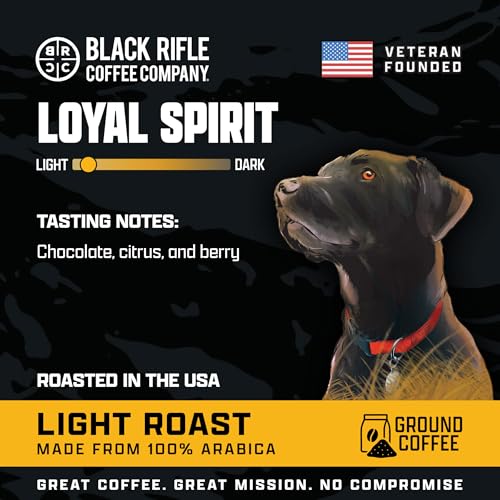
- Citrus and berry notes
- Chocolate depth
- Veteran-founded brand
Trade-offs
- Smaller 18 oz bag
- Higher price point
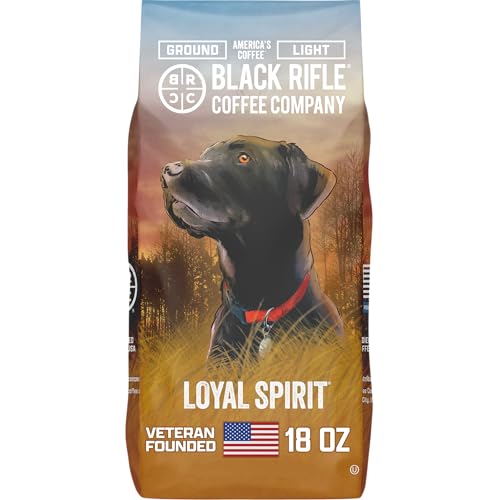
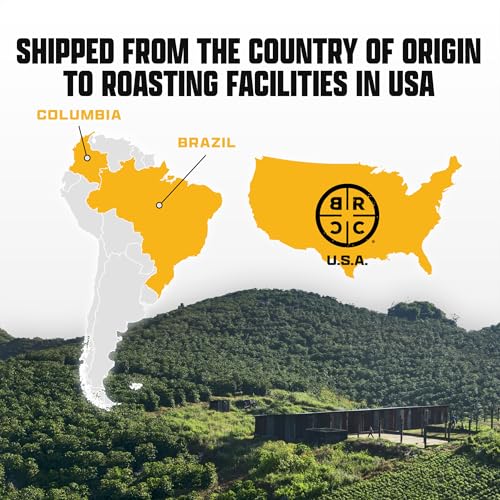
Loyal Spirit is a bold take on a light roast, bright and smooth, but with a structure that feels more substantial than most in this category. The blend of Colombian and Brazilian beans brings citrus and berry notes up front, followed by chocolate depth, which is unusual for a light roast. Owners often call it ‘adventurous’ and ‘well-rounded,’ and the veteran-founded brand adds a layer of authenticity some buyers appreciate.
It’s only 18 ounces and pricier per ounce than Amazon Fresh or McCafe, but the flavor complexity justifies it for many. Compared to Caribou’s Daybreak, it’s fruitier with more chocolate; against Lavazza, it’s bolder and less floral. If you want a light roast that still feels satisfyingly full, this is a standout.
Product photos
Lavazza Costiera Gran Aroma
Strengths
- Floral citrus notes
- Smooth finish
- Low intensity
Trade-offs
- Small 12 oz bag
- Aroma fades fast
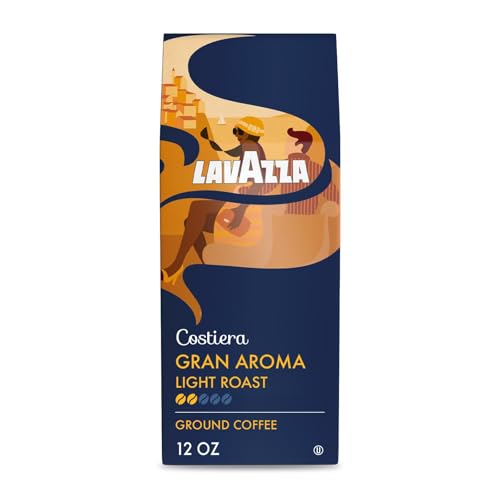
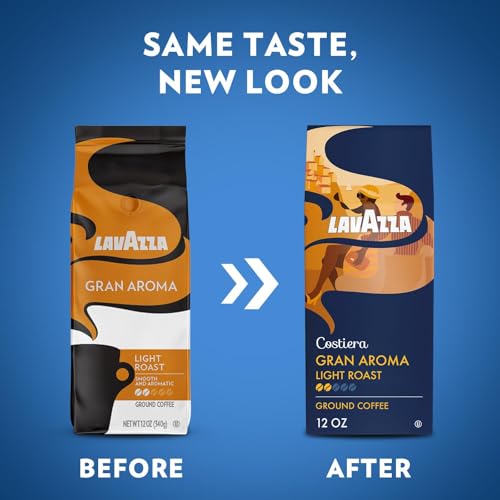
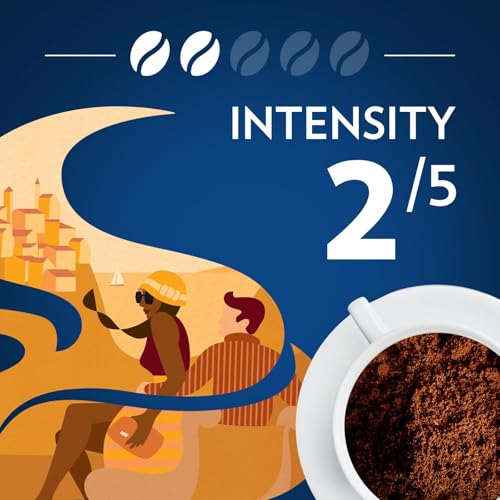
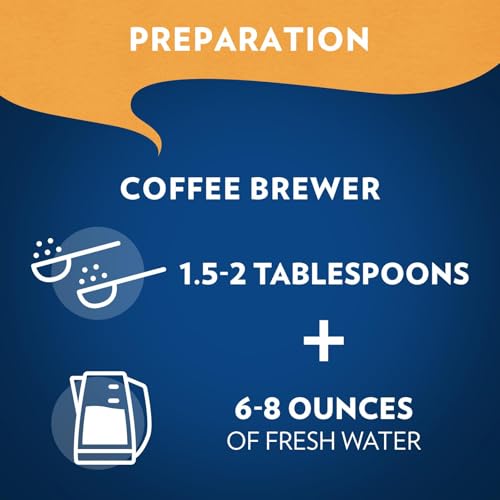
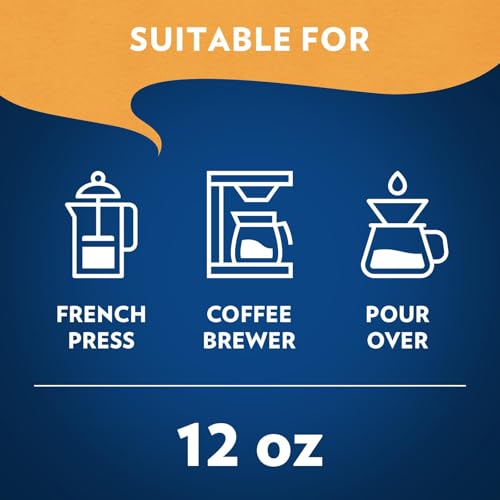
Lavazza’s Costiera Gran Aroma is built for aroma lovers. The 100% Arabica blend from Central America is light-roasted to intensity 2/5, delivering floral notes and a distinct citrus lift that most supermarket roasts lack. On paper, it’s designed for drip brewers, and owners say it brews a smooth, delicate cup, ideal for sipping slowly, not chugging.
But the 12-ounce bag is small, and once opened, the pre-ground format loses vibrancy fast. Compared to Caribou’s Daybreak, it’s more perfumed but less sweet; against McCafe, it’s far more refined. I’d recommend it for those who brew one or two careful cups daily and appreciate aromatic subtlety over boldness. Just don’t expect longevity.
Product photos
How We Picked These light coffee
Rather than a hands-on lab test, my research for these recommendations was a careful comparison of published specifications and features across numerous light roast coffees. I weighed owner reviews from multiple sources – Amazon, coffee-specific forums, and retailer sites – alongside assessments from respected coffee reviewers. As the founder of Bean Thusiast, I applied my understanding of bean origins, roasting techniques, and flavor profiles to rank each option against a set of defined criteria.
For light roast coffee, I prioritized three factors above all else: bean origin (specifically 100% Arabica), flavor clarity, and consistency of positive owner feedback. A light roast really showcases the inherent qualities of the bean, so sourcing matters immensely. Clean, bright flavors are what define the category, and consistently positive reviews regarding taste and aroma were key. Finally, I looked for brands with a reputation for quality control.
Specifications reliably tell you about bean type and roast level, but judging the actual taste requires looking at what people are saying. I considered owner reports on acidity, body, and noticeable flavor notes. Reputation played a role too; established brands with consistent positive feedback gained an edge, while newer or less-known brands needed particularly strong reviews to stand out. You can learn more about light roast coffee characteristics on my site.
How To Pick The Right light coffee
Finding a genuinely good light roast can be trickier than you think. It’s easy to end up with something watery or sour, so knowing what to look for is key.
A quality light roast showcases the bean’s origin characteristics through a delicate balance of acidity, sweetness, and aroma. Look for 100% Arabica beans, information about the growing region, and a roast date (not just a “best by” date) to gauge freshness. Consistent roasting, evident in a lack of burnt or underdeveloped flavors, is also critical.
Bean Origin and Processing
I always tell people to pay attention to where the beans come from. Light roasts are meant to highlight those origin flavors, so a blend from several regions won’t give you the nuanced experience you’re after. Single-origin coffees, particularly those from Central and South America (like those found in the Amazon Fresh options) often excel as light roasts, offering bright citrus notes. However, Ethiopian Yirgacheffe or Kenyan coffees can also be stunning when lightly roasted, providing floral and fruity profiles. Don’t overlook processing methods; washed coffees tend to be cleaner and brighter, while natural processed beans can have more pronounced fruit flavors.
Roast Quality and Freshness
A skilled roaster is crucial. It’s not just about lightly coloring the bean; it’s about developing flavors without introducing bitterness. Look for brands that list a roast date on the bag, and aim to consume the coffee within a few weeks of that date. A lack of roast date is a red flag, as it suggests the coffee may be stale. If you’re exploring curated light roast picks, pay attention to what other owners say about consistency – are they consistently getting a bright, clean cup, or are there reports of sourness or unevenness?
Here’s what I look for when assessing roast quality:
- A visible sheen of oil on the beans is generally not a good sign for a light roast.
- An even color across all the beans suggests a consistent roast.
- A strong, pleasant aroma immediately upon opening the bag indicates freshness and skillful roasting. (If it smells dull, it likely is.)
Brewing Method Compatibility
The way you brew significantly impacts how a light roast will taste. Light roasts require a bit more attention to detail than darker roasts. They benefit from a slightly finer grind than you might use for a medium roast, and a water temperature around 200°F (93°C) is ideal. If you’re a Keurig user, options like the Happy Belly or Green Mountain K-Cups are convenient, but understand you’re sacrificing some nuance compared to freshly ground beans. For those wondering is light roast stronger, remember that while it has slightly more caffeine by weight, the larger volume of beans typically used in a drip brew can balance that out.
Don’t be afraid to experiment with your grind size and water temperature to dial in the perfect cup. A little adjustment can make a huge difference with light roast coffee.
Light Coffee Compared
Here’s a spec-by-spec comparison of the light roast coffees featured.
| Product Title | Bean Type | Format | Size (oz) | Roast Level | Key Flavor Notes |
|---|---|---|---|---|---|
| McCafe Breakfast Blend Light Roast | 100% Arabica | Ground | 30 | Light | N/A |
| Amazon Fresh Just Bright Light Roast | 100% Arabica | Ground | 32 | Light | Crisp, Clean |
| Amazon Fresh Just Bright Whole Bean | 100% Arabica | Whole Bean | 32 | Light | Crisp, Clean |
| Happy Belly Light Roast K-Cups | 100% Arabica | K-Cup | N/A | Light | Nutty |
| Green Mountain Breakfast Blend K-Cups | N/A | K-Cup | N/A | Light | Sweet, Nutty |
| Caribou Daybreak Morning Blend | 100% Arabica | Ground | 20 | Light | Fruity, Caramel, Nutty |
| Black Rifle Loyal Spirit | Arabica | Ground | 18 | Light | Citrus, Chocolate, Berry |
| Lavazza Costiera Gran Aroma | 100% Arabica | Ground | 12 | Light | Floral, Citrus |
Frequently Asked Questions
What’s the best way to store light roast coffee to keep it fresh?
An airtight container, away from direct sunlight, heat, and moisture, is best. Unlike darker roasts, light roasts lose their delicate flavors more quickly, so storing them properly helps maintain quality for up to a month.
Are light roast coffees naturally more acidic?
Yes, light roast coffees generally have higher acidity. This is because the roasting process doesn’t break down as many of the acids present in the bean, contributing to the bright, vibrant flavor profile many people enjoy in premium light roast beans.
Can I use a French press with a light roast coffee?
You can, but it requires a coarser grind than you’d use for a drip machine. A finer grind can lead to over-extraction and a bitter taste, diminishing the delicate flavors of the light roast.
Do K-Cups sacrifice flavor compared to whole bean or ground coffee?
Generally, yes. The pre-ground coffee in K-Cups stales faster, and the limited coffee-to-water ratio doesn’t allow for optimal extraction. However, options like Happy Belly or Green Mountain K-Cups provide convenience if you’re prioritizing speed over nuanced flavor.
What should I look for if I want a light roast with a strong flavor?
Don’t confuse “strong” with “dark.” Look for single-origin coffees known for their intense aroma and flavor profiles, like Ethiopian Yirgacheffe; these offer a bold, complex experience even at a lighter roast level, making them some of the most flavorful light roast selections.
The Bottom Line
Choosing a light roast is often a trade-off between convenience and maximum flavor. If you want a consistently bright and clean cup with minimal effort, I recommend the Amazon Fresh Just Bright Light Roast. It consistently receives positive feedback for its clarity and approachability, and the availability of both ground and whole bean options gives you some control.
For those prioritizing ease of use, the Happy Belly Light Roast K-Cups are a solid choice, and the Green Mountain Breakfast Blend K-Cups are a good alternative. If you’re willing to grind your own beans, the Caribou Daybreak Morning Blend offers a bit more complexity and nuanced flavor, while the Black Rifle Loyal Spirit delivers a unique profile for those who enjoy citrus and berry notes. Understanding the coffee roast spectrum will help you appreciate these distinctions.
Ultimately, the “best” light roast is the one that best suits your palate and brewing setup. Don’t get too hung up on specific origins or fancy terminology. Focus on finding 100% Arabica beans, a recent roast date, and a flavor profile that appeals to you – and remember that a little experimentation with grind size and water temperature can make all the difference in unlocking the delicate acidity in light roast.
