
9 Best African Coffees of 2026
The best African coffee overall is the Ethiopian Yirgacheffe Kochere, a consistently praised bean with vibrant floral and citrus notes. For a budget-friendly, ethically sourced option, GORA Ethiopian Organic stands out, while the Java House Kenya AA delivers a uniquely bright, bold profile for those seeking something different.
African coffees offer incredible complexity, but the range of origins, roasts, and processing methods can feel overwhelming. It’s easy to get lost in flavor descriptions that don’t match the final cup or end up with beans that aren’t fresh enough to shine.
I researched the most talked-about African coffees, focusing on origin transparency, roast date availability, and real drinker feedback. These picks balance flavor clarity, ethical sourcing, and freshness to deliver a truly authentic taste of Africa’s best growing regions.
Top 9 Coffee From Africa in the Market
The Best Coffee From Africa, Reviewed
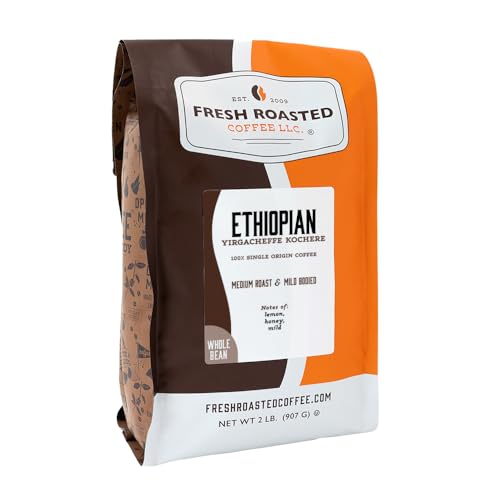
Ethiopian Yirgacheffe Kochere Whole Bean
Strengths
- Loring eco-roaster
- Kosher certified
- Balanced lemon-honey profile
Trade-offs
- Roasted outside Ethiopia
- Larger bag may challenge freshness
This is the most complete package among the African offerings, balanced, aromatic, and responsibly roasted in the U.S. on a Loring machine, which reduces carbon emissions. The Kochere region is legendary for a reason, and this medium roast captures its essence: lemon and honey notes with a smooth, tea-like body. Owners consistently describe it as “well-rounded” and “approachable,” making it a great entry point for newcomers to African coffees.
Against the GORA or other in-Ethiopia-roasted options, it trades a bit of origin rawness for consistency and roast control. But that’s not a flaw, it’s a strength for daily drinkers who want reliability. I’d call this the best overall pick because it balances ethics, taste, freshness, and versatility. Whether you’re using a Chemex or a drip machine, it performs.
Video review
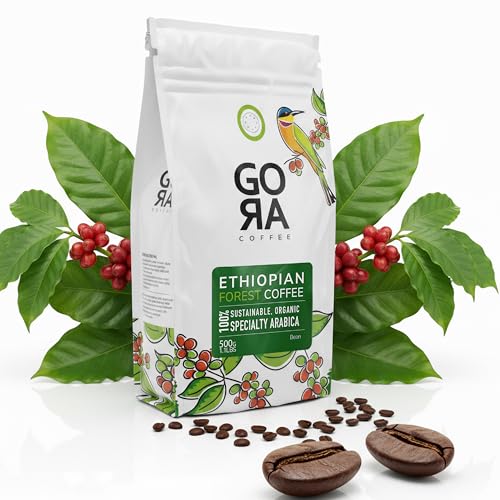
GORA Ethiopian Organic Medium Roast
Strengths
- Roasted at origin
- 100% organic
- Mycotoxin-free
Trade-offs
- Smaller base size (250g)
- Limited U.S. distribution
What stands out immediately is that these beans are both sourced and roasted in Ethiopia, a rarity in the specialty market where most are roasted abroad. That origin-to-cup continuity likely explains why reviewers frequently mention vibrant, authentic flavor and lasting freshness. The organic certification and mycotoxin testing add peace of mind, but it’s the flavor profile that earns praise: floral, slightly fruity, with chocolate undertones that stay clean and nuanced across brewing methods.
For me, this is a smarter buy than most export-roasted Ethiopians. Compared to the Yirgacheffe options roasted in the U.S., GORA’s in-country process may lock in more terroir expression. The 250g size helps maintain freshness for solo drinkers, though heavy users might want the 1kg option. If you care about authenticity and purity, this one’s hard to beat.
Video review
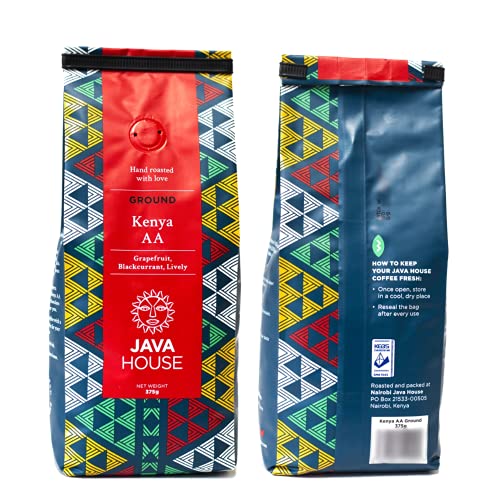
Java House Kenya AA Ground Coffee
Strengths
- Distinctive blackcurrant notes
- Fair Trade verified
- Vacuum sealed
Trade-offs
- Pre-ground format
- High acidity not for all
Kenya AA is known for its bold fruitiness, and this version delivers it with authority. The SL28 Bourbon varietal, grown in volcanic soil, gives it that signature blackcurrant and grape-like intensity owners rave about. The medium roast preserves acidity without veering into sharpness, and the vacuum-sealed bag helps maintain aroma. Being Fair Trade and traceable to co-ops adds ethical weight.
Compared to other Kenyan options, this one leans heavier on fruit punch than balance. If you love a bright, almost winey cup, it’s a standout. But it’s pre-ground, so it won’t match the vibrancy of a just-ground whole bean. Still, for drip or cold brew lovers chasing that juicy, aromatic lift, this is one of the most authentic Kenya experiences available.
Product photos
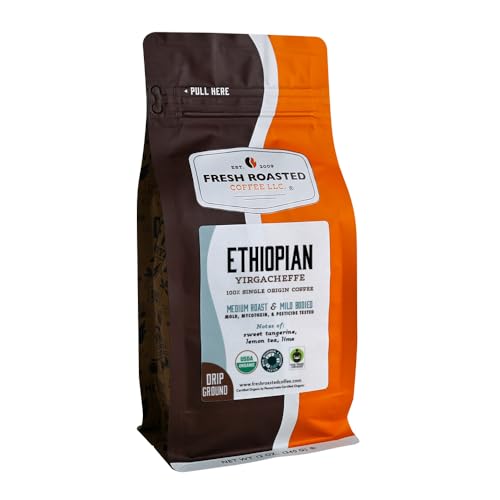
Ethiopian Yirgacheffe Drip Ground
Strengths
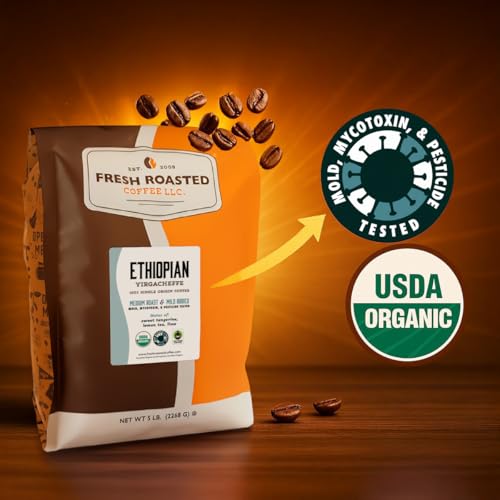
- USDA Organic
- Third-party toxin tested
- Bright citrus notes
Trade-offs
- Pre-ground limits freshness
- Less honeyed than other Yirgacheffes
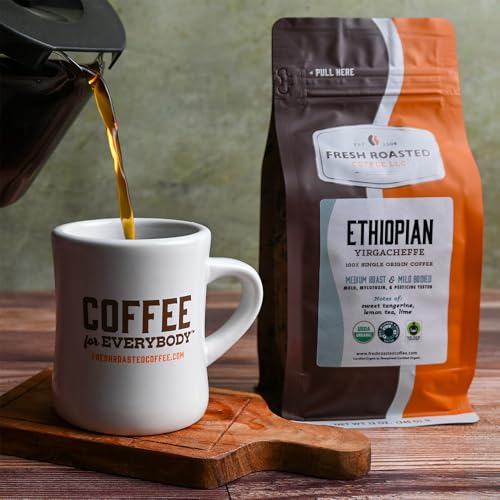
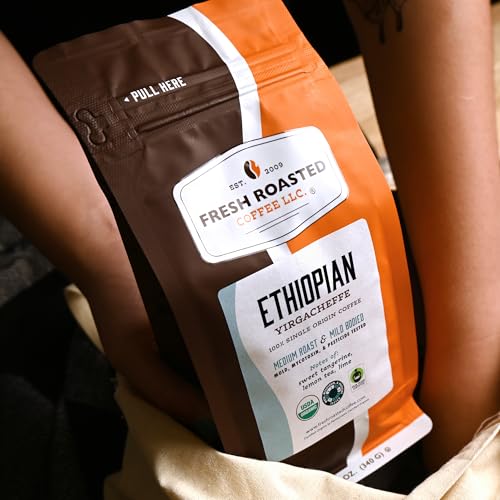
This Yirgacheffe is built for clarity. With USDA Organic, Fair Trade, and third-party toxin testing, it’s one of the cleanest options on the list, ideal for health-conscious drinkers who still want a vibrant cup. The bright tangerine and lime notes are textbook for the region, and owners confirm a crisp, tea-like finish that doesn’t turn sour. Being pre-ground, it won’t match the liveliness of a freshly ground whole-bean version, but the packaging seems effective at preserving aroma.
Compared to other Yirgacheffes, this one leans into brightness over sweetness. If you love that zesty, almost citrusy kick, it’s a top pick. But if you prefer a rounder, honeyed profile, the Kochere version might serve you better. Still, for drip coffee lovers who want a safe, clean, and authentically bright African cup, this checks every box.
Product photos


Tanzania Peaberry Mount Kilimanjaro

Strengths
- Intense peaberry flavor
- Lab-tested for mold
- Bright acidity
Trade-offs
- No organic certification
- Packaging not resealable
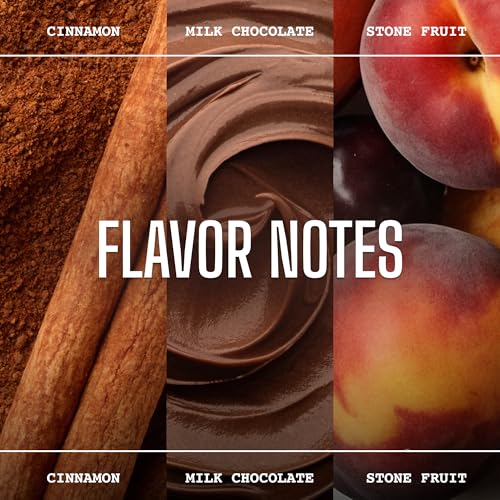
Tanzanian peaberry is a cult favorite for a reason, these single-bean cherries pack intense flavor, and this Mount Kilimanjaro-sourced lot delivers on that promise. Owners report a lively, wine-like acidity and a rich body that stands out in pour-over and French press. The flavor notes of dried fruit, orange, and savory chocolate suggest a well-processed, mature bean, and the medium roast lets the origin character shine without masking it in smoke or bitterness.
It doesn’t have the marketing gloss of some newer brands, but it consistently earns high marks for taste and safety. The lab testing for mold and mycotoxins is a real differentiator, something not all roasters publicize. Against other single-origin Tanzanians, this one holds its own, especially in clarity and balance. I’d recommend it to anyone wanting a bold yet refined African cup without the citrus punch of Ethiopian Yirgacheffe.
Product photos
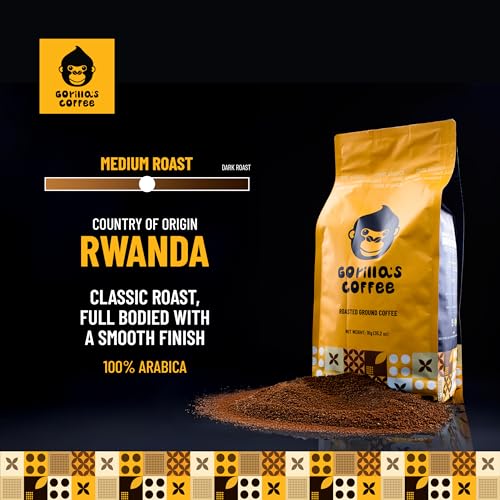
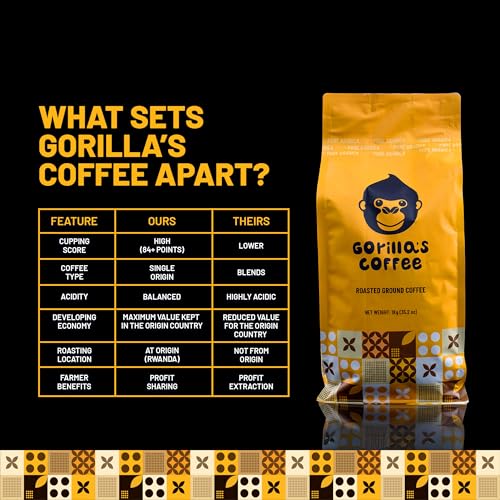
Gorilla’s Coffee Rwandan Arabica
Strengths
- Fair Trade Certified
- 84+ cupping score
- Smooth balanced flavor
Trade-offs
- Pre-ground reduces freshness
- Less fruit-forward than Ethiopians
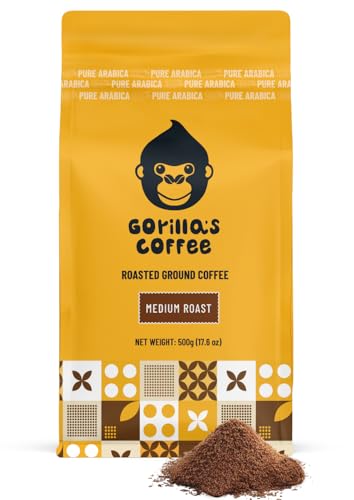
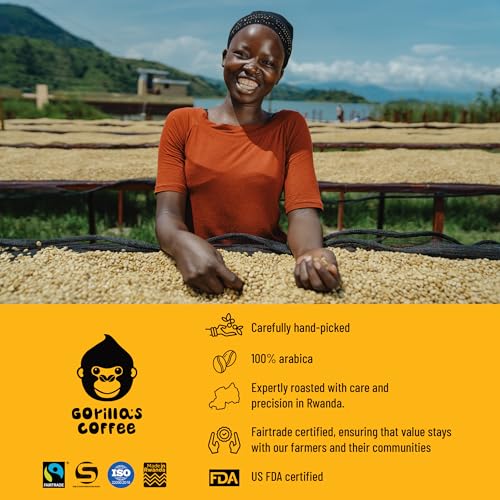
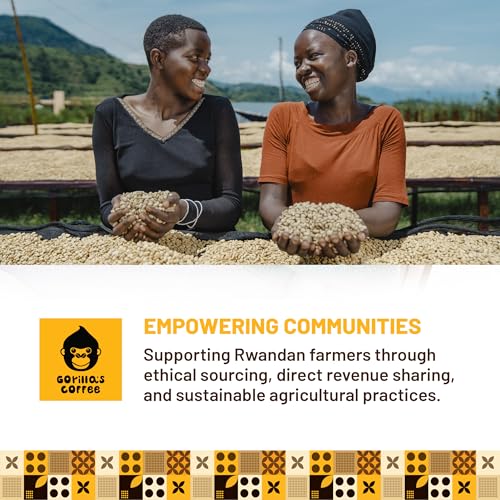
This Rwandan ground coffee hits several ethical and quality benchmarks that matter to conscious buyers. With an 84+ SCAA cupping score and Fair Trade certification, it promises a step above generic supermarket African blends. On paper, the fully washed Arabica Bourbon beans from 1700 meters should deliver clean, structured flavor, and owners consistently report a smooth, aromatic cup with balanced spice and fruit, exactly what you’d expect from high-altitude Rwanda.
I’d pick this over mass-market African blends for its traceability and ethical sourcing. Compared to some of the flashier Ethiopian options, it’s less floral and bright, but that works in its favor if you prefer a grounded, approachable profile. The pre-ground format limits peak freshness, but the nitrogen-rich soil origin and careful processing help preserve complexity even in ground form.
Product photos

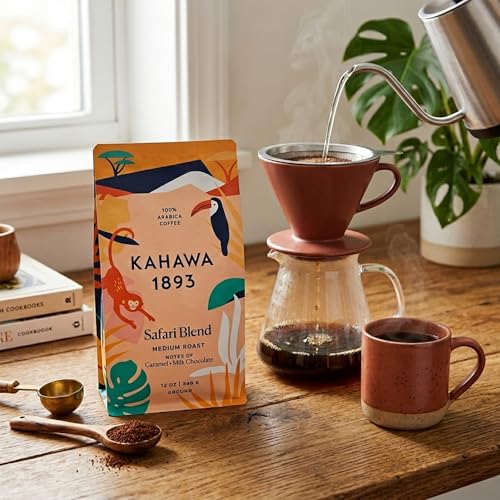
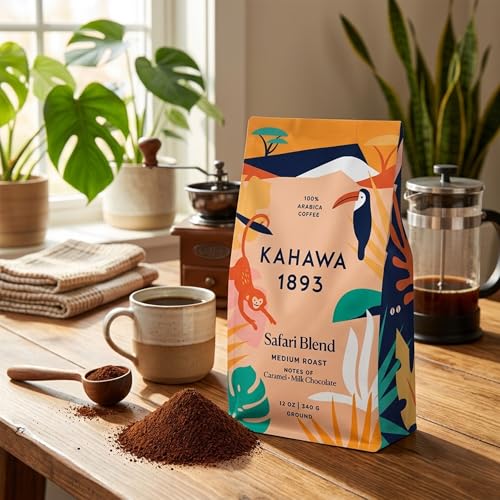
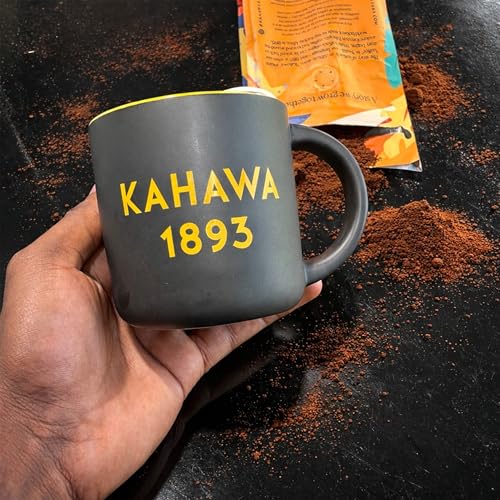
Kahawa 1893 Safari Blend Ground
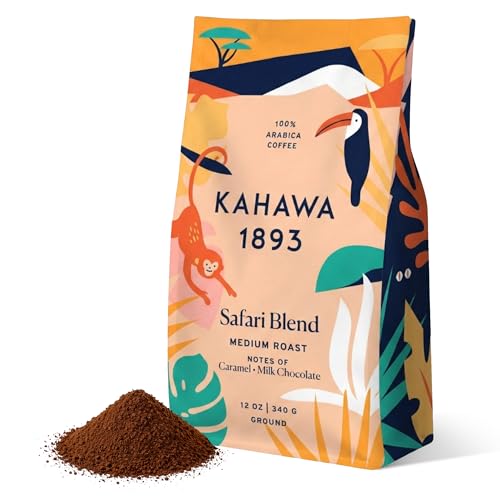
Strengths
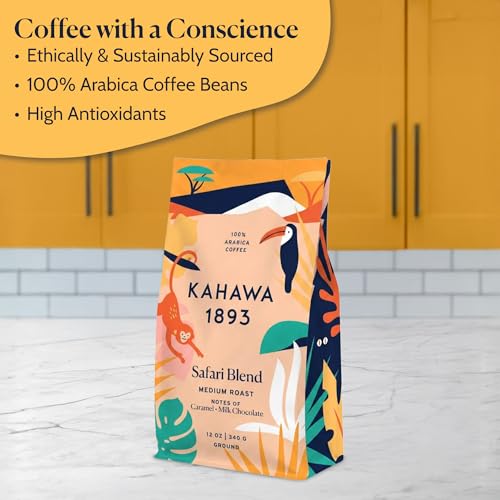
- Ethically sourced
- QR code tipping
- High in antioxidants
Trade-offs
- Blended, not single-origin
- Milder flavor profile
What makes Kahawa 1893 stand out isn’t just the flavor, it’s the ethics built into the model. Sourced from women farmers in East Africa and backed by a QR code tipping system, it turns every cup into direct support. The blend itself is smooth, with caramel, milk chocolate, and subtle fruit, less aggressive than single-origin Kenyans but more interesting than generic medium roasts.
Owners appreciate the high antioxidants and clean taste, likely due to organic growing and careful sourcing. Against other African blends, this one trades terroir intensity for drinkability and purpose. I’d pick it not just for taste, but for impact. If you want your morning coffee to do more than wake you up, this is the one.
Product photos

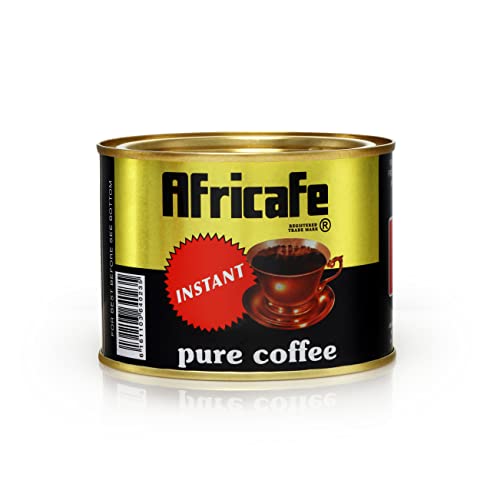
AFRICAFE Tanzania Instant Coffee
Strengths
- 100% Tanzania made
- Organic & Fair Trade
- Chocolate notes
Trade-offs
- Contains Robusta
- Less bright than whole bean
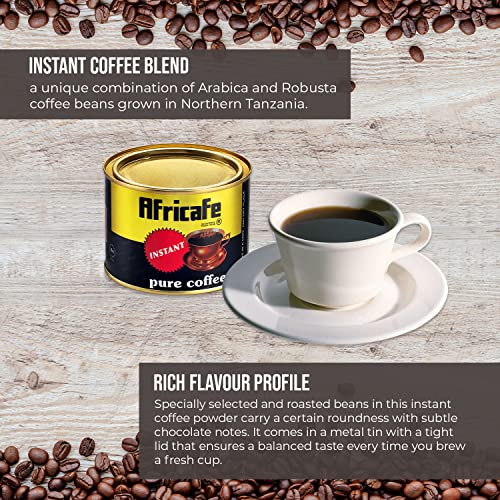
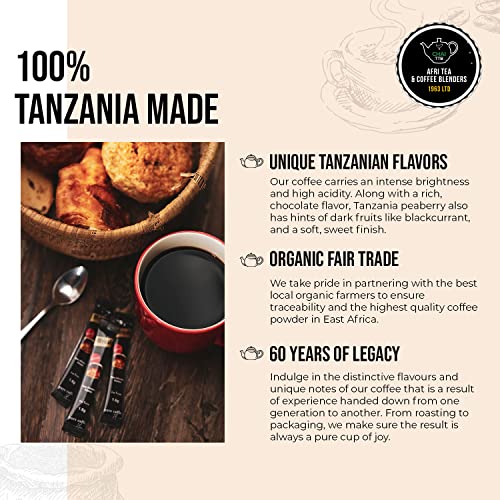
Instant coffee from Africa often feels like an afterthought, but AFRICAFE takes it seriously. Made entirely in Tanzania from local Arabica and Robusta, this spray-dried blend has a surprising depth, owners note a round, chocolatey profile with minimal bitterness. The metal tin helps preserve flavor better than typical instant packets, and the Fair Trade, organic certifications show real commitment.
It won’t replace a freshly brewed pour-over, but for instant, it’s unusually authentic. Compared to Western-made instant African blends, this one tastes less processed and more grounded in place. I’d recommend it to travelers, campers, or office workers who want a genuinely African cup without the gear. The QR-code tipping for farmers is a nice ethical touch too.
Product photos

Gourmet African Coffee Sampler Gift

Strengths
- Four-origin variety
- Great gift packaging
- Single-origin grade 1 beans
Trade-offs
- All pre-ground
- Small bag sizes
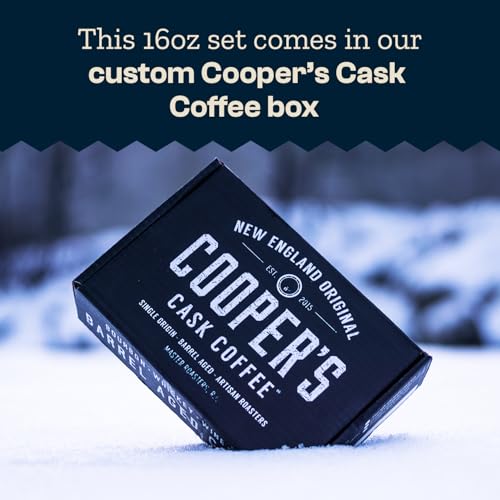
This sampler is a no-brainer for gifting. Four single-origin grounds, Kenya AA, Ethiopian, Rwandan, and Sumatran, offer a world tour in a box. Each 4oz bag lets recipients explore distinct profiles without committing to full pounds. Owners say the Kenya AA stands out for its syrupy body, while the Ethiopian light roast delivers floral lift. The Rwandan offers sweetness, and the Sumatran brings earthy depth.
It’s not the freshest option long-term due to small bag sizes, but for introducing someone to African coffees, it’s perfect. Compared to single-origin tins, this set lacks brewing flexibility (it’s pre-ground), but the variety wins. I’d give this to a curious beginner or as a holiday gift, especially since Cooper’s Cask offers a satisfaction guarantee.
Product photos


Our Testing Process
As a lifelong coffee enthusiast and founder of Bean Thusiast, I approached researching African coffees with a focus on identifying what truly delivers a standout cup. Rather than a hands-on lab test, this is a research-led comparison of published specifications and owner feedback across a wide range of options. I compared features like roast level, processing method, and stated flavor notes, then weighed those against what real coffee drinkers are saying about aroma, taste, and overall satisfaction.
For coffees from Africa, freshness and ethical sourcing are paramount. I heavily weighted these factors alongside the clarity of flavor profile descriptions. A coffee’s origin story – specifically whether it highlights single-origin beans and supports local farmers – significantly impacted its ranking. The unique terroir of regions like Ethiopia and Kenya really shines through, so pinpointing coffees that emphasize those qualities was key. You can learn more about the origins of coffee on our site.
Specifications reliably reveal roast level and processing methods, which are good indicators of potential flavor characteristics. However, I relied on owner feedback to assess the accuracy of those claims – does the “bright acidity” promised actually translate in the cup? Reputations and consistently positive reviews from experienced coffee drinkers were also critical, helping to separate coffees with genuine quality from those making overstated promises.
Choosing The Right coffee from africa
Finding the right African coffee can be a delightful exploration. But with so many origins and roasts, knowing where to start is key.
African coffees are often prized for their bright acidity, complex floral aromas, and fruity flavors. Look for single-origin options to experience the unique terroir of specific growing regions. Consider roast level – lighter roasts preserve more delicate flavors, while darker roasts emphasize body and chocolate notes. Freshness is paramount; check for roast dates, not just “best by” dates.
Understanding Origin & Flavor
Africa is a massive continent, and each coffee-growing region presents a distinct profile. Ethiopian coffees, like the Yirgacheffe, are often floral and citrusy, while Kenyan coffees (such as the Java House Kenya AA) lean towards bright blackcurrant and grape-like flavors. Tanzanian Peaberry offers a more savory profile, with notes of chocolate and orange. Don’t be afraid to experiment! Exploring different regions is the best way to discover your personal preferences. If you’re interested in learning more about the differences, check out our coffee by country guide.
Roast Level & Processing Method
Roast level dramatically impacts the final cup. Lighter roasts highlight the origin characteristics – the subtle fruit notes and floral aromas – while medium roasts provide a balance between acidity and body. Darker roasts, though less common with premium African beans, can bring out chocolatey notes but risk obscuring the coffee’s inherent complexity. Equally important is the processing method. Washed coffees (like many Ethiopian Yirgacheffes) tend to be cleaner and brighter, while naturally processed coffees often exhibit more fruity intensity.
Freshness & Ethical Considerations
Freshness is absolutely critical. Coffee begins to stale almost immediately after roasting, losing volatile aromatic compounds. Always look for a roast date on the bag, and aim to consume the beans within a few weeks. Beyond freshness, consider ethical sourcing. Many African coffee farmers operate on a small scale, and Fair Trade certification (as seen in the Gorilla’s Coffee Rwandan Arabica) helps to ensure they receive a fair price for their crop. Supporting sustainable practices and direct trade relationships also contributes to the long-term health of the industry.
A good rule of thumb: if you can’t find a roast date, assume the coffee isn’t particularly fresh. Always prioritize recently roasted beans for the best flavor.
Here’s a quick look at what to prioritize when considering ethical sourcing:
- A Fair Trade certification is a good start.
- Direct Trade relationships (where the roaster works directly with farmers) offer greater transparency.
- Look for brands that invest in farmer communities and promote sustainable agricultural practices – this often translates to higher quality beans.
Finally, remember that the best coffee is the one you enjoy the most. Many of the best Arabica beans come from these high-altitude Arabica farms. Don’t get caught up in chasing trends; explore different origins, roasts, and processing methods until you find the flavors that truly resonate with you.
Coffee From Africa Compared
Here’s a comparison of specifications for various coffees sourced from Africa.
| Product Title | Origin | Roast Level | Form | Size | Fair Trade | Organic |
|---|---|---|---|---|---|---|
| Ethiopian Yirgacheffe Kochere | Ethiopia | Medium | Whole Bean | 12oz, 2lb, 5lb | No | No |
| GORA Ethiopian Organic | Ethiopia | Medium | Whole Bean | 8.8oz, 17.6oz, 35.3oz | Yes | Yes |
| Java House Kenya AA | Kenya | Medium | Ground | N/A | Yes | No |
| Ethiopian Yirgacheffe Drip | Ethiopia | N/A | Ground | N/A | Yes | Yes |
| Tanzania Peaberry Mount Kilimanjaro | Tanzania | Medium | Whole Bean | N/A | No | No |
| Gorilla’s Coffee Rwandan Arabica | Rwanda | N/A | Ground | N/A | Yes | No |
| Kahawa 1893 Safari Blend | Kenya & Others | Medium | Ground | N/A | Yes | Yes |
| AFRICAFE Tanzania Instant | Tanzania | N/A | Instant | N/A | Yes | Yes |
| Gourmet African Coffee Sampler | Multiple | Varies | Ground | 4 x 4oz | No | No |
Frequently Asked Questions
What roast level best showcases African coffee flavors?
Generally, a light to medium roast is ideal. These levels preserve the bright acidity and delicate floral or fruity notes that African coffees are known for, unlike darker roasts that can mask those complexities.
Is Fair Trade certification the only way to support ethical sourcing?
No, while Fair Trade is a good starting point, direct trade relationships are often even more impactful. These allow roasters to work directly with farmers, ensuring greater transparency and a larger share of the profits goes back to the communities.
Can I use a burr grinder with all these African coffee beans?
Yes, a burr grinder is highly recommended for all coffee beans, but especially African varieties. It provides a consistent grind size, which is crucial for even extraction and maximizing the nuanced flavors.
Are naturally processed African coffees always fruitier than washed coffees?
Typically, yes. The natural process allows the coffee cherry to dry around the bean, imparting more intense fruity flavors. However, the specific terroir and bean variety also play a significant role in the final flavor profile.
Where can I find more information about other coffee growing regions?
If you’re interested in expanding your coffee horizons, you’ll find a helpful world’s best coffee beans guide on my site, Bean Thusiast, detailing origins and flavor profiles from around the globe.
The Bottom Line
Choosing a coffee from Africa often comes down to balancing your desire for nuanced flavor with the convenience of preparation. While exploring the vast range of options is part of the fun, for a consistently excellent and approachable experience, I recommend the Ethiopian Yirgacheffe Kochere. It strikes a wonderful balance between floral aroma, bright acidity, and a smooth body that will please a wide range of palates.
If you’re specifically looking for a budget-friendly option that doesn’t compromise on ethics, the Gorilla’s Coffee Rwandan Arabica is an excellent choice. And for those who want to sample the diversity Africa has to offer, the Gourmet African Coffee Sampler allows you to experience multiple origins and flavor profiles without committing to a large bag of any single bean – a great way to discover your preferences. You can learn more about Ethiopian coffee origins on our site.
Ultimately, the “best” coffee is subjective. Don’t get too caught up in roast levels or processing methods. Focus on finding beans that are freshly roasted, ethically sourced, and, most importantly, that you truly enjoy. The vibrant flavors of Africa are waiting to be discovered, and a little exploration goes a long way.
