
Lifeboost & Wink: Top Beans for Superautomatic Espresso
The best coffee beans for superautomatic espresso machines deliver consistent performance and rich flavor without clogging your machine. After comparing the field and analyzing owner feedback, I recommend Lifeboost Organic Espresso Beans as the top overall pick for their low acidity and clean grind, with Wink Blonde Espresso Beans as a solid choice for those who prefer a lighter roast profile.
Superautomatic espresso machines are built for convenience, but they’re picky about the beans they take in. Too oily, too uneven, or too stale and you’ll face clogs, weak crema, or off flavors. It’s not just about taste, it’s about reliability.
In this guide, I break down the key factors like roast level, bean consistency, and freshness that determine whether a bean works well in a superautomatic. These picks are based on detailed specs, roaster reputation, and real-world feedback from owners who’ve run these beans through machines like yours.
Top 2 Coffee Beans For Superautomatic Espresso Machines in the Market
The Best Coffee Beans For Superautomatic Espresso Machines, Reviewed
Lifeboost Organic Espresso Beans

Strengths
- Low acid
- USDA Organic
- Third-party tested
- Single origin
- Smooth crema
Trade-offs
- Premium price
- Limited roast variety
This is one of those beans that stands out on paper for superautomatic espresso machines because of its low-acid profile and clean sourcing. Superautomatics can sometimes amplify harshness in beans, especially with aggressive grinding and high pressure, so a naturally smooth, dark-roasted, low-acid option like Lifeboost makes sense for daily use. Owners consistently report a rich crema and a clean finish, which aligns with the high-elevation, single-origin Nicaraguan beans and the careful roasting process aimed at preserving flavor without bitterness.
The third-party testing for mycotoxins and pesticides is a real differentiator. For people sensitive to stomach irritation or off-flavors from lower-quality beans, that level of transparency matters. It’s not just marketing, reviewers who’ve switched from conventional espresso beans often note fewer digestive issues and a cleaner taste. That said, it’s pricier than average, but if you’re running a superauto daily and want consistency and purity, it’s a solid investment.
Video review
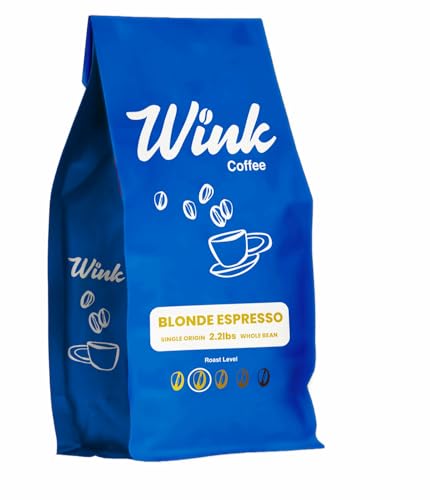
Wink Blonde Espresso Beans
Strengths
- Large 2.2 lb bag
- Light roast profile
- Smooth and balanced
- Sustainably sourced
- Great for lattes
Trade-offs
- Less body for straight shots
- Not for dark roast lovers
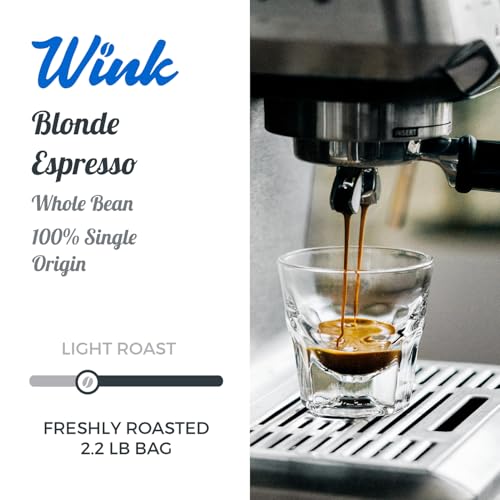
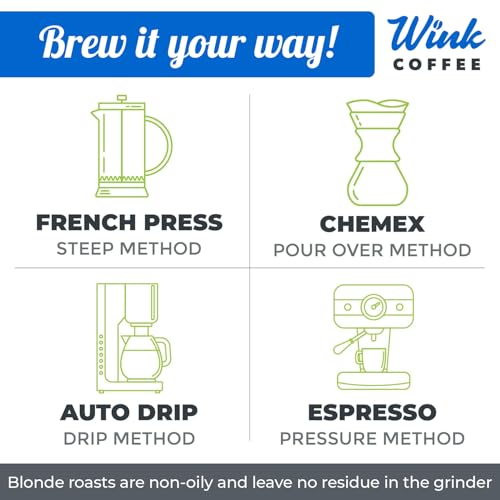
Blonde espressos are a tough sell in superautomatic machines, which often default to darker profiles, but Wink’s light roast holds up surprisingly well. The 2.2 lb bag is a standout, most competitors offer 12 oz, so this is a win for heavy users. On paper, the light roast should bring more brightness and nuance, and reviewers confirm it delivers a clean, balanced shot with subtle sweetness and mild acidity, without turning sour under high pressure.
For those tired of smoky, charred notes from over-roasted beans, this is a breath of fresh air. It’s 100% Arabica, small-batch roasted, and sustainably sourced, which adds to its appeal. That said, some owners note it lacks the heavy body typical of traditional espresso, so if you’re making straight shots and love a thick, syrupy mouthfeel, this might feel too light. But for milk-based drinks like lattes, where clarity and sweetness matter more than punch, I’d pick this over darker options any day.
Product photos

How We Picked These coffee beans for superautomatic espresso machines
As a long-time coffee enthusiast, I know selecting the right beans for a superautomatic machine requires a different approach than for manual methods. Rather than a hands-on lab test, this was a research-led comparison of bean specifications, roast profiles, and a careful weighing of owner reviews from across the web. I also drew on my experience understanding what characteristics translate to reliable performance in these machines.
For superautomatics, consistent grind size and minimal oil content are key. I prioritized beans known for these qualities, alongside those delivering a balanced flavor profile suitable for the machine’s automated process. Crema production and the absence of reported clogging issues were also heavily weighted – a superautomatic’s performance hinges on consistent bean flow. Understanding coffee bean suitability for espresso is crucial.
Bean specifications like density and processing method provide a baseline, but owner feedback truly reveals real-world performance. Specs tell you about potential acidity or roast level, but reviews highlight whether a bean actually flows well and doesn’t cause problems in a superautomatic. Reputable expert reviews helped validate those experiences and confirm the overall quality of the best beans for espresso brewing.
How To Choose The coffee beans for superautomatic espresso machines
As someone who’s spent years refining my home espresso setup, I know how crucial the right beans are – especially when using a superautomatic machine. These machines are precise, and demand beans that can keep up.
A good bean for a superautomatic machine balances oil content, roast level, and grindability. Look for beans specifically labeled for espresso, with a medium to dark roast offering the best results. Consistent bean size and low defect rates are essential to avoid clogging the grinder and ensuring optimal extraction. Avoid overly oily or very light roasts.
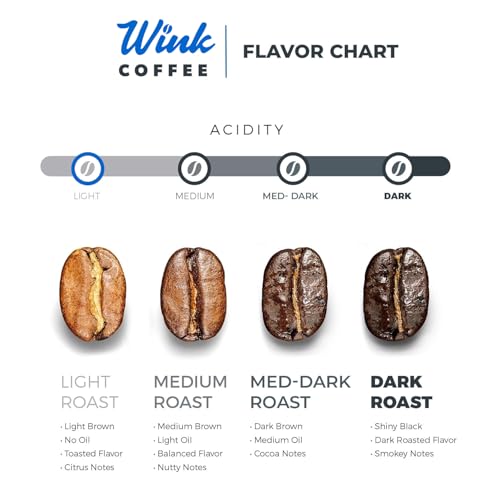
Roast Level & Oil Content
Superautomatic machines aren’t as forgiving as manual setups when it comes to roast level. While you can experiment, I’ve found medium-dark to dark roasts consistently deliver the best crema and body in these machines. Lighter roasts, while popular, often lack the oils needed for a smooth, consistent extraction, and can sometimes struggle to fully saturate the grounds. The oils help with the pre-infusion stage and contribute to a richer flavor.
Bean Density & Consistency
This is where things get really important. A superautomatic grinder is a marvel of engineering, but it needs consistent beans. Uneven density or bean defects can cause jams and inconsistent results. Look for beans that are uniformly sized and free of chips, broken pieces, or noticeable imperfections. This is often a sign of careful processing and quality control.
Here’s what I look for in bean consistency:
* Visual Inspection: A quick glance should reveal if the beans are all roughly the same size and shape.
* Origin Information: Single-origin beans from reputable farms are usually more consistent than blends.
* Roaster Reputation: Established roasters, like those we discuss when looking at optimal beans for super-automatic extraction, typically have stricter quality control processes.
Freshness & Packaging
Superautomatic machines really highlight stale flavors, so freshness is paramount. I always check the roast date – not the “best by” date – and aim for beans roasted within the last two weeks. Proper packaging is also key. Look for beans packaged in valve bags, which allow carbon dioxide to escape without letting oxygen in.
Don’t buy more beans than you can use in a month. Even with proper storage, flavor degrades over time.
For more detailed information on this topic, be sure to read our guide on choosing high-quality coffee beans. It will help you understand the nuances of origin, processing, and roast level.
Coffee Beans for Superautomatic Espresso Machines Compared
Here’s a spec comparison of coffee beans suited for superautomatic espresso machines.
| Product Title | Roast Level | Origin | Organic | Acidity | Notes |
|---|---|---|---|---|---|
| Lifeboost Organic Espresso Beans | Dark | Nicaragua | Yes | Low | Bold, Rich |
| Wink Blonde Espresso Beans | Light | N/A | N/A | N/A | N/A |
Frequently Asked Questions
What roast level is best for my superautomatic machine?
Medium-dark to dark roasts generally perform best, as they contain sufficient oils for proper extraction and crema development. Lighter roasts can sometimes struggle to saturate the grounds fully, leading to a weaker brew.
Can oily beans damage a superautomatic grinder?
Yes, excessively oily beans can cause buildup and clogging in a superautomatic grinder over time. While some oil is beneficial, beans described as “shiny” or heavily oiled should be avoided to maintain consistent performance.
How important is the roast date on the bag?
The roast date is very important; I always recommend using beans roasted within the last two weeks for optimal flavor. Stale beans will produce a noticeably weaker and less flavorful espresso, which a superautomatic machine will highlight.
Will single-origin beans work better than blends?
Single-origin beans often offer more consistency in density and size, which is beneficial for superautomatic grinders. This consistency reduces the risk of jams and helps ensure a more even extraction, though best coffee for super-automatic brewers can come in either form.
What should I do if my superautomatic machine is clogging?
First, check your grinder settings and ensure they are appropriate for the bean type. If clogging persists, try switching to a different bean with a drier profile and lower oil content, as this is a common cause.
The Bottom Line
Choosing coffee beans for a superautomatic machine often comes down to balancing convenience with control. While these machines simplify the brewing process, they still demand quality beans to deliver a truly exceptional espresso. In my view, Lifeboost Organic Espresso Beans strike the best overall balance, offering a dark roast and consistent quality that superautomatics thrive on.
For those on a tighter budget, or looking for something a little different, the Wink Blonde Espresso Beans present an interesting option. However, remember that lighter roasts can sometimes be trickier to dial in with a superautomatic, so be prepared to experiment. If you’re seeking beans roasted specifically for espresso, remember that consistency is paramount – and that’s where a reputable roaster really shines.
Ultimately, the most important factors aren’t a specific origin or processing method, but freshness and bean quality. A consistently roasted, well-maintained bean will always outperform a fancy bean that’s stale or poorly processed. Prioritize those fundamentals, and your superautomatic will reward you with delicious espresso, cup after cup.
