
8 Best Coffee Beans for Super Automatic Espresso Machines
The Lavazza Super Crema is our overall best pick for super automatic espresso machines, delivering a smooth, aromatic shot with reliable crema and low oil content that won’t clog your grinder. For a top organic option, Lifeboost Organic Espresso stands out with its clean flavor and single-origin purity, while Illy Classico offers a balanced, consistent choice for daily use.
If you’ve ever pulled a weak, bitter, or flat shot from your super automatic, the problem might not be the machine, it’s likely the beans. These brewers demand specific characteristics to perform well, and choosing the wrong bag can lead to clogs, poor extraction, or lackluster flavor.
I built this guide to cut through the noise. After researching specs, analyzing owner feedback, and reviewing roasting practices, I focused on beans that genuinely work within the mechanical limits of super automatics, prioritizing grind compatibility, roast profile, and freshness above all.
Top 8 Coffee Beans For Super Automatic Espresso Machine in the Market
The Best Coffee Beans For Super Automatic Espresso Machine, Reviewed
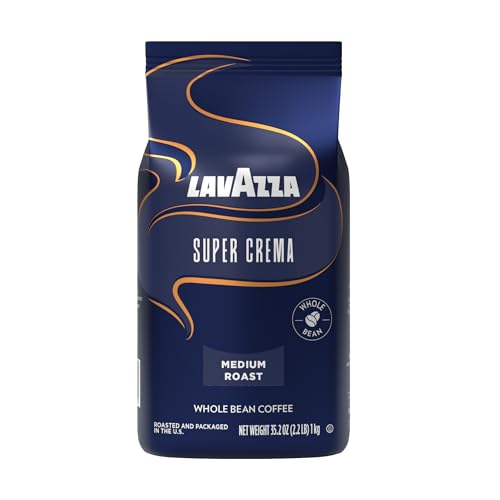
Lavazza Super Crema Whole Bean
Strengths
- Creamy mouthfeel
- Consistent crema
- Balanced sweetness
Trade-offs
- Contains Robusta
- Not single origin
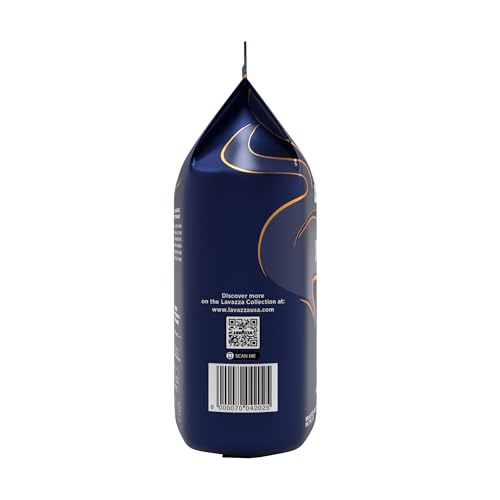
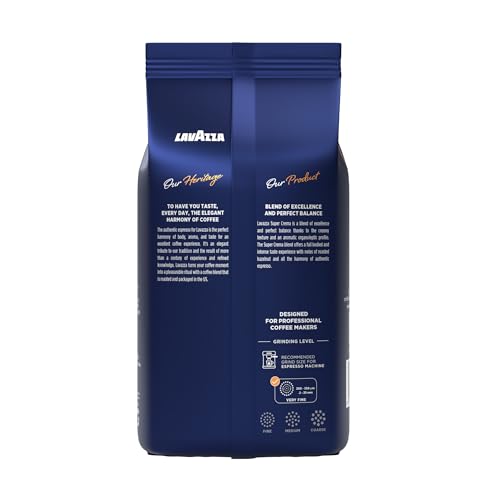
When it comes to consistent performance in a super automatic espresso machine, Lavazza Super Crema stands out as a reliable workhorse. The Arabica and Robusta blend delivers a creamy texture and balanced sweetness that machines of this type often struggle to extract evenly. Owners consistently report a stable crema and a smooth, slightly nutty shot, no small feat when the grinder and brew chamber are doing all the work behind closed doors.
On paper, the 2.2 lb bag offers serious value, and its low acidity makes it easy on sensitive stomachs. Compared to pricier Italian tins, this one holds up well over time without staling quickly. I’d pick it over flashier options for daily use simply because it does what it promises: predictable, satisfying espresso without fuss.
Product photos


Lifeboost Organic Espresso Beans

Strengths
- Naturally low acid
- Third-party tested
- Single origin
Trade-offs
- Smaller bag
- Milder crema
Lifeboost wins on health credentials, USDA Organic, third-party tested, low-acid, single-origin, and it shows in the cup. The Nicaraguan beans deliver a smooth, bold espresso with minimal bitterness, ideal for sensitive stomachs. Owners consistently report it being easy to digest while still tasting rich and dark.
It’s not the most complex roast in the lineup, floral or fruity notes are muted, but it’s clean and dependable. Compared to Copper Moon, it’s lighter in body but gentler on the gut. The 12 oz bag keeps it fresh, though it’s pricier per ounce. If low acidity is your priority, this is the one.
Product photos



Illy Classico Whole Bean Coffee

Strengths
- 100% Arabica
- Smooth, floral notes
- Consistent performance
Trade-offs
- Smaller bag size
- Milder flavor for bold seekers
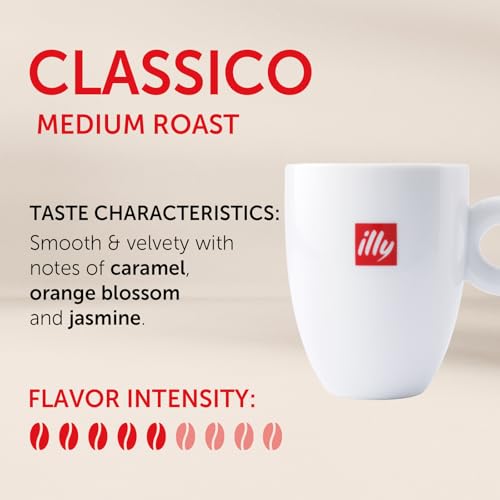
Illy Classico is the espresso connoisseur’s quiet favorite, its medium roast and 100% Arabica profile deliver a remarkably balanced shot, even in automated machines that often over-extract or scorch. The notes of caramel, orange blossom, and jasmine come through subtly, offering complexity without sharpness.
Owners praise its smoothness and consistency, though some note it lacks the punch needed for strong milk drinks. Compared to Lavazza Super Crema, it’s more delicate and refined, less about boldness, more about harmony. The 8.8 oz can keeps it fresh longer than large bags, but you’ll refill more often. For a machine that can handle finesse, this is a top-tier choice.
Product photos
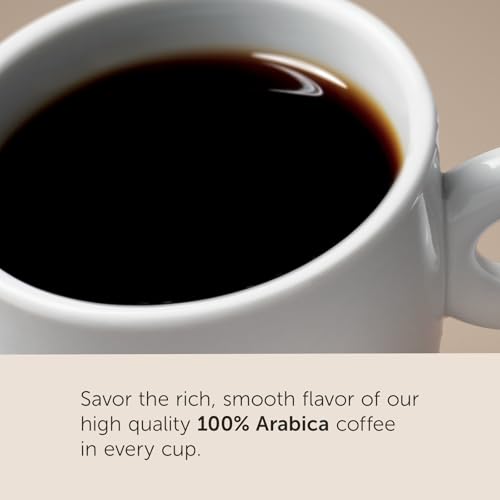
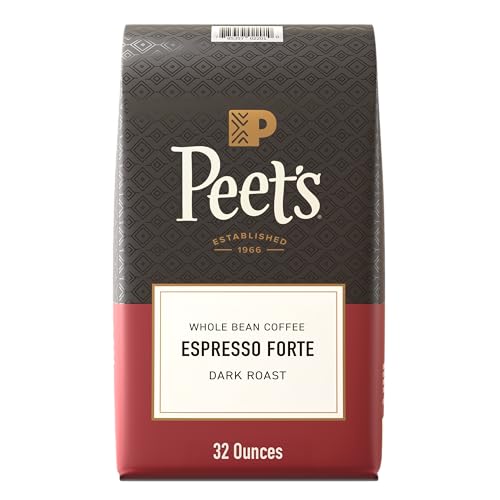
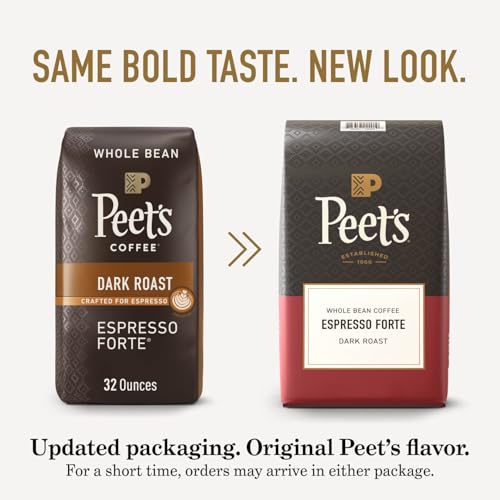
Peet’s Espresso Forte Dark Roast
Strengths
- 100% Arabica
- Rich chocolate notes
- Excellent crema
Trade-offs
- Large bag, hard to store fresh
- Less aromatic than Italian roasts
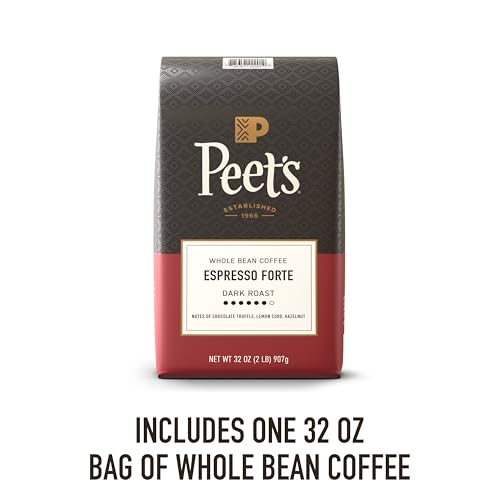
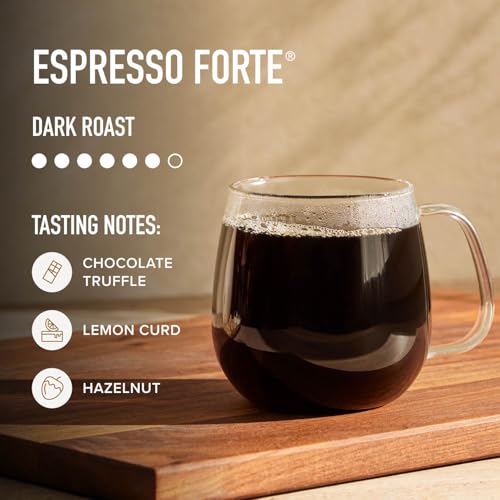
Peet’s Espresso Forte was built with espresso in mind, and that shows in how it performs under pressure, especially in super automatics that can sometimes flatten nuanced profiles. The stout body and chocolate-hazelnut depth come through clearly, even when the machine controls grind and tamping. Reviewers note a smooth, almost syrupy shot with a clean finish, which is rare for a dark roast in this category.
While it’s 100% Arabica, it doesn’t shy away from intensity. Compared to Lavazza Gran Riserva, it’s less floral and more grounded, making it better for those who want a traditional American-style dark espresso. The larger 32 oz bag is a bonus, but only if you’ll use it fast, once opened, freshness declines quicker than smaller tins.
Product photos
Death Wish Espresso Roast

Strengths
- High caffeine
- Organic and Fair Trade
- Bold, smooth body
Trade-offs
- Overpowering for sensitive drinkers
- Robusta content may deter purists
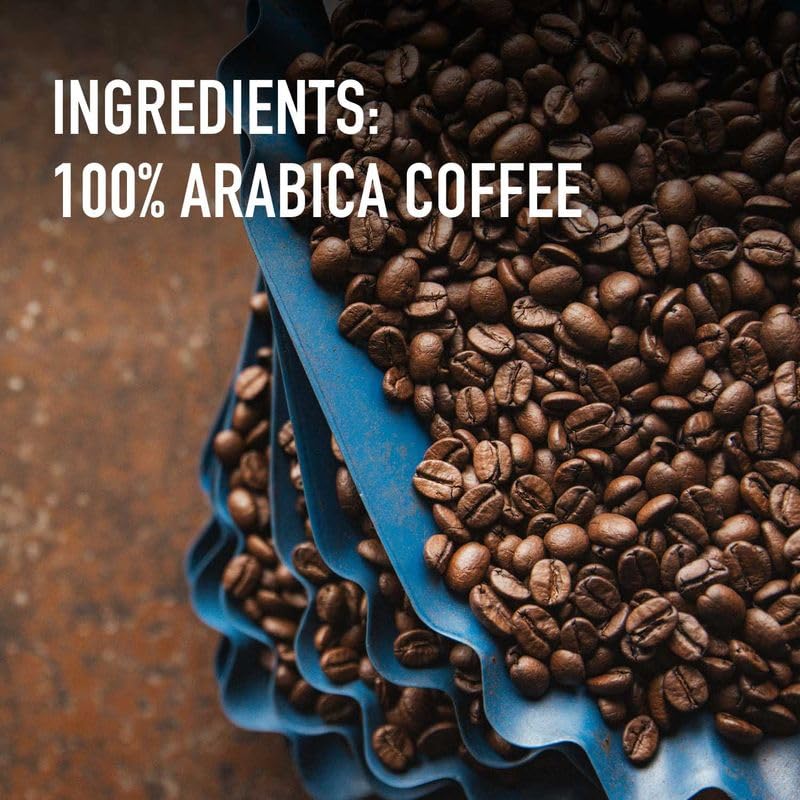
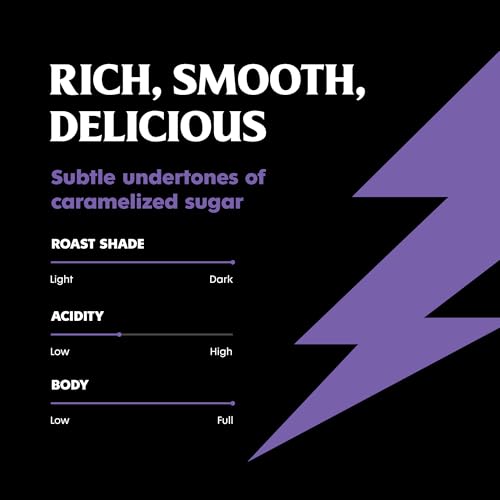
Let’s be clear, Death Wish isn’t for everyone. But if you need maximum caffeine without sacrificing drinkability, this USDA Organic and Fair Trade blend delivers. The mix of Arabica and Robusta yields a heavy-bodied, intense shot with low acidity and dark cocoa depth, and owners confirm it holds up well in super automatics without turning harsh.
It’s stronger on power than nuance, flavor notes like black cherry and caramelized sugar are there, but they play second fiddle to the buzz. Compared to Lifeboost, it’s far more stimulating but less gentle on the stomach. For night shifts or cold mornings, it’s unmatched. For daily sipping? Maybe overkill.
Product photos



Lavazza Gran Riserva Italian

Strengths
- Rich maple-walnut profile
- Authentic Italian roast
- Velvety crema
Trade-offs
- Flavor fades if not fresh
- No single-origin traceability
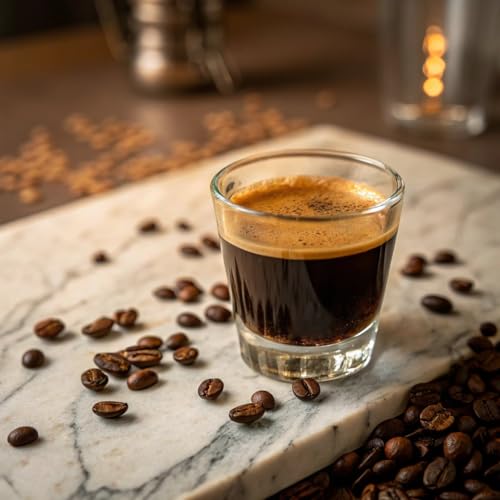
If aroma matters as much as taste, Lavazza Gran Riserva earns its spot. This dark roast carries distinct notes of maple and walnut, and owners say it fills the kitchen with a warm, inviting scent the moment it hits the grinder. Being blended and roasted in Italy adds authenticity, and in a super automatic, it produces a velvety shot with a polished finish.
It’s more refined than Super Crema, though less forgiving if your machine’s maintenance is lagging. Compared to Illy Classico, it’s bolder and more structured, better for those who want depth without sharp acidity. That said, the 2.2 lb bag is generous, but the roast style means it can turn flat faster if not stored properly.
Product photos


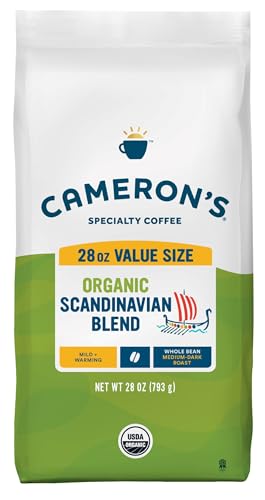
Cameron’s Scandinavian Blend
Strengths
- Organic certified
- Smooth, clean finish
- Large bag size
Trade-offs
- Subtle flavor profile
- Less crema than Italian roasts
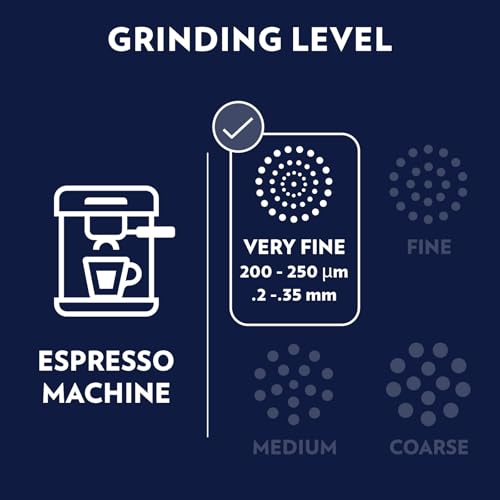
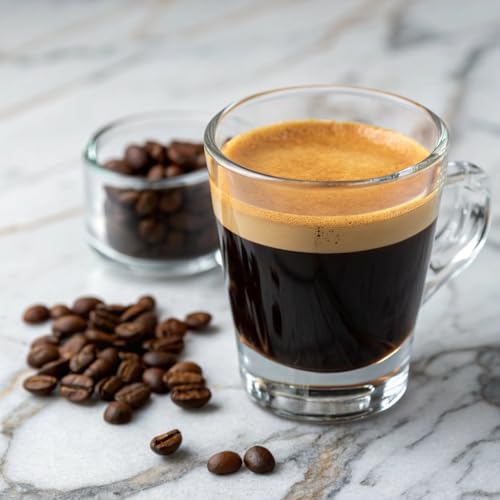
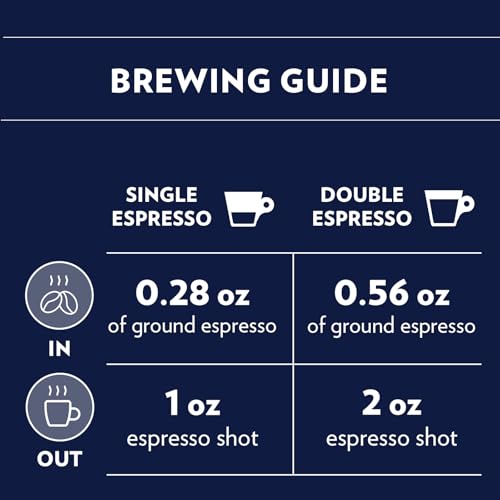
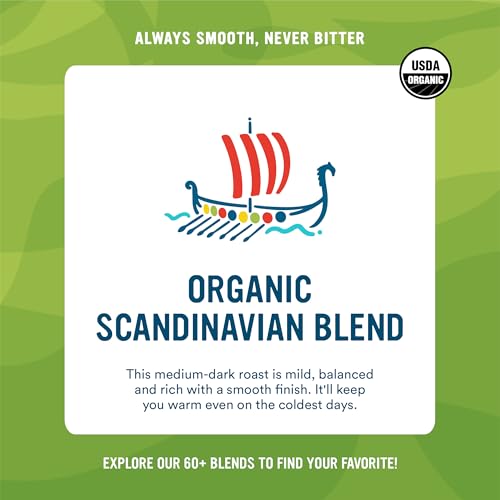
Cameron’s Scandinavian Blend brings a smooth, medium-dark profile with a clean finish, rare for an organic option at this price point. The beans are small-batch roasted and sourced sustainably, and in a super automatic, they produce a consistent, mellow shot without the harsh edges some organic roasts develop.
It won’t blow you away with complexity, but it’s dependable. Compared to Peet’s, it’s lighter and less chocolate-forward, but more approachable for all-day drinking. The 28 oz bag is great for households, though storage becomes key. If you want organic without sacrificing drinkability, this is a smart pick.
Product photos


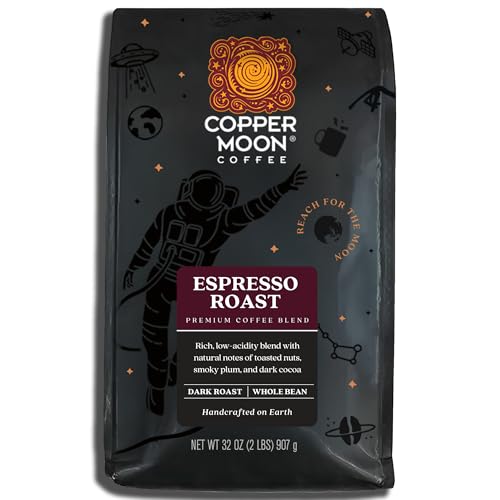
Copper Moon Bold Espresso Roast
Strengths
- Low acid
- Rich cocoa notes
- Clean sourcing
Trade-offs
- Not organic
- Less crema than Italian blends
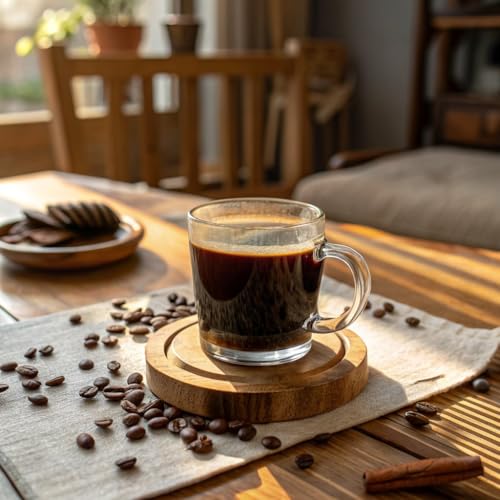
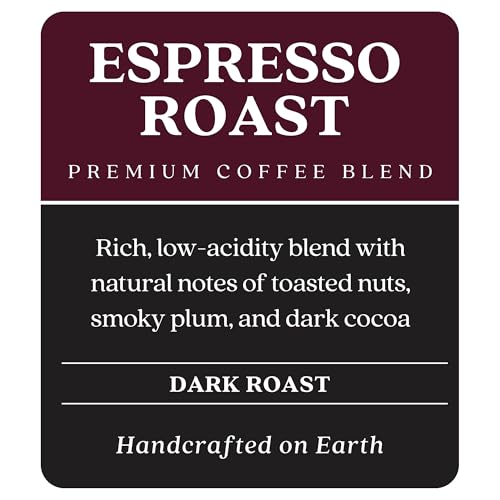
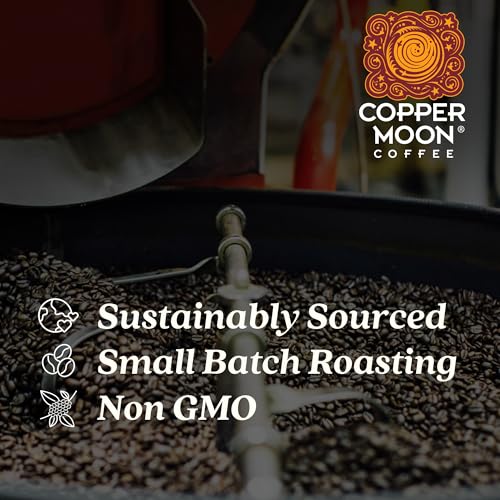
Copper Moon stands out with its low-acid, full-bodied profile and clean sourcing claims, gluten-free, kosher, non-GMO, and sustainably farmed. The toasted nuts, smoky plum, and dark cocoa notes come through clearly in super automatics, and owners report a satisfying, well-rounded shot with a lingering finish.
It’s a solid middle ground between the intensity of Death Wish and the smoothness of Illy. While not organic, its high-elevation Arabica sourcing gives it an edge in flavor clarity. The 2 lb bag offers good shelf life if stored properly, though it lacks the certification some health-focused buyers want.
Product photos



How We Chose These coffee beans for super automatic espresso machine
As a long-time coffee enthusiast and founder of Bean Thusiast, I approached this guide by first compiling specifications and features from numerous brands. Rather than a hands-on lab test, this is a research-led comparison of published information and owner feedback. I then weighed those details against reviews from trusted coffee experts and considered the unique demands of super-automatic machines. My goal was to identify beans that consistently deliver excellent results in these convenient brewers.
For super-automatic machines, consistent grind size and oil content are paramount. I prioritized beans with a reputation for producing a balanced extraction and minimal clogging – a common issue with oily beans. Crema production and flavor complexity were also heavily weighted, as these directly impact the final espresso experience. Finding beans that strike a balance between these factors proved crucial in the ranking process.
Specifications reliably indicate roast level, bean type (Arabica vs. Robusta), and origin. However, owner reviews provided invaluable insights into real-world performance. I focused on feedback regarding grindability, machine compatibility, and the presence of channeling or excessive fines. Ultimately, I also considered brand reputation and sourcing practices when determining the top choices, and looked for beans that meet espresso-compatible coffee beans standards.
What To Look For In coffee beans for super automatic espresso machine
Selecting the right coffee beans for your super automatic espresso machine requires a bit more thought than simply grabbing the brightest bag off the shelf. These machines are precise, and getting the most from them hinges on bean quality and characteristics.
A quality coffee bean for super automatic machines should exhibit consistent density and size for reliable grinding. Look for beans with a medium to dark roast level to maximize crema production and flavor development. Freshness is paramount; whole bean is always preferable, and a recent roast date is crucial. Avoid overly oily beans as they can clog the grinder.
Grindability & Oil Content
The biggest pitfall I see people make is choosing beans that aren’t suited to the grinder inside their super automatic. These machines rely on consistent grind size, and overly oily beans (common in some darker Italian-style roasts) will gum up the burrs, leading to inconsistent extraction and eventual machine failure. Consider beans specifically marketed as suitable for super automatics, or those with a lower oil content. A good rule of thumb is to avoid beans described as “chocolatey” or “syrupy” if you’re experiencing grinder issues; those often indicate higher oil levels. You’ll find more consistent results with Central or South American beans, which tend to be drier.
Roast Level & Flavor Profile
While personal preference reigns supreme, a medium-dark to dark roast generally performs best in super automatic machines. Lighter roasts, while flavorful, can be harder to extract properly due to their density and acidity. The heat and pressure of espresso brewing need a bean that’s developed enough to yield a rich, full-bodied shot. Don’t be afraid to experiment, but start with a darker roast and dial in from there. If you’re looking for something pre-ground, explore dark roast espresso ground coffee options.
- A slightly darker roast unlocks more of the bean’s soluble compounds, contributing to a richer crema.
- Medium-dark roasts offer a balance of acidity and body, often highlighting chocolate and nut notes.
- Very dark roasts can be bitter if not expertly roasted; look for those with subtle fruit or spice undertones to balance the intensity.
Freshness & Bean Density
Freshness is absolutely critical. Coffee begins to stale almost immediately after roasting, losing its aromatic compounds and flavor complexity. Always check the roast date – not just the “best by” date – and aim to use beans within a few weeks of roasting. Beyond freshness, bean density plays a role. A denser bean generally indicates higher quality and will provide more resistance to the grinder, resulting in a more even grind. This is especially important if you are using superautomatic espresso machine beans and want to avoid clogging.
A consistently good espresso starts with consistently good beans. Don’t sacrifice quality for cost; a small investment in fresh, well-roasted beans will yield a dramatically better cup.
Coffee Beans for Super Automatic Espresso Machine Compared
This table provides a spec-by-spec comparison of coffee beans suitable for use in super automatic espresso machines.
| Product Name | Roast Level | Blend Type | Caffeine Level | Origin | Whole Bean | Organic |
|---|---|---|---|---|---|---|
| Lavazza Super Crema | Medium | Arabica/Robusta | N/A | Multiple | Yes | No |
| Lifeboost Organic Espresso | Dark | Arabica | N/A | Nicaragua | Yes | Yes |
| Illy Classico | Medium | Arabica | N/A | N/A | Yes | No |
| Peet’s Espresso Forte | Dark | Arabica | N/A | N/A | Yes | No |
| Death Wish Espresso Roast | Dark | Arabica/Robusta | High | N/A | Yes | Yes |
| Lavazza Gran Riserva Italian | Dark | N/A | N/A | N/A | Yes | No |
| Cameron’s Scandinavian Blend | Medium Dark | Arabica | N/A | N/A | Yes | Yes |
| Copper Moon Bold Espresso Roast | Dark | Arabica | N/A | Multiple | Yes | No |
Frequently Asked Questions
What roast level is best for super-automatic machines?
A medium-dark to dark roast generally works best, as these roasts are more easily extracted by the machine’s brewing process. Lighter roasts can be difficult to extract fully, potentially leading to a sour or weak espresso, and you can find more roast recommendations for super-automatics.
Can Robusta beans be used in a super-automatic espresso machine?
Yes, Robusta beans can be used, but they’re often blended with Arabica. Robusta has a higher oil content, so using 100% Robusta may increase the risk of clogging, though many quality blends are formulated to avoid this issue.
How important is the roast date on the bag?
Extremely important. Coffee stales quickly after roasting, so aim to use beans within 2-4 weeks of the roast date for optimal flavor. After that, the aromatic compounds begin to dissipate, impacting the espresso’s quality.
Will pre-ground coffee work in my super-automatic machine?
While possible, it’s not ideal. Super-automatic machines perform best with freshly ground beans, as pre-ground coffee loses flavor rapidly and the grind size isn’t optimized for your specific machine. If you must use pre-ground, choose a fine grind specifically labeled for espresso.
Are oily beans a definite no-go for super-automatic espresso machines?
Not always, but they require caution. Excessively oily beans can definitely cause grinder clogging, so it’s best to avoid those described as very chocolatey or syrupy. If you’re looking for grind-friendly beans for super-automatics, consider beans from Central or South America, which tend to be drier.
The Bottom Line
Choosing coffee beans for a super-automatic machine always involves some compromise between outright flavor complexity and consistent performance. Ultimately, for the best overall experience, I recommend Lavazza Super Crema. It consistently receives high marks for its balanced flavor profile, reliable grindability, and ability to produce a rich crema – all vital for a satisfying espresso.
For those seeking specific qualities, several options stand out. If organic sourcing is a priority, Lifeboost Organic Espresso delivers a bold, dark roast with certified organic beans. Those wanting a versatile option for various palates should look to Cameron’s Scandinavian Blend, which offers a well-rounded medium-dark roast. And for those needing a caffeine kick, Death Wish Espresso Roast is a strong contender.
At the end of the day, remember that freshness and bean density are more important than any specific origin or roast level. A fresh, consistently-sized bean will always yield a better shot than a stale or oily one. Understanding the espresso-specific bean characteristics will empower you to make informed choices and enjoy consistently excellent espresso from your super-automatic machine.
