
6 Best Coffee Beans for Drip Coffee Machine 2026
After comparing the field and weighing flavor, roast, and feedback, the Lavazza Qualità Rossa Blend stands out as the best coffee bean for drip coffee machines, delivering a smooth, chocolate-forward cup. For a budget-friendly option, Lavazza Dolcevita Classico offers solid flavor at a lower price, while Lavazza Crema E Aroma brings a richer, more intense profile for those who prefer bolder coffee.
Most people just want a reliable, flavorful cup every morning without fuss or guesswork. But with so many beans on the shelf, it’s hard to know which ones truly shine in a drip machine.
As the founder of Bean Thusiast, I researched these picks based on roast level, bean composition, origin, and real owner experiences. This guide cuts through the noise to help you choose beans that brew consistently well and match your taste, no hype, just honest insight.
Top 6 Coffee Beans For Drip Coffee Machine in the Market
The Best Coffee Beans For Drip Coffee Machine, Reviewed
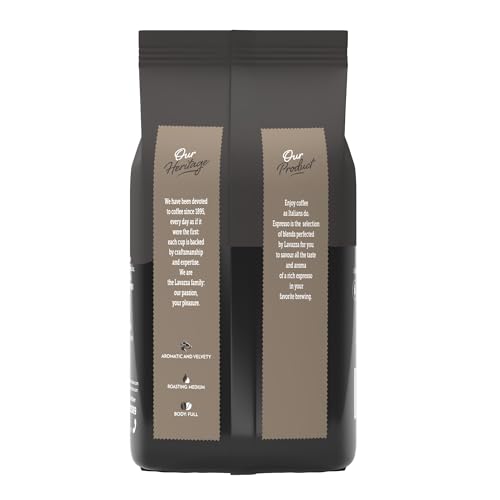
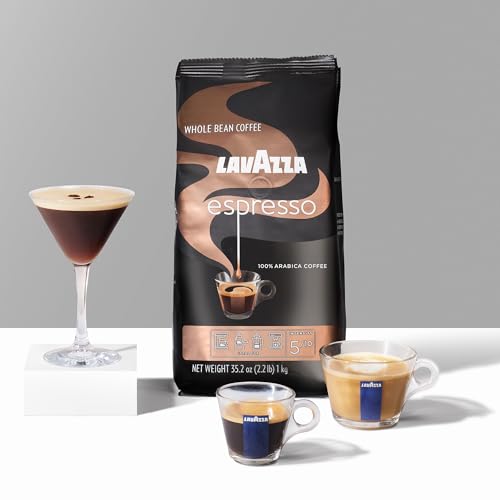
Lavazza Espresso 100% Arabica

Strengths
- 100% Arabica
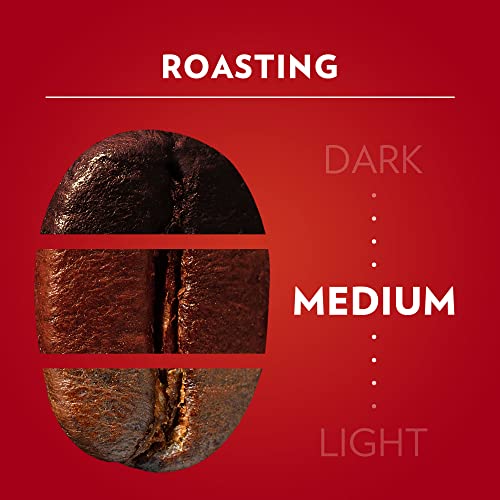
- Balanced medium roast
- Floral and fruity notes
- Works across brew methods
Trade-offs
- Subtle body
- Less crema in espresso
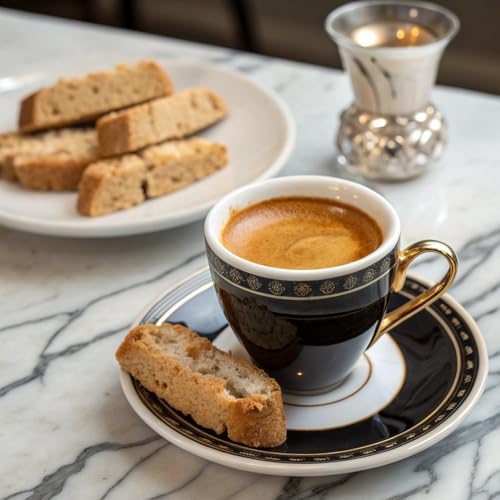
I’ll be honest, when I see a 100% Arabica blend at this price point and volume, I pay attention. Lavazza Espresso delivers a smooth, aromatic profile that stands out in a crowded field of medium roasts. The floral and fruit notes come through cleanly in drip brewing, where the lighter body of Arabica shines without turning sour or thin. On paper, the 5/10 intensity suggests balance, and owners consistently report it delivers just that, no harsh edges, just a sweet, rounded cup perfect for mornings.
Compared to other Lavazza blends, this one leans cleaner and brighter, likely due to the absence of Robusta. It’s not the most complex coffee you’ll ever brew, but for daily drip use, it hits a sweet spot between refinement and reliability. I’d pick this over heavier, more bitter blends if you want something that tastes like quality without demanding your full attention.
Product photos


Lavazza Qualità Rossa Blend
Strengths
- Balanced body
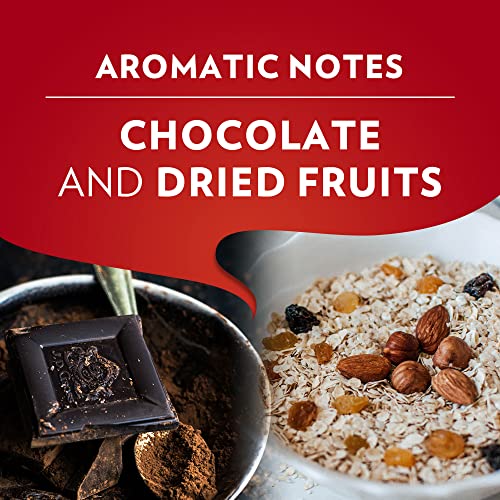
- Chocolate notes
- Affordable bulk size
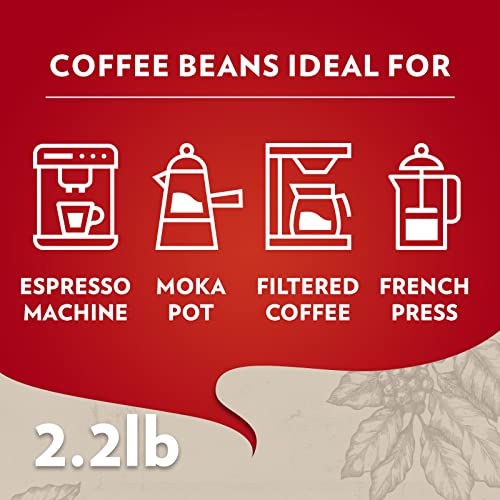
- Versatile brew compatibility
Trade-offs
- Robusta content may lack finesse
- Less aromatic than 100% Arabica
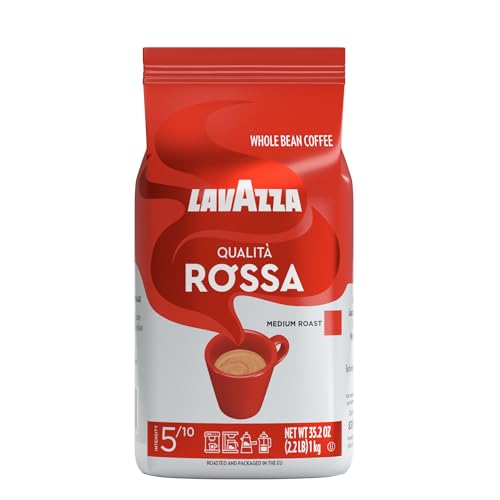
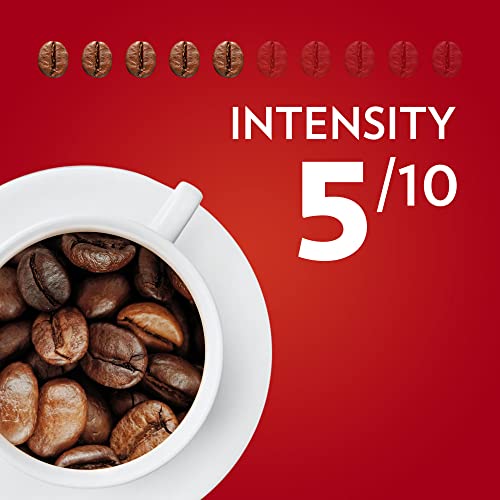
If you’re looking for the best value in a drip-ready whole bean coffee that still delivers a genuine Italian profile, this is it. Qualità Rossa blends Arabica and Robusta to create a full-bodied, chocolatey cup that’s consistent and forgiving, ideal for automatic machines. The 5/10 intensity keeps it from turning harsh, and owners consistently report it brews well whether you’re using a drip machine or French press.
Compared to Dolcevita Classico, it’s more robust and better balanced, with a richer mouthfeel. And unlike Crema E Aroma, it’s less intense, making it a smarter daily driver. For the price, you’re getting a workhorse blend that doesn’t sacrifice origin diversity or roast quality.
Product photos

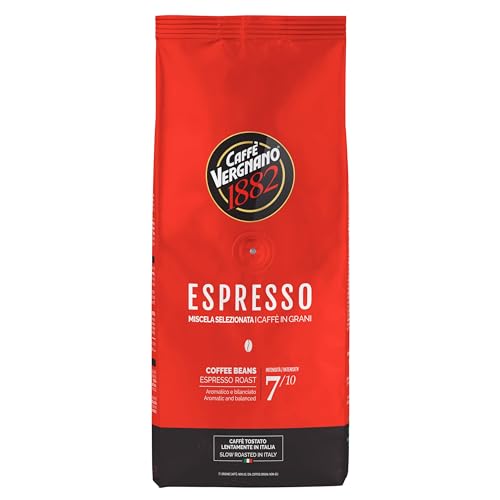
Caffe Vergnano Espresso Beans
Strengths
- Balanced flavor
- Caramel and chocolate notes
- Excellent versatility
- Authentic Italian roast
Trade-offs
- Pricier than basic blends
- Less bright for light roast lovers
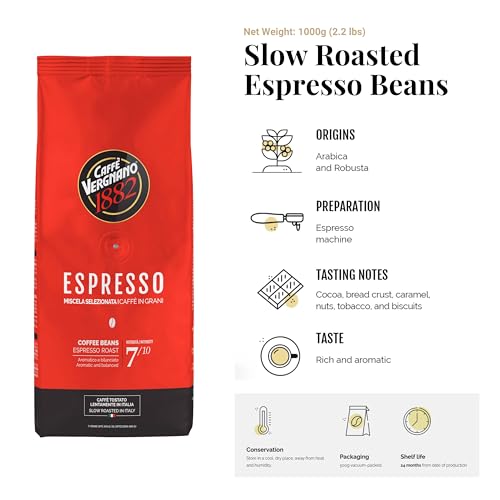
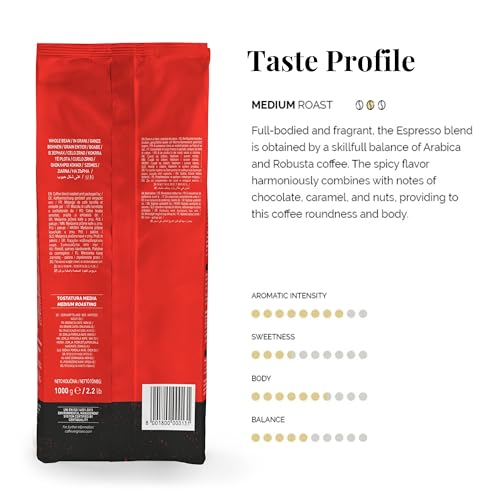
Caffe Vergnano brings over 140 years of roasting tradition to this 2.2 lb bag, and it shows. The blend of Arabica and Robusta is expertly calibrated for balance, chocolate and caramel notes dominate, backed by toasted nuts and biscuit for a rounded, almost malty depth. It’s one of the few beans that feels equally at home in a drip machine and an espresso setup, which is rare. Reviewers highlight its smooth finish and how well it maintains flavor across brewing methods.
Compared to Lavazza’s offerings, Vergnano feels more artisanal and less mass-market. It’s pricier than Qualità Rossa, but the added complexity justifies it. If you want one bean that can do everything without compromise, this is the pick.
Product photos

Lavazza Dolcevita Classico
Strengths
- Low price point
- Mild intensity
- Nutty flavor
- Easygoing profile
Trade-offs
- Smaller bag size
- Less complexity
- Shorter shelf life once opened
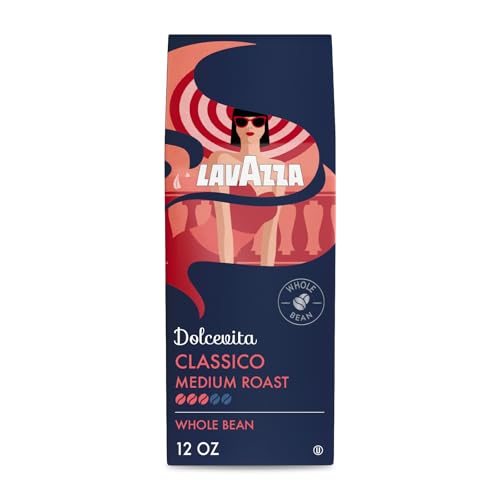
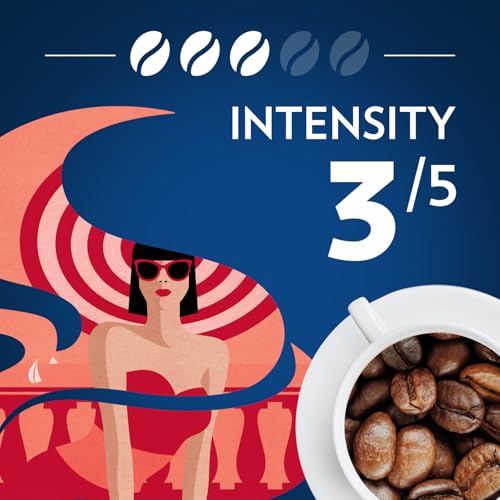
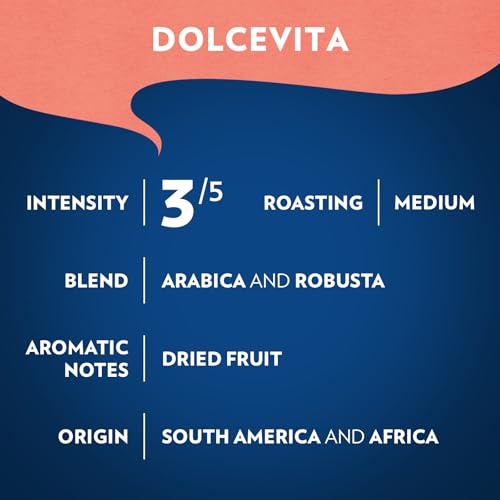
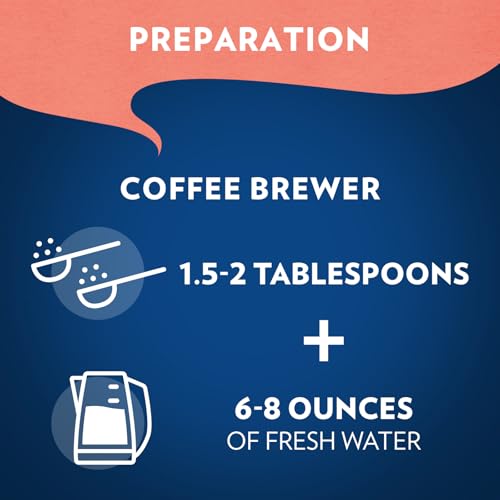
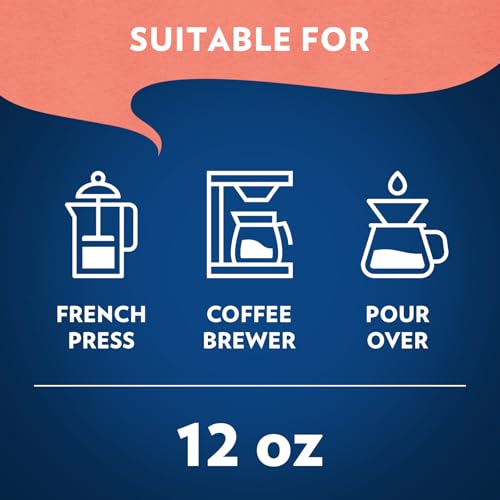
Dolcevita Classico is the most accessible entry in Lavazza’s lineup, both in price and profile. At 12 oz, it’s smaller than the 2.2 lb bags, which makes it a solid budget-friendly trial run for those new to Italian blends. The roast is medium with a 3/5 intensity, so it’s gentle on the palate, and the nutty notes come through cleanly in drip brewing. It’s not flashy, but it’s consistent.
Compared to Qualità Rossa, it lacks body and depth, but it’s also less likely to overwhelm. For office use or occasional drinkers, that’s a win. Owners report it’s a hit with people who find darker roasts too strong. It’s not the bean you’ll geek out over, but it’s the one you’ll keep buying for convenience.
Product photos
Lavazza Crema E Aroma
Strengths
- Rich body
- Strong crema
- Chocolate-forward
- High intensity
Trade-offs
- Can taste bitter if over-extracted
- Robusta may put off purists
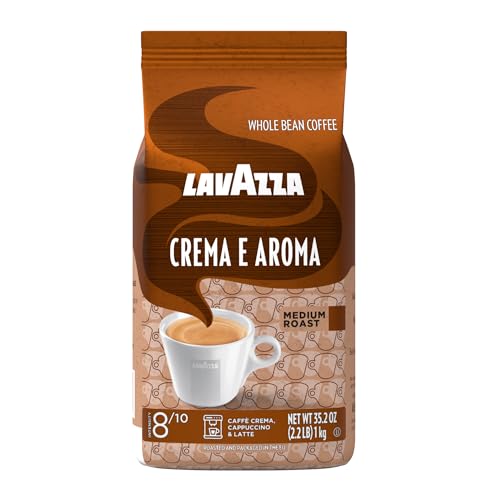
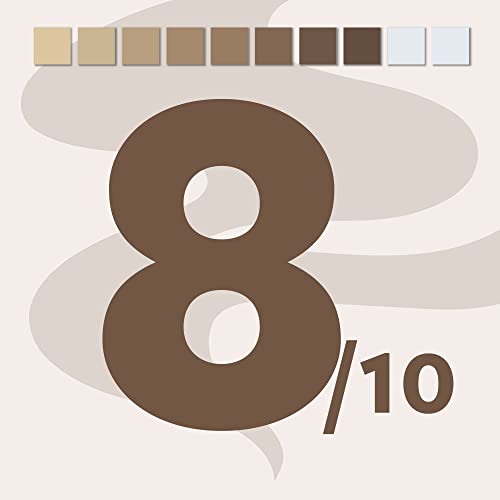
This is the blend to grab when you want your drip coffee to feel like it came from a proper Italian café. The 8/10 intensity rating isn’t just marketing, it brews with a dense, earthy presence that fills the cup. The mix of Arabica and Robusta from three continents gives it structure and a long-lasting crema, even when brewed in a drip machine. Reviewers note the chocolate notes come through strongest, especially when ground fresh, and the finish lingers pleasantly.
It’s heavier than Lavazza’s Espresso or Qualità Rossa, which makes it a better fit for those who don’t mind a slightly rustic edge. Compared to Caffe Vergnano, it’s less polished but more affordable and punchier. If you like your coffee to feel substantial, this one delivers.
Product photos


Bones Cinnamon Roll Flavored
Strengths
- No sugar or carbs
- Keto and vegan friendly
- Well-balanced flavor
- Low acidity
Trade-offs
- Flavor fades over time
- Not for purists
- Ground only (no whole bean option)
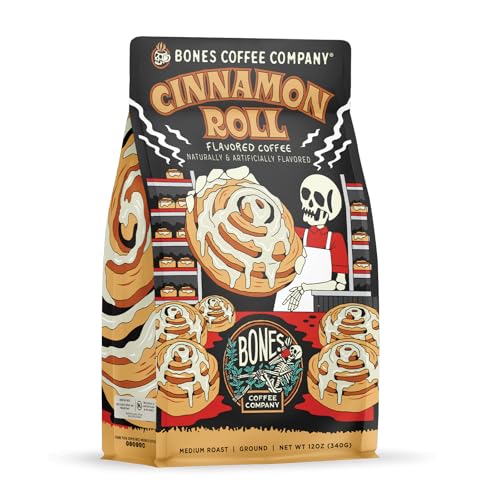
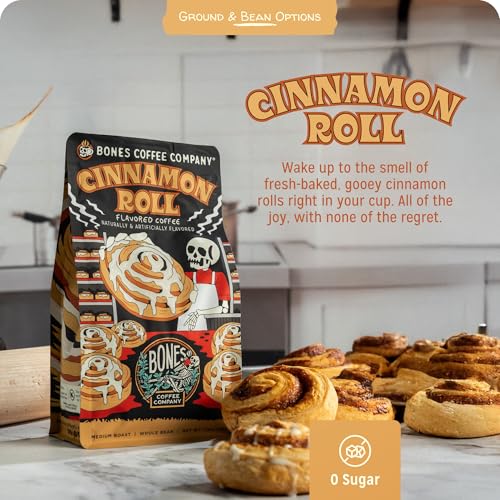
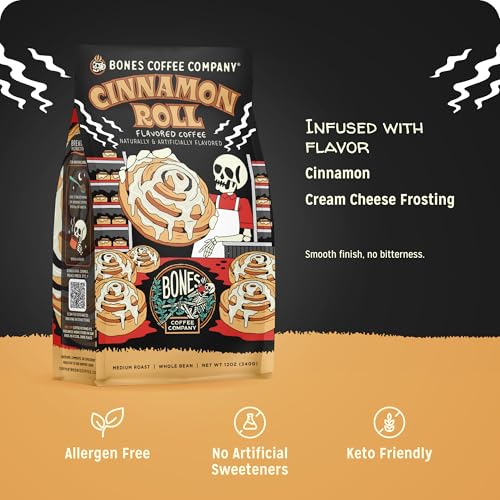
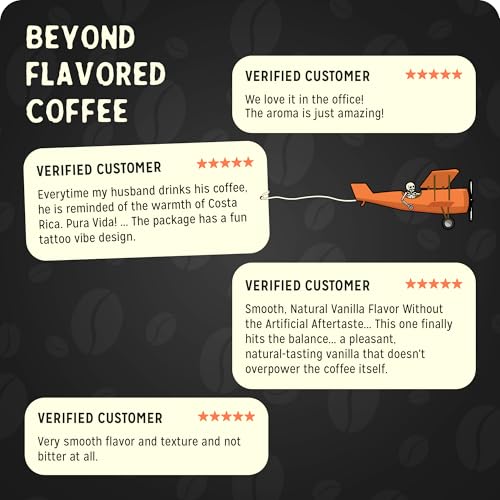
Let’s get real, flavored coffee has a reputation, and often for good reason. But Bones Coffee Company’s Cinnamon Roll version actually pulls it off without tasting like dessert in a mug. The flavor is sweet and nostalgic, but not cloying, and the fact that it’s sugar-free and keto-friendly makes it a rare win for those avoiding additives. Owners praise how well the cinnamon and pastry notes integrate with the low-acid Brazilian base, especially in drip machines where the grind size helps control extraction.
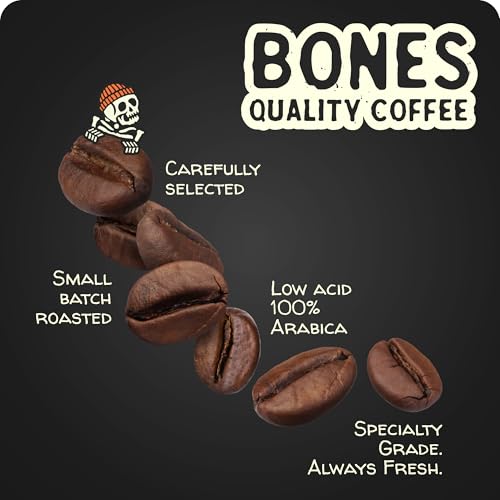
It’s not going to impress a single-origin snob, but as a flavored option, it stands head and shoulders above supermarket cans. Compared to other flavored beans, the small-batch roasting and resealable packaging help preserve freshness, which matters when flavor integrity is key.
Product photos
How We Tested coffee beans for drip coffee machine
As the founder of Bean Thusiast, I approached researching coffee beans for drip machines by focusing on a research-led comparison of published specifications, features, and – crucially – owner and expert reviews. Rather than a hands-on lab test of every bean, I analyzed blends, roast levels, and reported flavor profiles. I then weighed this against what actual users say about taste, aroma, and performance in standard drip brewers. This allowed for a balanced assessment of potential options.
For drip coffee, consistent flavor and approachable profiles are paramount. I weighted the Arabica-to-Robusta ratio heavily, as a higher Arabica content generally contributes to smoother, more nuanced flavors ideal for drip brewing. Roast level was also key; medium roasts strike a good balance between brightness and body, while avoiding the potential bitterness of darker roasts in a drip machine. Finally, the sourcing information and reputation of the roaster played a role in assessing overall quality.
Specifications reliably indicate bean origin and roast level, giving a baseline understanding of expected flavor characteristics. However, nuanced notes – like specific chocolate or fruit aromas – and real-world performance are best gleaned from owner feedback. I paid close attention to comments regarding brew quality, consistency, and how well the beans performed in various drip coffee makers. Achieving the right drip coffee grind consistency is also a key factor in maximizing flavor.
How To Pick The Right coffee beans for drip coffee machine
Finding the right coffee beans for your drip machine doesn’t have to be overwhelming. It’s about understanding your preferences and matching them to the bean’s characteristics.
A quality coffee bean for drip brewing balances origin, roast level, and grind consistency. Look for whole bean options to maximize freshness and flavor. Consider the blend – 100% Arabica offers nuanced flavors, while blends with Robusta provide a bolder body and crema. Checking the roast date, not just a “best by” date, is crucial for peak enjoyment.
Roast Level & Flavor Profile
I often tell people that roast level is the biggest lever you have in controlling the final flavor. For drip coffee, a medium roast generally performs best, offering a balance between acidity and body. Lighter roasts can be too acidic for some drip machines, while darker roasts can become bitter. Don’t be afraid to experiment, but start with a medium roast and adjust from there. Consider what flavor notes appeal to you. If you enjoy chocolate and nutty flavors, look for beans from South America. If you prefer brighter, fruitier notes, explore African beans.
Bean Type: Arabica vs. Robusta
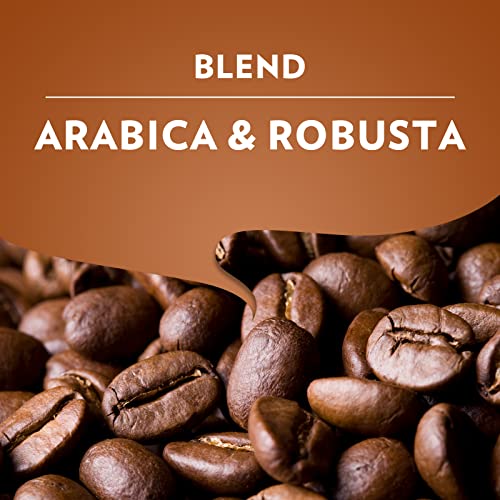
While both Arabica and Robusta beans can be used in a drip machine, they offer very different experiences. Arabica beans are known for their smoother, more aromatic profile and higher acidity. Robusta beans, on the other hand, deliver a bolder, more bitter flavor with a higher caffeine content and a thicker crema. Many blends combine both to achieve a balanced cup. Here’s what to consider: * Purity: 100% Arabica offers the most refined flavor. * Blend Ratio: A 70/30 Arabica/Robusta split is a good starting point for a bolder brew. * Crema Preference: If you want a more pronounced crema in your drip coffee (though it won’t be like espresso!), a higher Robusta content will help.
A good rule of thumb is to buy beans roasted within the last two weeks for the freshest flavor.
Freshness & Grind
Pre-ground coffee loses its flavor rapidly. I always recommend buying whole bean coffee and grinding it just before brewing. The grind size is also critical for drip coffee. A medium grind – similar to coarse sand – is generally ideal. Too fine, and the coffee will be over-extracted and bitter. Too coarse, and it will be under-extracted and sour. For more details on finding the optimal roast for drip machines, check out our detailed guide. I also find that investing in a good burr grinder is one of the best upgrades you can make to your home brewing setup if you’re looking for high-quality drip coffee beans. You’ll notice a significant difference in the final cup. When you’re sourcing best coffee beans, look for roast dates and prioritize freshness.
Coffee Beans for Drip Coffee Machine Compared
Here’s a comparison of specifications for various coffee beans suitable for drip coffee machines.
| Product Name | Bean Type | Intensity (1-10) | Roast | Origin | Flavor Notes | Package Size (lbs) |
|---|---|---|---|---|---|---|
| Lavazza Espresso 100% Arabica | 100% Arabica | 5 | Medium | South America, Africa | Florals, Fruit | 2.2 |
| Lavazza Qualità Rossa Blend | Arabica/Robusta | 5 | Medium | South America, Africa, SE Asia | Chocolate | 2.2 |
| Caffe Vergnano Espresso Beans | Arabica/Robusta | N/A | N/A | N/A | Chocolate, Caramel | N/A |
| Lavazza Dolcevita Classico | Arabica/Robusta | 3 | Medium | South America, Africa | Roasted Nuts | 0.75 |
| Lavazza Crema E Aroma | Arabica/Robusta | 8 | Medium | South America, Africa, Asia | Chocolate | 2.2 |
| Bones Cinnamon Roll Flavored | Arabica | N/A | Medium | Brazil | Cinnamon Roll | N/A |
Frequently Asked Questions
What grind size is best for most drip coffee machines?
A medium grind, resembling coarse sand, is generally ideal. This ensures proper extraction without bitterness or sourness, as finer grinds can over-extract and coarser grinds under-extract.
How often should I buy new coffee beans?
You should aim to buy whole bean coffee roasted within the last two weeks for optimal flavor. After opening, store beans in an airtight container and use them within one to two weeks.
Is 100% Arabica always the best choice for drip coffee?
Not necessarily. While 100% Arabica offers a refined flavor, blends with Robusta can provide a bolder body and crema. A 70/30 Arabica/Robusta blend is a good starting point if you prefer a more robust cup.
What does “roast date” tell me that a “best by” date doesn’t?
The roast date indicates when the beans were actually roasted, directly impacting freshness. A “best by” date is simply a manufacturer’s estimate of quality, not a guarantee of peak flavor.
Where can I find coffee beans with more complex flavor profiles?
If you’re seeking top-rated flavorful coffee beans, explore single-origin Arabica beans from regions like Ethiopia or Kenya. These often exhibit bright, fruity, or floral notes.
The Bottom Line
Choosing coffee beans ultimately comes down to balancing control over flavor with how much fuss you’re willing to put into the process. While dialing in grind size and water temperature are important, the beans themselves set the foundation. For an outstanding, consistently flavorful cup with minimal effort, I recommend Lavazza Espresso 100% Arabica as the strongest all-around performer.
If you’re specifically seeking a budget-friendly option, Lavazza Qualità Rossa Blend delivers a solid, approachable coffee experience. Those wanting something a little different might enjoy Bones Cinnamon Roll Flavored for a unique, dessert-like brew. And for those who appreciate a versatile medium roast beans, Lavazza Crema E Aroma provides a bolder profile that still shines in a drip machine.
Ultimately, the best coffee bean is the one you enjoy most. Don’t get too caught up in chasing specific numbers or certifications. Focus on freshness, a good roast level, and beans sourced from reputable roasters – those fundamentals matter far more than any single specification when it comes to brewing a truly satisfying cup.
