
9 Best Tasting Coffee Beans of 2026
After comparing the field and weighing freshness, origin transparency, and owner feedback, the Illy Classico stands out as the best overall tasting coffee bean for its consistent, balanced profile. For those watching their budget, Amazon Fresh Organic Peru delivers surprising quality at a low price, while Atlas Coffee Club offers the most engaging experience for flavor explorers.
Coffee tastes better when it’s fresh, thoughtfully sourced, and matched to your palate, but too many brands obscure what really matters behind fancy labels. I built this guide to cut through the noise, using specs, real user experiences, and my years of immersion in the coffee world to highlight beans that deliver actual flavor and value.
This isn’t about hype or price tags. It’s about finding beans that taste great in your cup, whether you brew daily or savor a weekend pour-over. I focused on roast dates, origin clarity, and how well each performs across brewing styles, because the best tasting coffee is the one you’ll actually enjoy, again and again.
Top 9 Tasting Coffee Beans in the Market
The Best Tasting Coffee Beans, Reviewed
Illy Classico Whole Bean Coffee

Strengths
- Smooth finish
- Balanced flavor
- Premium packaging
Trade-offs
- Mild complexity
- Not for bold roast lovers
I’ve spent years analyzing what makes a truly consistent, high-end coffee experience, and Illy Classico keeps coming up as a benchmark. On paper, it’s a no-nonsense 100% Arabica blend with a refined roast profile that brings out caramel, jasmine, and a hint of orange blossom, not loud or flashy, but balanced in a way that feels almost rare these days. Reviewers consistently praise its clean finish and lack of bitterness, which speaks to Illy’s controlled roasting and pressurized packaging that locks in freshness longer than most cans.
It’s not a single-origin stunner meant to shock your palate, but that’s not the point. This is the coffee I’d reach for if I wanted reliability with elegance, especially in milk-based drinks where subtlety matters. Compared to flashier boutique roasts, Illy plays the long game: refined, repeatable, and deeply drinkable.
Video review
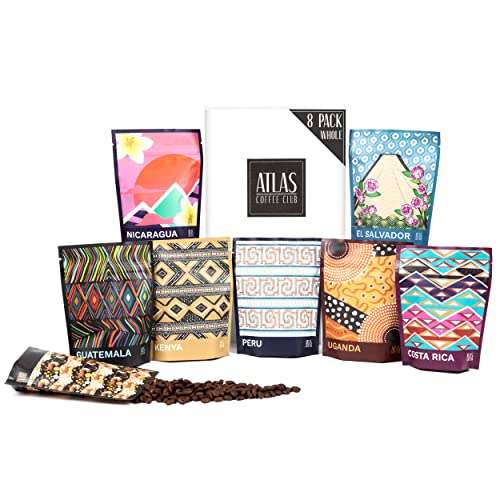
Atlas Coffee Club World of Coffee
Strengths
- Exceptional variety
- Fresh small-batch roasting
- Educational extras
Trade-offs
- Small bag sizes
- Inconsistent availability
This isn’t just a coffee sampler, it’s a passport. The Atlas set delivers eight 1.8-ounce bags from distinct origins, each roasted to highlight regional character, from bright African acids to deeper Central American tones. What stands out is their commitment to freshness and storytelling: the included postcards and tasting notes add real value for someone new to origin exploration.
Owners love the surprise element and the chance to try rare lots they’d never find at a grocery store. Compared to single-bag buys, this is the smarter entry point if you’re still figuring out your preferences. I’d recommend it over a bulk purchase for anyone curious about terroir, processing, or just breaking out of a coffee rut.
Video review
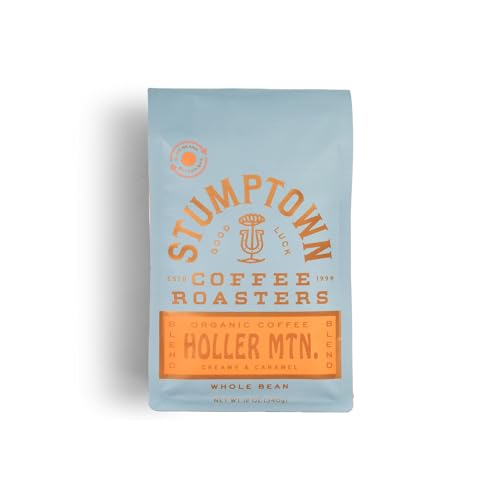
Stumptown Holler Mountain Organic
Strengths
- Direct Trade certified
- Vibrant flavor
- Versatile brew
Trade-offs
- Higher price point
- Limited availability
Stumptown’s Holler Mountain blend hits a sweet spot between ethics and flavor. As a Direct Trade, 100% organic Arabica coffee, it’s built on long-term farmer relationships, a model I respect deeply, and the taste reflects that care. Reviewers often mention the citrus zest, hazelnut, and caramel notes as both bright and comforting, a combo that works in drip, pour over, or even a well-pulled espresso.
Compared to Blue Bottle’s Balanced blend, it has more edge and acidity, making it better for black coffee drinkers who like some spark. The 12-ounce bag ensures freshness, and while it’s pricier per ounce than supermarket beans, the quality and sourcing transparency justify it for those who value both.
Product photos



Java Planet Organic Colombian

Strengths
- Low acid
- Third-party tested
- Bird Friendly certified
Trade-offs
- Earthy aftertaste
- Limited origin variety
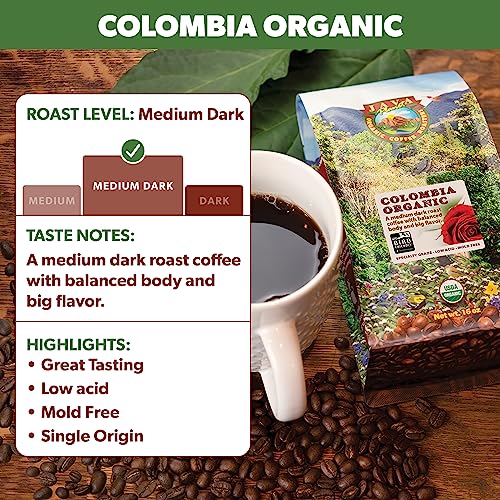
For anyone sensitive to acid or concerned about purity, Java Planet stands out with its third-party tested, mold-free, and Bird Friendly certified Colombian beans. The medium-dark roast brings forward chocolate and nutty tones without harshness, and owners with stomach sensitivities frequently note how much better it agrees with them than conventional beans.
The shade-grown, high-altitude sourcing adds depth, and the family-owned ethos feels genuine. Compared to other low-acid options, it avoids the flat, roasted-over taste that plagues some brands. It’s a niche pick, but for those who need it, it’s a standout in the right way.
Product photos



Mt. Comfort Organic Peru
Strengths
- Large organic batch
- Balanced flavor
- Great for daily use
Trade-offs
- Mild aroma
- Generic packaging
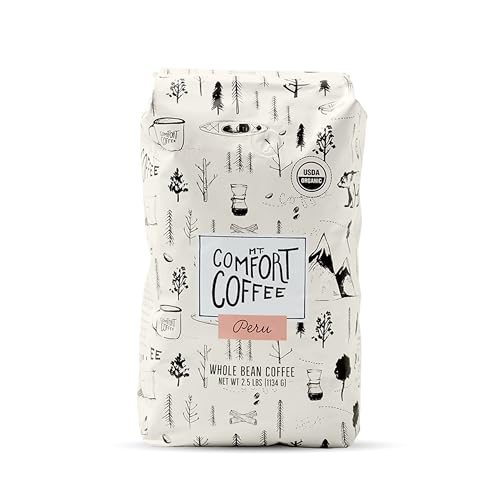
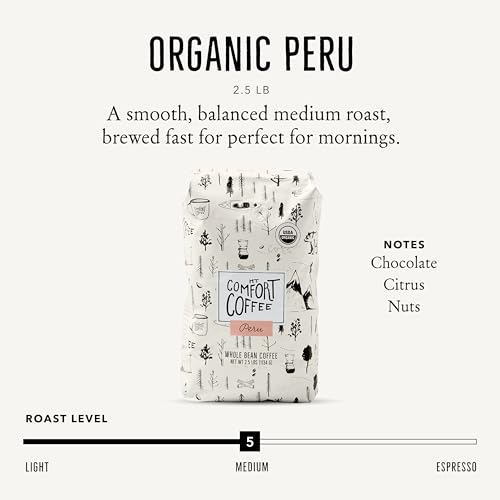
When value and volume matter, Mt. Comfort’s 2.5-pound bag stands out as a rare find: organic, Peruvian, and priced for frequent use without sacrificing drinkability. The flavor profile, nutty, chocolate, with a touch of citrus, is straightforward but well-executed, and owners report it holds up across multiple brew methods, from French press to drip.
It won’t compete with a $30 limited release, but for a workhorse bean that’s both affordable and ethically sourced, it’s a strong contender. Compared to Amazon Fresh’s budget option, it offers more depth and slightly better roast control. If you’re stocking a home office or feeding a family of coffee drinkers, this is the kind of reliable backbone you want.
Product photos
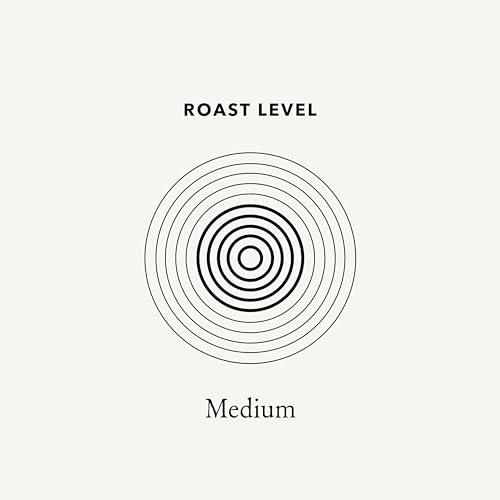
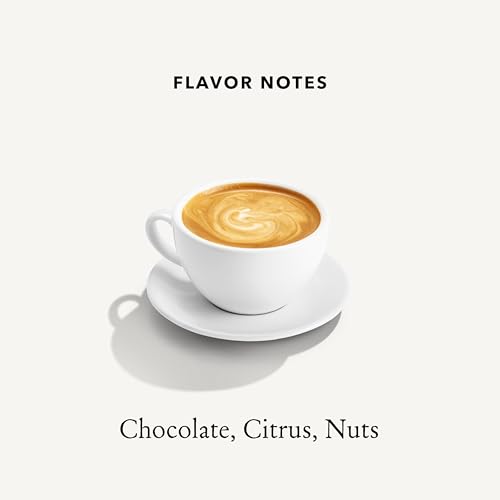
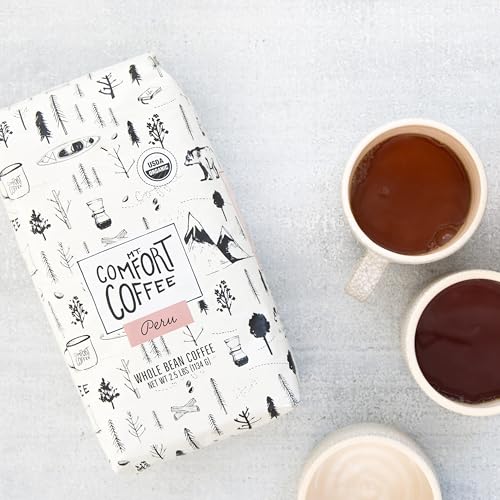
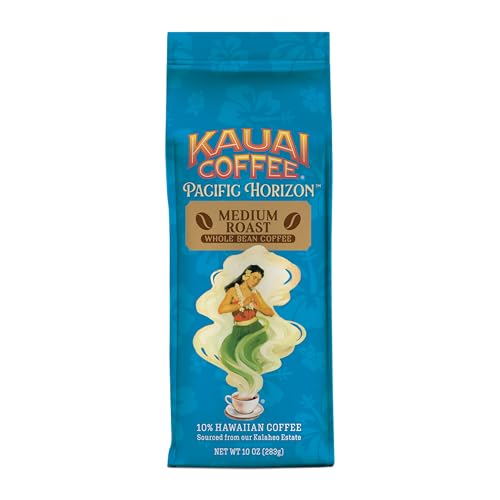
Kauai Coffee Koloa Estate
Strengths
- Unique origin
- Smooth, floral taste
- Volcanic soil grown
Trade-offs
- Light body
- Limited availability
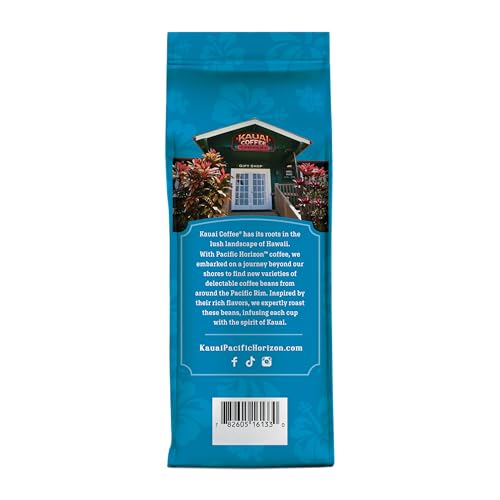
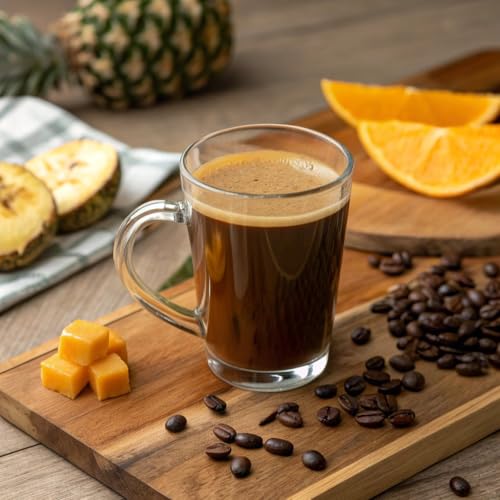
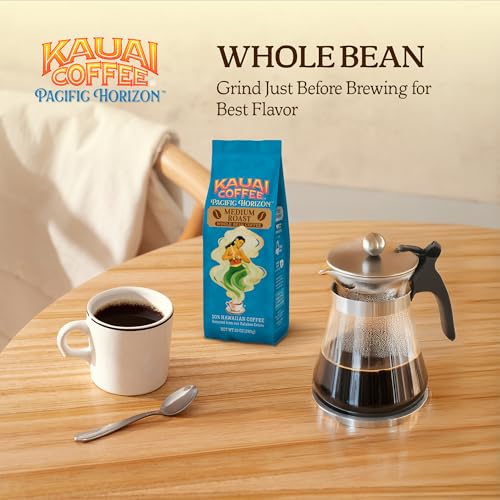
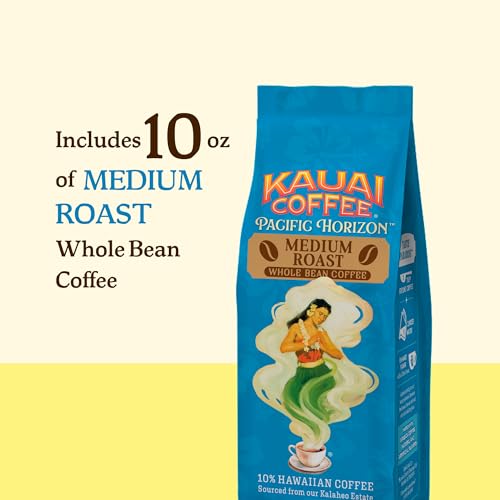
Kauai Coffee offers something few others can: a true single-origin Hawaiian experience at a reasonable price. The Koloa Estate roast is light enough to showcase floral notes and a bright aroma, with a smoothness that avoids bitterness, a rarity in mass-market island coffees. Grown in volcanic soil and hand-processed, it carries a terroir-driven charm that owners describe as “transportive.”
It’s not as complex as a top-tier Geisha, but for a taste of Hawaiian agriculture without the $40 price tag, it’s unmatched. Compared to Blue Bottle or Stumptown, it’s more about place than performance. If you want your coffee to feel like a vacation, this is the one.
Product photos
Blue Bottle Balanced Blend

Strengths
- Smooth profile
- Organic & traceable
- Bright yet balanced
Trade-offs
- Mild complexity
- Premium price
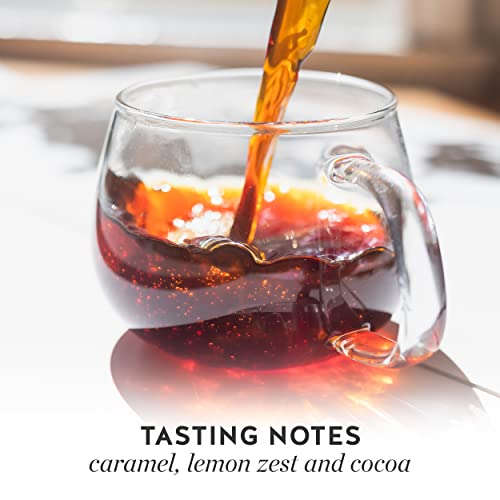
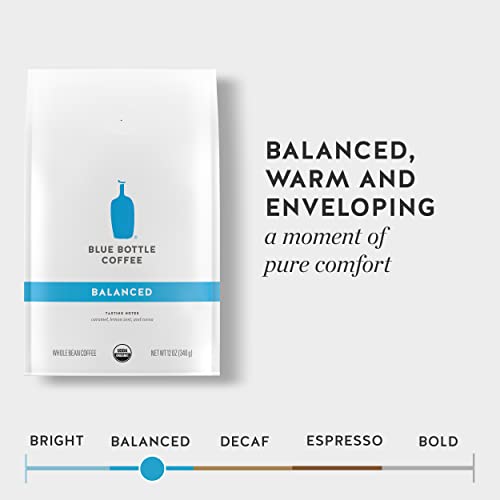
Blue Bottle’s Balanced blend is exactly what the name suggests: a harmonious, easygoing coffee that shines in the morning rush. The caramel, lemon zest, and cocoa notes are subtle but present, and the medium-light roast preserves clarity without tipping into sharp acidity. It’s certified organic and sourced from East Africa, roasted in small batches, a process that owners say translates to consistent freshness.
Compared to Stumptown’s Holler Mountain, it’s gentler, more approachable, and better with milk. If you want a smooth, reliable daily driver that doesn’t demand attention, this fits the bill. It’s not the most exciting coffee on the list, but sometimes that’s the point.
Product photos


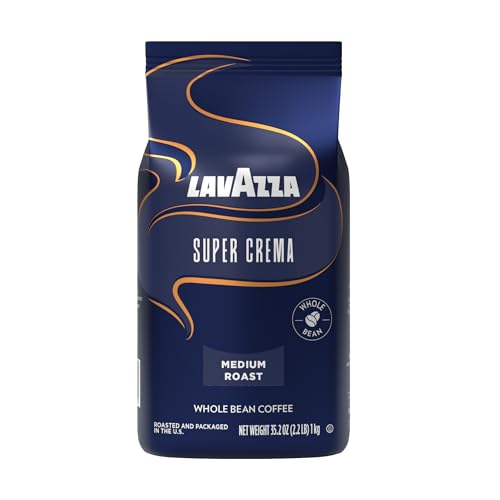
Lavazza Super Crema Blend
Strengths
- Rich crema
- Excellent for milk drinks
- Large bag size
Trade-offs
- Robusta aftertaste
- Less aromatic complexity
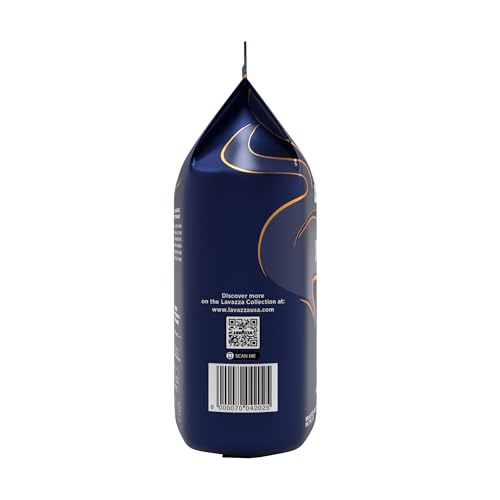
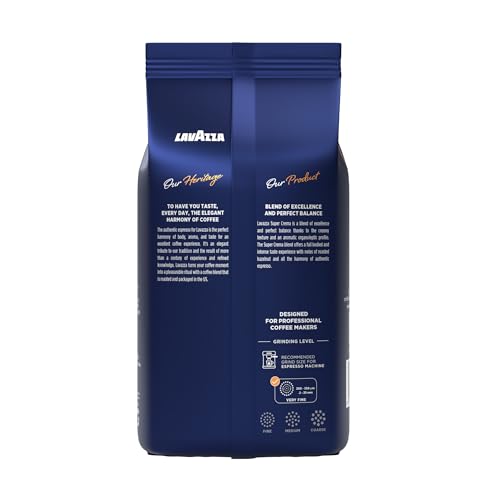
If you’re after that rich, velvety espresso crema that clings to the rim of the cup, Lavazza Super Crema is engineered for that moment. The Arabica-Robusta blend, something I’m usually cautious about, actually works here, delivering a creamy mouthfeel and a rounded sweetness that holds up under pressure. Owners repeatedly highlight how well it steams in milk drinks, and the 2.2 lb bag is a clear nod to heavy daily use, whether at home or in a small office setup.
It’s not a nuanced sipper like a washed Ethiopian, but that’s not its job. Compared to Illy, it’s heavier and more forgiving, though it lacks that same aromatic lift. For someone who pulls multiple shots a day and wants a workhorse bean with Italian flair, this blend makes a lot of sense.
Product photos


Amazon Fresh Organic Peru

Strengths
- Affordable organic
- Clean taste
- Fair Trade certified
Trade-offs
- Subtle flavor
- Smaller bag
This is the quiet achiever of budget organic beans. At this price tier, most coffees taste flat or stale, but Amazon Fresh delivers a clean, smooth medium roast with a faint floral lift and no off-notes. It’s 100% Arabica, Fair Trade, and USDA Organic, credentials that matter, and roasted in the U.S. for better freshness control.
Owners consistently report it punches above its weight, especially for drip or cold brew. Compared to Mt. Comfort, it’s lighter in body and smaller in quantity, but for a single drinker or occasional user, it’s the smarter buy. It’s not going to rewrite your morning ritual, but it won’t disappoint either.
Product photos


How We Chose These tasting coffee beans
Rather than a hands-on lab test, my research for these recommendations focused on a detailed comparison of published specifications and features for each brand of tasting coffee beans. I weighed owner reviews from multiple sources – including Amazon and coffee-focused forums – alongside expert opinions from sites like Coffee Review and specialty coffee blogs. Applying my years of experience exploring coffee origins and roasting styles, I ranked each option against criteria important to a broad range of coffee drinkers.
For tasting coffee beans, freshness and origin story stand out as particularly critical. A wider variety allows for exploration, but quality is paramount. I prioritized beans with clear sourcing information and recent roast dates, as these factors directly impact the flavor experience. Ethical sourcing and sustainability practices also played a considerable role in my rankings, recognizing the growing importance of responsible consumption within the coffee community.
Specifications reliably tell you about roast level, bean type (linking back to the Arabica vs Robusta taste), and stated flavor notes. However, I placed more weight on owner feedback regarding actual taste profiles, consistency, and how well the beans perform in different brewing methods. Reputation and brand history also factored in; established roasters often maintain higher quality control standards.
What To Look For In tasting coffee beans
Finding the right coffee beans can feel overwhelming. I’ve seen so many people get lost in the options, and ultimately, end up disappointed with their brew. Let’s cut through the noise and focus on what truly matters.
Quality coffee beans exhibit a complex aroma, a balanced flavor profile free of harshness, and a consistent roast that reveals the bean’s origin characteristics. Look for whole bean options roasted recently, and consider factors like origin, processing method, and roast level to match your preferred brewing style and taste preferences. Pay attention to certifications like USDA Organic and Fair Trade to support ethical and sustainable practices.
Origin & Flavor Profile
The origin of the bean is a huge factor in the final cup. While personal preference reigns supreme, understanding regional characteristics is key. Central and South American beans(like those from Colombia or Peru) often deliver balanced, nutty, and chocolatey notes – a good starting point for many. African beans(Ethiopia, Kenya) frequently boast brighter, fruitier, and more floral profiles. Indonesian varieties(Sumatra, Sulawesi) tend towards earthy, full-bodied flavors. Don’t be afraid to explore single-origin coffees; it’s a great way to really appreciate the nuances each region offers. If you’re looking for more overall guidance, check out some flavorful coffee recommendations that our team has put together.
Roast Level & Freshness
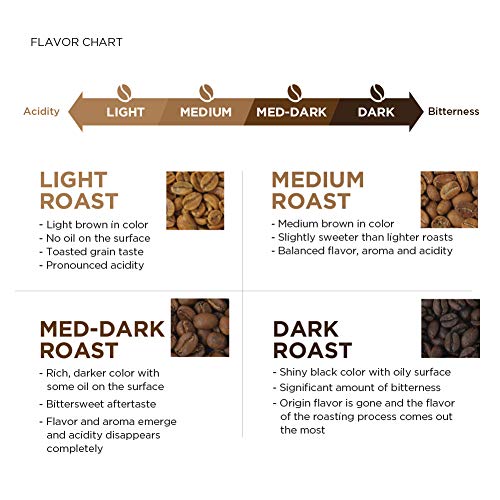
Roast level drastically alters the flavor. Lighter roasts preserve more of the bean’s original characteristics and acidity, resulting in brighter, more complex cups. Medium roasts offer a balance of acidity and body, often with notes of caramel or chocolate. Darker roasts develop bolder, smokier flavors, and lower acidity. Freshness is equally vital. Coffee stales quickly after roasting, losing aroma and flavor. Always check for a “roasted on” date, not just a “best by” date. Ideally, you want to brew beans within 2-3 weeks of roasting.
- A light roast will highlight the unique, delicate flavors of the bean, but can sometimes feel a bit underdeveloped if not brewed properly.
- Medium roasts are the most versatile and forgiving, making them a good choice for a wide range of brewing methods and palates; they strike a balance that many find satisfying.
- Dark roasts provide a bold, intense flavor that’s ideal for those who prefer a strong, robust cup, but the origin flavors can be masked by the roasting process, so it’s best to start with high-quality beans if you enjoy darker roasts.
Value & Brewing Method
Consider how you typically brew your coffee. Espresso requires a different grind and roast than a French press. Generally, darker roasts perform well in espresso, while lighter roasts shine in pour-over. Don’t overspend on beans if you’re using an automatic drip machine; the subtleties will likely be lost. Conversely, if you’re a serious home barista, investing in high-quality, specialty-grade beans is worthwhile. For those just starting out, or looking for a reliable daily brew, an affordable option like Amazon Fresh Organic Peru can be excellent. Ultimately, choosing best tasting beans depends on finding the sweet spot between price, quality, and your personal brewing style.
Don’t chase the most expensive bean; a well-roasted, carefully sourced coffee, tailored to your brewing method, will always deliver more enjoyment than a trendy, overpriced option.
Tasting Coffee Beans Compared
Here’s a comparison of key specifications for different tasting coffee beans to help you choose the right one.
| Product Name | Best For | Bean Type | Roast Level | Weight (oz) | Key Flavor Notes |
|---|---|---|---|---|---|
| Illy Classico | Best Overall | Arabica | Medium | N/A | Caramel, orange blossom, jasmine |
| Atlas Coffee Club | Best Variety & Exploration | N/A | N/A | 1.8 (x8 bags) | Varies by country |
| Stumptown Holler Mountain | Best Organic & Direct Trade | Arabica | Medium | 12 | Citrus, berry jam, caramel |
| Java Planet Organic | Best Low Acid & Purity | Arabica | N/A | N/A | Smooth, balanced |
| Mt. Comfort Organic Peru | Best Value Bulk Buy | N/A | N/A | 40 | Smooth, balanced |
| Kauai Coffee Koloa Estate | Best Unique Origin Experience | Arabica | Light | N/A | Floral, bright |
| Blue Bottle Balanced Blend | Best Smooth Daily Brew | Arabica | Medium-Light | 12 | Caramel, lemon zest, cocoa |
| Lavazza Super Crema | Best for Espresso Lovers | Arabica/Robusta | Medium | 35.2 | Bold, creamy |
| Amazon Fresh Organic Peru | Best Budget Organic | Arabica | Medium | 12 | Smooth |
Frequently Asked Questions
What roast level delivers the most caffeine?
Darker roasts actually have less caffeine by volume, despite the stronger flavor. The roasting process breaks down caffeine, so a lighter roast will give you the biggest kick, though the difference is usually minimal.
Can coffee beans really go stale, and how do I store them properly?
Yes, coffee beans degrade quickly once roasted. Oxygen, moisture, light, and heat are the enemies; store whole beans in an airtight container, in a cool, dark place, and avoid the refrigerator or freezer.
Are more expensive coffee beans always better tasting?
Not necessarily. Price often reflects rarity or processing methods, but a skillfully roasted, high-quality bean from a less-hyped origin can be far more enjoyable than a pricey, poorly roasted option.
I’m new to tasting coffee. Where do I start with exploring different origins?
I recommend beginning with a Central or South American bean, like a Colombian or Peruvian, as they offer a balanced profile that’s approachable for most palates. From there, you can branch out into the brighter, fruitier flavors of African beans or the earthy notes of Indonesian varieties. You could also explore globally renowned coffee varieties to get a broader sense of what’s available.
What’s the difference between “roasted on” and “best by” dates, and which should I prioritize?
“Roasted on” indicates when the beans were actually roasted, while “best by” is a manufacturer’s suggestion for peak quality. Always prioritize the “roasted on” date – ideally, you want to brew beans within 2-3 weeks of that date for the best flavor.
The Bottom Line
Choosing the “best” coffee beans always comes down to balancing your desire for control over flavor with the convenience of a consistent, enjoyable cup. While there’s a world of nuance to explore, the Illy Classico stands out as a remarkably well-rounded option, offering a consistently smooth and aromatic experience that appeals to a wide range of palates. It’s a fantastic starting point for anyone looking to elevate their daily brew.
For those of us who love to experiment, or have specific needs, the other options shine. If you’re eager to discover single origin coffee flavors with a rotating selection, the Atlas Coffee Club is an excellent choice. If you prioritize ethical sourcing and a bright, flavorful cup, the Stumptown Holler Mountain delivers. And for a budget-friendly organic option, the Amazon Fresh Organic Peru provides solid quality without breaking the bank.
Ultimately, the most important factors aren’t roast level or origin alone, but freshness and how well the beans suit your brewing method. Pay attention to roast dates, grind your beans right before brewing, and don’t be afraid to adjust your technique to unlock the full potential of each bean. A little experimentation will go a long way toward finding your perfect cup.
