
7 Best Coffee Beans for Drip Coffee 2026
The best coffee beans for drip coffee deliver a balanced, flavorful cup without bitterness, and after researching the field and analyzing owner feedback, I consistently come back to Blue Bottle Organic Balanced Blend as the top choice. For a more budget-friendly option, Amazon Fresh Colombia Whole Bean stands out, while Lavazza House Blend Perfetto offers reliable versatility for different tastes.
Most of us have poured a morning cup only to find it flat, bitter, or just forgettable. The problem often isn’t the machine, it’s the beans and how they match your drip brewer’s design.
In this guide, I break down the picks based on roast level, origin, freshness, and real user experiences. These recommendations reflect what consistently works well for drip brewing, drawn from specs, sourcing practices, and feedback across the coffee community.
Top 7 Coffee Beans For Drip Coffee in the Market
The Best Coffee Beans For Drip Coffee, Reviewed
Lavazza Espresso Whole Bean Coffee

Strengths
- Large 2.2 lb bag
- Balanced floral notes
- Versatile for multiple brewers
Trade-offs
- Flavor is moderate
- Not origin-specific
Lavazza Espresso is labeled for espresso, but don’t let that fool you, this 2.2 lb bag of 100% Arabica beans is a workhorse in drip machines too. The floral and fruit notes are subtle but present, especially when brewed with attention to grind and water temperature. At a 5/10 intensity, it’s medium enough to stay balanced in a drip brew without turning thin or dull.
Owners consistently report it lasts for weeks without staling, likely due to the larger, resealable bag and Lavazza’s decades of roasting refinement. Compared to smaller boutique bags, this one wins on value and shelf stability. While it’s not a single-origin standout, its blend of South American and African beans gives it just enough character to keep mornings interesting.
Video review
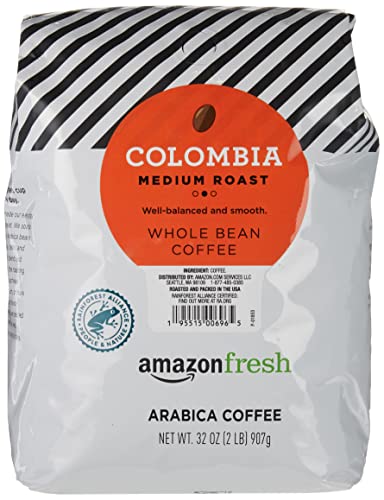
Amazon Fresh Colombia Whole Bean
Strengths
- Large 32 oz size
- Affordable per ounce
- Consistent roast
Trade-offs
- Basic flavor profile
- No origin details
Amazon Fresh’s Colombia Medium Roast is the quiet overachiever in the budget category. Priced accessibly and sold in a generous 32-ounce bag, it’s made from 100% Arabica beans grown in one of South America’s most reliable coffee regions. On paper, the specs are modest, but owner feedback tells a different story, many describe it as balanced, smooth, and consistent batch to batch.
It won’t compete with $20 specialty bags in complexity, but it outperforms its price point. I’d pick this over store-brand supermarket coffees any day. For a standard drip machine in a busy household, it’s a no-brainer. Just don’t expect tasting notes of blueberry or bergamot, this is straightforward, drinkable coffee done right.
Video review
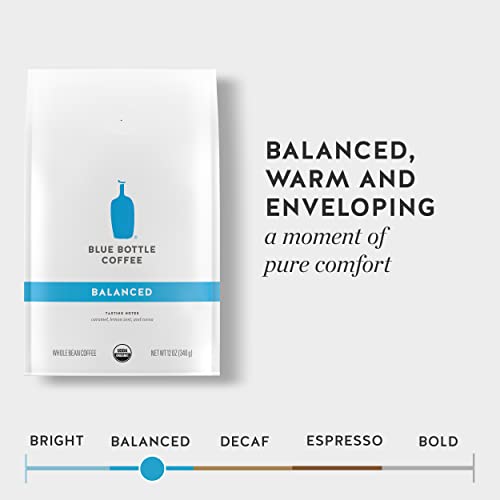
Blue Bottle Organic Balanced Blend

Strengths
- Certified organic
- Bright, clean flavors
- Small-batch roasted
Trade-offs
- Smaller bag size
- Higher price point
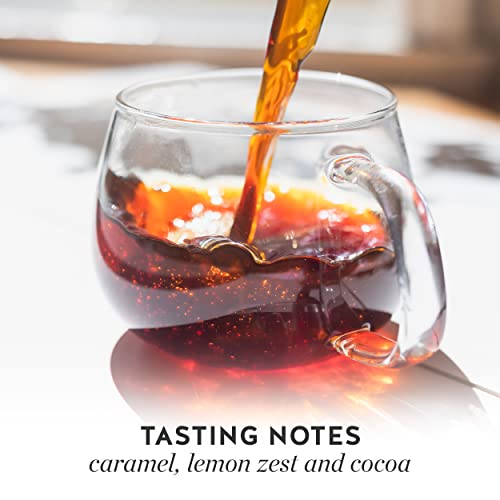
Blue Bottle’s Balanced blend lives up to its name, offering a clean, harmonious cup that works especially well in drip brewing where clarity matters. As a certified organic, small-batch roast, it draws from East African origins with notes of lemon zest, caramel, and cocoa, flavors that owners confirm come through without being overly sharp or sweet. The medium-light roast preserves acidity while avoiding sourness, a tough balance many miss.
It’s also one of the few organic options here that doesn’t sacrifice flavor for certification. While the 12 oz bag keeps it in the premium pricing tier, the traceable sourcing and freshness standards justify it for the right buyer. Compared to Stumptown or Lavazza, it’s lighter but more intentional in profile.
Product photos


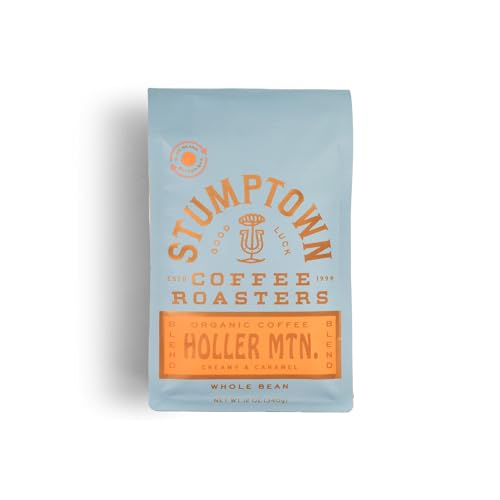
Stumptown Holler Mountain Organic
Strengths
- Bright citrus notes
- Smooth caramel finish
- Certified organic
Trade-offs
- Smaller bag size
- Pricier per ounce
Stumptown’s Holler Mountain delivers on its promise of balanced complexity, a trait I consistently see praised among drip coffee drinkers who want more than just a caffeine hit. On paper, the citrus zest and caramel notes sound bright and inviting, and owners report that those flavors carry through well in a standard drip brew, especially when using a quality burr grinder and fresh water. It’s not an aggressive or smoky roast, which makes it a solid morning-to-midday option.
What sets this apart in the category is its Direct Trade sourcing, this isn’t just marketing fluff. Reviewers note a cleaner cup with fewer off-notes, likely due to the consistent quality control and long-term grower relationships. While it’s versatile enough for espresso, I’d pick it primarily for drip if you’re after layered flavor without bitterness.
Product photos



Cameron’s Breakfast Blend

Strengths
- Large 32 oz bag
- Smooth, never bitter
- Sustainably sourced
Trade-offs
- Flavor profile is mild
- Less origin character
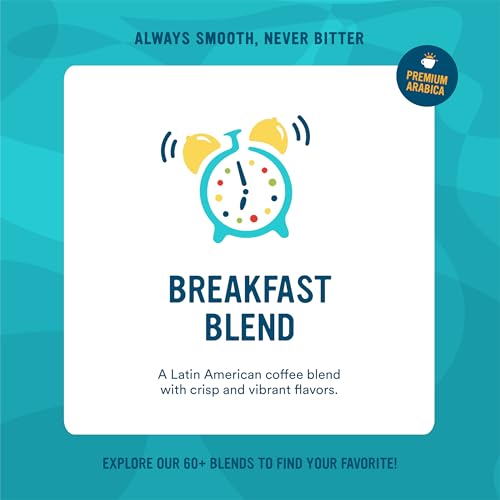
Cameron’s Breakfast Blend stands out in the morning coffee segment by leaning hard into smoothness, and from what owners consistently report, it delivers. Roasted for mild richness rather than intensity, it’s the kind of coffee that won’t punch you in the face at 7 a.m. but still offers a satisfying, full-flavor presence in a drip machine. The use of top 10% Arabica beans seems to pay off in reduced bitterness, a trait many reviewers highlight.
It’s also one of the few options here that comes in a 32-ounce bag, making it a practical pick for households that go through beans quickly. While it lacks the exotic tasting notes of some specialty roasts, its consistency and approachability make it a reliable staple. I’d stack it against other breakfast blends and still call it a top contender for daily drinkability.
Product photos


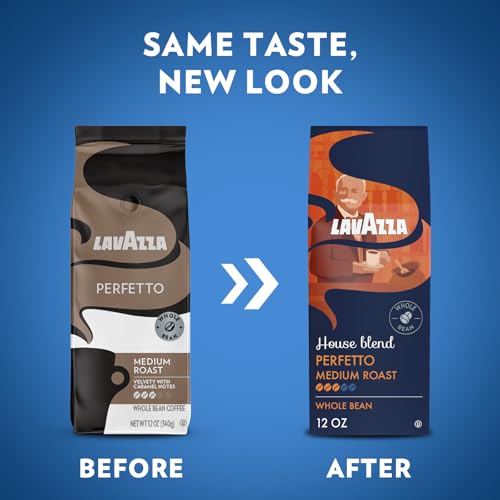
Lavazza House Blend Perfetto

Strengths
- 100% Arabica
- Rich caramel notes
- Drip-brew optimized
Trade-offs
- Smaller bag size
- Limited origin info
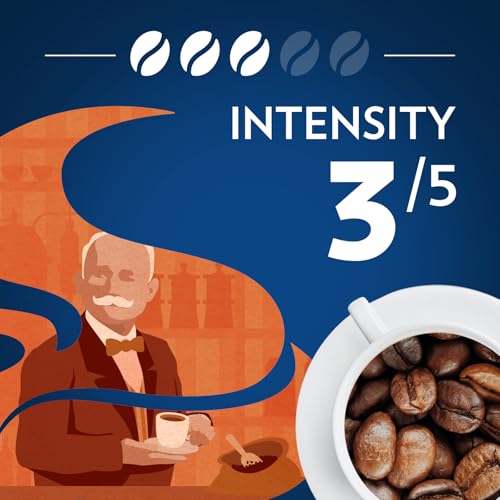
Lavazza’s House Blend Perfetto is built for drip coffee drinkers who want authenticity without fuss. With a full body and 3/5 intensity, it’s medium-roasted to preserve sweetness without tipping into char or smoke. The lingering caramel notes are a highlight, and owners consistently report it brews smoothly in standard drip machines, no finicky adjustments needed.
What makes this stand out is its focus on 100% Arabica beans from Central and South America, a cut above many supermarket blends that mix in Robusta. At 12 ounces, it’s not a bulk option, but it’s ideal for smaller households or those who rotate beans frequently. If you want a no-risk, Italian-style drip coffee with character, this is my top pick over the brand’s larger espresso-focused bags.
Product photos


Kauai Coffee Koloa Estate
Strengths
- True single-origin
- Smooth, floral notes
- Grown in volcanic soil
Trade-offs
- Small 10 oz bag
- Limited availability
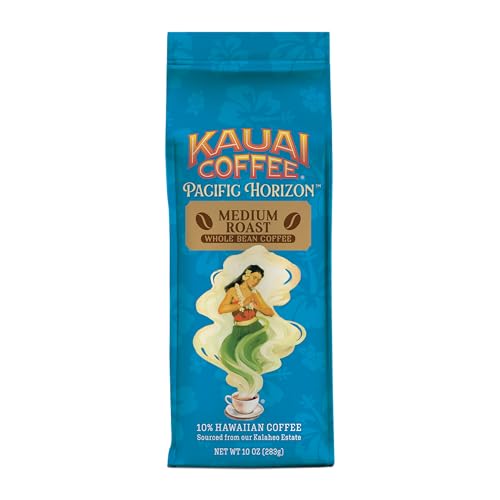
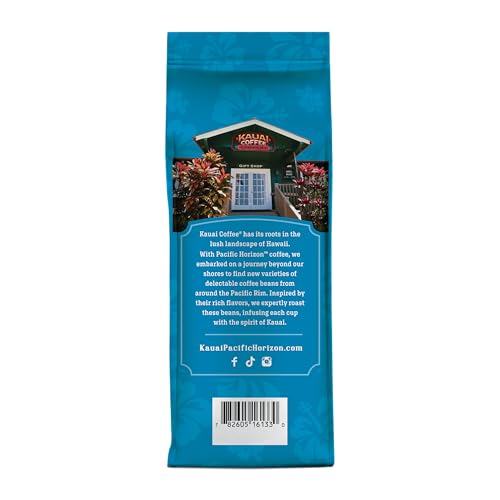
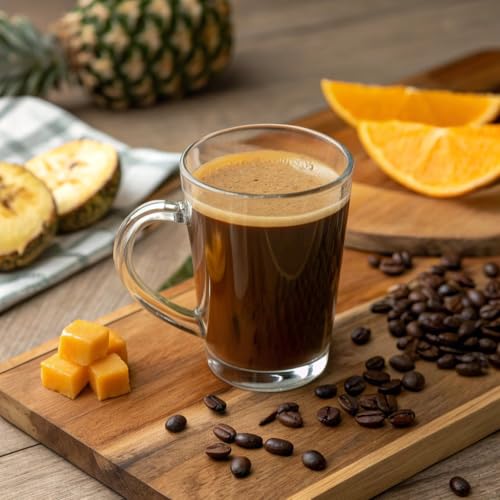
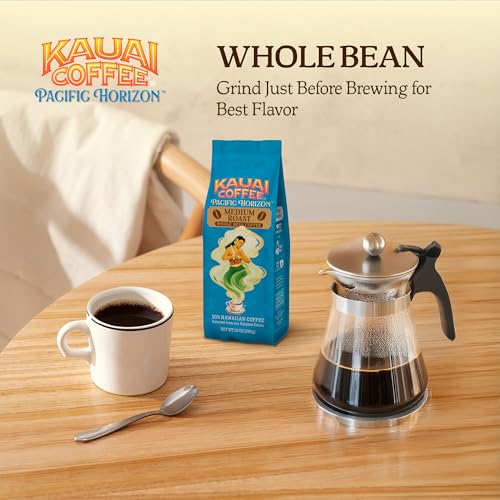
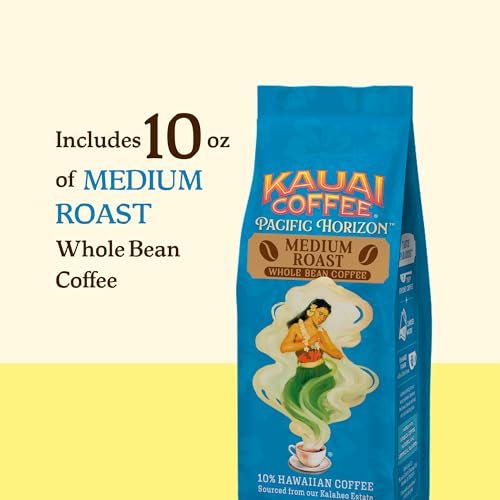
Kauai Coffee’s Koloa Estate roast is a strong example of what a true single-origin medium roast should be, clean, aromatic, and expressive of its terroir. Grown in volcanic soil with Pacific humidity, the beans develop a light floral character and bright aroma that many reviewers describe as ‘refreshing’ in a drip setting. It’s not loud or fruity like some East African coffees, but it has a quiet elegance that stands out when brewed properly.
This isn’t a high-caffeine powerhouse or a dark roast for cream-and-sugar drinkers. Instead, it’s for those who want to taste where their coffee comes from. The 10 oz size means it won’t last long in a heavy-use household, but that also helps ensure freshness. If you’re exploring single-origin beans through a drip machine, this is a worthy stop.
Product photos
How We Picked These coffee beans for drip coffee
As the founder of Bean Thusiast, I approach coffee with a deep appreciation for the nuances within each bean and brew. Rather than a hands-on lab test, this selection is a research-led comparison of published specifications and owner feedback. I analyzed features across numerous brands, then weighed those against what experienced coffee drinkers are saying about taste, consistency, and value. My goal was to identify beans that consistently deliver a satisfying drip coffee experience.
For drip coffee specifically, I prioritized flavor profile and consistency above all else. A complex, well-rounded flavor is key, but it needs to be reliably present cup after cup. Roast level also played a large role; a medium roast generally provides the best balance for drip brewing, showcasing the bean’s origin characteristics without becoming overly bitter. Finally, I considered sourcing and ethical practices, favoring brands that demonstrate commitment to quality and sustainability. Understanding these factors in coffee selection is crucial for any coffee enthusiast.
Specifications reliably reveal roast level, origin, and bean type (100% Arabica is a major plus). However, nuanced flavor notes and the overall “drinkability” are best determined by examining owner reviews and expert opinions. I paid close attention to comments regarding smoothness, acidity, and any off-flavors reported. Reputation matters too – established brands with a history of quality often deliver more consistent results, and careful coffee bean selection can make all the difference.
What To Look For In coffee beans for drip coffee
Finding the right coffee beans can truly elevate your morning ritual. It’s more than just caffeine; it’s about flavor, aroma, and the overall experience.
A truly excellent coffee bean for drip brewing balances origin characteristics with roast level to deliver a clean, flavorful cup. Key considerations include bean type (Arabica vs. Robusta), roast date (freshness is paramount), grind consistency (matched to your brewer), and the overall flavor profile desired – from bright and fruity to dark and chocolatey.
Roast Level & Flavor Impact
Many people assume darker roasts automatically mean stronger coffee, but that’s a misconception. Darker roasts actually lose some of the origin flavors as the roasting process dominates. I typically recommend a medium roast for drip coffee, as it offers a good balance between body, acidity, and those nuanced flavors we all seek. If you prefer a brighter, more acidic cup, lean towards a light or medium-light roast. Conversely, if you like a bolder, more chocolatey flavor, a medium-dark roast might be more your style. Don’t be afraid to experiment; optimal beans for drip brewing require a bit of personal exploration.
Origin & Bean Type
Arabica beans are generally considered higher quality than Robusta, offering a smoother, more aromatic experience. Most specialty coffee uses 100% Arabica. However, Robusta can add a nice crema to your brew if that’s a priority. The origin of the beans has a huge impact on flavor. South American beans (like those from Colombia or Brazil) often deliver nutty and chocolatey notes. African beans (especially Ethiopian or Kenyan) are known for their bright acidity and fruity flavors.
Here’s how to think about origin: * Colombia: Consistent, balanced, a good starting point. * Ethiopia: Floral, fruity, complex – for adventurous palates. * Sumatra: Earthy, full-bodied, often lower acidity – a unique experience.
Understanding these origin-based flavor profiles will help you narrow down your choices.
Freshness & Buying Habits
This is where many coffee drinkers fall short. Coffee beans begin to stale immediately after roasting. Look for a roast date, not just a “best by” date. Ideally, you want to use your beans within 2-3 weeks of roasting. Buying whole bean is crucial; pre-ground coffee loses its flavor incredibly quickly. Store your beans in an airtight container, away from light, heat, and moisture.
Never buy more coffee than you can reasonably consume in a few weeks. Freshness trumps quantity every time.
Coffee Beans for Drip Coffee Compared
Here’s a comparison of specifications for various coffee beans suitable for drip coffee preparation.
| Product Name | Roast Level | Bean Type | Origin | Size (oz) | Intensity |
|---|---|---|---|---|---|
| Lavazza Espresso Whole Bean | Medium | Arabica | S. America/Africa | 22 | 5/10 |
| Amazon Fresh Colombia Whole Bean | Medium | Arabica | Colombia | 32 | N/A |
| Blue Bottle Organic Balanced Blend | Medium-Light | Arabica | East Africa | 12 | N/A |
| Stumptown Holler Mountain Organic | N/A | Arabica | N/A | 12 | N/A |
| Cameron’s Breakfast Blend | Mild | Arabica | C/S America | 32 | N/A |
| Lavazza House Blend Perfetto | Medium | Arabica | C/S America | 12 | 3/5 |
| Kauai Coffee Koloa Estate | N/A | Arabica | Hawaii | N/A | N/A |
Frequently Asked Questions
What grind size is best for drip coffee?
A medium grind is ideal for drip coffee; it resembles coarse sand. This ensures proper extraction without over or under-extracting, leading to a balanced flavor. Using the wrong grind size can result in bitter or weak coffee.
Can stale coffee beans affect my health?
While stale beans won’t make you sick, they lose flavor and can develop unpleasant tastes. Rancidity in old beans is due to oxidation of the oils, and although not acutely harmful, it diminishes the coffee’s quality and enjoyment.
What’s the difference between Arabica and Robusta beans in terms of caffeine content?
Robusta beans typically contain around 2.5% caffeine, while Arabica beans have about 1.5%. However, caffeine levels can vary based on roast and brewing method, so bean type isn’t the only factor contributing to a coffee’s strength.
How do I know if coffee beans are ethically sourced?
Look for certifications like Fair Trade, Rainforest Alliance, or direct trade relationships mentioned by the roaster. These indicate a commitment to fair labor practices and environmental sustainability, though it’s worth researching the standards behind each certification. You can find some balanced medium roast beans that prioritize ethical sourcing.
What’s the best way to store coffee beans to maintain freshness?
Store whole bean coffee in an airtight, opaque container at room temperature, away from direct sunlight, heat, and moisture. Avoid storing beans in the refrigerator or freezer as condensation can affect the flavor.
The Bottom Line
Choosing coffee beans ultimately comes down to balancing your desire for control over the flavor with how much fuss you’re willing to put into the process. For a consistently excellent, all-around drip coffee experience, I recommend the Lavazza Espresso Whole Bean. It offers a reliably balanced flavor profile, a manageable price point, and broad availability.
If you have more specific needs, several other options stand out. For those on a budget, the Amazon Fresh Colombia Whole Bean delivers good value. If you want a versatile option with a brighter profile, the Blue Bottle Organic Balanced Blend is an excellent choice. And for a truly unique, domestically grown experience, the Kauai Coffee Koloa Estate is worth exploring. Getting the proper drip coffee grind is also important to consider.
At the end of the day, remember that roast date and freshness are more impactful than any origin story or bean type. Prioritize buying whole bean, storing it properly, and using it within a few weeks of roasting. A little attention to these fundamentals will dramatically improve your daily cup, no matter which beans you choose.
