
5 Best Reusable Coffee Filters of 2026
The best reusable coffee filter overall is the Reusable #4 Cone Filter for Ninja, thanks to its precise fit and clean brew. For a budget-friendly option, the TRONMEI 8-12 Cup Reusable Filter delivers solid performance, while the Cloth Reusable Cone Coffee Filter stands out for flavor clarity and eco-conscious use.
Most people don’t realize how much a filter affects their coffee’s taste and body until they switch from paper. A bad fit or low-quality mesh can ruin an otherwise good brew. After comparing the field and analyzing owner feedback, I focused on filters that match your brewer perfectly, last for years, and keep your coffee tasting right.
This guide covers the top options based on material, fit, and how easy they are to clean, because a reusable filter should make your routine simpler, not harder.
Top 5 Reusable Coffee Filter in the Market
The Best Reusable Coffee Filter, Reviewed
Reusable #4 Cone Filter for Ninja

Strengths
- Exact fit for Ninja Coffee Bar
- Fine stainless mesh
- Two-pack for rotation
Trade-offs
- Only for #4 cone systems
- Not dishwasher rack-safe long-term
- Slight learning curve for cleaning
If you own a Ninja Coffee Bar, this is likely the best permanent filter you can buy, and you get two for the price of one. The #4 cone size is exact for Ninja’s system, so no more jury-rigging basket filters that don’t seal right. The food-grade stainless steel mesh is fine enough to keep grit out while letting oils flow, delivering a fuller, more satisfying cup than paper ever could.
Owners consistently say these filters eliminate the papery taste and reduce waste without leaking or clogging. The included pair means you can rotate one while washing the other, which is a small but meaningful convenience. Compared to the GOLDTONE basket-style, this one is category-specific but superior within its niche. This isn’t a universal filter, but for Ninja users, it’s the obvious upgrade.
Product photos


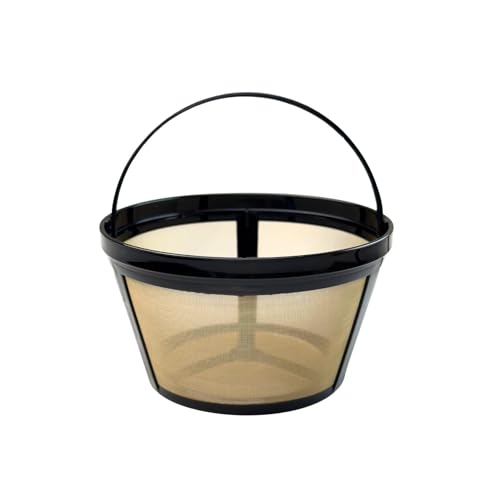
TRONMEI 8-12 Cup Reusable Filter
Strengths
- Affordable upfront
- Dishwasher safe
- Fits common 8-12 cup models
Trade-offs
- Plastic frame feels lightweight
- Mesh slightly coarser than premium filters
- Not for small brewers
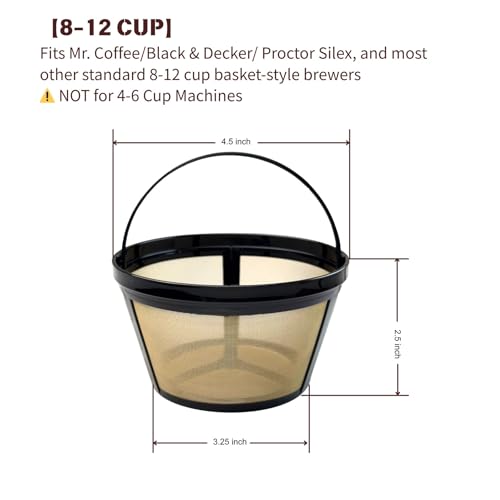
This is the no-frills workhorse of reusable filters, built for people who brew big pots daily and want to stop buying paper. The 304 stainless steel mesh is standard fare, but it does its job: letting oils through for a richer cup than paper, with a noticeable flavor upgrade. It fits most 8-12 cup machines like Mr. Coffee and Black+Decker, and reviewers confirm it rarely leaks or misaligns.
Where it wins is value. It’s priced to be accessible, and the BPA-free plastic frame with a heat-resistant handle makes it easy to handle right after brewing. It’s not special, it won’t change your coffee philosophy, but it’s reliable. Compared to pricier USA-made gold-toned filters, this one gets the job done without fuss. My recommendation? Get this if you want a set-and-forget reusable filter that cuts waste and cost.
Product photos
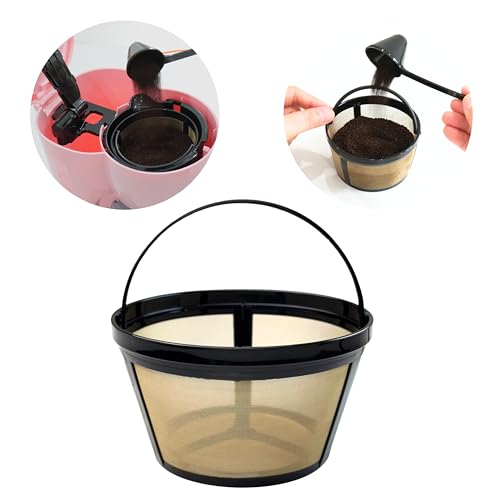

Cloth Reusable Cone Coffee Filter
Strengths
- Eco-friendly materials
- Smooth, balanced brew
- Supports small business
Trade-offs
- Requires careful cleaning
- Not dishwasher safe
- Slower brewing
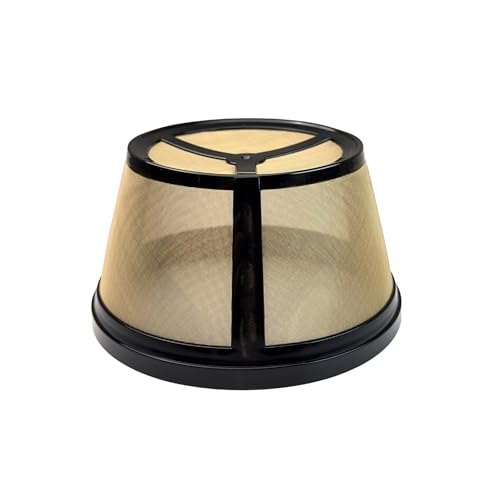
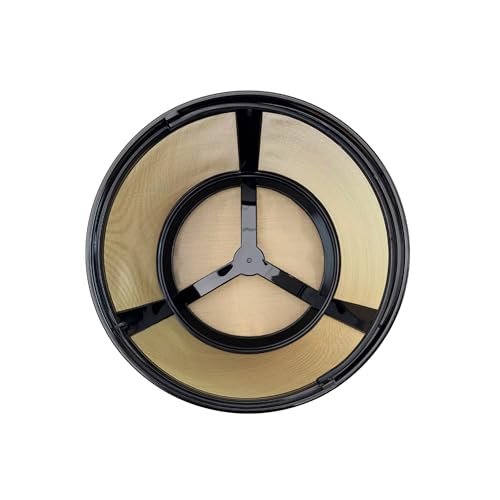
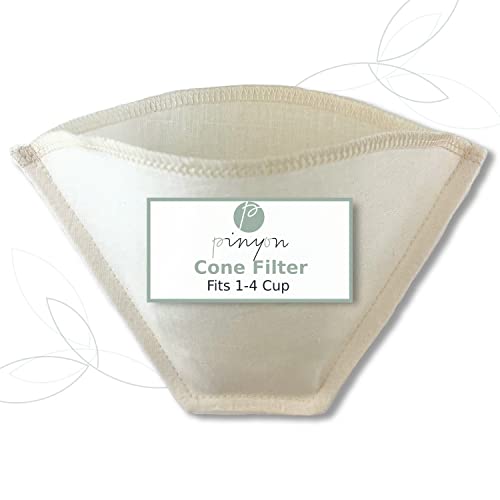
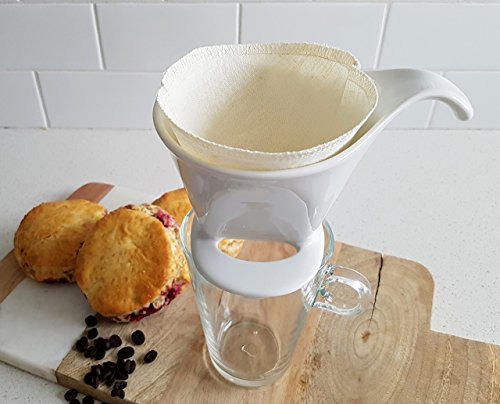
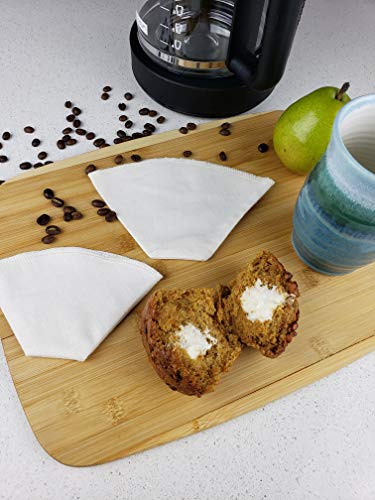
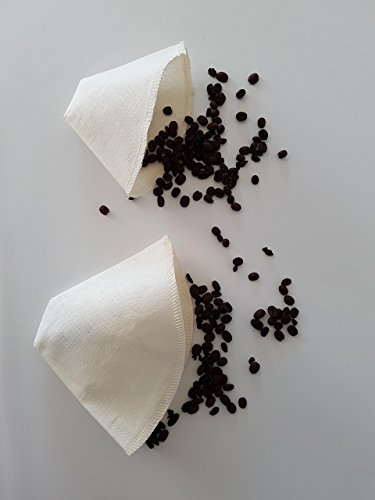
This cloth filter stands out in a market dominated by metal because it actually changes the way your coffee brews. On paper, the 55% hemp and 45% organic cotton blend sounds niche, but owners consistently report a smoother cup, less oily than metal, yet fuller than what paper delivers. That’s because it strikes a rare balance: filtering out fine silt while still passing through enough of the coffee’s natural oils for flavor depth.
It’s not the most convenient option. You’ll need to rinse and occasionally boil it, and if you skip cleaning, it will retain old flavors. But for someone committed to zero waste and nuanced taste, this is a long-term companion. It’s also a quiet win for supporting small-scale, ethical production, handmade in Canada, minimal packaging, no plastic. I’d pick this over metal if you value ritual and sustainability as much as the final cup.
Product photos

GOLDTONE 8-12 Cup Basket Filter
Strengths
- Surgical-grade stainless steel
- Solid bottom design
- Durable, long-lasting build
Trade-offs
- Higher initial cost
- Not explicitly designed for cone brewers
- Limited color/style options
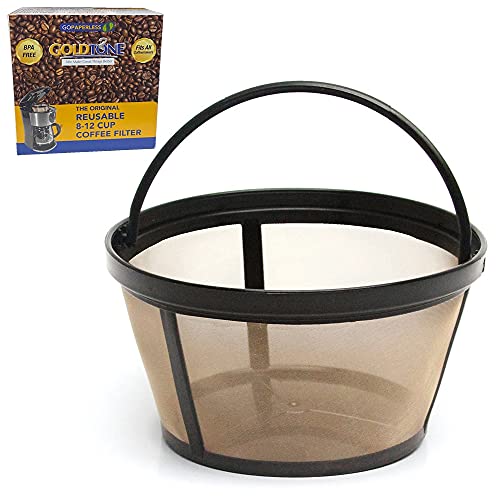
When people talk about durable, no-compromise reusable filters, this is the one they often mean. Made in the USA with surgical-grade stainless steel mesh, it’s built to last years, not just months. The solid bottom basket design eliminates the sludge some mesh filters allow through, and the tighter weave gives a cleaner, more consistent brew than many budget metal options.
It’s compatible with most Mr. Coffee models, but owners also report success with Ninja Coffee Bar systems, something the brand doesn’t heavily advertise but real-world use confirms. The rigid BPA-free frame feels substantial, and it cleans up fast under the tap or in the dishwasher. Compared to the TRONMEI models, this one feels more premium, though at a higher entry cost. If you want a filter that’s both reliable and built to American standards, this is a strong contender.
Product photos


TRONMEI 4-6 Cup Mini Filter
Strengths
- Perfect fit for mini brewers
- Preserves coffee oils
- Easy rinse or dishwasher clean
Trade-offs
- Plastic frame not all-metal
- Limited to small machines
- Fewer durability reviews long-term
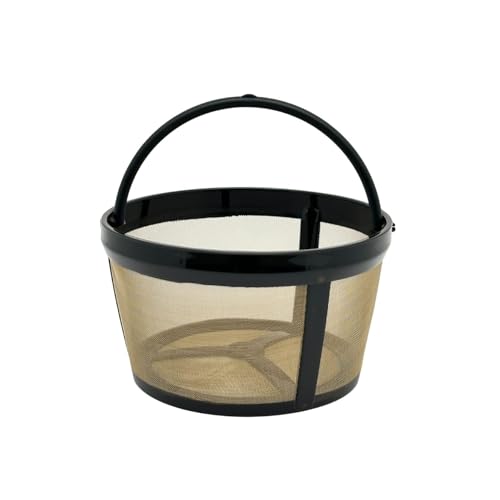
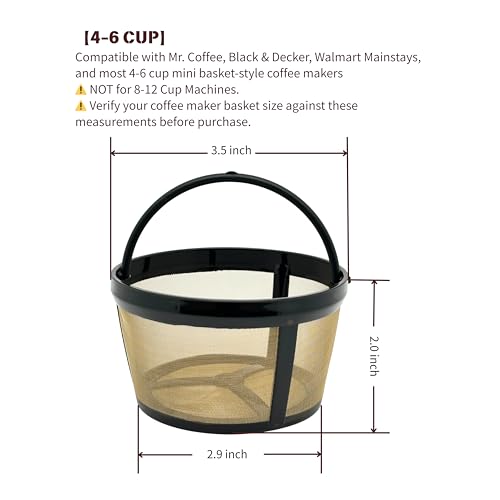
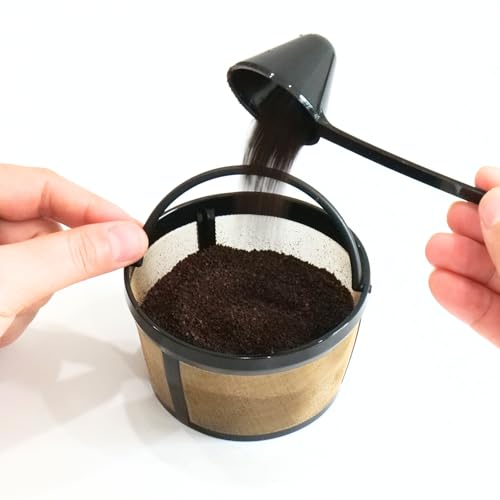
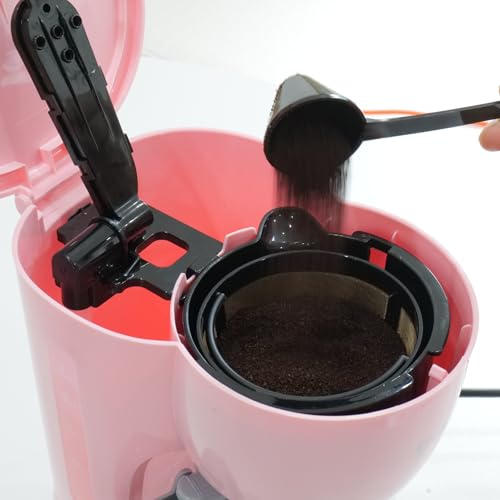
Finally, a dedicated reusable filter for small-batch drinkers. Most metal filters target 8-12 cup machines, leaving solo coffee drinkers with ill-fitting hacks. This one is sized right for 4-6 cup basket-style brewers, including Walmart’s Mainstays and compact Mr. Coffee models. The 304 stainless steel mesh delivers the same flavor boost as its bigger sibling, more body, more aroma, without the waste of paper.
Owners praise how snugly it fits, and the heat-resistant handle is a thoughtful touch for quick removal. It’s essentially the same build as the larger TRONMEI, just scaled down. I’d say this is the smarter buy over cutting down a larger filter or forcing a poor fit. If you brew one or two cups daily, this keeps your routine clean and green without compromise.
Product photos


How We Chose These reusable coffee filter
Rather than a hands-on lab test, my research for these recommendations focused on a detailed comparison of published specifications and features across numerous models. I weighed owner reviews from major retailers alongside expert opinions found in coffee-focused publications. As the founder of Bean Thusiast, I applied my understanding of brewing to rank filters based on what truly impacts the final cup and long-term usability.
For reusable coffee filters, filtration quality, durability, and ease of cleaning were the most important factors. A filter’s ability to remove sediment without stripping essential oils directly affects taste, a critical consideration. Long-term cost savings and minimizing environmental impact also heavily influenced my choices, as many coffee lovers are seeking sustainable options.
Specifications reliably indicate a filter’s physical compatibility with common coffee makers – dimensions are key. However, I relied on owner feedback to assess real-world performance, particularly regarding flavor impact and cleaning difficulty. Reputation and brand consistency played a role, especially when evaluating the quality of materials and construction. You can find more information on choosing a reusable cone coffee filter on our site.
Choosing The Right reusable coffee filter
Choosing a reusable coffee filter seems simple, but getting the right one for your needs takes a little consideration.
A quality reusable coffee filter should balance filtration fineness with flow rate, be constructed from durable, food-safe materials, and offer easy cleaning. Consider the type of coffee maker you have, the volume you brew, and your personal preference for flavor profile – some materials retain more oils than others, impacting the final cup. Proper sizing is also critical to avoid grounds escaping or a poor brew.
Material Matters
The material of your reusable filter significantly impacts both the flavor of your coffee and the long-term usability of the filter itself. Stainless steel is a popular choice, offering durability and a neutral flavor profile. However, some cheaper stainless steel filters can impart a metallic taste, so looking for food-grade 304 stainless steel is a good starting point. Cloth filters (typically hemp or organic cotton) produce a very clean cup, removing more sediment and oils than metal, but require more diligent cleaning. Plastic-framed filters, often paired with stainless steel mesh, are generally the least expensive but can sometimes retain flavors over time.
Size and Compatibility
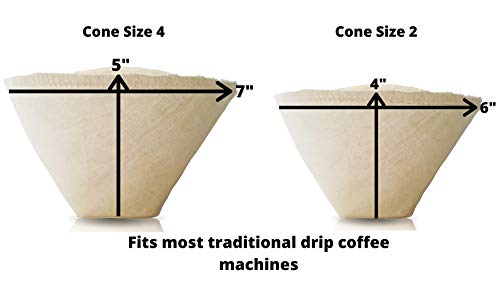
This is where many people run into trouble. Reusable filters aren’t one-size-fits-all. You absolutely must confirm the filter’s dimensions align with your coffee maker. Basket filters are common, but within that category, you have variations for 8-12 cup brewers versus 4-6 cup models. Cone filters also need to match your brewer. Checking compatible cone filter sizes is a good idea if you’re using a pour-over system.
Here’s a quick guide to help you understand the size considerations: * Diameter: A slightly too-small filter can collapse. * Height: Too short, and grounds will overflow; too tall, and the lid won’t fit. * Shape: Basket vs. cone filters are not interchangeable.
A filter that doesn’t fit properly will result in a messy brew and potentially damage your coffee maker.
Flavor & Cleanability – Finding The Balance
Beyond the technical aspects, consider how much flavor you want to retain in your coffee. Paper filters are known for a very clean cup because they absorb oils. Metal filters allow more oils through, resulting in a bolder, richer brew – some people prefer this, while others find it muddy. Cloth filters fall somewhere in between. Regarding cleaning, stainless steel is generally the easiest to rinse clean. Cloth filters require more effort, needing regular rinsing and occasional boiling, but they are also more environmentally friendly. If you’re exploring different options, you might find a range of reusable metal filter types to suit your taste.
Reusable Coffee Filter Compared
Here’s a comparison of key specs for different reusable coffee filters to help you choose the right one.
| Product Title | Capacity (Cups) | Material (Mesh) | Material (Frame) | Top Diameter (in) | Height (in) |
|---|---|---|---|---|---|
| Reusable #4 Cone Filter for Ninja | 8-12 | Stainless Steel | N/A | 4.8 | 3.58 |
| TRONMEI 8-12 Cup Reusable Filter | 8-12 | 304 Steel | BPA-Free Plastic | 4.5 | 2.5 |
| Cloth Reusable Cone Coffee Filter | N/A | Hemp/Organic Cotton | N/A | N/A | N/A |
| GOLDTONE 8-12 Cup Basket Filter | 8-12 | Stainless Steel | N/A | 4.5 | 2.5 |
| TRONMEI 4-6 Cup Mini Filter | 4-6 | 304 Steel | BPA-Free Plastic | 3.5 | 2.0 |
Frequently Asked Questions
What if my reusable filter imparts a metallic taste to my coffee?
Look for filters specifically made with food-grade 304 stainless steel; cheaper alloys are more likely to cause this. If the taste persists after cleaning, consider switching to a different material like hemp or organic cotton.
How often should I replace a reusable coffee filter?
Stainless steel filters, with proper care, can last for years. However, cloth filters should be replaced every 6-12 months, as the fibers break down and can affect flavor.
Can I use a reusable filter in any coffee maker?
Not necessarily. Always check the filter’s dimensions against your coffee maker’s specifications to ensure a proper fit. You can find a guide to coffee machines with reusable filters on my site.
Are cloth filters more difficult to clean than metal ones?
Yes, cloth filters demand more attention. They require thorough rinsing after each use and occasional boiling to remove accumulated oils and prevent mold, while metal filters are usually sufficient with a quick rinse.
Will a reusable filter change the flavor profile of my coffee?
Yes, it will. Metal filters allow more coffee oils to pass through, resulting in a bolder and richer brew, unlike paper filters which absorb those oils for a cleaner cup. If you’re interested in eco-friendly coffee makers and the impact of filters on flavor, that’s a key consideration.
The Bottom Line
Choosing a reusable coffee filter ultimately comes down to balancing convenience with control over your brew. While many options exist, the GOLDTONE 8-12 Cup Basket Filter stands out as the strongest all-around performer, offering reliable filtration and durability at a reasonable price. It’s a solid choice for most standard drip coffee makers and a great starting point for anyone new to reusable filters.
For those prioritizing budget or specific needs, there are excellent alternatives. If you’re a Ninja coffee maker user, the Reusable #4 Cone Filter for Ninja is specifically designed for optimal performance. And if you’re seeking a more eco-friendly and clean cup, the Cloth Reusable Cone Coffee Filter provides a unique brewing experience, though it does require more upkeep. Understanding your brewer-specific filter sizes is important no matter which direction you go.
At the end of the day, the material and fit of your filter matter more than any fancy feature. A well-made filter, properly sized for your machine and constructed from quality materials, will deliver a consistently better cup of coffee. Don’t get caught up in chasing the latest innovation – focus on the fundamentals of good filtration and a clean brewing process.
