
8 Best Coffees for Constipation (2026 Guide)
The best coffee for constipation is Four Sigmatic Mushroom Coffee with Probiotics, it combines functional mushrooms, soluble fiber, and live probiotics for real gut support. For a budget-friendly option, Nature Gift Coffee Plus with Fiber delivers a solid fiber boost without the extras, and for versatility, VitaCup Mushroom Coffee Pods offer convenience with added vitamins and digestive-friendly ingredients.
If you’re dealing with constipation, you know it’s about more than just caffeine. The right coffee should support your gut, not irritate it. I’ve researched the market carefully, focusing on ingredients that actually help, like chicory root, inulin, probiotics, and functional mushrooms, while weighing owner feedback and product transparency.
This guide breaks down the top picks based on real specs and reported benefits, so you can choose a coffee that does more than just wake you up.
Top 8 Coffee For Constipation in the Market
The Best Coffee For Constipation, Reviewed
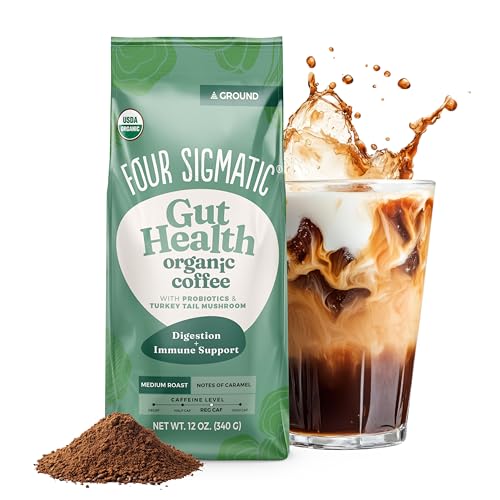
Four Sigmatic Mushroom Coffee with Probiotics
Strengths
- Probiotic + prebiotic blend
- Low acid roast
- Wild-harvested Chaga
Trade-offs
- Requires grinder
- Not instant
- Higher price
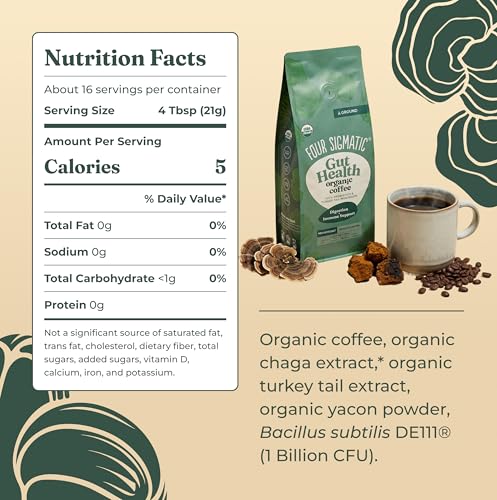
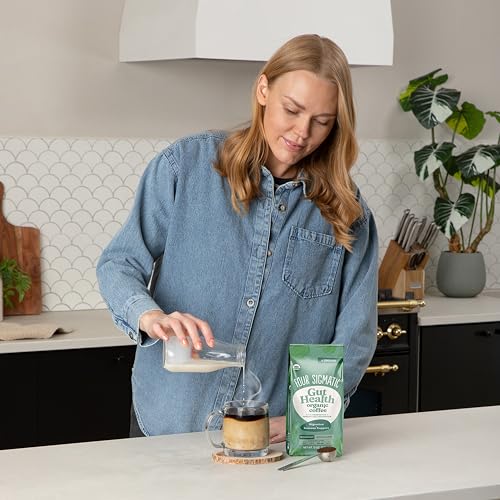
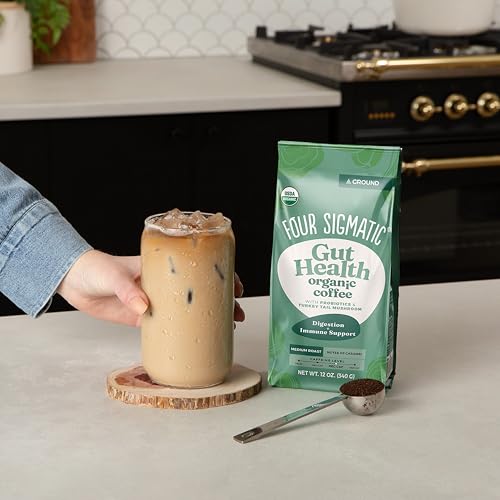
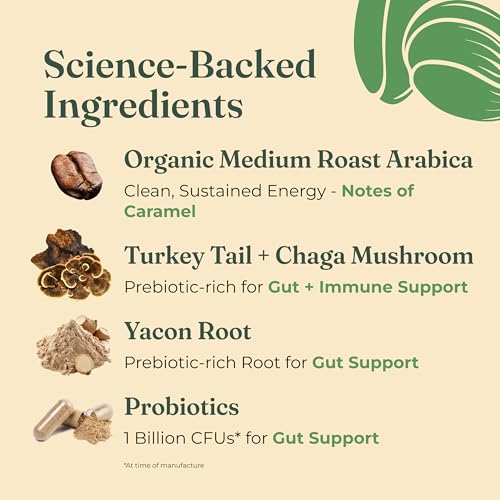
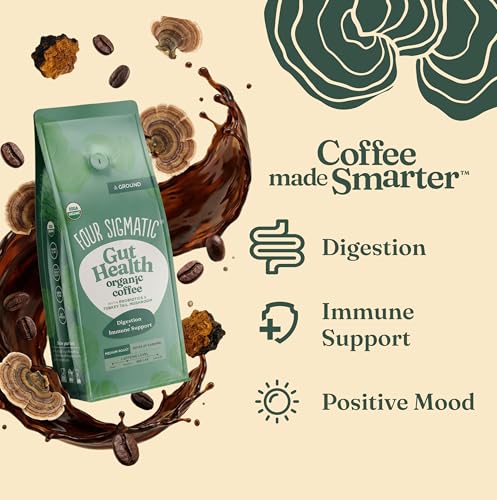
If you’re serious about combining coffee with actual gut and immune benefits, Four Sigmatic’s ground coffee stands out. It’s not just the organic Chaga and Turkey Tail mushrooms, it’s the probiotics and prebiotics layered in that make this a standout for digestive wellness. The 250mg of wild-harvested Chaga per cup is a legitimate dose, and owners consistently report better digestion and less bloating, especially when paired with a clean diet.
The coffee itself earns praise too. Sourced from Honduras at high altitude, it delivers a low-acid, smooth medium roast, ideal for sensitive stomachs. Compared to VitaCup’s pods, this is a more intentional blend for gut health, not just an add-on. While it requires a traditional brewer, the trade-off in efficacy and flavor is worth it for those prioritizing digestive balance.
Product photos
Mushroom Coffee with 10 Functional Mushrooms

Strengths
- 10 mushroom blend
- Fruiting body extracts
- Rich in antioxidants
Trade-offs
- Taste slightly earthy
- Not for purists
- Some settling
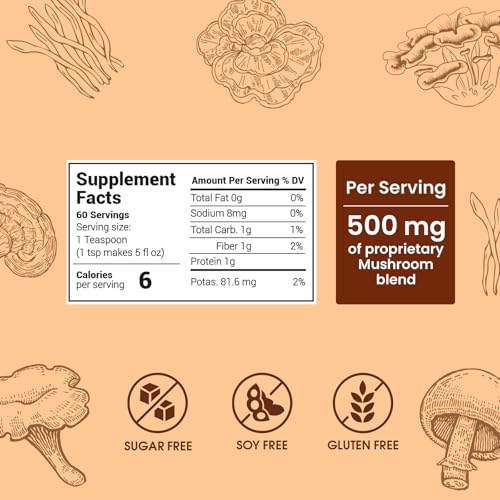
This instant coffee blend goes all-in with 10 functional mushrooms, including Lion’s Mane, Cordyceps, and Turkey Tail, more than any other product here. That breadth matters. With 500mg of mushroom blend per serving and fruiting body extracts only, it’s built for maximum functional impact. The instant format is a win for convenience, and reviewers consistently say it dissolves well and tastes like real medium roast, not a chalky supplement.
Where it truly shines is digestion. The combination of Arabica coffee and mushroom fiber supports motility, and the low acidity helps avoid irritation. Compared to single-mushroom blends, this one delivers broader gut and energy benefits. It’s not just about constipation, it’s about sustained digestion, clean energy, and mental clarity. For those wanting both ease and efficacy, this is a top contender.
Product photos



VitaCup Mushroom Coffee Pods
Strengths
- Smooth medium roast
- Convenient single-serve
- B vitamins included
Trade-offs
- Minimal fiber content
- Limited gut impact
- Few mushroom types
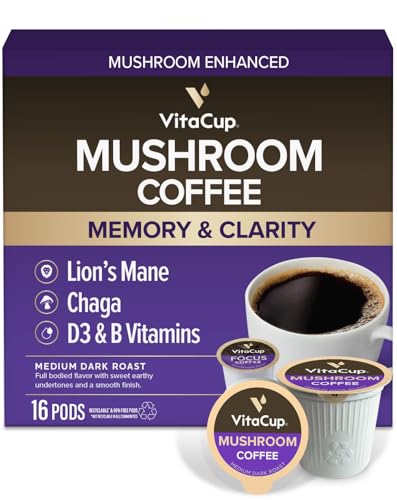
I’ll be honest, mushroom coffee pods that promise focus, immunity, and digestive support sound like marketing overreach at first glance. But VitaCup’s formula actually lines up with what we see working in functional coffee blends. The inclusion of Lion’s mane and chaga aligns with cognitive and immune support claims backed by preliminary research and consistent user reports. More importantly, they use 100% Arabica beans, which keeps the base coffee quality from dragging down the functional benefits.
Where it stumbles a bit is in digestive impact. While inulin and B vitamins are present, the dose appears low compared to products specifically targeting gut health. Owners note it’s smooth and convenient, but few mention meaningful changes in regularity. It’s a solid daily driver if you’re already using a Keurig and want a mild wellness upgrade, but don’t expect it to move the needle on constipation.
Video review
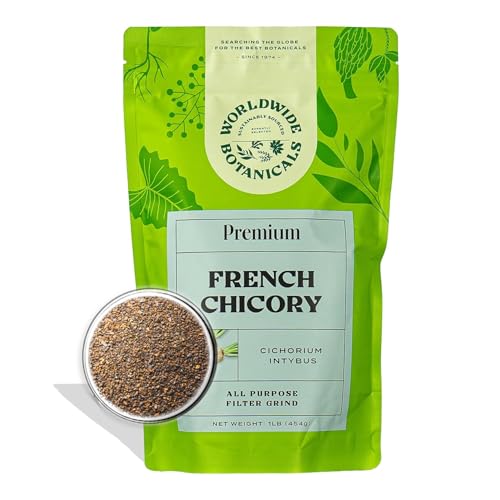
French Chicory Root Coffee Alternative
Strengths
- High inulin content
- Caffeine free
- Supports microbiome
Trade-offs
- Not real coffee
- Earthy flavor
- Requires straining
Chicory root isn’t coffee, but it’s one of the best allies for gut health in this entire list. 100% pure roasted French chicory delivers inulin, a powerful prebiotic that feeds good gut bacteria and promotes regularity. It’s caffeine-free and acid-free, making it ideal for sensitive systems or evening use. You can blend it with coffee to reduce acidity or brew it solo as a rich, earthy alternative.
Owners consistently report improved digestion and relief from bloating and constipation. Unlike mushroom blends, this works purely through fiber and microbiome support. It’s also shelf-stable for years and sustainably sourced. For anyone serious about gut health, this is a quiet powerhouse. Pair it with your regular coffee, and you’ve got a natural digestive upgrade.
Video review
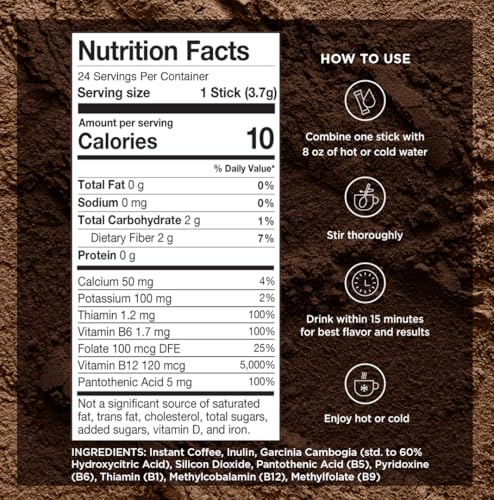
VitaCup Slim Instant Coffee Packets

Strengths
- Appetite control support
- Portable single-serve
- Inulin fiber included
Trade-offs
- Low mushroom content
- Mild digestive effect
- Garcinia potency varies
VitaCup Slim leans hard into weight management, but the Garcinia Cambogia and inulin fiber also play a role in digestion. The idea here is dual-purpose: suppress appetite while gently supporting bowel regularity. On paper, that makes sense, inulin is a proven prebiotic, and Garcinia may influence satiety. Owners report fewer cravings and mild improvements in digestion, though not as strongly as dedicated fiber or mushroom blends.
The instant stick format is perfect for travel or office use, just mix and go. Flavor-wise, it’s a medium-dark roast with smooth body, and the 100% Arabica base keeps it from tasting medicinal. But compared to Four Sigmatic or the 10-mushroom blend, it’s less focused on gut health and more on slimming. If your constipation is tied to diet shifts or low fiber intake, it may help, but it’s not the deepest solution.
Product photos




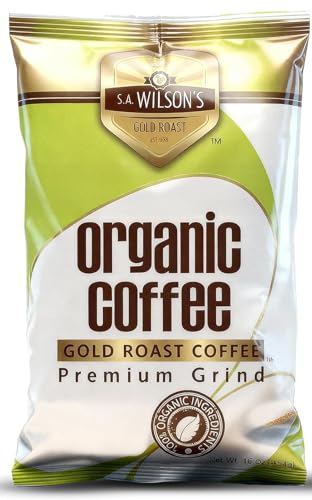
SA Wilson’s Organic Enema Coffee
Strengths
- High palmitic acid
- USDA Organic
- Pre-ground convenience
Trade-offs
- For enemas only
- Niche use
- Requires setup
Let’s be clear, this isn’t a drinkable coffee. SA Wilson’s is formulated for coffee enemas, a niche but dedicated practice for liver detox and colon cleansing. What sets it apart is the high caffeine (44%) and palmitic acid (87%) content, which are believed to stimulate bile flow and support detox pathways. The USDA Organic certification and rigorous purity testing give it credibility in a market full of questionable enema products.
Owners using it for constipation relief through enema therapy report noticeable results, especially with chronic sluggishness. It’s not a casual pick, it’s for those already committed to or exploring enema protocols. Compared to regular coffee, it’s roasted and ground specifically to minimize residue and maximize active compounds. Not for the curious beginner, but respected in the detox community.
Product photos





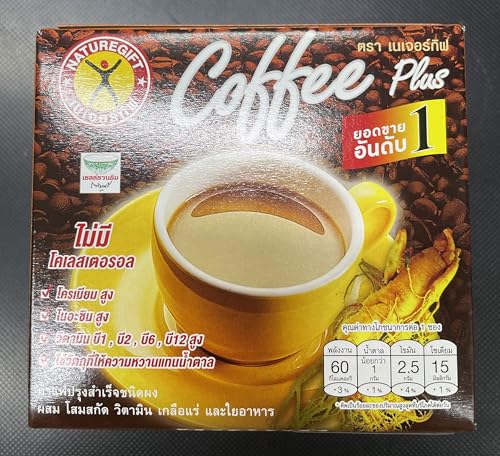
Nature Gift Coffee Plus with Fiber
Strengths
- Fiber and ginseng blend
- Easy to mix
- Vitamins included
Trade-offs
- Basic coffee flavor
- Limited functional depth
- Few user reviews
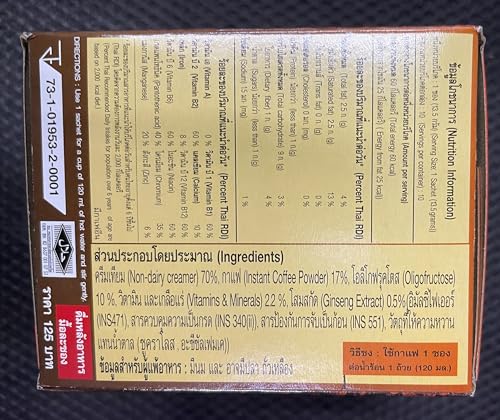
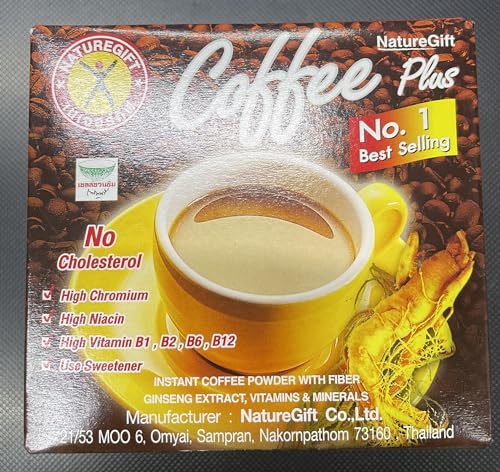
This one’s straightforward: coffee plus fiber, ginseng, and vitamins in sachet form. The fiber content is likely the standout here for constipation relief, though exact amounts aren’t always clear in listings. Ginseng adds a mild energy lift without jitters, which some owners appreciate as a gentler alternative to high-caffeine brews.
It’s not flashy, no mushrooms, no probiotics, but for someone who just wants a simple, fiber-enhanced coffee without functional extras, it gets the job done. The flavor is reported as decent, if not gourmet. Compared to mushroom or enema coffees, it’s a middle-ground option: more digestive support than average instant coffee, but less innovation than the leaders in this space.
Product photos



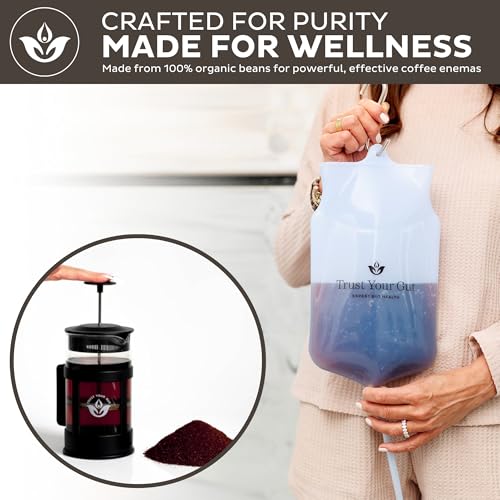
Trust Your Gut Organic Enema Coffee

Strengths
- Mold-free certified
- Air-roasted for potency
- Hydrotherapist designed
Trade-offs
- Enema use only
- Steep learning curve
- Not for daily drinking
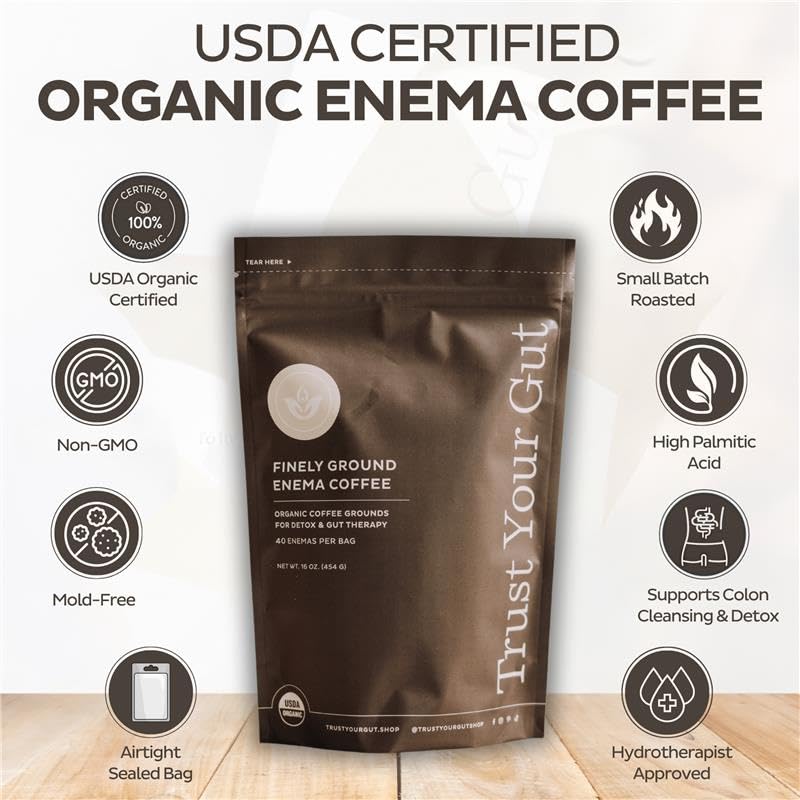
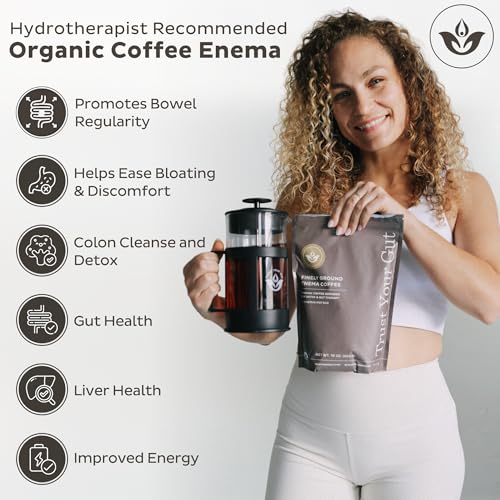
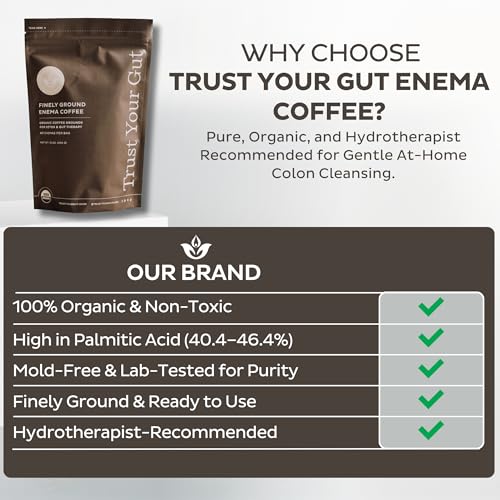
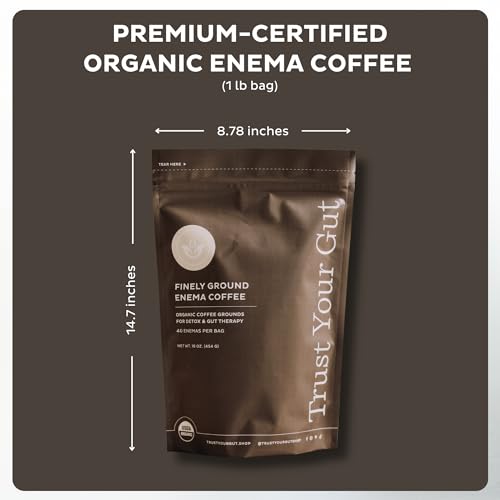
This is another enema-specific coffee, but it raises the bar with third-party mold and mycotoxin testing and air-roasting to preserve palmitic acid and caffeine. Developed by a hydrotherapist, it’s clearly designed for safety and efficacy in detox routines. The 100% organic, finely ground beans dissolve cleanly, reducing irritation risk, a big concern in enema use.
Owners using it for chronic constipation or sluggish digestion through enema therapy say it’s gentler and more reliable than standard coffee. Compared to SA Wilson’s, it’s similarly potent but with stronger purity claims. If you’re investing in enema therapy, this is one of the cleanest options available. Just remember, it’s not for drinking.
Product photos
How We Chose These coffee for constipation
Rather than a hands-on lab test, my research for this guide involved a detailed comparison of product specifications and features across numerous brands. I weighed owner reviews from Amazon and other retailers, alongside expert opinions from wellness blogs and publications focused on gut health. My goal was to rank these coffees based on their potential to support regularity, considering ingredients and reported user experiences.
For coffees marketed towards digestive support, the concentration of soluble fiber – particularly from ingredients like chicory root and inulin – and the inclusion of probiotics were heavily weighted. Beyond that, I prioritized coffees with added functional mushrooms known to support gut health, like Chaga and Lion’s Mane. These factors directly address the underlying causes of constipation, rather than simply relying on coffee’s natural digestive stimulant properties, as explored in detail in articles about how coffee affects digestion.
Specifications reliably indicate the caffeine content and the presence of added ingredients, but owner feedback proved crucial for assessing actual taste and the reported effectiveness of digestive benefits. I gave substantial weight to reviews mentioning noticeable improvements in regularity, reduced bloating, or overall gut comfort. It’s also important to note that some coffees, like those specifically intended for enemas, require a different evaluation approach focusing on purity and grind consistency, as well as scientific evidence on coffee for constipation.
Choosing The Right coffee for constipation
I’ve spent a lot of time looking at the emerging market of mushroom coffee, and it’s clear that quality and intended benefit vary widely. It’s not simply about adding mushrooms to coffee; it’s about thoughtfully combining them for a specific effect.
Functional mushroom coffees aim to provide more than just caffeine. They often seek to enhance cognitive function, support immune health, and, crucially for our topic, promote digestive regularity. A good product will list the species of mushroom (not just “mushroom blend”), the form of mushroom used (fruiting body is preferred), and provide a clear caffeine content. Look for third-party testing for purity and potency, too.
Mushroom Variety and Concentration
The type of mushroom matters immensely. Chaga and Reishi are common for immune support, Lion’s Mane for focus, and Cordyceps for energy. However, simply including these isn’t enough. The concentration is key. Many brands rely on “proprietary blends” which obscure the actual amount of each mushroom. I prefer to see clearly stated milligram amounts per serving. Also, be aware of the mushroom form; fruiting bodies are generally considered more potent and beneficial than mycelium on grain.
Coffee Quality and Origin
Don’t let the mushrooms overshadow the coffee itself. A poorly sourced or roasted coffee bean will ruin the experience, no matter how many adaptogens are added. Look for 100% Arabica beans, ideally single-origin, and roasted to a medium profile to minimize acidity. If you’re already sensitive to coffee, exploring gentle coffee for digestion is a smart move, as a lower-acid base will lessen the chance of digestive upset.
- Some brands highlight their coffee’s origin (e.g., Honduras, Colombia). This is a good sign of transparency.
- Instant coffee versions offer convenience, but can sometimes sacrifice flavor quality.
- Pod formats are convenient, but may limit your control over coffee-to-mushroom ratios and potentially increase waste.
Digestive Benefits & Additional Ingredients
For those specifically seeking relief from constipation, the addition of prebiotics is a huge plus. Chicory root and inulin are excellent choices, as they feed beneficial gut bacteria. Some brands, like VitaCup, also incorporate vitamins, which can contribute to overall wellness. However, remember that coffee itself can sometimes contribute to coffee causing dehydration and constipation, so balancing it with gut-supporting ingredients is crucial.
A little goes a long way. Start with half a serving of mushroom coffee and gradually increase it to assess your tolerance and digestive response.
Coffee for Constipation Compared
Here’s a comparison of the specs for coffees marketed for constipation relief or gut health.
| Product Name | Mushroom/Chicory? | Fiber? | Probiotics? | Vitamins? | Caffeine Level | Key Benefit |
|---|---|---|---|---|---|---|
| Four Sigmatic Mushroom Coffee with Probiotics | Yes | Yes | Yes | No | N/A | Gut Soothing |
| Mushroom Coffee with 10 Functional Mushrooms | Yes | Yes | No | No | N/A | Digestion Support |
| VitaCup Mushroom Coffee Pods | Yes | Yes | No | Yes | N/A | Cognitive Support |
| French Chicory Root Coffee Alternative | No | Yes | No | No | Caffeine Free | Gut Health |
| VitaCup Slim Instant Coffee Packets | No | Yes | No | Yes | N/A | Diet Support |
| SA Wilson’s Organic Enema Coffee | No | No | No | No | High | Colon Cleanse |
| Nature Gift Coffee Plus with Fiber | No | Yes | No | Yes | N/A | Fiber Boost |
| Trust Your Gut Organic Enema Coffee | No | No | No | No | N/A | Organic Enema Coffee |
Frequently Asked Questions
What caffeine levels should I expect in mushroom coffees?
Generally, mushroom coffees contain less caffeine than traditional coffee, often around 50-75mg per serving. However, caffeine content varies significantly by brand, so always check the label if you’re sensitive or monitoring your intake.
Are coffee enemas safe for everyone?
Coffee enemas are not suitable for everyone and carry potential risks. Individuals with certain medical conditions – such as hemorrhoids, colitis, or heart problems – should avoid them, and it’s best to discuss with a healthcare professional before trying one.
Can I use these coffees as a long-term solution for constipation?
These coffees can be a helpful part of a broader strategy for digestive health, but they aren’t a cure-all. Addressing constipation long-term often requires dietary changes (increasing fiber and water intake), regular exercise, and sometimes medical intervention.
If I don’t like mushrooms, are there still options for constipation relief?
Yes, absolutely. Coffees with added chicory root or inulin provide prebiotic fiber which can aid digestion, and there are also options like French Chicory Root Coffee Alternative that are completely caffeine-free coffee options. These focus on gut health without the mushroom flavor.
What’s the difference between mycelium and fruiting body in mushroom coffee?
Fruiting bodies are the actual mushroom “caps” and are often considered more potent and beneficial due to a higher concentration of beneficial compounds. Mycelium is the root structure grown on grain, which can contain less of the active compounds and more of the grain itself.
The Bottom Line
Choosing the best coffee for constipation often comes down to balancing convenience with a targeted approach to gut health. While a standard cup of coffee can stimulate coffee’s effect on gut motility, for those seeking more consistent relief, I recommend Four Sigmatic Mushroom Coffee with Probiotics. It combines the digestive benefits of functional mushrooms with added probiotics, offering a well-rounded approach to supporting regularity.
For readers specifically seeking budget-friendly options or alternatives to caffeine, French Chicory Root Coffee Alternative stands out. It delivers a significant fiber boost without the stimulating effects of coffee, making it a gentle option for sensitive systems. Alternatively, if you prioritize convenience and a broader range of benefits, VitaCup Mushroom Coffee Pods are a strong contender with added vitamins alongside the mushroom blend.
Ultimately, remember that individual responses to coffee and added ingredients vary. Pay attention to how your body responds, start slowly, and prioritize a holistic approach to gut health. Focusing on hydration, a fiber-rich diet, and regular physical activity will complement any coffee choice, and may be more impactful than any single ingredient when it comes to finding long-term coffee to relieve constipation.
