
Is Coffee Good for Constipation? The Data-Backed Answer
This post contains affiliate links. As an Amazon Associate, we earn from qualifying purchases.
For most people, yes, a cup of caffeinated coffee is good for occasional constipation. Peer-reviewed studies link higher caffeine intake to lower odds of constipation, with caffeinated coffee showing a clear benefit that decaf does not. The effect comes from a combination of caffeine stimulating colon muscles, warm liquid triggering digestive reflexes, and coffee compounds feeding gut bacteria.
The universal mistake is treating all coffee the same. Decaf doesn’t work the same way. Drinking it while dehydrated backfires. And for about 30% of people, the effect is so strong it’s a nuisance.
This guide walks through the research, explains exactly how coffee gets things moving, and shows you how to use it, or avoid it, based on your own body.
Key Takeaways
- Caffeinated coffee is associated with lower odds of constipation; decaf does not show the same statistically significant benefit.
- The effect is a triple threat: caffeine directly stimulates colon muscles within minutes, warm liquid triggers the gastrocolic reflex, and coffee polysaccharides feed beneficial gut bacteria.
- Dehydration turns coffee from a helper into a culprit. Its diuretic effect can worsen constipation if you don’t drink enough water.
- A specific NHANES stool frequency data analysis found that an extra 100mg of caffeine was linked to a 20% lower risk of constipation, but only in people with high dietary cholesterol intake.
- If coffee gives you diarrhea or cramps, switching to a lower-caffeine option like green tea benefits or ensuring you drink it with food can help.
How Coffee Stimulates Your Digestive System (The 3 Pathways)
Coffee doesn’t just wake you up. It rings the alarm bell for your entire digestive tract through three distinct, researched pathways. Missing one changes the outcome.
The first is pharmacological. Caffeine is a stimulant. When it hits your system, it doesn’t just block adenosine in your brain. It also prompts the release of hormones like gastrin and cholecystokinin. Gastrin increases activity in your colon. Cholecystokinin tells your gallbladder to contract, pumping bile into your intestines. This bile is a natural laxative. A PubMed coffee components review notes that these combined actions can modulate gut motility acutely.
Caffeine can stimulate colonic motor activity within 4 minutes of ingestion. This is a direct pharmacological effect, which is why decaffeinated coffee produces a weaker or absent response in some studies.
The second pathway is thermal and volumetric. You usually drink coffee warm. The ingestion of a warm liquid, around 45°C (113°F), distends the stomach. This physical stretch is a key trigger for the gastrocolic reflex, a nerve-mediated wave that tells your colon it’s time to make room for new contents. It’s the same reflex activated by a big meal. This is why even decaf can sometimes prompt a bathroom visit. The temperature and volume matter.
The third pathway is prebiotic. Coffee contains polysaccharides and other compounds that your gut bacteria ferment. This fermentation produces short-chain fatty acids (SCFAs) like butyrate. Butyrate is the primary fuel for the cells lining your colon. Well-fueled colon cells contract more efficiently. This is a slower, background effect compared to caffeine’s jolt, but it contributes to long-term gut health and regularity.
TL;DR: Coffee works via caffeine (direct stimulant), warm liquid (triggers reflex), and prebiotics (feeds good bacteria). All three matter.
What the Research Actually Says: Caffeinated vs. Decaf
General advice says “coffee helps you go.” The data is more precise. It draws a firm line between caffeinated and decaffeinated brews.
A large cross-sectional caffeine intake analysis published in BMC Public Health analyzed over 13,000 adults. It found that higher caffeine intake was linked to lower odds of constipation. The critical detail is in the beverage breakdown. The study stated that caffeinated coffee was associated with these lower odds. Decaffeinated coffee showed no statistically significant association.
Another study in Scientific Reports had healthy men drink coffee at different concentrations. It recorded increases in intestinal motility within 20-40 minutes. While the study used instant coffee with an undisclosed arabica/robusta blend, the caffeine was a controlled variable. The motility spike was present.
Why the difference? Caffeine is the most potent direct stimulant of the three pathways. Remove it, and you’re left with only the thermal and prebiotic effects. For many people, that’s enough. For someone with sluggish motility or chronic constipation, it often isn’t. This is a key reason personalized digestive beverage choices matter.
| Coffee Type | Primary Active Pathway | Typical Onset | Best For |
|---|---|---|---|
| Caffeinated | Pharmacological (caffeine) + Thermal + Prebiotic | 4-40 minutes | Acute relief, stronger stimulation |
| Decaffeinated | Thermal + Prebiotic | 20-60 minutes (if at all) | Those sensitive to caffeine’s side effects |
The table makes the trade-off clear. If your goal is relieving constipation, regular coffee is the more reliable tool. If you’re managing coffee-induced bowel movements that are too urgent, decaf might be a gentler test.
The Cholesterol Connection: A Surprising Modifier
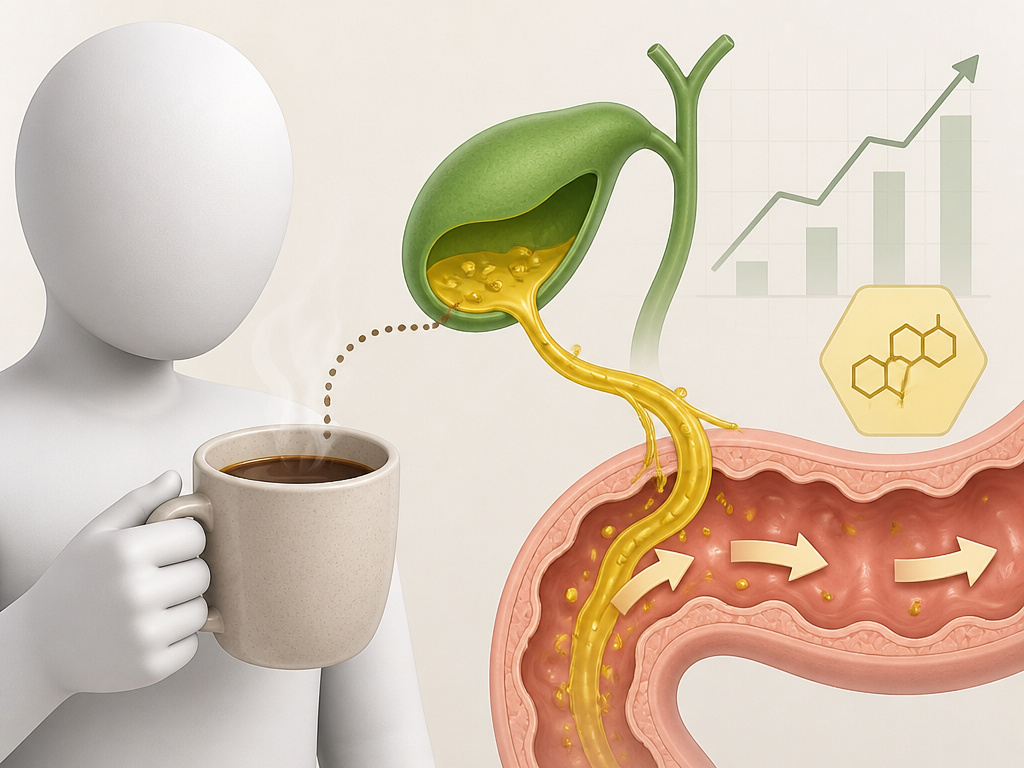
Here’s where population data gets interesting. Not everyone responds to caffeine’s gut-stimulating effects the same way. A key modifier appears to be what you eat.
The same National Health and Nutrition Examination Survey data holds a specific finding. Researchers looked at caffeine intake and constipation defined by stool frequency. For the overall population, there was no strong link. But when they split people by dietary cholesterol intake, a pattern emerged.
In participants with high cholesterol intake, an increase of 100mg of caffeine (roughly one strong cup of coffee) was associated with a 20% decreased risk of constipation. This association was not found in people with low or moderate cholesterol intake.
Why would cholesterol matter? The leading theory involves bile. Caffeine stimulates gallbladder contraction, releasing bile. Bile is made from cholesterol. A diet higher in cholesterol may prime the gallbladder with more bile, making this caffeine-triggered release more potent and effective at lubricating the intestines. It’s a mechanical synergy.
This doesn’t mean you should eat a high-cholesterol diet to make coffee work. It means the coffee-and-bathroom response is highly individual. Your personal biology and diet fine-tune the effect.
Common mistake: Assuming coffee will work the same for everyone every time, your diet, hydration, and even your gallbladder function are variables that change the equation.
When Coffee Might Make Constipation Worse
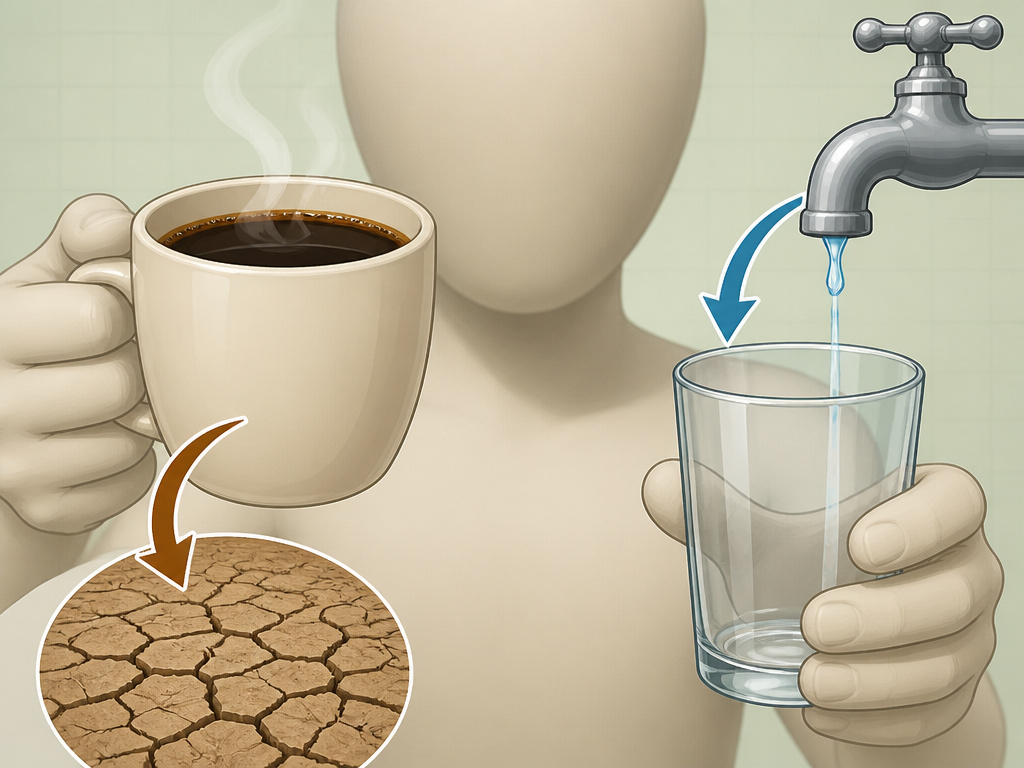
Coffee has a diuretic effect. It makes you lose water through urine. This is the central paradox. The same beverage that stimulates your colon can also dehydrate you. Dehydration is a primary cause of constipation.
The risk isn’t from the coffee itself. It’s from replacing water with coffee. If your only fluid all morning is two large mugs, you’re in a net fluid deficit. Your colon pulls more water from your stool to compensate. The result is harder, drier stool that’s difficult to pass. You’ve used a stimulant on a system that’s lacking its basic lubricant.
This is especially true with very strong coffee or multiple shots of espresso. The higher the espresso caffeine content, the greater the diuretic effect. The solution is simple but non-negotiable. Drink a full glass of water with your coffee. Make it a ritual.
Other aggravating factors include what you put in the cup. Heavy cream and large amounts of sugar can slow gastric emptying for some people. Artificial sweeteners like sugar alcohols (sorbitol, mannitol) are notorious for causing bloating and gas, which can complicate constipation discomfort. If you need to add something, consider a dash of cinnamon in coffee for flavor without the digestive slowdown.
Finally, tolerance plays a role. If you drink multiple cups daily, your body adapts. The stimulatory effect on your colon can diminish over time. The solution isn’t necessarily to drink more. It might be to cycle your intake or focus on the other pathways, like ensuring the coffee is warm and consumed on an empty stomach to maximize the gastrocolic reflex.
How to Use Coffee for Constipation Relief (A Step-by-Step Guide)
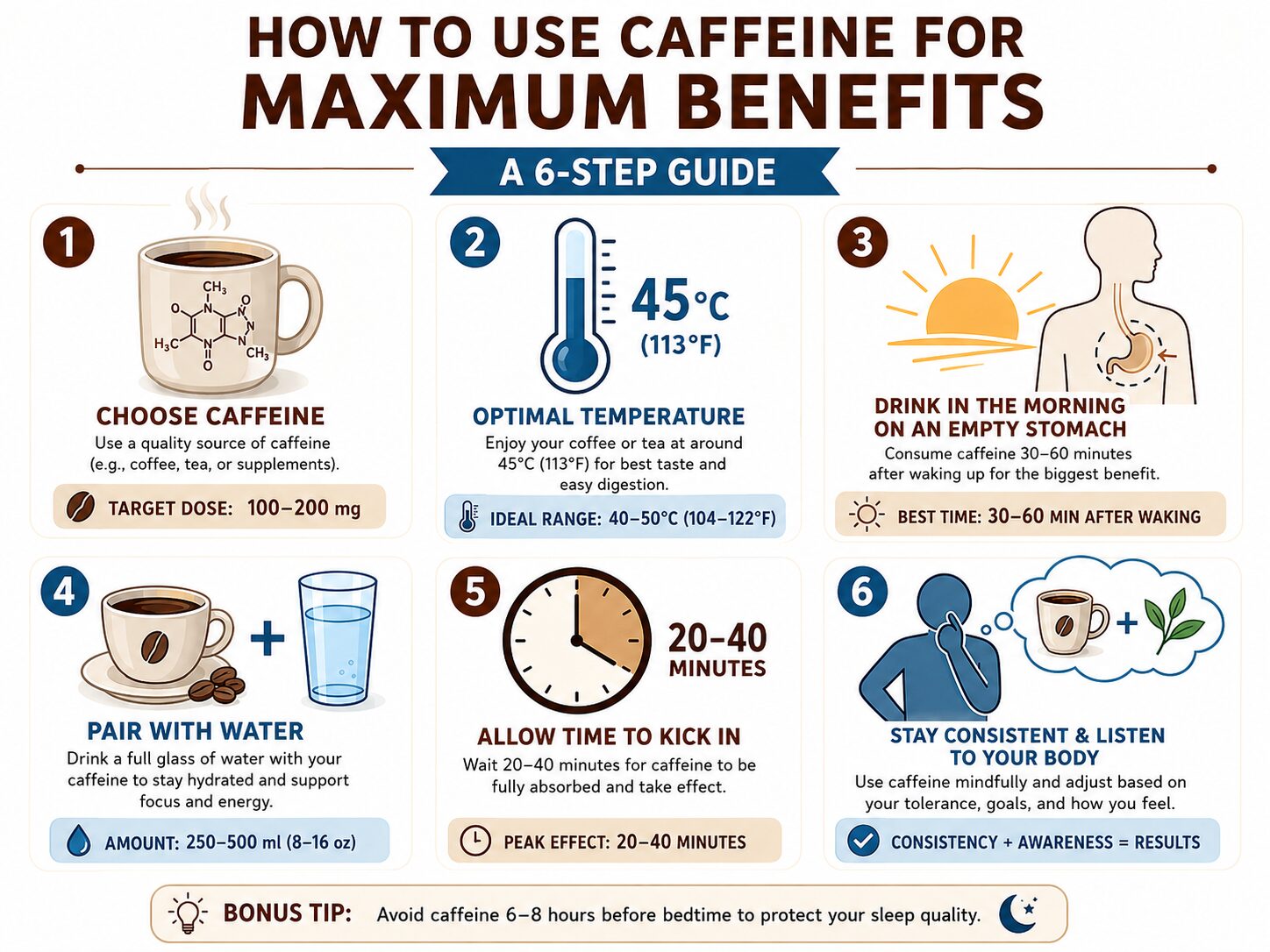
If you want to use coffee strategically, follow this sequence. It maximizes the positive pathways and mitigates the risks.
- Choose caffeinated coffee. This is non-negotiable for the strongest effect. A medium-roast brewed coffee is a reliable starting point. Avoid decaf if your primary goal is motility.
- Brew it fresh and drink it warm. The temperature target from research is about 45°C (113°F). It should be warm to the touch, not scalding. This optimizes the thermal trigger.
- Drink it on an empty or near-empty stomach. The gastrocolic reflex is strongest when the stomach is empty and then stretched. First thing in the morning is ideal. If that causes nausea, have it with a very small, light bite of food.
- Follow it with 8-12 ounces of water. Do this within 30 minutes. It counteracts the diuretic effect and provides the fluid your colon needs to form soft stool. This step is what prevents coffee from becoming a constipation cause.
- Be patient and consistent. The colonic wave can start quickly, but it might take 20-40 minutes. Don’t expect results in five minutes. If it doesn’t work the first day, try again the next morning with the same protocol.
- Listen to your body and adjust. If this protocol gives you cramps or coffee and diarrhea, your system is overly sensitive. Cut the dose. Use half a cup. Or switch to a gentler stimulant like black tea digestion, which has lower caffeine and different tannins.
This method turns a casual habit into a targeted tool. The water chaser is the most frequently skipped step. It’s also the most important.
Alternatives and Additives: What Else Can Help?
Coffee isn’t the only beverage in the toolkit. If coffee isn’t for you, or if you need to manage its coffee acidity levels, other options exist.
Green tea contains less caffeine but also L-theanine, which can smooth out the stimulant effect. It’s a good middle ground. Herbal teas like senna or ginger are direct herbal laxatives or carminatives, operating on different principles.
What you add to your coffee can also support digestion. A teaspoon of MCT oil for digestion provides medium-chain triglycerides that are easily metabolized and may have a mild laxative effect for some. Similarly, a small amount of coconut oil coffee can offer healthy fats. Even a pinch of salt can reduce perceived bitterness without affecting motility.
The goal is to build a routine that works consistently. Sometimes that means alternating between a strong coffee day and a gentle caffeine source day to prevent tolerance.
| Symptom / Scenario | Coffee Advice | Alternative Action |
|---|---|---|
| Acute, occasional constipation | Proceed with caffeinated coffee + water protocol. | Warm lemon water first thing, then coffee. |
| Coffee causes cramps or urgency | Switch to half-caff or decaf. Drink with food. | Try tea vs coffee with lower caffeine. |
| Chronic constipation with no coffee response | Ensure hydration first. Coffee is not a cure. | Focus on fiber, water, and medical advice. |
| Managing acid reflux | Opt for low-acid cold brew. | Explore managing acid reflux with other low-acid drinks. |
Frequently Asked Questions
Can decaf coffee help with constipation?
It can, but less reliably than caffeinated coffee. Decaf’s effect relies primarily on the warmth of the liquid triggering the gastrocolic reflex and its prebiotic compounds. For some, this is enough. For others, especially those with slower motility, the missing caffeine means missing the strongest stimulant. The BMC Public Health research article found no statistically significant link between decaf and lower constipation odds.
Why does coffee make me poop immediately?
You’re likely experiencing a strong gastrocolic reflex combined with caffeine sensitivity. The warm liquid hitting your empty stomach triggers a powerful nerve signal to your colon to clear out. This is more common in the morning when the colon is already in a high-activity phase. For the 30-40% of people with this strong response, it can happen within 4-10 minutes.
I drink coffee every day but I’m still constipated. Why?
Daily use can lead to tolerance, diminishing the stimulant effect. The more likely culprit is chronic, mild dehydration from the coffee’s diuretic action without enough water to offset it. Your colon needs water to create soft stool. Review your total fluid intake. Also, consider other factors like low fiber, lack of movement, or medications.
Is cold brew or iced coffee as effective?
It can be, but the thermal trigger is absent. Cold brew’s effect would come almost entirely from its caffeine content and prebiotics. Since cold brew often has a higher caffeine concentration, the pharmacological punch might still work. If you rely on the warm-liquid reflex, iced coffee may be less effective for you personally.
Can adding milk or cream make constipation worse?
It can for some people. Dairy is a common, mild digestive irritant and can slow gastric emptying for those who are sensitive. If you suspect this, try your coffee black for a few days or use a non-dairy alternative. The fat in cream isn’t the issue for most; it’s the lactose or proteins in the milk.
The Bottom Line
Coffee is a useful, natural stimulant for occasional constipation, but it’s not magic. The evidence clearly favors caffeinated coffee over decaf. Its power comes from a combination of caffeine, warmth, and its compounds, not just one thing.
The practical rule is simple. Drink your regular coffee warm, preferably in the morning. Then drink a glass of water. That water is what separates a helpful habit from one that could eventually make things worse. If coffee doesn’t work for you, or its side effects are too strong, there’s a whole world of other digestive beverage choices and digestive spice blends to explore.
Pay attention to your own body’s signals. It will tell you more than any general guideline ever could.
