
The Top Health Benefits of Cinnamon Coffee & Perfect Recipe
To get the benefits of cinnamon coffee, add 1/4 to 1/2 teaspoon of Ceylon cinnamon powder directly to your coffee grounds before brewing. This method infuses the coffee evenly, enhancing flavor while allowing hot water to extract beneficial compounds like cinnamaldehyde and antioxidants, which research links to modest blood sugar regulation and reduced inflammation.
Most guides tell you to stir cinnamon into a finished cup. That creates a gritty, uneven layer on top that never fully dissolves. You taste a burst of spice, then nothing. The real benefits, both in flavor and potential health impact, come from integrating the cinnamon into the brewing process itself.
This guide breaks down what the science actually says about cinnamon in coffee, the critical difference between cinnamon types, and the one method that makes it taste like it belongs in the cup.
Key Takeaways
- Use Ceylon cinnamon, not the common Cassia variety, to avoid regularly consuming high levels of coumarin, a liver toxin.
- Add cinnamon to the coffee grounds before brewing, not after, for a seamless flavor and better compound extraction.
- The strongest evidence for cinnamon supports a modest reduction in fasting blood glucose, particularly for individuals with type 2 diabetes.
- Cinnamon is not a miracle cure. View it as a flavorful, antioxidant-rich addition to a balanced diet, not a substitute for medication.
- Combining cinnamon with fats like MCT oil in coffee can create a more satisfying, energy-stable beverage.
How Cinnamon Works in Your Cup
Cinnamon isn’t just a flavor dusting. It’s a bark packed with bioactive compounds that dissolve into your coffee when introduced correctly. The primary active component is cinnamaldehyde, the oil responsible for its distinctive aroma and many of its studied effects. This compound, along with a suite of antioxidants called polyphenols, is what your body interacts with.
Cinnamon contains cinnamaldehyde and polyphenolic polymers which exhibit antioxidant, anti-inflammatory, and potential insulin-mimetic properties, influencing metabolic pathways related to glucose uptake.
When you add cinnamon to the grounds, the near-boiling water acts as a solvent, pulling these compounds out of the spice and into the liquid coffee. Stirring it into a finished cup relies on simple diffusion, which is inefficient and leaves most of the cinnamon’s potential sitting at the bottom of your mug. The heat and prolonged contact during brewing matter.
The mechanism for blood sugar impact isn’t about cinnamon “neutralizing” sugar. Research, including a meta-analysis in Diabetic Medicine, suggests compounds in cinnamon may improve insulin sensitivity at the cellular level and slow the emptying of the stomach, which moderates the rate at which glucose enters your bloodstream. It’s a subtle modulator, not a block.
TL;DR: Brewing with cinnamon extracts its active compounds effectively. Think of it as a metabolic moderator, not a magic bullet.
Ceylon vs. Cassia: The Safety Check Nobody Mentions
This is the non-negotiable first step. The cinnamon you grab from the grocery store spice aisle is almost always Cassia cinnamon (Cinnamomum cassia). It’s cheaper, stronger, and more common. Ceylon cinnamon (Cinnamomum verum), often called “true cinnamon,” is milder, more complex, and significantly safer for daily consumption.
The problem with Cassia is coumarin. This natural compound can cause liver damage and toxicity when consumed in high amounts over time. Regulatory bodies like the European Food Safety Authority have set a tolerable daily intake for coumarin. A single teaspoon of Cassia cinnamon can contain enough coumarin to exceed that limit.
| Characteristic | Ceylon Cinnamon (“True Cinnamon”) | Cassia Cinnamon (Common Grocery Type) |
|---|---|---|
| Coumarin Content | Very low (≈ 0.004%) | High (≈ 1%) |
| Daily Safety | Safe for regular use | Risk of exceeding safe coumarin limits with daily use |
| Flavor Profile | Mild, sweet, citrusy notes | Strong, pungent, spicy-hot |
| Bark Appearance | Thin, layered quills that crumble easily | Thick, hard, single hollow roll |
| Best For | Daily consumption, subtle flavor infusion | Occasional use in robust recipes |
For a daily habit like cinnamon coffee, you must source Ceylon. Look for it specifically labeled as “Ceylon” in health food stores, specialty spice shops, or online. The flavor difference is real. Ceylon integrates into coffee without overpowering it. Using Cassia daily for its perceived benefits while unknowingly taxing your liver is the worst kind of trade-off.
I learned this after a month of using a generic “cinnamon” powder from a warehouse club. The coffee tasted harsh, and I started wondering about the safety of a daily teaspoon. Switching to a labeled Ceylon powder from a reputable spice merchant changed the drink entirely. The spice became part of the coffee’s profile, not a gritty afterthought.
Common mistake: Using generic “cinnamon” powder daily, this is almost always high-coumarin Cassia, which poses a cumulative liver risk over months of consistent use.
The Step-by-Step Method for Perfect Cinnamon Coffee
Forget sprinkling. This method guarantees no sludge and full integration.
What You’ll Need:
- Your preferred coffee maker (drip, pour-over, French press).
- Fresh coffee grounds.
- Ceylon cinnamon powder (or a whole stick for steeping).
-
A 1/4 teaspoon measure.
-
Measure your coffee grounds. Use your standard coffee-to-water ratio. Place the grounds in your filter or French press carafe.
- Add the cinnamon. Sprinkle 1/4 to 1/2 teaspoon of Ceylon cinnamon powder directly over the dry grounds. For a French press, you can add a small piece of a cinnamon stick to the carafe with the grounds.
- Brew as normal. Add your hot water (just off the boil, around 200°F) and proceed with your standard brew time. The cinnamon will infuse throughout the cycle.
- Stir and customize. Once brewed, give the pot a gentle stir. Now add any milk, almond milk in coffee, or sweeteners like brown sugar in coffee. For an extra functional boost, consider a teaspoon of MCT oil in coffee for sustained energy.
Why add it before brewing? The water acts as a solvent during the extraction phase, pulling flavors and compounds from both the coffee and the cinnamon simultaneously. This creates a homogenized beverage. Adding it post-brew leaves the cinnamon largely undissolved, resulting in a weak top layer and a bitter, gritty bottom.
If you only have pre-ground coffee or pods, add the cinnamon to your empty mug first, then pour the hot coffee over it and stir vigorously. It’s a decent compromise, but the infusion won’t be as complete.
What Science Says About the Health Benefits
Let’s separate the plausible from the overstated. Cinnamon has been studied for decades, and while the results are promising, they are often modest and specific.
The most consistent evidence surrounds blood glucose management. A 2011 systematic review and meta-analysis published in Diabetic Medicine concluded that cinnamon intake (doses of 1-6 grams per day) significantly reduced fasting blood glucose in people with type 2 diabetes. The effect was statistically significant but modest, think an improvement of 10-20 mg/dL on average. It’s a supportive dietary measure, not a replacement for prescribed medication.
For antioxidant and anti-inflammatory benefits, the data is solid but contextual. Cinnamon is rich in polyphenols, which combat oxidative stress. A daily cup of cinnamon coffee contributes to your overall antioxidant intake, similar to how adding berries or dark chocolate to your diet would. The anti-inflammatory compound cinnamaldehyde has shown effects in lab studies, but translating that to a measurable impact from your morning coffee is less direct.
I prefer Ceylon cinnamon for its safety profile, not because it’s “more powerful.” The lower coumarin level means I can enjoy it daily without a second thought, turning a health-conscious choice into a simple, sustainable ritual.
Claims about weight loss, cancer prevention, or dramatically lowering cholesterol from cinnamon coffee alone are not supported by robust human trials. The real benefit is in the cumulative effect of a good habit: replacing sugary syrups with a natural, zero-calorie spice that may offer mild metabolic support.
For a broader look at how different beverages stack up, our comparison of tea vs coffee benefits details their respective antioxidant profiles.
Cinnamon Coffee vs. Other Popular Add-Ins
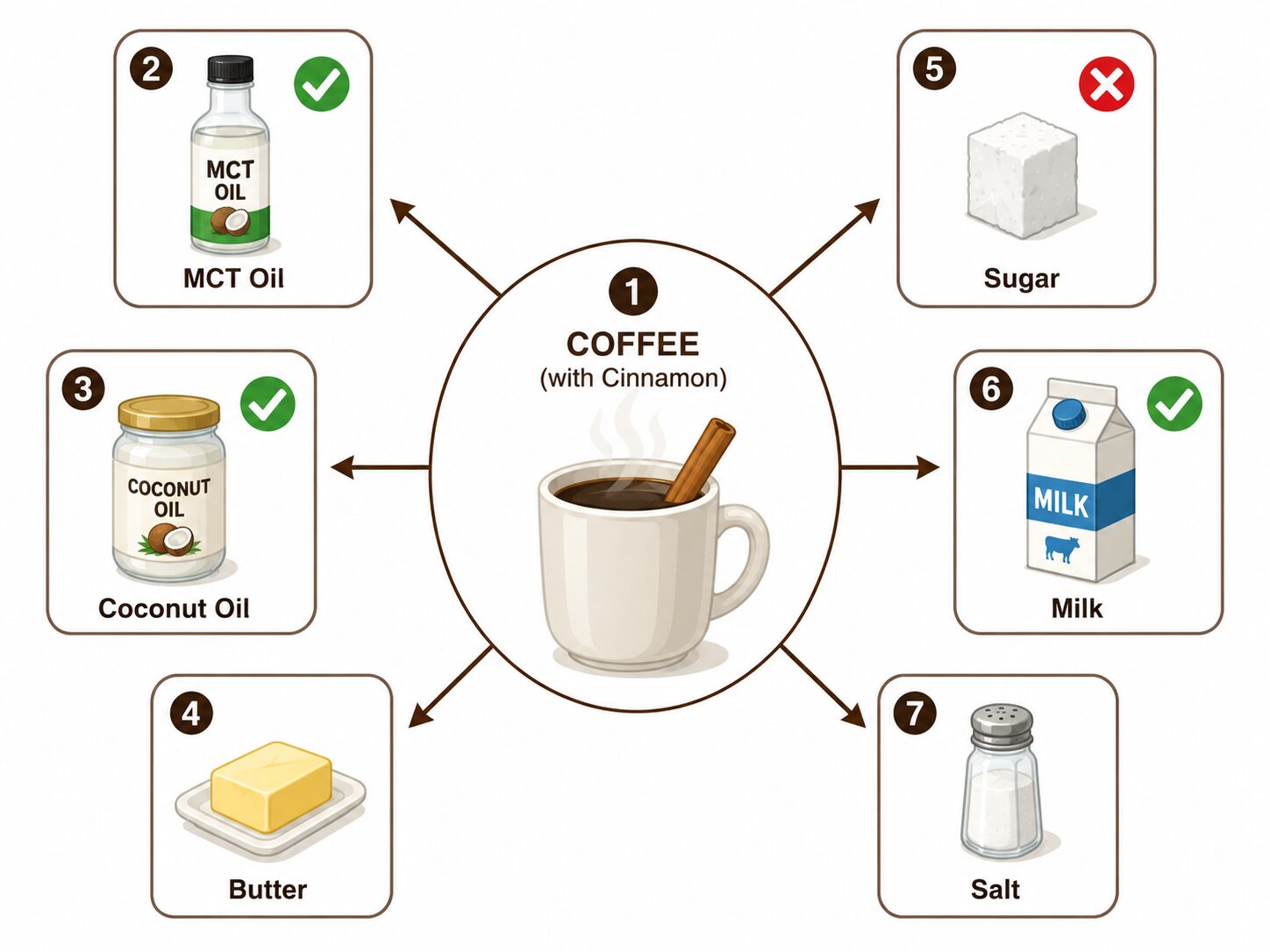
Cinnamon sits in a unique category, it’s a flavor and potential functional add-in with virtually no calories. How does it compare to other common coffee enhancements?
| Add-In | Primary Benefit | Caloric Impact | Best Paired With Cinnamon? |
|---|---|---|---|
| Cinnamon (Ceylon) | Flavor, antioxidants, potential glycemic support | Zero | N/A |
| MCT Oil | Rapid energy, cognitive focus, satiety | High (~120 cal/tbsp) | Yes – creates a stable, satisfying drink |
| Coconut Oil | Sustained energy, creamy texture | High (~120 cal/tbsp) | Yes – complementary flavors |
| Butter/Ghee | Satiety, rich texture, fat-soluble vitamin absorption | High (~100 cal/tbsp) | Maybe – can overpower subtle spice |
| Sugar/Syrup | Sweetness, quick energy | High | No – contradicts blood-sugar moderating goal |
| Milk/Cream | Texture, protein, reduces bitterness | Moderate | Yes – especially almond milk in coffee |
Cinnamon’s zero-calorie nature makes it a standout for those managing calories in coffee milk or overall intake. Its synergy with fats like MCT or coconut oil in coffee is notable. The fat helps your body absorb cinnamon’s fat-soluble compounds, and the cinnamon adds flavor complexity to what can otherwise be a bland oily drink.
It also serves as a fantastic bitterness reducer, similar in function to a pinch of salt. While salt blocks bitter receptors on your tongue, cinnamon masks bitterness with its own warm, sweet spice notes. You might find you need less sugar or cream.
Potential Drawbacks and Who Should Avoid It
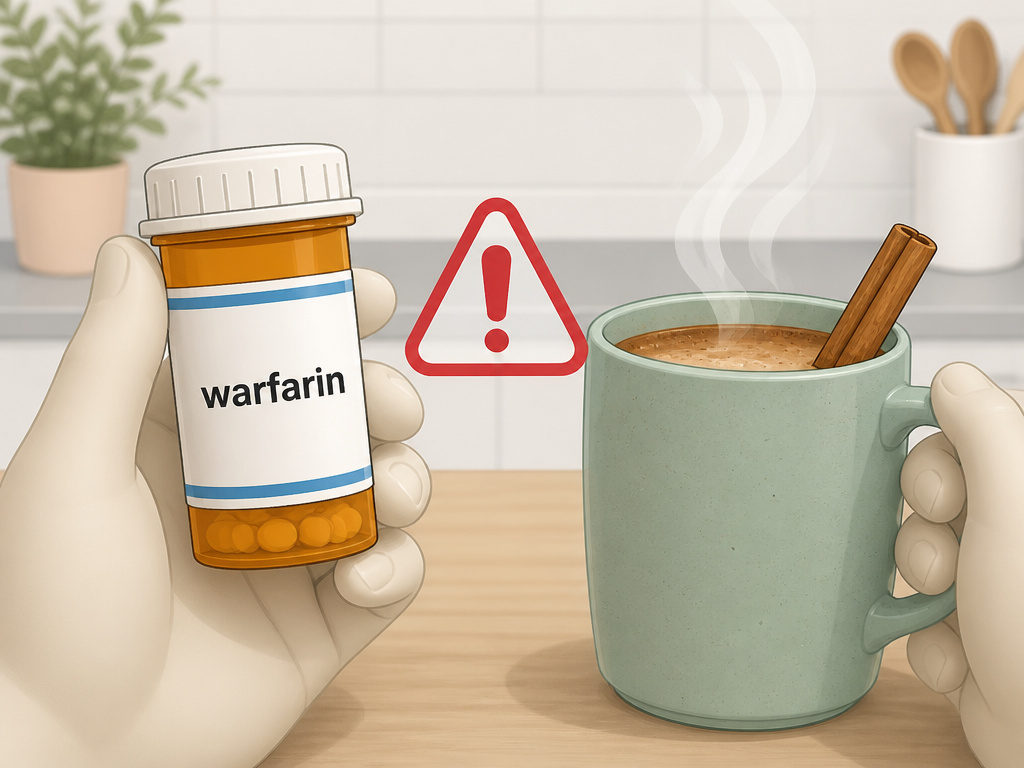
Cinnamon coffee isn’t for everyone. Beyond the Cassia coumarin issue, there are other considerations.
People on blood-thinning medications like warfarin should consult their doctor. Cinnamon, particularly in large medicinal doses, contains compounds that may have a mild blood-thinning effect. The amount in a daily coffee is likely negligible, but it’s a conversation worth having with a healthcare provider.
Those with sensitive stomachs or conditions like GERD might find cinnamon irritating. It’s a warming spice that can increase stomach acid production for some. If you’re managing acidity of coffee, introduce cinnamon slowly to see how you react.
Common mistake: Assuming “more is better”, exceeding 1 teaspoon per day, especially of Cassia cinnamon, increases coumarin intake and can lead to gastrointestinal upset without providing additional benefits.
Allergies to cinnamon are rare but possible. If you experience mouth irritation, swelling, or hives after trying it, discontinue use.
Finally, manage your expectations. Drinking cinnamon coffee for a week will not transform your health. It is a single, pleasant element in a much larger picture of diet, exercise, and sleep. It works as a supportive habit, not a standalone intervention.
Frequently Asked Questions
Does cinnamon coffee actually help you lose weight?
There is no strong evidence that cinnamon coffee directly causes weight loss. It may support weight management indirectly by adding flavor without calories, potentially helping reduce sugar intake, and offering mild blood sugar regulation that could curb cravings. It’s a tool, not a trigger.
How much cinnamon should I put in my coffee?
Start with 1/4 teaspoon of Ceylon cinnamon powder per 6-8 ounce cup, added to the grounds before brewing. You can adjust up to 1/2 teaspoon based on your taste preference. Never use more than 1 teaspoon per day consistently.
Can I use a cinnamon stick instead of powder?
Absolutely. For methods like a French press or steeping, add a small piece of a Ceylon cinnamon stick to the carafe with your grounds. For drip machines, powder integrates more reliably. A stick will give a subtler, slower infusion of flavor.
Will cinnamon coffee break my fast?
Plain cinnamon coffee, made with just coffee, water, and cinnamon (no sugar, milk, or fat), is generally considered acceptable during a fasting window. It contains negligible calories and carbohydrates. However, strict interpretations of fasting vary, so consult your specific plan’s guidelines.
What’s the best coffee to use with cinnamon?
Medium to dark roast coffees with natural chocolate, nutty, or caramel notes pair wonderfully with cinnamon’s warmth. Light, fruity, or acidic coffees can clash with the spice. A smooth Sumatran or a chocolatey Brazilian coffee makes an excellent base.
The Bottom Line
Cinnamon coffee is more than a trend. When done correctly, using safe Ceylon cinnamon and brewing it with the coffee, it transforms your cup into a more complex, enjoyable, and potentially supportive drink. The key takeaway is to prioritize safety first by choosing your cinnamon wisely.
The health benefits are a bonus, not the main event. Enjoy it for the rich, spice-layered flavor it adds to your morning ritual. Appreciate that it might help steady your energy levels alongside other additions like MCT oil in coffee. But never expect it to compensate for an otherwise unbalanced lifestyle.
Make the switch to the pre-brew method tomorrow. The difference in flavor integration is immediate, and it’s the only way to honestly access what this ancient spice has to offer in your modern cup.
