
8 Best Coffee Beans for Pour Over 2026
The best coffee beans for pour over deliver clarity, brightness, and layered flavor, and after researching the field and analyzing owner feedback, Blue Bottle Balanced Organic stands out as the overall top pick for its clean, nuanced profile. For a budget-friendly option that still performs well in a filter brew, Lavazza Top Class Filtro is a solid choice, while Stumptown Holler Mountain Organic offers a vibrant, fruit-forward alternative for those who love a lighter, more expressive cup.
Pour over highlights every detail in the bean, for better or worse. That’s why choosing the right coffee matters, it can mean the difference between a flat, dull brew and one that sings with complexity.
This guide cuts through the noise by focusing on flavor profile, roast level, origin, and freshness, key factors I’ve learned matter most after years of exploring roasteries and brewing methods. The picks here reflect consistent praise from drinkers and strong specs from trusted roasters.
Top 8 Coffee Beans For Pour Over in the Market
The Best Coffee Beans For Pour Over, Reviewed
Blue Bottle Balanced Organic Coffee

Strengths
- Caramel and citrus notes
- Organic and traceable
- Small-batch roasted
- Bright yet balanced
- Exceptional pour over clarity
Trade-offs
- Higher price point
- Shorter shelf life once opened
- Limited availability
If you’re looking for the best overall pour over bean on this list, Blue Bottle’s Balanced blend is the one to beat. It’s a medium-light roast with tasting notes of caramel, lemon zest, and cocoa, delivering both brightness and depth in the same cup. The organic, small-batch roasting ensures freshness and nuance, and owners consistently report a harmonious, layered flavor that shines in pour over.
What makes it stand out is how well it walks the line: bright enough to be interesting, smooth enough to be drinkable all day. Compared to Stumptown’s Holler Mountain, it’s slightly more balanced; compared to Illy, it’s more vibrant. The East African beans bring natural processing advantages, juicy, complex, and aromatic. This is the kind of coffee that reminds you why pour over exists.
Video review
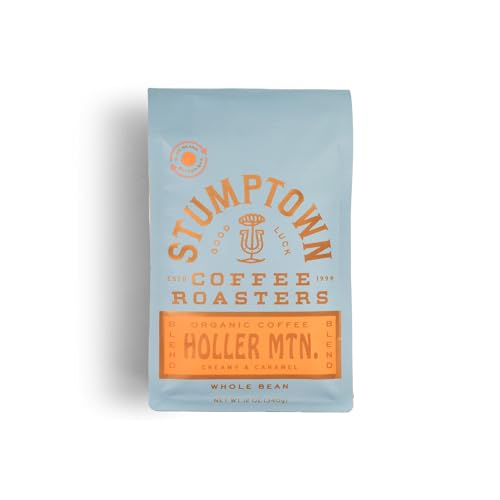
Stumptown Holler Mountain Organic
Strengths
- Citrus and berry notes
- Organic and Direct Trade
- Bright acidity
- Complex yet balanced
- Great for experimentation
Trade-offs
- Can be too bright for some
- Less body than others
- Not for chocolate-only lovers
Holler Mountain is where Stumptown shows off its range, citrus zest, caramel, and hazelnut in one lively blend. It’s an organic, Direct Trade coffee that delivers complexity without being overwhelming. Owners love its versatility: it pulls great espresso shots but truly sings in pour over, where the citrus and berry notes open up with clarity.
Compared to the Founder’s Blend, this one is more dynamic, less chocolate-forward, more fruit-driven. The roast is medium, but the acidity is bright, almost tea-like in its delicacy. It’s not as sweet as Blue Bottle’s Balanced, but it’s more adventurous. If you want a coffee that rewards attention and changes slightly with grind or water temperature, this is it.
Video review
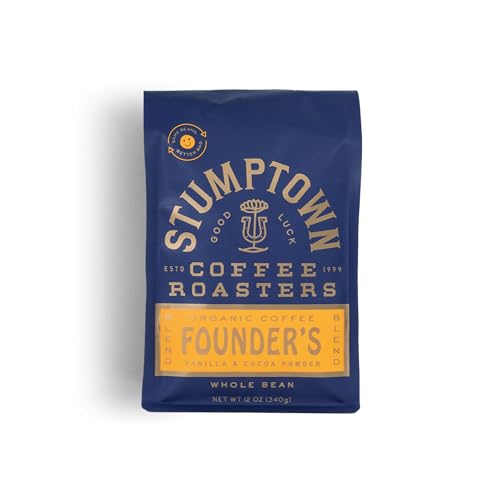
Stumptown Founder’s Blend Organic
Strengths
- Organic certified
- Vanilla and cocoa notes
- Direct Trade sourcing
- Full-bodied
- Everyday drinkability
Trade-offs
- Not for bright or fruity lovers
- Subtle complexity
- Smaller bag size
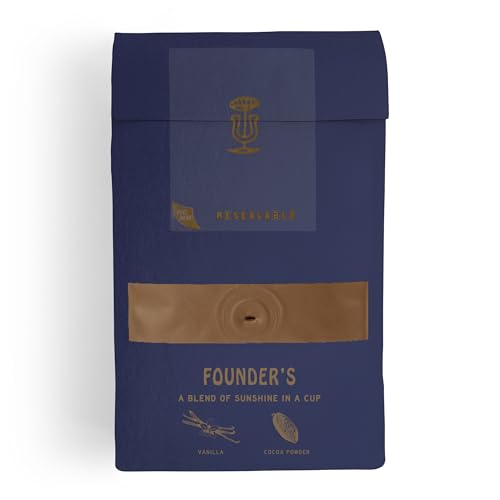
Stumptown’s Founder’s Blend is built for daily drinking, simple, chocolate-forward, and reliable. The organic, Direct Trade beans bring notes of vanilla and cocoa powder, and owners consistently praise its approachable, full-bodied character. It’s 100% Arabica, roasted to highlight sweetness and balance, and it performs well across brew methods, including pour over.
What sets it apart is Stumptown’s sourcing philosophy: Direct Trade means better pay for farmers and more transparency. In the cup, it’s not flashy, but it’s honest. Compared to Costa or Lavazza, it has more depth and a cleaner finish. For those who want a no-surprises, easygoing pour over with ethical sourcing, this is a strong contender.
Product photos


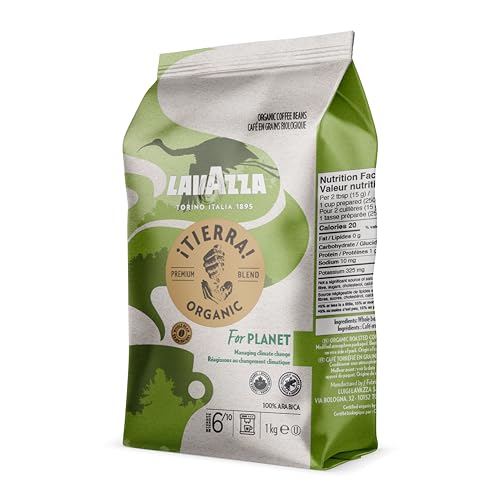
Lavazza “Tierra!” Organic Light Roast

Strengths
- Organic certified
- Floral and fruity notes
- Sustainably sourced
- Light roast clarity
- Versatile brew compatibility
Trade-offs
- Muted flavor intensity
- Less origin character
- Body can feel thin
Lavazza’s commitment to sustainability shines here, USDA Organic, UTZ, and Euro Leaf certified, with beans 100% sustainably grown. The light roast brings forward tasting notes of flowers and fruit, which is a step in the right direction for pour over lovers. On paper, it’s a solid candidate: light roast, Arabica-only, and versatile across brew methods including pour over. Owners confirm it delivers a clean, aromatic cup with a gentle body.
But it doesn’t quite reach the level of craft-focused organic roasters. While the floral and fruity notes are present, they tend to read as subtle rather than vivid. Compared to Blue Bottle or Stumptown, it’s less expressive. That said, for a widely available organic option with responsible sourcing, it’s a credible, easy-drinking choice, just don’t expect jaw-dropping brightness.
Product photos



Kicking Horse Three Sisters

Strengths
- Affordable price
- Stone fruit and cocoa notes
- Organic and shade-grown
- No additives
- Great value
Trade-offs
- Smaller bag size
- Less nuance than premium roasters
- Inconsistent roast in some batches
Kicking Horse’s Three Sisters is the best budget-friendly option here, and it punches above its weight. The medium roast brings well-rounded complexity with notes of stone fruit and cocoa, plus an aroma of sweet dried fruit and toasted coconut. It’s 100% organic, shade-grown, and roasted in the Canadian Rockies with zero additives, owners consistently praise its clean, lively flavor.
For pour over, it holds its own against pricier competitors. It’s brighter than Costa, deeper than Lavazza, and more flavorful than many supermarket brands. The 10 oz bag is smaller than some, but the price makes up for it. If you want organic quality without overspending, this is the smart buy.
Product photos


Lavazza Top Class Filtro

Strengths
- Balanced taste
- Milk chocolate notes
- 100% Arabica
- Nut free
- Large 2.2 lb bag
Trade-offs
- Lacks pour over clarity
- Limited complexity
- Not for bright or fruity seekers
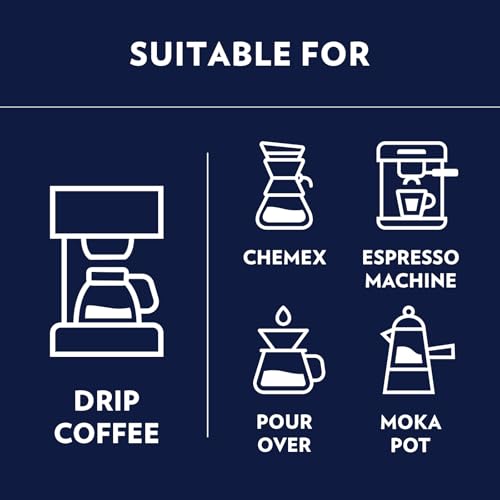
This Lavazza blend is built for balance, not brilliance. On paper, the 100% Arabica profile with milk chocolate and roasted hazelnut notes sounds inviting, and owners consistently report a smooth, approachable cup that doesn’t demand attention. It’s clearly designed for drinkers who want reliability over revelation, especially those using drip or French press. But for pour over, where clarity and nuance matter, it doesn’t stand out like other medium roasts in this lineup.
The Italian roast profile leans traditional, and while it’s clean and consistent, it lacks the brightness or complexity that pour over setups can highlight. Reviewers note it’s forgiving and easy to brew, but not transformative. Compared to more dynamic single-origin or craft-roasted options, this one plays it safe.
Product photos

Illy Classico Whole Bean

Strengths
- Floral and caramel notes
- Smooth, refined finish
- Vacuum-sealed can
- No preservatives
- Italian craftsmanship
Trade-offs
- Small bag size
- Subtle flavor profile
- Higher cost per ounce
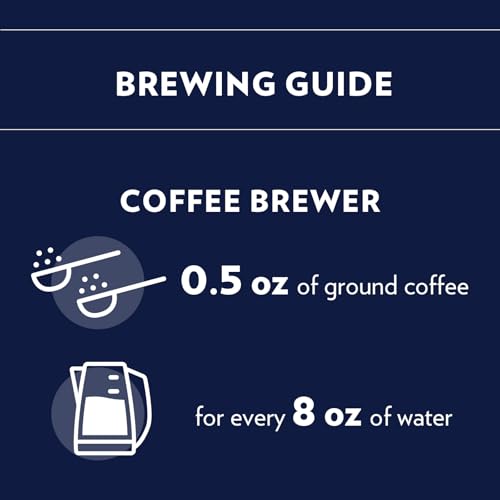
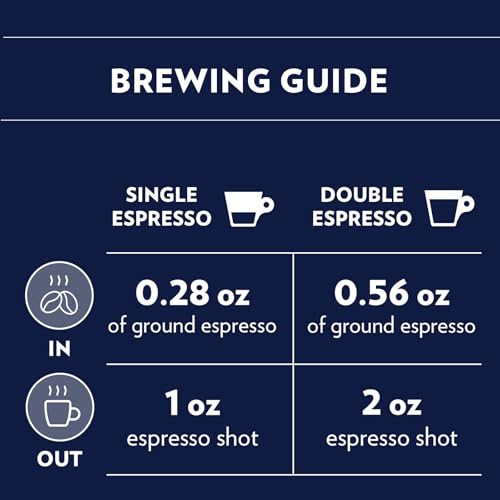
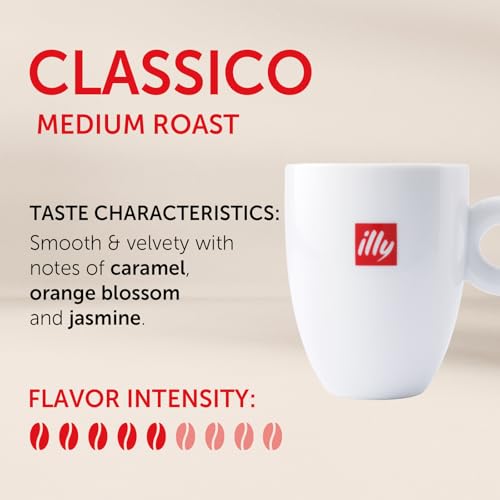
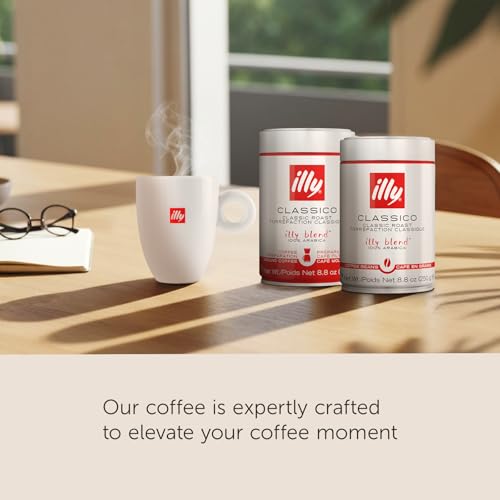
Illy Classico is the definition of a refined, consistent Italian roast. The 8.8 oz can locks in freshness, and the blend delivers delicate notes of caramel, orange blossom, and jasmine, unusual for a medium roast, and impressive for mass production. It’s 100% Arabica, preservative-free, and roasted to a smooth, balanced profile that’s more about elegance than intensity.
But the small bag size and price make it a luxury, not a daily driver. Pour over highlights its floral notes better than espresso, and owners appreciate its clean finish and aromatic subtlety. Still, compared to craft roasters like Blue Bottle or Stumptown, it feels restrained, like a perfectly tailored suit that doesn’t want to stand out. It’s excellent, just not bold.
Product photos
Costa Coffee Signature Blend

Strengths
- Smooth, nutty flavor
- Rainforest Alliance certified
- Consistent cup
- Barista-crafted blend
- Great for beginners
Trade-offs
- Lacks complexity
- Not origin-expressive
- Mild to the point of blandness
Costa’s Signature Blend leans on 50 years of barista heritage, and that experience shows in its smooth, nutty profile. Rainforest Alliance Certified Arabica beans deliver a consistent, balanced cup with a mellow richness that works well across brew methods. The flavor is straightforward, nutty, slightly sweet, with a round body, but it doesn’t shout. For pour over, it’s competent but not thrilling.
Owners praise its smoothness and reliability, especially for those who dislike bitterness or sharp acidity. But compared to Stumptown or Blue Bottle, it lacks the depth and complexity that define standout pour overs. It’s a coffee that aims to please everyone, which means it won’t deeply excite anyone. Still, if you want a no-fuss, smooth medium roast with heritage behind it, this one delivers.
Product photos


How We Chose These coffee beans for pour over
Rather than a hands-on lab test, my research for these recommendations was a detailed comparison of published specifications and features across a range of popular coffee beans. I weighed owner reviews from multiple sources – Amazon, coffee-specific forums, and retailer sites – alongside expert opinions from coffee blogs and publications. My process focused on identifying beans consistently praised for pour over brewing, applying my experience with flavor profiles and roast levels to rank the options.
For pour over specifically, I heavily weighted the bean’s described flavor notes and roast level. A lighter to medium roast is generally preferred for highlighting the clarity and nuance pour over brewing allows. I also prioritized beans with descriptions pointing to balanced acidity and sweetness, as these characteristics translate best through the filter. Finally, consistent positive feedback regarding aroma and overall complexity played a key role in final rankings.
Bean specifications reliably indicate origin, roast date (though this can vary by retailer), and processing method. However, flavor perceptions are subjective, so I leaned on owner feedback to understand how those specifications manifested in actual brewed coffee. Reputation and brand consistency were also important; established roasters with a history of quality generally offer a more predictable experience, and a good starting point when learning how to select coffee beans.
What To Look For In coffee beans for pour over
Finding the right coffee beans for pour over is about more than just picking a brand; it’s about understanding how different characteristics translate to the final cup.
A quality pour over bean exhibits clarity of flavor, balanced acidity, and a body that isn’t overly heavy. Look for single-origin beans to experience distinct regional profiles or expertly crafted blends that highlight complementary notes. Freshly roasted beans (within a few weeks of the roast date) are crucial, as are whole beans ground immediately before brewing. Consistent grind size is also paramount for even extraction.
Roast Level & Flavor Profile
I often advise people to start with a light or medium roast when exploring pour over. These roasts retain more of the bean’s origin characteristics, allowing you to really taste the nuances of the growing region. Darker roasts can work, but they tend to mask those subtleties with bolder, sometimes smoky flavors. Consider what you enjoy – do you prefer bright, fruity notes (common in East African beans) or something more chocolatey and nutty? Stumptown’s Holler Mountain Organic is a great example of a brighter profile, while Lavazza Top Class Filtro leans toward a balanced, more approachable taste. Don’t be afraid to experiment with top-rated pour over beans to discover your preference.
Origin & Processing Method
The origin of the bean significantly impacts the flavor. Ethiopian Yirgacheffe is known for its floral and citrus notes, while Sumatran Mandheling often presents earthy and full-bodied characteristics. Beyond origin, the processing method matters. Washed coffees generally produce cleaner, brighter cups, while naturally processed coffees tend to be fruitier and more complex. You’ll find that understanding these nuances allows you to dial in your perfect cup.
Here’s what I tell people when they ask about processing: * Washed: Creates a clean, crisp cup with pronounced acidity. * Natural: Results in a fruitier, more complex flavor profile with a heavier body. * Honey/Pulped Natural: Offers a balance between washed and natural, with sweetness and complexity.
Freshness & Grind Quality
This is where many people stumble. Even the best overall coffee beans will fall flat if they aren’t fresh. Look for a roast date on the bag – ideally, you want to brew within 2-4 weeks of that date. And absolutely, positively, grind your beans right before brewing. A burr grinder is essential for a consistent grind size, which is crucial for even extraction in a pour over.
A good rule of thumb: buy beans in smaller quantities more frequently than a large bag that sits around for months.
Finally, remember that the optimal pour over temperature plays a huge role in extracting those delicious flavors, too.
Coffee Beans for Pour Over Compared
Here’s a comparison of specifications for different coffee beans suitable for pour over brewing.
| Product Name | Roast Level | Organic | Flavor Notes | Bean Type | Weight (oz) |
|---|---|---|---|---|---|
| Blue Bottle Balanced Organic | Medium-Light | Yes | Caramel, Lemon Zest, Cocoa | Arabica | 12 |
| Stumptown Holler Mountain Organic | Light | Yes | Citrus, Berry Jam, Caramel | Arabica | 12 |
| Stumptown Founder’s Blend Organic | Medium | Yes | Vanilla, Cocoa Powder | Arabica | 12 |
| Lavazza “Tierra!” Organic | Light | Yes | Flowers, Fruit | Arabica | 35.2 |
| Kicking Horse Three Sisters | Medium | Yes | Stone Fruit, Cocoa | Arabica | N/A |
| Lavazza Top Class Filtro | Medium | No | Milk Chocolate, Roasted Hazelnut | Arabica | 35.2 |
| Illy Classico Whole Bean | N/A | No | Caramel, Orange Blossom, Jasmine | Arabica | N/A |
| Costa Coffee Signature Blend | N/A | Yes | Nutty, Smooth | Arabica | N/A |
Frequently Asked Questions
What grind size is best for pour over coffee?
A medium-fine grind, similar to coarse sand, is generally ideal for pour over. This allows for proper extraction without over-extraction, which can lead to bitterness. The exact size may need adjusting based on your specific brewer and beans.
Can I use pre-ground coffee for pour over?
While possible, I strongly recommend grinding your beans right before brewing. Pre-ground coffee loses flavor and aroma quickly, impacting the final cup quality. A burr grinder offers the most consistent results for pour over.
How does water temperature affect pour over?
Water temperature between 195-205°F (90-96°C) is the sweet spot for pour over. Too cold, and you’ll underextract, resulting in a sour taste; too hot, and you risk burning the coffee and creating bitterness.
Are darker roasts suitable for pour over brewing?
Darker roasts can be used, but they often overshadow the subtle nuances pour over excels at highlighting. If you prefer a bolder, less acidic cup, a darker roast is fine, but for experiencing the bean’s origin characteristics, I recommend exploring bright acidic beans for pour over.
How should I store my coffee beans to maintain freshness?
Store your whole bean coffee in an airtight container, away from light, heat, and moisture. Avoid storing beans in the refrigerator or freezer, as fluctuations in temperature and humidity can degrade their quality. Keeping them in a cool, dark pantry is best.
The Bottom Line
Choosing coffee beans is a balancing act between control and convenience. You can spend a lot of time chasing single-origin perfection, or you can find a consistently excellent blend that delivers a satisfying cup every time. For the best overall experience, I recommend Stumptown Holler Mountain Organic. It offers a bright, complex flavor profile that really shines with pour over brewing and is a great place to start exploring what high-quality beans can deliver.
If you’re on a tighter budget, Lavazza Top Class Filtro provides a lot of flavor for the price. For those who appreciate versatility and want a blend that works well across different brewing methods, Stumptown Founder’s Blend Organic is an excellent choice. Remember, though, finding your perfect bean often means experimenting – don’t be afraid to try a few different options to see what speaks to you.
Ultimately, the specifications matter less than freshness and grind quality. Focusing on consistently using freshly roasted, whole bean coffee, ground immediately before brewing, and dialing in the ideal pour over ratio will have a bigger impact on your cup than any single origin or processing method.
