
What Happens to Your Body When You Stop Drinking Coffee
This post contains affiliate links. As an Amazon Associate, we earn from qualifying purchases.
When you stop drinking coffee, your body enters caffeine withdrawal, a clinically recognized condition. Symptoms like headache, fatigue, and irritability typically begin within 12–24 hours, peak in severity between 20–51 hours, and can last for 2 to 9 days as your brain chemistry rebalances.
The universal mistake is going cold turkey from a high daily dose. That approach guarantees the most severe version of every symptom because it shocks a system dependent on a psychoactive drug.
This guide walks through the exact physiological timeline, explains why each miserable symptom happens, and provides a doctor-backed taper schedule that cuts the misery in half. We’ll cover the acute withdrawal phase, the long-term changes to your sleep and energy, and what to do if your symptoms are severe.
Key Takeaways
- Withdrawal is not “all in your head”; it’s listed in the DSM-5 and can cause clinically significant distress in about 13% of people.
- The peak misery window is 20 to 51 hours after your last dose. Plan low-demand days around this period.
- A 25% weekly reduction in caffeine intake is the most effective taper, proven to minimize symptoms versus cold turkey.
- Underlying anxiety or depression can amplify withdrawal severity, making medical advice crucial for some individuals.
- Long-term benefits like stable energy and deeper sleep often begin around day 8, but the first week is the hurdle.
The Clinical Reality of Caffeine Withdrawal
Caffeine withdrawal is not a moral failing or a lack of willpower. The Diagnostic and Statistical Manual of Mental Disorders, 5th Edition (DSM-5) lists it as a bona fide condition. This official recognition matters because it frames your headache and fatigue as a predictable neurochemical event, not a personal weakness. Your nervous system has physically adapted to the constant presence of a stimulant.
Caffeine withdrawal is a clinically recognized syndrome characterized by headache, fatigue, decreased energy, and dysphoric mood. It can emerge after as little as three days of consistent use, with symptom severity often correlating with daily intake amount and duration of use.
The mechanism is adenosine receptor upregulation. Caffeine works by blocking adenosine receptors in your brain; adenosine is the neurotransmitter that promotes sleep and relaxation. With chronic use, your brain produces more receptors to try to get its signal through. When you remove caffeine, all those extra receptors are suddenly unblocked and flooded with adenosine. The result is an overwhelming signal of fatigue and, through connected vascular pathways, a headache.
TL;DR: Your brain makes more “tiredness receptors” to fight caffeine’s blockade; quitting coffee lets a tidal wave of tiredness signals through all at once.
The Withdrawal Timeline: Hour by Hour
Knowing the schedule turns a vague feeling of dread into a manageable plan. The timeline from the NCBI StatPearls on caffeine withdrawal is remarkably consistent.
Hours 12–24: The Onset
The first signs creep in. You might feel a mild headache forming at the base of your skull, a general fogginess, and a noticeable drop in motivation. Irritability starts here. This is the point where you instinctively reach for the mug that isn’t there. Physiologically, caffeine levels have dropped to near zero, and adenosine is beginning to bind to those newly available receptors.
Hours 20–51: The Peak
This is the worst of it. The headache often becomes throbbing and widespread. Fatigue feels physical, like moving through syrup. Concentration is shot, and mood can dip significantly. The StatPearls entry notes this 20–51 hour window as the typical peak severity period. Your blood vessels, which were constricted by caffeine, are now dilating, increasing blood flow to your brain by up to 27%. That sudden vascular shift is a primary driver of the headache.
Common mistake: Powering through a high-stakes workday during the 20–51 hour peak window — the cognitive impairment and irritability are real and measurable, turning simple tasks into ordeals.
Days 2–4: The Plateau
Symptoms don’t vanish after the peak, but they stop intensifying. The headache may dull to a persistent ache. Fatigue and brain fog remain but become more predictable. This is the stabilization phase, where your body accepts that no new caffeine is coming and begins the longer adjustment.
Days 5–9: The Resolution
For most people, acute symptoms progressively fade during this window. The headache lifts, energy begins to return in brief waves, and mood stabilizes. By day 9, the acute withdrawal phase is typically over. Your adenosine receptor count is starting to normalize.
| Time Since Last Caffeine | Dominant Symptoms | Physiological Cause |
|---|---|---|
| 12–24 Hours | Mild headache, irritability, fog | Adenosine binding to upregulated receptors; initial vascular dilation |
| 20–51 Hours (Peak) | Severe headache, profound fatigue, dysphoria, poor concentration | Maximal adenosine signaling; peak cerebral blood flow increase |
| Days 2–4 | Persistent ache, stable fatigue, low motivation | Nervous system stabilization; receptor adjustment begins |
| Days 5–9 | Symptom fade, returning energy waves, mood normalization | Adenosine receptor downregulation toward baseline |
Why You Feel So Terrible: The Science of Each Symptom
The timeline is one thing. Understanding the “why” makes it easier to tolerate.
The Headache: It’s a two-part assault. First, the adenosine flood directly promotes vasodilation (widening) of blood vessels in your brain. Second, caffeine is a vasoconstrictor—it shrinks those vessels. Chronic use trains your brain’s vascular system to operate in a constricted state. The sudden removal causes a rebound dilation, increasing blood flow and pressure around cranial nerves, resulting in pain. This is why caffeine withdrawal headaches are often throbbing and located behind the eyes or across the forehead.
The Crushing Fatigue and Brain Fog: This is the pure adenosine effect. With all its receptors unblocked, the “sleep signal” is screaming at maximum volume. Your brain’s alertness pathways are chemically depressed. Furthermore, caffeine increases dopamine signaling, which boosts mood and motivation. Removing that lift contributes to the dysphoric, “blah” feeling and the inability to focus.
The Irritability and Mood Swings: This ties to the sudden drop in dopamine and the systemic stress of withdrawal. Your body is in a mild state of shock. The PMC treatment for caffeine use study highlights mood disturbance as a core component of problematic use and withdrawal. It’s a neurochemical irritability, not you being a bad person.
Constipation and Fluid Balance: Caffeine stimulates colonic muscles (the “gut brain”) and has a diuretic effect. Your morning routine might rely on this. Removing it can lead to temporary sluggishness in digestion as your gut’s motility resets to its unstimulated pace. Similarly, your kidneys adjust to retaining more fluid, which is actually a return to normal hydration.
How to Quit (Without Miserable Suffering)
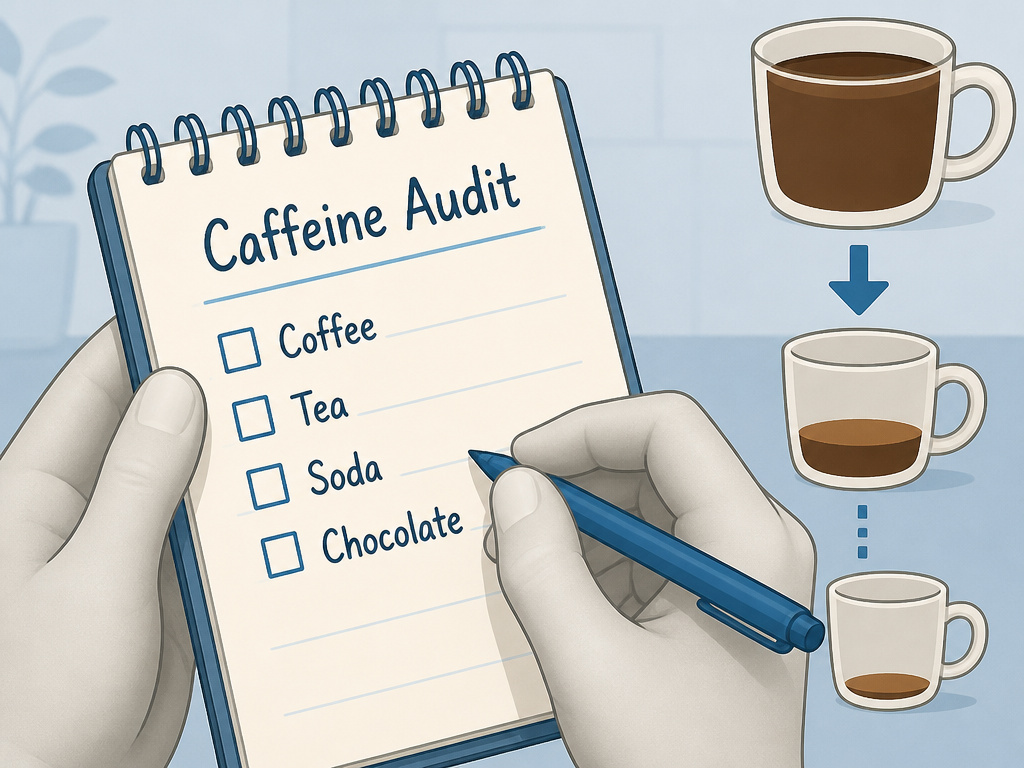
Cold turkey is a valid choice, but it’s the hardest path. A structured taper drastically reduces symptom severity. The goal is to let your adenosine receptors downregulate gradually, not shock them.
- Audit Your Intake. You can’t manage what you don’t measure. For three days, add up caffeine from coffee, tea, soda, energy drinks like Monster Energy drinks, and even chocolate. The average cup of brewed coffee has ~95mg.
- Choose Your Taper Method. The 25% weekly reduction is the gold standard from addiction medicine. If your baseline is 400mg daily (4 cups), your first week target is 300mg. This might mean switching one coffee for a black tea with lower caffeine, or simply making your last cup of the day half-decaf.
- Hydrate Aggressively. Drink more water than you think you need, starting now. It helps with headache prevention and supports your kidneys as they readjust.
- Schedule Your Pain. If you choose cold turkey, do it before a low-stakes weekend. Know that hours 24–48 will be the hardest, and plan only for rest, walks, and hydration.
- Have a Rescue Dose. For a debilitating headache during the peak, clinical guidance notes that a small dose of caffeine (50–100mg—about half a cup of coffee) can provide rapid relief. This isn’t failure; it’s symptom management. Use it once, then continue your taper.
Before you start: If you have a diagnosed anxiety disorder, depression, or other mental health condition, consult a doctor before quitting. Withdrawal can exacerbate underlying symptoms, and a medical professional can help you create a safe, monitored plan.
TL;DR: Taper by 25% per week, drown yourself in water, and plan the peak withdrawal period as a sick day. It’s a biochemical process, not a test of grit.
The Long-Term Shift (Week 2 and Beyond)
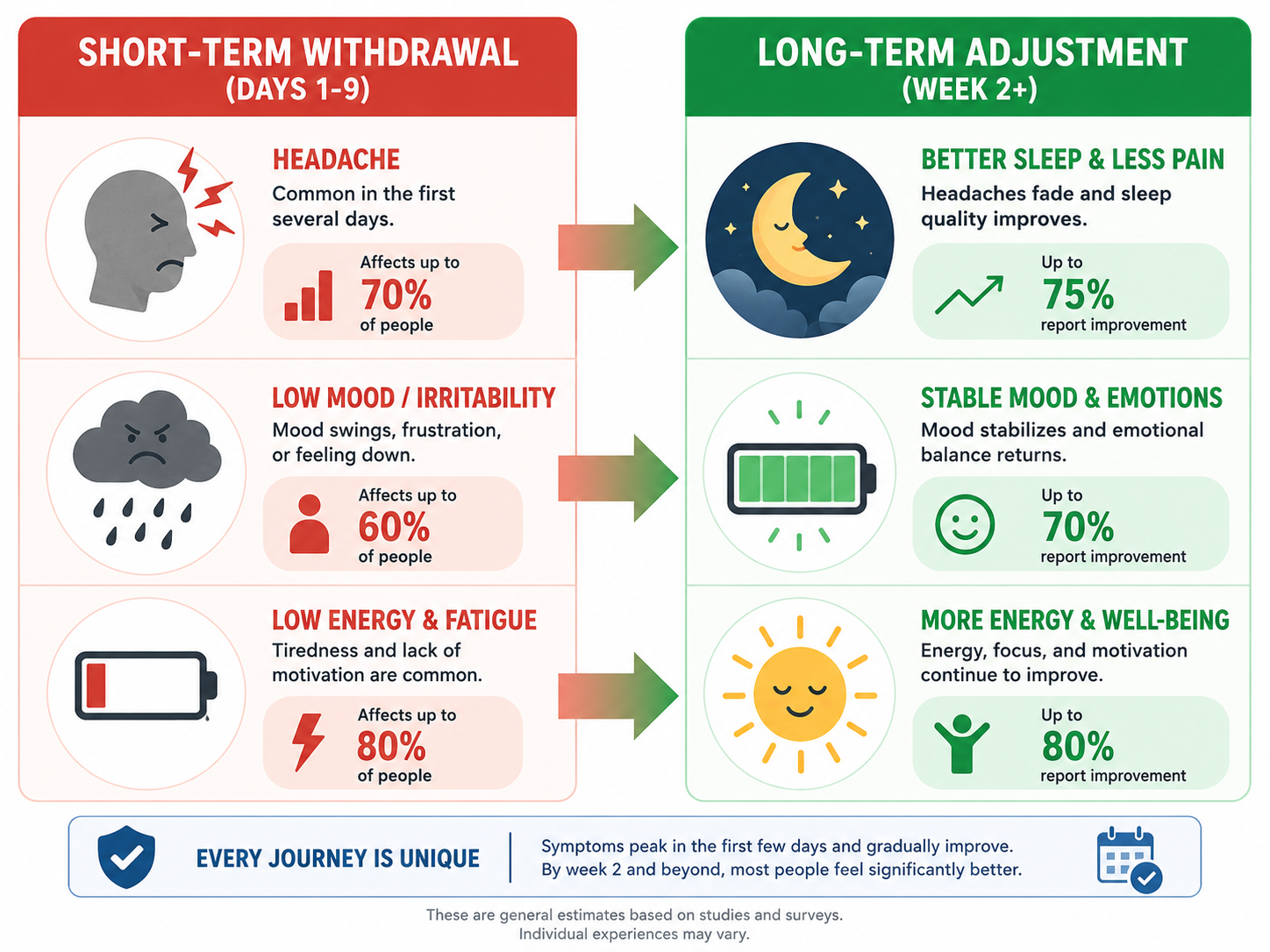
If you push past the 9-day mark, a different physiological picture emerges. This is where the potential benefits start to materialize.
Sleep Transformation: This is the most common and dramatic change. Without caffeine blocking adenosine, your sleep drive builds naturally. You fall asleep faster. More importantly, the quality of sleep improves. You spend more time in deep, restorative slow-wave sleep. Many report waking up feeling genuinely refreshed for the first time in years, without an alarm. Remember, caffeine can disrupt sleep even when consumed 6 hours before bedtime.
Stable, Natural Energy: The rollercoaster of artificial stimulation followed by crashes ends. Your energy levels become flatter and more reliable, driven by your natural circadian rhythm, nutrition, and rest. You no longer need a chemical to start your engine or to avoid a 3 p.m. collapse.
Reduced Anxiety and Balanced Cortisol: Caffeine stimulates the release of cortisol, the primary stress hormone. For those prone to anxiety, this can feel like being in a low-grade fight-or-flight mode all day. Removing caffeine allows your hypothalamic-pituitary-adrenal (HPA) axis to calm down, often leading to a noticeably calmer baseline mood. The Harvard Nutrition Source on coffee notes this dual nature of caffeine—beneficial for some, anxiogenic for others.
Changed Taste Buds and Hydration: You may notice flavors more acutely, and water starts to taste better. Your hydration status normalizes without the diuretic effect, which can improve skin health and digestion over time.
| Short-Term Withdrawal (Days 1-9) | Long-Term Adjustment (Week 2+) |
|---|---|
| Headache, fatigue, irritability | Deeper, more restorative sleep |
| Brain fog, poor concentration | Stable, natural energy levels |
| Constipation, fluid shifts | Normalized hydration & digestion |
| Dysphoric mood, cravings | Reduced baseline anxiety & stress |
When to See a Doctor and Consider Alternatives
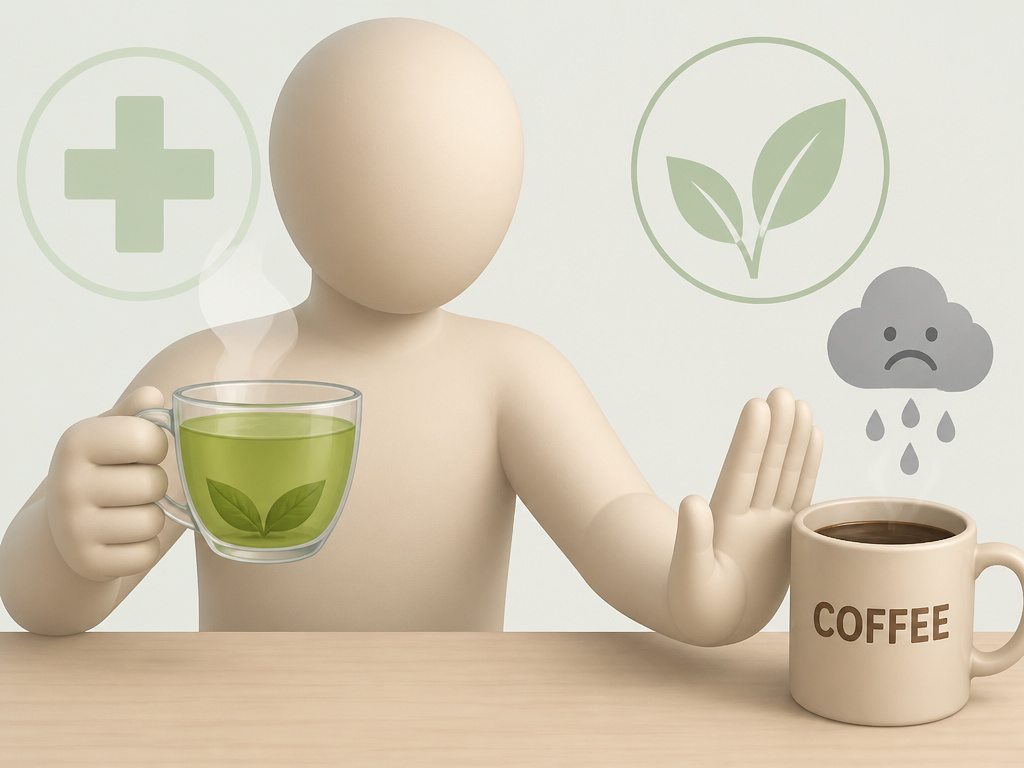
For about 13% of individuals, withdrawal causes clinically significant distress or functional impairment. If your symptoms are severe, dangerously affect your mood, or you have a history of mental health conditions, seek professional advice. A doctor can rule out other issues and may recommend a much slower taper or other support.
Furthermore, quitting coffee doesn’t mean abandoning all warm morning rituals or gentle stimulation. The world of tea offers a spectrum of options with lower, slower-releasing caffeine and beneficial compounds like L-theanine, which promotes calm focus.
Exploring green tea benefits can provide a gentler transition, thanks to its combination of caffeine and L-theanine. For those concerned about digestion, the lower acidity of tea compared to coffee can be a welcome change. If you miss the robust flavor, a deep dive into black tea preparation offers a new ritual to master. Understanding the different caffeine release rates between tea and coffee is key to managing expectations. Even an iced tea caffeine brew can serve as a familiar cold substitute.
Frequently Asked Questions
How long does caffeine withdrawal last?
The acute phase typically lasts 2 to 9 days, with peak symptoms occurring between 20 and 51 hours after your last dose. Most people feel a major turn toward improvement by the end of the first week.
What is the fastest way to get over caffeine withdrawal?
There is no instant cure, but you can minimize severity. A structured 25% weekly caffeine reduction is far more effective than cold turkey. For an acute, debilitating headache during the peak, a single 50–100mg dose of caffeine can provide rapid relief as a reset.
Can caffeine withdrawal cause severe anxiety or depression?
Yes. Individuals with pre-existing anxiety or depressive disorders are at higher risk for intensified withdrawal symptoms. The neurochemical shifts during withdrawal can exacerbate underlying conditions. If you have a mental health history, consult a doctor before quitting.
Will I have more energy after quitting coffee?
After the initial withdrawal period, your energy will likely become more stable and natural, free from artificial spikes and crashes. However, the initial 1-2 weeks are marked by significant fatigue as your body recalibrates. The long-term energy gain is one of consistency, not necessarily higher peaks.
The Bottom Line
Quitting coffee is a short-term biochemical negotiation for a long-term physiological reset. The headache at hour 30 is the price of admission for deeper sleep at week 3. Your body is not betraying you; it’s meticulously rewiring a system that adapted to a daily drug.
Use the taper. Respect the timeline. The misery has a ceiling and an expiration date. On the other side, you get to choose your energy source again, whether that’s none, a little, or a new ritual from the wider world of tea vs coffee. The goal isn’t moral purity—it’s understanding the mechanism so you control it, not the other way around.
