
What Goes Good with Coffee | Pairings Beyond Cream and Sugar
To find what goes good with coffee, match the food’s texture and flavor intensity to your coffee’s roast profile and freshness. Light roasts with fruity notes pair with buttery pastries and tangy fruits. Dark, chocolaty roasts match with nuts, dark chocolate, and rich desserts. Beyond food, intentional additions like a pinch of salt or a spoonful of MCT oil can enhance the coffee itself.
Most pairing guides list generic foods without explaining why they work. They ignore the single biggest variable: the coffee in your cup. A stale, bitter dark roast will murder a delicate lemon tart, while a vibrant Ethiopian light roast might vanish next to a fudge brownie.
This guide breaks pairings down by the science of taste and the practical reality of your coffee’s age and roast. We’ll cover food matches, drink combinations, and the flavor enhancers that actually improve your cup.
Key Takeaways
- Pair by contrast or complement: match similar flavors (chocolate with dark roast) or contrast them (salty food with bright coffee).
- Roast level is your primary guide. Light roast loves butter and fruit; dark roast demands chocolate and nuts.
- A pinch of salt is a more effective bitterness reducer than sugar for many palates.
- Stale coffee overpowers subtle pairings. Coffee stored above 20°C (68°F) stales about twice as fast.
- Dairy alternatives like almond milk change the pairing equation by adding their own nutty, sweet notes.
The 3 Food Pairing Principles That Actually Work
Forget memorizing lists. Effective pairing follows one of two paths: complement or contrast. Complementing amplifies shared flavors. Contrasting creates balance by opposing them.
A buttery croissant complements the creamy body of a medium roast Colombian. The fat coats your palate, making the coffee’s nutty notes more pronounced. Contrasting uses something salty or sweet to offset the coffee’s natural characteristics. The salt in a bacon slice cuts through the perceived bitterness of a dark roast, making the coffee taste smoother and sweeter.
The third, unspoken principle is texture. Crispy, flaky, or creamy foods reset your palate between sips. A bite of a shortbread cookie clears the residual oils from a full-bodied coffee, making the next sip taste fresh.
Pairing is a three-step sequence: taste the coffee alone, choose a food based on its dominant note (sweet, salty, fatty, acidic), then take a bite and a sip together. The goal is a “third flavor”, a new taste that emerges only from the combination.
TL;DR: Match similar flavors to amplify them, or oppose flavors to create balance. Always consider texture to cleanse the palate.
Light Roast Pairings: Butter, Berries, and Pastry
Light roast coffee highlights origin character, think floral, tea-like, or fruity acidity. Its delicate body gets overwhelmed by rich, heavy foods.
Go for foods with a buttery fat content or a bright, tangy fruit profile. A plain croissant or brioche works because the butterfat carries the coffee’s nuanced notes without masking them. Berries like raspberries or blueberries offer a tart contrast that can make the coffee’s inherent fruitiness pop. Avoid dark chocolate here; its intensity will dominate the subtle coffee.
Medium Roast Pairings: Nuts, Milk Chocolate, and Caramel
Medium roast is the versatile workhorse, with balanced acidity and developed sweetness, often with nutty or caramelized sugar notes.
This is your safe zone for classic coffee shop pairings. Almond biscotti, oatmeal cookies with raisins, or a square of milk chocolate complement the inherent sweetness. The nutty flavor in an almond croissant mirrors the coffee’s own tasting notes, creating a harmonious experience. This roast level also stands up to the fat in whole milk or cream without disappearing.
Dark Roast Pairings: Dark Chocolate, Spices, and Rich Desserts
Dark roast coffee trades origin nuance for bold, roasted flavors, think dark chocolate, toasted nuts, and spice. It has a heavier body that can match intense desserts.
Pair it with foods that share its robust character. A 70% dark chocolate bar is a classic. The bitterness in both the chocolate and coffee cancel each other out, leaving a deep, sweet impression. Gingerbread, spice cake, or a pecan pie work because the spices (cinnamon, nutmeg) align with the roast’s spicy tailnote. Avoid delicate fruits; the coffee will taste ashy in comparison.
| Roast Level | Best Food Pairings | Why It Works |
|---|---|---|
| Light Roast | Buttery croissant, brioche, fresh berries, lemon tart | Butterfat carries delicate notes; fruit acidity contrasts and highlights inherent brightness. |
| Medium Roast | Almond biscotti, milk chocolate, oatmeal raisin cookie, caramel | Complements inherent nutty and caramelized sugar notes; balanced body matches the food’s weight. |
| Dark Roast | Dark chocolate (70%+), gingerbread, spice cake, roasted nuts | Shares bold, roasted flavors; contrasts bitterness to create perceived sweetness. |
Why Your Coffee’s Freshness Dictates the Pairing
A stale coffee makes pairing pointless. Oxidation and the loss of volatile aromatics flatten the flavor profile, leaving behind a generic, woody taste that clashes with most foods.
The rate of staling isn’t linear. It follows the Arrhenius equation, a principle from chemical kinetics. Simply put, for every 10°C (18°F) increase in storage temperature, the staling reactions roughly double. Coffee left on a warm kitchen counter at 30°C (86°F) goes stale about twice as fast as coffee stored in a cool, dark cupboard at 20°C (68°F).
Common mistake: Storing coffee in the refrigerator, the humidity and odor absorption introduce off-flavors within days, and temperature cycles cause condensation that accelerates staling.
Freshness also changes the pairing goal. A coffee at its peak 7-10 days post-roast has vibrant acidity that can beautifully contrast a salty food. That same coffee three weeks later, with its acidity muted, might need a complementary pairing like nuts to add back some missing liveliness. Checking your roast date isn’t pedantic; it’s essential for predicting how the coffee will behave on your tongue.
TL;DR: Stale coffee tastes flat and clashes with food. Store beans in an airtight container in a cool, dark place to slow staling reactions.
Flavor Enhancers: What to Actually Add to Your Cup
Beyond milk and sugar, a world of intentional additions can tailor your coffee’s flavor profile to better suit a pairing or your personal taste.
A Pinch of Salt to Reduce Bitterness
This is the oldest barista trick for a reason. Sodium ions interfere with your tongue’s ability to perceive bitterness. A tiny pinch of fine sea salt (literally two or three granules) in your grounds before brewing or stirred into a finished cup can smooth out harshness without adding a salty taste. It works exceptionally well with dark roasts or any coffee that’s slightly over-extracted. This is a fundamental coffee flavor enhancer.
Spices: Cinnamon, Cardamom, and Cocoa
Adding spices directly to the coffee grounds before brewing infuses the drink with their aroma. Cinnamon adds a sweet, woody warmth that complements medium and dark roasts. A pod of cardamom, crushed and added to grounds, brings a complex, floral-pine note that pairs wonderfully with the natural fruitiness of a light roast. For a mocha-like effect, a teaspoon of high-quality cocoa powder blended into the grounds works better than sugary syrup. Explore different cinnamon coffee recipes for inspiration.
Fats and Oils for Body and Sustained Energy
Adding fats changes the texture and nutritional profile. A teaspoon of coconut oil or MCT oil blended into hot coffee creates a rich, creamy emulsion, the basis of “bulletproof” style drinks. The fat provides sustained energy and can make the coffee taste smoother and less acidic. This approach is central to many keto coffee recipes. For a different fat profile with added creaminess, consider a non-dairy coffee addition like almond milk.
Drink Combinations: Beyond the Obvious
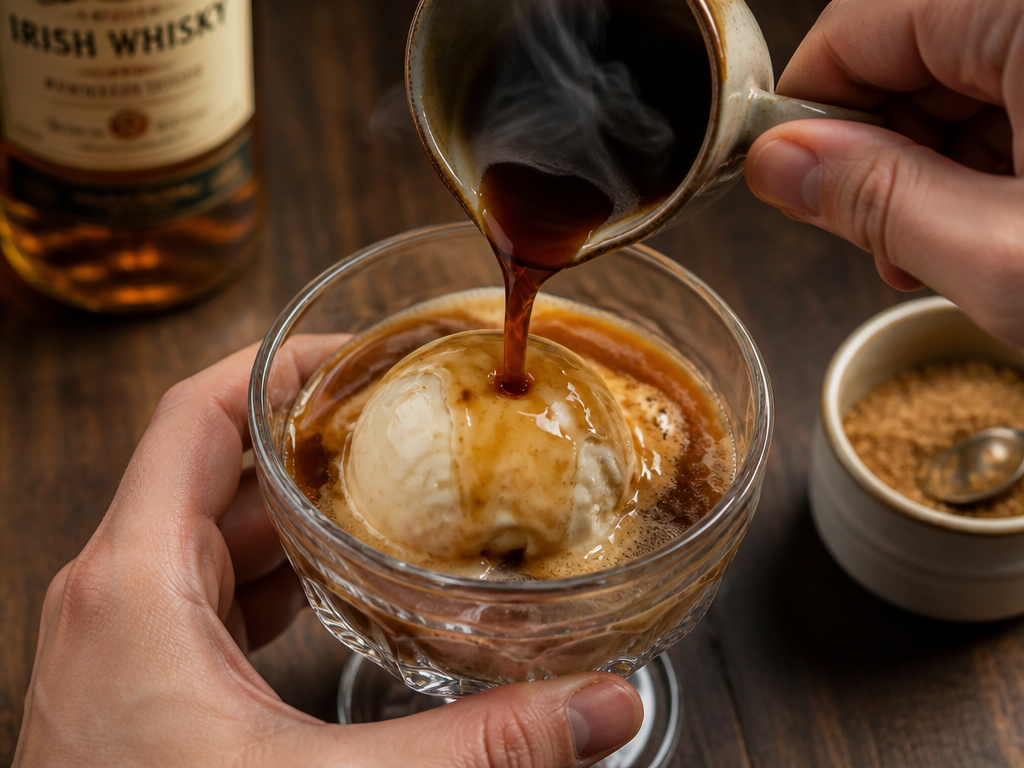
Coffee is a versatile base for both alcoholic and non-alcoholic cocktails. The key is treating coffee as an ingredient with its own flavor profile, not just a caffeine vehicle.
For a simple after-dinner drink, pour a shot of espresso over a small scoop of vanilla ice cream (affogato). The hot coffee melts the cold cream, creating a luxurious, bitter-sweet sauce. For a cocktail, a classic Irish Coffee (hot coffee, Irish whiskey, brown sugar, topped with cream) works because the whiskey’s caramel notes and the cream’s fat balance the coffee’s bitterness. The type of coffee matters here too; a strong coffee option like an Americano provides a better backbone than a weak brew.
When mixing with spirits, lean on dark roasts for aged spirits like bourbon or rum, and use brighter medium roasts for clear spirits like vodka or gin where you want the coffee’s acidity to shine through.
The Dairy and Non-Dairy Decision
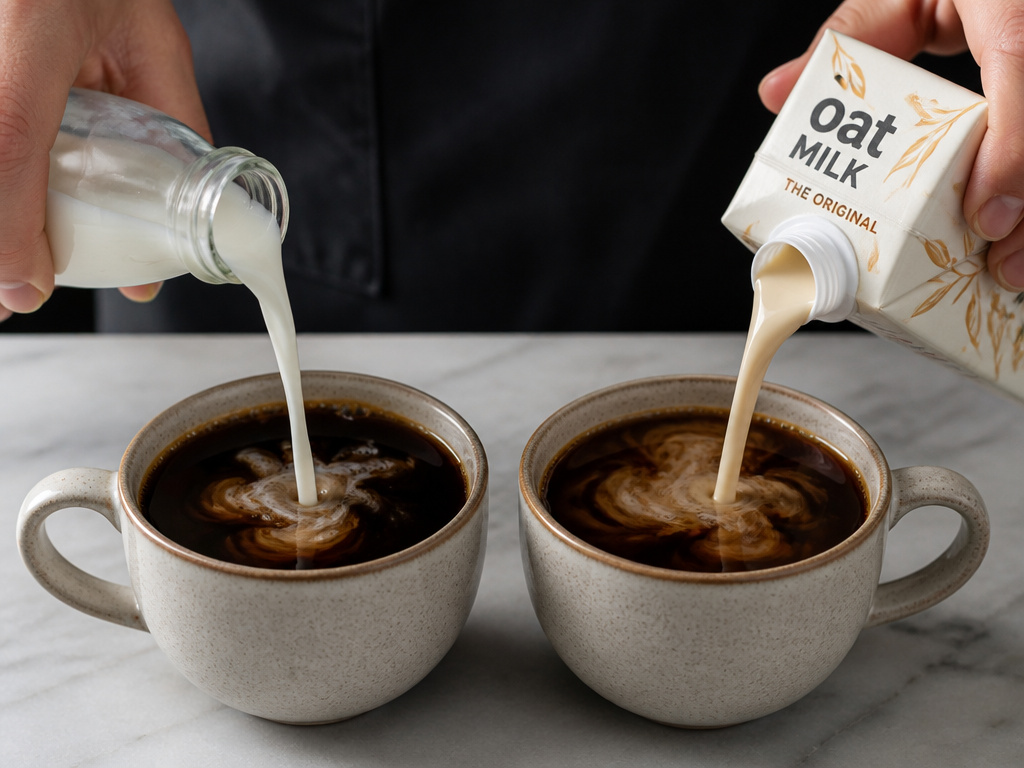
Your choice of whitener dramatically alters the coffee’s flavor and its pairing potential. Whole milk adds sweetness and a creamy body that can soften acidic coffees, making them more approachable with pastries. For a detailed look at the impact, check the calorie count in coffee with different milk types.
Non-dairy milks each bring their own flavor. Oat milk is naturally sweet and creamy, often pairing well with medium roasts. Almond milk adds a distinct nutty note that can complement a nutty coffee but clash with a fruity one. The choice here should be intentional, are you adding milk to mask or to enhance?
Frequently Asked Questions
Does coffee go good with breakfast foods like eggs and bacon?
Yes, but it depends on the coffee. The salt and fat in savory breakfast foods are excellent at contrasting the bitterness in a dark roast. A bright, acidic light roast might clash with eggs but work wonderfully with the sweetness of pancakes or French toast.
What goes good with black coffee?
Black coffee, especially a high-quality single-origin, pairs best with foods that won’t overpower its delicate notes. Buttery, neutral pastries (croissants, plain scones), dark chocolate, and nuts are all safe, excellent choices. The absence of milk or sugar lets the coffee’s true flavor interact directly with the food.
Is it okay to put butter in coffee?
Yes, blending grass-fed butter or ghee into coffee is the foundation of “bulletproof” coffee. It creates a rich, latte-like texture and provides sustained energy from fat. It significantly changes the flavor profile, making the coffee taste smoother and less acidic, which can affect food pairings.
What sweetener goes best with coffee?
For enhancing flavor, not just adding sweetness, choose sweeteners with their own notes. Brown sugar adds molasses and caramel hints that complement medium and dark roasts. Maple syrup brings a woody complexity. Plain white sugar simply sweetens without adding character.
What dessert goes with coffee?
Match the dessert’s intensity to the coffee’s roast. Light, fruity desserts (lemon bar, berry tart) with light roast. Caramel- or nut-based desserts (flan, pecan pie) with medium roast. Intense, chocolatey desserts (flourless chocolate cake, tiramisu) with dark roast. A creamy dessert like cheesecake can work across roast levels due to its palate-coating fat.
Before You Go
Start with your coffee. Taste it black and identify its dominant character, is it bright, nutty, or smoky? Let that guide your pairing choice, aiming either to complement or contrast. Remember that a coffee’s freshness is the invisible variable; stale beans will frustrate any pairing effort. Experiment with intentional enhancers like salt or spices before defaulting to sugar. Finally, treat dairy or non-dairy additions as a flavor ingredient, not just a creamer. The right combination doesn’t just taste good; it creates a moment where both the coffee and the food become better.
{
“@context”: “https://schema.org”,
“@type”: “HowTo”,
“name”: “How to Pair Food and Flavors with Coffee”,
“totalTime”: “PT10M”,
“step”: [
{
“@type”: “HowToStep”,
“name”: “Identify your coffee’s profile”,
“text”: “Taste your coffee black first. Note its dominant notes: is it bright and fruity (light roast), balanced and nutty (medium), or bold and chocolaty (dark roast)?”
},
{
“@type”: “HowToStep”,
“name”: “Choose a pairing strategy”,
“text”: “Decide to either complement similar flavors (chocolate with dark roast) or contrast opposites (salty pastry with bright, acidic coffee).”
},
{
“@type”: “HowToStep”,
“name”: “Start with small, intentional bites”,
“text”: “Take a sip of coffee, then a small bite of the food. Let the flavors mix on your palate to see if the pairing creates a harmonious third flavor or clashes.”
},
{
“@type”: “HowToStep”,
“name”: “Adjust enhancers last”,
“text”: “Only after tasting the pair should you consider adding a flavor enhancer like a pinch of salt to reduce perceived bitterness or a dash of cinnamon for spice.”
}
]
}
{
“@context”: “https://schema.org”,
“@type”: “FAQPage”,
“mainEntity”: [
{
“@type”: “Question”,
“name”: “Does coffee go good with breakfast foods like eggs and bacon?”,
“acceptedAnswer”: {
“@type”: “Answer”,
“text”: “Yes, but it depends on the coffee. The salt and fat in savory breakfast foods are excellent at contrasting the bitterness in a dark roast. A bright, acidic light roast might clash with eggs but work wonderfully with the sweetness of pancakes or French toast.”
}
},
{
“@type”: “Question”,
“name”: “What goes good with black coffee?”,
“acceptedAnswer”: {
“@type”: “Answer”,
“text”: “Black coffee, especially a high-quality single-origin, pairs best with foods that won’t overpower its delicate notes. Buttery, neutral pastries (croissants, plain scones), dark chocolate, and nuts are all safe, excellent choices. The absence of milk or sugar lets the coffee’s true flavor interact directly with the food.”
}
},
{
“@type”: “Question”,
“name”: “Is it okay to put butter in coffee?”,
“acceptedAnswer”: {
“@type”: “Answer”,
“text”: “Yes, blending grass-fed butter or ghee into coffee is the foundation of \”bulletproof\” coffee. It creates a rich, latte-like texture and provides sustained energy from fat. It significantly changes the flavor profile, making the coffee taste smoother and less acidic, which can affect food pairings.”
}
},
{
“@type”: “Question”,
“name”: “What sweetener goes best with coffee?”,
“acceptedAnswer”: {
“@type”: “Answer”,
“text”: “For enhancing flavor, not just adding sweetness, choose sweeteners with their own notes. Brown sugar adds molasses and caramel hints that complement medium and dark roasts. Maple syrup brings a woody complexity. Plain white sugar simply sweetens without adding character.”
}
},
{
“@type”: “Question”,
“name”: “What dessert goes with coffee?”,
“acceptedAnswer”: {
“@type”: “Answer”,
“text”: “Match the dessert’s intensity to the coffee’s roast. Light, fruity desserts (lemon bar, berry tart) with light roast. Caramel- or nut-based desserts (flan, pecan pie) with medium roast. Intense, chocolatey desserts (flourless chocolate cake, tiramisu) with dark roast. A creamy dessert like cheesecake can work across roast levels due to its palate-coating fat.”
}
}
]
}
