
Is Protein Coffee Good For You? | The Sugar Trap We Found
Protein coffee is good for you when it delivers 10-30 grams of clean protein per serving, contains no more than 5-8 grams of added sugar, and fits within your daily protein target of 0.8-1.2 grams per kilogram of body weight. It’s a bad choice if the powder contains contaminants like lead, the sugar content spikes above 8 grams, or you have kidney disease or caffeine sensitivity.
Most people reach for protein coffee thinking it’s a simple health boost. They miss the labels. A product like Thorne Sport Coffee Latte lists 10 grams of protein and is NSF Certified for Sport. Another bottle from the same brand, a Cold Brew, can list 8 grams of added sugar. That’s nearly a teaspoon of sugar hiding behind the protein promise. The difference between a useful tool and a sugar trap is three lines on the ingredient panel.
This guide walks through the real numbers, the mixing pitfalls, and the health flags you need to spot before your first sip.
Key Takeaways
- A single serving of protein coffee should deliver between 10 and 30 grams of protein, roughly the protein in two to three eggs.
- Target products with no more than 5-8 grams of added sugar and under 120-150 calories per serving to avoid turning a health habit into a sugar drink.
- Plant-based protein powders, like soy and rice, were found to have higher levels of lead contamination in the past year than dairy-based blends.
- Protein powder clumps in hot coffee. Use iced coffee or a blender bottle for a smooth mix.
- Individuals with kidney disease should avoid excessive protein intake, and those sensitive to caffeine should opt for decaffeinated coffee or smaller servings.
The Sugar Trap We Found
Headline protein numbers are marketing. The sugar and calorie numbers are reality.
Common mistake: Choosing a protein coffee for its 20g protein claim without checking the sugar — many ready-to-drink bottles hit 8g of added sugar, which is nearly a teaspoon hiding in each serving.
Look at the Thorne Sport Coffee Latte versus their Cold Brew line. The Sport Coffee Latte packs 10 grams of protein from ultra-filtered milk, B vitamins, electrolytes, and BCAAs. It’s also lactose-free and NSF Certified for Sport. Their Cold Brew products, depending on flavor, contain 1 to 8 grams of protein and 1 to 8 grams of added sugar. The protein range is fine. The sugar range is the problem.
An 8-gram sugar addition turns your protein boost into a dessert. Your liver processes that sugar load alongside the caffeine and protein, which can burden the system in a high-calorie setting. The manual for your health is printed on the bottle.
| Product Type | Protein (g) | Added Sugar (g) | Best For | Risk If Ignored |
|---|---|---|---|---|
| Ready-to-drink (e.g., Thorne Cold Brew) | 1–8 | 1–8 | Convenience, grab-and-go | Sugar content can exceed protein benefit, turning it into a sweetened beverage. |
| Powder mix (e.g., whey or plant-based) | 10–30 (per scoop) | 0–5 (varies by brand) | Customization, cost control | Clumping in hot liquid; requires a blender bottle for smooth texture. |
| Pre-mixed latte (e.g., Thorne Sport Coffee Latte) | 10 | 0 | Lactose-free, sport-certified | Lower total protein per serving; not suitable for high-protein targets. |
TL;DR: Scan the nutrition label for added sugar before protein. Aim for under 5 grams per serving.
Protein Coffee: A Nutritional Breakdown
A typical serving of protein coffee can offer 10 to 30 grams of protein, roughly equivalent to the protein in two to three eggs. Most adults need about 0.8–1.2 grams of protein per kilogram of body weight daily. When selecting protein coffee products, look for those with ideally no more than 5-8 grams of sugar and no more than 120-150 calories per serving.
That 10-30 gram range is useful. It’s a solid chunk of your daily requirement. For a 70kg adult, the 0.8–1.2 grams per kilogram guideline means 56 to 84 grams of protein per day. One protein coffee serving can cover 12% to 36% of that.
The catch is the source. Whey protein, from dairy, blends smoothly and is generally well-tolerated. Plant-based proteins — soy, pea, rice — have a different risk profile. In the past year, many protein powders were found to contain high levels of lead, with plant-based options like soy and rice often having higher amounts than dairy blends. You’re buying a protein supplement, but you might also be buying a heavy metal supplement.
Your body doesn’t need the lead. It needs the protein.
The calories matter too. A 150-calorie drink is a snack. A 250-calorie drink is a small meal. If your protein coffee creeps toward 200 calories with 8 grams of sugar, you’re drinking a milkshake with a caffeine kick. That’s fine for some goals, not for others. Knowing your calorie content in coffee helps you slot this drink into your day without wrecking your intake.
Who Should Drink It (And Who Should Skip It)
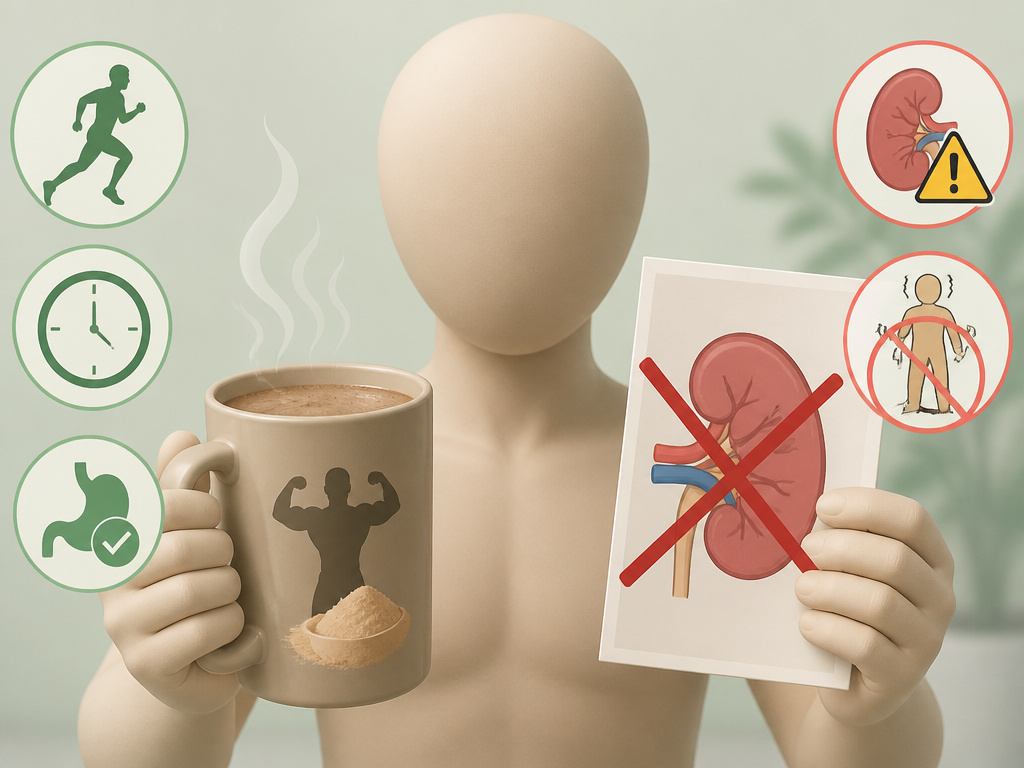
Protein coffee fits three specific lifestyles. It fails for two medical conditions.
First, the fit. If you’re an athlete or someone with high protein needs chasing convenience, a post-workout protein coffee replaces a shake and gives you the caffeine pick-up. If you’re trying to manage hunger and cut morning snacking, the protein satiates you more than black coffee alone. If you simply want to consolidate your caffeine and protein into one habit, it’s efficient.
Second, the fail. Individuals with kidney disease should skip it. Excessive protein intake puts additional stress on the kidneys. Your doctor’s advice on protein limits overrules any trendy drink. People with caffeine sensitivities should also tread carefully. Too much caffeine can interfere with sleep or cause jitters. Choosing decaffeinated coffee or reducing the serving size can mitigate side effects like increased anxiety or difficulty sleeping.
I won’t recommend protein coffee to anyone with a history of kidney issues. The renal load from 30 grams of concentrated protein in a single drink isn’t trivial, and the trendy label doesn’t change the physiology.
For those sensitive to caffeine but still wanting the protein boost, consider a tea versus coffee comparison for lower-acid, lower-caffeine options that might pair better with a protein powder.
The Practical Mixing Problem
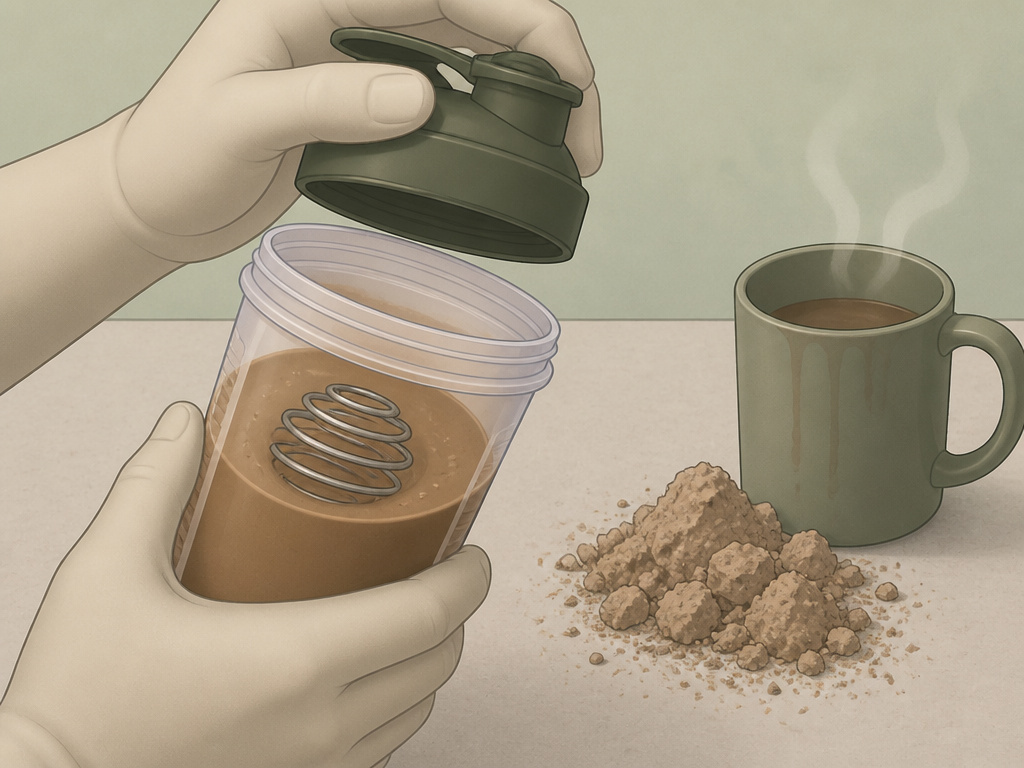
Protein powder hates hot coffee. It clumps.
The chemical reason is simple. Hot liquid causes the protein molecules to denature and aggregate faster than they dissolve. You get gritty globs instead of a smooth liquid. Iced coffee or cold brew gives you more time to shake the mixture before those clumps set.
The fix is a blender bottle. A shaker with a whisk ball breaks up the powder instantly. If you’re using hot coffee, blend it first in the bottle with a splash of cold water or milk to lower the temperature, then add the rest of the hot coffee. That extra step prevents the worst clumping.
Some protein blends can cause digestive discomfort, and too much caffeine can interfere with sleep or cause jitters. Individuals sensitive to caffeine or certain protein types (like whey) should start with smaller portions or try plant-based powders. Whey is generally smoother, but plant-based powders can be harder on some guts.
Your method changes the result. A lumpy, gritty protein coffee is a chore to drink. A smooth, chilled one is a pleasure.
Making Your Own Proffee

Buying a ready-made bottle is easy. Making your own is cheaper and cleaner.
You need three things: coffee, protein powder, and a mixing vessel. A typical recipe uses 8 to 12 ounces of coffee, either hot or cold, one scoop of whey protein (whatever flavor you want), two servings of half and half, and one to two servings of sugar-free coffee syrup.
Here’s the sequence that works without clumps.
- Start cold. Pour your coffee into the blender bottle first. If it’s hot, let it cool for a minute or add a splash of cold water.
- Add powder. Drop one scoop of protein powder into the liquid. Don’t dump it onto dry glass.
- Secure and shake. Cap the bottle and shake vigorously for 30 seconds. The whisk ball does the work.
- Add flavorings. Open the bottle, add your half and half and sugar-free syrup, then shake again briefly.
- Pour and taste. Decant into your cup. Adjust with more syrup or a natural coffee sweetener if needed.
Skipping the blender bottle and trying to stir powder into hot coffee with a spoon gives you a cup full of undissolved granules. They stick to your teeth and the bottom of the mug. You’ll waste half the protein.
For a different nutritional profile, consider adding healthy fats in coffee like coconut oil or MCT oil coffee for sustained energy. These fats blend smoothly and don’t clump.
Choosing a Safe Product
The market is full of options. Your filter is the label.
First, look for third-party certification. NSF Certified for Sport, like on the Thorne Sport Coffee Latte, means the product has been tested for contaminants and banned substances. That’s a guard against the lead problem found in many plant-based powders last year.
Second, check the sugar. The Integris Health protein coffee benefits analysis suggests aiming for products with no more than 5-8 grams of added sugar. More than 8 grams shifts the drink from a protein source to a sugar source.
Third, scan the protein source. Whey is generally lower risk for contaminants. Plant-based proteins like soy and rice need that NSF or similar certification to be trustworthy. If the label doesn’t show a certification, assume it hasn’t been tested.
Fourth, consider your own tolerances. If you’re lactose-sensitive, a lactose-free product like Thorne’s ultra-filtered milk protein is a fit. If you prefer plant-based, look for certified options.
Common mistake: Assuming all “high-protein” drinks are equivalent — a 30g protein drink with 15g of sugar is a sugar bomb, not a health tool.
Your goal is a clean protein boost. The Cleveland Clinic protein coffee guide frames it as a potential benefit, not a guaranteed one. Your diligence turns potential into actual.
Potential Downsides and How to Avoid Them
Protein coffee has three main failure modes: contaminants, digestive upset, and caffeine overload.
The contaminant risk is highest in plant-based powders. Lead doesn’t announce itself on the label. You have to trust a certification or avoid plant-based sources altogether. Dairy-based whey powders have historically shown lower contamination levels.
Digestive discomfort comes from two places. Some protein blends, especially those with artificial sweeteners or thickeners, can irritate the gut. Too much caffeine on top of that can amplify the issue. Start with a half-serve to test your tolerance. If you’re mixing your own, consider using a low-calorie coffee option like almond milk as a base instead of dairy to reduce lactose-related issues.
Caffeine overload is a personal threshold. The health center’s protein-infused coffee review notes that individuals with caffeine sensitivities should choose decaffeinated coffee or reduce the serving size. If you’re already drinking multiple cups of coffee, adding a protein coffee on top might push you into jitters or sleep interference. Know your daily caffeine limit.
For a gentler alternative, explore green tea benefits with its lower caffeine and L-theanine content, which you could theoretically blend with a protein powder for a different stimulant profile.
Frequently Asked Questions
Is protein coffee better than a regular protein shake?
It’s more convenient if you’re already drinking coffee. It consolidates two habits into one. Nutritionally, it’s similar if you use the same protein powder. The difference is the caffeine addition, which can be a benefit or a drawback depending on your sensitivity and timing.
Can I make protein coffee with hot coffee?
You can, but it clumps. Protein powder denatures in hot liquid, forming gritty globs. Use a blender bottle and shake vigorously, or start with a cooler base like cold brew. For hot coffee, mix the powder with a small amount of cold water or milk first, then add the hot coffee.
How much protein should I aim for in one serving?
typical serving offers 10 to 30 grams of protein. Match that to your daily target of 0.8–1.2 grams per kilogram of body weight. If you weigh 70kg, you need 56-84g daily. One 20g protein coffee covers about a quarter of that.
Are plant-based protein coffees safe?
They can be, but require more scrutiny. In the past year, many plant-based protein powders were found to contain high levels of lead, with soy and rice often having higher amounts than dairy blends. Look for products with third-party certifications like NSF Certified for Sport to ensure contaminant testing.
What’s the biggest hidden risk in protein coffee?
Added sugar. Many ready-to-drink products contain 1 to 8 grams of added sugar per serving. At 8 grams, you’re drinking nearly a teaspoon of sugar with your protein. Always check the nutrition label for added sugar, not just total carbohydrates.
Before You Go
Protein coffee is a tool, not a magic bullet. It’s good for you when the numbers are clean — 10-30 grams of protein, under 5 grams of sugar, and a certified contaminant-free powder. It’s bad for you when the sugar spikes, the lead is present, or your kidneys or caffeine tolerance say no.
Your first move is label reading. Your second is mixing technique. Your third is personal adjustment. Start with a half-serving if you’re new to it, use a blender bottle to avoid clumps, and never assume a “high-protein” claim means a healthy product. The difference sits in the details you choose to check.
{
“@context”: “https://schema.org”,
“@type”: “HowTo”,
“name”: “How to Make Protein Coffee Safely and Effectively”,
“totalTime”: “PT5M”,
“tool”: [
{
“@type”: “HowToTool”,
“name”: “Blender bottle or shaker”
},
{
“@type”: “HowToTool”,
“name”: “Measuring scoop”
},
{
“@type”: “HowToTool”,
“name”: “Coffee maker”
}
],
“step”: [
{
“@type”: “HowToStep”,
“name”: “Choose Your Base”,
“text”: “Start with 8 to 12 ounces of brewed coffee. Use cold brew or chilled coffee for easier mixing; hot coffee tends to clump protein powder.”
},
{
“@type”: “HowToStep”,
“name”: “Measure the Protein”,
“text”: “Add one scoop of your chosen protein powder, typically 20-30 grams. Whey blends smoothly; plant-based powders like soy or pea may require more vigorous shaking.”
},
{
“@type”: “HowToStep”,
“name”: “Combine and Shake”,
“text”: “Pour the coffee and protein powder into a blender bottle. Secure the lid and shake vigorously for 30 seconds until fully dissolved.”
},
{
“@type”: “HowToStep”,
“name”: “Adjust and Serve”,
“text”: “Taste the mixture. If desired, add a splash of milk or a sugar-free syrup for flavor, then pour into your cup.”
}
]
}
{
“@context”: “https://schema.org”,
“@type”: “FAQPage”,
“mainEntity”: [
{
“@type”: “Question”,
“name”: “Is protein coffee better than a regular protein shake?”,
“acceptedAnswer”: {
“@type”: “Answer”,
“text”: “It’s more convenient if you’re already drinking coffee. It consolidates two habits into one. Nutritionally, it’s similar if you use the same protein powder. The difference is the caffeine addition, which can be a benefit or a drawback depending on your sensitivity and timing.”
}
},
{
“@type”: “Question”,
“name”: “Can I make protein coffee with hot coffee?”,
“acceptedAnswer”: {
“@type”: “Answer”,
“text”: “You can, but it clumps. Protein powder denatures in hot liquid, forming gritty globs. Use a blender bottle and shake vigorously, or start with a cooler base like cold brew. For hot coffee, mix the powder with a small amount of cold water or milk first, then add the hot coffee.”
}
},
{
“@type”: “Question”,
“name”: “How much protein should I aim for in one serving?”,
“acceptedAnswer”: {
“@type”: “Answer”,
“text”: “typical serving offers 10 to 30 grams of protein. Match that to your daily target of 0.8–1.2 grams per kilogram of body weight. If you weigh 70kg, you need 56-84g daily. One 20g protein coffee covers about a quarter of that.”
}
},
{
“@type”: “Question”,
“name”: “Are plant-based protein coffees safe?”,
“acceptedAnswer”: {
“@type”: “Answer”,
“text”: “They can be, but require more scrutiny. In the past year, many plant-based protein powders were found to contain high levels of lead, with soy and rice often having higher amounts than dairy blends. Look for products with third-party certifications like NSF Certified for Sport to ensure contaminant testing.”
}
},
{
“@type”: “Question”,
“name”: “What’s the biggest hidden risk in protein coffee?”,
“acceptedAnswer”: {
“@type”: “Answer”,
“text”: “Added sugar. Many ready-to-drink products contain 1 to 8 grams of added sugar per serving. At 8 grams, you’re drinking nearly a teaspoon of sugar with your protein. Always check the nutrition label for added sugar, not just total carbohydrates.”
}
}
]
}
