
Is Coffee Bad for Acid Reflux? The Dose-Dependent Answer
Is coffee bad for acid reflux? The answer hinges on volume. For the general population, moderate coffee intake (1-2 cups daily) shows a weak or non-existent link to Gastroesophageal Reflux Disease (GERD). However, crossing a threshold of 3-4 cups per day is associated with a measurable increase in reflux risk and symptom severity, according to pooled research data.
Most blanket advice gets this wrong. It treats coffee as a universal trigger, which misses the nuance in the clinical data. The real problem isn’t coffee in isolation for most people. It’s the combination of high volume, specific brewing methods, and individual sensitivity.
This guide cuts through the noise. We’ll look at the mechanism, review the specific numbers from recent studies, and provide concrete strategies for enjoying coffee if you’re prone to reflux. You’ll learn which adjustments matter and which are just folklore.
Key Takeaways
- Population studies show a small but significant increased GERD risk with coffee, with a pooled odds ratio of 1.18. The clinical impact of this is debated.
- A clear dose-response exists: more than 3-4 cups daily is the threshold where association with symptom worsening becomes consistent in research.
- Coffee stimulates stomach acid production by increasing pepsinogen I levels, a direct physiological mechanism separate from caffeine’s effect on the lower esophageal sphincter.
- Individual triggers vary wildly. One person’s reflux is caused by meat, another’s by tomatoes. You must identify your own.
- Effective mitigation includes choosing dark roast or low-acid beans, using paper filters, opting for cold brew, and never drinking on an empty stomach.
How Does Coffee Affect Acid Reflux? (The Mechanism)
Coffee influences acid reflux through two primary, concurrent pathways. Understanding both explains why it’s a trigger for some and not for others.
First, coffee compounds, particularly chlorogenic acids, stimulate the gastric parietal cells in your stomach lining. This directly increases gastric acid secretion. A study measuring pepsinogen I—a precursor to the digestive enzyme pepsin—found that levels rose with the number of coffee cups consumed daily in both GERD and dyspeptic patient groups. More acid in the stomach means a larger reservoir that can potentially reflux upward.
Second, caffeine can relax the Lower Esophageal Sphincter (LES), the muscular valve that separates your esophagus from your stomach. A lax LES makes it easier for stomach contents to splash back up. However, this effect is dose-dependent and varies significantly between individuals.
Coffee’s chlorogenic acids stimulate gastric acid secretion, increasing pepsinogen I levels. This creates a larger volume of acidic stomach content, which, combined with caffeine’s potential to relax the lower esophageal sphincter, raises the risk of reflux episodes.
The key is that these are potential effects. They don’t guarantee reflux in every person. Your personal sensitivity, the volume you drink, and what else is in your stomach act as modifiers.
TL;DR: Coffee can increase stomach acid production and may weaken the esophageal valve. It’s a one-two punch that creates the potential for reflux, which actualizes based on your individual biology and habits.
What the Research Actually Says About Coffee and GERD
The scientific consensus is not the simple “coffee causes reflux” headline you often see. It’s a landscape of weak associations, important thresholds, and critical distinctions in how GERD is defined.
A major 2022 meta-analysis that pooled data from 39 studies and over 121,000 patients concluded that coffee intake is associated with a small, statistically significant increase in GERD risk. The pooled odds ratio was 1.18. In practical terms, this suggests a very modest elevation in relative risk at a population level.
The story gets more specific when you look at dosage. Multiple studies point to a clear cutoff. Research on Indonesian medical students linked consuming more than 3 cups daily with GERD. Another clinical study noted that intake of more than 4 cups a day represented a specific cutoff for worsening GERD symptoms. The correlation between cup count and rising pepsinogen I levels supports this dose-response relationship.
| Study Focus | Key Finding on Coffee & GERD | Implied Threshold |
|---|---|---|
| 2022 Meta-Analysis (121,625 patients) | Pooled odds ratio of 1.18 (95% CI 1.03–1.36) | Small population-level risk increase |
| Indonesian Medical Student Study | Daily consumption >3 cups associated with GERD | More than 3 cups daily |
| Clinical Symptom Study | Specific symptom worsening linked to >4 cups/day | More than 4 cups daily |
| Pepsinogen I Analysis | Enzyme levels increased with daily cup count | Dose-dependent response |
Crucially, not all GERD is the same. A 2013 meta-analysis found that when they broke down the data, a significant association between coffee and GERD was only visible in the subgroup of patients diagnosed via endoscopy (showing physical erosion of the esophagus). For those diagnosed based on symptoms alone, the link wasn’t statistically strong. This implies coffee might be more relevant for erosive disease.
Furthermore, other factors often overshadow coffee. In that same Indonesian student study, psychological stress was a far stronger risk factor for GERD than coffee consumption. This highlights a critical point: managing overall stress and diet may yield greater relief than simply cutting out coffee.
Individual Triggers vs. General Advice
This is where lived experience diverges from population data. Medical guidelines, like those from the Cleveland Clinic acid reflux guide, often list coffee as a common trigger. That’s a safe, general recommendation. But your gut doesn’t read the averages.
Common mistake: Assuming coffee is your primary trigger because a list says so — you might overlook the real culprit, like stress, large meals, or a specific food you always pair with coffee.
I learned this the hard way. I spent months blaming my afternoon espresso for my heartburn. I switched to tea, then decaf, with minimal improvement. The real trigger turned out to be the large, late lunches I was having right before that espresso. The coffee was the final straw on a already overloaded stomach, not the root cause. When I shifted my meal timing, the espresso stopped being a problem.
This personal experimentation is essential. One gastroenterologist on YouTube openly shared that meat is his personal reflux trigger, not coffee or chocolate. The only way to know is to test.
How to run your own trigger test:
- Eliminate coffee completely for one full week. Note any change in symptoms.
- Reintroduce it in isolation. Drink a single cup of black coffee on an empty stomach one morning and monitor for 3-4 hours.
- Test it in your normal context. Drink your usual coffee with your usual breakfast or snack.
- Vary the type. Try cold brew one day, a dark roast espresso the next, noting any difference.
This process separates the coffee itself from the ritual surrounding it. You might find the problem is the acidic orange juice you have alongside it, the sugary pastry, or simply the volume of liquid.
Actionable Tips for Coffee Lovers with Reflux
If you’ve identified coffee as a contributor to your reflux, you don’t necessarily have to abandon it. Strategic modifications can lower its irritant potential significantly. Think of this as engineering a more gut-friendly cup.
Choose Your Bean and Roast Strategically
The roast level directly impacts acidity. Dark roast beans have undergone longer heating, which breaks down more of the chlorogenic acids that stimulate stomach acid. Light roasts, or blonde roast coffee, retain more of these compounds. If acidity is a concern, choose a dark roast. For a more significant shift, seek out coffees explicitly marketed as low-acid, which are often processed or sourced to minimize acidic compounds.
Change Your Brewing Method
This is your most powerful lever. Cold brew is famously less acidic because the cold, slow extraction process pulls fewer acidic compounds from the grounds. It can be 60-70% less acidic than hot brew. If you prefer hot coffee, use a paper coffee filter. The paper traps diterpenes like cafestol, oily compounds that can irritate the gut lining. French press and metal filters let these oils through.
Mind the Additives
What you put in your coffee can exacerbate or mitigate issues. High-fat dairy can slow stomach emptying, potentially worsening reflux. Switching to a low-acid coffee additive like almond milk in coffee can help. A tiny pinch of salt in coffee grounds during brewing can neutralize perceived bitterness and harshness, making the cup smoother. Some find that a fat like coconut oil in coffee or MCT oil in coffee helps, though the high fat content can be a trigger for others—test carefully.
Control Timing and Volume
Never drink coffee on an empty stomach. The acid hits an empty gastric environment, maximizing irritation. Have it with or right after a meal. Most importantly, respect the volume threshold. Stick to one cup. If you must have two, space them hours apart. The research is clear that exceeding 3 cups pushes you into higher-risk territory.
| Factor to Adjust | Better Choice | Why It Helps |
|---|---|---|
| Roast Level | Dark Roast | Longer roasting breaks down more acid-producing chlorogenic acids. |
| Brew Method | Cold Brew or Paper-Filtered Hot Brew | Cold extraction is less acidic; paper filters trap irritating oils. |
| Additive | Almond Milk or Oat Milk | Low-fat, non-dairy options avoid slowing gastric emptying. |
| Sweetener | Brown sugar in coffee (sparingly) | Less processed than white sugar; some find it gentler. |
| Timing | With a Meal | Food in the stomach buffers the acidic impact of the coffee. |
I won’t recommend decaf as a universal fix. The decaffeination process can sometimes use solvents that leave trace residues, which are their own irritant for sensitive people. If you go decaf, choose a Swiss Water Process brand.
When to See a Doctor and Other Considerations
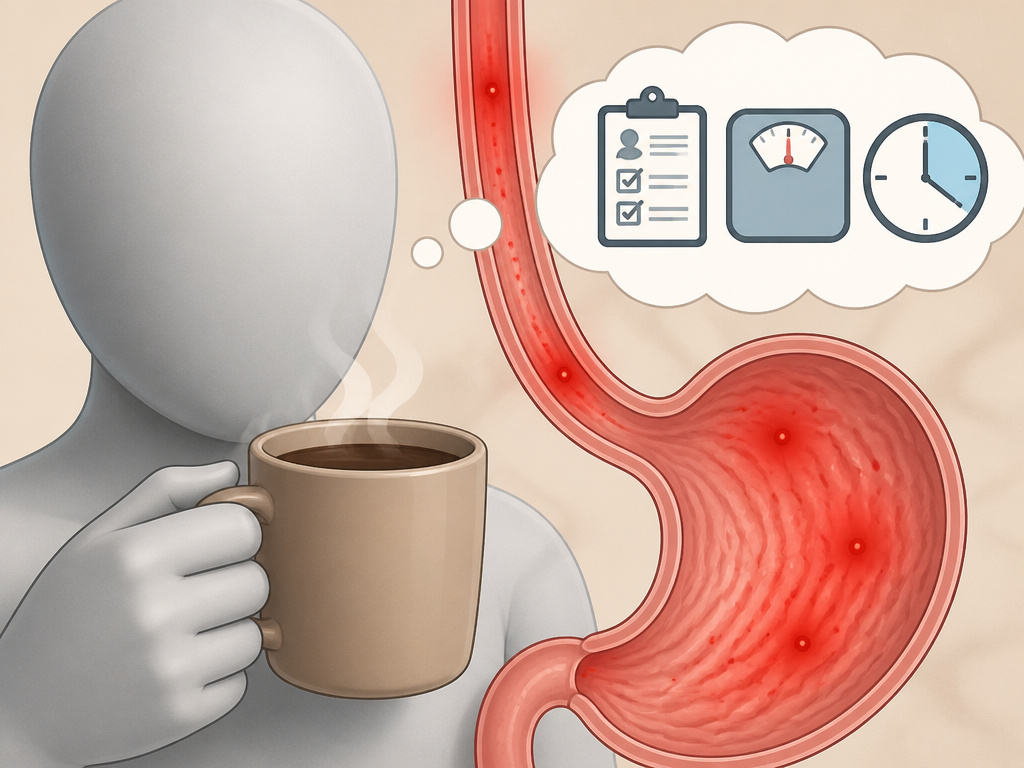
Self-management has its limits. If you experience frequent heartburn (more than twice a week), have difficulty swallowing, persistent nausea, or unexplained weight loss, consult a doctor. These can be signs of more serious conditions like erosive esophagitis or Barrett’s esophagus.
It’s also vital to consider coffee’s broader digestive effects. For some, coffee stimulates bowel movements so aggressively it can lead to loose stools or discomfort, which is a separate issue from acid reflux but equally important for quality of life. The research on coffee and digestion is complex.
Remember that coffee is rarely the sole actor. As noted in the PMC full-text research article on dietary factors, lifestyle plays a massive role. Weight management, avoiding late-night meals, and not lying down right after eating are often more impactful interventions than any dietary tweak. Stress reduction is non-negotiable; your gut is directly wired to your nervous system.
Frequently Asked Questions
Does decaf coffee help with acid reflux?
It can, but it’s not a guaranteed fix. Decaf removes caffeine, which may help if LES relaxation is your main issue. However, the other acid-stimulating compounds in coffee remain. Some people react to the decaffeination process itself. A study found only 13.6% of decaf drinkers had GERD versus 48.7% of “pure coffee” drinkers, suggesting a benefit, but individual results vary.
Is cold brew better for acid reflux?
Yes, overwhelmingly. The cold brewing process extracts significantly fewer acidic compounds and bitterness-causing elements. Most people with reflux tolerate cold brew far better than hot coffee. It’s the single most effective brewing change you can make.
What about tea versus coffee for reflux?
Tea, especially black and green tea, also contains caffeine and can be a trigger. However, the overall acidity of tea vs coffee is generally lower. Herbal, non-caffeinated teas like ginger or chamomile are typically the safest bets for a hot beverage if coffee is problematic.
Do darker roasts have less acid?
Yes. The extended roasting time breaks down chlorogenic acids. A dark roast will almost always be less acidic than a light or medium roast from the same bean. This makes them a better starting point for reflux sufferers.
Can adding milk to coffee reduce acidity?
small amount can buffer acidity slightly, but high-fat milk or cream can slow stomach emptying and potentially worsen reflux for some. A dairy alternative for coffee like almond or oat milk is often a better choice, as suggested in our look at acid reflux-friendly milks.
The Bottom Line
Is coffee bad for acid reflux? The science says it’s a modest risk factor at a population level, with a real dose-dependent relationship. The 3-4 cup daily mark is where the association solidifies. For you as an individual, the answer requires detective work.
Your best path is to methodically test your personal tolerance. Start with the mitigations that have the strongest backing: switch to a dark roast or low-acid bean, brew with cold water or a paper filter, always drink with food, and strictly limit your volume. Pay attention to other factors like stress and meal size—they might be the true villains.
Coffee is a complex beverage. Its effect on your gut is equally complex. You can likely find a way to enjoy it without the burn, but it demands moving beyond blanket statements and into personalized, evidence-based adjustments.
{
“@context”: “https://schema.org”,
“@type”: “HowTo”,
“name”: “How to Drink Coffee With Acid Reflux”,
“totalTime”: “PT2M”,
“tool”: [
{
“@type”: “HowToTool”,
“name”: “Low-acid or dark roast coffee beans”
},
{
“@type”: “HowToTool”,
“name”: “Cold brew maker or French press”
},
{
“@type”: “HowToTool”,
“name”: “Paper coffee filter”
}
],
“step”: [
{
“@type”: “HowToStep”,
“name”: “Choose Your Beans and Roast”,
“text”: “Select a dark roast or a coffee specifically marketed as low-acid. The longer roasting process breaks down more acid compounds.”
},
{
“@type”: “HowToStep”,
“name”: “Opt for a Gentler Brew Method”,
“text”: “Brew using a cold brew system or a French press with a paper filter. Cold brewing extracts fewer acidic compounds, and paper filters trap oils linked to irritation.”
},
{
“@type”: “HowToStep”,
“name”: “Mind Your Timing and Volume”,
“text”: “Drink your coffee with a meal, not on an empty stomach. Limit yourself to one, or at most two, cups per day to stay below the clinical risk threshold.”
},
{
“@type”: “HowToStep”,
“name”: “Consider Strategic Additives”,
“text”: “Add a splash of a low-fat dairy alternative like almond milk or a pinch of salt to your cup. These can buffer acidity and mitigate harsh flavors that might trigger discomfort.”
}
]
}
{
“@context”: “https://schema.org”,
“@type”: “FAQPage”,
“mainEntity”: [
{
“@type”: “Question”,
“name”: “Does decaf coffee help with acid reflux?”,
“acceptedAnswer”: {
“@type”: “Answer”,
“text”: “It can, but it’s not a guaranteed fix. Decaf removes caffeine, which may help if LES relaxation is your main issue. However, the other acid-stimulating compounds in coffee remain. Some people react to the decaffeination process itself. A study found only 13.6% of decaf drinkers had GERD versus 48.7% of \”pure coffee\” drinkers, suggesting a benefit, but individual results vary.”
}
},
{
“@type”: “Question”,
“name”: “Is cold brew better for acid reflux?”,
“acceptedAnswer”: {
“@type”: “Answer”,
“text”: “Yes, overwhelmingly. The cold brewing process extracts significantly fewer acidic compounds and bitterness-causing elements. Most people with reflux tolerate cold brew far better than hot coffee. It’s the single most effective brewing change you can make.”
}
},
{
“@type”: “Question”,
“name”: “What about tea versus coffee for reflux?”,
“acceptedAnswer”: {
“@type”: “Answer”,
“text”: “Tea, especially black and green tea, also contains caffeine and can be a trigger. However, the overall acidity of tea vs coffee is generally lower. Herbal, non-caffeinated teas like ginger or chamomile are typically the safest bets for a hot beverage if coffee is problematic.”
}
},
{
“@type”: “Question”,
“name”: “Do darker roasts have less acid?”,
“acceptedAnswer”: {
“@type”: “Answer”,
“text”: “Yes. The extended roasting time breaks down chlorogenic acids. A dark roast will almost always be less acidic than a light or medium roast from the same bean. This makes them a better starting point for reflux sufferers.”
}
},
{
“@type”: “Question”,
“name”: “Can adding milk to coffee reduce acidity?”,
“acceptedAnswer”: {
“@type”: “Answer”,
“text”: “small amount can buffer acidity slightly, but high-fat milk or cream can slow stomach emptying and potentially worsen reflux for some. A dairy alternative for coffee like almond or oat milk is often a better choice, as suggested in our look at acid reflux-friendly milks.”
}
}
]
}
