
Energy from Decaf Coffee: How It Works and What to Know
Decaf coffee does not give you a stimulant-based energy boost from caffeine, as it contains only 2-5 mg of caffeine per 8-ounce cup versus 95 mg in regular coffee. Any perceived energy comes from the placebo effect of the coffee ritual, the metabolic benefits of antioxidant polyphenols, or trace caffeine affecting highly sensitive individuals.
Most people get this wrong because they conflate “energy” with “stimulation.” They feel alert after a decaf and assume hidden caffeine is at work. The reality is subtler and hinges on psychology, biochemistry, and bean processing.
This guide breaks down the three real sources of decaf’s perceived power, exposes the limits of trace caffeine, and shows you how to choose a decaf that actually supports your system without the crash.
Key Takeaways
- Decaf’s trace caffeine (under 0.1%) is pharmacologically insignificant for energy; feeling alert is overwhelmingly a conditioned placebo response.
- The antioxidant polyphenols in quality decaf can slightly increase metabolic rate via mitochondrial uncoupling, a different pathway than caffeine’s adenosine blockade.
- Chemical decaffeination with solvents like methylene chloride can leave residues that cause headaches or gut irritation in sensitive people, masking any positive effects.
- Pairing decaf with L-theanine (found in green tea) can create a focused, calm alertness that mimics caffeine’s benefits without the jitters.
- For a true stimulant effect, you must switch to regular coffee or an energy drink; decaf is a caffeine-removed substitute, not a stimulant.
How Much Caffeine Is Actually in Your Decaf?
An 8-ounce cup of brewed decaf coffee contains between 2 and 5 milligrams of caffeine. The FDA standard for decaffeination requires removing at least 97.5% of the original caffeine. Your average cup of regular coffee packs 95 mg.
The math is clear. You would need to drink 20 cups of decaf to ingest the caffeine in one regular coffee. This trace amount is why the caffeine content in coffee is a primary differentiator. Your liver processes such a small dose in minutes. It does not reach the concentration needed to systematically block adenosine receptors in your brain, which is how caffeine creates its stimulating wake-up call.
Common mistake: Assuming a decaf espresso shot has meaningful caffeine. A single decaf espresso shot contains about 0-3 mg of caffeine, while a regular shot has 63 mg. Ordering a triple decaf latte does not add up to a regular coffee’s kick.
However, individual sensitivity exists. A subset of people, especially those who have abstained from caffeine for weeks, are extremely efficient at metabolizing it. For them, even 5 mg might cause a slight heart rate increase or a feeling of alertness. This is the exception, not the rule. It’s also short-lived.
TL;DR: The caffeine in decaf is a trace contaminant, not an active ingredient. It cannot cause the sustained energy boost associated with regular coffee.
The Decaf Energy Placebo: Mind Over Molecule?
The placebo effect from decaf coffee is powerful and real. It is driven by the ingrained ritual, the smell of grinding beans, the sound of the brewer, the warmth of the mug in your hands. Your brain has learned, over hundreds of repetitions, that this sequence precedes caffeine-induced alertness.
When you perform the ritual without the drug, your brain can still trigger a conditioned response. It releases a small amount of dopamine in anticipation of the reward. You feel a sense of focus and readiness. This isn’t fake energy. It’s your own neurochemistry being harnessed by habit.
The effect is strongest in habitual coffee drinkers who switch to decaf but maintain their morning routine. Breaking the ritual, drinking decaf cold from a can in the afternoon, often weakens the placebo lift significantly. The context is part of the cure.
I kept a bag of excellent decaf from a local roaster for evening cravings. For a week, I’d grind and brew it after dinner, feeling a familiar calm focus. Then I tried the same beans pre-ground, steeped cold in a mason jar. The mental lift vanished. The ritual was carrying half the weight.
This conditioned focus is a legitimate tool. It just isn’t chemical stimulation. It’s why many people find decaf “works” for them in the morning but fails as a pick-me-up at 3 PM.
The Real Biochemical Lift: Polyphenols, Not Caffeine
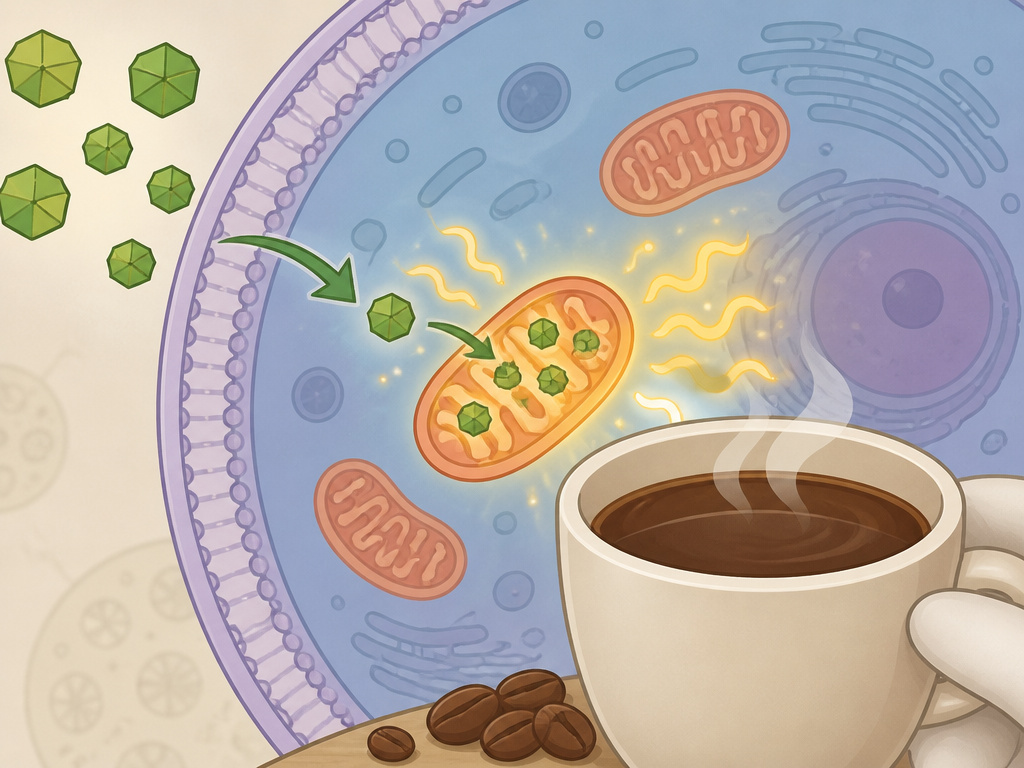
Quality decaf coffee retains most of the antioxidant compounds found in regular coffee, primarily polyphenols like chlorogenic acid. These substances have a documented, mild effect on metabolism through a process called mitochondrial uncoupling.
Think of your cells’ mitochondria as power plants. Caffeine works like an alarm clock for the plant manager. Polyphenols work differently, they make the power plant slightly less efficient, causing it to burn a bit more fuel (calories) to produce the same amount of energy. This creates a small increase in metabolic rate and thermogenesis.
Caffeine actually does uncouple mitochondria but so does the polyphenols in coffee so caffeinated coffee is a kind of a one-two punch for uncoupling mitochondria. If you can’t tolerate caffeine… just have water processed decaffeinate coffee.
This metabolic nudge is subtle. You won’t feel it as a jolt. It’s more of a background hum of slightly increased cellular activity that can contribute to a general sense of vitality over time. It’s one reason studies link decaf coffee consumption to similar long-term health benefits as regular coffee, including a reduced risk for certain diseases, as noted in a PubMed decaf coffee risk study.
To maximize this, you need decaf that preserves these compounds. Chemical solvent processes can strip more flavor and antioxidants. The Swiss Water Process or carbon dioxide (CO2) method are gentler.
| Decaffeination Method | Process | Impact on Polyphenols & Flavor |
|---|---|---|
| Swiss Water Process | Uses water saturation and carbon filters to remove caffeine. | Preserves the highest level of antioxidants and original flavor compounds. No chemical residues. |
| Carbon Dioxide (CO2) | Uses pressurized CO2 as a solvent to extract caffeine. | Excellent preservation of flavor and health compounds. Considered a clean, chemical-free method. |
| Chemical Solvents (Methylene Chloride, Ethyl Acetate) | Beans are steamed and rinsed with chemical solvents. | Can strip more volatile aromatics and antioxidants. May leave trace residues (though regulated). |
TL;DR: The polyphenols in your decaf can gently boost metabolism via mitochondrial uncoupling. This is a slow, background form of “energy” support, distinct from caffeine’s sharp stimulant effect.
Why Some Decaf Makes You Feel Worse (It’s Not the Caffeine)

If your decaf coffee leaves you feeling sluggish, irritable, or with a headache, the culprit is rarely missed caffeine. It’s usually one of three issues: poor bean quality, chemical processing residues, or the absence of your expected ritual.
First, decaf beans are often lower-grade crops because the decaffeination process is expensive. Roasters may use inferior beans knowing the process will alter the flavor profile anyway. A low-quality bean, whether caffeinated or not, brews a cup with more harsh acids and fewer pleasant sugars. Your body reacts to this chemical load with mild stress.
Second, and more critical, is the decaffeination method. The methylene chloride method, while FDA-approved within strict limits, leaves trace residues. For most people, this is harmless. For a sensitive subset, these residues can trigger inflammatory responses, headaches, or gut irritation. The European Food Safety Authority has repeatedly reviewed and tightened its limits on this solvent.
Common mistake: Blaming a decaf headache on “caffeine withdrawal.” If you switched from regular to decaf today, withdrawal is possible. If the headache appears after weeks of drinking the same decaf brand, suspect the bean quality or chemical residues.
Here is a simple diagnostic checklist for bad decaf reactions:
- Headache within 30 minutes: Likely linked to chemical solvent residues or extreme sensitivity to trace caffeine (rare).
- Upset stomach or acidity: Points to low-quality, high-acid beans or a roast that doesn’t agree with you.
- Mental fogginess or lethargy: This is the absence of the caffeine stimulant you’re conditioned to. Your brain is waiting for a chemical signal that never arrives.
The fix is to upgrade your decaf. Seek out roasters who specify their process, “Swiss Water Decaf” or “CO2 Decaf”, and who use high-quality origin beans. The difference in both flavor and physical tolerance is immediate.
How to Get Focused Energy from Decaf (A Practical Plan)

You can engineer a reliable, jitter-free state of focused alertness with decaf coffee. It requires acknowledging that you are not sourcing stimulation, but constructing an environment for calm concentration. This plan has three steps.
Step 1: Choose a superior decaf bean. This is non-negotiable. Buy Swiss Water or CO2 decaf from a reputable specialty roaster. The label should name the origin country (e.g., Colombia, Ethiopia). This ensures you get the polyphenol benefits and avoid negative side effects. The ritual starts with the quality of the grounds.
Step 2: Amplify the ritual. Brew your decaf with the same care as your regular coffee. Use your favorite method, pour-over, AeroPress, espresso machine. The sensory experience, the bloom, the aroma, intensifies the conditioned placebo response. This is your brain’s cue to enter “focus mode.”
Step 3: Pair for synergistic neurochemistry. This is the advanced move. Combine your decaf with a source of L-theanine, an amino acid that promotes alpha brain waves (calm alertness). L-theanine is famously found in green tea, which is why the health benefits of tea often highlight sustained focus. You have options: – Drink your decaf alongside a cup of green tea. – Take an L-theanine supplement (100-200 mg) with your decaf. – Enjoy a square of high-cocoa dark chocolate, which contains small amounts of theanine and caffeine.
This combination provides the clear-headed focus people often seek from caffeine, but without the anxiety or crash. It’s how you leverage decaf as a true functional beverage.
| Goal | Decaf Strategy | Why It Works |
|---|---|---|
| Morning Ritual Focus | Swiss Water decaf, brewed strong via your usual method. | Harnesses the full power of the placebo effect and polyphenols in a familiar context. |
| Afternoon Calm Alertness | CO2 decaf paired with 100mg L-theanine or a cup of green tea. | Creates a neurochemical state of focused relaxation, ideal for deep work. |
| Avoiding Negative Effects | Avoid brands that don’t disclose decaf method; never use stale or pre-ground decaf. | Eliminates triggers for headaches and gut issues, isolating the positive benefits. |
Decaf vs. Other “Energy” Sources
When you need actual stimulant energy, decaf is the wrong tool. Understanding its place in the spectrum of beverages prevents disappointment. Compare it to these common alternatives.
Decaf vs. Regular Coffee: This is the core comparison. Regular coffee’s caffeine blocks adenosine, leading to increased neuronal firing and adrenaline release. It’s a direct, reliable stimulant. Decaf offers the taste and polyphenols without this mechanism. Switching to decaf cuts the stimulant, not necessarily the sustained energy from coffee rituals that can come from pairing it with fats.
Decaf vs. Green/Black Tea: Tea provides less caffeine (20-60 mg) than coffee but adds L-theanine, which smooths the stimulant effect into a calm focus. A cup of black tea offers a mild lift. Decaf has virtually no caffeine, so it lacks even tea’s gentle stimulation unless you add L-theanine separately.
Decaf vs. Energy Drinks: This is no contest. A can of Monster Energy drinks or Red Bull energy drinks delivers a massive, rapid bolus of caffeine (often 80-150 mg) plus sugar and other stimulants like taurine. Decaf provides none of this. It is the polar opposite choice for someone avoiding pharmacological stimulation.
The verdict is clear. Use decaf for ritual, taste, and polyphenol benefits. Use tea for a balanced, gentle lift. Use regular coffee or energy drinks when you need a direct, potent stimulant effect. Confusing them leads to expecting the wrong outcome from your cup.
Frequently Asked Questions
Can decaf coffee wake you up?
Decaf coffee cannot “wake you up” through pharmacological stimulation because it lacks meaningful caffeine. It can promote alertness through the powerful placebo effect of your morning ritual and the gentle metabolic activity of polyphenols. If you are severely sleep-deprived, only sleep or a caffeinated beverage will provide a true wake-up signal.
Does decaf coffee have any calories or sugar?
Plain black decaf coffee has virtually no calories or sugar, just like regular black coffee. Any calories come from additives like milk, cream, or sweetener. It is a zero-calorie beverage on its own, which is why it’s often included in fasting protocols.
Is decaf coffee bad for your heart?
For most people, moderate decaf coffee consumption is not bad for your heart. Large-scale studies, including the one cited in the NIH health effects analysis, have not linked decaf to increased cardiovascular risk. In fact, the antioxidant polyphenols may offer protective benefits. Individuals with specific conditions like caffeine-sensitive arrhythmias should consult a doctor, though the trace caffeine in decaf is unlikely to be a trigger.
Why does decaf coffee sometimes taste bitter or flat?
Decaf can taste bitter or flat due to the decaffeination process damaging delicate flavor oils and sugars in the bean, or because roasters use lower-quality beans destined for decaf. Chemical solvent methods can impart a slight off-flavor. The Swiss Water Process is renowned for better flavor preservation, resulting in a cup that tastes much closer to high-quality regular coffee.
Can you drink decaf coffee before bed?
Yes, most people can drink decaf coffee before bed without it disrupting sleep, as it contains only trace amounts of caffeine. However, if you are extremely caffeine-sensitive, even this tiny amount could be perceptible. A more likely sleep disruptor is the acidity of coffee, which can cause discomfort for some. If sleep is a priority, finish your decaf at least an hour before bedtime.
The Bottom Line
Decaf coffee does not give you energy in the way the word is commonly used, it is not a stimulant. Its value lies elsewhere. A high-quality, well-brewed cup provides the deep satisfaction of ritual, the health-supporting benefits of antioxidants, and the option to enjoy coffee’s culture without caffeine’s side effects.
The feeling of alertness it provides is real, but it’s manufactured by your brain’s expectations and your cells’ mild metabolic response, not by a drug. Choose your decaf like you choose your regular coffee: prioritize the processing method and the roaster’s quality. When you need focus, pair it strategically. When you need a jolt, reach for something else entirely. Understand its role, and decaf becomes not a compromise, but a purposeful tool in your daily routine.
