
Dehydration & Coffee: Does Your Daily Cup Dry You Out?
This post contains affiliate links. As an Amazon Associate, we earn from qualifying purchases.
Coffee does not cause dehydration for the vast majority of regular drinkers. The fluid in the cup outweighs caffeine’s mild diuretic effect, especially once tolerance develops. For a non-habitual drinker consuming a very high dose (above 4.5 mg per kg of body weight, or roughly three strong coffees at once), a net fluid loss of about 300ml over three hours is possible, but this is easily offset by drinking a single extra glass of water.
The myth persists because people feel the urge to urinate after coffee and mistake a bodily process for a deficit. They see the output, not the net balance.
Let’s break down the physiology, the research, and the practical rules that separate a mild diuretic from a dehydrating agent.
Key Takeaways
- Regular coffee drinkers develop a tolerance; caffeine’s diuretic effect is negligible for them, making coffee count toward daily hydration.
- The danger zone is a high single dose (300-400mg+) for someone not used to caffeine, which can cause a short-term net fluid loss.
- Dehydration is a clinical state of imbalance, not simply needing to pee. Coffee alone is extremely unlikely to cause it.
- The fluid in your coffee mug provides more water than the caffeine takes away, resulting in a net hydration gain.
- Listening to your body (thirst, urine color) is more reliable than following arbitrary “water offset” rules.
How Caffeine Actually Affects Your Water Balance
Caffeine is a mild diuretic. It tells your kidneys to pull a bit more sodium into the urine. Water follows sodium. The result is a slight increase in urine volume.
That’s the simple part everyone knows. The nuance is in the dose and the history.
A landmark review in the Journal of Human Hypertension concluded there is “no evidence that typical caffeine consumption (up to 400 mg/day) results in chronic dehydration in healthy individuals.” The fluid consumed with caffeinated beverages largely offsets the diuretic effect, and regular consumers develop a tolerance.
For a habitual drinker, that morning cup triggers almost no extra urine output compared to drinking the same volume of water. Your body has adapted. The NIH study on moderate coffee intake supports this, showing coffee contributes to daily fluid requirements without negative hydration balance.
The problem starts with big numbers and fresh systems. A study published in the International Journal of Sport Nutrition and Exercise Metabolism found that an acute dose of 4.5 mg of caffeine per kilogram of body mass increased urine output in caffeine-naive individuals. For a 165-pound person, that’s about 300mg of caffeine, the amount in a large, black Starbucks brewed coffee.
If that person isn’t used to it, they might lose an extra 200-300ml of water over the next few hours. That’s one small glass.
TL;DR: Caffeine is a weak diuretic that your body learns to ignore with regular consumption. A huge, one-off dose for a novice can cause minor short-term fluid loss.
The Tolerance Factor: Why Regulars Win
Your first ever cup of coffee probably sent you to the bathroom. Your hundredth did not. This isn’t anecdote; it’s documented physiology.
Tolerance to caffeine’s diuretic effect develops quickly, often within four to five days of consistent intake. The body’s adenosine receptor system, which caffeine blocks, adjusts. The kidney’s response dampens. What was once a noticeable signal becomes background noise.
This is why studies on “regular coffee drinkers” find no meaningful difference in hydration status between a coffee-only day and a water-only day. The Mayo Clinic caffeine FAQ notes this tolerance, stating that caffeinated drinks can contribute to your daily fluid needs.
| Drinker Profile | Diuretic Effect | Net Hydration | Key Reason |
|---|---|---|---|
| Habitual (1-2 cups/day) | Negligible | Positive (coffee = water) | Strong physiological tolerance |
| Novice (First-time) | Mild to Moderate | Slightly Positive | Body not yet adapted; fluid still offsets loss |
| Novice + High Dose (300mg+) | Significant | Potentially Slightly Negative | Dose overwhelms naive system before tolerance |
The table shows the spectrum. For most people living in the first row, worrying about coffee dehydrating you is like worrying a rain shower will cause a flood. The system is built to handle it.
Common mistake: Assuming your first-time experience with a strong cold brew applies to your daily morning ritual, your body adapts, and the effect diminishes almost completely.
When Coffee Might Tip the Scales (The Edge Cases)
Coffee is not a universal hydration neutralizer. Certain conditions shift the math from “fine” to “pay attention.”
The Caffeine-Naive, High-Dose Scenario: This is the person who never drinks coffee but downs a large cold brew or a triple-shot espresso drink. As the Armstrong et al. study noted, this can lead to a short-term net fluid loss. It’s temporary and correctable, but it’s real.
Extreme Endurance Athletes in Training: During prolonged, intense exercise in heat, every physiological advantage counts. Some sports nutritionists advise avoiding caffeine in the hours before such events to eliminate even a minor diuretic variable. For a weekend gardener or office worker, this is irrelevant.
Individuals with Specific Kidney or Heart Conditions: For those managing fluid balance due to heart failure or certain kidney diseases, any diuretic effect matters more. These individuals should follow their doctor’s specific guidance, which may include limiting caffeine.
The “Coffee-Only” Day: If someone attempts to meet all their fluid needs solely through strong black coffee, they might edge toward a negative balance. It’s a theoretical scenario more than a practical one, as most people consume other fluids and foods.
The Cleveland Clinic health article on this topic rightly focuses on typical consumption, noting the risk is minimal for the general population. The edge cases are just that, edges.
Practical Hydration Strategies for Coffee Lovers
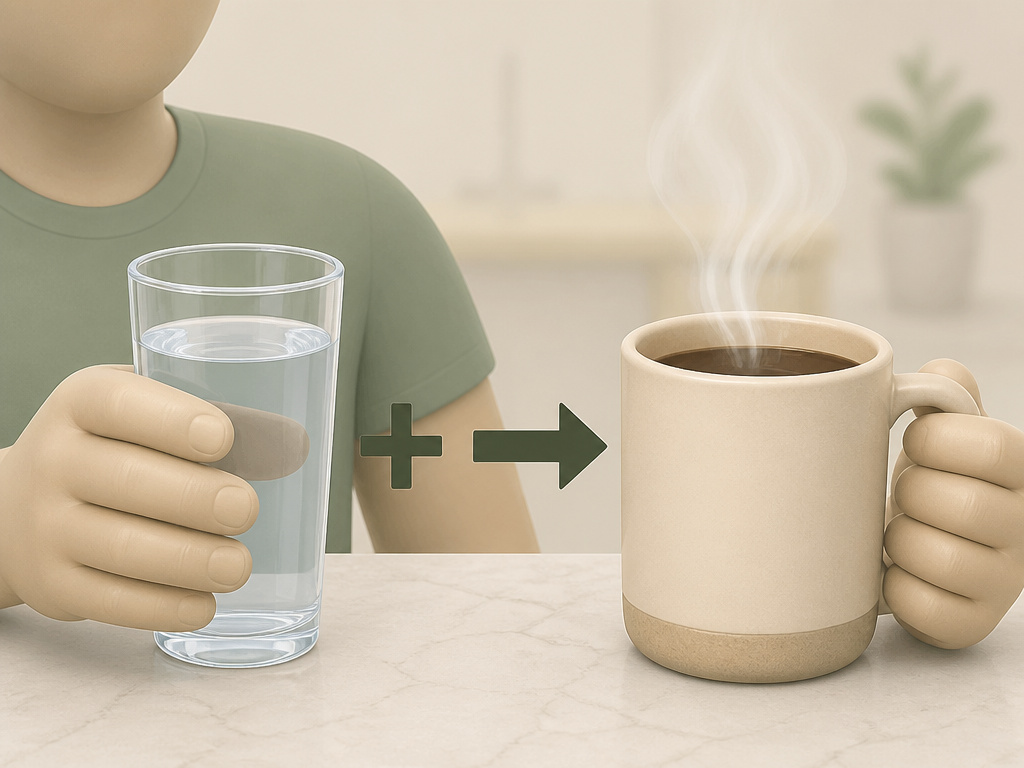
Forget the old myth about drinking one glass of water for every cup of coffee. That’s a useless rule born from misunderstanding. Instead, follow these steps.
- Count Your Coffee. For regular drinkers, your morning mug, afternoon latte, and evening decaf all contribute to your daily fluid intake. A 2010 study in the Journal of the American College of Nutrition confirmed that caffeinated beverages contribute to the daily fluid requirement. Start counting them.
- Front-Load with Water. Drink a glass of water first thing in the morning. It’s a simple habit that ensures you start the day in positive fluid balance before your coffee ritual begins. This is especially useful if you’re a one-cup-a-day person.
- Know Your Dose. Be roughly aware of your caffeine intake. A standard home-brewed cup has about 95mg. A grande Starbucks brewed coffee has over 300mg. If you’re venturing into high-dose territory and you’re not a regular, have that extra glass of water handy.
- Listen to Your Body, Not the Clock. Hydration needs are personal. The best indicators are thirst and urine color (aim for light straw). If you feel dizzy, get a headache, or notice very dark urine, you need more fluids, likely from water, not more coffee.
- Adjust for Environment. Hot days, dry air, and exercise increase fluid loss. On these days, your coffee still counts, but your total fluid needs are higher. Increase your water intake proportionally.
These steps acknowledge coffee’s role in your diet without villainizing it or creating unnecessary anxiety. Your coffee and digestion are linked, and so are your coffee and hydration, both are manageable with awareness.
Who Should Be Cautious About Coffee and Fluids?
While most people can enjoy coffee without a second thought, a few groups should be more mindful.
Pregnant and Breastfeeding Individuals: Caffeine metabolism changes during pregnancy, and caffeine passes into breast milk. While moderate intake is generally considered safe, fluid needs are also higher. Consulting a healthcare provider for personalized advice is wise. Our guide on caffeine while breastfeeding covers the specific timing and limits recommended by health authorities.
People Managing High Blood Pressure: Caffeine can cause a short-term spike in blood pressure. For those with hypertension, monitoring this effect is important, though long-term studies often show no increased risk from moderate coffee consumption. Understanding your personal coffee and heart health response is key.
Those with Overactive Bladder or Certain Kidney Conditions: The diuretic effect, though mild, can exacerbate symptoms for some. If you have a condition that affects fluid balance or bladder control, discuss caffeine intake with your doctor.
For the average healthy adult, these cautions don’t apply. The research is clear: moderate coffee consumption is not a dehydration risk.
Frequently Asked Questions
Does the type of coffee matter for dehydration?
Yes, but only because of the caffeine concentration. A single shot of espresso (about 64mg caffeine) in a small volume has a higher caffeine density than a large Americano made with the same shot and added water. The total caffeine dose is what matters, not the brew method itself. Compare espresso caffeine content to brewed coffee to understand the differences.
Do I need to drink extra water if I drink coffee every day?
No. If you are a regular coffee drinker, your body has developed tolerance. The coffee itself provides the fluid that offsets its mild diuretic action. Your total fluid intake should meet your body’s needs, with coffee counted as part of that intake. You only need extra water if your total intake is insufficient, not because you drank coffee.
Can drinking coffee help with hydration?
For regular consumers, yes, absolutely. The fluid in coffee is just that, fluid. Studies comparing hydration status in people drinking only coffee versus only water show no significant difference in total body water for habitual drinkers. Coffee is a hydrating beverage for this group.
What about tea versus coffee?
Tea contains less caffeine per typical serving than coffee, so its diuretic effect is generally even milder. Both contribute to daily fluids. The choice between them often comes down to health benefits comparison and personal taste, not hydration concerns.
Will adding milk or sugar change the hydration effect?
Adding milk increases the total volume of fluid and adds electrolytes like sodium and potassium, which can actually aid in water retention. Sugar in high amounts can have an osmotic effect, but the small amount typically added to coffee is negligible. Be mindful of the calorie content in coffee with additions, but don’t worry about hydration.
The Bottom Line
The fear that coffee dehydrates you is a medical myth that has outlived its science. For the regular drinker, which describes most coffee enthusiasts, that morning cup is as hydrating as a glass of water. Your body is smarter than the old warnings.
The real risk isn’t dehydration from your daily brew. It’s missing out on a beloved ritual because of outdated advice. Pay attention to your own body’s signals, count your coffee toward your fluids, and enjoy it. If you ever move into the high-dose, novice territory, the fix is simple: have a glass of water too. That’s it.
Your coffee habit is fine. Your hydration is fine. Now you know why.
