
Does Coffee Break a Fast? | The 3 Mechanisms That Decide
Plain black coffee does not break a fast for most people. A standard 240ml cup contains about three calories and negligible macronutrients, which is insufficient to trigger a significant metabolic shift that would halt fasting benefits like fat burning or autophagy. The primary risk comes from additives, sugar, milk, cream, and even some artificial sweeteners, which introduce calories and can spike insulin.
Most people get this wrong because they focus on calorie counts from blogs instead of the underlying metabolic mechanisms. They follow the “under 50 calories” rule without understanding what those calories actually do inside a fasted body. This guide cuts through the noise by explaining the three specific biological processes that define a broken fast, what the peer-reviewed science actually says, and how to tailor your coffee ritual to your specific fasting goals.
Key Takeaways
- Black coffee’s ~3 calories per cup are metabolically negligible for most, but its caffeine can acutely raise blood glucose in some individuals, this variability is key.
- Adding any form of sugar, dairy, or creamer introduces calories and macronutrients that will break a fast by triggering an insulin response and halting autophagy.
- The popular “under 50 calories” rule has no basis in published science; the goal is zero calories from protein, carbs, or fat.
- If you must add something, a teaspoon of pure fat (heavy cream, MCT oil) is least disruptive, but it still adds calories and moves you away from a pure fast.
- Your fasting goal matters: strict autophagy seekers should stick to water; those fasting for simple calorie restriction have more flexibility.
The 3 Metabolic Mechanisms That Define a Broken Fast
To answer “does coffee break a fast,” you need to know what “break” means in your body. It’s not a light switch. It’s three overlapping physiological processes. Ignoring this is why generic advice fails.
First, there’s insulin secretion. This hormone is the storage signal. Its job is to clear glucose from your bloodstream. When insulin is elevated, fat burning (lipolysis) stops. The 2018 meta-analysis by Zhang et al. in the Journal of Nutritional Biochemistry confirmed caffeine can cause an acute, temporary rise in both glucose and insulin. For some people, black coffee alone might cause this small spike.
Second is autophagy. This is the cellular cleanup process many fast to activate. The 2019 study in Nutrients by Kim et al. looked at gene expression during water-only fasting. While it didn’t test coffee, it established the baseline: autophagy is upregulated in a fasted, resting metabolic state. The question is whether coffee’s compounds act as a metabolic interrupt.
Third is the xenobiotic metabolism argument. This is the technical term for your liver processing foreign compounds. As highlighted in one YouTube expert discussion, caffeine and other plant compounds in coffee and tea are xenobiotics. Your liver must metabolize them. This process requires energy and enzyme activity, which some purists argue constitutes a “break” because your body is no longer in a pure resting state.
Black coffee contains approximately 3 calories and 100mg of caffeine per 240ml (8oz) cup. The caffeine is a xanthine alkaloid metabolized by liver enzymes (CYP1A2), and acute consumption can transiently increase plasma glucose levels by 5-10% in susceptible individuals, as noted in a 2018 systematic review of randomized trials.
TL;DR: A fast is “broken” when you trigger insulin, halt autophagy, or force significant liver metabolism. Black coffee flirts with all three mechanisms but usually stays below the threshold for a metabolic shift.
What Absolutely Breaks a Fast (and Why)
This is non-negotiable. If your fasting goal is metabolic rest or autophagy, adding these to your coffee ends it immediately. The timeline is minutes, not hours.
Sugar and Syrups
Adding a teaspoon of sugar, honey, agave, or flavored syrup introduces pure carbohydrates. This causes a direct blood sugar spike. Your pancreas releases insulin to manage it. Fat burning halts. Even small amounts matter. A single packet of sugar has about 16 calories, all from carbs.
Dairy and Creamers
Milk, half-and-half, and flavored creamers add both carbohydrates (lactose) and protein. A splash of whole milk might only be 10 calories, but those calories come from macros that require digestion and provoke an insulin response. The protein casein is particularly metabolically active.
Artificial and “Zero-Calorie” Sweeteners
This is the gray area that trips people up. Sweeteners like sucralose, aspartame, and stevia may not have calories, but their sweet taste can trigger a cephalic phase insulin response, your brain anticipates sugar and primes the pancreas. Studies are mixed, but the risk is real. For a pure fast, they’re out.
Common mistake: Adding a “splash” of milk because it’s “only a few calories”, the lactose and protein trigger an insulin response that shuts down lipolysis within 15-20 minutes, negating the primary fat-burning benefit of the fast.
If your coffee currently includes any adding sugar to coffee or adding milk to coffee, you are not fasting. It’s that simple.
The Gray Area: Fats, Oils, and Non-Caloric Additives
Some additions live in a debatable middle ground. They might not spike insulin, but they still provide calories and engage digestion. Your choice here depends entirely on your fasting “why.”
Fats: Heavy Cream, Butter, MCT Oil, Coconut Oil
Pure fats like a teaspoon of heavy cream, butter, or MCT oil in coffee have a minimal effect on blood sugar and insulin. This is the core of the “bulletproof” concept. However, they do contain calories (about 50 per teaspoon of cream). These calories will be used for energy, which means your body isn’t relying solely on stored fat.
- For weight loss / calorie restriction: A small amount might be acceptable, as it keeps you in a net calorie deficit.
- For autophagy / metabolic reset: Any calorie intake, especially fat, signals “fed state” at a cellular level and may dampen the process.
Spices: Cinnamon, Salt, Cocoa Powder
Dry spices like cinnamon in coffee or a pinch of salt are virtually calorie-free and don’t affect insulin. They are likely safe from a strict metabolic perspective. However, they are still xenobiotics your body must process.
Non-Dairy Milks
Unsweetened almond milk in coffee is low-calorie but not zero-calorie. Even a quarter cup has about 10 calories from small amounts of fat and protein. It’s better than dairy, but it’s not water.
| Additive | Calories (per tsp) | Insulin Impact | Breaks a Pure Fast? |
|---|---|---|---|
| Sugar / Syrup | 16-20 | High | Yes |
| Whole Milk | 5-9 | Moderate | Yes |
| Heavy Cream | ~17 | Very Low | Debatable (adds calories) |
| MCT Oil | ~40 | Negligible | Debatable (adds calories) |
| Cinnamon | <1 | None | Probably Not |
| Artificial Sweetener | 0 | Possible (cephalic) | Likely (for autophagy) |
How Your Fasting Goal Changes the Answer
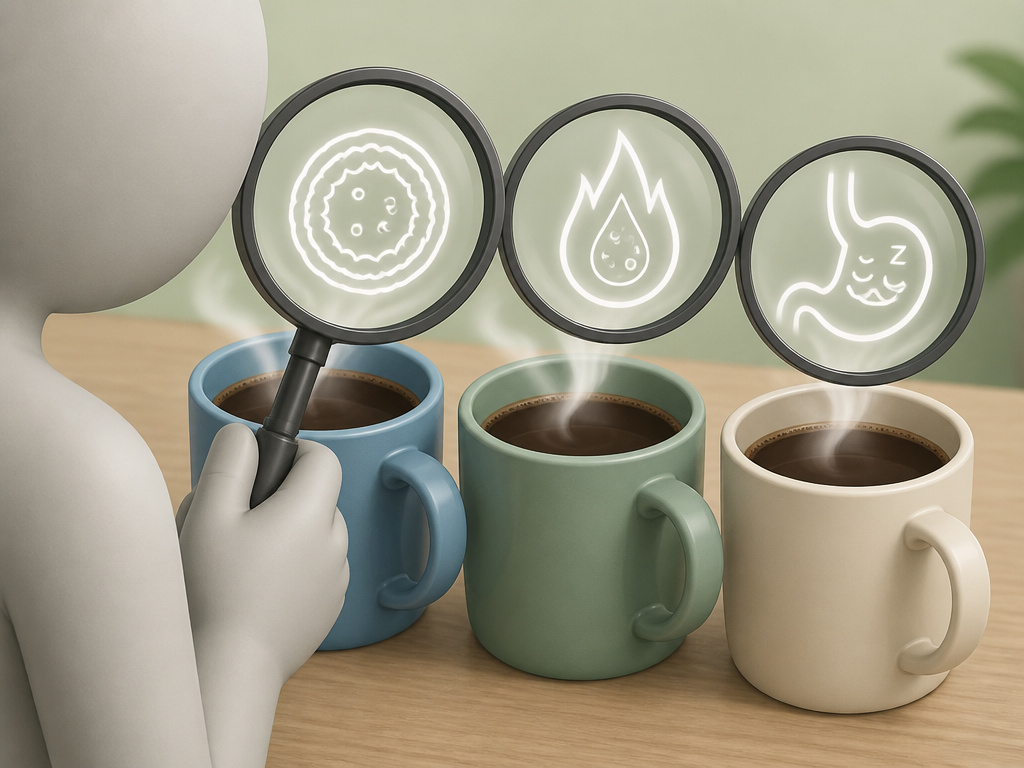
“Does coffee break a fast?” isn’t one question. It’s three different questions depending on what you want from the fast.
If Your Goal is Autophagy (Cellular Cleanup)
You are aiming for the metabolic state studied in the Nutrients paper. Here, purity is paramount. Any ingestion beyond water introduces variables. Black coffee, while low-impact, is a xenobiotic. The purist, and most scientifically strict, answer is yes, it technically breaks the fast. For maximal autophagy, drink water.
If Your Goal is Weight Loss / Fat Burning (Intermittent Fasting)
You are primarily extending the period of low insulin to burn stored fat. The acute insulin spike from black coffee is negligible for most. The 3 calories are irrelevant to daily energy balance. Black coffee is a powerful tool here. It suppresses appetite and provides energy. It does not break your fast for this purpose. Avoid all additives with carbs or protein.
If Your Goal is Gut Rest (Digestive Reset)
You are giving your gastrointestinal tract a break from processing food. Here, anything that triggers digestive enzymes or bile release is a break. Coffee, even black, is a well-known stimulant of gastric acid and colonic motility (read about coffee’s digestive effects). For a true gut rest, coffee is counterproductive.
The Caffeine Factor: More Isn’t Better
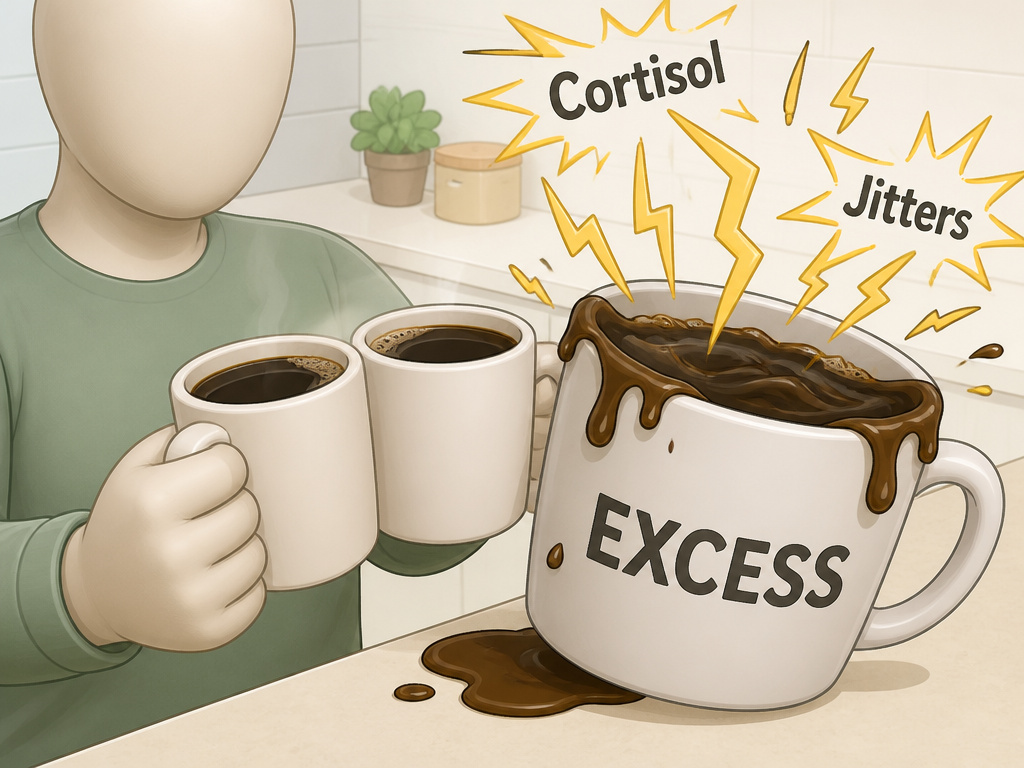
Ignoring caffeine content is a mistake. While one to two cups of plain black coffee are generally fine, overdoing it creates its own problems that mimic a broken fast.
Excessive caffeine on an empty stomach can:
* Raise cortisol: This stress hormone can increase blood sugar, prompting an insulin response.
* Cause jitters and hunger: The subsequent energy crash often triggers cravings, making the fast harder to sustain.
* Disrupt sleep: Poor sleep ruins insulin sensitivity, undermining the long-term benefits of fasting.
Limit yourself to 200-300mg of caffeine during your fasting window, that’s about two standard cups of coffee. If you’re sensitive, one is enough.
Frequently Asked Questions
Does black coffee break an intermittent fast for weight loss?
No, for the goal of weight loss and fat burning, black coffee does not break your fast. Its minimal calories and lack of protein/carbs do not trigger a significant insulin response that would halt lipolysis for most people. It is a useful tool for suppressing appetite.
Will a teaspoon of cream or coconut oil break my fast?
It depends on your goal. For strict autophagy, yes, it adds calories and signals intake. For weight loss, a single teaspoon of pure fat like heavy cream or coconut oil in coffee is unlikely to affect insulin or pull you out of fat-burning, but it does add calories to your daily count.
What about artificial sweeteners like stevia in my coffee?
Current evidence suggests artificial sweeteners may break a fast, especially for autophagy. The sweet taste can trigger insulin release via the cephalic response, even without calories. For the purest fast, avoid them.
How many cups of coffee can I have while fasting?
Stick to one or two standard 8-ounce cups during your fasting window. This keeps caffeine in a moderate range (under 300mg) and minimizes any potential cumulative effect on glucose or cortisol. Timing matters less than total amount.
The Bottom Line
The answer lives in your own physiology and your goal. For the majority using intermittent fasting for weight management, black coffee is a steadfast ally. Its benefits for adherence outweigh its negligible metabolic footprint. But if you’re fasting for deep cellular repair or a true digestive reset, the only guaranteed path is water.
Stop using the meaningless “under 50 calories” rule. Start thinking in terms of insulin, autophagy, and metabolic interruption. Listen to your body. If your coffee triggers hunger or anxiety, your system is responding. That’s your data point.
Finally, be honest about your additives. That sweetened coffee or dairy in coffee has a metabolic cost. Choose your goal, then choose your cup.
