
Does Black Coffee Raise Blood Sugar? The Risk vs The Spike
Black coffee does not contain carbohydrates, so it does not directly raise blood sugar from a nutritional standpoint. However, the caffeine in black coffee can cause an acute, temporary spike in blood glucose by reducing insulin sensitivity, particularly in individuals with type 2 diabetes or those who are not habitual coffee drinkers.
Most people get this wrong because they assume “no sugar equals no spike.” They miss the stimulant effect. Caffeine triggers a hormonal chain reaction that can dump glucose into your bloodstream, a fact that continuous glucose monitor (CGM) users see firsthand.
This guide breaks down the science behind the paradox: why a single cup might spike you today, yet drinking coffee for years is linked to a lower risk of developing type 2 diabetes. We’ll cover the mechanisms, the critical differences between acute and chronic effects, and what you should do based on your own health.
Key Takeaways
- Caffeine can cause an acute blood sugar spike by reducing insulin sensitivity, an effect most pronounced in people with type 2 diabetes or caffeine sensitivity.
- Long-term coffee consumption is associated with a 9% lower risk of developing type 2 diabetes per additional daily cup, largely due to antioxidants like chlorogenic acids.
- The conflict between the immediate spike and long-term protection is called the “acute vs. chronic paradox.”
- If you use a CGM and see a spike from black coffee, you are likely caffeine-sensitive; switching to decaf may eliminate the response.
- Adding cinnamon to coffee or healthy fats like coconut oil can help blunt a glucose spike by slowing absorption.
The Acute vs. Chronic Paradox
You can find two seemingly opposite facts about coffee and blood sugar. One says it spikes glucose. The other says it protects against diabetes. Both are true.
The acute effect is about caffeine. The 2005 review in the Journal of the American College of Nutrition is clear: caffeine impairs insulin sensitivity. It does this by increasing catecholamines like adrenaline. Your body enters a mild “fight or flight” state. To prepare for action, your liver releases stored glucose and your muscles become temporarily resistant to insulin’s signal to take up that glucose. The result is a measurable rise in blood sugar, visible on a meter within 30-60 minutes.
Caffeine ingestion induces acute insulin resistance by antagonizing adenosine receptors, leading to increased epinephrine release and subsequent stimulation of hepatic glucose production while inhibiting glucose uptake in skeletal muscle.
The chronic effect is about everything else in the coffee bean. The 2014 meta-analysis in Diabetes Care, which looked at over a million people, found each daily cup was tied to a 9% lower risk of type 2 diabetes. This benefit is attributed to polyphenols, primarily chlorogenic acids. These compounds have been shown to improve insulin sensitivity and slow the absorption of sugar from your gut over time. They work on a different, slower pathway than caffeine.
TL;DR: Caffeine can spike you now. Coffee’s antioxidants protect you later. Your personal result depends on which force is stronger for your body.
How Caffeine Triggers a Glucose Response
The process is hormonal, not dietary. Since black coffee has zero carbs, the sugar has to come from you.
First, caffeine blocks adenosine receptors in your brain and fat cells. Adenosine promotes relaxation and insulin sensitivity. Blocking it signals stress. Your adrenal glands then release epinephrine (adrenaline). This is the same hormone that makes your heart race if you have too much coffee.
Epinephrine tells your liver to start breaking down glycogen into glucose. It’s an ancient survival mechanism—fuel for fight or flight. Simultaneously, epinephrine makes your muscle cells temporarily ignore insulin. They refuse to open their gates to take in the circulating glucose. So, liver output goes up. Muscle uptake goes down. Blood sugar rises.
This effect is dose-dependent and person-dependent. A 2009 randomized controlled trial in the Journal of Clinical Endocrinology & Metabolism proved it. They gave people with type 2 diabetes caffeinated coffee, decaf, or water. The caffeinated coffee group saw significantly higher post-meal glucose and insulin spikes compared to the others.
Common mistake: Assuming a flat CGM line after one cup means you’re immune — two or three cups might cross your personal threshold and trigger the release.
The timeline is specific. The spike typically starts 30-45 minutes after drinking, peaks around 60-90 minutes, and should return to baseline within 2-3 hours if you are otherwise healthy. If the elevation persists, it suggests underlying insulin resistance is being unmasked.
Who Is Most Likely to See a Spike?
Not everyone will. If you drink multiple cups daily, you’ve likely built a tolerance to caffeine’s metabolic effects. Your body adapts. The YouTube testers who saw no movement probably fall into this category. For them, the question of coffee and heart health might be a bigger concern than blood sugar.
The reaction is strongest in three groups.
Individuals with Type 2 Diabetes or Prediabetes
This is the most critical group. The 2009 RCT evidence is definitive: caffeinated coffee worsens acute glucose control in diabetics. Their insulin signaling is already impaired. Adding caffeine-induced insulin resistance on top of that is like pouring water into a boat with a slow leak—it accelerates the problem. For them, monitoring with a CGM after black coffee is non-negotiable.
Non-Habitual Coffee Drinkers
If you only drink coffee occasionally, your body hasn’t adapted. The adenosine blockade and adrenaline surge are more pronounced. A single cup can provoke a noticeable glucose release. This is a classic example of an individual edge case where general advice fails.
The Genetically Caffeine-Sensitive
Some people metabolize caffeine slowly due to their CYP1A2 gene variant. For them, caffeine lingers longer, prolonging its effects. This group might also experience stronger cardiovascular effects of coffee, like elevated heart rate or blood pressure, alongside the glucose spike.
| Group | Likelihood of Acute Spike | Primary Mechanism | Recommended Action |
|---|---|---|---|
| Type 2 Diabetic | Very High | Caffeine exacerbates existing insulin resistance. | Test with a meter; strongly consider switching to decaf. |
| Non-Regular Drinker | High | No tolerance to caffeine’s adrenergic effects. | Introduce coffee slowly; expect an adaptation period. |
| Habitual Drinker (Healthy) | Low | Metabolic tolerance blunts the glucose-mobilizing effect. | Continue routine; focus on long-term polyphenol benefits. |
The Protective Power of Chlorogenic Acids
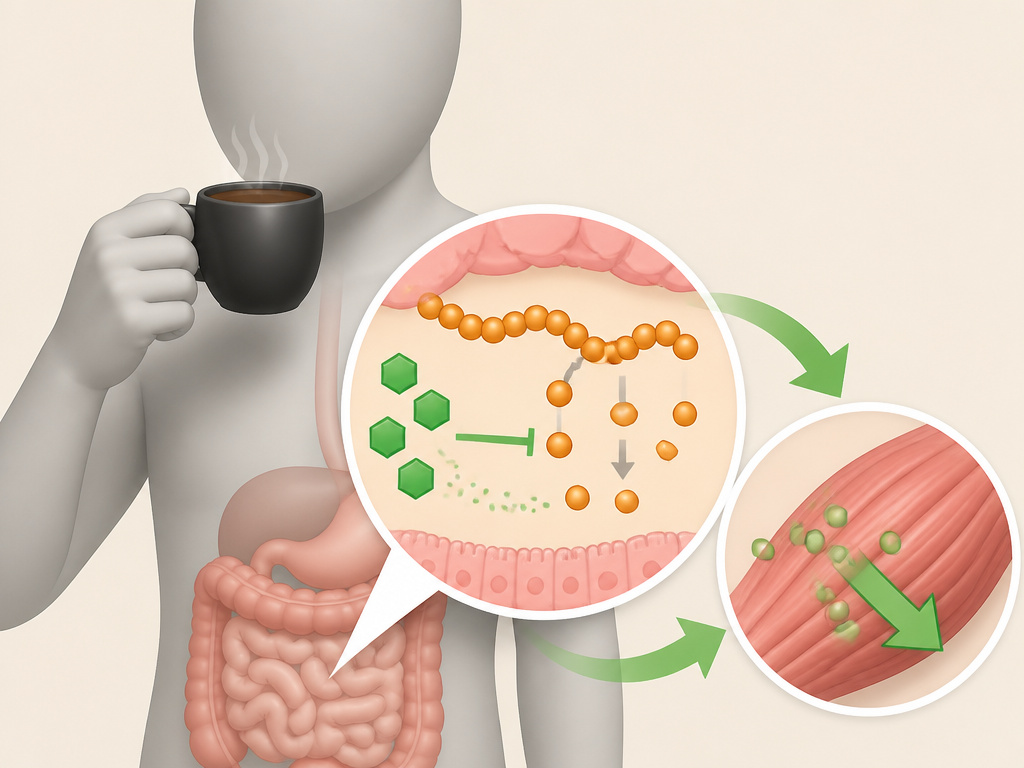
While caffeine works in hours, chlorogenic acids work in years. They are the reason the long-term data is so positive.
Chlorogenic acids are potent antioxidants abundant in coffee. They modulate glucose metabolism in several ways. They inhibit the enzyme alpha-glucosidase in your small intestine, which slows the breakdown and absorption of carbohydrates from a meal. This leads to a slower, lower rise in post-meal blood sugar. They also improve insulin sensitivity in peripheral tissues over time and reduce inflammation.
A 2024 study in npj Science of Food added a fascinating layer. It found different coffee consumption patterns influence long-term blood sugar control (HbA1c) via changes in gut microbiota, specifically by enhancing propionic acid-producing bacteria. This gut microbiota coffee effects research points to a prebiotic-like action, where coffee compounds shape a gut environment that supports better metabolic health.
This is the chronic benefit. It’s cumulative and separate from the daily caffeine drama. It’s also why focusing solely on the acute spike gives an incomplete picture. The very drink that might bump your glucose 10 points today could be helping to keep your A1c 0.5 points lower a decade from now.
What This Means for Your Daily Cup
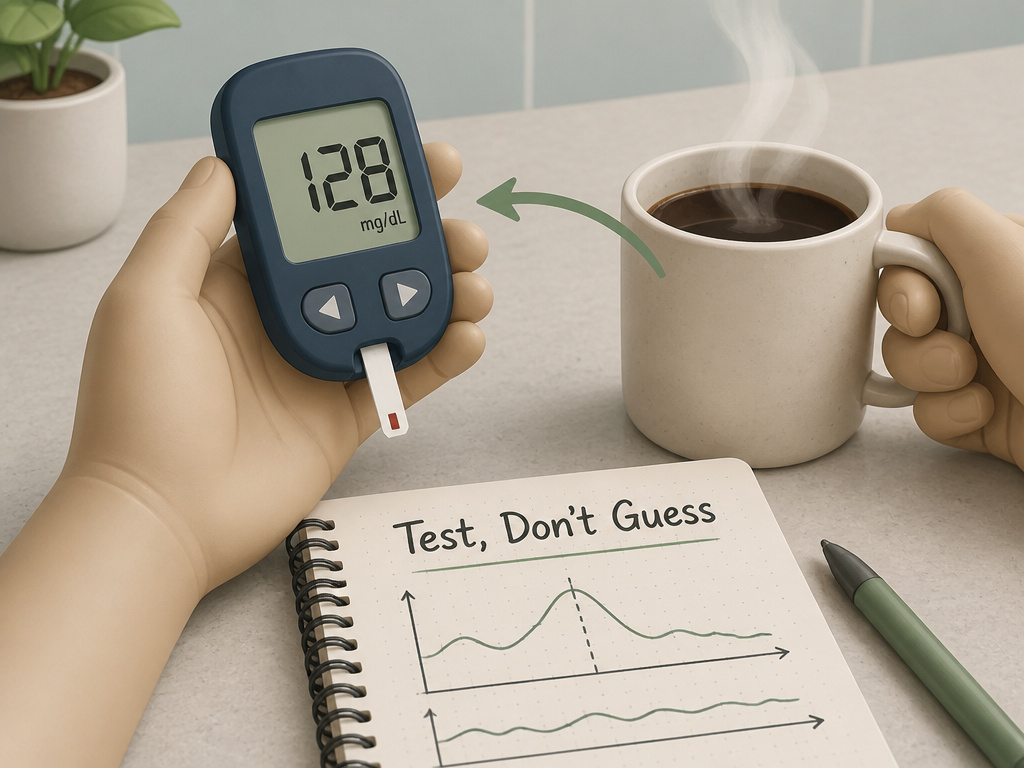
Your strategy depends on your goals and your body’s signals. The one-size-fits-all answer is useless.
If You Are Managing Diabetes or Prediabetes:
- Test, Don’t Guess. Use your glucose meter 60 and 120 minutes after your morning black coffee. Data is everything.
- Switch to Decaf. The 2009 RCT showed decaf did not raise glucose in diabetics. You get the chlorogenic acids without the caffeine penalty.
- Mind Your Additives. If you need to add something, choose a low-sugar coffee addition like unsweetened almond milk. Avoid sweeteners that add fast carbs.
If You Are Healthy and Use a CGM:
- Look for the Pattern. A single, small spike (under 15 mg/dL) that returns to baseline quickly is likely insignificant. A sustained climb merits attention.
- Consider Your Dose. One cup may do nothing. Three cups on an empty stomach might. Space them out.
- Blunt the Spike. Have your coffee with a meal, or add a fat like MCT oil in coffee. Fat slows gastric emptying and can mitigate the caffeine-triggered glucose release.
If You Drink Coffee for Long-Term Health:
- Focus on Quality. Freshly ground beans have higher antioxidant levels than stale pre-ground. This maximizes the chlorogenic acid benefit.
- Consistency Over Intensity. The 9% per cup risk reduction in the Diabetes Care meta-analysis is about habitual consumption. A daily cup or two is better than occasional binge drinking.
- Weigh the Trade-Offs. Understand that coffee has multiple effects. While it may benefit blood sugar long-term, be aware of its potential digestive side effects or impact on sleep.
The choice between coffee and other beverages often comes down to personal tolerance. For some, the benefits of tea vs coffee might favor tea, especially if caffeine sensitivity is high.
Frequently Asked Questions
Does black coffee break a fast for blood sugar testing?
Yes, it can. For an accurate fasting glucose test, you should consume only water for 8-12 hours beforehand. The caffeine in black coffee may raise your glucose through the hormonal mechanism described, potentially skewing your results. For metabolic health testing, black coffee is considered a breaker of the fast.
Will switching to decaf coffee stop blood sugar spikes?
For most people, yes. The primary acute driver of the spike is caffeine. Decaffeinated coffee retains the beneficial chlorogenic acids without that trigger. The 2009 study on diabetics confirmed decaf did not raise their post-meal glucose like caffeinated coffee did.
How much of a blood sugar spike is normal from black coffee?
In a healthy, habitual drinker, you may see no movement. In a sensitive individual, a rise of 10-20 mg/dL (0.5-1.1 mmol/L) that peaks within an hour and returns to baseline within two hours is a common caffeine-mediated response. A spike higher than that, or one that doesn’t come down, suggests greater insulin resistance.
Does black coffee with artificial sweetener raise blood sugar?
The coffee itself behaves the same. However, some artificial sweeteners may trigger an insulin response in certain individuals via cephalic phase insulin release, even though they contain no calories. This can indirectly affect blood sugar levels. It’s separate from the caffeine effect.
Is the blood sugar spike from coffee worse than from sugar?
No. It’s different. A spike from added sugar is direct, larger, and driven by carbohydrate digestion. A spike from black coffee is indirect, usually smaller, and driven by hormones. A teaspoon of sugar will likely raise your glucose more than the caffeine in a cup of black coffee. However, for a diabetic, any unnecessary spike is worth managing.
Before You Go
The relationship between black coffee and blood sugar is a conversation between two components: caffeine and chlorogenic acids. Caffeine shouts, causing a short-term spike by hacking your stress hormones. Chlorogenic acids whisper, working steadily over years to improve your metabolic health.
Your job is to listen to your own body. If you’re diabetic and your meter shows a rise, heed the shout and switch to decaf. You’ll still get the whisper. If you’re healthy and see no movement, enjoy the ritual and the long-term benefits. Remember that additives change the equation completely—brown sugar sweetener or high-calorie creamers introduce direct carbs that dwarf any caffeine effect.
Don’t fear the bean because of a potential temporary spike. Understand it. Use a meter if you need to. Then make your choice based on evidence, not assumption.
{
“@context”: “https://schema.org”,
“@type”: “HowTo”,
“name”: “How to Test If Black Coffee Raises Your Blood Sugar”,
“totalTime”: “PT3H”,
“tool”: [
{
“@type”: “HowToTool”,
“name”: “Continuous Glucose Monitor (CGM) or blood glucose meter”
},
{
“@type”: “HowToTool”,
“name”: “Black coffee (freshly brewed or instant)”
},
{
“@type”: “HowToTool”,
“name”: “Notebook or app to record readings”
}
],
“step”: [
{
“@type”: “HowToStep”,
“name”: “Establish a fasting baseline”,
“text”: “Check your blood sugar after an overnight fast, before consuming anything. This is your starting point.”
},
{
“@type”: “HowToStep”,
“name”: “Consume the test coffee”,
“text”: “Drink your standard cup of black coffee, with no additives like sugar, milk, or cream.”
},
{
“@type”: “HowToStep”,
“name”: “Monitor at 30-minute intervals”,
“text”: “Take glucose readings at 30, 60, 90, and 120 minutes after finishing the coffee.”
},
{
“@type”: “HowToStep”,
“name”: “Record and interpret the trend”,
“text”: “Note if your glucose rises, falls, or stays flat. A sustained rise of more than 10-15 mg/dL indicates a caffeine-sensitive response.”
}
]
}
{
“@context”: “https://schema.org”,
“@type”: “FAQPage”,
“mainEntity”: [
{
“@type”: “Question”,
“name”: “Does black coffee break a fast for blood sugar testing?”,
“acceptedAnswer”: {
“@type”: “Answer”,
“text”: “Yes, it can. For an accurate fasting glucose test, you should consume only water for 8-12 hours beforehand. The caffeine in black coffee may raise your glucose through the hormonal mechanism described, potentially skewing your results. For metabolic health testing, black coffee is considered a breaker of the fast.”
}
},
{
“@type”: “Question”,
“name”: “Will switching to decaf coffee stop blood sugar spikes?”,
“acceptedAnswer”: {
“@type”: “Answer”,
“text”: “For most people, yes. The primary acute driver of the spike is caffeine. Decaffeinated coffee retains the beneficial chlorogenic acids without that trigger. The 2009 study on diabetics confirmed decaf did not raise their post-meal glucose like caffeinated coffee did.”
}
},
{
“@type”: “Question”,
“name”: “How much of a blood sugar spike is normal from black coffee?”,
“acceptedAnswer”: {
“@type”: “Answer”,
“text”: “In a healthy, habitual drinker, you may see no movement. In a sensitive individual, a rise of 10-20 mg/dL (0.5-1.1 mmol/L) that peaks within an hour and returns to baseline within two hours is a common caffeine-mediated response. A spike higher than that, or one that doesn’t come down, suggests greater insulin resistance.”
}
},
{
“@type”: “Question”,
“name”: “Does black coffee with artificial sweetener raise blood sugar?”,
“acceptedAnswer”: {
“@type”: “Answer”,
“text”: “The coffee itself behaves the same. However, some artificial sweeteners may trigger an insulin response in certain individuals via cephalic phase insulin release, even though they contain no calories. This can indirectly affect blood sugar levels. It’s separate from the caffeine effect.”
}
},
{
“@type”: “Question”,
“name”: “Is the blood sugar spike from coffee worse than from sugar?”,
“acceptedAnswer”: {
“@type”: “Answer”,
“text”: “No. It’s different. A spike from added sugar is direct, larger, and driven by carbohydrate digestion. A spike from black coffee is indirect, usually smaller, and driven by hormones. A teaspoon of sugar will likely raise your glucose more than the caffeine in a cup of black coffee. However, for a diabetic, any unnecessary spike is worth managing.”
}
}
]
}
