Carnivore Diet Coffee: How Your Goals Determine the Answer
Drinking coffee on a carnivore diet is a personal tolerance test, not a rule. The diet’s definition excludes all plants, making coffee non-carnivore. Leading advocates like Shawn Baker, MD, find it harmless for most, while others like Georgia Ede, MD, recommend a 30-90 day elimination to identify hidden sensitivities, especially for those with autoimmune or gut issues.
Most guides tell you it’s a gray area and to listen to your body. They miss the part where your body whispers the problem three days later in a joint ache you didn’t connect to the cup you had Tuesday morning. The answer isn’t in a definition. It’s in a timed experiment on yourself.
Here is how the carnivore community actually splits on coffee, the plant chemicals that cause the trouble, and the step-by-step method to find your own line.
Key Takeaways
- The carnivore diet’s strict definition excludes all plants, including coffee beans. Any coffee consumption is a deviation from the diet’s core premise.
- Prominent advocates disagree: Shawn Baker, MD, views black coffee as generally fine, while Georgia Ede, MD, advises eliminating it to identify triggers for chronic health issues.
- Coffee contains plant defense compounds like chlorogenic acid that can irritate sensitive guts and exacerbate autoimmune conditions, which is the physiological reason for elimination.
- The only way to know if coffee works for you is a structured 30-day elimination followed by a controlled reintroduction, tracking symptoms like joint pain, skin flare-ups, and sleep disruption.
- If you keep coffee, drink it black. Adding dairy, MCT oil in coffee, or a pinch of salt in coffee is common but technically adds non-meat elements.
The Strict vs. Pragmatic Carnivore View on Coffee
The debate isn’t about caffeine. It’s about whether the goal is dietary purity or therapeutic results. You have two clear camps, each with a medical doctor behind it.
Shawn Baker, MD, a leading carnivore advocate, takes the pragmatic view. He states coffee is technically a plant product but many consume it without issue. His position prioritizes sustainability and mental ease over rigid dogma. In a YouTube discussion, he noted that about half the people who give up coffee on carnivore notice a benefit, implying the other half do not. His common advice is to keep your one or two morning cups during the initial transition, and only consider removing them months later if you’re not feeling optimal.
Dr. Shawn Baker’s position is pragmatic: “Coffee and tea are technically plant products, but many people on the carnivore diet consume them without issue. If you’re struggling with health issues, it’s best to eliminate them for a while to see if they’re contributing to your problems.”
Georgia Ede, MD, a Harvard-trained psychiatrist specializing in nutritional psychiatry, leans strict for therapeutic purposes. She emphasizes that even small amounts of plant compounds can trigger symptoms in sensitive individuals. For someone seeking to resolve autoimmune, digestive, or mental health issues, she recommends a 30-90 day elimination of all plants, including coffee and tea, to establish a true baseline. This Harvard Health carnivore diet overview frames it as an elimination diet, which aligns with Ede’s clinical approach.
The table below breaks down the core difference in their positions.
| Advocate | Primary Lens | Stance on Coffee | Best For |
|---|---|---|---|
| Shawn Baker, MD | Lifestyle & Performance | Generally permissible; a pragmatic exception. | Individuals using carnivore for general health or weight loss without severe pre-existing conditions. |
| Georgia Ede, MD | Therapeutic & Diagnostic | Eliminate to identify hidden triggers. | Individuals with autoimmune, inflammatory, or severe digestive issues seeking symptom resolution. |
Your choice depends on which problem you’re solving. Are you optimizing or troubleshooting?
TL;DR: Baker says coffee is fine for most; Ede says cut it out to heal. Your health goals pick the camp.
Why Coffee Can Be a Problem on Carnivore
Coffee is a seed. Seeds contain chemical defenses to prevent them from being eaten. Your digestive tract can interpret those defenses as a threat. This isn’t about acidity or caffeine jitters. It’s about plant secondary metabolites.
The main culprit for gut irritation is chlorogenic acid. It’s a polyphenol that can increase intestinal permeability in sensitive individuals. That’s the “leaky gut” mechanism. When undigested particles cross the gut lining, they can trigger systemic inflammation. For someone on carnivore to calm an autoimmune condition, that single cup can reignite the fire they’re trying to extinguish.
Other compounds include: * Tannins: Bind to minerals and proteins, potentially irritating the gut lining. * Mycotoxins: Mold toxins that can be present in low-quality coffee; a concern for those with mold illness. * Caffeine: While not a plant defense compound, it stimulates cortisol and can disrupt sleep and stress hormones, counteracting carnivore’s hormone-stabilizing benefits for some.
Common mistake: Assuming a coffee reaction will be immediate gut pain or a caffeine crash, the inflammatory response can be delayed 48-72 hours, showing up as stiff knees, a skin flare, or brain fog.
This is why the ColumbiaDoctors science on carnivore diet article emphasizes the lack of long-term data. We have anecdotal reports and mechanistic hypotheses, like this one, but not definitive population studies. The coffee and digestion link is well-known, but the slower, immune-mediated reaction is what people miss.
The 30-Day Self-Experiment: Find Your Answer
“Listen to your body” is useless advice if you don’t know how to run the test. Here is the controlled protocol used in elimination diets like the Autoimmune Protocol (AIP).
Step 1: Eliminate completely for 30 days.
Stop all coffee, tea, and any other non-animal products. This includes decaf, which still contains the problematic plant compounds. The goal is a clean baseline. You might feel worse for the first week from caffeine withdrawal. Push through.
Step 2: Reintroduce with precision.
On day 31, have one cup of black coffee in the morning. Use the same beans and brew method you plan to stick with. Do not add anything, no dairy, no adding coconut oil to coffee, no brown sugar sweetener. You are testing the coffee, not the additives.
Step 3: Monitor for 72 hours.
Track these specific markers in a notes app: * Joint pain/stiffness (especially in the morning) * Skin (new acne, rash, or eczema flare) * Digestion (bloating, gas, stool changes) * Sleep (quality, ease of falling asleep) * Energy & Mood (afternoon crash, anxiety, brain fog) * Cravings (sudden urge for sugar or carbs)
Step 4: Interpret the results.
If any negative symptom returns, coffee is a trigger for you. Eliminate it again for at least another month before considering a second test. If you feel absolutely no change, not even a caffeine buzz, then your system likely tolerates it. You can then experiment with adding back dairy in coffee or fats.
This method turns a vague question into a data-driven decision.
What to Put in Your Coffee If You Keep It
 If you pass your self-experiment, you still need to navigate additions. The carnivore ideal is black. Every addition moves you away from the diet’s framework, but people do it.
Acceptable (within pragmatic carnivore):
- Salt: A pinch of salt in coffee cuts bitterness without adding macros. It’s a mineral.
- Animal Fats: Butter, ghee, or tallow. These are carnivore-approved. They create “fatty coffee” for sustained energy.
- Egg Yolks: Blended into coffee for a creamy texture and protein boost. Uncommon but carnivore.
Gray Area (common but technically off-plan):
- Heavy Cream: Dairy is animal-based, but lactose is a sugar. It causes insulin spikes and gut issues for many. It’s a frequent exception.
- MCT Oil: Derived from coconuts, it’s a plant fat. Its inclusion, like in MCT oil coffee benefits, is a ketogenic practice, not a carnivore one.
Not Acceptable (breaks the plant rule):
- All Plant Milks: Using almond milk is unequivocally not carnivore.
- Sugar & Sweeteners: Honey, maple syrup, stevia, erythritol, cinnamon in coffee. All are plant-derived.
- Non-Dairy Creamers: These are ultra-processed plant oils and sugars.
The stricter you are, the shorter your ingredients list. Most people who stay carnivore long-term and keep coffee drink it black or with animal fats only.
Coffee, Weight Loss, and Energy on Carnivore
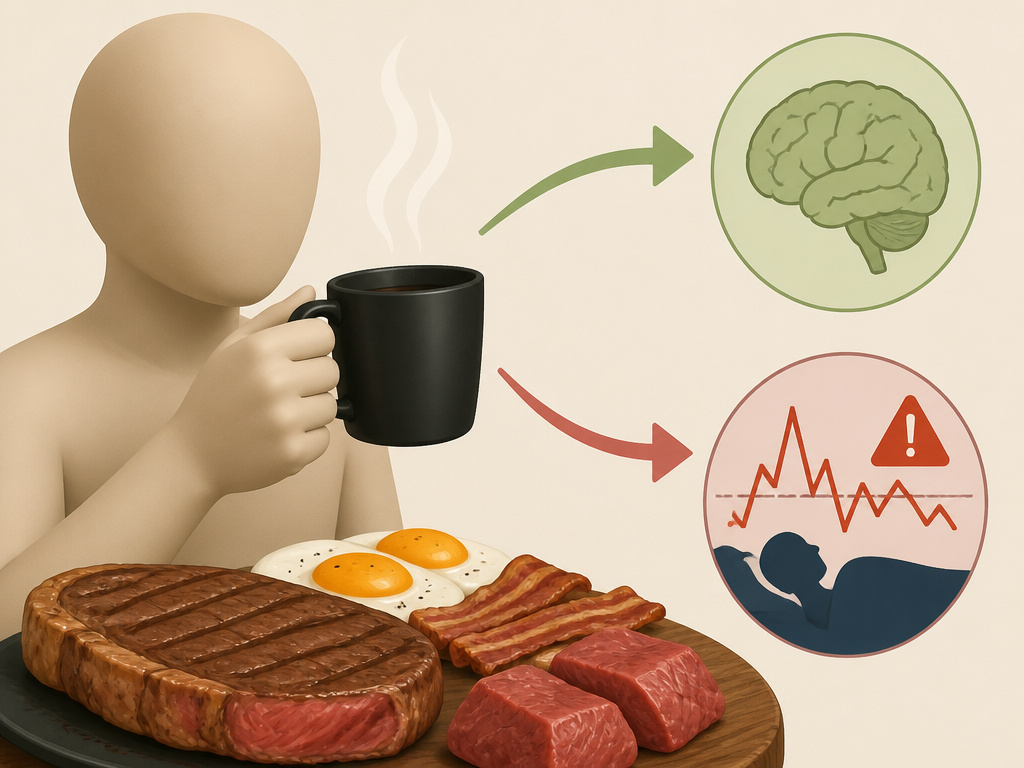 Will coffee help or hinder your carnivore weight loss goals? The mechanism matters.
Caffeine is a mild metabolic stimulant and appetite suppressant. In the short term, a black coffee can support a fasted state and provide a focus boost. However, the cortisol spike from caffeine can raise blood sugar, prompting an insulin response that may blunt fat-burning for some individuals. If your caffeine habit disrupts sleep, you also undermine recovery and hormone balance, which are critical for sustained weight loss.
For energy, many find the stable blood glucose on carnivore eliminates the need for a caffeine pick-me-up. The afternoon crash vanishes. If you still rely on coffee for energy after a month on carnivore, it’s worth asking why. Are you undereating? Not sleeping? The diet itself should provide steady fuel.
The carnivore diet scoping review notes weight loss is a commonly reported outcome, but it doesn’t isolate the effect of caffeine. Anecdotally, those who cut out coffee often report deeper, more restful sleep and even more stable daytime energy, the very opposite of what you’d expect if coffee were helping.
Potential Health Risks and Considerations
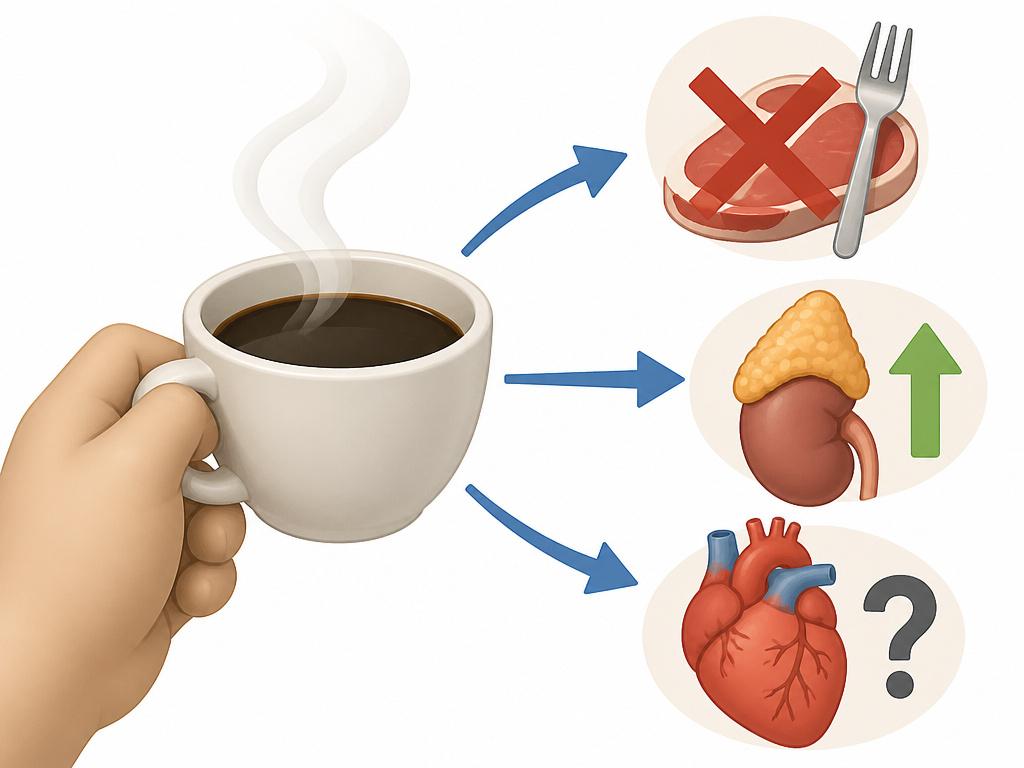 Beyond tolerance, consider the direct health interactions. Coffee is a pharmacologically active substance.
- Nutrient Absorption: Tannins can inhibit the absorption of minerals like iron and zinc, which are crucial on a meat-based diet. Drinking coffee away from meals mitigates this.
- Stress Response: Caffeine stimulates adrenaline and cortisol. For someone using carnivore to heal adrenal fatigue or high stress, this is counterproductive.
- Heart Health: Individual sensitivity is key. While general research shows coffee is neutral or beneficial for heart health, those with caffeine-sensitive arrhythmias or hypertension should be cautious. The coffee and heart health relationship is complex and personal.
- Addiction & Dependency: Needing coffee to function creates a psychological crutch. Carnivore is often about resetting dependencies, whether on sugar or stimulants.
The espresso caffeine content is higher per ounce than drip coffee. If you’re testing tolerance, start with a standard brew, not a double shot.
Frequently Asked Questions
Is black coffee OK on carnivore diet?
Technically, no, because it comes from a plant. Practically, many people include it without obvious negative effects. Leading advocates are split, with some like Shawn Baker, MD, deeming it fine and others like Georgia Ede, MD, recommending elimination to identify hidden sensitivities.
Will coffee kick me out of ketosis on carnivore?
Black coffee contains negligible carbs and will not kick you out of nutritional ketosis. However, the caffeine-induced cortisol release can mildly raise blood glucose in some individuals, which might temporarily reduce ketone production. The effect is usually minor.
What can I use as a coffee creamer on carnivore?
Strict carnivore allows only animal-based fats: butter, ghee, tallow, or rendered fat. Heavy cream is a common pragmatic choice but contains lactose (milk sugar). All plant-based creamers, including using almond milk or coconut cream, are not carnivore.
How long should I quit coffee to test sensitivity on carnivore?
full 30 days is the minimum to clear your system and establish a baseline. Reintroduce one cup of black coffee and monitor for reactions, including joint pain, skin issues, or sleep changes, for up to 72 hours afterward.
The Bottom Line
Coffee on carnivore is a personal experiment, not a committee vote. The diet’s rules say no. Your body’s response gives the final grade. If you have weight to lose or inflammation to quell, cut it out for a solid month and see what happens. You might find you don’t need it. If you feel great and see no downside, a morning cup of black coffee is a compromise many make. Just know it’s a compromise. The purist path is clear, but the pragmatic one is well-trodden. Choose based on evidence from your own timed test, not on what anyone else can or cannot drink.
