
Can You Put Creatine in Coffee? The Science of pH and Heat
Yes, you can put creatine in coffee, but the timing, temperature, and acidity of your brew significantly affect how much active creatine you actually consume. The key is to mix it into warm, not scalding, coffee and drink it immediately to minimize the degradation of creatine into its useless byproduct, creatinine.
Most advice on this topic swings between two extremes: a blanket warning that caffeine kills creatine, or a dismissive shrug that it’s all fine. Both miss the chemical reality happening in your cup. The real variable isn’t a mysterious interaction, it’s simple chemistry. Heat and low pH break molecules apart.
This guide walks through the peer-reviewed stability data, separates the caffeine myth from the degradation facts, and gives you a protocol that works. You’ll learn when mixing makes sense and when it’s a waste of good powder.
Key Takeaways
- Creatine degrades to creatinine faster in hot, acidic environments. A 2002 study found its half-life drops to about 1.5 hours in a solution with the pH of lemon juice at 80°C.
- Black coffee’s typical pH (4.85-5.10) and brewing temperature create a mild risk for degradation if the creatine sits in a hot cup for more than 30-60 minutes.
- There is no conclusive evidence that caffeine directly inhibits creatine uptake or storage in muscles; the primary concern is chemical stability in the drink itself.
- For reliable results, mix creatine monohydrate into coffee that has cooled to 50°C (122°F) or lower and consume it within 10 minutes.
- If you experience stomach upset from the combination, taking them separately is a simple fix that costs you nothing.
The Science of Degradation: pH and Heat
Headline claims about creatine and coffee usually argue over caffeine. They’re debating the wrong molecule. The actual conflict is between creatine and the coffee’s physical environment, its acidity and temperature. These two factors dictate whether your supplement arrives intact.
A 2002 study in the Journal of Pharmaceutical and Biomedical Analysis provided concrete half-life data for creatine in solution. At a neutral pH of 7.5 and room temperature (25°C), creatine is stable for months, with a half-life of about 135 days. Drop the pH to 3.5 (similar to lemon juice) at the same temperature, and the half-life plummets to roughly 13.5 days. Raise the temperature to 80°C (176°F) at that acidic pH, and the half-life crashes to just 1.5 hours.
Your coffee cup is the battlefield. The National Coffee Association states black coffee has a pH between 4.85 and 5.10. That’s mildly acidic, not as harsh as the pH 3.5 in the study, but far from neutral. Brewing temperature is the bigger player. A typical drip brew exits around 92-96°C (197-205°F).
TL;DR: Creatine breaks down faster in hot, acidic liquids. Your coffee is both, so mixing and letting it sit is a chemical timer.
| Condition | pH | Temperature | Creatine Half-Life | Implication for Coffee |
|---|---|---|---|---|
| Best Case | 7.5 | 25°C (77°F) | ~135 days | Not relevant for a hot drink. |
| Typical Coffee | ~5.0 | 80°C (176°F) | Extrapolated: ~3-6 hours | Significant degradation if left to cool slowly over an hour. |
| Worst Case | 3.5 | 80°C (176°F) | ~1.5 hours | Risk with highly acidic coffee or added citrus. |
The math is forgiving for a practical routine. If you mix 5g of creatine into a fresh, hot cup and drink it over 20 minutes, you might lose 5-10% to degradation. Let that cup sit on your desk for two hours while it cools, and you could lose over half the active compound. The loss isn’t dangerous, creatinine is harmless, but it’s wasteful.
Does Caffeine Cancel Out Creatine?
The persistent myth that caffeine nullifies creatine’s benefits stems from a small, older study and the compounds’ opposing effects on water balance. Caffeine is a mild diuretic; creatine pulls water into muscle cells. The theory was that caffeine would dehydrate the muscles, countering creatine’s volumizing effect.
Modern reviews, including the comprehensive International Society of Sports Nutrition position stand on creatine safety and efficacy, find no consistent evidence for a negative interaction. The 2017 ISSN paper notes that concerns over caffeine are not supported by the bulk of the literature.
Common mistake: Taking pre-workout caffeine and creatine together and blaming fatigue on an interaction, the real issue is often under-recovery or poor hydration, not a biochemical blockade.
Some NIH research on creatine loading even suggests potential synergy, though the findings aren’t strong enough to recommend combining them for enhanced effect. The current expert stance is one of neutrality. Caffeine doesn’t help creatine work, but it doesn’t stop it from working either. This shifts the focus back to the practical issue: getting the creatine into your system before it turns into something else.
Best Practices for Mixing Creatine and Coffee
If you want the convenience of a single beverage, a specific method preserves almost all of the supplement’s potency. The goal is to shorten the time creatine spends in a hostile environment.
Here’s the sequence that works, drawn from the stability data:
- Brew and Cool. Make your coffee as usual. Let it sit for 3-5 minutes off the heat. You’re aiming for a liquid temperature around 50°C (122°F) or lower. You should be able to take a comfortable sip without scalding your tongue.
- Measure the Powder. Use a scoop to portion out 3-5 grams of creatine monohydrate. Level it off. Eyeballing leads to inconsistent dosing, which is the real reason people don’t feel effects.
- Add and Stir Vigorously. Pour the powder into the warm coffee. Stir for a solid 15-20 seconds until no grainy residue remains on the bottom or sides of the cup. Incomplete mixing means clumps of pure powder hit your stomach.
- Drink Immediately. Consume the mixture within the next 5-10 minutes. This minimizes the exposure time where degradation can occur.
Skipping the cooling step is the most common error. Dumping powder into near-boiling coffee and then getting distracted by a phone call is a recipe for wasted creatine. The high heat rapidly accelerates the conversion to creatinine.
This method also applies if you prefer other hot drinks. The rules are the same for tea or even hot water with a flavoring splash. It’s all about temperature control and speed of consumption.
When to Take Them Separately

Mixing isn’t always the best choice. Two scenarios dictate keeping your coffee and creatine in separate cups, at separate times.
First, gastrointestinal distress. Both caffeine and creatine can cause stomach upset in some people, especially on an empty stomach. Combining them increases the odds. If you get cramps, bloating, or nausea after your creatine coffee, the fix is simple. Have your coffee first. Wait 30-60 minutes, then take your creatine with a glass of cool water or juice. The separation eliminates the combined irritant effect.
Second, taste and habit. Creatine monohydrate is notoriously bland and can leave a chalky mouthfeel if not fully dissolved. If you savor your morning coffee’s flavor profile, adding a neutral powder might ruin the experience. It’s a valid reason to keep your rituals pure. Your supplement routine shouldn’t undermine your daily pleasure.
I tried the combined method for a month of early morning gym sessions. The convenience was great until a busy week had me drinking lukewarm, forgotten cups two hours later. My strength logs didn’t dip, but I switched back to separate intake just for consistency’s sake. The peace of mind was worth the extra glass to wash.
Many people successfully use other additives for different goals, like adding MCT oil to coffee for sustained energy or a pinch of salt in coffee to cut bitterness. Creatine is just another tool, not a mandatory mix-in.
The Other Additives in Your Cup
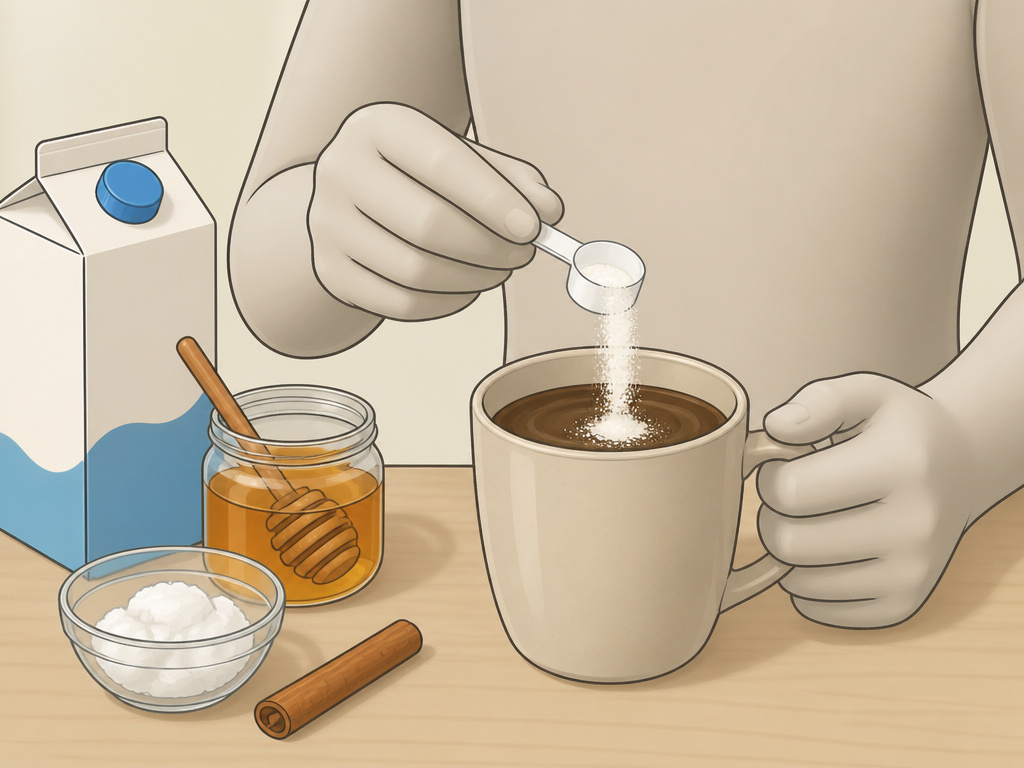
Coffee is rarely just coffee. Milk, sugar, and other supplements create a “food matrix” that can influence everything from absorption to stomach comfort. Understanding these interactions helps you build a better cup.
- Dairy and Creamers: Adding milk or cream slightly raises the pH of your coffee, making the environment less acidic and slightly more protective of creatine. However, the proteins in dairy can bind to supplements. It’s not harmful, but it might slightly slow absorption. For a low-calorie option, many choose almond milk in coffee.
- Sweeteners: Sugar, honey, or brown sugar in coffee don’t interact with creatine chemically. They just add calories. If you’re mindful of intake, know that calories in coffee additives can add up quickly.
- Fat-Based Supplements: Adding coconut oil to coffee or MCT oil is popular in keto circles. Fats don’t affect creatine stability. Taking creatine with a source of fat may slightly slow gastric emptying, which could be beneficial for reducing potential stomach upset.
- Spices: Cinnamon in coffee or other spices are neutral players here. They add flavor and antioxidants without interfering.
The main takeaway is that your coffee’s additives are unlikely to wreck your creatine. The primary enemies remain high heat and prolonged exposure to acidity.
Potential Side Effects and How to Mitigate Them

Any supplement regimen carries a chance of side effects. Combining two bioactive compounds like caffeine and creatine requires awareness, not fear.
- Digestive Issues: This is the most reported problem. Caffeine stimulates gastric acid secretion. Creatine can draw water into the intestines. Together, they can cause cramping or loose stools for some individuals. If you’re prone to coffee causing diarrhea, introduce creatine separately and with food.
- Dehydration: While the caffeine-creatine dehydration myth is overstated, both compounds increase your body’s water needs. Caffeine has a mild diuretic effect, and creatine requires water for muscle cell volumization. Not drinking enough plain water alongside your supplemented coffee is the real risk.
- Jitters and Anxiety: High caffeine content in coffee can cause nervousness. Creatine doesn’t exacerbate this, but if you’re sensitive to stimulants, taking your creatine dose later in the day with a caffeine-free beverage is smarter.
- Long-Term Health: For most, moderate coffee and creatine use is safe. If you have pre-existing coffee and heart health concerns, consult a doctor, as both can affect blood pressure and heart rate in susceptible individuals.
Mitigation is straightforward: stay hydrated, don’t take either on a completely empty stomach to start, and listen to your body. If a side effect appears, separate the two substances by an hour or two. That almost always solves it.
Frequently Asked Questions
Does hot coffee destroy creatine?
It degrades it over time, not instantly. In very hot (80°C+), acidic coffee, creatine begins converting to its inactive form, creatinine, with a half-life of a few hours. Drinking it within 20-30 minutes of mixing minimizes this loss to a negligible amount.
What’s the best liquid to mix creatine with?
Cool or room-temperature water is ideal for guaranteed stability. Juice (like grape juice) can help with absorption due to the insulin spike from simple sugars. Warm coffee or tea is acceptable if consumed promptly.
Can I mix creatine with iced coffee?
Yes, and it’s an excellent method. The cold temperature virtually halts the degradation process. Ensure you stir or shake it thoroughly, as creatine can be harder to dissolve in cold liquids.
Will adding creatine change the taste of my coffee?
High-quality, pure creatine monohydrate (like Creapure) is virtually tasteless and odorless. You might detect a very slight, chalky texture if it’s not fully dissolved, but it shouldn’t alter the coffee’s flavor.
Is creatine in coffee bad for your kidneys?
No. This is a long-debunked myth. Creatine supplementation is safe for healthy kidneys. The conversion of a small amount of creatine to creatinine in your coffee cup does not increase the creatinine load on your kidneys in a meaningful way compared to what your body produces naturally.
Should I take creatine before or after my coffee workout?
Timing is not critical for creatine. Consistency is. Whether you take it with your pre-workout coffee, post-workout protein shake, or with breakfast, the goal is to take it daily to keep muscle stores saturated. Do what fits your routine.
The Bottom Line
You can absolutely put creatine in your coffee without sabotoring your gains. The enemy isn’t caffeine, it’s time and temperature. Mix your powder into coffee that’s warm, not scalding, and drink it right away. This simple habit preserves the supplement’s efficacy.
For those who experience stomach upset or simply don’t like the idea, taking them separately is a perfectly effective alternative. The science shows no magic synergy, but also no harmful interaction. The goal is consistent daily intake, not a perfectly timed biochemical handshake.
Choose the method that makes your routine stick. Whether it’s a single fortified mug or two separate glasses, the results in the gym will be the same. Just don’t let that creatine coffee go cold on your desk.
