
Before a Blood Test: The Truth About Drinking Black Coffee
No, you should not drink black coffee before a fasting blood test. The standard medical directive is to consume only plain water for the 8 to 12 hours preceding your blood draw. Coffee’s caffeine and other compounds can raise blood glucose, alter lipid levels, and affect hormone readings, potentially leading to misleading results and an unnecessary retest.
The mistake everyone makes is thinking “black” means “inert.” They assume no sugar or cream equals no problem. But the bitter compounds in coffee trigger your digestive system, and the caffeine alters your physiology in ways a lab machine can’t distinguish from a real health issue.
This guide walks you through the conflicting official guidelines, the specific tests most at risk, and exactly what to do if you slip up. We’ll ground this in sources like the National Institutes of Health and university medical labs, not just generic web advice.
Key Takeaways
- Official sources like the University of Rochester Medical Center explicitly forbid coffee, even black, before fasting labs. The rule is water only.
- Coffee stimulates gastrin secretion, which increases stomach acid and can mimic metabolic activity, skewing results for glucose and liver function tests.
- Caffeine acts as a diuretic, potentially concentrating your blood and altering readings for electrolytes and kidney function markers.
- If you accidentally drink coffee, call your doctor or the lab before your draw. They may reschedule or note the anomaly on your results.
- The safest, most universal policy is to treat any liquid besides water as a break in your fast. No exceptions unless your doctor gives you a written pass.
Why “Black” Doesn’t Mean “Safe”
A fasting blood test requires your body to be in a stable, baseline metabolic state. Anything you ingest can shift that baseline. Black coffee contains caffeine, antioxidants, and organic acids that are pharmacologically active.
Coffee stimulates the secretion of the hormone gastrin, which increases gastric acid production. This digestive activity can be misinterpreted by certain blood tests as metabolic function, skewing results for glucose and liver enzymes even without caloric intake.
Your body doesn’t parse labels. It reacts to chemistry. The bitter taste receptors on your tongue, when triggered by coffee, send signals that kickstart digestion. That’s why even decaf can cause issues, it’s not just the caffeine.
The NIH study on coffee before blood draws found measurable impacts, though the clinical significance varied. Why risk your doctor seeing a number that suggests pre-diabetes when the culprit is your morning mug?
TL;DR: Black coffee is not nutritionally inert. Its compounds provoke physiological responses that fasting is designed to quiet.
What Types of Blood Tests Absolutely Require Fasting?
Not all blood tests demand fasting. A complete blood count (CBC) or thyroid panel usually doesn’t. The problem arises with tests measuring substances directly influenced by recent food or drink intake. These are the big three:
- Glucose Tests: This is the most sensitive. Coffee can cause a short-term rise in blood sugar. A result showing elevated glucose could lead to an unnecessary prediabetes or diabetes investigation.
- Lipid Panel: This checks your cholesterol and triglycerides. Fats from food can linger in your bloodstream for hours, but studies suggest coffee compounds might also affect lipid metabolism. A non-fasting sample can render this test useless.
- Comprehensive Metabolic Panel (CMP) / Liver Function Tests: This bundle includes enzymes like ALT and AST. Since coffee influences liver enzyme activity, drinking it can obscure your true baseline.
| Test Name | Commonly Measures | Why Coffee Can Skew It |
|---|---|---|
| Fasting Blood Glucose | Blood sugar levels | Caffeine can induce insulin resistance temporarily; coffee acids may affect absorption. |
| Lipid Panel | Cholesterol (HDL, LDL), Triglycerides | Compounds in coffee may alter lipid metabolism; non-fasting state invalidates baseline. |
| Comprehensive Metabolic Panel (CMP) | Electrolytes, kidney function, liver enzymes | Diuretic effect dehydrates & concentrates markers; gastrin stimulates metabolic activity. |
If your test slip has any of these names, assume coffee is banned. This is where understanding your own managing caffeine intake habits becomes part of health literacy. Knowing how substances like caffeine affect your body is crucial, even outside the lab.
Common mistake: Thinking “I’ll just have one sip”, the gastrin response and glycemic shift can begin within minutes, and your 7 AM coffee can still be affecting your 9 AM blood draw.
The Real Consequences of a Coffee Slip-Up
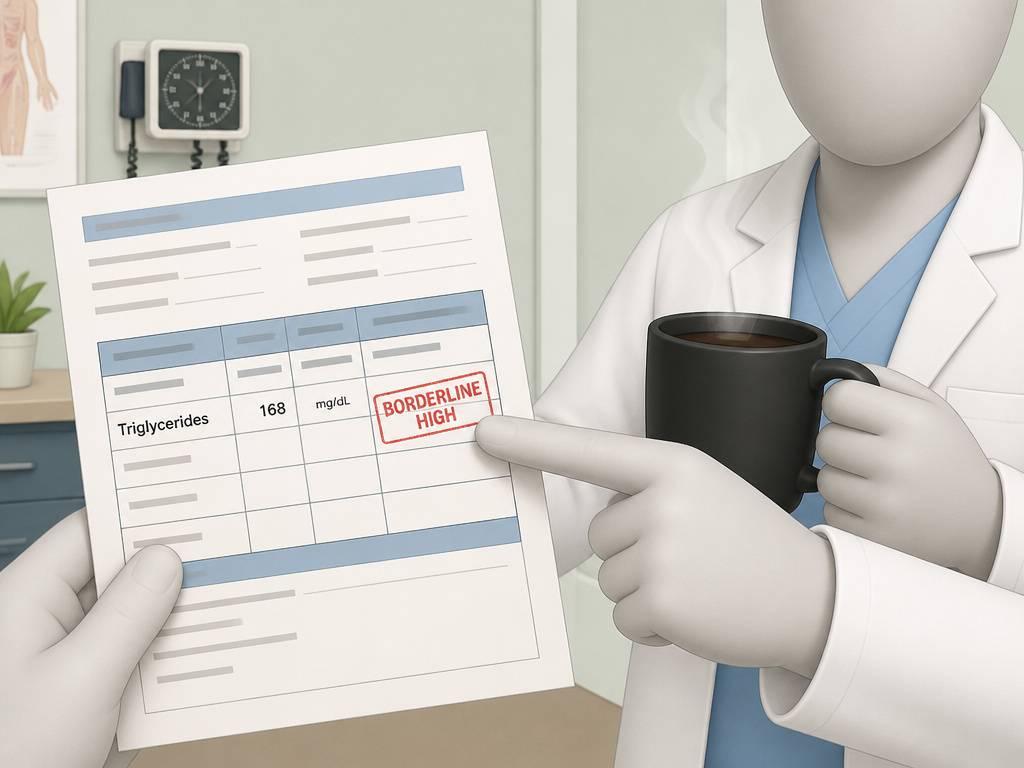
So you caved. What actually happens? The outcome depends on your specific test and your doctor’s protocol.
First, the lab technician likely won’t know unless you tell them. They’ll draw your blood normally. The machine processes the sample. The real damage happens when your doctor reviews the results.
A slightly elevated glucose level might trigger a call back for a more intensive test, like a hemoglobin A1c or an oral glucose tolerance test. An odd lipid result could mean a prescription for statins you don’t actually need. You’ve now entered a cycle of repeat testing, anxiety, and potential misdiagnosis.
I learned this the hard way years ago. I had a routine physical scheduled and figured a single black Americano two hours before wouldn’t matter. My triglycerides came back borderline high, a first for me. My doctor suggested dietary changes. Instead, I asked for a retest, fasted correctly (water only), and the numbers were solidly normal. I wasted a week of worry, a co-pay, and a vial of blood because I assumed my willpower over sugar meant my coffee was “clean.”
The financial and emotional cost of a re-test is real. More importantly, you’ve muddied your own health record with an inaccurate data point.
TL;DR: One coffee can lead to a false positive, unnecessary follow-up tests, and medical records that don’t reflect your true health.
Official Guidelines: AACC, NIDDK, and URMC Disagree (Slightly)
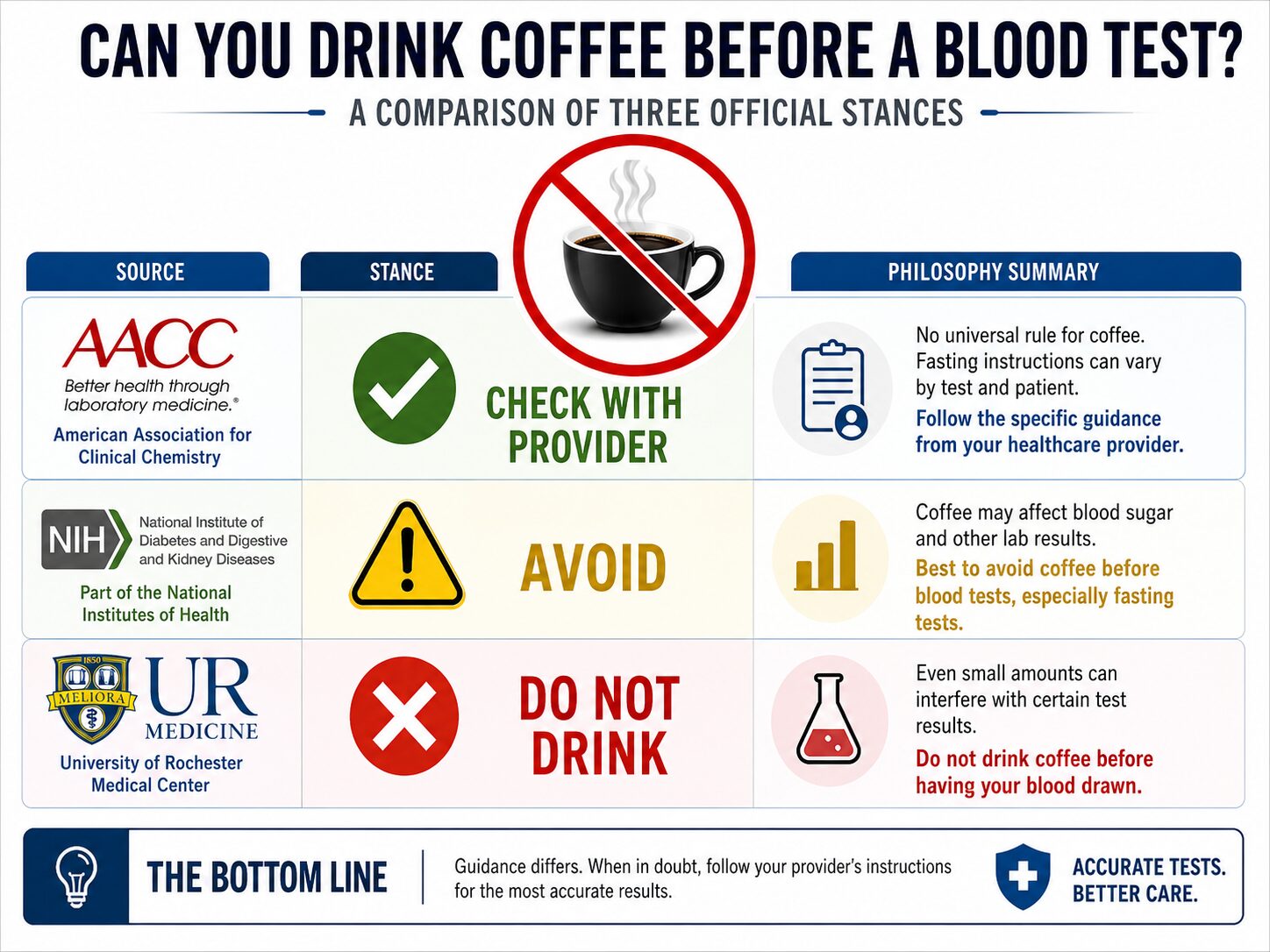
Here’s where it gets frustrating. If you search for official advice, you’ll find a spectrum. This isn’t medical inconsistency for the sake of it, it reflects different risk tolerances and test sensitivities.
The American Association for Clinical Chemistry (AACC) on Lab Tests Online offers the most lenient stance: “For most tests, you may drink plain water… Some tests may allow black coffee or plain tea, but check with your healthcare provider or the laboratory beforehand.” They acknowledge the possibility but offload the decision.
The National Institute of Diabetes and Digestive and Kidney Diseases (NIDDK) tightens the rule: “You may drink plain water, but avoid other beverages, including coffee, tea, and juice.” This is a clear, conservative directive, especially given their focus on metabolic health.
The University of Rochester Medical Center (URMC) Laboratories delivers the strictest, most unambiguous order: “You may drink plain water only. Do not drink coffee, tea, juice, or other beverages.” No ambiguity, no loopholes.
| Source | Stance on Black Coffee | Underlying Philosophy |
|---|---|---|
| AACC (Lab Tests Online) | “Some tests may allow” — Check with your provider. | Flexible, patient-provider discretion based on specific test. |
| NIDDK (.gov) | “Avoid other beverages, including coffee.” | Conservative, risk-averse, especially for diabetes-related metrics. |
| URMC Laboratories (.edu) | “Do not drink coffee.” — Water only. | Absolute, protocol-driven, eliminates all variables for consistent lab results. |
So who do you listen to? In practice, your lab’s printed instructions or your doctor’s direct orders override everything. When in doubt, the URMC rule is the safest: water only. This principle of eliminating variables is similar to following strict theme park bag policies, the rule exists for operational consistency and safety, even if your specific bag seems harmless.
Your Action Plan: Before, During, and After the Fast
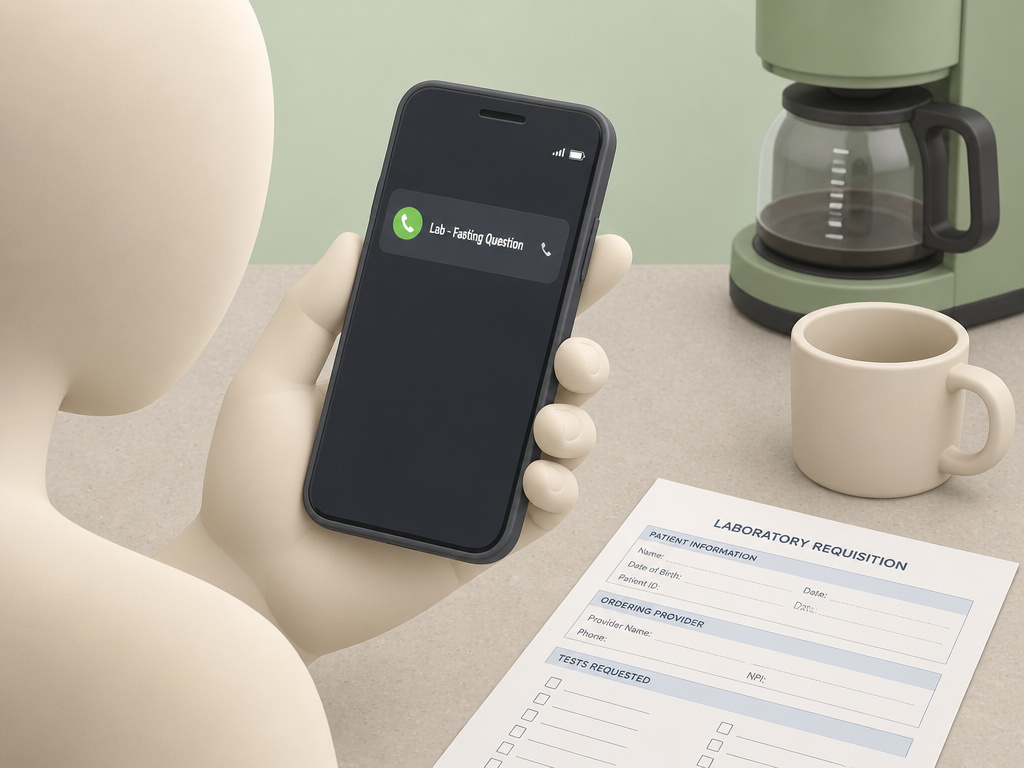
Let’s make this practical. Here’s what to do from the moment you get the lab order to when you get your results.
Before the Fast (The Day Prior):
- Confirm: Call the number on your lab requisition. Ask: “Do my tests require fasting? Is black coffee permitted?” Get a name or a reference number if possible.
- Schedule Smart: Book the first morning appointment. Your fasting period mostly happens while you sleep, reducing temptation and discomfort.
- Prepare: Put your coffee maker on a different counter. Set a phone reminder. Tell a household member so they don’t offer you a cup.
During the Fast (8-12 Hours Before Draw):
- Drink Water. Have a glass of water before bed and another when you wake up. Hydration makes your veins more accessible.
- Take Permitted Meds. Swallow your regular prescriptions with a small sip of water. If a medication requires food, call your doctor for instructions.
- Avoid All Triggers. No coffee, tea, juice, soda, alcohol, gum, or mints. Do not smoke.
- Don’t Exercise. A morning workout can also shift your metabolic markers. Keep it restful.
If You Slip Up (Accident Protocol):
Do not just hope it won’t matter.
* Call Immediately: Contact your doctor’s office or the lab. Say: “I accidentally had black coffee this morning before my fasting labs. Should I reschedule or proceed?”
* Disclose at the Lab: If told to proceed, tell the phlebotomist. They will note “non-fasting” on your sample, so your doctor can interpret the results in context.
* Reschedule if Needed: If your tests are for critical baselines (like pre-surgery or diagnosing a serious condition), rescheduling is the only responsible choice. The inconvenience of another appointment is nothing compared to the cost of a misdiagnosis.
This level of diligence mirrors the care required in other health-sensitive scenarios, like understanding caffeine consumption while breastfeeding where timing and dosage are everything.
Black Coffee vs. Other Beverages: The Physiology
Why is black coffee singled out when other drinks seem worse? It’s about the mechanism. Let’s compare.
Black Coffee: Triggers gastrin secretion via bitter taste receptors. Contains caffeine, a diuretic and stimulant that affects heart rate and cortisol. These are direct, non-caloric physiological shifts.
Herbal Tea: Often calorie-free, but many herbs have pharmacologically active compounds that could influence results. Most labs ban it to be safe.
Diet Soda: Artificial sweeteners can provoke an insulin response in some people, affecting glucose. The carbonation and acids are additional variables.
The unifying principle is that fasting aims for a physiological blank slate. Any beverage besides water introduces a confounding variable. Research like the Haematologica caffeine red blood cell study shows caffeine has measurable effects on blood cell biology at a cellular level, far beyond just being “wet.”
This is also why managing underlying conditions influenced by caffeine, like blood pressure concerns, is relevant. If coffee can affect your daily readings, it will certainly affect a sensitive lab test.
Frequently Asked Questions
What if I drink decaf coffee before a blood test?
Avoid decaf as well. The process that removes caffeine doesn’t strip away the other organic acids and bitter compounds that stimulate gastrin secretion. Many medical guidelines, like those from URMC, specify “no coffee” without distinguishing between regular and decaf.
Can I drink black tea before a blood test?
No. Black tea contains caffeine and other tannins that can affect the test. The NIDDK and URMC guidelines explicitly list “tea” alongside coffee as a prohibited beverage during the fasting window. If you’re curious about the relative caffeine content in black tea, that knowledge is useful for daily life, but it doesn’t grant a pass for lab work.
How long before a blood test should I stop drinking coffee?
You should stop consuming all food and drink (except water) for the full 8 to 12 hours prescribed before your blood draw. If your appointment is at 8 AM, your last coffee should be before 8 PM the previous night at the very latest.
Will one sip of coffee ruin my blood test?
It might. The biochemical reactions that can skew results begin with exposure, not volume. A single sip activates bitter taste receptors. It’s impossible to guarantee that a “tiny bit” won’t affect your specific results. The only safe amount is zero.
What should I do if I already drank coffee?
Call your doctor’s office or the lab immediately. Do not just show up and stay silent. They will advise you whether to reschedule or to come in and have the sample marked as “non-fasting.” Honesty is the only path to an accurate medical record.
The Bottom Line
The medical consensus, when distilled for patient safety, is unambiguous: drink only water before a fasting blood test. The potential for coffee, even black, even decaf, to alter results is well-documented in primary sources from the NIH to university hospital labs.
Your best move is to treat the fasting instruction with absolute respect. Schedule an early appointment, hydrate with water, and leave the coffee for a well-earned reward after your blood draw. If you slip up, communicate it openly. The goal is an accurate snapshot of your health, not a perfect score on a willpower test. Clarity on this issue is as fundamental as knowing the coffee and heart health research, it’s about making informed choices with real consequences.
