
How Too Much Coffee Can Make You Tired: The Vicious Cycle
Yes, too much coffee can absolutely make you tired. It’s not a paradox; it’s pharmacology. The fatigue stems from three interlocking mechanisms: adenosine receptor upregulation that heightens your sensitivity to sleep signals, sleep architecture disruption that prevents deep rest, and a cortisol-driven stress response that depletes your adrenal reserves.
Most people miss the timeline. They blame the 3 PM slump on lunch, not on the 8 AM latte whose caffeine half-life is still blocking adenosine receptors. The crash feels sudden, but the biochemical setup started hours earlier.
This guide walks through the exact physiological reasons coffee backfires, how to identify if you’re in the dependence cycle, and a practical method to reclaim your natural energy without quitting cold turkey.
Key Takeaways
- Caffeine doesn’t give you energy; it blocks adenosine, the neurotransmitter that makes you feel tired. Your brain compensates by creating more adenosine receptors, making you more fatigued when the caffeine wears off.
- The half-life of caffeine is 3–5 hours. A coffee at 2 PM means half that caffeine is still in your system at 7 PM, directly interfering with melatonin production and deep sleep.
- Genetic differences in the CYP1A2 enzyme mean some people are “slow metabolizers,” experiencing prolonged effects and greater sleep disruption from the same amount of coffee.
- Withdrawal symptoms like headache and profound fatigue can begin within 12–24 hours of skipping your usual dose, trapping you in a cycle of drinking coffee to treat the fatigue caused by coffee.
- Breaking the cycle requires a gradual reduction paired with strict caffeine curfews, not willpower. Cutting off intake 8 hours before bed is the single most effective fix.
The Biochemistry of a Backfire
Caffeine is a molecular impersonator. Its primary mechanism, detailed in resources like the NCBI StatPearls on caffeine withdrawal, is to bind to adenosine receptors in your brain without activating them. Adenosine accumulates throughout the day, promoting sleepiness. By blocking it, caffeine provides temporary alertness.
Your brain is adaptive. With chronic caffeine exposure, it responds by creating more adenosine receptors. This is upregulation. Now, when caffeine eventually clears your system, you have more receptors available for adenosine to bind to than you started with. The sleep signal hits harder.
Caffeine’s half-life is 3 to 5 hours in a healthy adult. This means if you drink a 200mg coffee at 3 PM, 100mg of caffeine is still active in your system at 8 PM. At 11 PM, 50mg remains, more than enough to fragment sleep.
This isn’t about feeling “wired” at bedtime. It’s about suppressing deep, restorative sleep stages. You might fall asleep, but you won’t wake up refreshed. The deficit compounds.
TL;DR: Caffeine blocks sleep signals, so your brain makes more sleep signal receivers. When the caffeine leaves, the enhanced signal causes a crash worse than your original tiredness.
Why Caffeine Crashes Happen
The “crash” is the moment the chemical veil lifts. As caffeine concentration drops below the level needed to occupy all those extra adenosine receptors, the pent-up adenosine floods in. The effect isn’t just a return to baseline tiredness. It’s a plunge below it.
The timing depends on your metabolism. For a fast metabolizer, this might happen 90 minutes after a cup. For a slow metabolizer, it could be four hours. The slower your clearance, the longer the disruption to your sleep cycle, creating next-day fatigue that demands more coffee.
This creates a direct comparison: the quick spike of an energy drink vs coffee often leads to a sharper, more anxious crash due to higher sugar and additive content, while coffee’s crash is more gradual but equally draining.
| Metabolizer Type | Caffeine Half-Life | Crash Profile | Sleep Disruption Risk |
|---|---|---|---|
| Fast (CYP1A2 *1A) | 1.5 – 3 hours | Sharp, defined drop | Lower if consumed early |
| Normal | 3 – 5 hours | Gradual, persistent tiredness | High, especially after noon |
| Slow (CYP11A2 *1F) | 6 – 9+ hours | Long, dragging fatigue | Very High, all-day impact |
The crash is also a hydration event. Caffeine is a mild diuretic. The energy boost often masks thirst. When the stimulant effect fades, the cumulative fluid deficit manifests as headache and lethargy. Reaching for another cup worsens it.
The Coffee Cycle: Dependence and Fatigue
This is the self-perpetuating trap. You wake up fatigued from poor sleep, so you drink coffee. The coffee further disrupts that night’s sleep, making you more tired tomorrow. You need a slightly larger dose to achieve the same alertness. Tolerance builds.
Withdrawal locks the cycle. Skip your morning cup and the symptoms kick in: headache, irritability, brain fog, and that profound, bone-deep fatigue. The fastest relief is another dose of caffeine. It becomes a medicine taken to treat the illness it causes.
Common mistake: Using coffee to “power through” afternoon fatigue, this delivers caffeine too late in the day, guaranteeing shallow sleep and setting up tomorrow’s dependence. The temporary fix costs you the next 24 hours.
The cycle isn’t just physical. The ritual is psychological. The smell of grinding beans, the warmth of the mug, the pause in the workday, these cues become powerful triggers. Breaking the cycle means addressing the habit, not just the chemical.
TL;DR: You drink coffee to treat the fatigue caused by drinking coffee. Tolerance builds, sleep suffers, and withdrawal symptoms make stopping feel impossible.
How Much is “Too Much”?
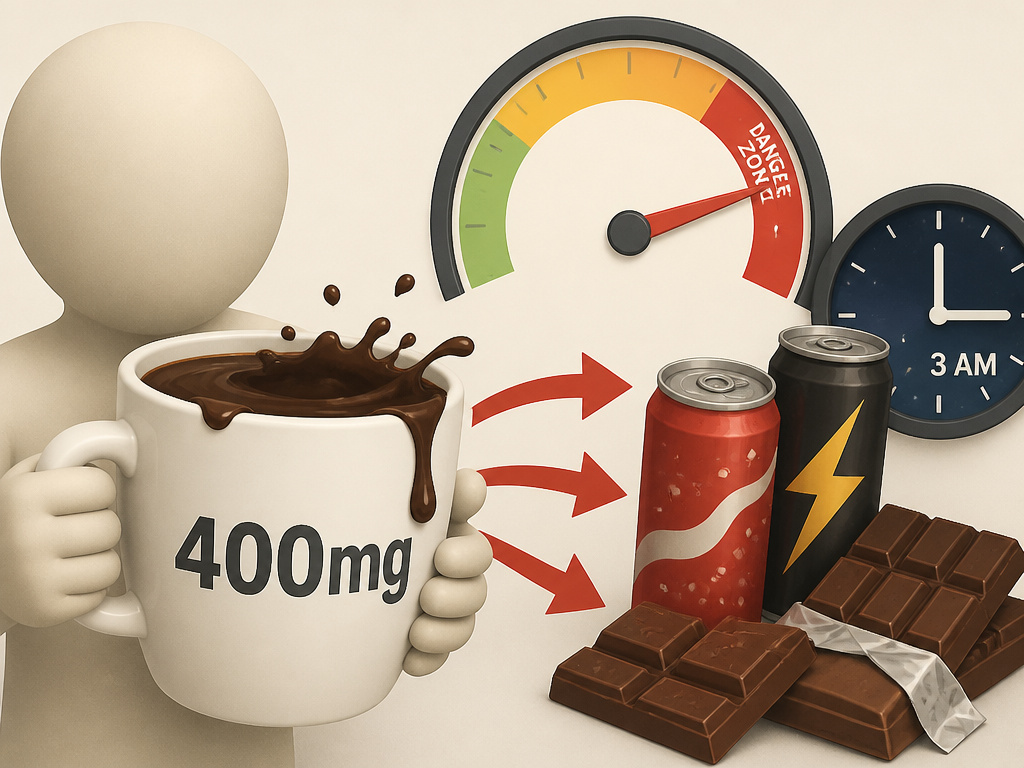
The FDA cites 400mg of caffeine daily as a safe upper limit for most adults. That’s roughly four 8-ounce cups of brewed coffee. But “too much” is highly individual. For a slow metabolizer, 200mg might be excessive. For someone with anxiety, even 100mg can trigger a stress response that leads to exhaustion.
Consider your total intake from all sources. A morning coffee, an afternoon Monster Energy caffeine drink, and a piece of dark chocolate add up quickly. The caffeine in Coke or other sodas is a frequent hidden source that extends your daily load.
Your personal threshold is the amount that begins to impair your sleep. If you’re struggling to fall asleep, waking up at night, or relying on an alarm clock, you’re likely over your limit. The goal isn’t to hit a number. It’s to find the amount that provides benefit without a sleep penalty.
- Under 200mg daily (1-2 cups): Low risk of fatigue cycle for normal metabolizers. Crash is minimal if consumed before noon.
- 200-400mg daily (2-4 cups): The danger zone for cycle formation. Sleep disruption is common, leading to next-day compensatory use.
- Over 400mg daily (4+ cups): High probability of dependence, significant sleep debt, and chronic fatigue masked by constant stimulation.
Other Reasons Coffee Zaps Your Energy
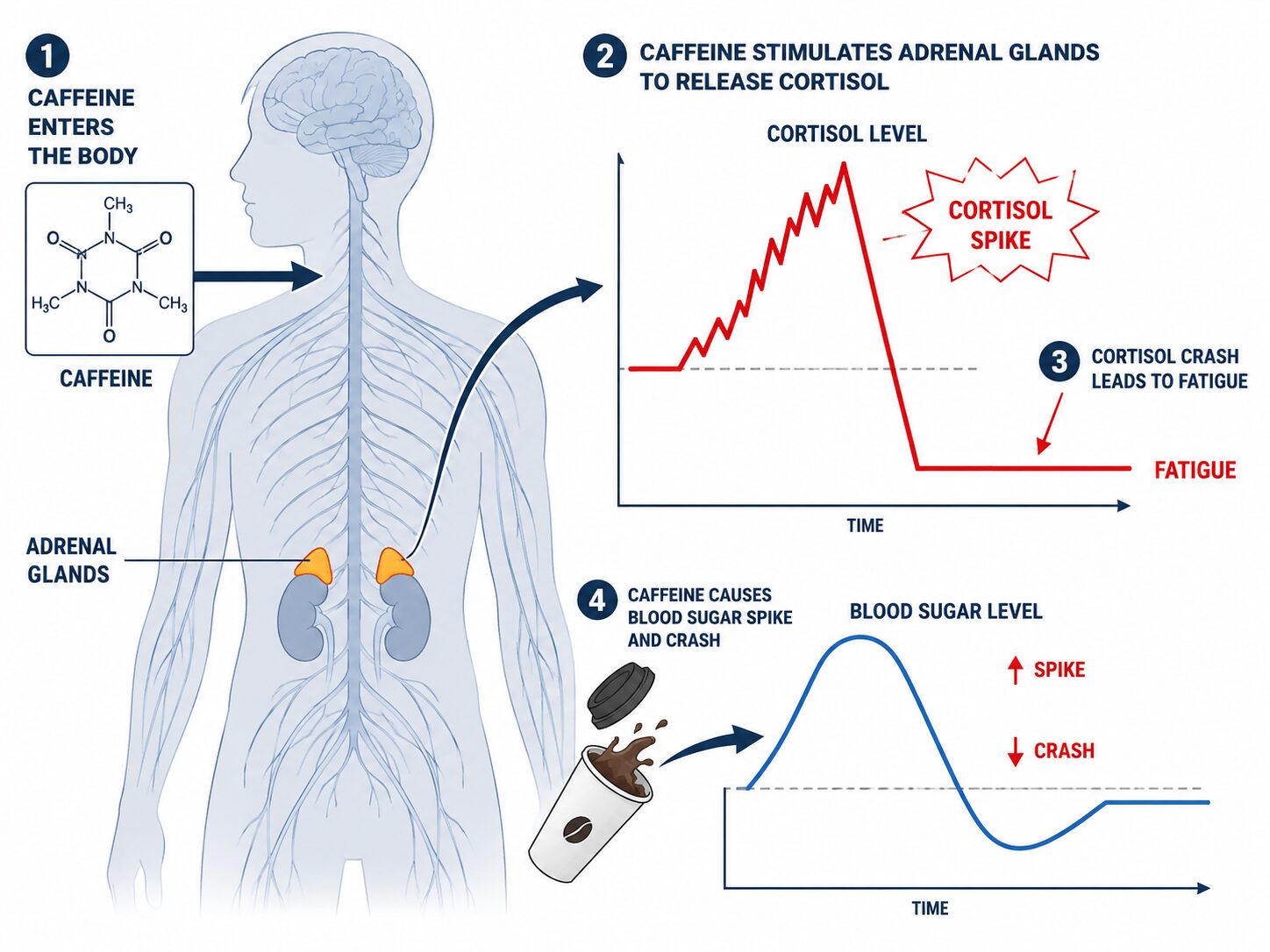
Adenoine and sleep aren’t the only culprits. Coffee triggers the release of cortisol, the primary stress hormone. A morning spike is natural, but multiple caffeine doses create repeated, artificial cortisol surges. Over time, this can dysregulate your HPA axis, leading to adrenal fatigue, a state of chronic low energy.
For some, the caffeine in espresso or strong coffee can also cause a rapid spike and drop in blood sugar. The body releases insulin in response, which can lead to reactive hypoglycemia, manifesting as shakiness, sweating, and tiredness an hour after drinking.
Then there’s hyperarousal fatigue. If you’re chronically stressed or anxious, your nervous system is already in overdrive. Caffeine adds fuel to that fire. When you finally sit in a quiet moment, your overwhelmed system seizes the chance to crash. The coffee didn’t fail; your exhausted body overruled it.
The diuretic effect, often overstated, still contributes. Mild dehydration reduces blood volume, making your heart work harder to pump oxygen and nutrients. The result? You feel sluggish. Reaching for more coffee instead of water deepens the problem.
How to Break the Cycle and Reclaim Energy
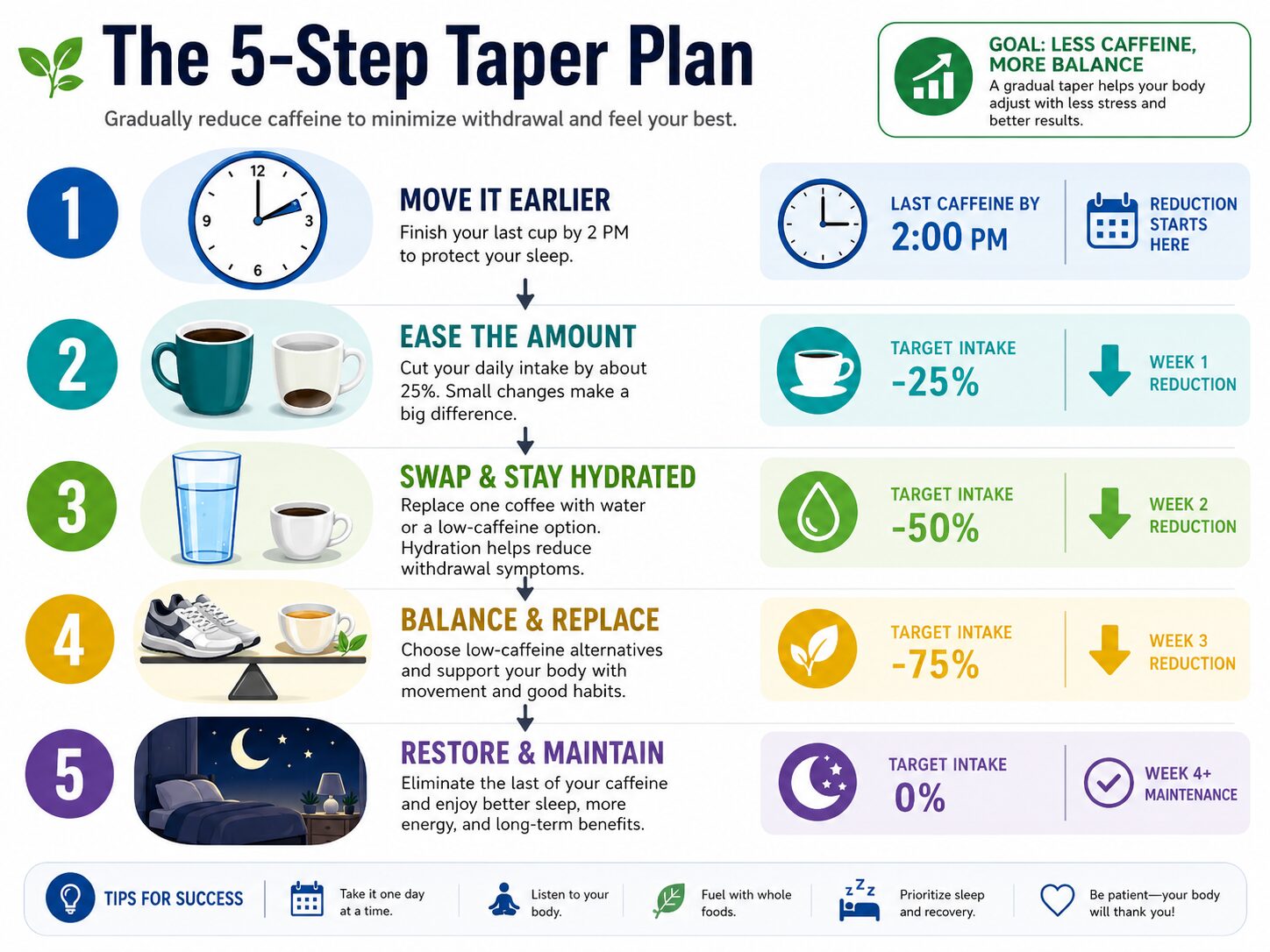
Quitting cold turkey guarantees brutal withdrawal headaches and days of fatigue. A gradual, strategic taper is sustainable. The focus is on protecting sleep first, reducing dose second.
- Set a hard caffeine curfew. Stop all caffeine intake at least 8 hours before your target bedtime. If you sleep at 10 PM, your last coffee, tea, or soda should be at 2 PM. This alone can dramatically improve sleep quality within three nights.
- Switch to half-caff. For one week, mix your regular grounds with 50% decaf. The following week, use 75% decaf. This slowly reduces your daily dose without shocking your system. The ritual remains intact.
- Hydrate strategically. Drink a full glass of water before and after your morning coffee. Replace your afternoon pick-me-up with sparkling water or herbal tea. Hydration supports natural energy metabolism.
- Find a ritual replacement. The afternoon craving is often for a break, not caffeine. Take a five-minute walk outside, do some stretches, or brew a cup of caffeine in black tea, which provides a gentler lift due to L-theanine.
- Prioritize sleep recovery. As you reduce caffeine, your sleep drive will increase. Lean into it. Go to bed 30 minutes earlier. Make your room dark and cool. This is your body repairing the deficit.
The first four days are the hardest. Headaches are likely. That’s your adenosine receptors recalibrating. A low-dose aspirin can help, but pushing through is necessary. By day seven, you’ll notice falling asleep faster. By day fourteen, you might not need an alarm.
Frequently Asked Questions
Why do I feel tired immediately after drinking coffee?
This is often a sign of dehydration or the blood sugar roller coaster. It can also indicate hyperarousal fatigue, your nervous system is so exhausted it uses the brief stimulant to finally trigger a crash. Check your hydration and consider if you’re using coffee to compensate for chronic sleep deprivation.
Can switching to tea help with caffeine fatigue?
Yes, often significantly. Tea contains L-theanine, an amino acid that promotes calm alertness and smooths the caffeine spike. The caffeine release rates from tea are also slower due to tannins, preventing a sharp crash. It’s a gentler source of stimulation.
How long does it take to reset caffeine tolerance?
significant reduction in tolerance can occur in 1-2 weeks of abstinence or greatly reduced intake. However, adenosine receptor density may take a month or more to fully return to baseline. The good news: sensitivity returns quickly, so you’ll get a stronger effect from less coffee afterward.
Is decaf a good alternative?
For the ritual, absolutely. A Swiss Water Process decaf removes 99.9% of caffeine. It lets you keep the morning routine without the biochemical consequences. It’s a perfect tool for the tapering process.
Can certain medical conditions make caffeine fatigue worse?
Yes. Conditions like anxiety disorders, adrenal insufficiency, insomnia, and GERD can be exacerbated by caffeine, leading to worse fatigue. Pregnancy and liver disease also dramatically slow caffeine metabolism, extending its disruptive effects. Consult a doctor if you have underlying health issues.
The Bottom Line
Coffee-induced fatigue is a real, physiologically explainable trap. It’s not a character flaw. It’s your brain and body adapting to a daily chemical intervention. The path out isn’t about willpower; it’s about strategy.
Start with the curfew. Move your last cup earlier. Then dilute your dose slowly. Your goal isn’t to become a coffee abstainer, but to become its master, using it for occasional enhancement, not daily survival. The energy you’re looking for is already in you. It’s just buried under a cycle of borrowed alertness and compounding sleep debt. Clear the debt, and the energy returns.
