
Drinking Coffee on Your Period: What You Need to Know Now
You can drink coffee on your period, but whether you should depends entirely on your individual reaction to caffeine. Official health advice often suggests limiting it, but peer-reviewed studies show conflicting evidence, and many people report no negative effects or even find it helpful.
The universal mistake is taking blanket medical advice as a personal rule. The recommendation to avoid caffeine is based on its known physiological effects, vasoconstriction, diuretic action, that could theoretically worsen cramps or bloating. But theory and lived experience often clash.
This guide walks through the actual research, the common physical reactions, and a method for figuring out your own personal tolerance. We will cover specific adjustment strategies, from timing to brew method, that go beyond the generic “cut back.”
Key Takeaways
- Peer-reviewed meta-analyses, like the 2016 review in the Journal of Women’s Health, find no significant association between caffeine and PMS risk, highlighting major individual variability.
- Caffeine is a vasoconstrictor, which can tighten blood vessels and potentially increase cramping pain for some. It’s also a diuretic, which can contribute to dehydration and bloating.
- Suddenly stopping coffee can induce withdrawal headaches and fatigue, which may be mistaken for worse period symptoms, creating a false cause-and-effect link.
- If coffee upsets your stomach during your period, the culprit is often the acidity, not the caffeine. Switching to a low-acid cold brew can solve this.
- Tracking your intake and symptoms across two cycles is the only reliable way to know your personal tolerance. Guesswork doesn’t work here.
What Does the Research Actually Say?
Look past the headlines. The 2016 systematic review and meta-analysis published in the Journal of Women’s Health analyzed data from twelve studies. Its conclusion was clear: “no significant association between caffeine intake and the risk of PMS.” The authors did note that some individual studies linked high intake to increased symptom severity, but the overall evidence was inconsistent. A 2019 review in the Journal of Obstetrics and Gynaecology Research echoed this, finding conflicting results across studies and citing major design limitations.
A 2016 meta-analysis of 12 studies concluded there is no significant association between caffeine intake and the risk of premenstrual syndrome (PMS). The body of evidence remains heterogeneous, with individual study outcomes pointing in opposite directions, underscoring the role of personal biochemistry.
Official health bodies play it safer. The American College of Obstetricians and Gynecologists (ACOG) lists avoiding caffeine as a lifestyle change that “may help ease symptoms” of dysmenorrhea. The National Institutes of Health’s MedlinePlus also suggests limiting caffeine for PMS management. These are cautious, consensus-based recommendations designed for a broad audience. They are not laws of physiology.
The takeaway isn’t that coffee is definitively safe or harmful. It’s that the science cannot give a one-size-fits-all answer. Your genetics, your usual intake, and even your coffee and digestion sensitivity create a unique profile. This variability is why community forums like Reddit’s r/menstruation are filled with directly opposing anecdotes, some users swear coffee makes their cramps unbearable, others rely on it for fatigue and sluggish bowels.
TL;DR: Large-scale scientific reviews find no consistent link between caffeine and worse periods, but major health authorities still recommend limiting it as a precautionary measure.
How Caffeine Could Affect Period Symptoms
Understanding the mechanics helps you diagnose your own reaction. Caffeine has several well-documented physiological effects that interact with common menstrual symptoms.
First, caffeine is a vasoconstrictor. It causes blood vessels to narrow. For some, this can reduce blood flow to the uterus, potentially intensifying the muscle contractions that cause cramps. If your cramps feel sharper or more concentrated after a cup, this could be the mechanism at work.
Second, it’s a diuretic. It prompts your kidneys to remove more water and sodium. This can lead to mild dehydration if you don’t increase your water intake. Dehydration can heighten fatigue, headaches, and even make bloating feel worse as your body tries to retain fluid. It’s a counterintuitive twist, a diuretic potentially worsening bloating.
Third, caffeine stimulates the central nervous system. It can amplify feelings of anxiety, jitteriness, and irritability, which are already common features of PMS for many. It can also disrupt sleep, especially if consumed in the afternoon or evening. Poor sleep directly lowers pain tolerance and emotional resilience, making every symptom feel more intense.
Finally, there’s the gut. Coffee, particularly hot-brewed coffee, is acidic and stimulates gastric acid production. If you have a sensitive stomach, this can cause discomfort or nausea, which can be misattributed to your period. This is a separate issue from caffeine’s systemic effects and is why some people do fine with decaf but not regular. For a deeper look at this specific interaction, our article on coffee’s effect on bowels breaks down the mechanisms.
| Symptom | Potential Caffeine Link | Likely Mechanism |
|---|---|---|
| Increased Cramping | Possible, varies by person | Vasoconstriction reducing uterine blood flow |
| Heightened Anxiety/Jitters | Common | CNS stimulation amplifying PMS mood swings |
| Fatigue & Headaches | Possible (via withdrawal or dehydration) | Diuretic effect or rebound from missed dose |
| Stomach Upset | Common | Acidity of coffee irritating gastric lining |
The Hidden Variable: Caffeine Withdrawal
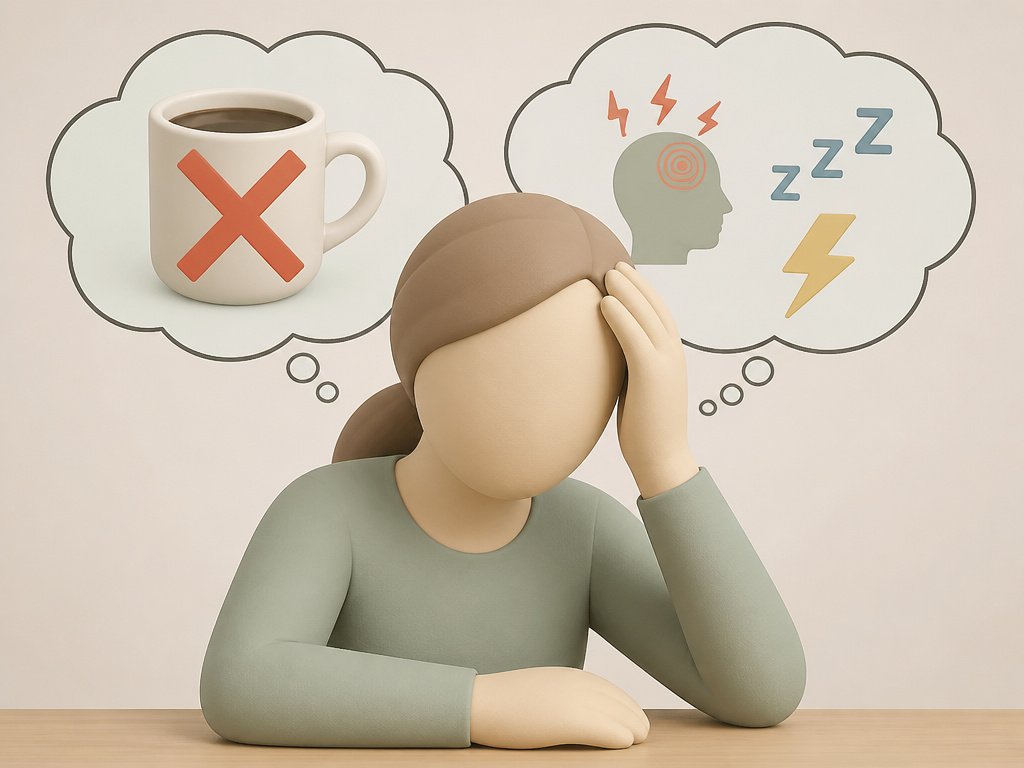
This is the part most guides miss. If you drink coffee every day, your body is physically dependent on caffeine. The half-life is about 5-6 hours. Go longer than that, and withdrawal begins.
The symptoms of caffeine withdrawal are nearly identical to common period complaints: throbbing headache, profound fatigue, irritability, and even muscle aches. Now imagine starting your period and deciding, as many articles advise, to “avoid coffee.” You cut out your daily cups. Within 24 hours, withdrawal kicks in.
You now have a pounding withdrawal headache on top of menstrual cramps. You have crushing fatigue from both hormone shifts and the absence of your usual stimulant. It is incredibly easy to conclude, “Coffee was masking how bad my period is!” when in reality, you’ve added a second, unrelated source of misery. This confounding factor skews countless personal anecdotes and even some informal surveys.
Common mistake: Quitting coffee cold turkey on day one of your period, the withdrawal headache and fatigue that follow within a day will perfectly mimic worse period symptoms, leading you to a false conclusion.
The ethical way to test coffee’s effect is to taper down gradually in the week before your period, not to stop abruptly during it. This isolates the variable.
How to Listen to Your Body (A 2-Cycle Experiment)
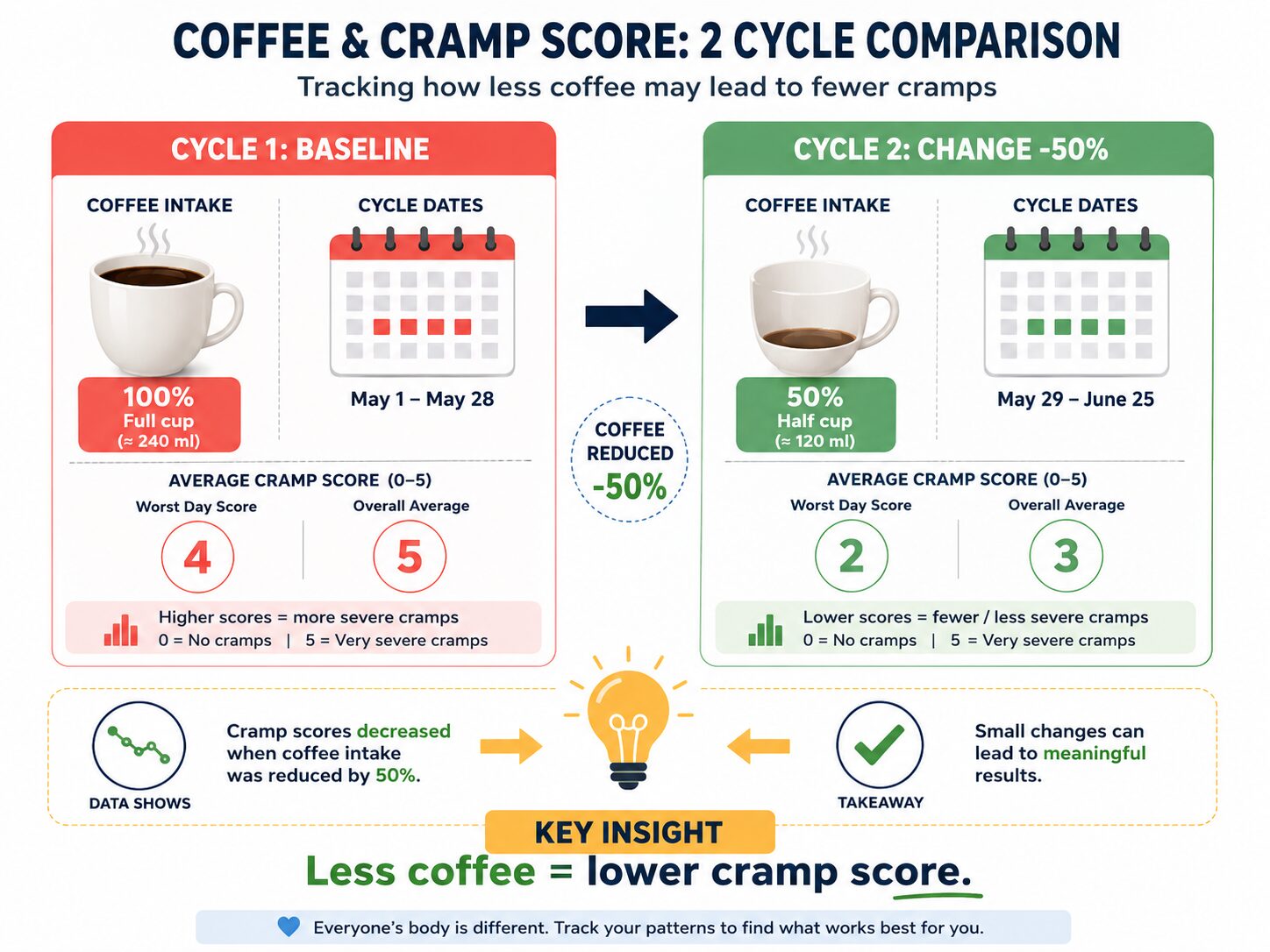
Forget guesswork. You need data. The only person who can answer “Can I drink coffee on my period?” is you, and you need a better method than trying to remember how you felt last month.
Here is a simple, two-cycle tracking experiment. All you need is a notes app or a small notebook.
Cycle 1: Establish Your Baseline.
- Drink your normal amount of coffee.
- Each day, note: number of cups, brew method (espresso, drip, cold brew).
- During your period, give three key symptoms a simple rating of 1 (mild) to 5 (severe): cramp pain, energy levels, mood stability.
Cycle 2: Implement a Change.
- For the 3-5 days before your period and during it, cut your coffee intake by 50%. If you drink two cups, have one. If you have one, have a half-cup.
- Use the same rating system for your symptoms.
- Compare the two cycles. Did your symptom scores improve, worsen, or stay the same?
Look for patterns. Did your cramps improve but your fatigue skyrocket? That points to caffeine helping energy but hurting pain. Did your stomach settle? That suggests acidity was the problem, not caffeine. This data is gold. It moves you from “I think maybe…” to “I know that when I cut back, my cramps drop from a 4 to a 2.”
Practical Tweaks: If You Want to Keep Drinking Coffee

If your experiment shows minor issues or you just want to be proactive, these targeted adjustments often work better than full abstinence.
- Switch Your Brew Method. If stomach acidity is the issue, switch to cold brew. The cold-steeping process extracts far less acidic compounds than hot brewing. The difference in stomach feel is noticeable within a day.
- Change Your Timing. Drink your coffee with food, not on an empty stomach. A simple piece of toast or a banana buffers the acid and can prevent nausea. Also, have your last cup before 2 PM to protect your sleep.
- Dilute Your Dose. Make a half-caff blend. Brew your pot with half regular beans and half decaf beans. You get the ritual and a flavor you enjoy with half the caffeine load. This is a great middle ground for managing caffeine and anxiety.
- Address the Real Culprit: Iron. Fatigue is a major period symptom. Coffee (and tea) contain tannins that can inhibit the absorption of non-heme iron, the kind found in plants and supplements. If you’re fatigued, try having your coffee at least an hour before or after an iron-rich meal or supplement. Don’t let your coffee sabotage your spinach.
- Explore Alternatives for Focus. If you use coffee for mental clarity but find the jitters worsen your PMS anxiety, try matcha. It contains L-theanine, an amino acid that promotes calm focus, smoothing out caffeine’s sharp edges. Our comparison of the health benefits of green tea vs coffee details this synergy.
These aren’t sacrifices. They are optimizations. The goal is to keep your ritual without the collateral damage, much like the considerations outlined for caffeine while breastfeeding where timing and dose are also critical.
Frequently Asked Questions
Does decaf coffee affect your period?
Probably not, but it depends on the person. Decaf removes most caffeine, so it avoids vasoconstriction and CNS stimulation. However, it is still acidic and can upset your stomach the same way regular coffee does. If acidity is your trigger, decaf might not help. If caffeine is the trigger, decaf is a great alternative.
Can coffee help with period fatigue?
Yes, in the short term. Caffeine is a central nervous system stimulant that blocks adenosine receptors, temporarily reducing feelings of tiredness. This is why many people rely on it. The catch is that it doesn’t address the root cause of the fatigue, which is often iron loss. It’s a mask, not a fix, and can lead to a crash later.
Why does coffee make me anxious on my period?
Progesterone levels drop sharply just before your period begins. This hormone has a natural calming, anti-anxiety effect. When it plummets, many people feel inherently more anxious or irritable. Adding caffeine, a known stimulant, on top of this hormonally sensitive state is like pouring gasoline on a smoldering fire. It directly amplifies those jittery, anxious feelings.
Is it better to drink tea than coffee during my period?
It can be, depending on the tea and your symptoms. Black tea has caffeine but often less than coffee. Green tea, like matcha, provides caffeine alongside L-theanine for calmer focus. Herbal teas like ginger or peppermint have no caffeine and can actively soothe cramps or nausea. It’s a more modular approach to managing symptoms, as explored in our benefits of tea vs coffee guide.
Before You Go
The question isn’t really “can you,” but “how does it work for you?” The science refuses to give a simple yes or no, and the health advice is intentionally broad. Your body’s response is the only authority that matters.
Start with the two-cycle experiment. Track it. The data will tell you what generic advice cannot. If you need to adjust, do it surgically, tweak the brew, shift the timing, moderate the dose. The ritual of coffee is about more than caffeine; it’s a moment of pause. With a little observation, you can keep that moment without paying for it later in pain or anxiety.
For further reading on how caffeine interacts with other body systems, the Linus Pauling Institute coffee guide provides a comprehensive, research-backed overview of its broader health effects.
