
8 Best Whole Bean Coffees for French Press 2026
The best whole bean coffee for French press is Peet’s French Roast, it delivers a bold, rich cup with deep chocolate and smoky notes that stand up perfectly to immersion brewing. For a budget-friendly option, Amazon Fresh Colombia Medium Roast offers surprising balance and smoothness at a great price. If you want more complexity, Lavazza Espresso Medium Roast brings floral and fruity tones that shine through the French press’s full body.
Most people think any dark roast will do for French press, but the truth is, the wrong bean can leave you with a flat or muddy cup. The immersion method amplifies body and texture, so your choice of origin, roast, and freshness makes a real difference in the final brew.
I built this guide after researching the most recommended whole bean coffees based on specs, owner feedback, and brewing principles. These picks reflect what consistently works well for French press lovers, focusing on flavor clarity, body, and value.
Top 8 Whole Bean Coffee For French Press in the Market
The Best Whole Bean Coffee For French Press, Reviewed
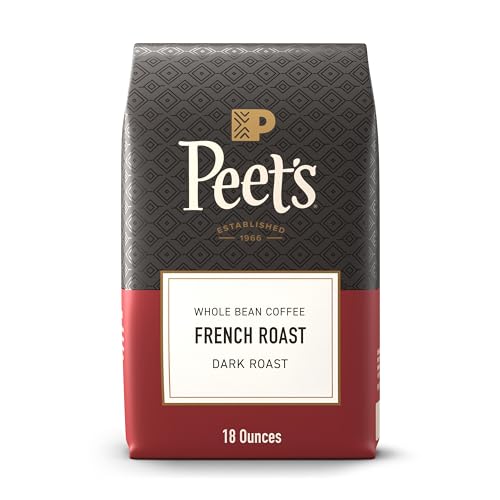
Peet’s French Roast Dark Roast
Strengths
- Balanced roast
- Rich flavor
- Consistent quality
Trade-offs
- Smaller bag size
- Higher price point
Peet’s French Roast earns its “Best Overall” tag not by being the loudest, but by balancing intensity and refinement better than most. The roast brings out chocolate truffle and smoke without obliterating the bean’s character, owners frequently mention how it avoids the ashy edge some dark roasts develop. That’s no accident; Peet’s slow, small-batch roasting has shaped West Coast coffee culture for decades.
In French press prep, it delivers a rounded, full-bodied cup with a clean finish. Compared to Starbucks, it’s more articulate; against Mayorga, it’s less sweet but more structured. If you want a dark roast that still tastes like coffee, not just fire, this is my top recommendation.
Video review
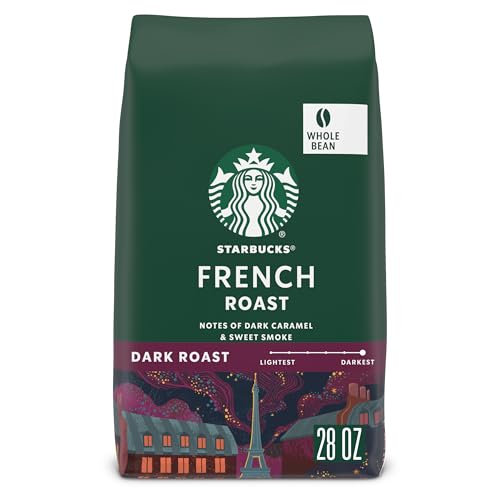
Starbucks French Roast Dark Roast
Strengths
- Bold flavor
- Widely available
- Consistent roast
Trade-offs
- Can taste burnt
- Low complexity
Starbucks French Roast is a no-surprise entry in the dark roast game, bold, smoky, and consistent. On paper, it’s built for drinkers who want that familiar, punchy depth without hunting for a boutique roaster. Owners consistently report it delivers exactly what it promises: a heavy-handed, roasty profile with dark caramel and a touch of sweetness beneath the char. It’s not subtle, but it’s reliable.
For French press, that intensity holds up well, though some reviewers note it can tip into bitterness if over-steeped. Compared to Peet’s or Mayorga, it lacks nuance, but for a widely available, budget-friendly bag with broad appeal, it’s hard to beat. I’d pick it for casual mornings, not contemplative sipping.
Video review
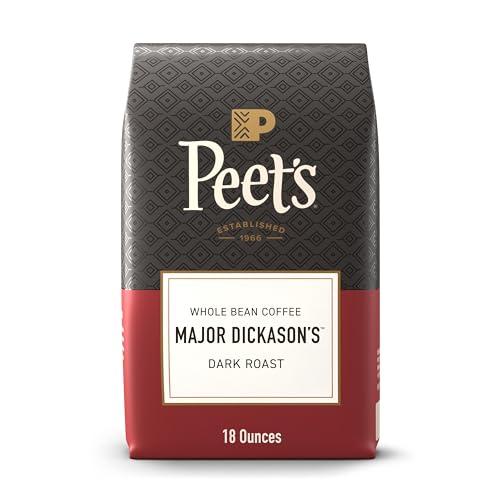
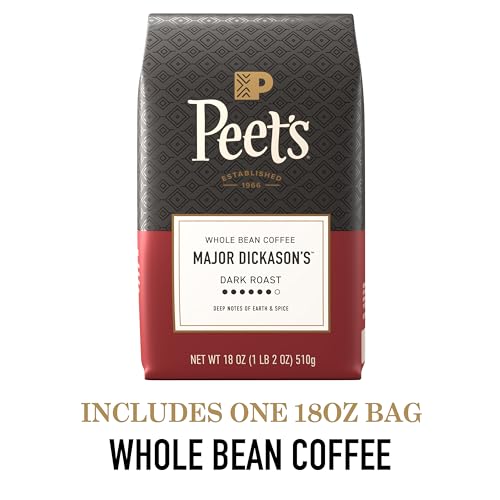
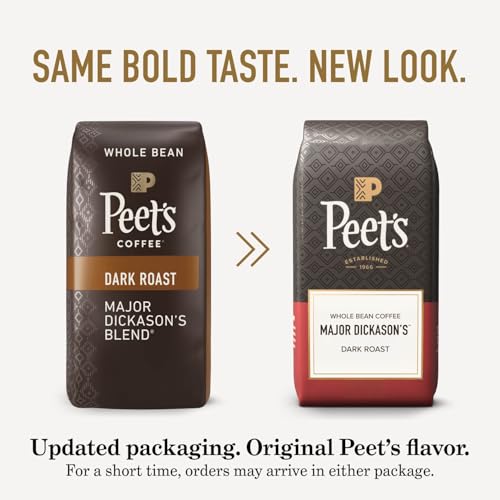
Peet’s Major Dickason’s Blend
Strengths
- Full-bodied
- Rich flavor
- Legacy roast
Trade-offs
- Overpowering for some
- Not subtle
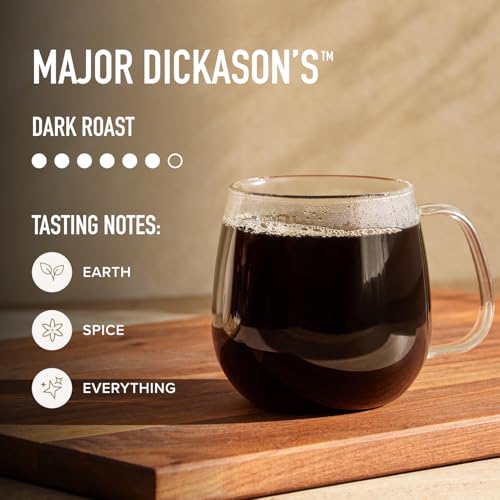
Major Dickason’s Blend is Peet’s boldest statement, a dark roast with a legacy. Originally crafted for a customer who demanded more, it’s still a powerhouse: full-bodied, roasty, and unapologetically intense. Owners describe it as the kind of coffee that fills the room with aroma and dominates the palate, making it a favorite for French press fans who want their morning cup to hit hard.
It’s not as sweet or nuanced as their French Roast, but that’s not the point. This is the go-to when you want depth over delicacy. Compared to Starbucks French Roast, it’s more refined; against Copper Moon, it’s less earthy but more aggressive. If boldness is your benchmark, this is the one to beat.
Product photos
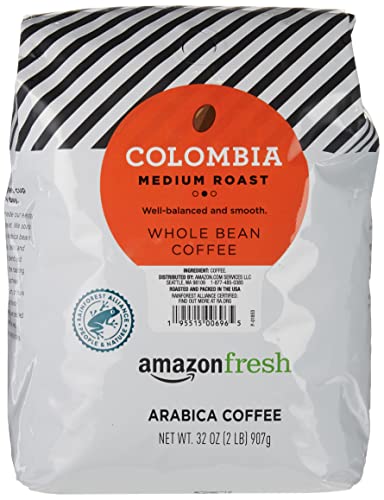
Amazon Fresh Colombia Medium Roast
Strengths
- Large bag size
- Balanced taste
- Budget value
Trade-offs
- Medium roast only
- Minimal complexity
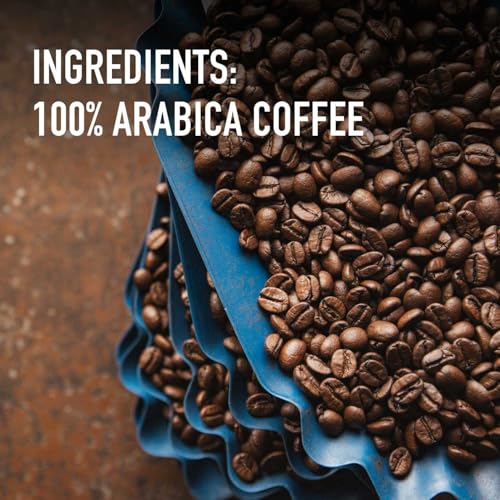
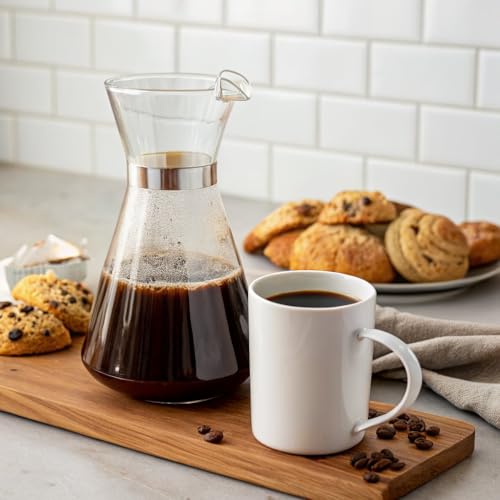
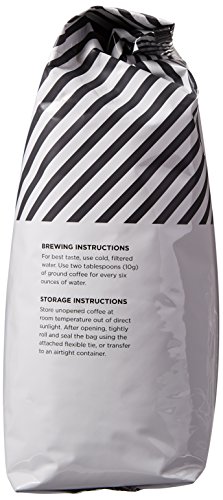
Amazon Fresh’s Colombia medium roast is the quiet achiever of value coffee, balanced, affordable, and impressively consistent for a house brand. At 32 ounces, it’s a volume play, but it doesn’t skimp on quality. The 100% Arabica beans from Colombia deliver a smooth, full-bodied cup with mild acidity and a clean finish, exactly what you’d expect from a high-elevation South American bean.
French press prep highlights its evenness, though it lacks the punch of a true dark roast. Compared to Lavazza or Peet’s, it’s less intense, but it’s a smarter buy for households that go through coffee fast and want reliability without ritual. This isn’t the bag for flavor chasers, but it’s a workhorse.
Product photos



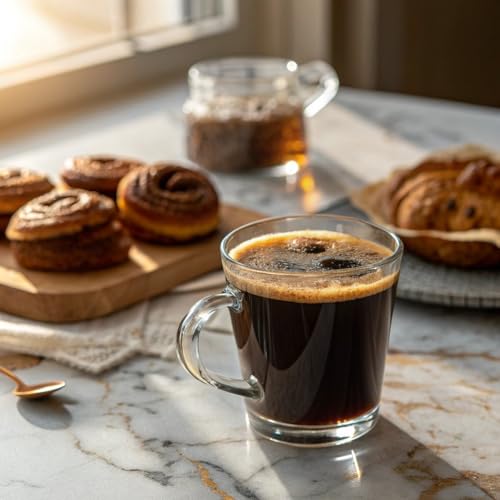
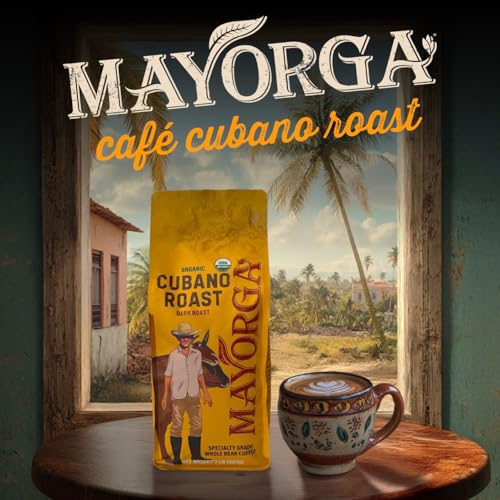
Mayorga Cafe Cubano Dark Roast

Strengths
- USDA Organic
- Low acidity
- Smooth, sweet finish
Trade-offs
- Mild flavor depth
- Limited roast intensity
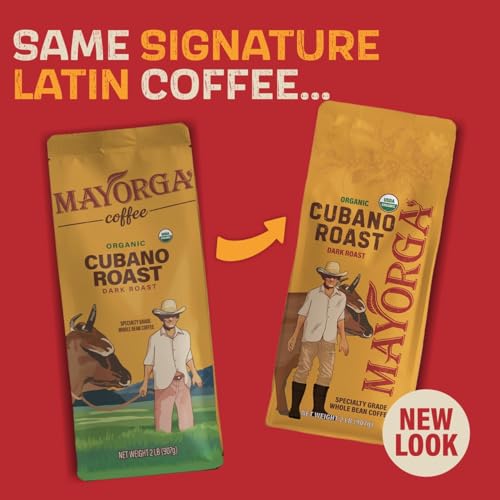
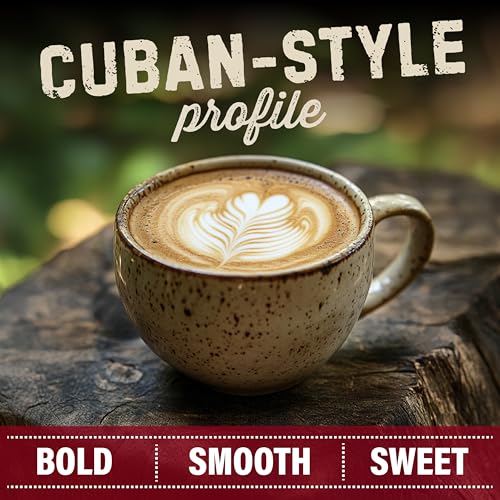
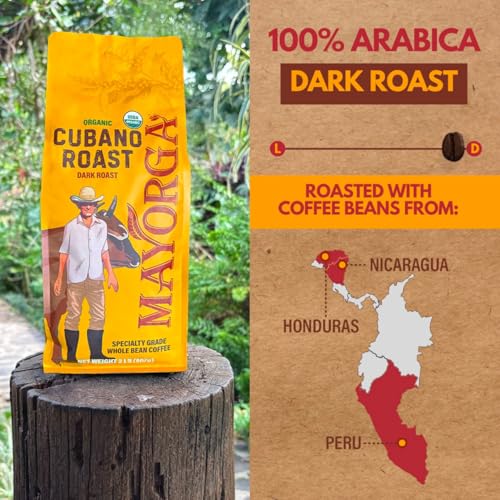
Mayorga’s Cafe Cubano Roast stands out in a crowded field by being both organic and genuinely flavorful, a combo that’s harder to nail than it sounds. The slow-roasting process brings out a syrupy sweetness with vanilla and smoky notes, and the low acidity makes it a go-to for sensitive stomachs. Reviewers consistently praise its smoothness, especially in French press, where the body amplifies those Cuban-style qualities.
Unlike many organic bags that taste like virtue signaling over flavor, this one delivers. It’s not as intense as Peet’s Major Dickason’s, but it’s more interesting than most supermarket organics. For those who value ethics and origin transparency, Mayorga’s Latino-owned, farmer-partnered model adds real weight.
Product photos
Copper Moon Sumatra Dark Roast

Strengths
- Earthy depth
- Clean profile
- Smooth mouthfeel
Trade-offs
- Subtle acidity
- Limited brightness
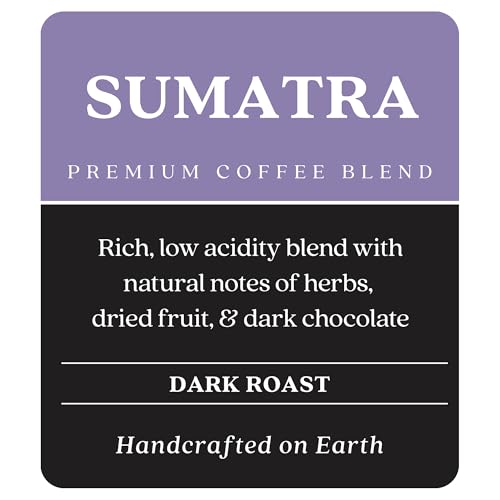
Copper Moon’s Sumatra Blend leans into earthy, woody notes with a full body that French press lovers often crave. The dark cherry and cacao hints come through in owner feedback as a smooth, almost syrupy experience, thick on the tongue without being harsh. It’s not a single-origin powerhouse, but the sourcing from Indonesia’s volcanic highlands gives it a distinct terroir-driven edge you don’t get from mass-market roasts.
What stands out is how many reviewers praise its clean profile, gluten-free, mold-free, and non-GMO claims seem to resonate with sensitive drinkers. It’s not the most complex dark roast here, but for those who want boldness with a natural, unadulterated finish, it’s a solid pick.
Product photos



Lavazza Crema E Aroma
Strengths
- Rich crema
- Earthy depth
- Strong body
Trade-offs
- Robusta aftertaste
- Less origin clarity
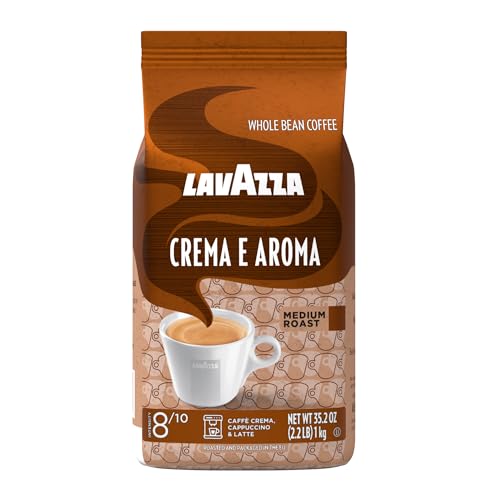
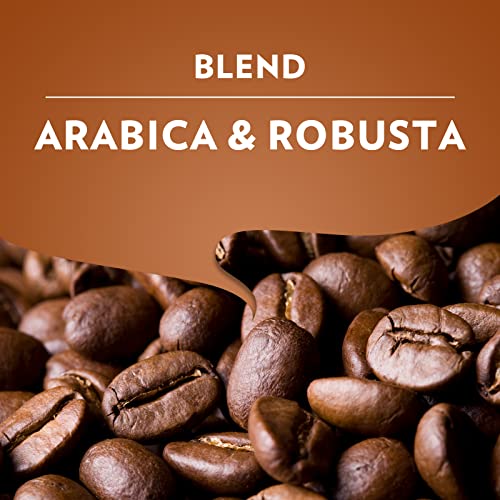
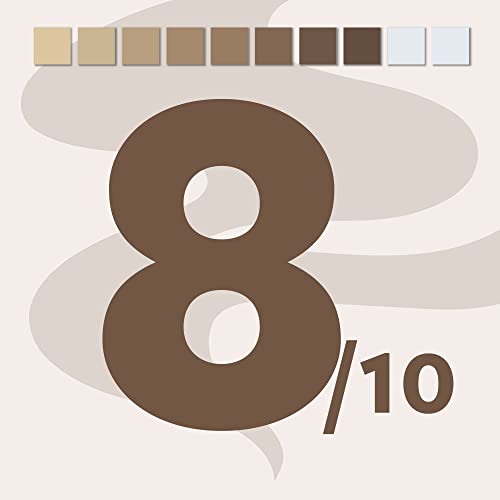
Lavazza Crema E Aroma blends Arabica and Robusta to create a creamy, earthy profile built for espresso, but it holds up well in French press thanks to its body and lingering finish. The 8/10 intensity rating means it’s bolder than their 100% Arabica bag, with a chocolate-forward taste and a thick mouthfeel that French press amplifies. Reviewers note the crema-like texture even without a machine.
But the Robusta content is a double-edged sword, some praise the kick and richness, others detect a rubbery edge if over-extracted. Compared to Mayorga or Peet’s, it’s less clean, but more affordable and consistent. A solid pick if you want body and espresso-style depth in a French press context.
Product photos


Lavazza Espresso Medium Roast

Strengths
- Floral notes
- Multi-method use
- Smooth finish
Trade-offs
- Lighter body
- Not intensely roasty
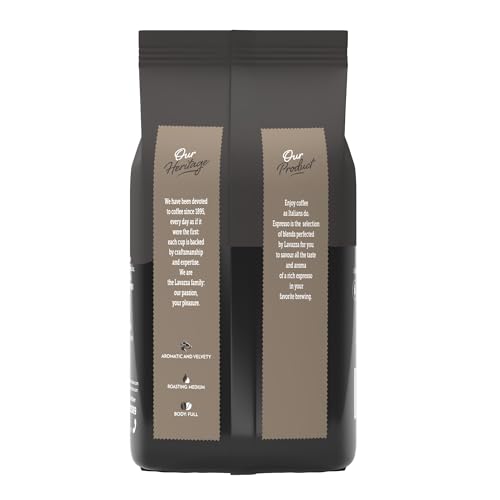
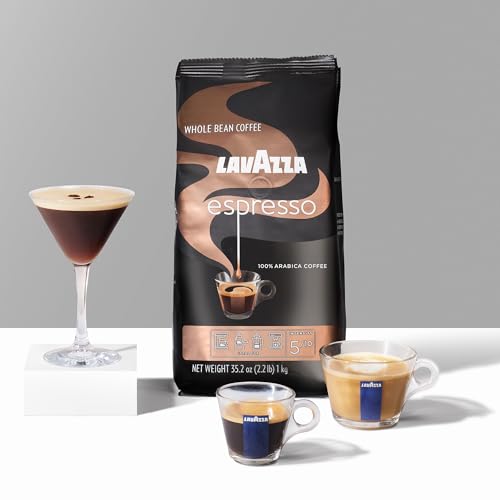
Lavazza’s 100% Arabica espresso bean surprises as one of the most versatile options here, despite the name, it shines in French press too. The medium roast brings forward floral and fruity notes with a 5/10 intensity, making it lighter than most on this list, but that’s its strength. Owners appreciate how it avoids bitterness while still delivering a rounded, aromatic cup.
For French press drinkers who dislike the heaviness of dark roasts, this is a breath of fresh air. It won’t match Peet’s or Major Dickason’s in body, but it offers clarity and brightness that others lack. If you want one bag that works across methods without tasting thin, this is it.
Product photos


How We Tested whole bean coffee for french press
As the founder of Bean Thusiast, I approach coffee selection with a focus on the details – from origin to roast level and how those factors translate to the final cup. Rather than a hands-on lab test, this selection is a research-led comparison of published specifications and owner feedback across a range of whole bean coffees frequently recommended for French press brewing. I weighed factors like roast level, bean origin, flavor notes, and sourcing practices to compile this list.
For French press, I prioritized dark and medium-dark roasts, as they generally produce a fuller body and richer flavor that stands up well to the immersion brewing method. Flavor complexity was also key; a nuanced coffee shines when brewed in a French press. Finally, ethical sourcing and transparency from the brand played a significant role, as consumers are increasingly interested in where their coffee comes from. Understanding the optimal brewing ratio is also crucial for achieving the best results.
Specifications readily reveal roast level and bean composition (100% Arabica versus blends), which are good indicators of potential flavor profiles. However, I relied heavily on owner reviews to gauge the actual taste experience and consistency. Reputation – a brand’s history and commitment to quality – also heavily influenced my assessment. Ultimately, a coffee’s ability to deliver a bold, satisfying French press brew was the deciding factor.
How To Choose The whole bean coffee for french press
Finding the right whole bean coffee is crucial for a truly satisfying French press experience. It’s not simply about grabbing the darkest roast; a lot more goes into unlocking a flavorful cup.
A quality whole bean coffee for French press should exhibit a consistent roast, a freshness date within a reasonable timeframe (ideally roasted within the last two weeks), and a flavor profile suited to the immersion brewing method. Look for beans with good body and low acidity, as the French press tends to accentuate these characteristics. Consider origin, processing method, and roast level to dial in your preferred taste.
Roast Level & Flavor Profile
Many people assume a dark roast is best for French press, and while it can work, it isn’t a rule. Darker roasts, like Peet’s French Roast, deliver that classic bold flavor, but they can sometimes lack the nuance found in medium roasts. I often recommend experimenting. Medium roasts, particularly those with chocolate or nutty notes, can be surprisingly complex and satisfying when brewed in a French press. Lighter roasts aren’t usually the best choice because they can taste sour when fully immersed, but a well-balanced medium-dark roast like Lavazza Espresso can offer both body and brighter flavors.
Bean Origin & Processing
The origin of the bean dramatically impacts its final flavor. Sumatran beans (like Copper Moon Sumatra Dark Roast) are known for their earthy, full-bodied profiles, while Colombian beans (like Amazon Fresh Colombia Medium Roast) often offer a more balanced, brighter cup. Beyond origin, the processing method matters. Washed coffees tend to be cleaner and brighter, while natural or pulped natural coffees often have more fruit-forward notes. For a French press, I’ve found that naturally processed beans can add a lovely sweetness, but they require a bit more attention to grind size to avoid muddiness. If you’re exploring best roast types for French press, understanding these nuances will elevate your brewing.
Freshness & Grind Consistency
This is where many people stumble. Buying whole bean is the first step, but freshness is paramount. Always check the roast date, not just a “best by” date. Coffee begins to stale rapidly after roasting, losing its aroma and flavor. Once opened, store your beans in an airtight container away from light, heat, and moisture. More importantly, a consistent, coarse grind is essential for a clean French press brew. A burr grinder is a must; blade grinders produce an inconsistent grind that leads to over-extraction and sediment.
Here’s what to look for in a good grinder: * Burr Type: Conical burrs are quieter and produce less heat. * Grind Settings: A wide range of settings is crucial for dialing in the perfect grind. * Consistency: Look for a grinder that produces a uniform grind size, minimizing fines (dust-like particles).
A simple rule of thumb: if your French press coffee tastes bitter, your grind is likely too fine. If it tastes weak and sour, it’s probably too coarse.
Ultimately, achieving the perfect cup is about finding the beans you enjoy. Don’t be afraid to experiment with different origins, roasts, and grind settings until you discover your ideal coffee. And remember to consider the recommended steeping time to unlock the full potential of your beans.
Whole Bean Coffee for French Press Compared
Here’s a comparison of specifications for various whole bean coffees suitable for use in a French press.
| Product Name | Roast Level | Bean Type | Bag Size (oz) | Origin | Flavor Notes | Organic |
|---|---|---|---|---|---|---|
| Peet’s French Roast | Dark | 100% Arabica | 18 | N/A | Chocolate, Smoke, Caramel | No |
| Starbucks French Roast | Dark | 100% Arabica | 28 | N/A | Dark Caramel, Sweet Smoke | No |
| Peet’s Major Dickason’s Blend | Dark | 100% Arabica | 18 | N/A | Robust, Full-bodied | No |
| Amazon Fresh Colombia | Medium | 100% Arabica | 32 | Colombia | Balanced, Smooth | No |
| Mayorga Cafe Cubano | Dark | 100% Arabica | N/A | Peru/Honduras/Nicaragua | Vanilla, Smoky | Yes |
| Copper Moon Sumatra | Dark | N/A | N/A | Sumatra | Dark Cherry, Cacao | No |
| Lavazza Crema E Aroma | Medium | Arabica/Robusta | 35.2 | S. America/Africa/Asia | Chocolate | No |
| Lavazza Espresso Medium Roast | Medium | 100% Arabica | 35.2 | S. America/Africa | Floral, Fruit | No |
Frequently Asked Questions
What grind size is best for French press, and why is it so important?
A coarse grind is best for French press; it prevents grounds from passing through the filter and avoids over-extraction, which leads to bitterness. Using a grind that is too fine will result in a muddy, gritty cup, even with careful pouring.
Can stale coffee beans still make a good French press brew?
No, stale beans will produce a flat, lifeless cup. Coffee beans lose their volatile aromatic compounds quickly after roasting, so checking for a recent roast date is vital for a flavorful brew.
Is 100% Arabica coffee always better for French press than a blend?
Not necessarily. While 100% Arabica coffees generally offer more complex flavors, well-crafted blends – like Peet’s Major Dickason’s Blend – can deliver a robust and satisfying French press experience, especially if you prefer a bolder taste.
How does water temperature affect the flavor when brewing in a French press?
Water temperature is critical. Aim for around 200°F (93°C); too hot and you’ll scorch the grounds resulting in bitterness, and too cool, and you won’t fully extract the flavors. Many electric kettles have temperature settings to help you achieve this.
Where can I find more information about the top beans for French press brewing beyond this guide?
My website, Bean Thusiast, features detailed reviews and comparisons of various coffee beans, including specific recommendations for French press brewing. You’ll find in-depth analyses of flavor profiles, roast levels, and sourcing practices to help you find the perfect bean for your taste.
The Bottom Line
Choosing the best whole bean coffee for French press often comes down to balancing your desire for convenience with your pursuit of flavor. While there’s a lot of nuance to explore, for a consistently bold and satisfying cup with minimal fuss, I recommend Peet’s French Roast. It’s a reliable, widely available option that delivers that classic French press character.
If you’re on a budget, Amazon Fresh Colombia offers exceptional value and a surprisingly smooth, balanced experience. For those wanting versatility and a bit of brightness alongside a full body, Lavazza Espresso Medium Roast strikes a nice compromise. And for the ethically-minded coffee drinker, Mayorga Cafe Cubano provides a robust flavor profile with the reassurance of organic certification.
Ultimately, remember that grind consistency and freshness are more critical than any specific bean origin or roast level. Mastering the correct French press technique and using a quality burr grinder will elevate any of these coffees – and that’s where the real magic happens.
