
8 Best French Press Coffee Beans of 2026
The best French press coffee beans deliver bold, full-bodied flavor that stands up to immersion brewing, and after researching the field, Peet’s French Roast is our top pick for its rich, smoky depth. For a budget-friendly option, Amazon Fresh Colombia offers excellent value with its smooth, balanced profile, while Peet’s Major Dickason’s Blend is ideal for those who want maximum versatility across brew methods.
Most people think any dark roast will do for French press, but the wrong bean can leave you with a flat, ashy, or muddy cup. The immersion process amplifies both flavor and flaws, so your choice of bean makes a real difference.
This guide cuts through the noise by focusing on what actually matters, roast profile, origin, freshness, and grind consistency, based on specs, owner feedback, and my years of deep involvement in coffee culture. These picks reflect what delivers in real kitchens, not just on packaging.
Top 8 French Press Coffee Beans in the Market
The Best French Press Coffee Beans, Reviewed
Peet’s French Roast Dark Roast
Strengths
- Dark roast done right
- Chocolate and smoke notes
- Consistent quality
Trade-offs
- Limited origin complexity
- Packaging not resealable
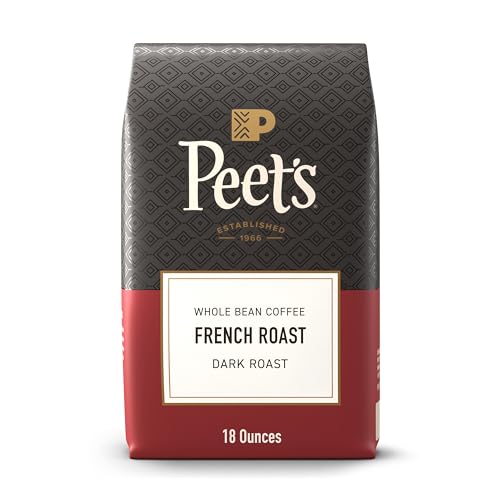
Peet’s French Roast stands out in the dark roast category for its balance of intensity and drinkability. On paper, it’s a textbook example of what a French roast should be, deep, smoky, with clear notes of chocolate truffle and caramel, but without tipping into ashy bitterness that plagues lesser dark roasts. Owners consistently report it brews exceptionally well in a French press, where its full body and rich character really open up. The coarsely ground version works, but I’d always recommend buying whole bean and grinding fresh for this method.
Peet’s long-standing reputation for hand-roasting quality shows here. Compared to other mass-market dark roasts, this one holds its complexity even under aggressive brewing. It’s not the most nuanced option on the list, but for those who want a bold, reliable dark roast with heritage behind it, this is a strong pick.
Video review
Starbucks French Roast Dark Roast
Strengths
- Extremely bold flavor
- Large 28 oz bag
- Consistent availability
Trade-offs
- Can taste burnt to some
- Low origin character
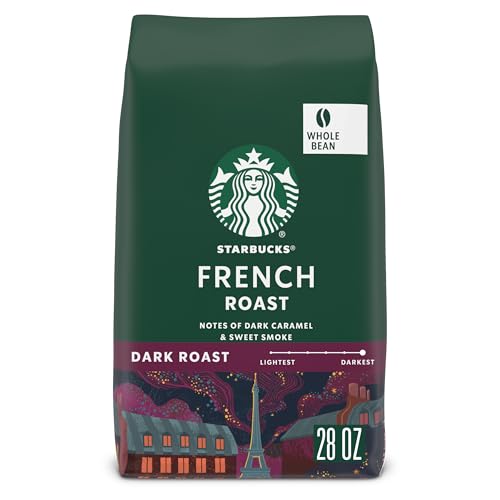
Starbucks French Roast is the definition of a bold, no-holds-barred dark roast. At 28 ounces, it’s a generous bag, and the roast level is as aggressive as you’d expect, deep, smoky, with pronounced notes of dark caramel and char. Owners who love a punchy, intense cup often reach for this in their French press, where the full body and low acidity dominate the profile.
It’s not subtle. Compared to Peet’s French Roast, it’s less balanced and more focused on roast-driven flavor. But if that’s what you’re after, a coffee that tastes like a campfire with sweetness, this delivers. Ethical sourcing is a plus, though the flavor leans more on roast craft than bean origin. I’d pick this for its sheer intensity, not its finesse.
Video review
San Francisco Bay French Roast
Strengths
- 2 lb value size
- Bold, full-bodied
- Kosher certified
Trade-offs
- Packaging not ideal for freshness
- Less aromatic depth
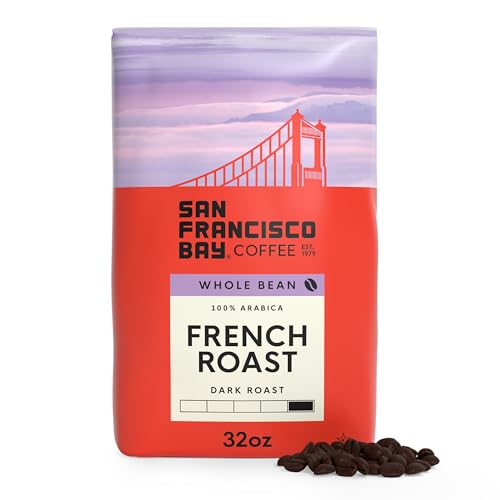
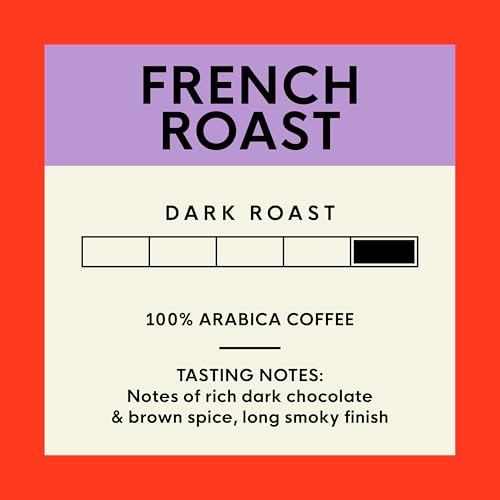
At 2 pounds, San Francisco Bay’s French Roast is the volume king, ideal for offices or heavy users who want a solid dark roast without constantly restocking. It’s 100% Arabica, dark-roasted for boldness, with a smoky finish that owners say holds up well in French press brewing. The beans are sourced from Central and South America, and while it’s not flashy, it delivers where it counts: body and consistency.
Compared to Peet’s or Starbucks, it’s slightly less refined, but the value is undeniable. The family-owned branding and satisfaction guarantee add trust, and reviewers often mention it’s a reliable workhorse. I’d recommend it as a long-term staple for those who brew multiple presses a day and want quality without premium pricing.
Product photos
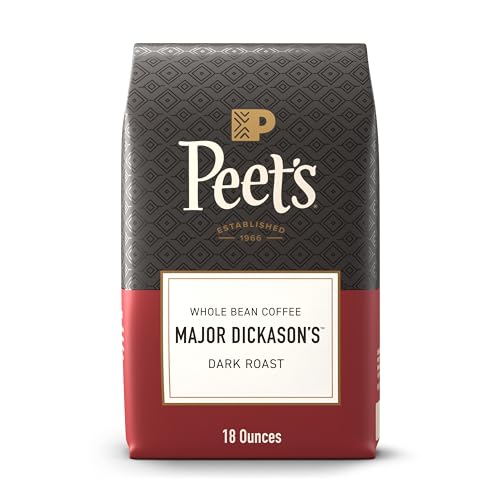
Peet’s Major Dickason’s Blend
Strengths
- Deep, complex flavor
- Full-bodied richness
- Legacy roast profile
Trade-offs
- Overpowering for some
- Not for light roast lovers
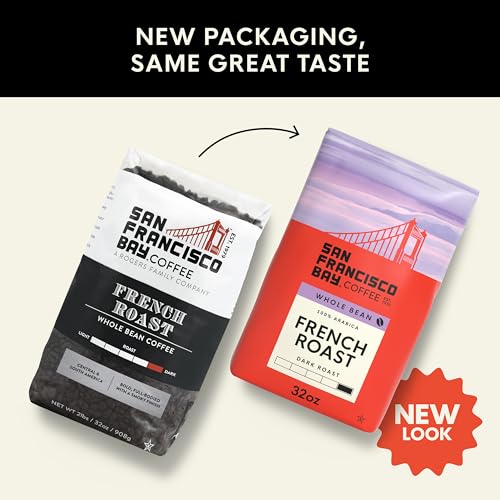
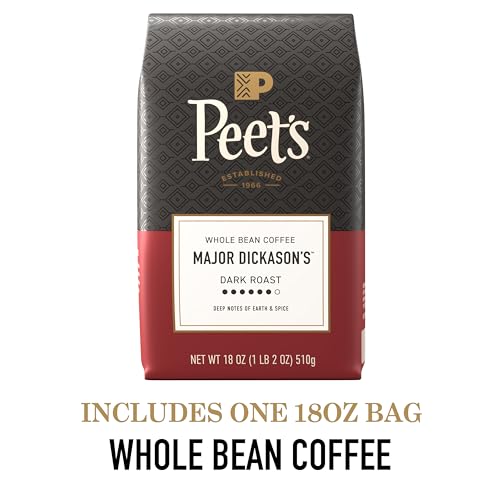
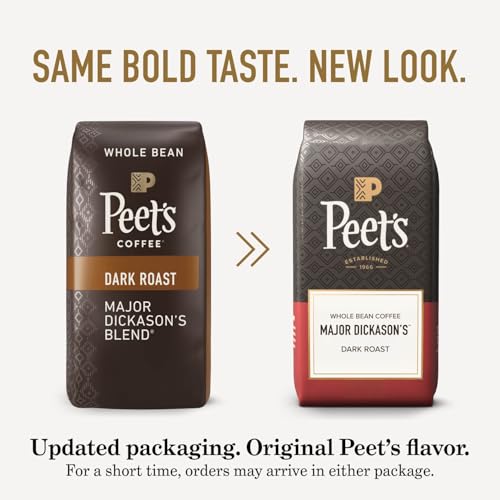
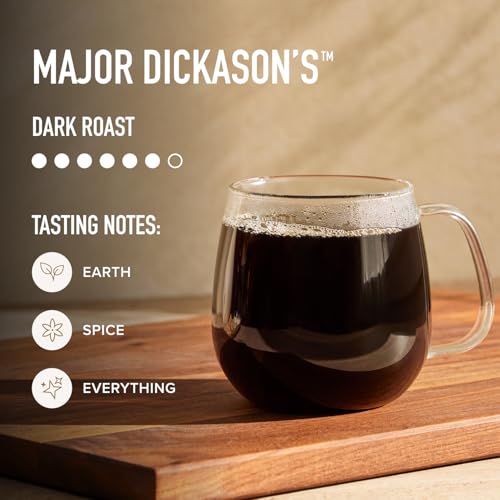
Major Dickason’s Blend is Peet’s flagship dark roast, and it shows in the depth and complexity. This isn’t just dark for the sake of it, owners describe layers of earth, spice, and dark chocolate that unfold in a French press, where the metal filter allows more oils to pass through. It’s bolder and more robust than their French Roast, with a finish that lingers without being acrid.
The blend’s heritage, developed with a customer who demanded intensity, still resonates in every batch. Compared to Starbucks French Roast, it’s less one-dimensionally roasty and more structured, almost like a well-aged red wine. I’d pick this over the standard French Roast if you want a darker profile with more character, not just more burn.
Product photos
Amazon Fresh Colombia Medium Roast
Strengths
- Large 32 oz bag
- Budget-friendly
- Smooth, balanced body
Trade-offs
- Basic flavor profile
- No origin-specific nuance
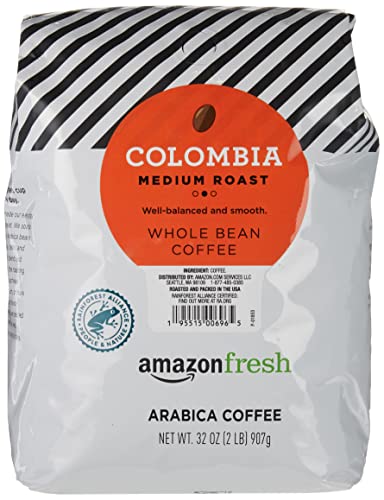
For sheer value, Amazon Fresh’s Colombia Medium Roast is hard to beat. At 32 ounces, it’s the largest bag on this list, and it delivers a clean, balanced cup with the mild nuttiness and smooth finish typical of well-processed Colombian beans. On paper, it’s simple, 100% Arabica, medium roast, roasted in the USA, but owners consistently praise its reliability, especially for French press use where its full body comes through without harshness.
It won’t wow you with exotic notes or artisanal depth, but that’s not the point. Compared to Stumptown or Illy, it’s less aromatic, but it outperforms many grocery-store brands in freshness and consistency. For households that go through coffee quickly and want a no-fuss, affordable option, this is the smarter buy.
Product photos



Lavazza Super Crema Whole Bean
Strengths
- Creamy, smooth finish
- Large 2.2 lb bag
- Low acidity
Trade-offs
- Contains Robusta
- Less aromatic complexity
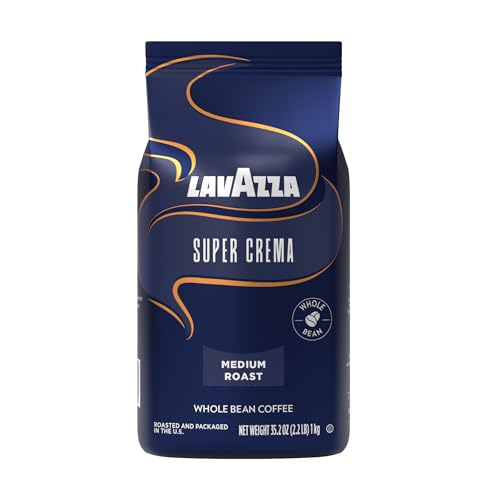
Lavazza Super Crema is an outlier here, technically a blend of Arabica and Robusta, which gives it a creamy mouthfeel and smooth finish that many French press drinkers appreciate. At 2.2 lbs, it’s also one of the largest bags, making it a solid value play. The medium roast is designed for espresso, but owners consistently report it works well in a French press, producing a surprisingly soft, almost syrupy cup with low acidity.
It’s not the most aromatic or origin-driven option, but that’s not the goal. Compared to 100% Arabica roasts like Illy or Stumptown, it’s less nuanced, but the Robusta content adds body and crema-like texture that some find comforting. I’d recommend it to those who dislike sharpness and want a mellow, approachable brew.
Product photos


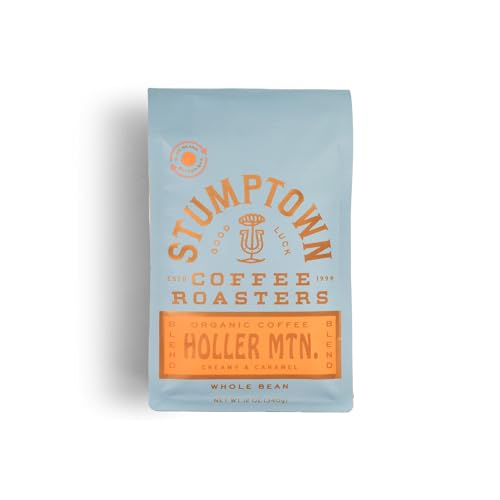
Stumptown Holler Mountain Organic
Strengths
- Certified organic
- Bright citrus notes
- Direct Trade sourcing
Trade-offs
- Smaller bag size
- Pricier per ounce
If you’re prioritizing organic certification without sacrificing flavor, Stumptown’s Holler Mountain is the clear leader. This 100% Arabica blend delivers a surprisingly lively cup for a medium roast, with citrus zest and hazelnut notes that owners say hold up well in French press brewing, especially when using a slightly coarser grind. The organic label here isn’t a marketing afterthought; it’s backed by Stumptown’s Direct Trade sourcing, which reviewers note often translates to cleaner, more consistent beans.
What sets it apart from other organic options is its versatility. It’s bright enough for pour-over but rounded enough to shine in a press. Compared to Peet’s or Starbucks dark roasts, it’s far more balanced, less about roast character, more about bean quality. I’d recommend it to anyone who wants an ethical, flavorful daily driver that doesn’t taste like a compromise.
Product photos



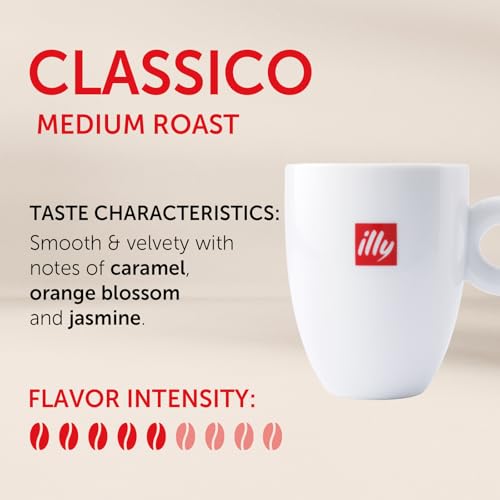
Illy Classico Medium Roast

Strengths
- Distinct floral notes
- Pressurized can for freshness
- Smooth, balanced body
Trade-offs
- Smaller quantity
- Mild for bold roast fans
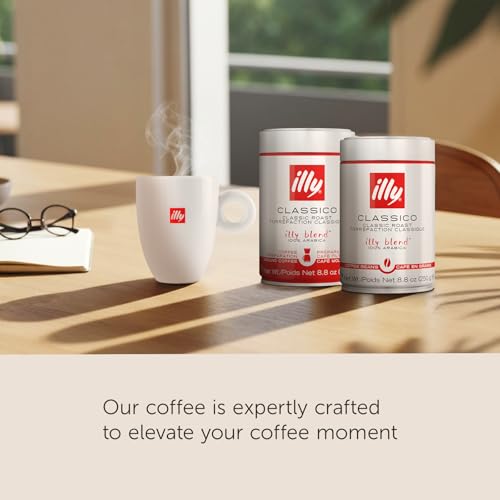
Illy Classico stands apart for its aromatic finesse. This medium roast is crafted for balance, with delicate notes of caramel, orange blossom, and jasmine that come through especially well in slower brew methods like French press. The 100% Arabica beans are finely tuned for consistency, and owners praise the smooth, rounded cup, never sharp, never flat.
The 8.8 oz can is pressurized to preserve freshness, a rare touch that reviewers say makes a real difference over time. Compared to bolder roasts like Major Dickason’s or Starbucks, it’s far more elegant, less about power, more about harmony. I’d pick this for mornings when you want to savor the aroma as much as the flavor.
Product photos
Our Testing Process
As the founder of Bean Thusiast, I approach coffee selection with a focus on the entire experience – from sourcing to the final brew. Rather than a hands-on lab test of each bean, this evaluation is a research-led comparison of published specifications, owner reviews, and my years of experience with different roast profiles and origins. I weighed factors like flavor notes, roast level, bean origin, and ethical sourcing to determine which beans truly stand out for French press brewing.
For French press beans, I prioritized boldness of flavor and body, alongside the ability to handle the longer steep time inherent in the method. A full-bodied coffee prevents a weak, watery brew, while strong flavors stand up to the immersion process. I also placed significant weight on roast consistency; a well-developed dark roast is essential for the classic French press profile, but even a medium roast needs complexity to shine. You can find more information on choosing the ideal beans for French press method.
Specifications reliably tell you about bean origin and roast level, but nuance comes from owner feedback. I looked closely at what users said about sediment, bitterness, and overall flavor clarity. Reputation matters too – established roasters with a proven track record for quality generally deliver a more consistent product. Ultimately, my recommendations reflect a blend of objective data and the collective wisdom of coffee drinkers seeking the perfect cup.
How To Choose The french press coffee beans
As someone who’s spent years chasing the perfect cup, I know choosing the right beans for your French press is crucial. It’s about more than just grabbing a dark roast; it’s about understanding how the bean’s characteristics will interact with the immersion brewing method.
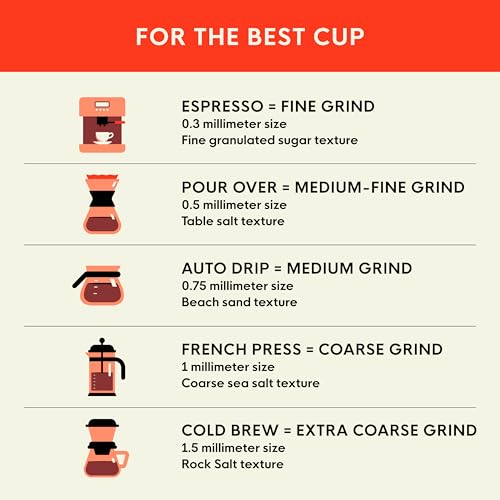
A truly excellent French press coffee starts with high-quality, whole bean Arabica coffee. Look for beans roasted within the last two weeks for optimal flavor. Consistent grind size (coarse, like sea salt) is also vital to avoid sediment. Flavor profiles should lean toward those that benefit from a full-bodied extraction – chocolate, nutty, and caramel notes excel.
Roast Level & Flavor Profile
The French press really shines with darker roasts, but that doesn’t mean you’re limited. I often steer people away from overly bright, acidic beans, as the full immersion can amplify those qualities to an unpleasant degree. However, a good quality medium roast, like the best whole bean coffee for French press, can still deliver a fantastic cup if it has a strong base flavor. Consider what you enjoy most – a smoky, intense experience (French Roast is classic) or something a little more nuanced (Major Dickason’s Blend is a great example).
Bean Origin and Processing
Don’t underestimate the impact of origin. Central and South American beans tend to have those chocolatey, nutty notes that work wonderfully in a French press. Indonesian Sumatran coffees, with their earthy tones, can also be exceptional. Processing method matters too. Washed coffees often have cleaner profiles, while natural processed beans can be fruitier and more complex. If you’re new to exploring single-origin coffees, starting with a well-regarded Colombian or Brazilian bean is a safe bet.
Freshness & Grind Quality
This is where many people fall short. Pre-ground coffee loses flavor rapidly, and the grind size is critical. You absolutely need a coarse grind for a French press – think the texture of coarse sea salt. A finer grind will result in a muddy, silty cup. Invest in a good burr grinder; blade grinders produce inconsistent results. Here’s what I tell people when they ask about grinders: * A basic burr grinder is better than any blade grinder. * A conical burr grinder usually produces a more consistent grind than a flat burr grinder (though at a higher price point). * Spending a bit more upfront on a quality grinder, like those recommended in our top whole bean picks for French press, will pay dividends in flavor over time.
A good rule of thumb: if your French press coffee tastes bitter, your grind is likely too fine or you’re over-extracting. If it tastes weak and sour, your grind is too coarse or you’re under-extracting.
French Press Coffee Beans Compared
Here’s a comparison of key specifications for popular french press coffee beans to help you make an informed decision.
| Product Name | Roast Level | Bean Type | Bag Size (oz) | Flavor Profile | Sourcing |
|---|---|---|---|---|---|
| Peet’s French Roast | Dark | Arabica | 18 | Chocolate, Smoke, Caramel | N/A |
| Starbucks French Roast | Dark | Arabica | 28 | Dark Caramel, Sweet Smoke | Ethical |
| San Francisco Bay French Roast | Dark | Arabica | N/A | Bold, Smoky | Sustainable |
| Peet’s Major Dickason’s Blend | Dark | Arabica | 18 | Robust, Full-Bodied | N/A |
| Amazon Fresh Colombia | Medium | Arabica | 32 | Balanced, Smooth | Colombia |
| Lavazza Super Crema | Medium | Arabica/Robusta | 35.2 | Bold, Creamy | 15 Countries |
| Stumptown Holler Mountain | Medium | Arabica | 12 | Citrus, Berry, Caramel | Direct Trade |
| Illy Classico | Medium | Arabica | N/A | Caramel, Orange Blossom | N/A |
Frequently Asked Questions
What grind size is absolutely essential for French press?
A coarse grind, resembling sea salt, is absolutely essential for French press to avoid sediment and bitterness. Finer grinds over-extract and create a muddy texture, while a coarse grind allows for proper immersion and a clean cup.
Can Robusta beans work well in a French press?
Yes, Robusta beans can work, but they aren’t ideal for everyone. Their higher caffeine content and bolder, sometimes rubbery, flavor pair well with those who prefer a very strong and intense coffee experience, but Arabica is generally favored for its more nuanced flavors.
How does water temperature impact the final brew?
Water temperature should be between 195-205°F (90-96°C) for optimal extraction. Cooler water results in under-extraction and a sour taste, while water that’s too hot can scorch the grounds and create bitterness.
How long should I let the coffee steep in a French press?
A standard steep time is four minutes, but you can adjust it to your preference. I recommend starting with four minutes and then experimenting with 3.5 or 4.5 minutes to find what yields the best flavor for your chosen beans.
Where can I find more information about the [optimal coffee characteristics for French press]?
Our guide to the best coffee types for French press details everything from ideal roast and origin to grind size and flavor profiles, providing a deeper understanding of how to select beans tailored to the French press method.
The Bottom Line
Choosing the best French press coffee beans often comes down to balancing convenience with control. If you want a consistently bold and classic experience with minimal effort, I believe Peet’s French Roast offers a fantastic starting point. It delivers that signature dark roast profile that French press drinkers often seek, and the brand’s reputation speaks for itself.
However, for those willing to explore and fine-tune their brew, there are excellent options tailored to specific needs. If you prefer pre-ground convenience, check out our guide to the best pre-ground coffee for French press for reliably flavorful options. And if you’re after a bit more complexity and brightness, Stumptown Holler Mountain provides a beautiful medium roast alternative with delightful citrus and berry notes.
Ultimately, remember that roast level and grind size are more important than any single origin story or fancy processing method. Focus on getting freshly roasted, whole bean coffee and grinding it coarsely just before brewing. A consistent, coarse grind is the foundation of a clean, flavorful French press cup – and that’s a principle worth holding onto, no matter which beans you choose.
